The fan is roaring, the temperature dial is buried on red, the windshield is still fogging from the inside, and the air coming out of the vents is somewhere between cool and mildly disappointing. It is the complaint we get more than any other from about the second week of November onward, and it is never a mystery for long, because a truck heater only has four things that can go wrong with it.
The useful part is that the four are not equally likely and they are not equally expensive, and the cheap ones are also the common ones. Two of them you can rule out yourself in a driveway before you spend a dollar. If you would rather have it confirmed properly before the cold sets in, book it into our service department now, in September, while the shop is not yet three deep with no heat complaints. Here is the order we actually work it.
Key Takeaways
- A truck heater is a small radiator fed by engine coolant. Hot coolant goes through the heater core behind the dash, a fan blows across it, and a door decides how much of that heated air reaches you. Every failure is somewhere in that chain.
- Check the coolant level first. It costs nothing, and low coolant or an air pocket in the system is the single most common reason a heater goes lukewarm. There is often no warning light, because the level can be low enough to starve the heater core long before it is low enough to overheat the engine.
- Heat that is fine at highway speed and gone at idle points at coolant or flow. Heat on one side and cold on the other points at the blend door. Those two symptoms alone sort most of these cases.
- The clicking or ticking behind the dash that owners describe every fall is the classic blend door actuator complaint on these trucks. It is a real part, it is replaceable, and it is not the same job as a heater core.
- The heater core is the expensive one, because on most trucks it lives inside the dash and the labour to reach it is the cost, not the part. It is also the least likely of the four, which is why it is the last thing to suspect, not the first.
First, What a Heater Actually Is
It is worth thirty seconds on how the system works, because it makes the whole diagnosis obvious.

Your engine makes heat. Coolant carries that heat away. Some of that hot coolant gets routed through two hoses that pass through the firewall into a small radiator behind your dash, called the heater core. The blower fan pushes cabin air across that core, the air picks up the heat, and a flap called the blend door decides how much of the heated air goes to your vents versus how much cold air gets mixed back in.
So there are exactly four ways to end up with cold air: not enough coolant moving through the core, coolant that never got hot in the first place, a core that is plugged, or a door that is not opening. That is the whole list. Everything below is just sorting between them.
Suspect One: Coolant Level or Air in the System
This is where we start on every single one of these, because it is free and it is right a lot of the time.

The heater core sits high in the cooling system. That means it is the first thing to go dry when the level drops, and an air pocket will sit right there and stop the flow. A truck can be down enough coolant to kill the heater and still show a perfectly normal temperature gauge, which is exactly why people show up convinced it is something expensive.
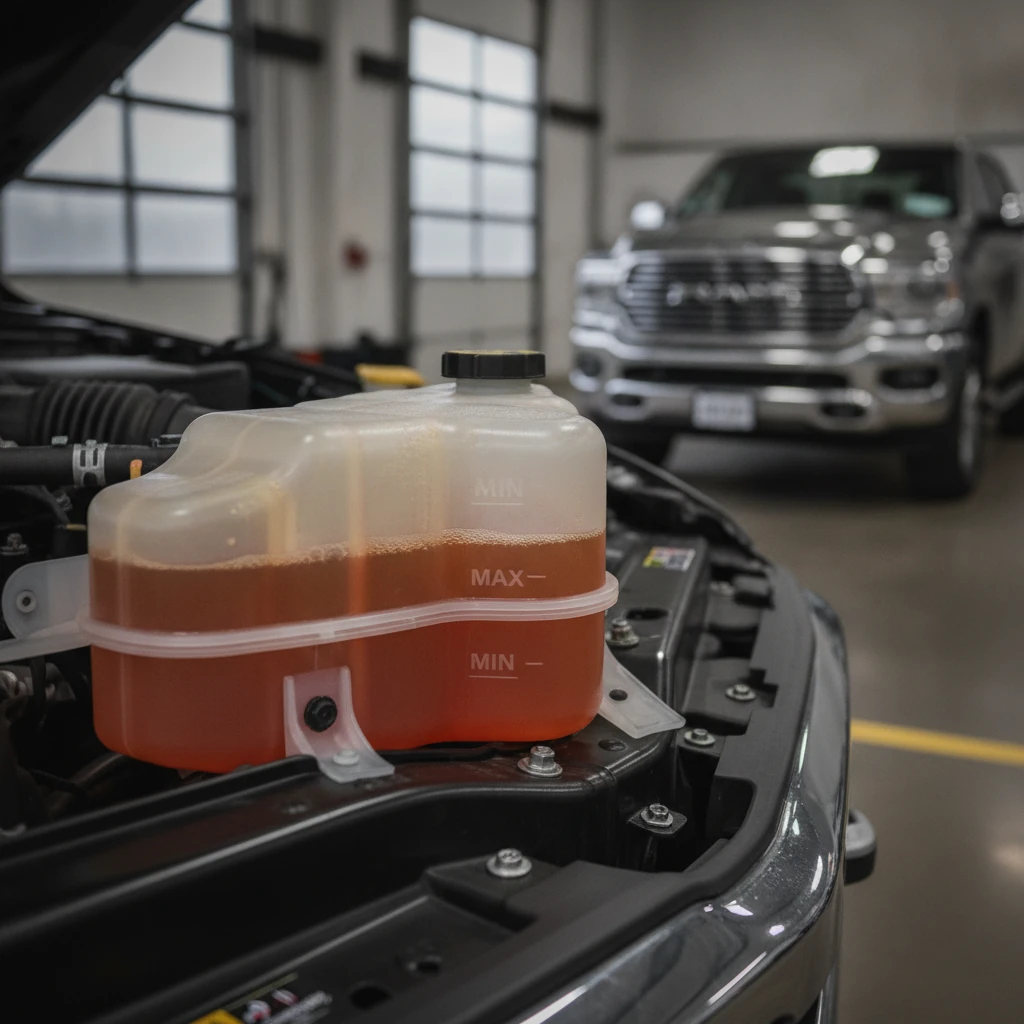
How to check it: with the engine stone cold, look at the coolant reservoir and read the level against the marks on the side. Never open a hot cooling system. If it is low, that is your answer, but it is only half of it. Coolant does not get used up. If it is low, it went somewhere, and finding the leak matters more than topping it up.
The tell that goes with it: heat that works fine at highway speed and disappears at a stoplight is a flow problem, and low coolant or air is at the top of that list. More coolant moves when the engine is spinning faster, so a system that is marginal will still deliver at 100 km/h and quit in a drive through queue.
Coolant also has a service life, and old coolant loses the corrosion inhibitors that keep the inside of a heater core clean. We covered that whole side of it in our post on engine coolant service intervals, and it is genuinely the maintenance item that prevents the expensive version of this problem.
Suspect Two: A Thermostat Stuck Open
This one has a signature that gives it away immediately, and most owners have already noticed it without knowing what it meant.
The thermostat is a valve that stays shut until the engine reaches operating temperature, so the engine warms up quickly instead of circulating coolant through the big radiator right away. When a thermostat fails stuck open, coolant circulates through the radiator from the moment you start it. In a Manitoba December the outside air is so cold that the engine may never fully reach operating temperature at all.
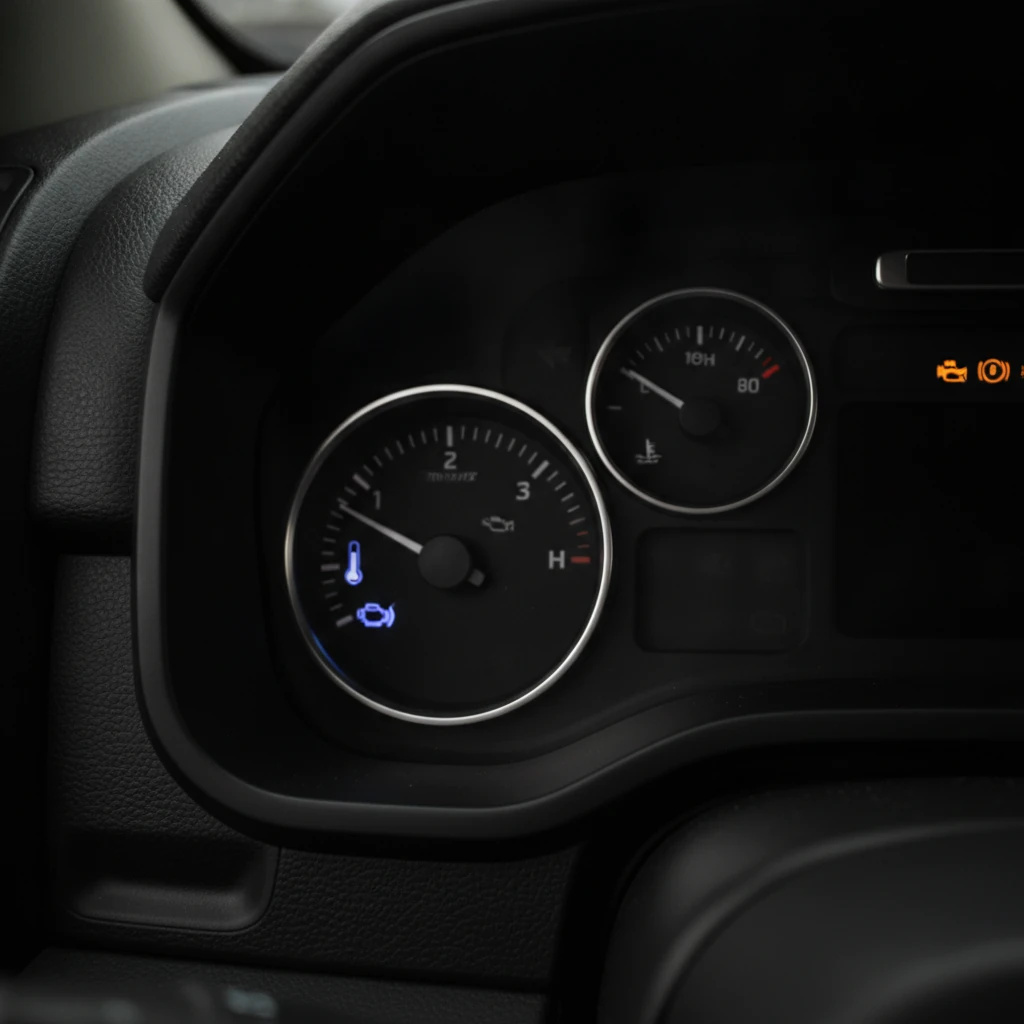
The tell: the temperature gauge sits low and never climbs to where it normally does, or it climbs and then falls back down on the highway. If the coolant never gets hot, the heater core has nothing hot to work with, and there is nothing wrong with the heater at all.
The other tell: fuel economy quietly gets worse and it takes forever to get any heat on a short trip. A cold running engine runs a richer mixture for longer.
This is a real repair but a fairly ordinary one, and it is worth doing regardless of the heater, because an engine that never reaches operating temperature is not doing itself any favours over a winter of short trips.
Suspect Three: The Blend Door Actuator
If the coolant is full and the engine reaches normal temperature but the air is still not hot, the problem has moved inside the dash, and the blend door is the next stop.
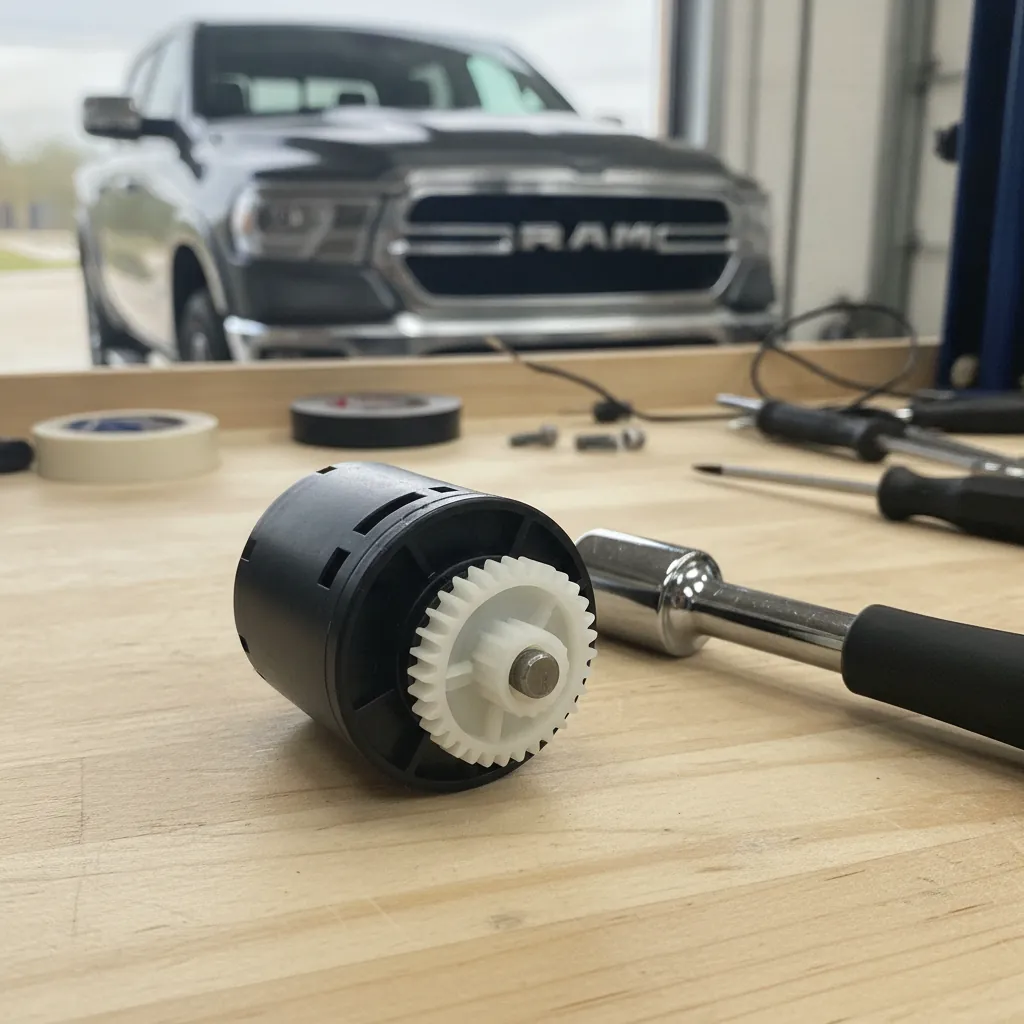
The blend door is a flap. A small electric actuator swings it between the cold air path and the heated air path when you move the temperature dial. When the plastic gears inside that actuator strip, the door stops moving, and it usually parks wherever it happened to be. If it parked on cold, you get cold air with a perfectly healthy cooling system behind it.
The three tells, and any one of them is enough:
Clicking or ticking behind the dash. This is the one people describe to us every fall. A repeating tick from behind the centre of the dash, often right when you start the truck or right when you move the temperature dial, is a stripped actuator gear skipping. It is a distinctive sound and it is worth trusting.
Hot on one side, cold on the other. On a truck with dual zone climate control there is more than one door and more than one actuator. One side pouring heat while the passenger sits in cold air is close to conclusive.
The dial does nothing at all. You sweep from full cold to full hot and nothing about the air changes. The door is not moving.
The good news is that this is a part, not a mystery, and it is a far smaller job than the one below it on the list. The bad news is that on some trucks the actuator sits far enough back that reaching it is most of the labour. We will tell you which of those two yours is before we start. Our parts department can confirm the right actuator by VIN, because they are not interchangeable across years and configurations.
Suspect Four: A Plugged Heater Core
This is the one everybody fears and the one it usually is not. It goes last for a reason.
A heater core plugs with sediment and corrosion products over years, usually in a system that has run old or mixed coolant. Once it is restricted, hot coolant cannot get through it fast enough to heat the air passing across it, so you get warm rather than hot, and it gets worse over a season rather than failing overnight.
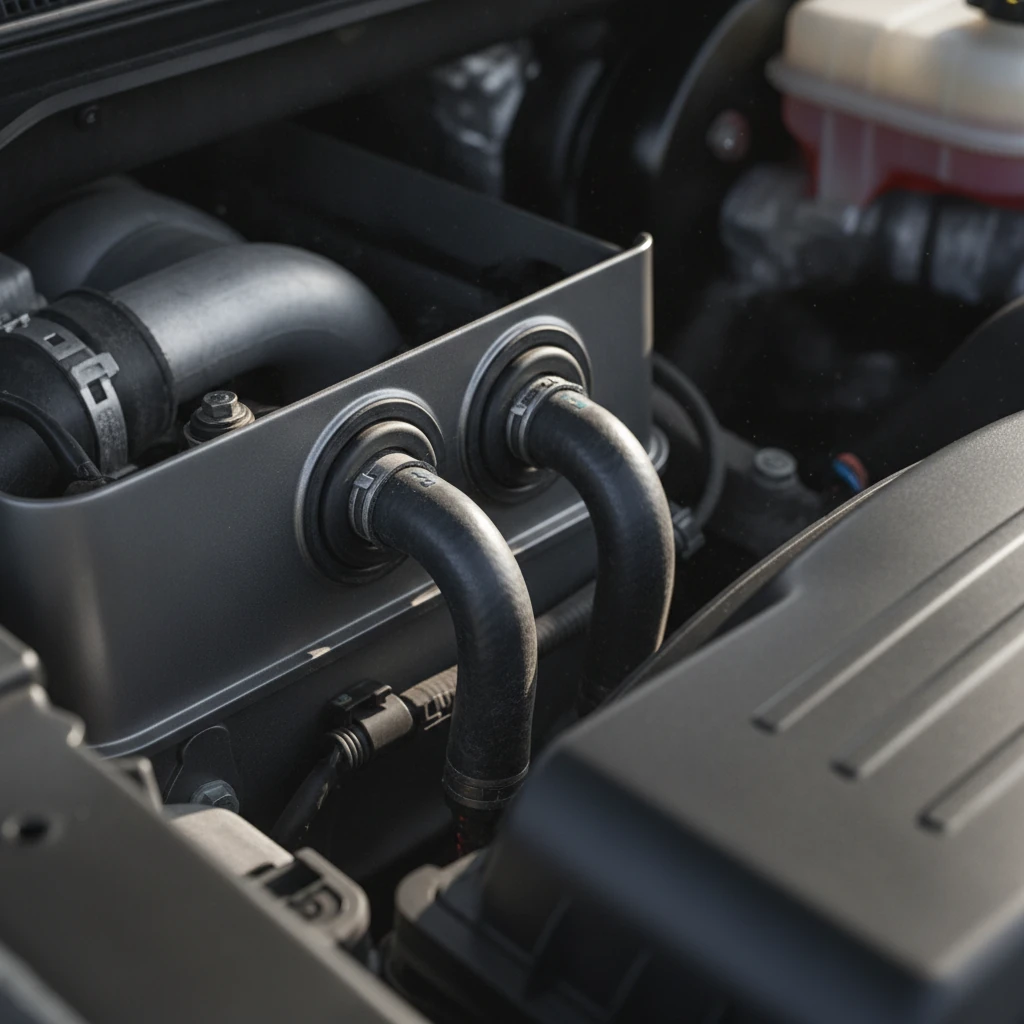
The check a shop does, and you can do it too. With the engine fully warmed up and the heater on, carefully feel the two heater hoses where they go through the firewall. Both should be genuinely hot, and close to the same temperature as each other. One hot and one barely warm means coolant is going in but not coming out, and that is a restricted core. Both hot means coolant is flowing properly and your problem is inside the dash, which sends you back to the blend door.
Be sensible about this. Those hoses are hot enough to burn you, so a quick touch on the outside of the hose, not a grip, and never with the engine running near a belt.
The other heater core symptom set is worth knowing because it is unmistakable. A leaking heater core, as opposed to a plugged one, gives you a sweet smell in the cabin, a greasy film on the inside of the windshield that will not wipe off, and damp carpet on the passenger side. That one is not a maybe, and it needs to come in.
Replacing a heater core is a real job because the part is behind the dash, and on most trucks the dash has to come apart to reach it. The core itself is not usually the expensive half. That is the honest read, and it is exactly why we do not start here. If it does turn out to be the core on an older truck, our service centre will give you the straight version of what it costs against what the truck is worth, and if the answer is that you are better off in something newer, our new Ram 1500 inventory is online.
The Ten Minute Driveway Version
If you want to narrow it down before you call anyone, do these four things in this order on a cold morning.
One. Engine cold, check the coolant level against the marks. Low is your answer, and the next question is where it went.
Two. Start it and watch the temperature gauge as it warms up. If it never reaches its normal position, stop here. It is the thermostat, and the heater is innocent.
Three. Once it is warmed up, listen behind the dash while you sweep the temperature dial from cold to hot. A repeating tick is the actuator.
Four. With it fully warm, touch the two heater hoses at the firewall. Both hot means the problem is inside the dash. One hot and one cool means it is the core.
That is a genuinely useful diagnosis and it costs nothing. It also means that when you do call, you are not describing a symptom, you are describing a suspect, and that shortens the diagnostic time you pay for.
The Manitoba Timing Argument
Here is the part that is specific to living here, and it is the reason this post exists in September rather than in January.
Every shop in this province fills up in the same week. The first hard cold snap arrives, and within about forty eight hours every service department between Portage and Winnipeg is booked out with no heat, no start and block heater calls simultaneously. A heater complaint that is a two hour job in September becomes a two week wait in December, and in the meantime you are driving a truck you cannot defrost properly, which is a visibility problem before it is a comfort problem.
A lukewarm heater in September is a warning. It does not fix itself and it does not get better when it gets colder. It gets more urgent and less convenient at exactly the same time.
While you are thinking about it, the two related things worth handling in the same visit are the coolant condition and the cabin air filter. A plugged cabin filter will not make your air cold, but it absolutely will make weak heat feel weaker by cutting airflow, and it is a five minute item. If you want the full seasonal list, our guide on how to winterize your truck covers the rest of it.
FAQs
Why is my truck heater blowing cold air only at idle?
That is a coolant flow symptom, and low coolant or an air pocket in the system is the most common cause. More coolant circulates at higher engine speed, so a marginal system still delivers heat at highway speed and quits when you stop. Check the coolant level with the engine cold, and if it is low, find out where it went rather than just topping it up.
What is the clicking noise behind my dash when I turn the heat up?
That is almost always a blend door actuator with stripped gears. The actuator is a small electric motor that swings the flap deciding how much heated air reaches your vents, and when its plastic gears fail the motor keeps trying and skips, which makes the repeating tick. It is a replaceable part and a much smaller job than a heater core.
Can low coolant cause no heat without overheating the engine?
Yes, and this catches a lot of people. The heater core sits high in the cooling system, so it loses flow first. A truck can be low enough to kill the heater while the temperature gauge still reads perfectly normal. No warning light does not mean the coolant level is fine.
How do I know if my heater core is plugged?
With the engine fully warmed up and the heater running, carefully feel the two heater hoses where they pass through the firewall. Both should be hot and close to the same temperature. If one is hot and the other is barely warm, flow is restricted and the core is the suspect. If both are hot, the coolant side is fine and the problem is the blend door inside the dash.
Is it worth fixing a heater core on an older truck?
It depends on the truck and on how much dash has to come apart to reach it. The part is usually not the expensive half, the labour is. On a truck you plan to keep it is worth doing, because no defrost is a safety issue in a Manitoba winter, not just a comfort one. On a truck in its last season, ask for the number before you commit and make the call with it in front of you.
Does a cabin air filter affect how hot the air is?
Not the temperature, but very much the volume. A plugged cabin filter chokes airflow, and weak airflow across a working heater core feels like weak heat. It is inexpensive and quick, so it is worth ruling out early, especially on a truck that spends its summers on gravel.
The Bottom Line
A heater that will not blow hot is a four suspect problem, and the order matters because the odds and the cost run in the same direction. Coolant level, then thermostat, then blend door, then heater core. The first two are cheap and common. The last one is expensive and rare, and it is the one everybody guesses first.
Do the ten minute driveway check, and then get it looked at while it is still shoulder season. The only genuinely bad version of this is the one that waits until the first minus 30 morning, when the shop is full and you cannot see out the windshield. Book it in now and it is a routine job instead of an emergency.
Tyler Dunn, Dunn Ram Trucks, Portage la Prairie