Someone backed into your truck in the Superstore lot, or a deer came out of the ditch on Highway 1 at dusk, and now the question is the only one that matters to you. How long am I going to be without it?
The honest answer is that it depends, and anyone who gives you a firm number before the truck is apart is guessing. But it depends on things that can be explained, and once you understand the stages you can see where the time actually goes. Most of it is not labour. It is waiting, and the waiting is for two things above all: parts, and paint. Our collision department tracks every one of those stages on your file, and this is what each one means.
Key Takeaways
- A light cosmetic repair is usually days. A hard hit is usually weeks. The difference is the number of stages the job has to pass through, not how fast anyone works.
- Parts backorder is the single most common delay. Most of the parts on a repair cannot be ordered until the truck is apart and the hidden damage is documented, and a backordered part waits for the warehouse, not the shop.
- Paint cure cannot be rushed. Modern finishes need their full flash and cure time between coats and before assembly, and shortcutting it produces a repair that fails in the first Manitoba winter.
- Structural work and calibration add real days. A frame measurement, a pull, and the driver assistance recalibration that follows on a modern Ram or Jeep are each a stage of their own.
- You can keep it moving. Report the claim first, bring the claim number, tell the estimator everything you noticed, and ask about parts before you plan around a date.
The Stages Every Repair Goes Through
A collision repair is not one job. It is a sequence, and each stage has to finish before the next can start. On a simple repair some of these take minutes. On a hard hit each one can take days.

Claim and estimate. In Manitoba the claim opens with MPI, and the first estimate happens at an MPI centre, at a participating repair shop through Direct Repair for qualifying claims, or by photo. That estimate is a preliminary visual report. Nothing at the shop starts until it exists.
Booking and drop off. If the truck is driveable, it usually goes home until the shop has a bay and the first round of parts. That is deliberate. A truck sitting in a lot waiting for parts is not being repaired any faster than one sitting in your driveway.
Teardown. The damaged parts come off and the technician documents what is behind them. This is where hidden damage is found, and it is the stage that decides the real timeline.

Supplement and approval. The additional damage is photographed, written up and submitted to MPI. MPI's estimator reviews and approves it. The repair cannot proceed past what has been approved.
Parts. Everything the supplement added gets ordered. This is the stage where the calendar stretches or does not, and it is the one the shop controls least.
Structural. If the impact reached the frame, the rails or the unibody, the vehicle is measured against factory specifications and pulled back into tolerance before any panel work happens. Bodywork on a structure that is still out of position is wasted.
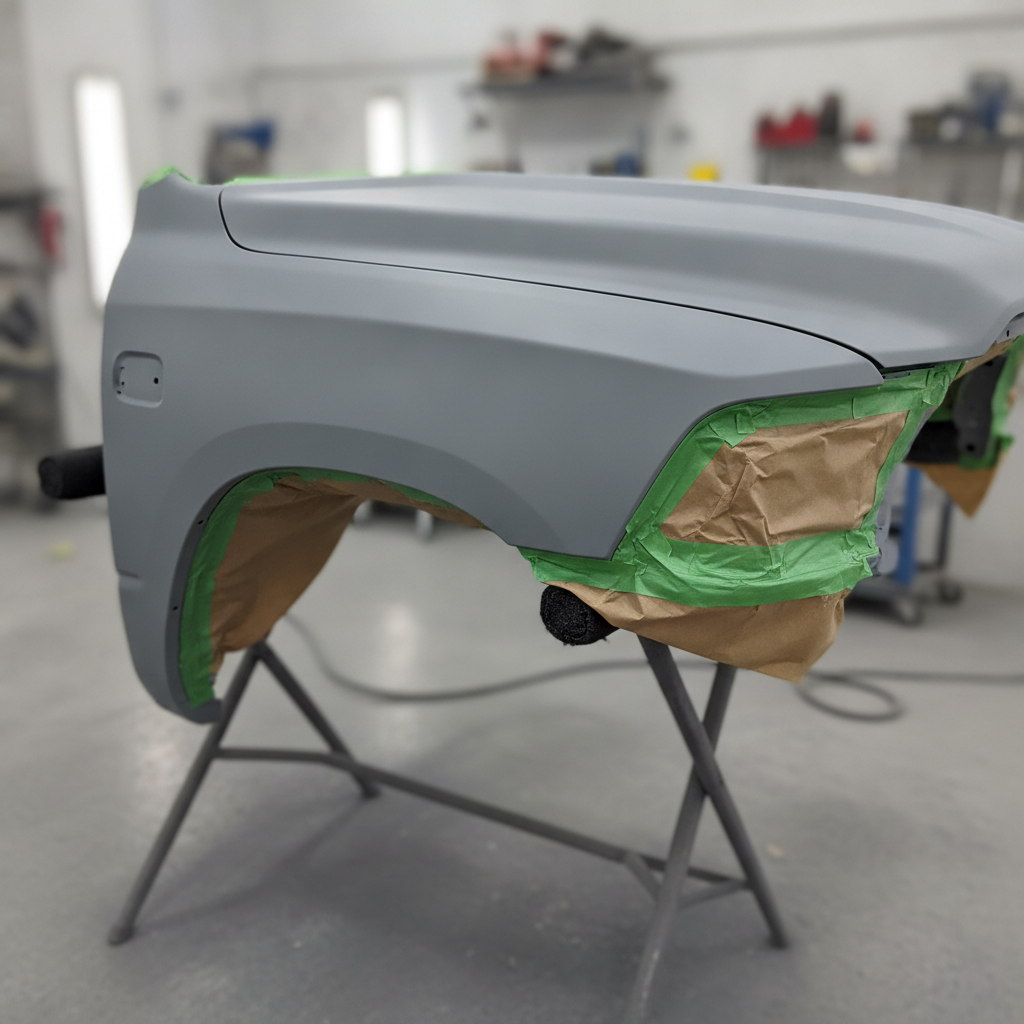
Body. Panels are replaced or repaired, gaps are set, and everything is test fitted before paint.
Paint. Prep, primer, sealer, base coat, clear coat, with flash time between each and a full cure at the end. Blending into adjacent panels so the colour matches in daylight adds to the prep, not the spraying.
Reassembly. Lights, trim, bumper covers, sensors, glass and everything that came off goes back on after the paint has cured.
Calibration and checks. On a modern Ram or Jeep, anything that touched a sensor, a camera, the windshield or the bumper where the radar lives triggers a recalibration of the driver assistance systems. Then a road test, a wash and a final inspection.
Count the stages and the reason a two week repair is not unusual becomes obvious. Nothing in that list is slow. There are just a lot of steps, and several of them involve waiting on someone outside the building.
Why Parts Are the Most Common Delay
Here is the sequence that catches people. The first estimate lists a bumper cover and a headlamp. Those get ordered on day one and arrive quickly. Then teardown reveals a bent impact bar, a cracked radiator support and a broken park sensor bracket. Those go on the supplement, MPI approves it, and only then can they be ordered. If one of them is backordered, the whole repair now waits for that one part, and the day it was discovered was already a week into the job.
We see this most on parts that are specific to a trim or a model year, on anything for a vehicle that just changed model years, and on the small brackets and clips that nobody stocks in depth because nobody needs them until they do. Common Ram 1500 and Grand Cherokee parts generally move through the regional Mopar warehouse in days. A backorder with no date is a backorder with no date, and a shop that tells you otherwise is guessing.
Two things we do about it. We order the obvious parts the moment the preliminary estimate is in hand rather than waiting for teardown, so the easy items are on the shelf when the truck arrives. And because we order through our own parts department, we see the availability the same day the supplement is approved and can tell you immediately whether your date moved. Why we insist on factory parts for a collision repair, and what that means for fit and for the warranty, is in our post on OEM versus aftermarket parts.
Why Paint Cannot Be Rushed
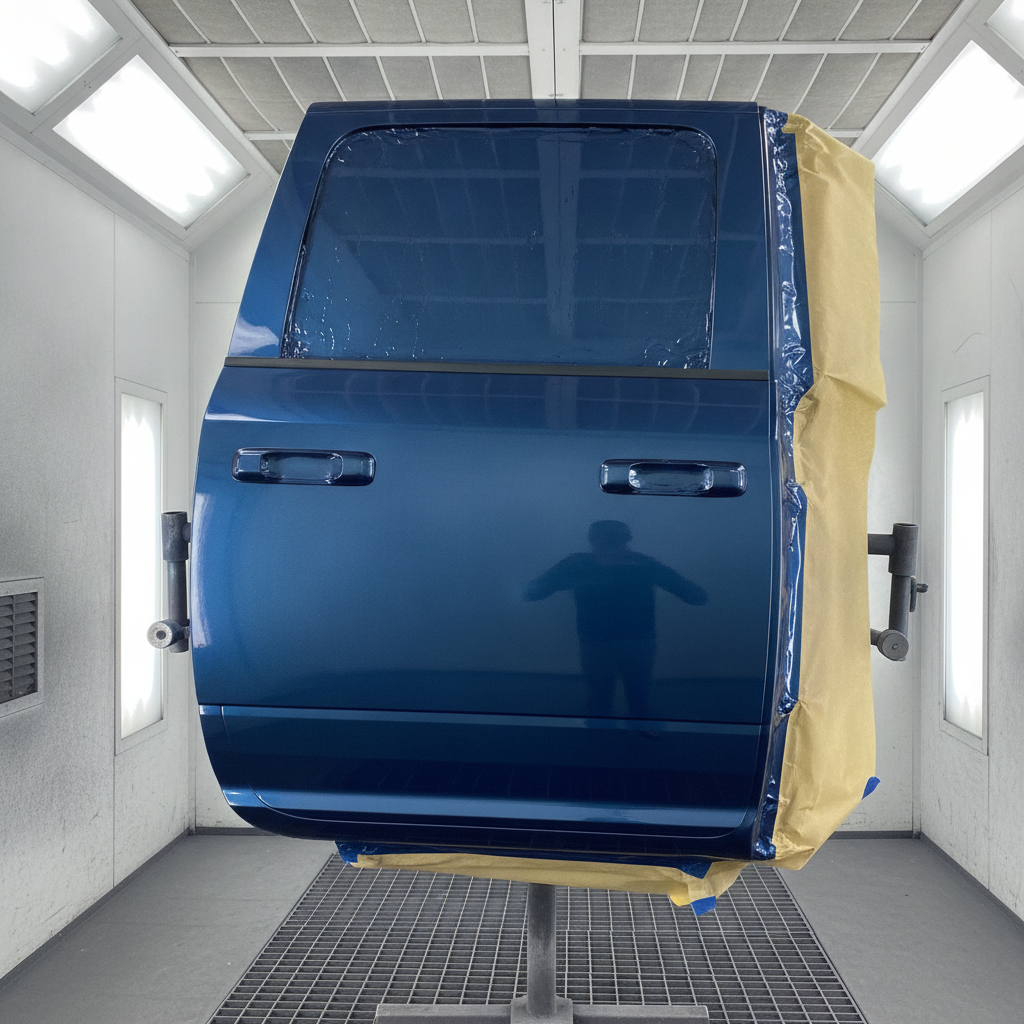
Paint is the stage people assume is quick because they picture someone spraying a panel. The spraying is the short part.
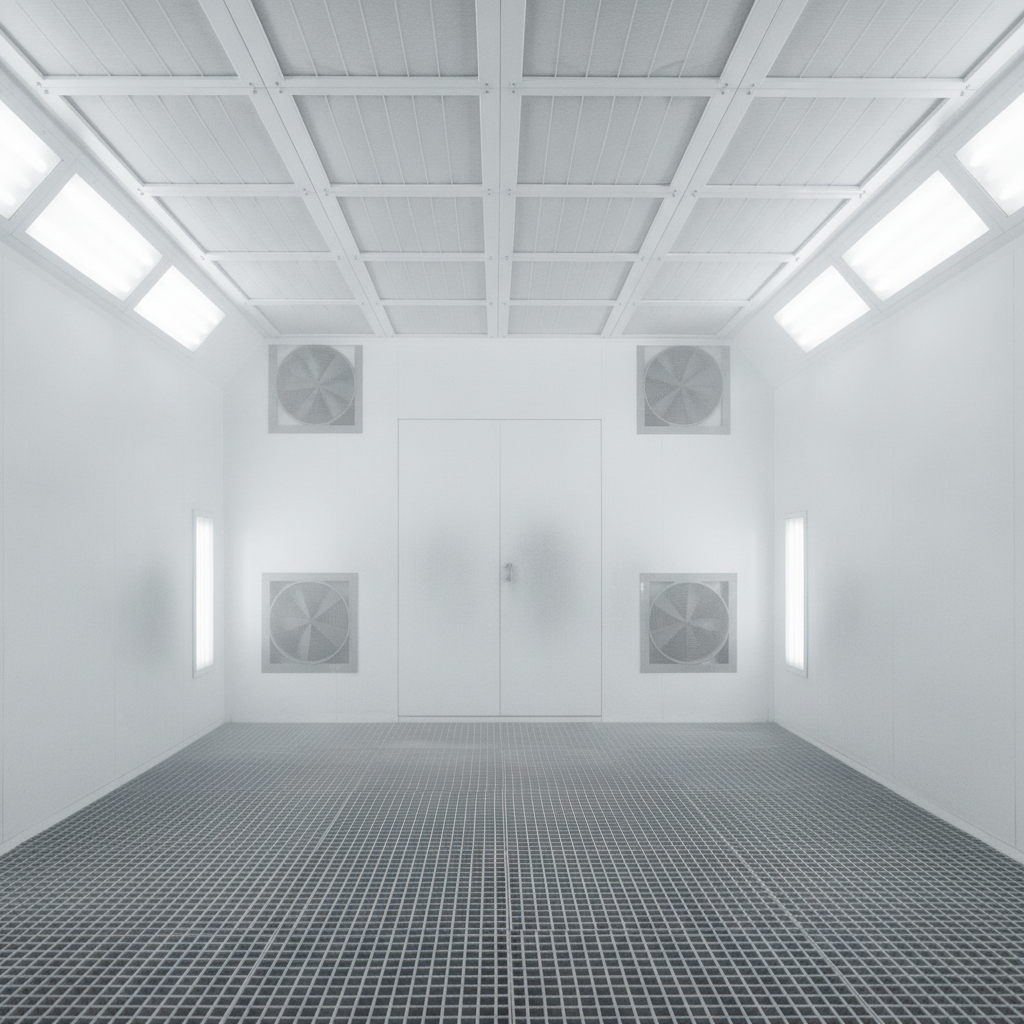
A proper refinish is prep, primer, sealer, several coats of base colour and then clear, and each layer has a flash time before the next can go on. When the clear is down, the panel has to cure, either in a heated booth cycle or over time, before it can be handled, buffed and reassembled. Modern finishes are designed around those windows, and shortening them gives you clear coat that has not cross linked properly underneath. It looks fine on delivery day. It fails the first winter, when road salt and minus 30 find the soft spots, and it comes back as peeling or dulling that the shop then has to redo.
Colour matching adds time on the front end, not the back. A silver or a pearl white on a Ram needs a spray out card checked against the truck in daylight before the real panel is painted, and the adjacent panel is usually blended so there is no visible line. On a truck that has spent four Manitoba summers in the sun, the factory colour on the door is not quite the factory colour on the chip, and getting that right is what separates a repair you can find from one you cannot.
Weather matters here more than people think. A cold snap raises booth cycle times and humidity in a thaw slows flash. We do not spray until the booth is where the paint system wants it.
Structural Work and Calibration
Two more stages add days that people do not expect.
If the hit moved anything structural, the vehicle goes on a measuring system and is compared against factory dimensions. Frame horns on a body on frame truck and the rails on a unibody SUV are pulled back into specification, and that has to be right before a single panel goes on, because panel gaps and door fit depend on the structure underneath. This is careful, slow work and there is no shortcut.
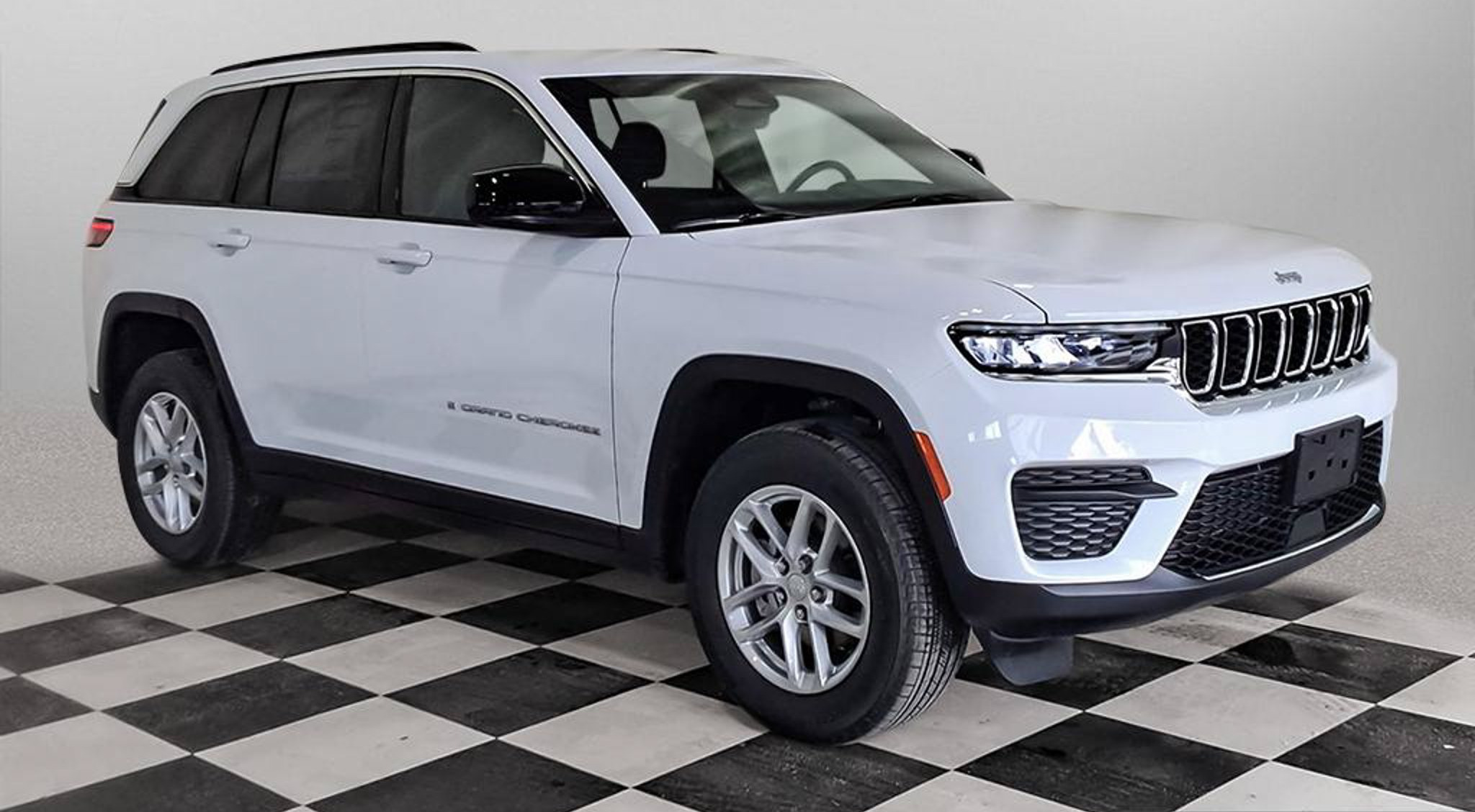
The second is calibration. A modern Ram or Jeep carries a forward facing camera behind the windshield, a radar behind the front fascia, park sensors in both bumpers and blind spot sensors at the rear corners. Replacing a windshield, a bumper cover or a mirror, or anything that shifted those sensors by a few millimetres, means the systems have to be recalibrated with the right scan tool and, in some cases, targets on a level floor or a specific drive cycle. It is a stage of its own at the end of the repair, and it is not optional. A truck handed back with an uncalibrated camera can misjudge lanes and distances, and the warning lights it throws are the least of it.
What You Can Do to Keep It Moving
A few things on your side genuinely shorten the calendar.
Report the claim before you call the shop. Nothing starts without an MPI claim number, and Direct Repair, where the estimate happens at the shop, is only offered when you report. Ask about it.
Tell the estimator everything. A warning light that came on after the hit, a door that shuts differently, a new noise. Those go into the preliminary report and become parts on order on day one instead of a supplement on day five.
Keep driving it if it is safe to. If the truck is driveable, we would rather it stay with you until the first parts are in and a bay is open. Ask us, and we will tell you honestly whether it is safe.
Ask about parts before you plan around a date. We will tell you what is in stock, what is on order and what is on backorder without a date, and we will not invent a return date the warehouse has not given us.
Plan for a rental early. Whether your Autopac coverage includes loss of use is a question for your policy and your MPI adjuster, so ask at the time of the claim rather than on drop off day.
FAQs
How long does collision repair take?
It depends on how many stages the damage has to pass through. A light cosmetic repair on one panel is typically a matter of days, most of it paint cure. A multi panel repair with parts on order is more often a week or two. A hard hit with structural work, several supplements and a calibration at the end is usually measured in weeks. None of those are promises. The truth for your truck is only known once it is apart.
What is the most common reason a collision repair is delayed?
Parts. Most of the parts a repair needs cannot be ordered until teardown reveals the hidden damage, and a backordered part waits for the warehouse, not the shop. One bracket with no delivery date can hold an otherwise finished repair.
Why can the paint not be done faster?
Because every layer has a flash time and the clear coat has a cure time, and shortcutting them produces a finish that fails in the first winter. Colour matching and blending on a sun faded truck add prep time on top.
Does a small dent really take days?
Often, yes. Even a single panel needs prep, paint, cure and reassembly, and a bay has to be free to do it in. The work is short. The waiting between steps is what fills the days.
Why does my Ram need a calibration after a collision repair?
Because the forward facing camera, the front radar, the park sensors and the blind spot sensors all sit in or behind parts that a collision repair replaces or disturbs. After the repair they have to be recalibrated with the proper scan tool so the systems judge lanes and distances correctly. MPI's own glass page notes that a windshield replacement may require recalibration of the driver assistance systems.
Can I get my truck back faster if I pay for it?
No. The stages that take time, parts availability and paint cure, are not ones money moves. What helps is a complete claim, a complete list of what you noticed, and parts ordered as early as possible.
The Bottom Line
The length of a collision repair is the sum of its stages, and most of the long ones are waiting on things outside the building. Parts that could not be ordered until the truck was apart. Paint that has to cure before it can be touched. An MPI approval on a supplement. A calibration at the end that cannot be skipped. A shop that promises a date before teardown is promising something it does not know yet.
If you have a claim open, call our collision department and ask where your file sits. We will tell you which stage it is in, what is on order and what we are waiting for. And if the damage included the windshield, our MPI glass repair page explains how the glass and the calibration fit into the same repair.
Tyler Dunn, Dunn Ram Trucks, Portage la Prairie