It is the question everybody asks and almost nobody asks out loud. The estimate is written, the parts are ordered, the repair is booked, and the thing actually keeping you up is whether your truck is going to come back with one door a slightly different shade than the other three.
It is a fair worry, and the honest answer is more interesting than yes or no. A good refinish match is not a matter of looking up your colour and spraying it. It is a craft problem that a shop solves on your specific vehicle, on the day, and the reason it works is mostly the part customers never see. If you have a repair in front of you right now, our collision department will walk you through what your particular colour is going to take. Here is what actually happens between the colour code and the finished panel.
Key Takeaways
- The factory colour code is where the work starts, not where it ends. Manufacturers do not apply a colour identically at every plant on every shift, so one code can have several legitimate formulas behind it. I-CAR puts it plainly: the standard formula is not always the answer.
- Blending is the technique that makes a repair invisible. I-CAR defines it as extending the basecoat colour into the panel next to the repair so some of the original colour shows through, which "deceives the eye into seeing only one colour rather than two separate colours."
- Blending and tinting are two different jobs. I-CAR is explicit that blending can never take the place of tinting to correct an unacceptable match. A shop may need to do both.
- Your paint has been changing since the day it left the plant. Ultraviolet light breaks down pigment and slowly wears the clear coat, and dark colours go first because they run hotter. On an older truck the target is the paint you have now, not the paint you bought.
- Pearl and tri coat finishes are genuinely harder because the colour is built in three layers instead of two, and how much midcoat the factory laid down is not written anywhere. That is what a let down panel exists to figure out.
- You have a defined say in the result. MPI tells customers to check freshly painted areas for colour match at pickup, and if you are not satisfied, to raise it with the shop first and then your assigned estimator.
Why the Colour Code Is a Starting Point
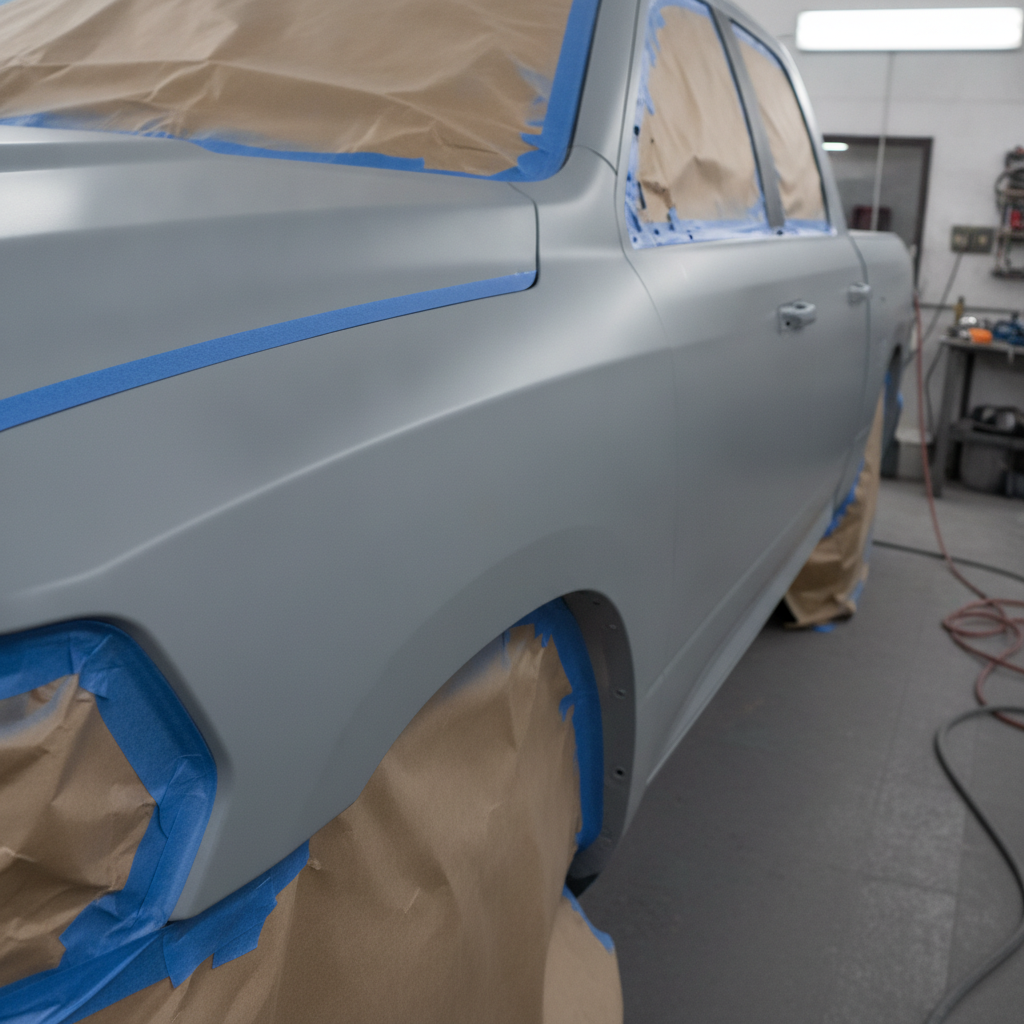
Every vehicle carries a paint code, and we pull yours off the vehicle before anything is mixed. Reading it takes about ten seconds. Trusting it completely is where matches go wrong.

The reason is that a colour code names a colour, and a factory applies that colour across years of production, across more than one assembly plant, with different equipment and different batches of material. Those applications are not laser identical. The result is that a single code can sit behind more than one real world shade, and the refinish industry tracks these as variants. I-CAR names two of the causes directly: colour variances not yet identified by the paint makers, and vehicle maker manufacturing variances during paint application.
So a shop working from the code alone is working from an average. Sometimes the average is close enough to be invisible. On a metallic, on a red, or on anything with age on it, the average is where the mismatch comes from.
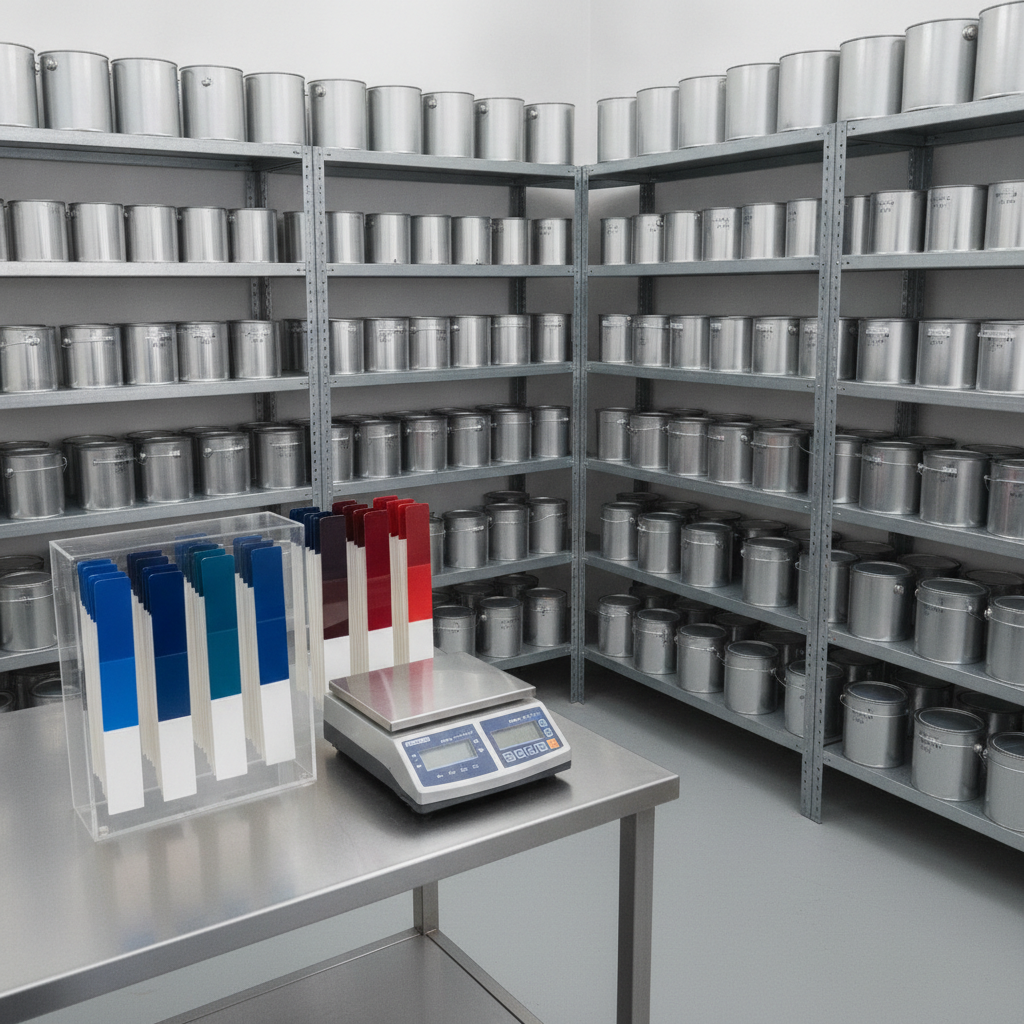
The way around it is not a better lookup. It is measuring the paint that is actually on your vehicle and mixing to that, then proving it before anything goes on the truck. That proof is a sprayed test card, and I-CAR lists user created sprayout panels among the tools a shop uses to confirm a match. A card takes time and material. It is also the difference between finding a problem on a piece of cardboard and finding it on your fender.

What Blending Actually Does
Here is the part that surprises most people. When we repair one door, we do not spray only that door.
I-CAR's definition of blending is the technique of extending the basecoat colour into an area or panel next to the repair, so some of the original vehicle colour shows through the refinish colour. Done properly, blending deceives the eye into seeing only one colour rather than two separate colours.
Think about why that works. A hard edge between old paint and new paint gives your eye a reference point. Two shades sitting side by side with a seam between them are easy to compare, and the human eye is very good at catching a small difference across a line. Take the seam away and fade one into the other across a wide area, and there is nothing left to compare. The transition happens over enough surface that no single spot reads as a change.
This is why an estimate for a scuffed door often includes time on the fender or the rear quarter. It is not padding. It is the technique that makes a single panel repair disappear, and a shop that refuses to blend to save an hour is choosing a visible repair.
One thing worth being clear on, because it is a common misunderstanding. Blending is not a fix for a colour that is wrong. I-CAR states it directly: blending can never take the place of tinting to correct for an unacceptable colour match, and one cannot substitute for the other. If the mixed colour is genuinely off, it gets tinted until it is right, and then it gets blended. Blending a bad colour just spreads it out.
Ten Years of Prairie Sun Changes the Target
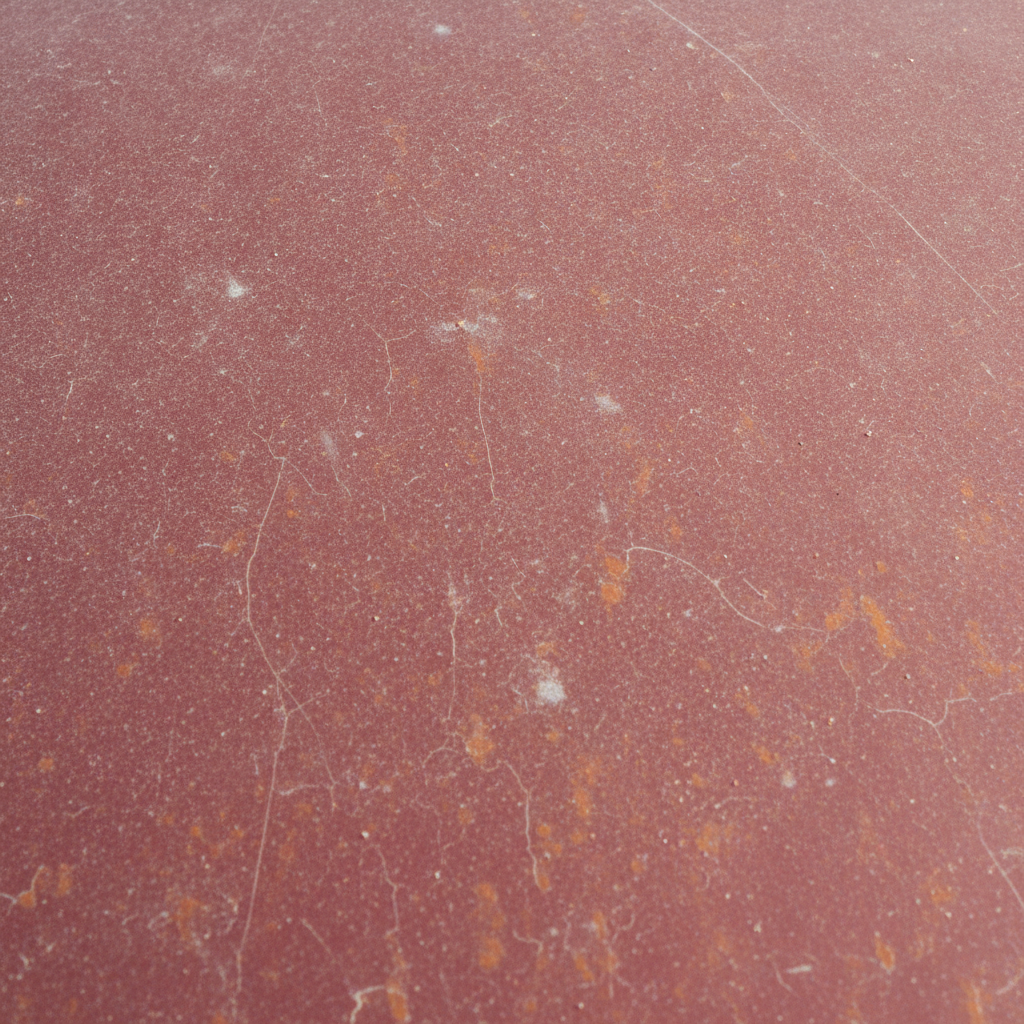
A truck that has spent ten Manitoba years outside is not the colour it was when it was sold, and this is the single biggest reason a technically correct formula can still look wrong.
Ultraviolet light breaks down the bonds in the pigment, and the clear coat that sits over the colour to absorb and reflect that light wears down over years of exposure. Once the clear coat weakens, the colour underneath is exposed and the fading speeds up. Dark colours go first, because black, navy and deep red absorb more heat and run hotter in the sun. Anyone who has parked a black truck outside all July already knows this in their hands.
Out here the exposure is not just the summer. It is a long, flat, high sun growing season with no shade on a farmyard or a gravel approach, followed by a winter where the sun is low and the light bounces off snow all day. Add the trucks that live outside year round because there is no shed big enough, and a ten year old half ton on the prairies has genuinely moved off its original colour.
None of that is damage and none of it is your fault. It just means the shop's target is the paint on your vehicle today. That is why a proper match starts by reading the adjacent panel rather than the build sheet, and why a formula that would have been perfect on delivery day can look brand new and out of place now. A brighter, cleaner panel next to a weathered one reads as wrong even when the code is correct.
It is also the honest reason a very faded vehicle sometimes needs a wider repair than the damage alone suggests. If your hood is heavily faded and the fender next to it is being replaced, matching the new fender to the tired hood may mean bringing the hood into the job. We will tell you that up front rather than hand you a truck with one fresh panel glowing at you.
Why Pearl and Tri Coat Are Harder
Most finishes are two layers of colour work. A basecoat carries the colour, a clear coat goes over it for gloss and protection, and the match problem is a colour problem.
A pearl or tri coat finish is built in three. There is a groundcoat that carries the base colour, then a semi transparent midcoat holding the pearl that gives the finish its shift and depth, then the clear over top. That midcoat is why a white pearl looks warm from one angle and cool from another, and why those finishes are worth the extra money on a nice truck.
It is also why they are harder to repair, and the reason is specific. The depth of the final colour depends on how many passes of that midcoat were applied, and how many passes the factory applied is not recorded anywhere you can look up. The refinish trade's answer to this is a let down panel: a test panel sprayed with the groundcoat and then stepped through increasing coverage of the midcoat, section by section, so the technician can hold it against your vehicle and see which step matches. The trade press is also blunt about the order of importance here, which is that the groundcoat has to be right first, because if the groundcoat is off, no amount of midcoat is going to save the match.
The practical version for you as an owner: if your vehicle wears a pearl or tri coat colour, expect the paint stage to take longer and expect the shop to spend time on test panels before your parts see a spray gun. That time is not the shop being slow. It is the only way that finish gets matched.
What Actually Makes a Match Fail
After enough of these, the failures fall into a short list, and none of them are mysterious.
Working from the code and skipping the test card. The fastest way to a mismatch is to trust the average and find out on the vehicle.
Refusing to blend. A hard edge between panels gives the eye something to compare, and it will.
Matching to a dirty panel. Road film, tree sap and a summer of gravel dust sit on top of the colour. The adjacent panel gets cleaned and polished before anyone reads a match off it.
Rushing the tri coat. Skipping the let down panel on a pearl finish means guessing at midcoat coverage, and guessing shows.
Comparing in the wrong light. Colour reads differently under shop lighting, under an overcast prairie sky, and in direct sun. A match gets checked in more than one light before the truck is handed back, which is exactly why we would rather you look at your vehicle outside at pickup than under the lights in the shop.
Parts play into it too. A replacement panel arrives in primer and has to be prepared and sprayed like any other surface, and factory panels fit and take paint the way the vehicle was designed for. We order through our own parts department, and the longer case for why we fit factory parts on a collision repair is in our post on OEM versus aftermarket parts.
What to Check When You Pick It Up
You are not expected to take the shop's word for it, and MPI does not expect you to either. MPI's own guidance to customers picking up a repaired vehicle includes two lines that matter here: examine the appearance of the repaired area, and check freshly painted areas for colour match.
Do it properly and it takes two minutes.
Look at the repair outside in daylight, not under the shop lights. Walk the length of the vehicle and look down the body side from the front corner and then from the back, because a mismatch or a texture difference shows up in a reflection long before it shows up head on. Then look at the panel straight on. On a metallic or a pearl, step to the side and look at it again on an angle, since those finishes shift with your viewing position and that is where a poor midcoat match gives itself away.
If something looks off to you, say so while you are standing there. MPI's escalation path is written down and it is short: your first step is to discuss it with the repair shop, and if you are still not satisfied, you contact your assigned estimator. Nobody at our counter is going to be offended by the question. We would far rather look at a panel with you in the lot than have you drive away unsure and stew about it for a month.
While you are there, it is also worth a look at anything glass related that came in with the claim, since that side of the file runs alongside the bodywork. Our MPI glass repair page covers how that piece works.
FAQs
Will the paint match exactly after a body shop repair?
On a properly executed repair the goal is a match your eye cannot pick out, and that is achievable on most colours. It is achieved by mixing to the paint actually on your vehicle rather than to the code alone, proving the colour on a sprayed test card, and blending into the adjacent panel so there is no hard edge for your eye to compare across. A perfect laboratory match to a weathered panel is not the target. An invisible repair is.
Why does the shop paint more than the damaged panel?
Because of blending. I-CAR describes it as extending the basecoat colour into the panel next to the repair so some of the original colour shows through, which makes the eye see one colour instead of two. Without it, a seam between old and new paint gives you a place to spot the difference. Blending time on an estimate is technique, not padding.
My truck is ten years old. Can its faded paint still be matched?
Usually yes, because the shop matches to the paint on the vehicle now rather than to the original formula. Ultraviolet exposure breaks down pigment and wears the clear coat over the years, and dark colours fade fastest. On a heavily faded vehicle the honest answer is sometimes that a wider blend, or bringing an adjacent panel into the job, is what it takes to keep the repair invisible. We will tell you before the work starts, not after.
Is a pearl or tri coat colour harder to match?
Yes, genuinely. Those finishes are built in three layers rather than two, and the final colour depends on how much of the semi transparent midcoat the factory applied, which is not published. The shop sprays a let down panel to find the right coverage and confirm the groundcoat is correct first. It takes longer, and skipping that step is how tri coat repairs go wrong.
What do I do if I think the colour is off?
Raise it at pickup while the vehicle is still there. MPI tells customers to check freshly painted areas for colour match, and its escalation path is to discuss any concern with the repair shop first and then contact your assigned estimator if you remain unsatisfied. Look at the panel outside in daylight, down the body side and then straight on, and on an angle if the colour is metallic or pearl.
Does a repaint hurt my resale value?
A properly matched, properly documented repair is a normal event in a vehicle's life on these roads. What hurts value is a visible mismatch or an incomplete repair, which is exactly the outcome the blending and test card work is there to prevent. Our post on Ram 1500 depreciation and resale covers what actually moves the number.
The Bottom Line
The reason a good refinish match looks effortless is that most of the work happens before any colour reaches your vehicle. Reading the paint you have rather than the paint you were sold, mixing and tinting to that, proving it on a card, spraying a let down panel if the finish has a pearl in it, and then blending into the next panel so your eye has nothing to compare. Do those things and the repair disappears. Skip one and it does not.
If you have a claim open or you are just deciding where to take it, call our collision department and ask what your specific colour is going to need. We will tell you honestly whether it is a straightforward one or one of the difficult finishes, and what that means for the time in the shop. And if the vehicle is due for anything else while it is with us, you can book service at the same time. If the repair has you rethinking the vehicle altogether, our new Ram 1500 inventory is online and up to date.
Tyler Dunn, Dunn Ram Trucks, Portage la Prairie