The first estimate said one thing. A week later the shop called and said it would be more, and now you are wondering whether you are being played. It is the most common conversation in collision repair, and almost nobody explains it honestly before it happens.
So here it is. The first number is a visual estimate of what an estimator can see with the truck intact. The final number is what the technician finds once the damaged parts are off. Those two are never the same on anything beyond a scratched bumper, and the process that connects them is built into how MPI handles every claim in this province. If you are in the middle of one right now, our collision department can walk you through exactly where your file sits.
Key Takeaways
- The first estimate is preliminary by design. MPI's own process describes it as a visual inspection that produces a preliminary report of what repairs are needed. It is a starting point, not a quote.
- A supplement is the normal next step, not a trick. Once the shop has the damaged parts off and can see behind them, additional damage is documented and submitted to the MPI estimator for review and approval. MPI's process builds that review in.
- Hidden damage is hidden because trucks are built in layers. A bumper cover hides a reinforcement bar, absorbers, sensors and brackets. None of that is visible until the cover is off.
- Parts availability is what moves your date, more than labour. A supplement that adds one backordered bracket can add more days to the repair than the extra work itself.
- Nobody sets the labour rate at the counter. What a shop is paid per hour on an MPI claim is fixed by its compensation agreement with MPI, not decided on the day, so the number changing is about what is being repaired, never about the rate.
Where the First Estimate Comes From
In Manitoba every collision claim starts with MPI, and MPI decides where the first estimate happens. Their own page lays out three routes. All claims can be estimated at an MPI Service or Claim Centre. Certain qualifying claims can be estimated at a participating repair shop, which MPI calls Direct Repair, so you skip the trip to the claim centre. And some claims go through photo based estimating, where you submit pictures and the estimator works from those.

Whichever route you take, the estimator's job is the same. In MPI's words, they complete a visual inspection of your vehicle for damage, in person or from the photos, and prepare a preliminary report to determine what repairs are needed. That word preliminary is doing a lot of work, and it is the one most people miss.
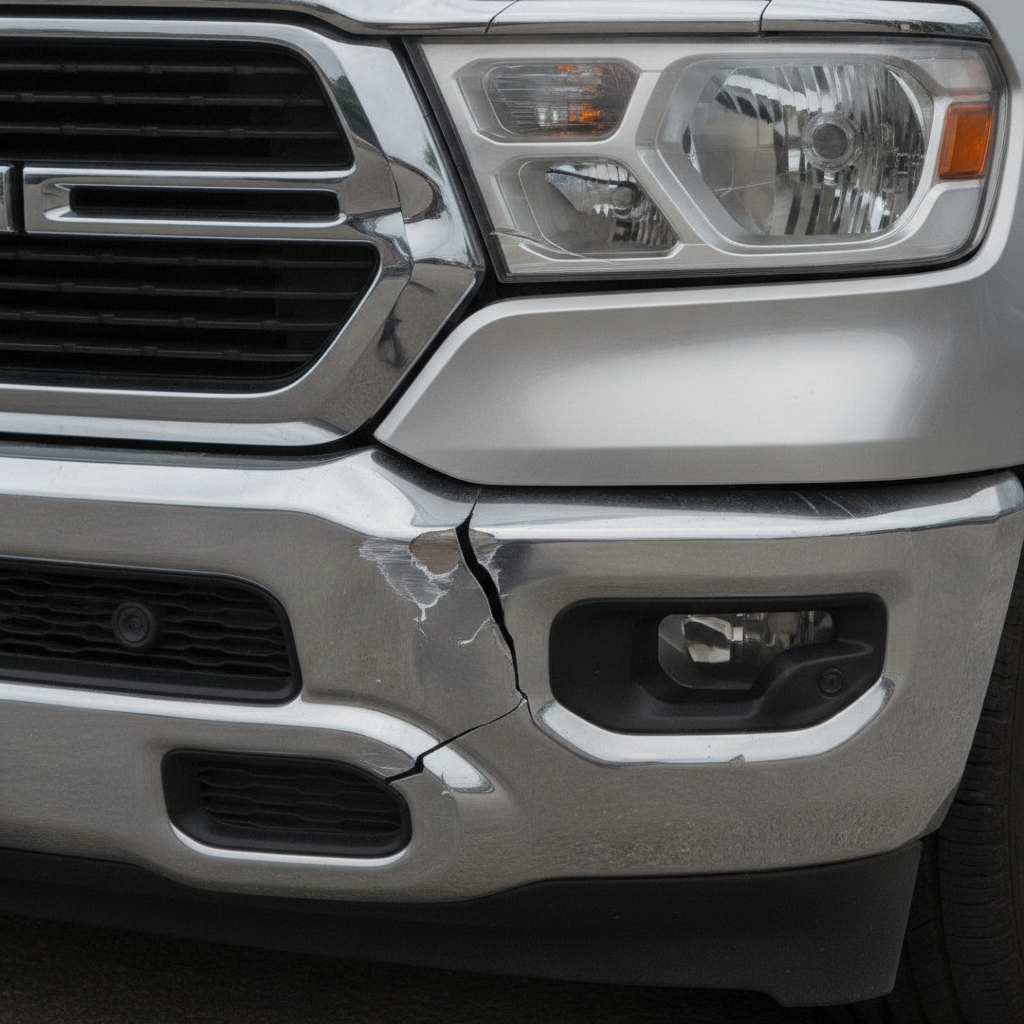
A visual inspection means the estimator is looking at the outside of a truck that is still bolted together. They can see the bumper cover is cracked. They cannot see whether the impact bar behind it is bent, whether the radiator support took a hit, whether the park sensors survived, or whether the frame horn moved. They write what they can see and what experience tells them is likely, and the report goes to the shop.
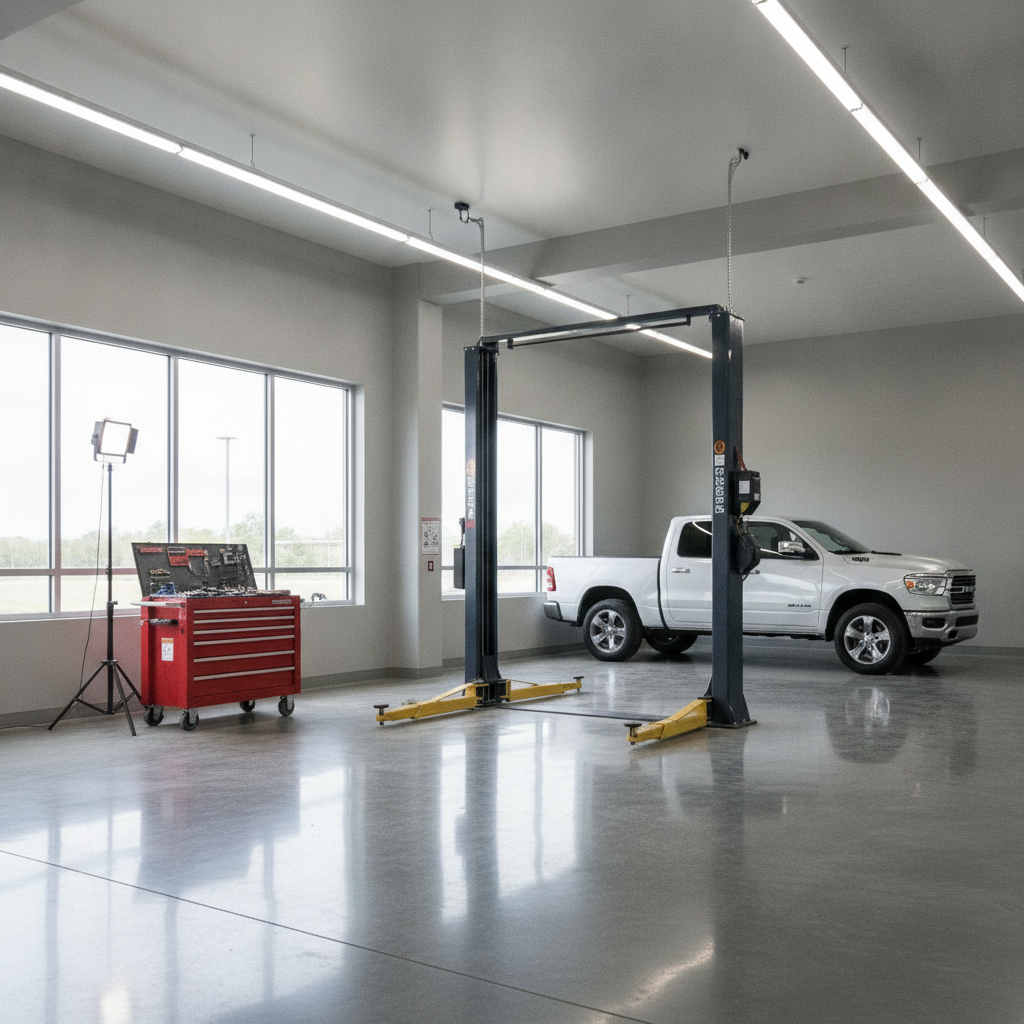
We do a lot of these estimates ourselves as a participating shop. Even with a lift and a flashlight, an intact truck keeps its secrets.

What a Supplement Actually Is
The shop gets the preliminary report and the truck, and the technician starts what the trade calls teardown. The damaged parts come off. For the first time, someone can see what is underneath.
Almost always, there is more. A supplement is the document the shop writes to record what was found, with photos of each item, and submits back to MPI for approval before the work proceeds. MPI's process describes the estimator's role here directly: they review and approve any additional damages noted by repair facilities once the shop has thoroughly inspected your vehicle.
That review is real. The estimator can approve every line, ask for more photos, or question a specific item. The shop cannot simply add to the bill and carry on. Every dollar on a supplement is an item that was photographed, justified and approved by MPI before the part was ordered.
There is one thing worth being clear about, because it is where the suspicion usually comes from. A shop has no incentive to invent a supplement. Every added item is another part to order, another delay while it arrives, and another day the truck occupies a bay that could hold the next job. What a supplement does is make sure the repair is complete. A shop that skipped the bent impact bar to keep the number matching the first estimate would be handing you back a truck that will not protect you the same way next time.
Why Hidden Damage Is Normal
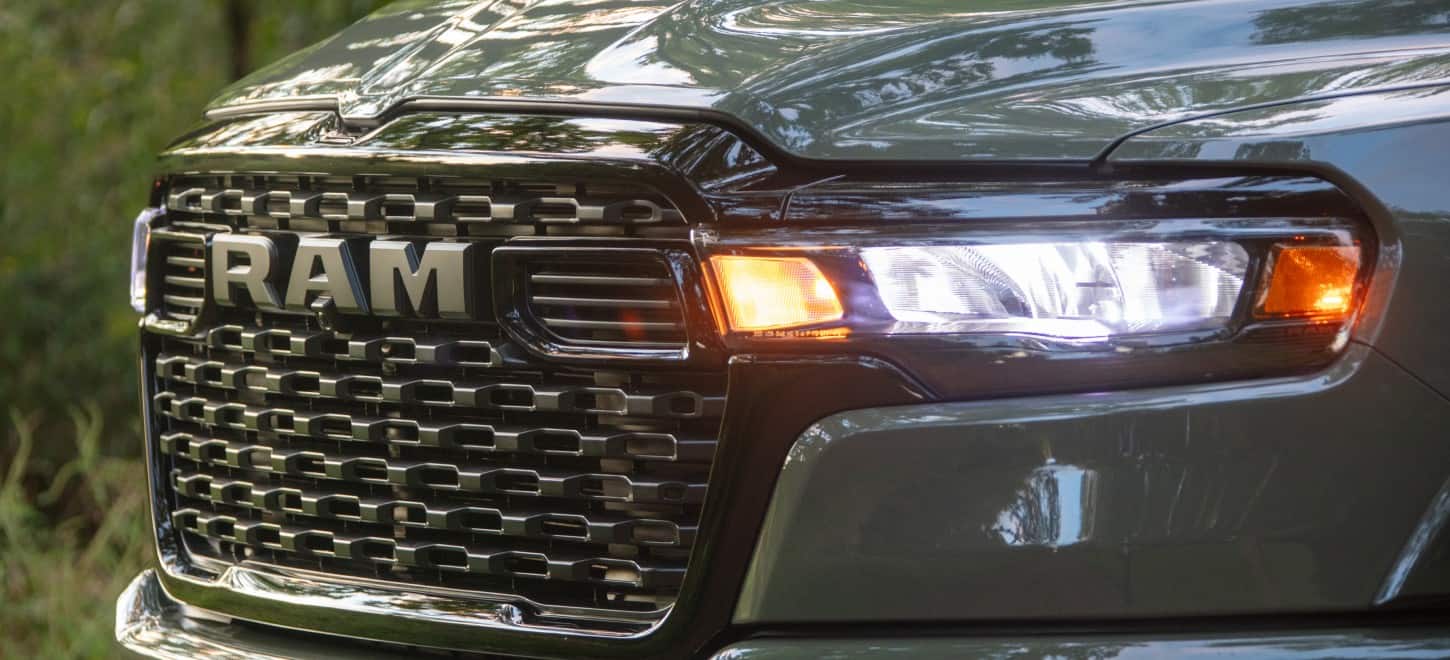
A modern Ram front end is a stack. From the outside in, there is the painted bumper cover, then the absorber, then a steel or aluminum impact bar bolted to the frame horns. Around it sit the headlamps, the grille, the active grille shutters on many trims, the radiator and condenser with their support, the horns, the washer reservoir, and on trucks with driver assistance, the radar sensor and the park sensors. A fifteen kilometre an hour tap in a parking lot can crack the cover, crush the absorber, and push the impact bar back far enough to kink a frame horn without a single one of those things being visible from the outside.
The same is true at the back, where a bumper hides the hitch receiver, the reinforcement, the blind spot sensors and the tailgate camera wiring. And down the side, where a door skin hides the intrusion beam, the window regulator and the wiring for the mirror.
That layering is not a flaw. It is how trucks absorb energy and keep the cab intact. It just means an estimate written from the outside is always going to be incomplete on anything that hit hard enough to matter.
The other kind of hidden damage is the kind that only shows up on a measurement. Structural components are checked against factory specifications on a frame rack or with a measuring system after teardown, and a frame horn that is a few millimetres out of position is a supplement item nobody could have seen in the claim centre parking lot.
How Parts Move Your Date
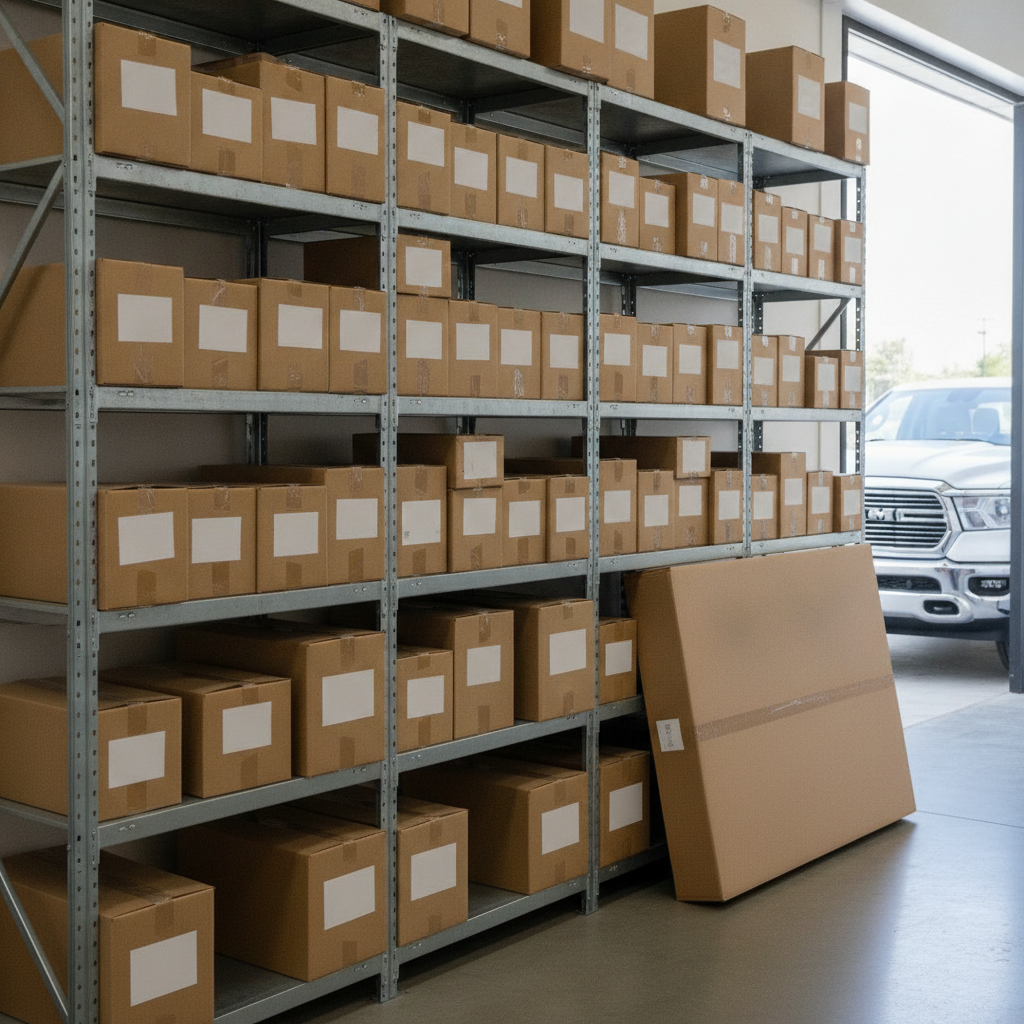
Once the supplement is approved, the parts get ordered. This is the part of the timeline the shop controls least, and it is where most of the frustration lives.
Common parts for a Ram 1500 or a Grand Cherokee usually come out of the regional Mopar warehouse within days. A specific bracket, a sensor for a particular trim, a headlamp for a model year that just changed over, or anything for a lower volume vehicle can be on backorder with no firm date. Because the part was only discovered at teardown, it could not have been ordered any earlier. A supplement that adds one backordered bracket can push a repair out further than all the labour on the job combined.
We order factory parts through our own parts department and see the availability the moment the supplement is approved, which means we can tell you straight away whether your date just moved by two days or two weeks. What we cannot do is promise a delivery the warehouse has not promised us. When we say we are waiting on a part, that is exactly what is happening. The longer argument about why we fit factory parts on a collision repair is in our post on OEM versus aftermarket parts.
What the Number Is Not About
Two things people assume are in play, and are not.
The labour rate. What a shop is paid per hour on an MPI claim is set by that shop's compensation agreement with MPI, in place long before your truck arrived. The shop does not decide on the day what to charge per hour, and a changing estimate never reflects a changing rate. It reflects a changing list of what is being repaired.
Your deductible. Your deductible is fixed by your Autopac coverage before the accident ever happened. A supplement changes what MPI pays the shop. It does not change what you pay, unless the claim shifts from a repair to a total loss decision, which is a different conversation and one we would have with you directly. Our post on truck insurance in Manitoba explains how the deductible levels work.
How to Keep Your Repair Moving
There are a few things on your side of the counter that genuinely help.
Report the claim to MPI before you bring the truck in, and bring the claim number. Nothing starts without it. Ask at the time of the claim whether you qualify for Direct Repair, because if you do, the estimate happens at the shop and the truck is already where it needs to be.
Tell the estimator everything you noticed. A new rattle, a warning light that came on after the hit, a door that closes differently. Those are clues to hidden damage and they get written into the preliminary report instead of being discovered on day four.
Expect the supplement call and treat it as the process working. When we phone to say we found more, what we are telling you is that the truck is apart, the damage is documented, and MPI is reviewing it. That is the point where the repair becomes complete rather than cosmetic.
And ask us what the parts picture looks like. We will tell you what is in stock, what is on order, and what is on backorder without a date, and we will not guess at a return date we do not have.
FAQs
Why did my collision estimate go up after the shop started?
Because the first estimate was a visual inspection of an intact vehicle. MPI's process describes it as a preliminary report. Once the shop removes the damaged parts and finds what is behind them, it documents the additional damage in a supplement and MPI's estimator reviews and approves it. On anything beyond a light scrape, that is the normal sequence.
What is a supplement in collision repair?
A supplement is the itemized, photographed list of additional damage the shop finds after teardown, submitted to MPI for approval before the work proceeds. It is the mechanism that makes sure the repair is complete rather than limited to what could be seen from the outside.
Is hidden damage a sign the shop is padding the bill?
No. Every supplement item is photographed and approved by an MPI estimator before the part is ordered, and every added item costs the shop more time in the bay. Hidden damage is a product of how trucks are built in layers, not of who is repairing them.
Where does the MPI estimate happen?
MPI's own page lists three routes: at an MPI Service or Claim Centre, at a participating repair shop for qualifying claims through Direct Repair, or by photo based estimating. Your options are discussed when you report the claim.
Does a supplement change my deductible?
No. Your deductible is set by your Autopac coverage before the accident. A supplement changes what MPI pays the shop for the repair, not your share.
Why does a small supplement add so much time?
Because it usually adds a part that could not be ordered until teardown revealed it was needed, and if that part is backordered, the whole repair waits for it. Parts availability moves dates more than labour does.
The Bottom Line
The number changes because the picture changes. The first estimate is written from the outside of a truck that is still together, the supplement is written from the inside once it is apart, and MPI reviews both. That is not a shop moving the goalposts. It is the only way a collision repair can be honest about what it actually found.
If you have a claim open and the number just moved, call our collision department and ask what was found and what is on order. We will show you the photos. And if the damage included the glass, our MPI glass repair page explains how that part of the claim works alongside the bodywork.
Tyler Dunn, Dunn Ram Trucks, Portage la Prairie