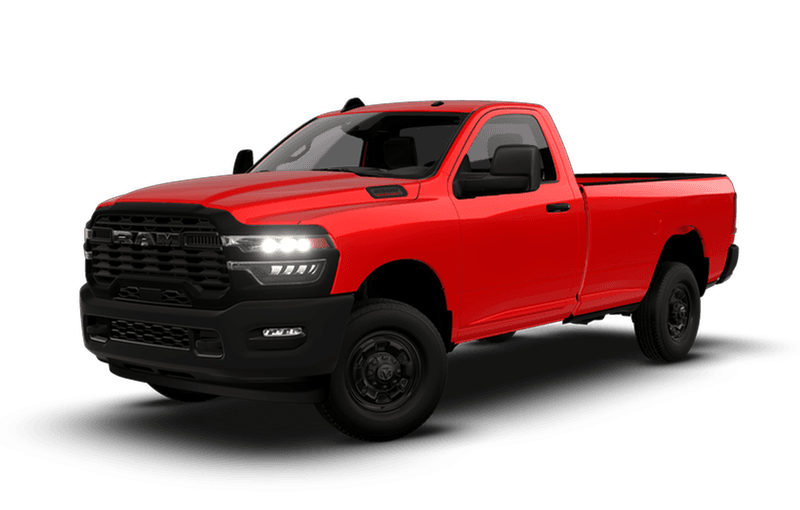
A transmission fluid leak means the transmission is losing the fluid it uses to shift, lubricate and stay cool, and the right next step is a diagnosis now, before a seep turns into a low level. It often shows as a thin, oily spot under the middle of the truck, roughly below the front of the cab. The eight speed page of the 2022 Ram 2500 and 3500 owner's manual is blunt about it: "If a transmission fluid leak occurs, visit an authorized dealer immediately." If you have found a spot like that, book a transmission leak diagnosis with our service team and bring a photo of it.
If the spot is brown, sits further forward under the engine and smells like motor oil, it is more likely engine oil, and our guide to what an oil leak under your truck means covers that side.
The manual lines quoted here come from the 2022 Ram 2500 and 3500 owner's manual. For a Ram 1500, another model year or another vehicle, that truck's own owner's manual (Mopar's owner information site carries them by model year) says how its transmission is checked and serviced.

Key Takeaways
- Where the spot lands is the first clue. Transmission fluid often drips under the middle of the truck, behind the engine; a spot under the front half of the engine is more likely engine oil, and one at the very front is more likely coolant.
- The 2022 Ram 2500 and 3500 owner's manual says to act right away. Its eight speed page says, "If a transmission fluid leak occurs, visit an authorized dealer immediately."
- Leak points depend on the design. The pan gasket, the cooler lines and fittings, the output shaft seal and the front pump seal, where fitted, are places a technician often looks.
- Low fluid often shows in the shifting. Slipping, a flare of revs, late engagement or a transmission warning message is a reason to book now and skip the highway and the trailer.
- Skip the sealer. The 2022 Ram 2500 and 3500 owner's manual says, "Avoid using transmission sealers as they may adversely affect seals."
- Cold starts and gravel roads can make a seep worse, so look underneath before the snow stays.
How to Tell It Is Transmission Fluid
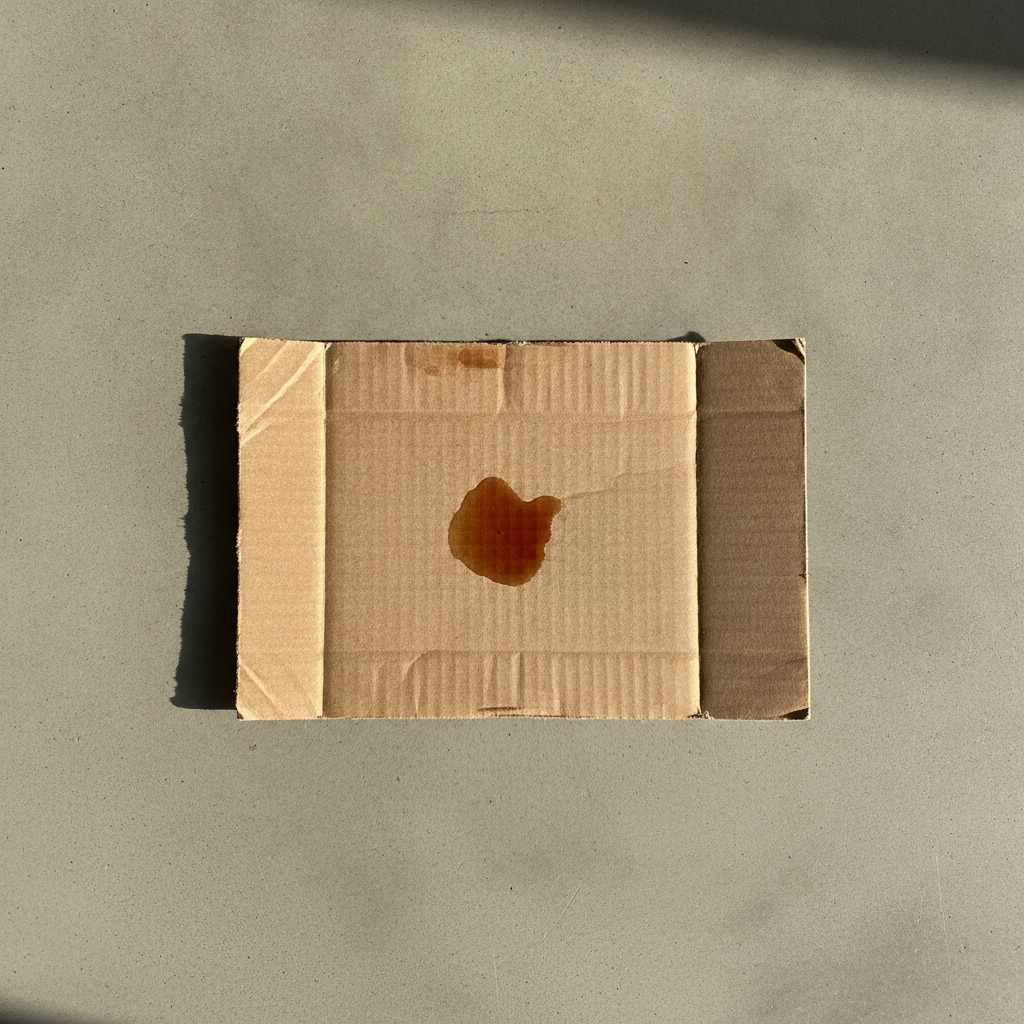
Slide a flattened box or a sheet of white paper under the truck overnight, from the front bumper back to the middle of the cab. In the morning, read three things.
Where it lands. The transmission sits behind the engine, roughly under the front of the cab floor. A spot in that zone, or under the joint where the engine meets the transmission, points to the transmission. A spot under the front half of the engine is more likely engine oil, and one at the very front is more likely coolant. On a four wheel drive truck, a spot just behind the transmission can be the transfer case, which has its own fluid, so ask our service team which.
How it feels and smells. Transmission fluid is thin and slick, thinner than engine oil. Coolant feels watery and often smells sweet. Fluid that smells burnt suggests the transmission has been running hot, which is a reason to book promptly.

Colour, in brief. Automatic transmission fluid is often red or reddish when fresh and darkens with use, so an older leak can look brown. Colour alone is not proof, so the location of the spot counts for more. Hydraulic power steering fluid, where fitted, can look similar but leaks up front near the steering gear.
Common Leak Points by Design
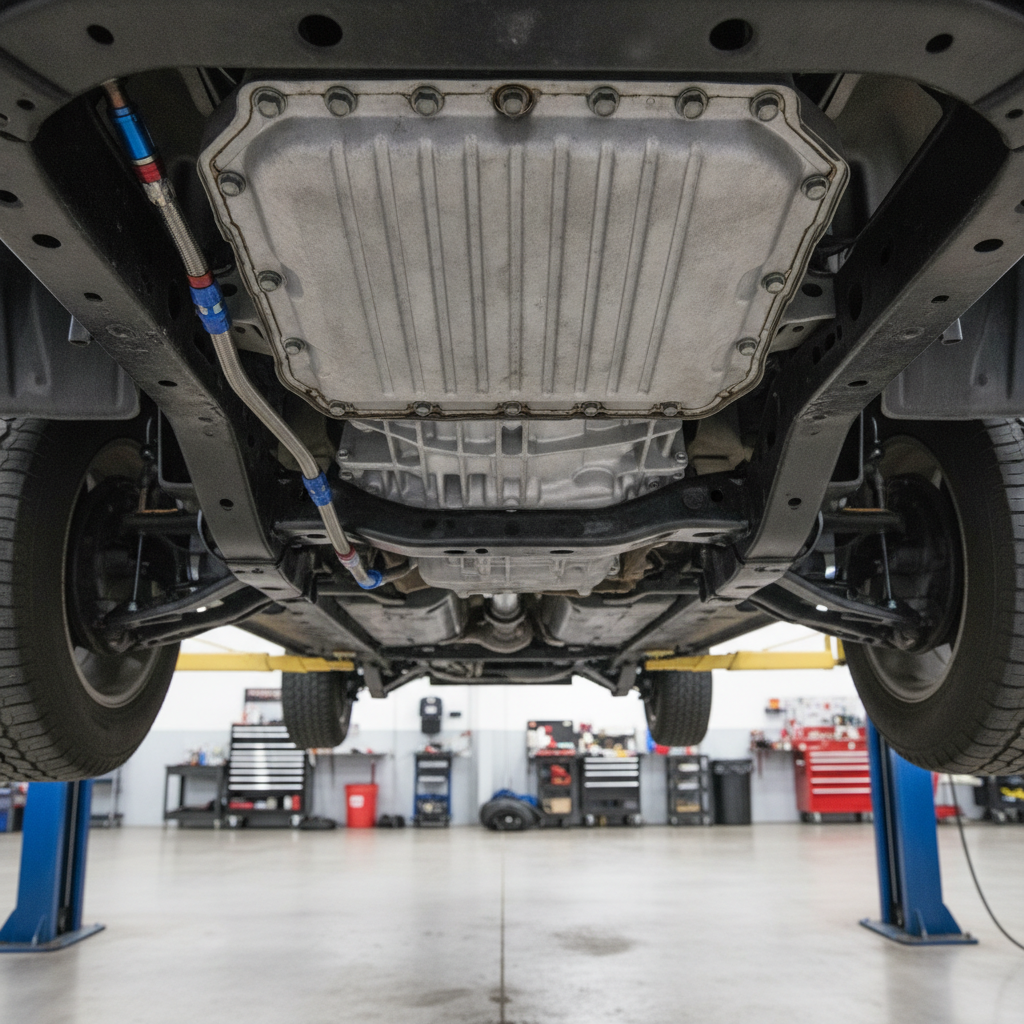
Fluid runs downhill and blows backward at highway speed, so the spot on the cardboard is not always under the source. A technician traces the wet trail to its highest point. The 2022 Ram 2500 and 3500 owner's manual allows one thing in the transmission besides fluid: "The only exception to this policy is the use of special dyes for diagnosing fluid leaks in transmissions." Ask our service team whether a dye test suits your truck.
The pan gasket. On a transmission with a bolted oil pan underneath, the gasket between the pan and the case can seep. The pan is also the lowest point, and the first thing a rock or a frozen rut finds.
Cooler lines and fittings. On many trucks, fluid runs through lines to a cooler at the front, so there are steel lines, rubber sections and fittings along the frame and in the nose. A fitting can seep, and a line rubbed through or struck by gravel can weep along its length.
The output shaft seal. At the back of the transmission, where the driveshaft slides in on a two wheel drive truck, or where the transfer case bolts on with four wheel drive, a seal keeps fluid in around the turning shaft. On a front wheel drive vehicle with a transaxle, the seals where the axle shafts leave the case do the same job.
The front pump seal. Where the torque converter enters the front of the transmission, a seal sits inside the bellhousing. A leak there drips from the bottom of the joint between engine and transmission, the same place an engine rear main seal leak shows, so the technician has to tell the two fluids apart.
Why Cold Starts and Gravel Roads Matter Here
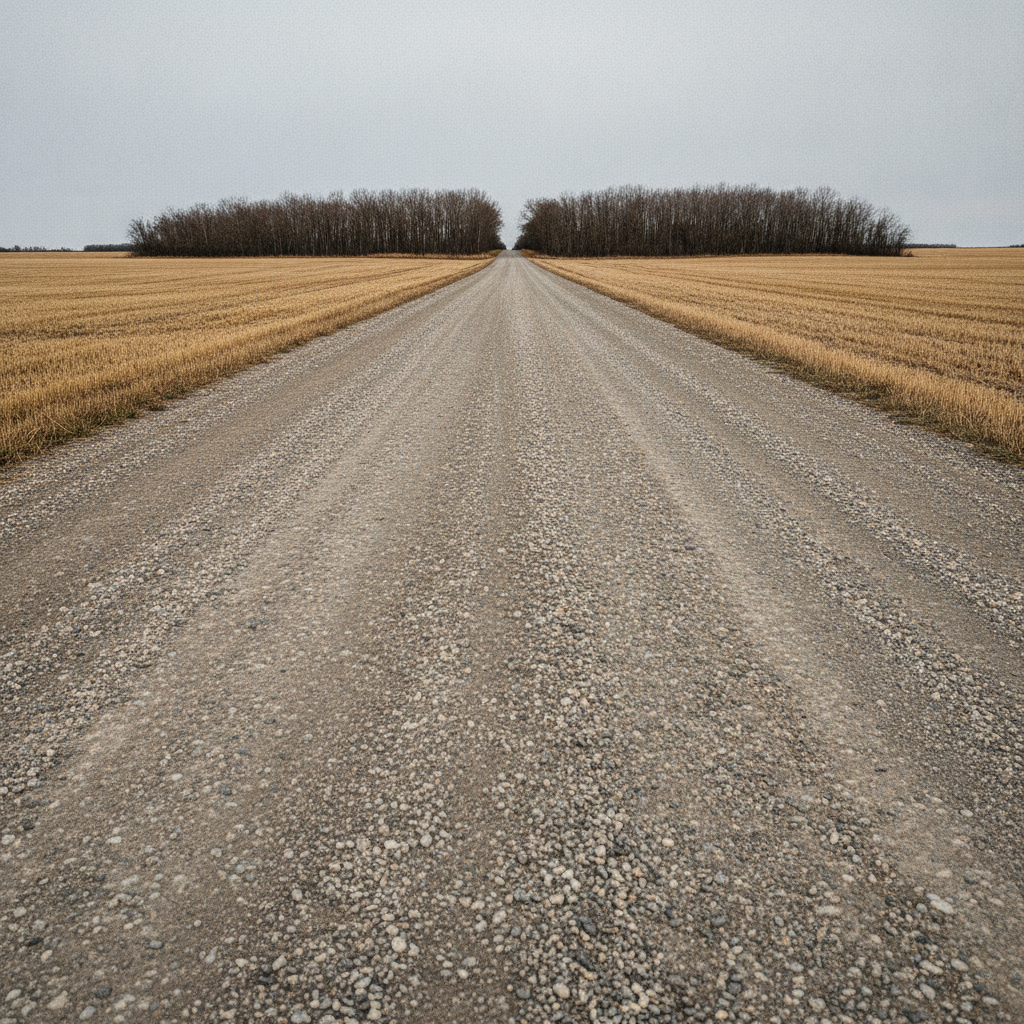
Rubber seals and gaskets stiffen in deep cold, and fluid is at its thickest on a cold start, so a seal that only seeps in summer can leave a bigger spot after a minus 30 morning. Snow helps here: a reddish ring in a white driveway is hard to miss, so check where the truck sat after the first hard cold snap.
Gravel is the other half. Grid roads, harvest field approaches and washboard on the way to the lake throw stones at the pan and the lowest lines. A frozen rut or a high centre on a field approach can dent a pan or crack a fitting. Before the snow stays, shine a flashlight under the middle of the truck for a wet film or dust caked onto a damp surface.
A leak that drips while parked can run faster with the transmission hot and working, so a spot found in Portage la Prairie means booking before the highway run to Winnipeg.
How Urgent Is a Transmission Fluid Leak?
The eight speed page of the 2022 Ram 2500 and 3500 owner's manual says, "Operating the vehicle with an improper fluid level can cause severe transmission damage." That same page says the transmission has no dipstick and that an authorized dealer can check the level using special service tools, so on a truck like that, a leak is not a home top up.
| What You Notice | What to Do |
|---|---|
| A few drops on the cardboard, shifting feels normal | Book a leak diagnosis now, before it grows |
| A spot that grows night to night, or a wet underside | Book now; keep trips short and leave the trailer parked |
| Slipping, a flare of revs, late engagement into Drive or Reverse, or a transmission warning message | Book now; avoid the highway and towing until it is checked |
| Fluid streaming, a puddle, or smoke from fluid on the exhaust | Park it and do not drive it; ask our service team how to get it to the shop |
Low fluid often shows in the shifting before it shows on a gauge. What a slip, a flare or a hard shift points to is covered in our guide to a truck transmission shifting hard.
What Not to Do About a Leak
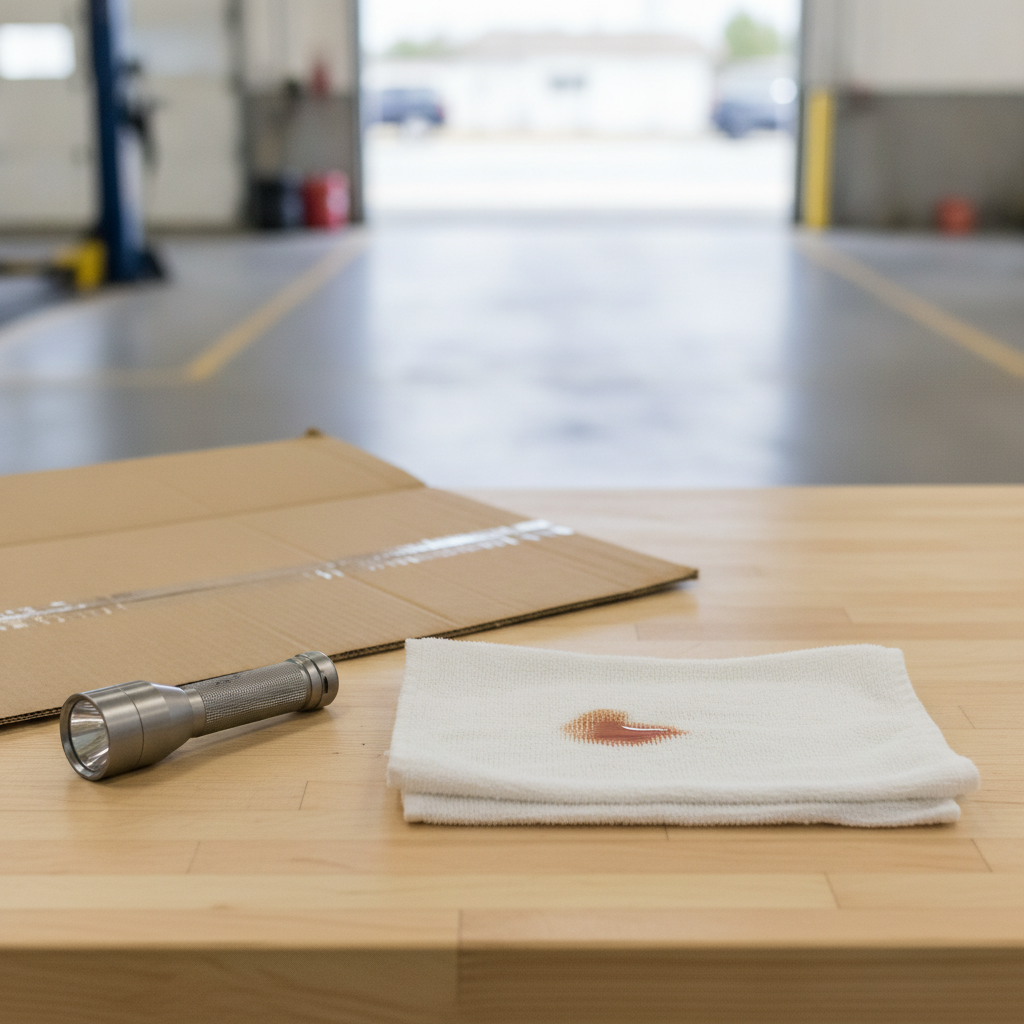
Do not pour in a sealer. The 2022 Ram 2500 and 3500 owner's manual says not to add any fluid additives to the transmission, and adds, "Avoid using transmission sealers as they may adversely affect seals." Our position: a bottle on a store shelf is not a repair, and the leaking part still has to be found.
Do not top up by guesswork. Your model year's owner's manual names the fluid and says whether there is a home check at all. On some transmissions there is not.
Do not wash the underside first. Leave it as it is unless our service team asks otherwise, because the wet trail is what leads a technician to the source.
What to Tell Our Service Team
A few facts save time on the hoist.
- The model year, the engine, the transmission if you know it, and the kilometres.
- Where the spot sits (front, middle or rear, and which side) and how big it gets overnight. A photo of the cardboard helps.
- The colour and smell on a white paper towel.
- When it started: after a cold snap, a gravel season, a hit underneath or a recent service.
- Any change in shifting, and any warning message.
- Whether the truck tows, and what.
At Dunn Ram Trucks in Portage la Prairie, our service department does transmission service and repair in house, and engine seal, gasket and leak repair too, which matters when the spot could be either fluid. Book a leak check online and give our service team the list above. If the visit turns into a fluid service as well, our guide to transmission service and what to know before you book explains that side.
If a leak is one more repair on an older truck, you can see what your current truck is worth, browse our new Ram 1500 inventory and apply for financing online. Any approval, rate or term is on approved credit.
FAQs
How can I tell if it is transmission fluid leaking?
Look at where the spot sits and how it feels. Transmission fluid often drips under the middle of the truck, behind the engine, and feels thin and slick; it is often reddish when fresh and darkens with use. A spot further forward that smells like motor oil is more likely engine oil, and a watery, sweet smelling one is more likely coolant.
Can I drive with a transmission fluid leak?
Only as far as the service bay, and not at all if fluid is streaming or the transmission is slipping. The eight speed page of the 2022 Ram 2500 and 3500 owner's manual says, "If a transmission fluid leak occurs, visit an authorized dealer immediately," and warns that operating the vehicle with an improper fluid level can cause severe transmission damage.
Will a stop leak product fix a transmission fluid leak?
Do not count on it. The 2022 Ram 2500 and 3500 owner's manual says not to add any fluid additives to the transmission, and says, "Avoid using transmission sealers as they may adversely affect seals." Book a diagnosis instead, so the leaking part is found and repaired.
Where do transmission fluid leaks come from?
Often from the pan gasket, the cooler lines and fittings, the output shaft seal at the back of the transmission, or the front pump seal inside the bellhousing, depending on the design. A front wheel drive transaxle also has seals where the axle shafts leave the case. A technician traces the wet trail to its highest point to find which one.
Does Dunn Ram Trucks repair transmission fluid leaks?
Our service department at Dunn Ram Trucks in Portage la Prairie does transmission service and repair in house, and engine seal, gasket and leak repair too. Book online and tell our service team the model year, engine, transmission if you know it, kilometres and where the spot sits under the truck.
The Bottom Line
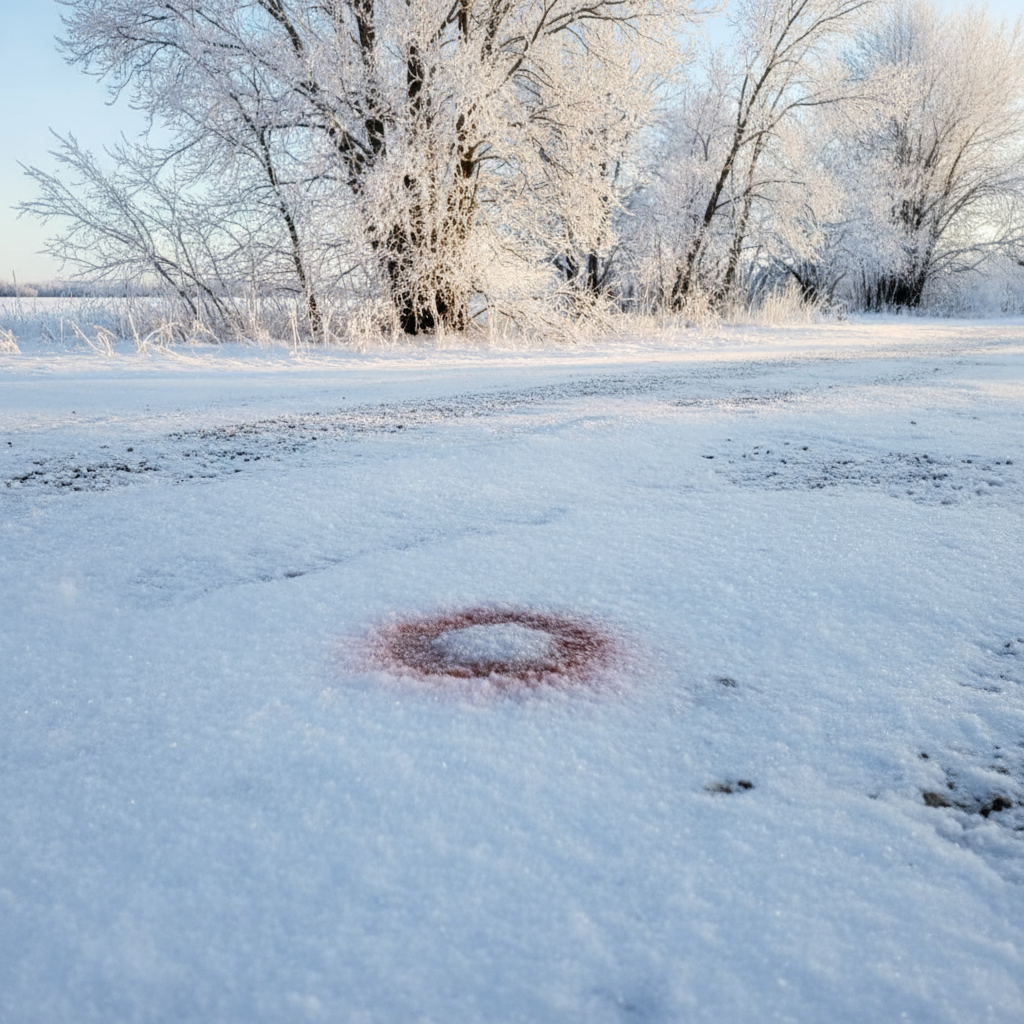
Find the spot, read where it sits and how it feels, and book before it grows. A drip under the middle of the truck calls for a diagnosis, not a bottle of sealer, and the time to look underneath is before the snow stays.
Found a spot on the cardboard? Book a transmission leak check with our service team and bring the photo, the model year and the kilometres.
Tyler Dunn, Dunn Ram Trucks, Portage la Prairie