
You are standing in front of a diesel with 340,000 km on the odometer, and the price is good enough that you are genuinely tempted. Everything you have read says a Cummins goes half a million. Everything your brother in law says is that you are buying somebody else's problem. Both of those cannot be right.
This is the honest version of the answer, including the part where we tell you the famous numbers are not as well sourced as everybody assumes. If you want to skip the reading and go look at what is actually on the ground, our used inventory is online and current. But if you are about to spend real money on a high kilometre diesel, the fifteen minutes here will change what you look at when you walk around it.
Key Takeaways
- The engine is usually not what ends the truck. That is the single most useful thing in this post. On the diesels that come through as trades, the odometer is almost never the reason we cannot retail one.
- The famous durability numbers are not Cummins figures. You will see 250,000 miles and 350,000 miles quoted everywhere as official B10 and B50 ratings. We could not find either number published by Cummins for the pickup engine, and the sources that repeat them are forums, parts retailers and dealer blogs. We are not going to print them as fact.
- Duty cycle matters more than distance. A truck that pulled a trailer down the highway for 400,000 km can be in better shape than one that idled in a yard and did 8 km trips for 150,000.
- Records are the real odometer. Oil changes, fuel filters and coolant service on schedule tell you more about what you are buying than the number in the dash does.
- The emissions system is the expensive part of a modern diesel. Diesel particulate filters, exhaust gas recirculation and the fluid dosing system all cost real money, and short trip use is hard on all of them.
- There is one specific recall worth checking before you buy a 2019 or 2020. A high pressure fuel pump recall covers 222,410 of those trucks. Check the VIN, it takes two minutes.
- The rest of the truck ages too. Rust, suspension, steering, transmission and interior are what usually decide the fate of a high kilometre unit out here, not the block.
The Number Everyone Quotes, and Where It Comes From
Start with the thing nobody else will tell you, because it is the reason to trust the rest of this.

Search this question and you will be told, confidently and repeatedly, that Cummins rates the 6.7 litre at a B10 life of 250,000 miles and a B50 life of 350,000 miles. Those are real engineering terms. A B10 life is the point at which ten percent of engines in service would be expected to need major repair, and B50 is the halfway point of that same curve.
The trouble is the sourcing. We went looking for those figures published by Cummins for the pickup engine and could not find them. What we found instead was the numbers repeated on enthusiast forums, on parts retailer product pages, on aggregator articles and on other dealers' blogs, each citing the last one. That is not the same as a manufacturer specification, and we are not going to hand you a number for a buying decision when the paper trail runs into a forum thread.
Cummins does publish durability language about the engine platform in general terms, and the engine has a genuine reputation earned over decades of use in these trucks. But a reputation is not a rating, and a widely repeated figure is not a published one. If you have seen those numbers stated as fact somewhere with a footnote leading to Cummins itself, we would genuinely like to see it.

So here is what we will stand behind instead.
What Actually Comes Through the Door
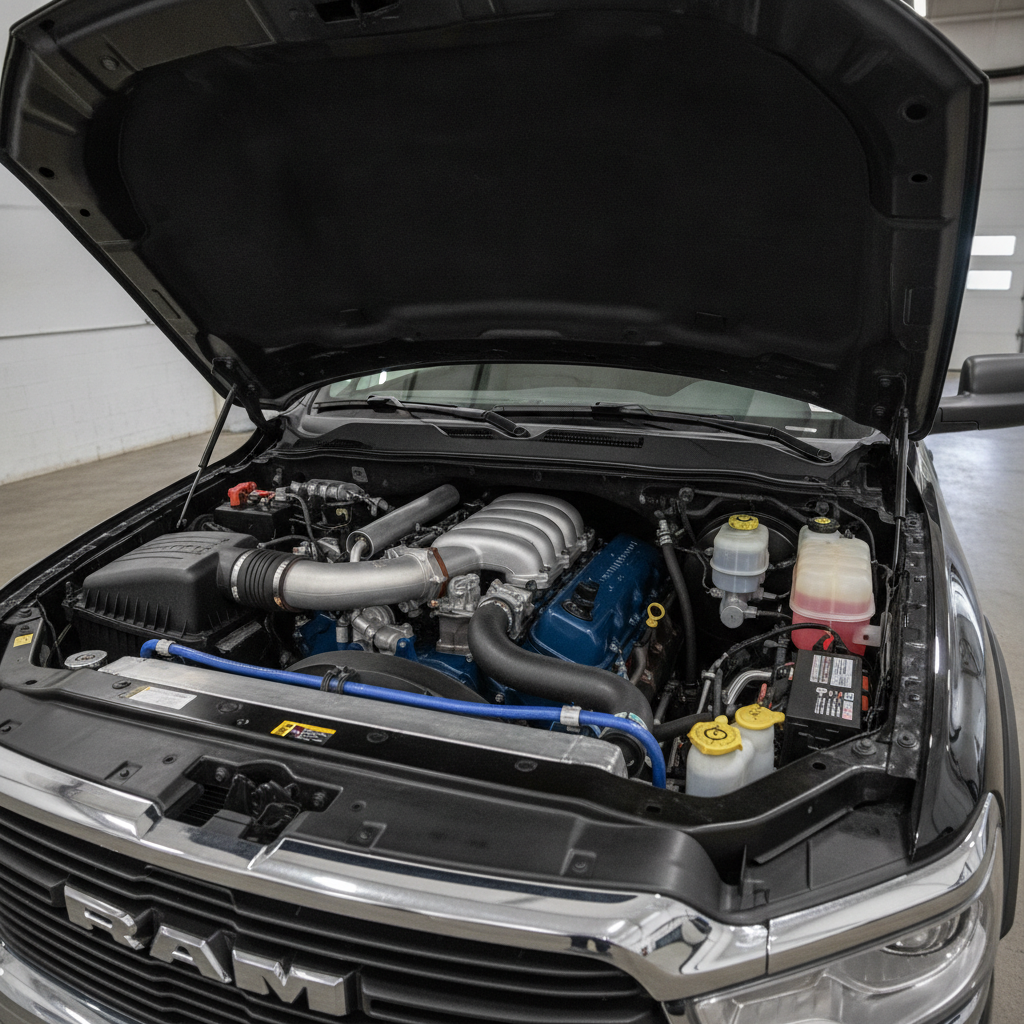
We appraise trades and we inspect every used unit that comes onto the lot, and diesels are a meaningful share of that. What follows is a pattern we see rather than a published study, and we would rather describe it that way than dress it up with numbers we did not collect properly.
The pattern is this. When a high kilometre diesel gets turned away or sent to auction instead of onto our front line, the engine is rarely the reason. The reasons are the frame and body, the suspension and steering, an emissions system that has clearly been fought with, a transmission that is telling on itself, or a maintenance history that simply is not there. Trucks arrive well past the point where a gas half ton would have been retired, and the engine is still pulling.
That should reframe the question you are asking. "How many kilometres will the Cummins last" is the wrong question, or at least an incomplete one, because the engine is not usually the thing that runs out first. The better question is how long the whole truck lasts, and out here the answer to that has as much to do with road salt and gravel as it does with anything under the hood.
The gas side of this question has its own answer, and the two make a useful pair. Our post on how long a Ram 1500 lasts covers the light duty half, and what counts as good mileage on a used truck is the broader version of the odometer conversation.
What Actually Decides It
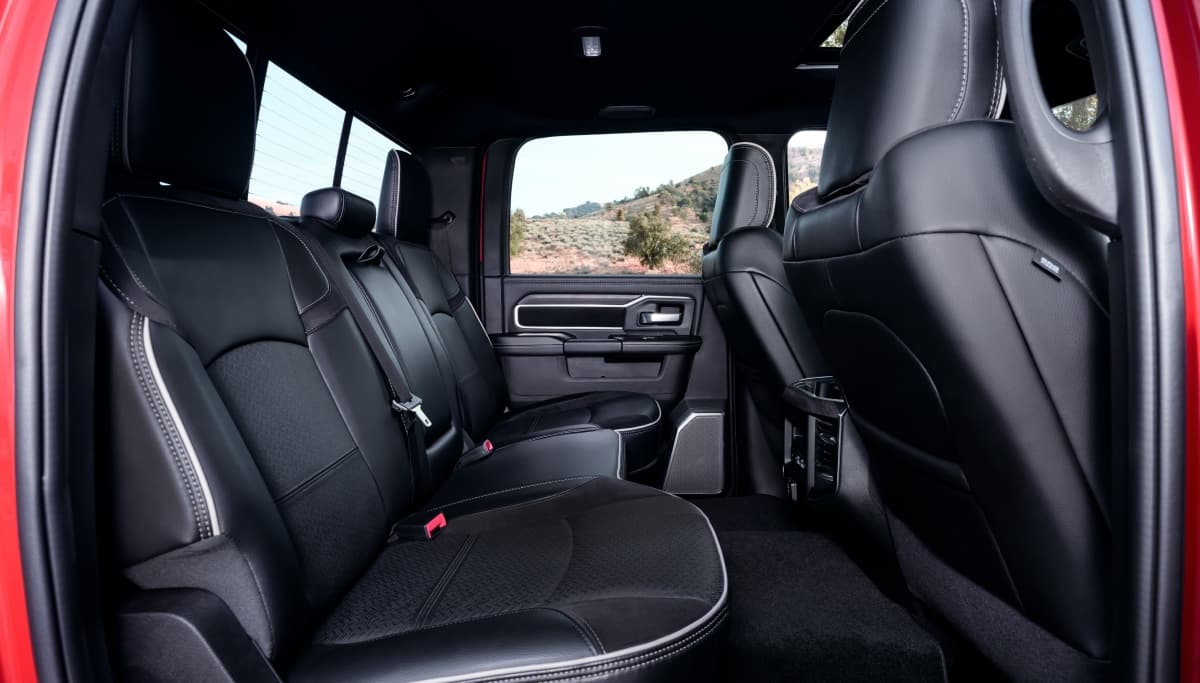
Four things separate a diesel that goes a very long way from one that gets expensive early, and none of them is the badge on the valve cover.
Maintenance records, and specifically the boring ones. Oil and filter on schedule is the obvious one. The one people skip is the fuel filters, and on these trucks that is a genuine mistake, because the fuel system runs at very high pressure and it relies on clean fuel to survive. Our post on Cummins fuel filter change intervals covers what the schedule actually asks for. Coolant service matters too, and it is the one nobody has a receipt for.
Idle hours, not just kilometres. This is the number almost nobody checks and it explains a lot of confusing trucks. An engine that spent thousands of hours idling has done real wear that the odometer never recorded, because the wheels were not turning. Around here, a service truck or a unit that lived on a job site with the engine running through winter can show low distance and high fatigue. If the vehicle has an hour meter, read it, and divide the kilometres by the hours to see what kind of life it has had.
Short trip duty cycle. A modern diesel wants to get hot and stay hot. Short runs in cold weather never let the exhaust system reach the temperature it needs to burn off soot, so the particulate filter loads up and the truck has to keep forcing regenerations. That is the single hardest way to use one of these trucks, and it is exactly how a lot of them get used in a Manitoba winter. Our post on Cummins DPF regeneration explains what is happening when the truck does it, and our post on whether to warm up a diesel in the cold covers the winter habit side.
Whether the emissions system was maintained or fought. Diesel exhaust fluid quality and level, the recirculation system, the sensors, the filter itself: on a modern diesel that is where the money goes. A truck whose owner kept it healthy is a different asset from one whose owner treated every warning light as an inconvenience. Our post on diesel exhaust fluid covers the part owners ask about most.
The Parts That End a Truck Before the Engine Does
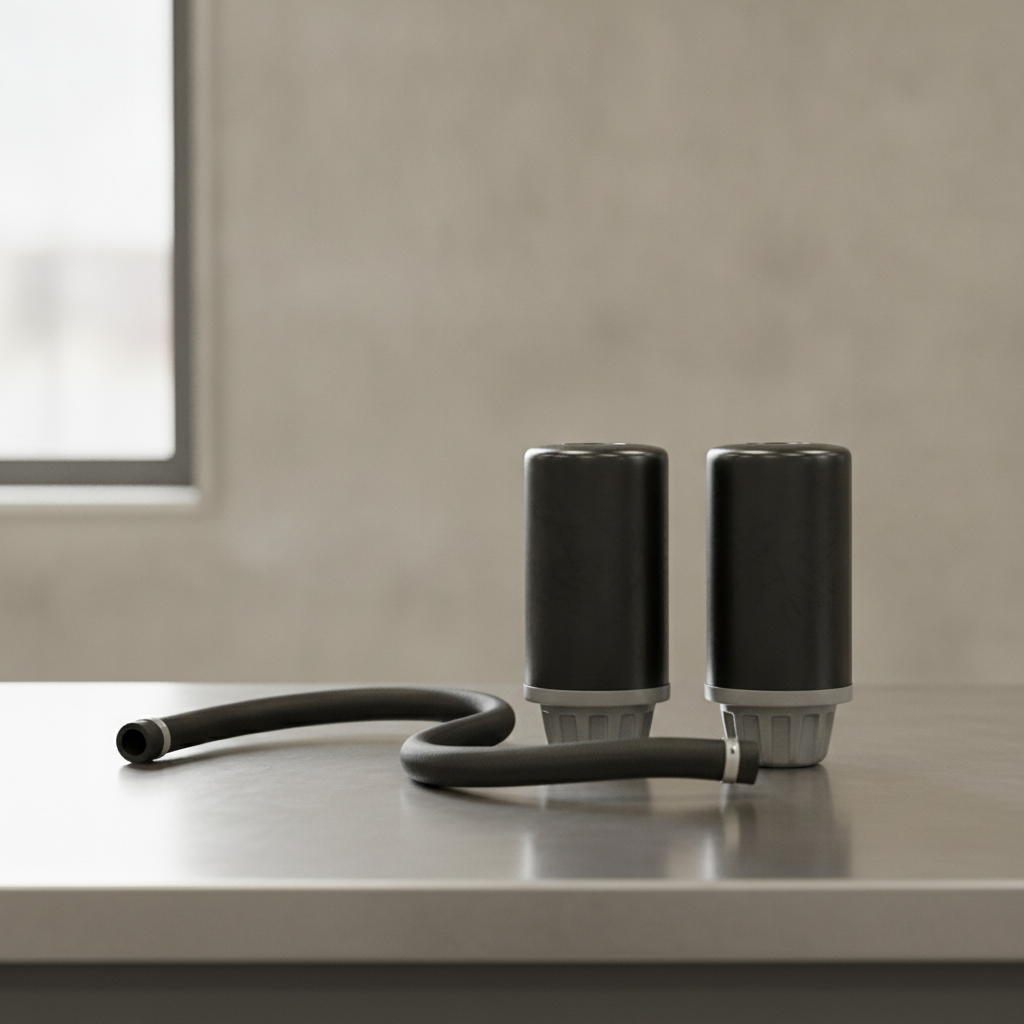
If you are shopping a high kilometre diesel, this is your inspection list, roughly in the order it costs you money out here.
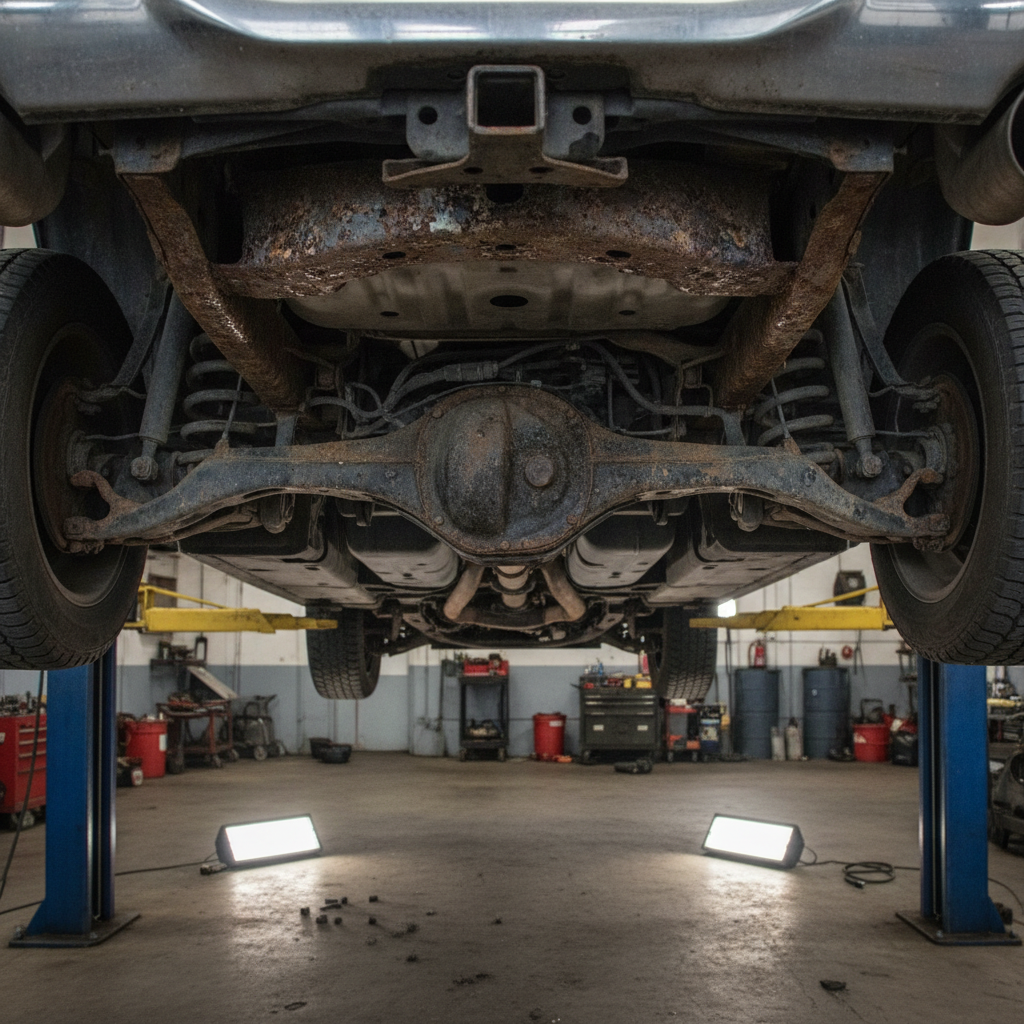
Rust, frame and body. This is the prairie answer and it is first for a reason. Salt and brine work on box corners, cab corners, brake and fuel lines, and frame rails. An engine with another 200,000 km in it does you no good in a body that will not pass an inspection.
The emissions system. Particulate filter, recirculation components and the dosing system. Expensive individually, worse in combination, and the single most likely place for a big bill on a modern used diesel.
Turbocharger and injectors. Wear items on a long life engine rather than failures. Budget for them as maintenance on a high kilometre truck instead of being shocked by them.
The transmission. Behind a torquey diesel that has towed for its whole life, the transmission has worked at least as hard as the engine. Shift quality on the test drive is worth paying close attention to.
Suspension and steering. Ball joints, track bars, tie rods and bushings all live a hard life on gravel and washboard, and they are cheap individually and expensive as a set.
The interior and everything electrical. It does not stop the truck, but a worn out cab is what makes an owner give up on an otherwise sound vehicle.
The One Check Worth Doing Before You Buy a 2019 or 2020
This one is specific, verifiable and genuinely worth two minutes of your time.
There is a safety recall covering 2019 and 2020 Ram 2500 and 3500 pickups, along with Ram 3500, 4500 and 5500 cab chassis vehicles, equipped with the 6.7 litre Cummins turbo diesel. The concern is that the high pressure fuel pump may fail, which can cause the engine to stall suddenly and without warning. The recall is NHTSA campaign number 21V-880, the manufacturer's own number for it is Y78, and the potential number of units affected is 222,410. The remedy is a replacement of the high pressure fuel pump plus a powertrain control module software update, with additional fuel system components inspected and replaced as needed, at no charge.
Two things follow from that. First, if you are looking at one of those model years, find out whether the work was done before you buy, not after. Second, and more generally, run the VIN on any used vehicle you are seriously considering. Our post on how to check recalls on a Ram or Jeep by VIN walks through it, and it is free.
If you want a broader read on which used heavy duty years are the stronger buys, our post on the best year for a used Ram 2500 is the companion to this one.
How to Read a High Kilometre Diesel on the Lot

Practical version, for when you are actually standing there.
Ask for the records, and read what is missing. A folder of oil changes with no fuel filter or coolant entries tells a story. So does a gap of four years.
Look under it, not just at it. Fifteen minutes on a hoist answers more questions than any test drive. If a seller will not put it up, that is your answer.
Cold start it yourself. Ask the seller not to warm it up before you arrive. How a diesel behaves on a genuine cold start is one of the most honest things it will ever tell you.
Watch the dash on the drive. Warning lights that come and go, a truck that wants to regenerate immediately, or a fluid warning already active all point at the expensive system.
Get it inspected before the money moves. A pre purchase inspection is the cheapest part of the whole transaction. We do complimentary and safety inspections as a matter of course on what comes through our own shop, and you can book an inspection on a truck you are considering from anywhere. Our post on the Manitoba certificate of inspection covers the requirement side of buying privately.
Decide what you actually need. If you are not towing heavy and regularly, a diesel is a lot of purchase price and a lot of maintenance to carry. Our post on Ram 2500 diesel versus gas is the honest version of that conversation, and plenty of people who came in for a diesel left happier in a gas truck.
FAQs
How many kilometres does a Cummins last?
Longer than most of the truck around it, which is the honest answer. The engine is rarely the reason a high kilometre diesel gets retired, and well maintained examples keep working long past the point where a gas half ton would be done. We will not quote you the 250,000 and 350,000 mile figures you see everywhere as manufacturer ratings, because we could not verify either one as published by Cummins for the pickup engine. Condition, records and duty cycle tell you far more than the odometer does.
Is 300,000 km too many for a Cummins?
Not by itself. A truck at 300,000 km with complete records, highway duty and a healthy emissions system can be a better buy than one at 150,000 km that idled its life away on short winter trips. Look at the frame, the emissions system, the transmission and the records before you let the odometer decide for you.
What usually fails first on a high kilometre diesel?
Out here, rust and the emissions system lead the list, followed by suspension and steering wear from gravel, then the transmission, then wear items like the turbocharger and injectors. Notice that the engine itself is not near the top. That ordering is why the frame inspection matters more than the odometer.
Do idle hours matter more than kilometres?
They matter a great deal and almost nobody checks them. Idling puts wear on an engine that the odometer never records, so a truck with low distance and very high hours has had a harder life than it appears. If the vehicle reports engine hours, read them and compare them against the distance.
Why is short trip driving bad for a diesel?
The exhaust system needs to get hot to burn accumulated soot out of the particulate filter. Short cold runs never get it there, so the filter loads up and the truck keeps forcing regeneration cycles to cope. That is the hardest common duty cycle for a modern diesel, and a Manitoba winter of 10 km trips is exactly that.
Is there a recall I should check on a used Cummins?
Yes, and one in particular. NHTSA recall 21V-880, the manufacturer's number Y78, covers 2019 and 2020 Ram 2500 and 3500 pickups and 3500, 4500 and 5500 cab chassis vehicles with the 6.7 litre Cummins, for a high pressure fuel pump that may fail and cause a sudden stall. It affects a potential 222,410 vehicles and the repair is free. Whatever year you are looking at, run the VIN through a recall check before you buy.
Should I buy a diesel if I only tow occasionally?
Often not. The purchase premium and the maintenance are real, and the duty cycle that suits a diesel best is regular loaded highway work. If you tow heavy often, it earns its keep. If you tow a couple of times a summer and drive to town the rest of the year, a gas truck is usually the better financial answer, and we will tell you that across the desk.
The Bottom Line
The question people ask about a Cummins is how many kilometres it will last. The more useful question is what will wear out first, and on these trucks it is usually not the engine. That is a real compliment to the engine and a real warning about everything else, because a sound diesel in a rusted out truck with a fought over emissions system is not a bargain at any price.
So buy the records, not the odometer. Check the idle hours if you can get them. Put it on a hoist. Run the VIN for recalls, and pay extra attention to that fuel pump recall on the 2019 and 2020 trucks. And be honest with yourself about whether you tow enough to need a diesel at all.
If you want a second set of eyes on one, that is a thing we do, whether it came from us or not. Have a look at our used inventory, or book an inspection on the truck you are considering. If you already own a high kilometre diesel and are wondering what it is worth, our instant cash offer will give you a number, and our new Ram 2500 inventory is there if the answer turns out to be that it is time.
Tyler Dunn, Dunn Ram Trucks, Portage la Prairie