Yes. If you are buying a used vehicle in Manitoba, registering it means producing a valid safety Certificate of Inspection, and how you get that certificate depends entirely on where you buy. Buy privately and the inspection is your problem to arrange and pay for before Autopac will register the vehicle. Buy from a dealer and the law puts that burden on us: every vehicle on our used lot leaves with a valid Certificate of Inspection issued before delivery. That one difference decides a surprising amount of the private versus dealer math, so here is how the whole system actually works, in plain language.
Key Takeaways
- A valid Certificate of Inspection (COI) is required to register a newly acquired vehicle in Manitoba. No COI, no registration, no plates.
- A COI is valid for one year for transferring ownership. An older certificate does not carry the transfer.
- A dealer must issue you a valid COI on a used sale. That inspection and any repairs it forces are built into a dealer purchase.
- Family transfers are exempt. Spouse or common law partner, child or step child, parent, and inheritance transfers do not need a COI.
- A COI is a safety check, not a warranty. It does not deeply inspect the engine or transmission and it is not a guarantee of overall vehicle quality. Know what it does and does not tell you.
What the Certificate of Inspection Actually Is
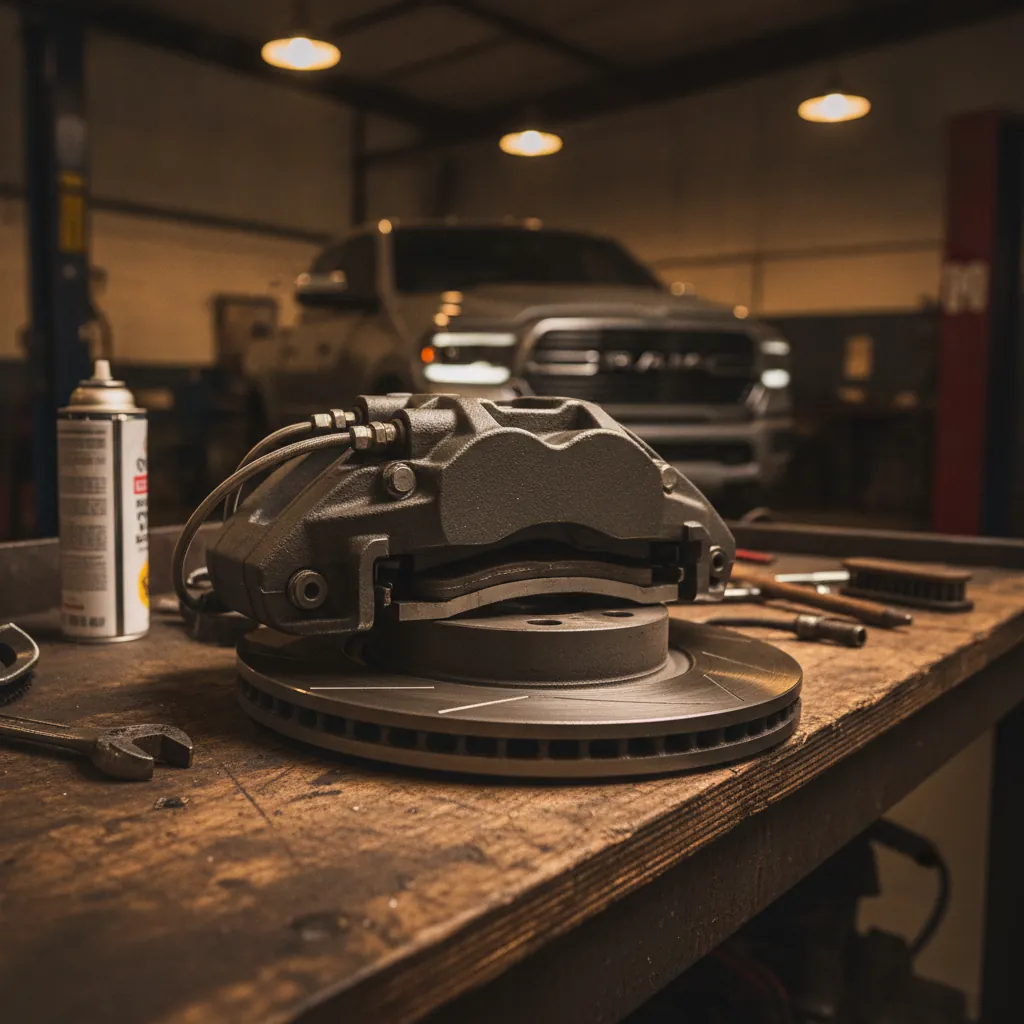
The COI is Manitoba's periodic safety inspection, performed at approved inspection stations across the province. The inspection confirms that, on the day it was done, the vehicle met the basic safety standards set out in the provincial Vehicle Equipment, Safety and Inspection Regulation: think brakes, tires, steering, suspension, lights, glass, body condition and the other systems that decide whether a vehicle is safe to share a highway with.
Two boundaries matter as much as the checklist itself.
First, the COI is a snapshot. Vehicles wear, which is why a certificate is only good for one year when ownership transfers, and why a certificate from eleven months ago tells you less than a fresh one.
Second, and this is the part buyers get wrong most often: a COI is not a mechanical condition report. MPI is explicit that the inspection does not include a detailed look inside the engine or transmission and is not a guarantee of the vehicle's overall quality. A truck can pass a safety inspection on Tuesday and need a transmission the following month, and the certificate did not lie; it just answered a narrower question than the buyer thought was being asked.
When You Need One, and When You Do Not
You need a valid COI when:

- You buy a used vehicle, privately or otherwise, and want to register it in your name.
- You bring a vehicle into Manitoba from another province and register it here.
You do not need one when:
- The vehicle is transferring within the family: to a spouse or common law partner, a child or step child, a parent, or to a beneficiary through an estate. Those specific transfers are exempt.
- You are simply renewing registration on a vehicle you already own. Ordinary light passenger vehicles are inspected on transfer, not annually.
A few edge cases worth knowing. A written off vehicle with salvageable status cannot be driven or registered at all until it has been properly rebuilt and its status changed. And if you are bringing a vehicle in from another province, the rules on whether that province's inspection paperwork is accepted have specific conditions, so confirm your exact situation with MPI or an Autopac agent before you count on out of province paperwork.
Private Sale vs Dealer Sale: Who Does the Work
Here is where the rule quietly reshapes the used market.
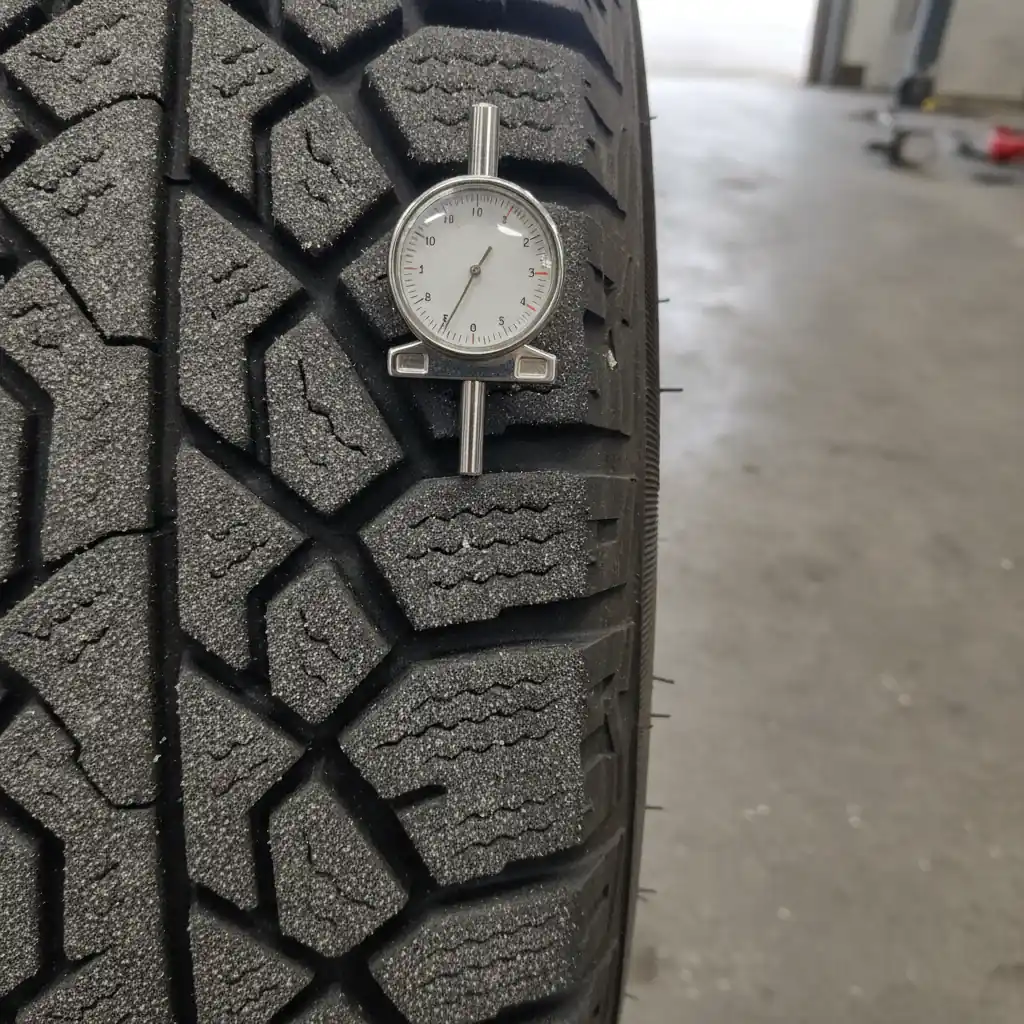
In a private sale, the COI is the buyer's problem. You find an approved inspection station, you pay for the inspection, and if the vehicle fails, you pay for whatever it takes to pass, or you walk away from the deal and eat the inspection fee. The seller's asking price rarely mentions any of this. A private truck priced a couple of thousand dollars under the dealer equivalent can close most of that gap with one unlucky inspection: a set of tires below spec, seized brake hardware, a cracked windshield and worn ball joints is a very ordinary combination on a prairie truck, and every item on it is a pass or fail line.
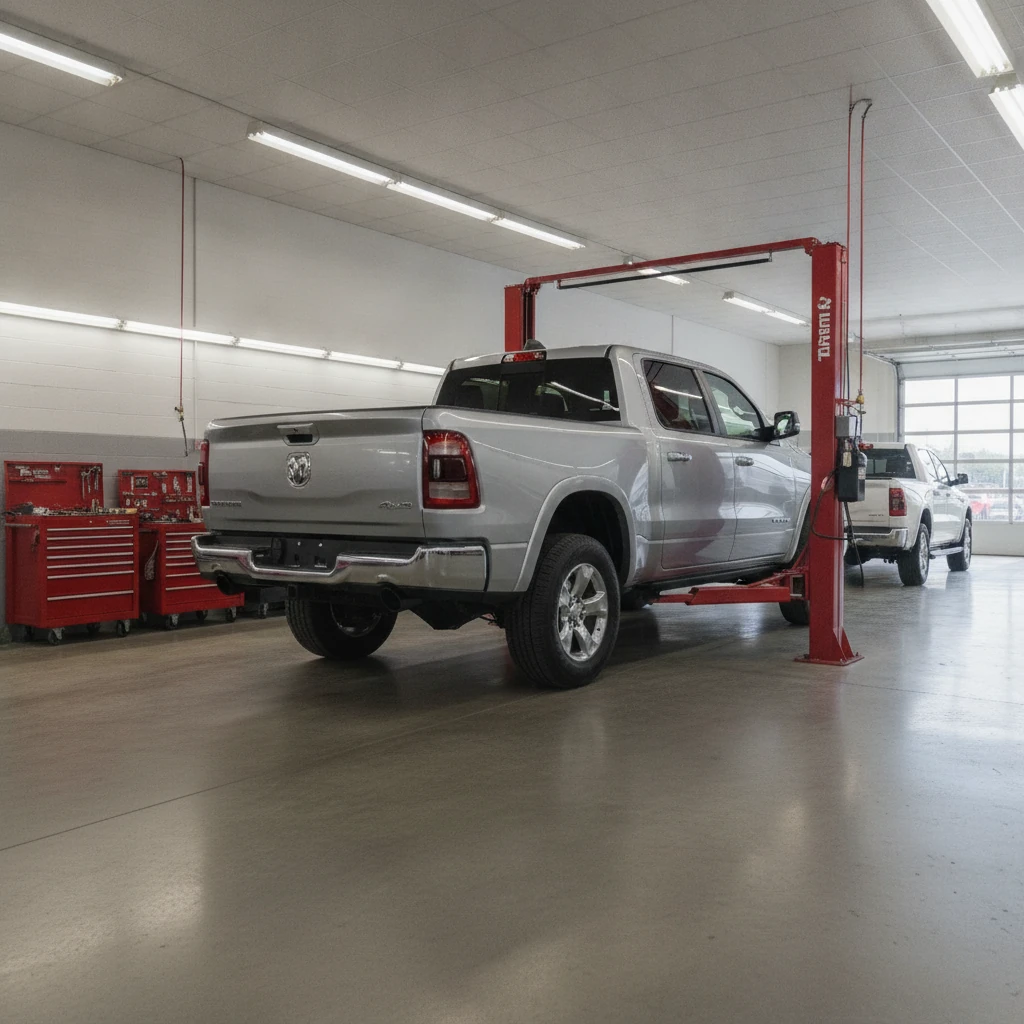
In a dealer sale, the COI is the dealer's legal obligation. A dealer must issue a valid certificate with the used vehicle, which means the inspection happened before you arrived and anything it forced has already been repaired. On our lot that work happens in our own service centre before a truck is ever priced and listed, and the reconditioning routinely goes past the bare safety minimum, because a truck that scrapes through an inspection is not the same thing as a truck we are comfortable putting our name behind.
Neither route is wrong. The point is to compare true totals: private price plus inspection plus whatever the inspection finds, against the dealer price where all of that is already inside the number.
Reading a COI Like a Buyer, Not a Seller
If you are shopping privately, a few habits will save you real money.
Ask when the COI was issued, not just whether one exists. One year of transfer validity is the ceiling, and a certificate approaching its birthday was earned by a vehicle with a year more wear on it.
Ask who did the inspection. Approved stations display official signage. An inspection done where the seller's cousin works is legal if the station is approved, but you are allowed to weigh the source.
Remember what the certificate is silent about. Engine health, transmission behaviour, electronics, rust that has not yet reached a structural line, service history: all outside the COI's question. That is what a pre purchase inspection at a shop you trust is for, and our service department does them on any brand, not just the ones we sell.
Watch for the freshly minimum vehicle. A truck that just passed can still be a truck that barely passed. Tires at the legal limit pass today and need replacement by spring.
What This Means for Your Next Used Truck
The COI system does its job: it keeps genuinely unsafe vehicles from changing hands and quietly forces a baseline of repair spending into every legitimate sale. What it cannot do is grade quality, and the gap between "passed a safety" and "properly reconditioned" is where used vehicle regret usually lives.
When you are comparing a private listing against a dealer unit this week, put the two numbers on the same footing: add a realistic inspection and repair allowance to the private price, then compare. Sometimes the private deal still wins, and we will say so when it does. But the certificate that comes free with every truck on our used lot represents real inspection hours and real parts, and it is worth exactly that.
FAQs
Does a used vehicle need a safety inspection in Manitoba?
Yes. A valid safety Certificate of Inspection is required to register a newly acquired vehicle in Manitoba, whether you bought it privately or from a dealer. The difference is that a dealer must supply the certificate; a private buyer arranges and pays for it themselves.
How long is a Manitoba Certificate of Inspection valid?
One year for the purpose of transferring ownership. After that, a new inspection is required to register the vehicle to a new owner.
Do I need a safety if I am given a vehicle by family?
Transfers to a spouse or common law partner, a child or step child, a parent, or through an inheritance are exempt from the COI requirement. Other transfers, including between siblings or friends, need a certificate.
Does a COI mean the vehicle is in good condition?
No. It means the vehicle met the province's minimum safety standards on the inspection date. It does not include a detailed engine or transmission inspection and is not a guarantee of overall quality. For condition, get a pre purchase inspection.
Who can perform a Certificate of Inspection in Manitoba?
Approved inspection stations operating under the provincial program. Our service centre in Portage la Prairie performs them, and every used vehicle we sell has already passed one before delivery.
What happens if a vehicle fails the inspection?
The failed items must be repaired and the vehicle passed before it can be registered to the new owner. In a private sale those costs land on whoever the deal says they land on, which is usually the buyer.
The Bottom Line
The Certificate of Inspection is Manitoba's way of making sure every vehicle that changes hands meets a safety floor, and it works, as long as you remember it is a floor and not a grade. Buy privately with your eyes open and a fresh inspection in hand, or start with a used truck that already carries its certificate and skip that entire layer of homework. Either way, if you want a second set of eyes on any used vehicle in this province, book it into our service centre and we will tell you what the certificate cannot.
Tyler Dunn, Dunn Ram Trucks, Portage la Prairie