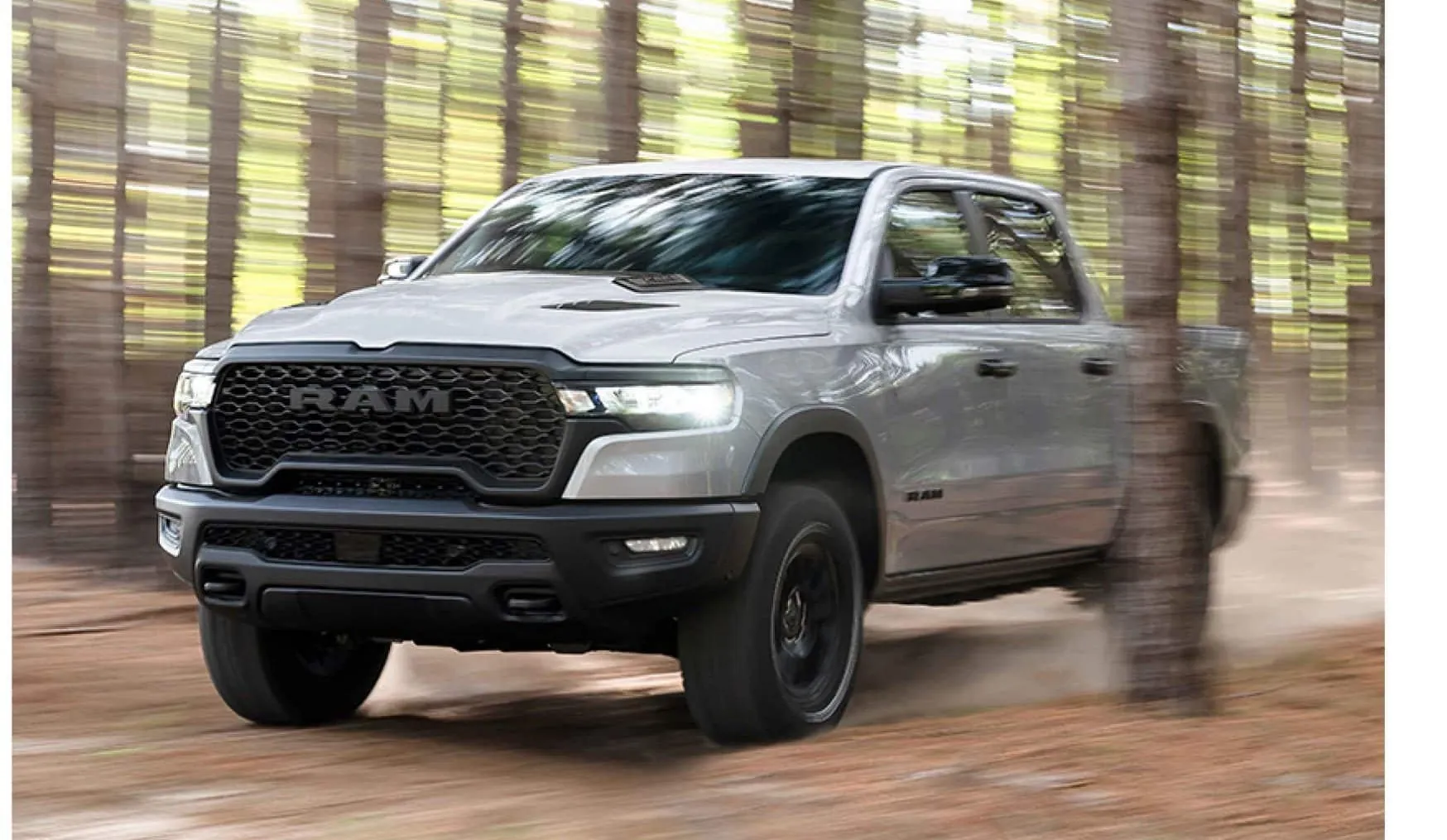
You call around for winter tire prices on your Ram 1500 and the first question back is always the same. What size. And if you have not looked, the honest answer is that you do not know, because a Ram 1500 does not have one size. It has several, depending on which wheel package came on your truck, and the number the tire shop needs is sitting on a sticker you have probably never read. Get this wrong and you either overpay for a tire you did not need or you end up with something that rubs, throws your speedometer off, or will not clear the brakes.
This is the version we give people across the parts counter in Portage la Prairie every September. Where the real number lives, what the common factory sizes are, and the one move that saves most Ram owners money on a winter setup. If you already know what you want, you can book a service appointment with us and we will handle the changeover and the storage.
Key Takeaways
- The governing number is on your door jamb, not on the internet. Open the driver door and read the tire and loading information placard. It lists the exact size and inflation pressure your truck left the factory with. That placard beats any chart, including this one, because Ram changes wheel packages across trims and option groups.
- Two sizes cover a lot of Ram 1500s. Ram Canada lists P275/65R18 on the 18 inch wheel trims including Tradesman, Big Horn and Warlock, and 275/55R20 on 20 inch trims including Express and Sport. Other trims run their own sizes, so confirm yours on the placard.
- Those two sizes are almost exactly the same height. A 275/65R18 stands about 32.1 inches tall. A 275/55R20 stands about 31.9 inches. That half of one percent difference is why the smart winter move exists.
- If your truck came on 20s, buy 18s for winter. A dedicated set of 18 inch rims with 275/65R18 winters costs less per tire, gives you a taller sidewall to survive a Manitoba pothole, and keeps your speedometer honest because the overall diameter barely changes.
- A second set of rims needs its own sensors. Your Ram has tire pressure monitoring. Winter rims without sensors will light the dash up all season, and the system has to relearn the new set.
The Number That Actually Governs Everything
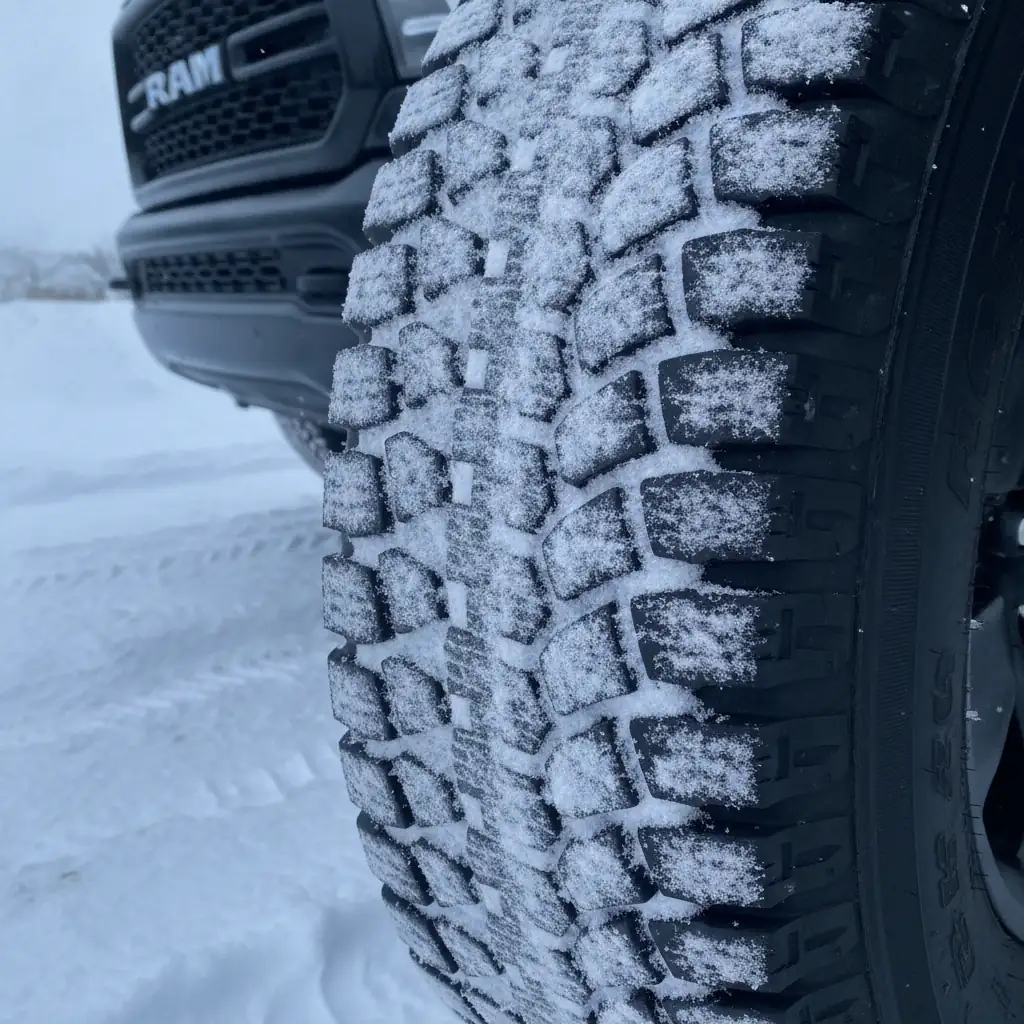
Open the driver door on your Ram 1500 and look at the edge of the door opening, down near the latch. There is a sticker there. It is not the VIN label and it is not the emissions tag. It is the tire and loading information placard, and it lists the tire size the truck was built with, front and rear, plus the cold inflation pressure Ram wants you running.

That sticker is the authority. Not a forum post, not a chart on a tire retailer's site, and not a friend with the same coloured truck. Ram builds the 1500 across a lot of trims and a lot of option groups, and wheel and tire packages move around between them and between model years. Two Big Horns on the same lot can leave with different wheels if one had an option group the other did not.
Take a photo of that placard with your phone. Then you have the number in your pocket the next time somebody asks, and you never have to guess again.
The Factory Sizes You Will Most Likely See
Ram Canada publishes the tire and wheel combinations by trim, and two of them cover a large share of the trucks we see.

On the 18 inch wheel trims, including Tradesman, Big Horn and Warlock, the factory tire is P275/65R18. Tradesman gets it on a steel wheel, the others on aluminum.
On the 20 inch wheel trims, including Express and Sport, the factory tire is 275/55R20 on aluminum.
Trims above and beside those run their own combinations, and off road packages in particular go their own way. We are not going to print a size for a trim we cannot source it for, so if you are on a Rebel, a Laramie, a Limited or an RHO, read the placard or call us with your VIN and we will look it up properly.
The Move That Saves Most Ram Owners Money
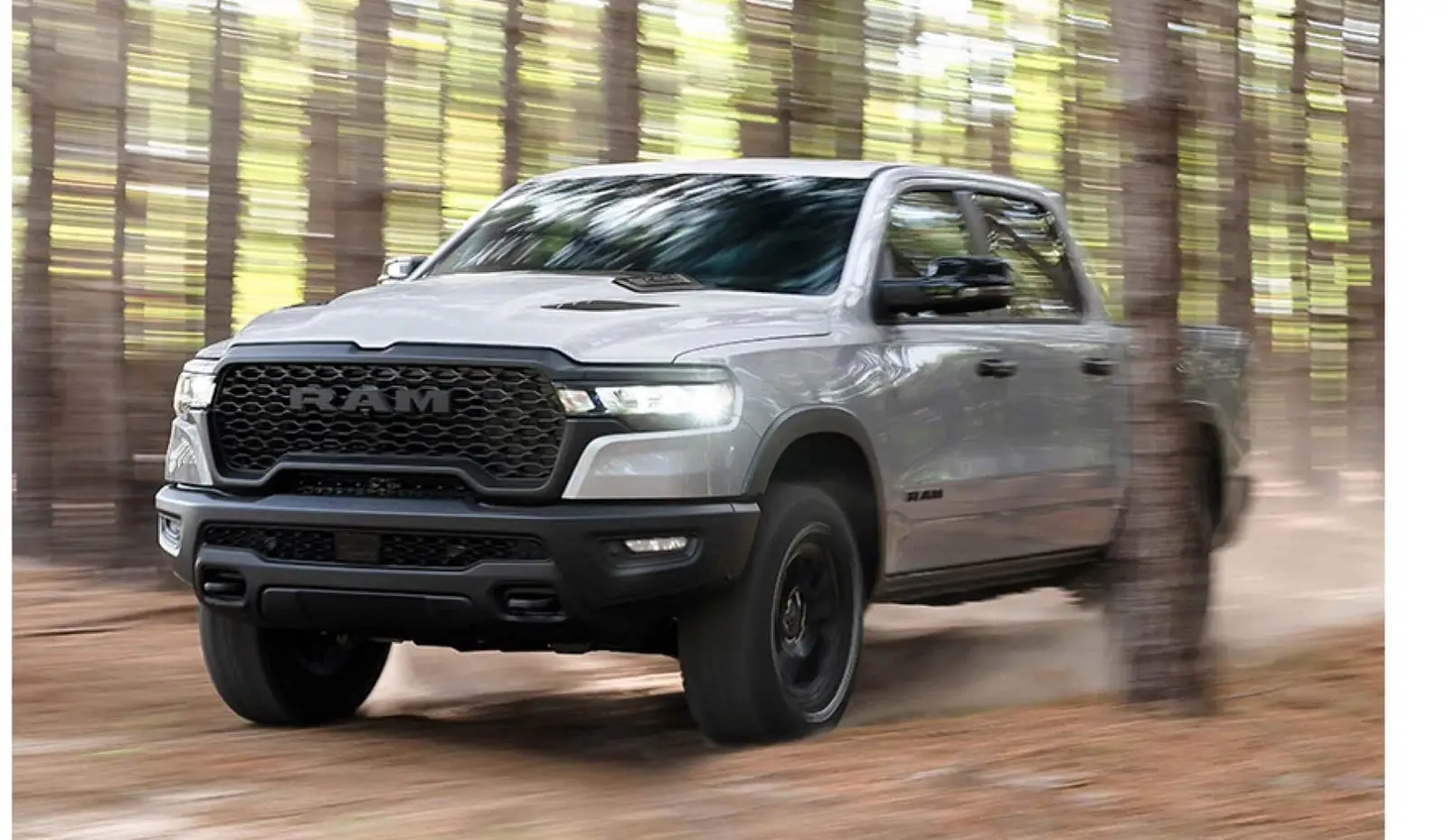
Here is where the two sizes above stop being trivia and start being money.
Run the numbers. A 275/65R18 has a sidewall of about 7.0 inches, so the whole tire stands about 32.1 inches tall. A 275/55R20 has a sidewall of about 6.0 inches, so it stands about 31.9 inches. That is a difference of roughly two tenths of an inch, about half of one percent. For every practical purpose on your truck, they are the same tire height on a different rim.
So if your Ram came on 20 inch wheels, you do not have to buy 275/55R20 winter tires. You can buy a set of 18 inch rims and put 275/65R18 winters on them, and the truck sits at the same height, reads the same speed, and shifts at the same points. Three things get better.
The tire costs less. A 20 inch winter tire in that size is simply a more expensive tire than the 18 inch equivalent, across basically every brand.
You get an inch more sidewall. That extra rubber between the rim and the road is what absorbs the pothole you cannot see because it is full of slush. A bent 20 inch aluminum wheel in March is a bad day and an expensive one. A taller sidewall is cheap insurance on prairie roads in freeze and thaw season.
Swapping gets faster and cheaper. With tires already mounted on their own rims, a seasonal changeover is a wheel swap, not a mount and balance on four tires twice a year. It is quicker, it is easier on the tires, and it costs less every spring and fall for as long as you own the truck.
That is the standard recommendation from our parts department for anyone whose truck came on 20s. Call us with your VIN and we will tell you what we can get and how quickly, rather than guessing at what is on the shelf.
The TPMS Question Nobody Asks Until It Is Too Late
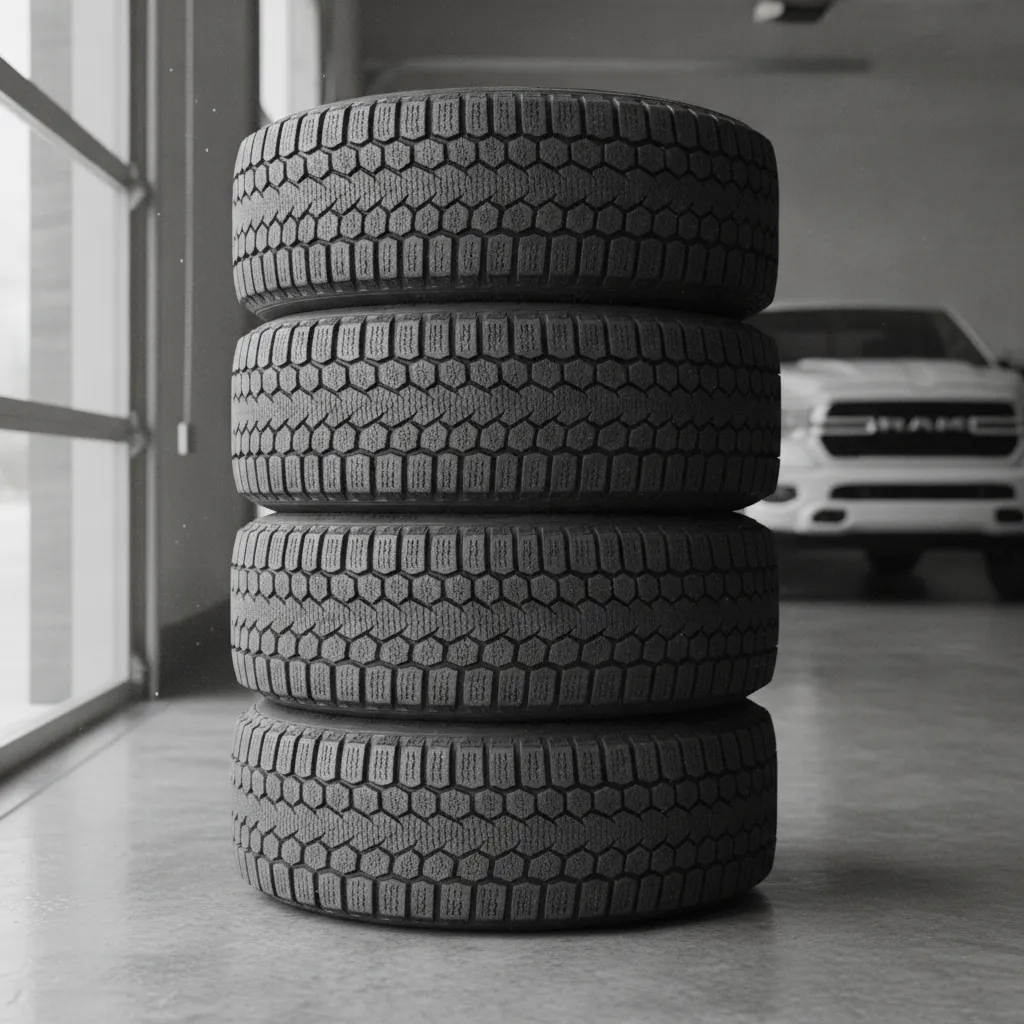
Your Ram 1500 has tire pressure monitoring, and every wheel on the truck has a sensor inside it. This is the part people forget when they buy a second set of rims off a classified ad.
If your winter rims have no sensors in them, the tire pressure light comes on and stays on for the whole winter. It is not a fault you can ignore comfortably, because once that light is permanently lit it is also not telling you anything the day you actually do have a low tire. In a Manitoba winter, where a cold snap alone can drop your pressures enough to trip the warning, that system is genuinely useful and worth keeping alive.
You have two workable options. Buy sensors for the winter set and have them programmed, which is a one time cost that then works every year. Or move the sensors between the summer and winter sets each season, which avoids buying a second set but adds labour to every changeover and means dismounting tires twice a year, which partly defeats the point of having them on their own rims.
For most people who plan to keep the truck a few years, sensors in the winter set pay for themselves. Either way, the system needs to relearn the wheels after a swap, and that is worth having done properly rather than driving around hoping it sorts itself out.
Do Not Downgrade the Load Rating
One thing to hold firm on. A Ram 1500 is a half ton truck, and its tires are rated to carry it. When you pick a winter tire, match or exceed the load index and the speed rating on that door jamb placard.
It is tempting to look at a cheaper passenger car style tire in the same nominal size and call it close enough. It is not. Load rating is what keeps the tire together with a loaded box, a full cab and a trailer on the ball. That matters more here than in a lot of places, because the truck that gets driven empty all summer is often the one hauling firewood, a sled deck or a stock trailer in December.
Same thinking applies to when you replace them at all. If your all seasons are marginal going into fall, they are not going to improve, and there is a whole separate conversation about when to replace your truck tires that is worth reading before you spend money on the wrong set.
What This Looks Like Out Here
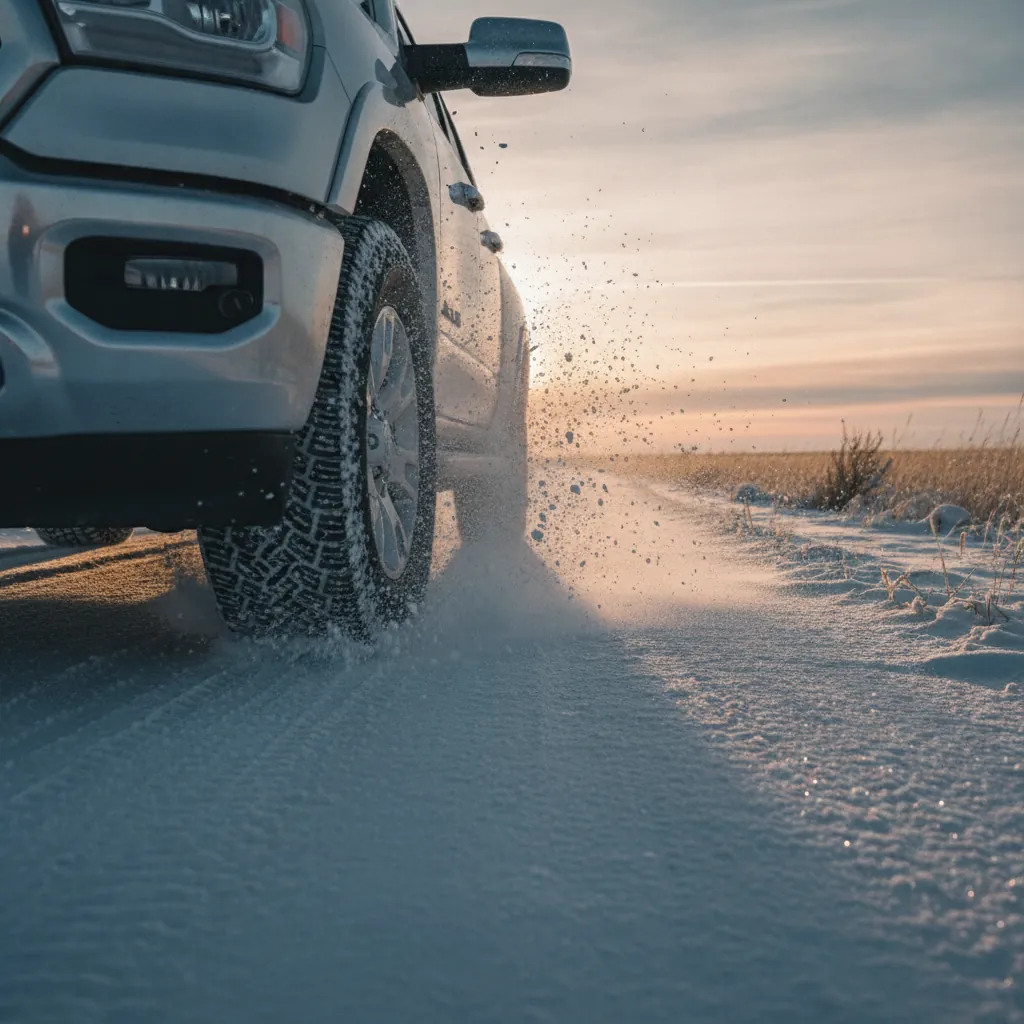
The reason we push this conversation into early September rather than late October is simple. The first real snowfall is when everybody in the province decides at once that they need winter tires. Supply gets thin, the shop books solid, and the people who waited end up taking whatever is available rather than what is right for their truck.
Around Portage the roads make the case on their own. Highway 1 gets cleared and salted and looks fine, then you turn onto a grid road and it is packed snow and drifted in the ditch line. That transition is where all season tires quietly stop working, because the rubber compound goes hard well before the road looks dangerous. It is not about snow depth. It is about temperature, and we get months of it.
The other local reality is spring. Freeze and thaw around here chews the road edges up badly, and the potholes fill with water and slush so you cannot see them. That is the specific reason the taller sidewall on an 18 inch winter setup is worth real money, and it is why we keep recommending it to people who came in only asking for a price.
When you are ready, our service centre can handle the mounting, the balance, the sensors and the seasonal swap, and we can store the set you are not using so your garage stays yours. If you would rather sort out storage first, we wrote up how winter tire storage works separately.
FAQs
What size winter tires fit a Ram 1500?
It depends on which wheel package your truck was built with. Ram Canada lists P275/65R18 on 18 inch trims including Tradesman, Big Horn and Warlock, and 275/55R20 on 20 inch trims including Express and Sport. Other trims run their own sizes. The authoritative answer for your specific truck is on the tire and loading information placard inside the driver door, or we can look it up from your VIN.
Can I put 18 inch winter tires on a Ram 1500 that came with 20 inch wheels?
For the sizes above, yes, and it is usually the smarter buy. A 275/65R18 and a 275/55R20 stand within about two tenths of an inch of each other, so the truck keeps the same ride height and the speedometer stays accurate. You get a cheaper tire, a taller sidewall, and a faster seasonal swap. Confirm the fit for your exact trim with us before you buy the rims, because brake package and off road trims can change the answer.
Do I need TPMS sensors in my winter wheels?
If you want the tire pressure light off, yes. Wheels without sensors will leave the warning lit all winter, which also means it cannot warn you about a genuinely low tire. You can either buy sensors for the winter set and have them programmed, or move the existing sensors across at every changeover, which costs more labour each season.
When should I book my winter tire changeover in Manitoba?
Earlier than feels necessary. Book in September or very early October. Once the first real snow falls the shop fills up within days and tire supply in popular truck sizes gets thin fast. The tires do not care about the calendar, they care about temperature, and around here the temperature turns well before the snow does.
Is a wider winter tire better for snow?
Generally no. A narrower tire puts more weight on less contact area and cuts down to the road surface instead of floating on top of the snow. That is another quiet argument for the 18 inch setup, since going to a taller sidewall on the same section width gives you the sidewall benefit without going wider. Where width does help is deep unpacked snow, which is not what most of us are driving in day to day.
The Bottom Line
The winter tire size for your Ram 1500 is not a fact you look up once for the model. It is a fact you read off your own door jamb, because the truck was built with a specific wheel package and that placard is the only source that knows which one. Most of the Rams we see land on either 275/65R18 or 275/55R20, and if yours is on the 20s, the 18 inch winter setup is very likely the better spend.
Take the photo of your placard, then call us with it or with your VIN. We will tell you what fits, what we can actually get, and what the changeover looks like. If you are still shopping for the truck itself, our new Ram 1500 inventory is online, and it is worth asking about the wheel package before you sign rather than after your first winter. And if you are getting the whole truck ready rather than just the tires, our guide on how to winterize your truck covers the rest of the list.
Tyler Dunn, Dunn Ram Trucks, Portage la Prairie