Driving on gravel roads in Manitoba comes down to a few habits: slow down where the pavement ends, leave at least six seconds to the vehicle ahead, keep your steering smooth, and never jerk the wheel when a tire drops off the edge. Our guide to getting your truck ready for fall on gravel covers the truck; this page covers the driving.
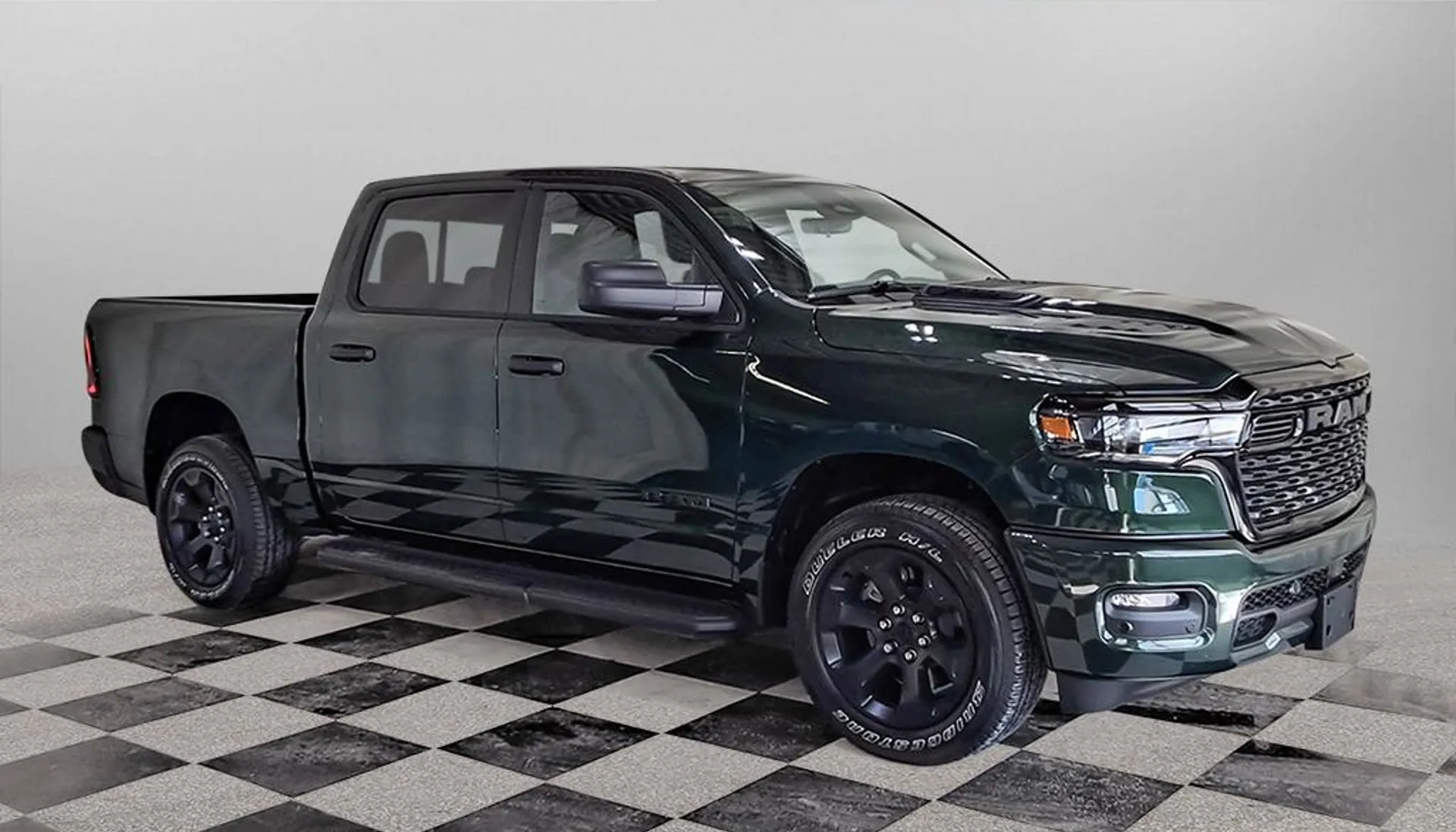
Shopping already? Browse our new Ram 1500 inventory in Portage la Prairie.
Most of us drive gravel every week: the road to the yard, a grid road between Portage la Prairie and the next town, the lane to the lake. Manitoba Public Insurance's Driver's Handbook says gravel roads present special driving challenges, "as evidenced by the high number of rollover accidents." Here is what the handbook says to do about it, and how it plays out on a prairie road.
Key Takeaways
- Slow down at the change of surface. The Driver's Handbook says when driving onto a gravel surface, slow down and drive carefully.
- Six seconds or more. The handbook says to stay a minimum of six seconds behind other vehicles, and more on washboard, potholes and loose gravel.
- No sudden moves. On gravel, the handbook says, sudden changes in direction and stopping or speeding up too quickly can cause a loss of control.
- If a tire drops off the edge, take your foot off the gas, follow the edge of the road and ease back on slowly. Jerking the wheel back and braking hard, the handbook warns, can start a skid and a rollover.
- Know your brakes. The handbook says to read your owner's manual on your braking system, because anti-lock and non anti-lock brakes are handled differently.
Slow Down Where the Pavement Ends
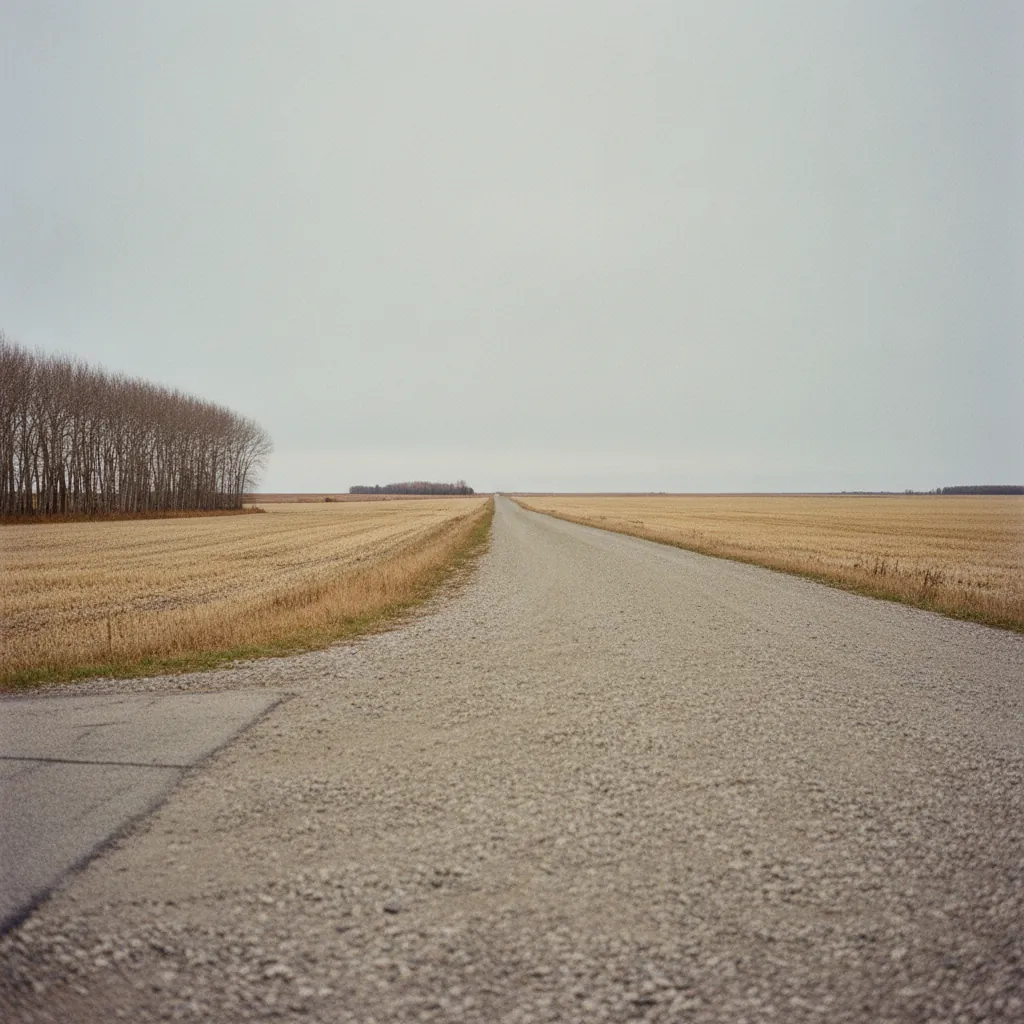
The moment you leave asphalt for gravel, your tires have less grip. The Driver's Handbook puts it plainly: stopping distances are increased because your tires have reduced traction on a loose gravel surface. It also says to always drive at a speed that lets you stop safely for any hazard.

So lift off before the transition, not after it. Let the truck settle on the new surface, feel how it steers and brakes, and then pick your speed for what you can see: a hill crest, a hidden approach, a farm lane with a truck about to pull out.
Keep Six Seconds Back, More in Dust
The handbook says following distance on gravel is very important: stay a minimum of six seconds behind other vehicles, and increase it on washboard, potholes and loose gravel. That distance, it says, reduces the danger from clouds of dust that block your vision and flying rocks that damage headlights and windshields.
To count six seconds, pick a fixed point like a mailbox or an approach. When the vehicle ahead passes it, count. If you reach it before six, drop back. Behind a grain truck at harvest or a gravel hauler in the summer, leave more. Once frost and snow arrive, a grid road can be slicker than it looks, so slow down sooner and leave more than six seconds.

When a stone does hit the glass, deal with it before a cold night spreads it. Our post on rock chip repair versus windshield replacement explains the difference, and our MPI glass repair page covers windshield work at our shop.
Washboard, Loose Shoulders and Passing
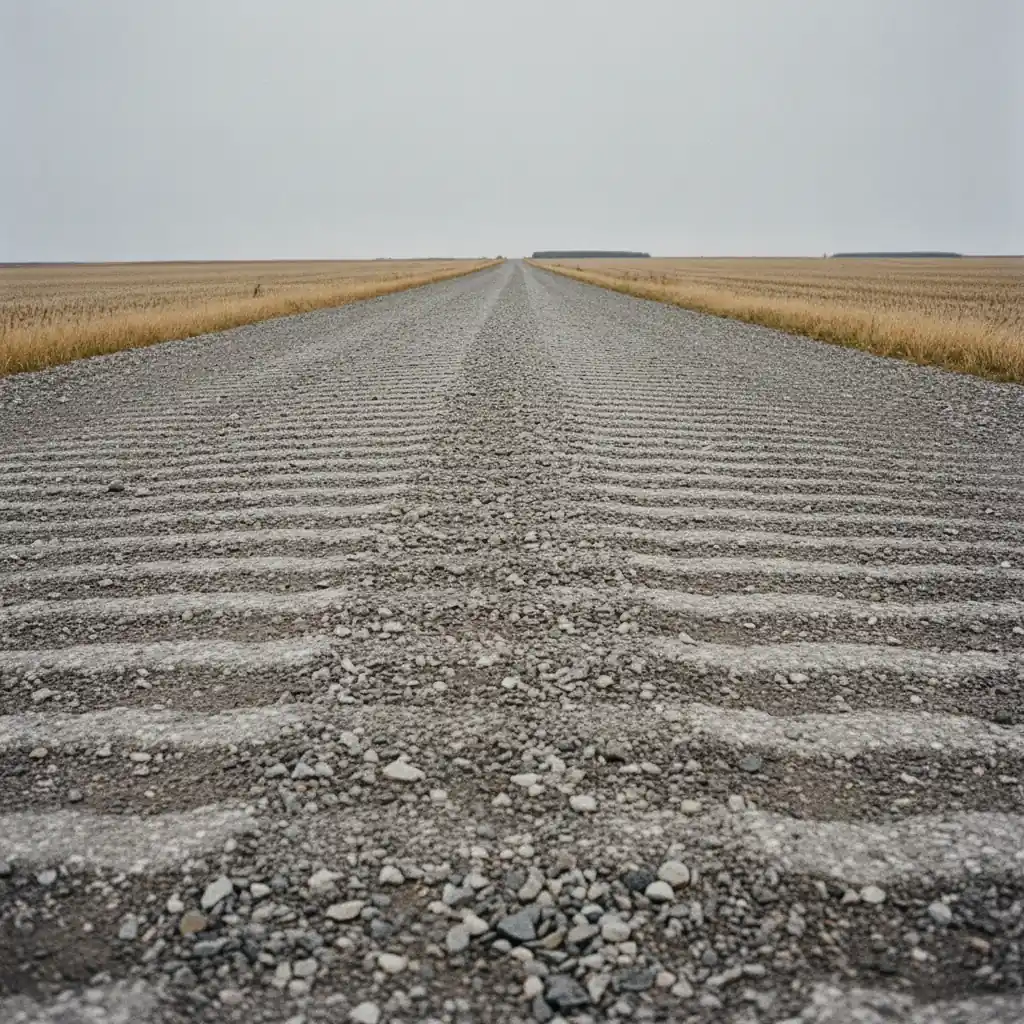
Washboard. The ripples that build up on busy gravel roads shake the truck and cut the time your tires are planted on the road. The handbook names washboard as a reason to leave more following distance. Slow down until the steering feels steady again, and keep both hands on the wheel.
Loose shoulders and the rollover. The handbook says rollovers are a particular concern in rural driving. A distracted driver lets the tires on one side wander off the road, then tries to get back by turning the wheel quickly and braking hard, and the vehicle can skid, tip and roll. Its advice: take your foot off the gas, steer so the vehicle follows the edge of the roadway, then turn the wheel slowly to ease back onto the road a little at a time.
Swerving. The handbook says a sudden change in direction, such as a swerve to avoid an object or an animal on the road, can be dangerous on gravel. A deer on a grid road at dusk is a real Manitoba risk; slow down early where you expect them, and brake in a straight line rather than swerve.
Passing. Passing on gravel means driving through the loose stones in the middle and the dust of the vehicle ahead. Only pass where you can see well ahead, and leave plenty of room when you pull back in.
Brakes, Drive Settings and Your Truck
The Driver's Handbook says to know your braking system and to read your owner's manual. With anti-lock brakes, it says you should be able to apply full brake pressure and still have steering control. Without them, it says to apply steady brake pressure without locking the wheels, which it calls threshold braking.
Which four wheel drive setting belongs on gravel depends on your truck's system and its owner's manual. Our guide to when to use 4 High vs 4 Low explains the settings in plain words.
Gravel is also hard on the front end. Our post on ball joint wear from gravel roads explains what to listen for, and you can book with our service team if the steering starts to feel loose.
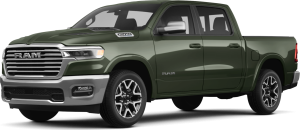
If you are shopping for a truck that spends its life on gravel, browse new Ram 1500 inventory and read the four wheel drive system and tires listed on each window sticker.
FAQs
How should I drive on a gravel road in Manitoba?
Slow down when you move from pavement to gravel, keep at least six seconds behind other vehicles, and avoid sudden steering, braking or speeding up. Manitoba Public Insurance's Driver's Handbook gives this advice for gravel roads.
How far should I stay behind another vehicle on gravel?
The Driver's Handbook says a minimum of six seconds, and more on washboard, potholes and loose gravel, to reduce the danger from dust and flying rocks.
What should I do if my wheels go off the edge of a gravel road?
Take your foot off the gas, steer so the vehicle follows the edge of the roadway, then turn the wheel slowly to ease back onto the road a little at a time. The handbook warns that quickly turning the wheel and braking hard can start a skid and a rollover.
Why do trucks roll over on gravel roads?
The Driver's Handbook says rollovers are a particular concern in rural driving. When the tires on one side wander off the road at higher speed, many drivers try to get back on by quickly turning the wheel and braking hard, and that can start a skid where the vehicle may tip and roll over.
How do I brake on gravel?
Read your owner's manual on your braking system. The Driver's Handbook says with anti-lock brakes you should be able to apply full brake pressure and still steer, and without them you apply steady pressure without locking the wheels.
The Bottom Line
Gravel rewards patience: slow down where the pavement ends, stay six seconds back, keep your hands smooth on the wheel, and ease back onto the road if a tire drops off the edge. Those few habits, straight from Manitoba Public Insurance's Driver's Handbook, cover most of what a prairie gravel road throws at you. Browse new Ram 1500 inventory when you are ready for a truck built for it.
Tyler Dunn, Dunn Ram Trucks, Portage la Prairie