You found a buyer for the old half ton, or you just drove a used SUV home from Saskatchewan, and the only thing between you and the Autopac agent is a safety. So how long does a safety inspection take? Manitoba Public Insurance's page on the Certificate of Inspection gives no set time, so it comes down to the vehicle, its condition and the station, and the surest way to plan is to book a Manitoba safety inspection with our service team and ask how long to set aside. If you are still working out whether you need one at all, our guide to the Manitoba Certificate of Inspection on a used vehicle covers when it applies.
Shopping already? Browse our used inventory in Portage la Prairie.
Key Takeaways
- Neither provincial page gives a standard time. Manitoba Public Insurance's Certificate of inspection page and the Manitoba government's Vehicle Equipment Standards page give no typical length, so the time depends on the vehicle, its condition and the station.
- It covers the safety systems. MPI lists brakes, suspension, tires, lights, the exhaust system, seat belts and steering, plus other components and systems.
- A fail is what adds the most time. A vehicle that fails needs the specified repairs and has to pass a second inspection before a Certificate of Inspection (COI) can be issued.
- Winter grime, a heavy duty truck or a trailer can mean more to look over. Say so when you book.
- Ask before you plan the day. When you book with us, ask our service team how long to plan for.
- A dealer purchase comes with the paper. MPI says a dealer selling you a used vehicle must issue a valid COI.
The rules in this post come from Manitoba Public Insurance's Certificate of inspection page and the Manitoba government's Vehicle Equipment Standards page, both read on November 16, 2026.
What a Manitoba Safety Inspection Covers
Knowing what is on the list is the best clue to how long it takes. MPI says an inspector at one of Manitoba's registered vehicle inspection stations signs a COI after the vehicle passes an inspection of its components and systems, and it names brakes, suspension, tires, lights, the exhaust system, seat belts and steering, plus other components and systems. MPI also points drivers to its sample COI form, which shows every inspected component.
That is a lot of the vehicle. Several of those systems sit underneath, so a vehicle in good shape with nothing hiding under the dirt is the quickest kind to get through.
How Long a Safety Inspection Takes
Here is the plain answer: neither of the two provincial pages we read gives a typical length for a safety inspection, and we will not invent one. The time depends on what you bring in and on the station that inspects it. A clean, well kept car is a different job from a farm truck that has spent ten winters on gravel.
So the number to plan around is the one the station gives you for your vehicle. When you book with us, ask what to expect for your vehicle, and mention anything unusual about it at the same time.
What Makes an Inspection Take Longer
A Fail and the Second Inspection
MPI lists three results. A pass gets a COI. An advisement also gets a COI, and MPI says the advisement notes that specified components will soon require servicing or repair. A fail means the vehicle needs the specified repairs and has to pass a second inspection before a COI can be issued.
That second visit is where most of the extra time comes from. MPI leaves the door open on who does the work: "Note that repairs can be done yourself, as long as the vehicle passes the inspection." If you would rather know where a vehicle is likely to come up short before you book, our guide to what fails a Manitoba safety inspection goes through it system by system, from tires and brakes to rust and lights.
Parts on Order
A fail that needs a common part is one thing. A fail that needs a part ordered in is another, because the second inspection cannot happen until the repair is done. On an older vehicle, or anything a little out of the ordinary, ask whoever does the repair whether the parts are on hand before you plan the second visit.
Winter Grime Underneath
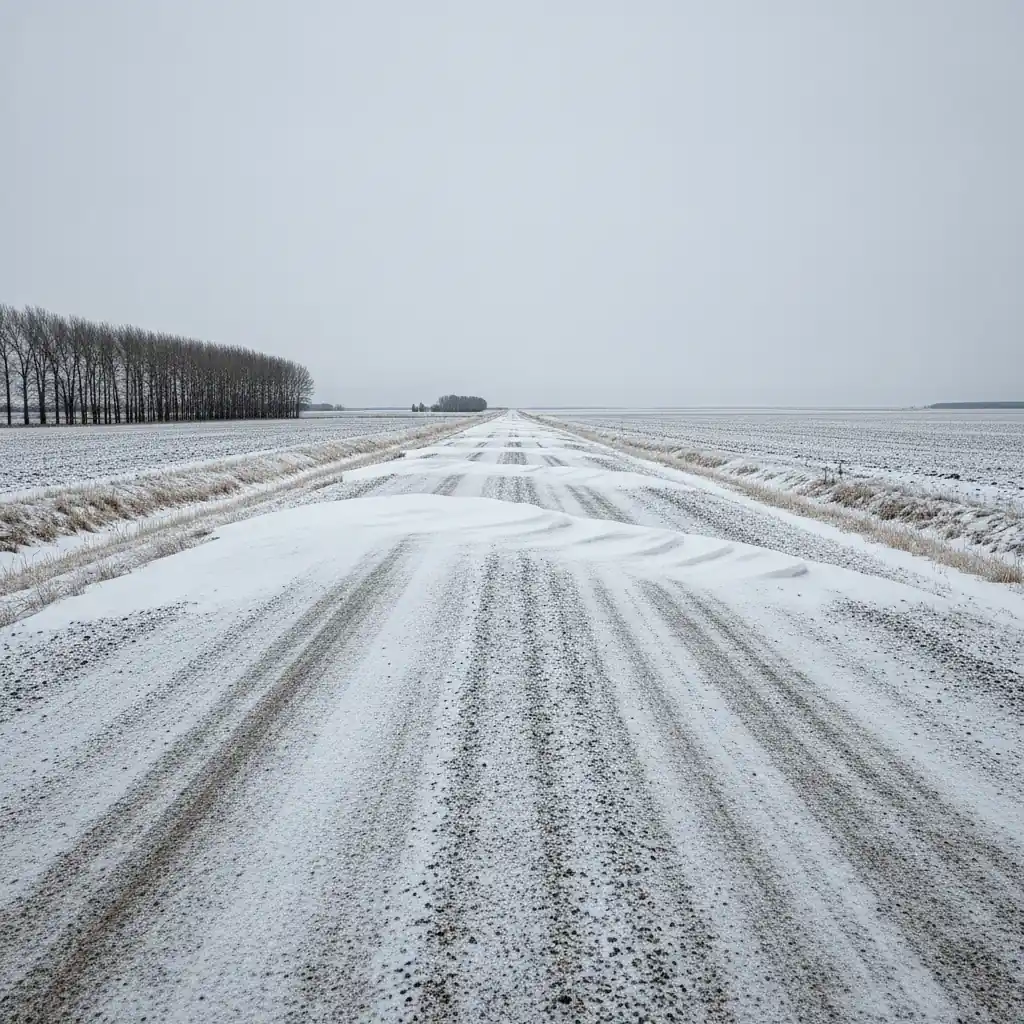
By early winter, a truck that runs Highway 1 or the grid roads between Portage and Gladstone has a coat of sand, road salt and packed snow in the wheel wells and along the frame. Brakes, suspension, steering and the exhaust are all on MPI's list, and a lot of those parts live under that crust.
A trip through a wash bay a day or two before the inspection gives whoever inspects it a clear look. Pick a milder afternoon, or a heated bay, and let it drip dry indoors if you can, so the doors and the parking brake are not frozen when you arrive.
Heavy Duty Trucks and Trailers
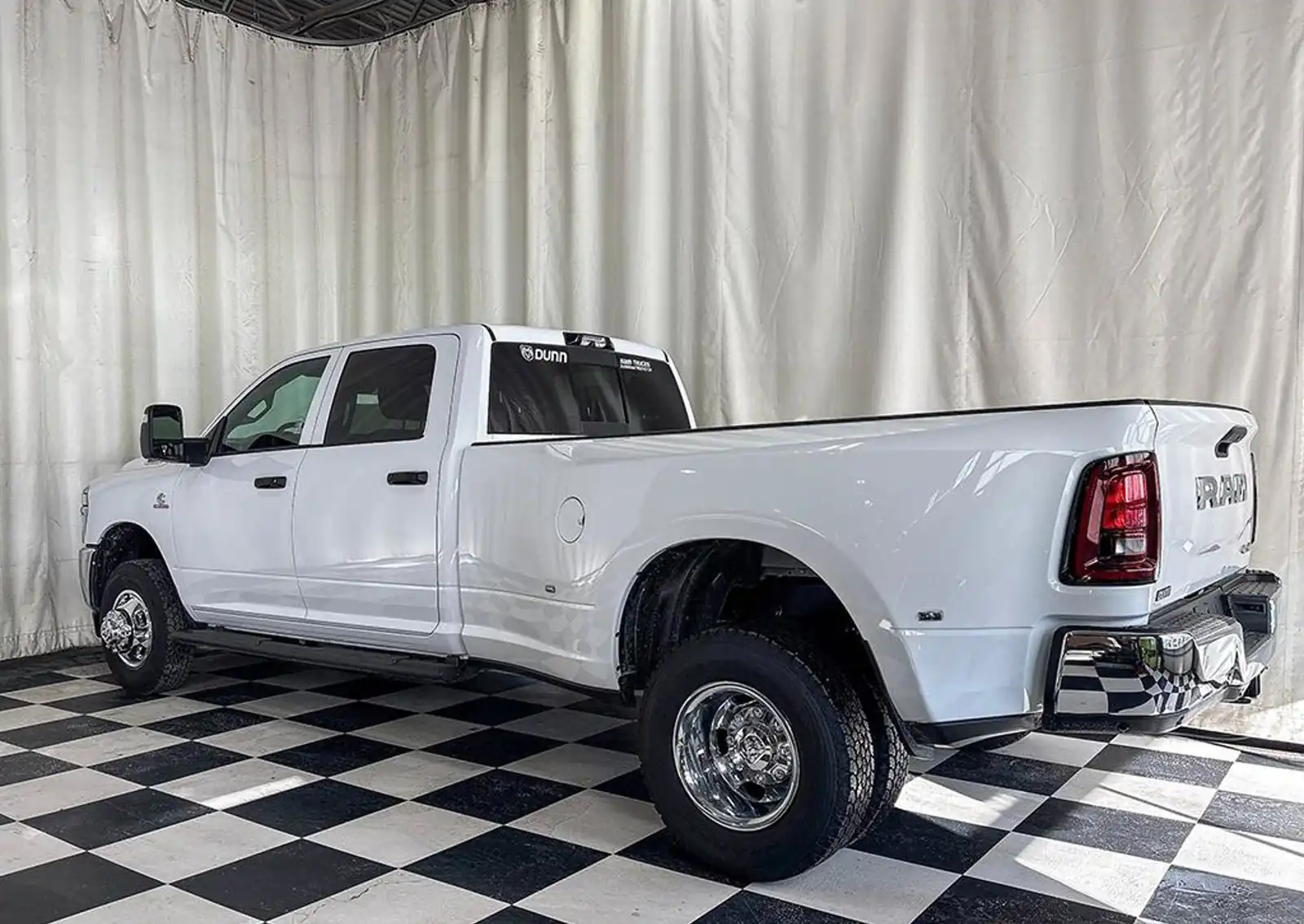
A three quarter or one ton, a dually with six tires on the ground, or a truck still wearing a plow frame has more tire, more frame and more hardware to look over. If you are registering a trailer as well, ask whether it needs its own inspection and whether the station inspects trailers. Raise both when you book, so the station knows what is coming through the door.
How to Plan the Day Around It
Whether you are in town or out past MacGregor, a little planning keeps a safety from eating more of the day than it has to.
- Book a time. Ask how long to plan for and whether the station wants the vehicle left with it or expects you to wait.
- Line up a ride. If the vehicle stays, sort out how you are getting home or to work before you hand over the keys.
- Leave room for a fail. Hold off on booking the trip to your Autopac agent for the same morning. If the vehicle needs repairs, the certificate will not be ready until it passes the second inspection.
- Have a tow plan on a private purchase. If you bought privately and the vehicle has no valid COI, MPI lets you tow it or get a permit through an Autopac agent to drive it to an inspection station. If it passes and receives a COI, MPI says it can be driven away on the permit and registered right away. If it fails, MPI is just as clear: "If the vehicle does not pass the COI inspection, it must be towed."
- Selling? Get it done before you list. MPI's rule is short: "A COI is valid for one year to transfer ownership." A certificate in hand before the ad goes up saves your buyer the wait.
What to Bring
MPI's page does not list documents to bring to the inspection itself, so ask the station when you book. A few things are worth having with you either way:
- Every key, including the wheel lock key if your wheels have locking nuts, in case a wheel has to come off.
- The Autopac permit, if you drove the vehicle in on one.
- A short note of what you already know, such as a burnt out bulb, a chip in the windshield or a warning lamp that comes and goes.
- A clear cab and box, so the seat belts and every seat are easy to reach.
Skip the Wait on Your Next Vehicle
If the inspection is part of buying a used vehicle rather than registering one you already own, there is a shorter road. MPI states it plainly: "If you buy a used vehicle from a dealer, the dealer must issue you a valid COI." Reconditioning on our used vehicles includes passing the Manitoba safety inspection and our 85 point certified inspection checklist. Have a look through our used trucks and SUVs in Portage la Prairie, and the station visit comes off your list.
FAQs
How long does a safety inspection take?
There is no set time on the provincial pages we read. Manitoba Public Insurance's Certificate of inspection page and the Manitoba government's Vehicle Equipment Standards page give no typical length, so it depends on the vehicle, its condition and the station. A fail adds repairs and a second inspection before a COI can be issued. When you book with us in Portage la Prairie, ask our service team how long to plan for.
What does a Manitoba safety inspection check?
The vehicle's safety components and systems. Manitoba Public Insurance names brakes, suspension, tires, lights, the exhaust system, seat belts and steering, plus other components and systems, and its sample COI form shows every inspected component.
What happens if a vehicle fails the safety inspection?
It needs the specified repairs and has to pass a second inspection before a COI can be issued, according to Manitoba Public Insurance, which says repairs can be done yourself as long as the vehicle passes. If you bought the vehicle privately and drove it to the station on an Autopac permit, MPI says a vehicle that fails must be towed.
Can I drive a vehicle with no valid safety certificate to the inspection?
Yes, if you bought it privately and get a permit first. Manitoba Public Insurance says a private buyer with no valid COI can tow the vehicle or get a permit through an Autopac agent to drive it to an inspection station. If it passes and receives a COI, it can be driven away on the permit and registered right away. If it fails, it must be towed.
Does a used vehicle bought from a dealer need its own safety inspection?
The dealer provides the certificate. Manitoba Public Insurance says a dealer selling you a used vehicle must issue you a valid COI. At Dunn Ram Trucks, the reconditioning on our used vehicles includes passing the Manitoba safety inspection, along with our 85 point certified inspection checklist.
The Bottom Line
How long a safety inspection takes comes down to the vehicle and the station, since the provincial pages we read give no standard time. A clean vehicle that passes the first time is the quick case; a fail, a part on order or a frame packed with winter sand takes longer. Book ahead, ask how long to plan for, leave room for a second visit, and keep the Autopac trip for after the certificate is in your hand.
For Portage and the towns around it, book your Manitoba safety inspection with our service team and tell us what you are bringing in. If you would rather skip the inspection on your next vehicle, start with our used inventory in Portage la Prairie. And if the old vehicle is heading out the door, Value Your Trade gets you an instant cash offer on it, and Get Pre-Approved lets you apply for financing online before you come in.
Tyler Dunn, Dunn Ram Trucks, Portage la Prairie