Most of the van conversations that start on our lot begin the same way. Somebody has outgrown the back of a half ton, the ladders are riding on a rack in the weather, and the tools are getting rained on between Portage and Brandon. The question is never really "which van." It is "how much box can I get, will it fit down the alley behind the shop, and is a front wheel drive van going to embarrass me in February." Those are fair questions and they have honest answers. You can see what is actually on the ground right now in our new Ram ProMaster cargo van inventory, and the rest of this is the read we give a business owner sitting across the desk.
Key Takeaways
- One engine, one transmission, no decision to make. Every ProMaster runs the 3.6 litre Pentastar V6 rated at 276 horsepower through a nine speed automatic. You are not picking a powertrain, you are picking a box.
- Three roof heights and wheelbases from 118 to 159 inches, plus an extended body. Ram Canada publishes cargo volume up to 463 cubic feet (13,110 litres) on the largest cargo configurations.
- Payload runs up to 4,820 lb (2,123 kg) depending on configuration, and the 1500 is rated to tow up to 6,910 lb (3,134 kg). Always match the number to the exact build, not to the brochure headline.
- Front wheel drive is a feature here, not a compromise, and it is the part prairie buyers get wrong most often. The engine sits over the driven wheels, the load floor is low, and with proper winter tires it behaves better than most people expect.
- Ram Canada lists the ProMaster from $58,715, which is a "Starting At" figure and not an MSRP. Check our current pricing here for the most up to date pricing information, less any applicable incentives.
What You Are Actually Choosing
The ProMaster keeps the powertrain decision off the table. There is one engine, the 3.6 litre Pentastar V6 at 276 horsepower, and one transmission, a nine speed automatic. Whatever you are hauling, that is the combination. For a business that is a quiet advantage. It means every van in a small fleet shares parts, shares service intervals, and shares the same behaviour for whoever is driving it that week.
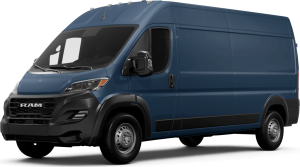
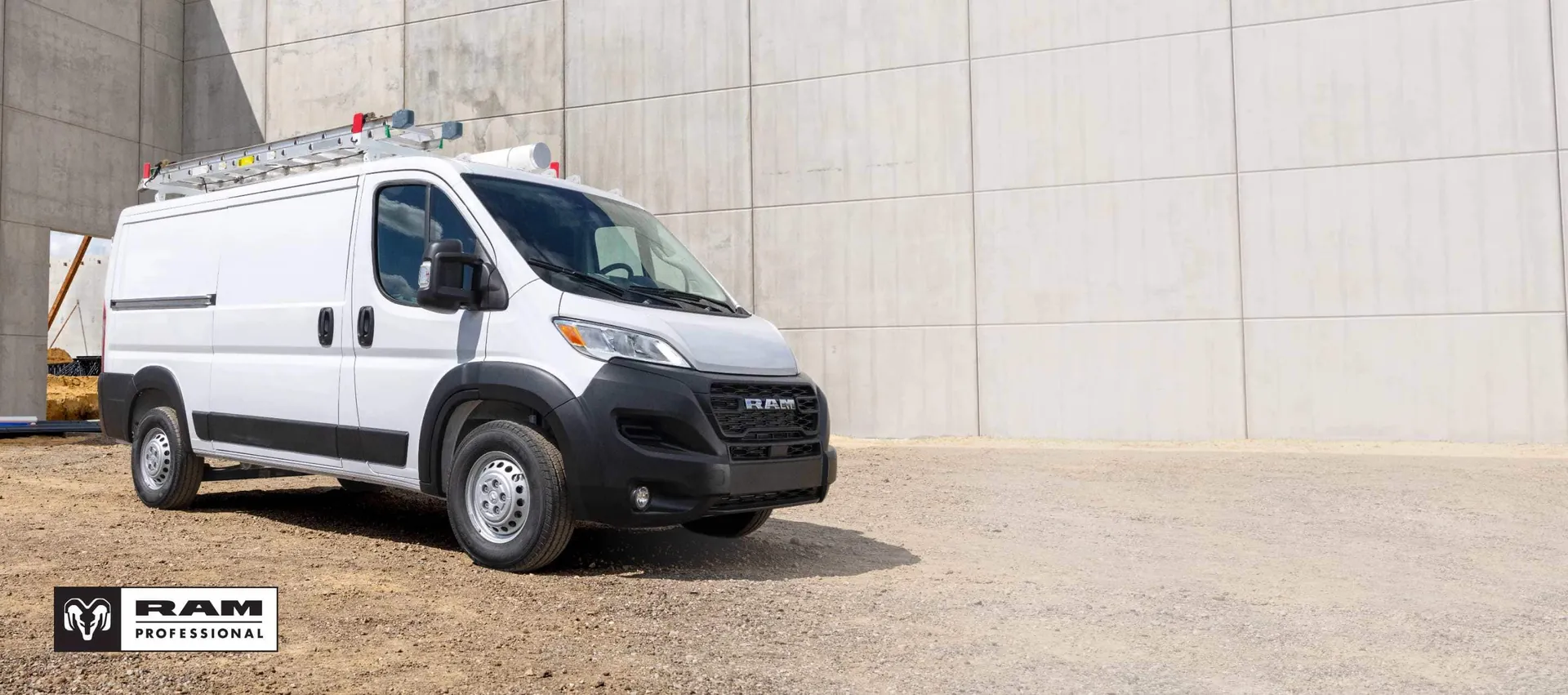
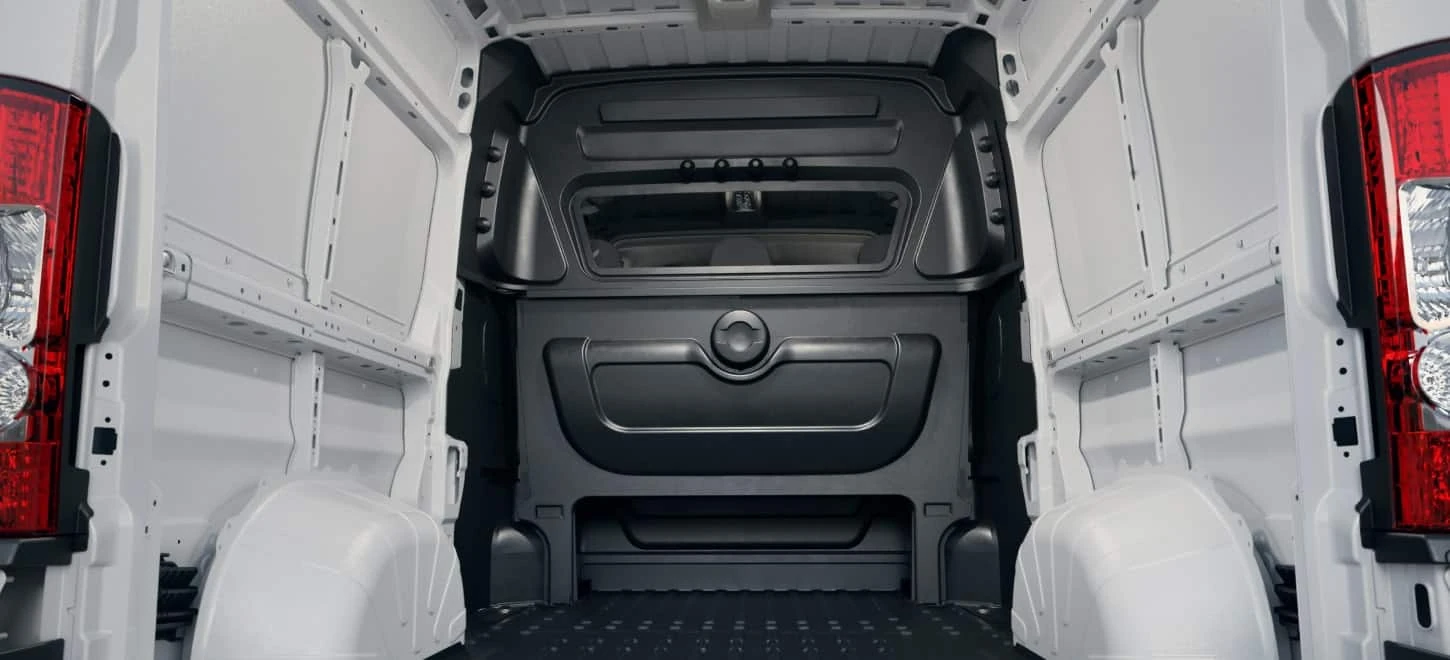
What you are really choosing is the shape of the box. Ram Canada offers the ProMaster in three roof heights, in wheelbases from 118 inches through 159 inches, and with an extended body on the longest configurations. That produces four cargo lengths, which is a lot more granularity than it first sounds like.

The practical version of that decision looks like this. A short wheelbase low roof van is the one that still parks in a normal stall and still clears most underground and drive through openings. A high roof on the long wheelbase is the one you can stand up inside and work in all day, which matters if the van is effectively your shop. In between is where most trades buyers land.
The Cargo Math, Done Honestly
Ram Canada publishes cargo volume up to 463 cubic feet, or 13,110 litres, on the largest cargo configurations, and up to 420 cubic feet (11,893 litres) on the more common 2500 builds. Payload runs as high as 4,820 lb (2,123 kg) depending on the configuration, and the 1500 carries a tow rating up to 6,910 lb (3,134 kg).
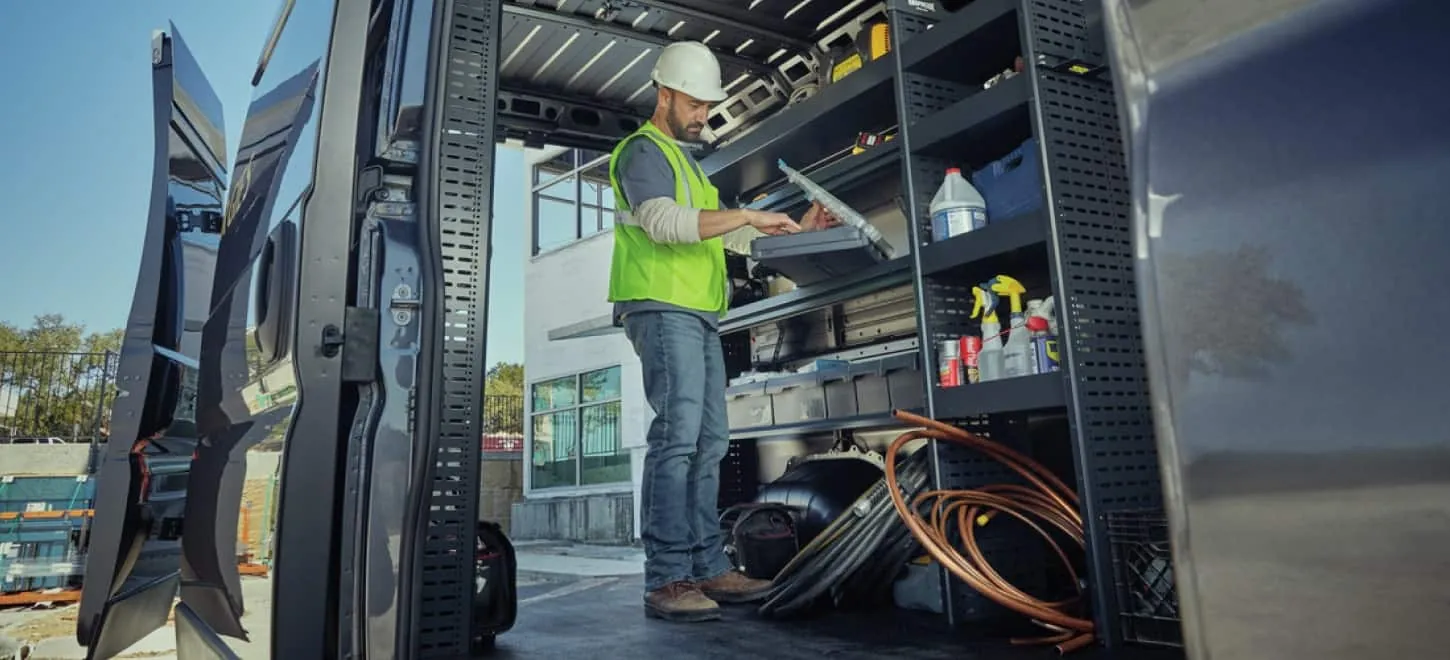
Here is the part that matters more than any of those numbers. Every one of them is a maximum for one specific build, and almost nobody buys that exact build. Add a partition, a shelving package, a roof rack and a ladder, and you have spent a meaningful piece of your payload before a single tool goes in. If you are running close to a limit, bring us the actual list of what goes in the van and we will work the numbers against the specific configuration rather than the brochure. That is a fifteen minute conversation that saves a very expensive mistake.

The other number worth pinning down early is your opening. Measure the shop door, the alley, and the parkade you visit most. A high roof van that cannot get to your best customer is not a bargain.
Front Wheel Drive on the Prairies
This is the objection we hear first and it deserves a straight answer rather than a sales line.
The ProMaster is front wheel drive, which is unusual in this segment. The engine and transaxle sit over the driven wheels, so the wheels doing the pulling always have weight on them, including when the van is empty. That is exactly the opposite problem from an empty rear wheel drive van, which is genuinely poor in snow until you put ballast in the back.
The low load floor that comes with the front wheel drive layout is the other real benefit. Less lifting per box, less step up per trip, and over a winter of deliveries that adds up in a way a spec sheet never shows.
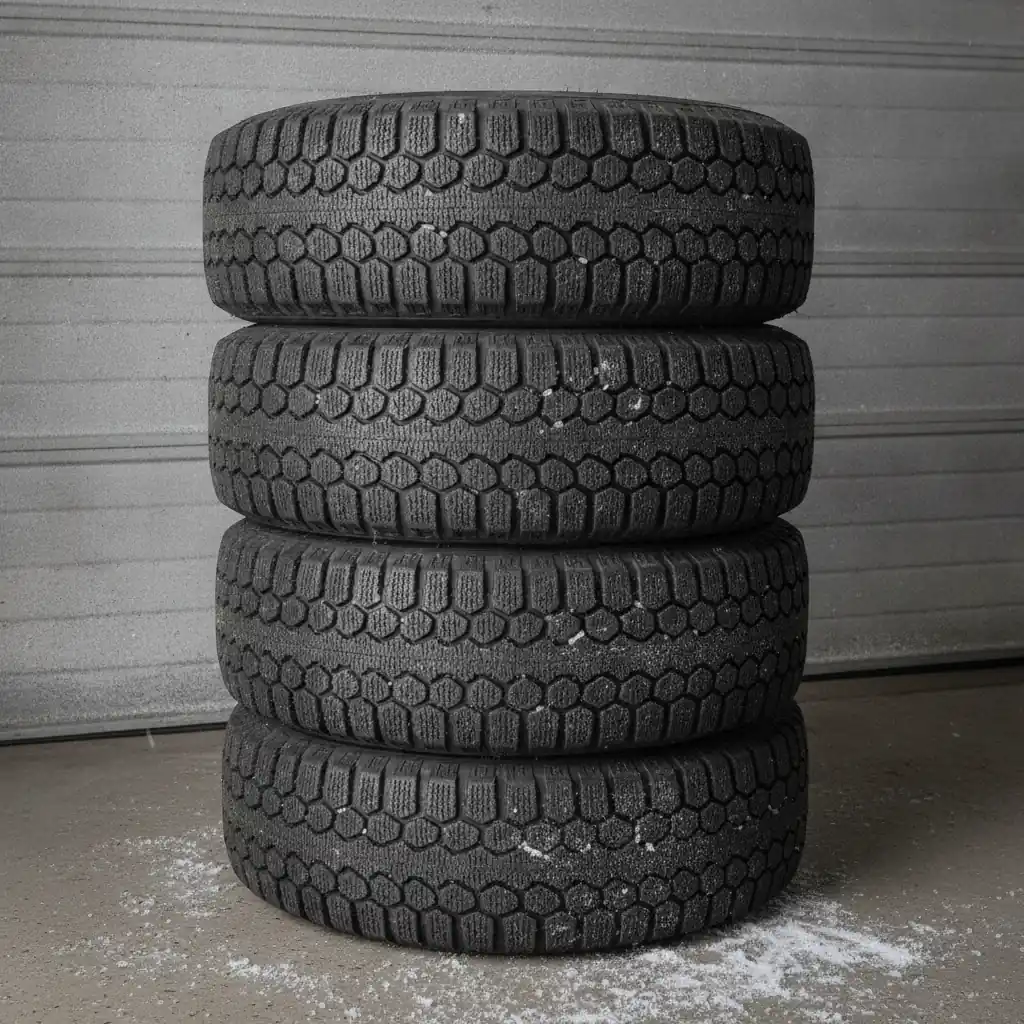
None of that makes it a four wheel drive truck. A front wheel drive van in an unplowed approach with summer tires is going to disappoint you, same as anything else. The honest version is this: put four proper winter tires on it, keep a sensible amount of weight in mind on an empty run, and the ProMaster handles a Manitoba winter fine for road and yard work. If your work genuinely takes you off the road, into a field, or up an unmaintained approach, that is a truck conversation and not a van conversation. We would rather tell you that in August than have you find out in January. Our guide to whether you actually need 4x4 in Manitoba walks through where that line really sits.
What It Costs, and What That Number Means
Ram Canada lists the 2026 ProMaster from $58,715. Read that figure carefully, because it is not an MSRP. Ram's own fine print defines "Starting At" as the manufacturer's suggested retail price plus freight, the federal air conditioning surcharge and any Green Levy or Luxury Tax, minus current manufacturer discounts. It is a different animal from the bare MSRP, and the two are not interchangeable.
Configuration moves that number a lot. Roof height, wheelbase, and the jump from a 1500 to a 2500 or a 3500 cutaway all change the starting point meaningfully, and upfit costs sit on top of the vehicle. Check our current pricing here for the most up to date pricing information on what is actually in stock, less any applicable incentives: current Ram ProMaster pricing and inventory.
If the van is going on a business, get the financing conversation started before you settle the configuration, not after. Structure sometimes changes which build makes sense. You can start that with our finance application, and if there is a current work vehicle coming out of service, our instant cash offer tool gives you a real number on it.
Ordering Versus Buying Off the Lot
Commercial vans are the clearest case for a factory order we deal with. There is no such thing as a generic work van buyer. The right roof, the right wheelbase and the right door configuration for a plumbing outfit is not the right one for a courier, and lot inventory is a lottery on all three.
If your configuration is common, buying what is here is quick and simple. If it is not, order it. Our walkthrough on how a factory order actually works in Canada covers the timelines and the deposit question. Just start the conversation earlier than feels necessary, because a van you need for spring is a conversation that should happen in the fall.
Worth noting for anyone searching the older nameplate: the compact ProMaster City is a separate, much smaller vehicle with a very different job. We covered where the ProMaster City sits separately, and it is not a substitute for a full size ProMaster.
Keeping It Working
A work van that is in the shop is not just a repair bill, it is a day of revenue. Two habits do most of the heavy lifting.
First, service it on schedule rather than on symptoms. A van running six days a week hits its intervals far faster than a personal vehicle does, and the odometer moves quicker than the calendar suggests. Book it when it is due, not when something starts making noise. You can schedule service with us here.
Second, plan for winter in the fall. Block heater cord, battery tested before the first real cold snap, winter tires on before the first storm and not after it. Our Manitoba winterizing walkthrough applies to a van as squarely as it does to a truck, and a fleet that goes into December prepared loses far fewer mornings than one that does not.
FAQs
Is the Ram ProMaster front wheel drive?
Yes. Ram builds the ProMaster with front wheel drive, which puts the engine weight over the driven wheels and allows a low load floor. There is no four wheel drive ProMaster.
How much can a Ram ProMaster carry?
Ram Canada publishes payload up to 4,820 lb (2,123 kg) and cargo volume up to 463 cubic feet (13,110 litres), depending on the configuration. Those are maximums for specific builds, so confirm the rating on the exact van you are considering before you plan a load.
What engine is in the Ram ProMaster?
A 3.6 litre Pentastar V6 rated at 276 horsepower, paired with a nine speed automatic. It is the only powertrain offered.
Can a ProMaster tow?
Ram Canada rates the ProMaster 1500 to tow up to 6,910 lb (3,134 kg). Towing capacity varies with configuration, so verify the number on your specific build.
Will a ProMaster handle a Manitoba winter?
For road and yard work, yes, with four proper winter tires on it. The front wheel drive layout is genuinely helpful when the box is empty. If your work regularly leaves maintained roads, a four wheel drive truck is the better tool.
Should I order one or buy off the lot?
If your roof height, wheelbase and door configuration are common, buy what is here. If they are specific to your trade, order it and start early. Van configurations are too varied for lot inventory to reliably match a working business.
The Honest Close
The ProMaster is a straightforward piece of equipment. One powertrain, a wide range of boxes, a low floor, and a drive layout that is better suited to prairie work than its reputation suggests. It is not a truck and it does not pretend to be one.
The only real mistake we watch people make is buying the box that fits today's job instead of the one that fits the job they are growing into, and then living with it for six years. Bring us the load list and the door measurements. Twenty minutes at the desk gets you the right van, and the right van is the one you stop thinking about.