From about the middle of September until freeze up, a lot of trucks around here change jobs. A truck that spent the summer on Highway 1 suddenly lives on section roads, hauls a loaded box every day, tows a trailer it has not seen since spring, and parks in a stubble field at five in the morning.
That is a different duty cycle, and it finds things. A cracked windshield you have been ignoring, an air filter that was fine in July, trailer lights that worked last October and a spare you have never actually looked at. Getting ahead of it now costs a lot less than getting caught by it in the middle of harvest, so if it has been a while, book it in before the shop fills up in October.
Here is the list, in the order the season is going to test it.

Key Takeaways
- Fix the windshield chip now, not after the first cold snap. MPI will authorize a repair only if the damage meets their eligibility rules, and a repairable chip that becomes a crack is no longer a repair.
- Dust is the fall failure mode. The Ram maintenance schedule specifically calls for inspecting the engine air cleaner if the vehicle is being used in dusty or off road conditions, which describes every gravel road in September.
- Check tire pressure against a loaded box, not an empty one. Natural Resources Canada notes that operating a vehicle with tires underinflated by 56 kilopascals, about 8 psi, can cut tire life by more than 10,000 km and raise fuel consumption by up to 4%.
- Trailers are law, not preference. MPI's trailer safety guidance states that a trailer with a registered gross vehicle weight over 1,360 kg must have brakes, and that safety chains must be able to support the weight of both the trailer and its load.
- Cell service quits before you think it does. West and north of the lake there are large stretches where a dead battery or a flat tire becomes a long walk. Carry what you would need to fix it yourself.
The Windshield: Deal With It in September
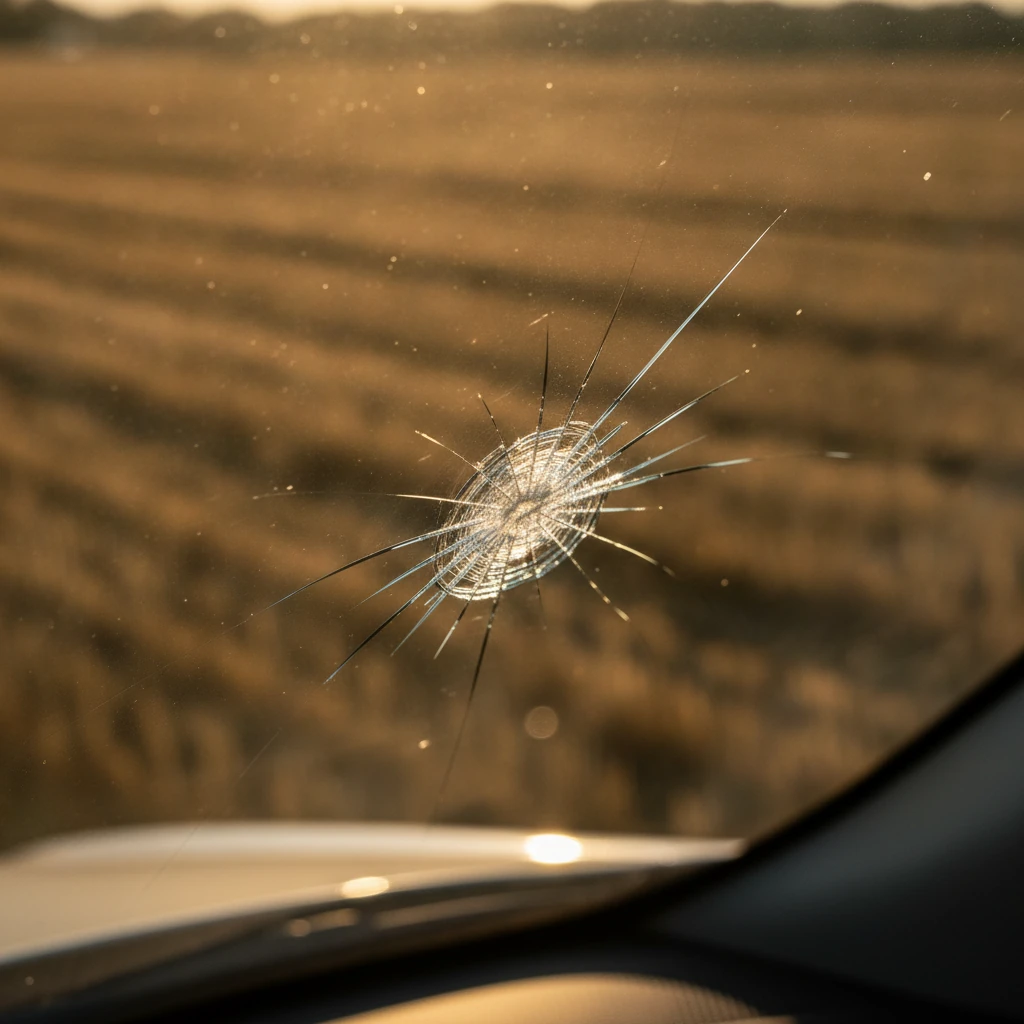
Gravel season is stone chip season. A truck meeting an oncoming grain truck on a section road is going to take one eventually, and what you do in the next week decides whether it is a small bill or a whole windshield.
Manitoba Public Insurance sets the rules on what gets repaired versus replaced. Their guidance is that a damaged windshield should be repaired when the damage is minor, such as a chip, to prevent it spreading, and that eligible chip repairs will be authorized for repair. The eligibility conditions they publish include that the damage is new and has not been repaired before, with a maximum of four chips anywhere and a maximum of two chips in the driver's critical viewing area when those chips are larger than about an inch. Chips smaller than a loonie generally do not count toward that maximum. In practical terms, chips up to about an inch across and cracks under twelve inches long can usually be repaired safely.
The Manitoba specific part is what happens next. A chip that survives September fine will run when the temperature swings thirty degrees in a day, or the first time you blast the defrost onto frozen glass. That is when a repair becomes a replacement.

Deductible levels matter here too. MPI offers several deductible levels, and their glass repair waiver applies at certain levels, so the out of pocket cost is not the same for everybody. Confirm your own coverage with your Autopac agent rather than assuming. We handle MPI glass repair right here in Portage la Prairie, so you do not have to drive to the city with a chip that is already spreading.
Dust: The Filter Nobody Checks Until It Is Too Late
A month of gravel roads does to an air filter what a year of highway driving does not. Fine prairie dust is exactly the particle size that loads a filter media, and a loaded filter chokes airflow before it gives you any obvious symptom.
This is not a maintenance opinion. The Ram maintenance schedule lists inspecting the engine air cleaner at every oil change interval if you are using the vehicle in dusty or off road conditions. That qualifier exists for trucks like ours. If you are running gravel every day in September, the highway interval is not the interval you are on.
What you will notice if you ignore it is dull throttle response and worse fuel economy, and neither one arrives dramatically enough to make you check. Pull it and look at it, or have us look at it. We wrote up the details in our guide to Ram 1500 air filter change intervals.
While you are at it, the cabin filter is the one that decides whether the inside of the truck is breathable at the end of a dusty day. Nobody thinks about it until they are driving with the windows down in October because the defrost smells like a field.
Tires: Loaded, Not Empty
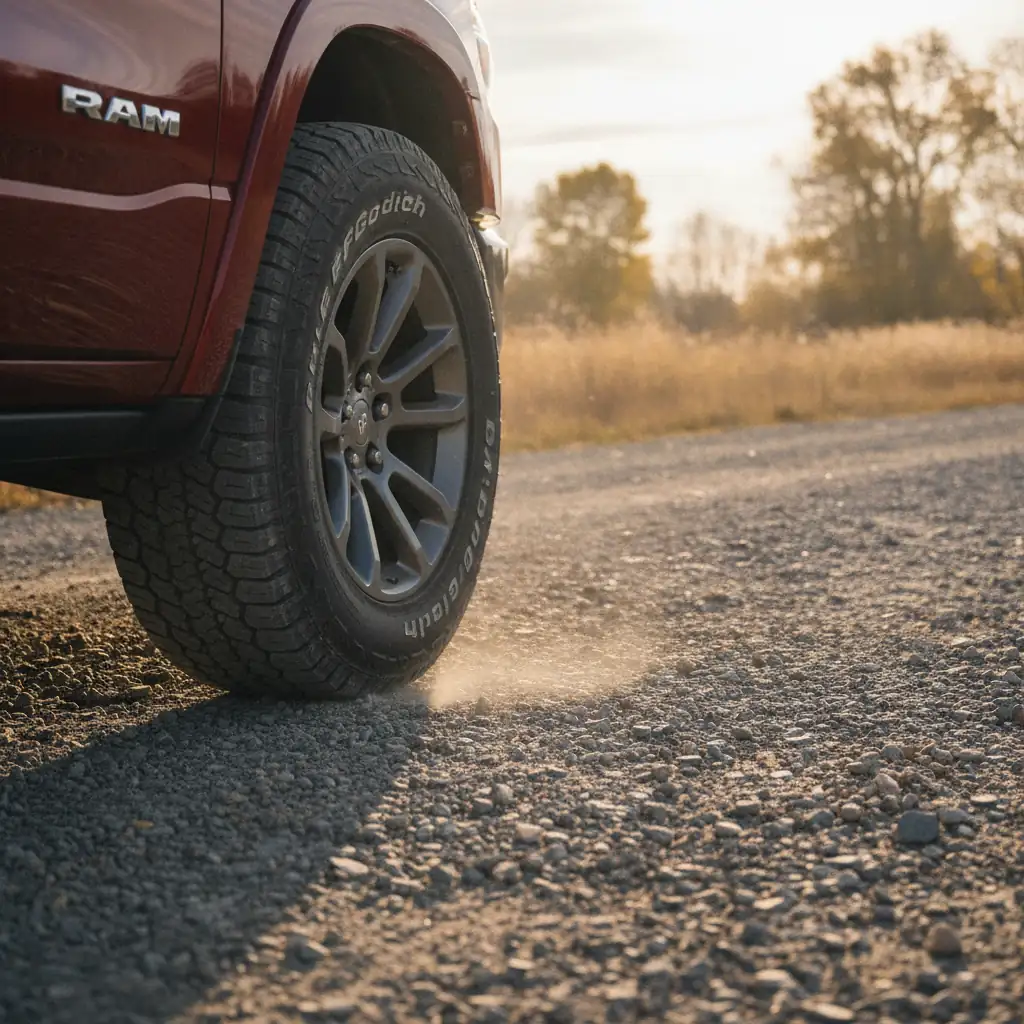
Two separate things go wrong here and people conflate them.
Pressure. Set it to the placard on the driver's door for how the truck is actually loaded. Natural Resources Canada is direct about the cost of getting it wrong: tires underinflated by 56 kilopascals, about 8 psi, can reduce tire life by more than 10,000 km and increase fuel consumption by up to 4%. They also note that pressure fluctuates with temperature and should be checked at least once a month, and more often through seasonal changes. Late September in Manitoba is exactly a seasonal change, with twenty degree days and near freezing mornings in the same week.
Condition. Gravel is harder on tires than pavement in ways you do not see until you look. Sidewall cuts from sharp stone, chunking on the shoulder blocks, and stone drilling in the tread grooves are all normal gravel wear, and all of them find their way to a slow leak on the coldest morning. Our guide on when to replace truck tires covers what actually disqualifies a tire.
And the one everybody skips: look at the spare. Drop it, check the pressure, and make sure the jack and the tool that lowers it are both in the truck and both work. A spare that has hung under a truck for four winters is frequently flat, and the winch mechanism is frequently seized. Finding that out in a field approach at dusk is a bad time.
The Trailer Is a Vehicle Too
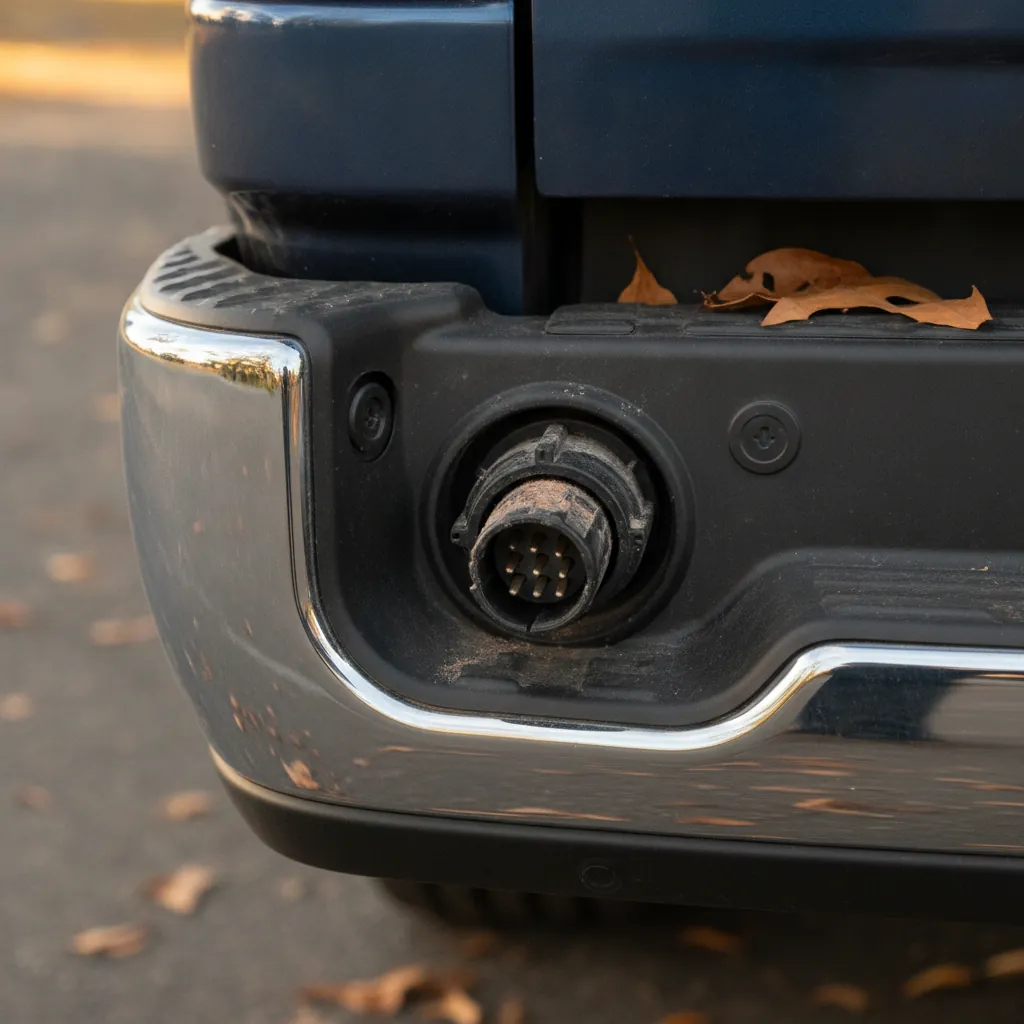
Whatever you tow this fall, it has been sitting. Assume nothing works.
Lights and wiring. The seven pin connector corrodes, the ground pin is usually the first to go, and the failure mode is intermittent, so it passes a test in the yard and quits at dusk on a highway. Test every function with a second person walking around the trailer: running lights, brake lights, both signals and the reverse light.
Brakes and chains. MPI's trailer safety guidance is clear on the requirements. A trailer whose registered gross vehicle weight is more than 1,360 kg must have brakes. Safety chains or cables must be capable of supporting the weight of both the trailer and its load, and loose enough to let you turn both ways. Their guidance also points to using a weight distributing or equalizing hitch rather than a plain frame hitch once a trailer is over about 910 kg. Check your own numbers against your registration rather than guessing from how it feels.
Bearings, tires and the coupler. Trailer tires age out long before they wear out, and a trailer that sits all year is a trailer with old rubber on it. Grease the bearings, check for play in the hubs, and make sure the coupler latches and locks properly.
Nothing on this list is complicated. All of it is easy to skip when the combine is running and you are already late.
Suspension, Steering and the Rest of the Truck
Washboard roads work the front end continuously in a way pavement never does, and a truck that has been on gravel all summer often shows it. A new clunk over bumps, steering that has gone vague on the highway, or uneven wear across the front tires are all worth having looked at on a hoist before you add a loaded box and a trailer to the equation.
Same for alignment. Gravel roads with a heavy crown, plus a season of approaches and ruts, pull a truck out of spec quietly. If it is tracking off centre or eating a shoulder, get it checked. We covered what alignment does and when it is worth doing in our Manitoba wheel alignment guide.
Two more that take a minute each. Wiper blades that survived a summer of sun are going to smear the first time you hit dust and drizzle together, and the fall combination of low sun and a dusty windshield is genuinely dangerous. And lights, because you are going to be driving at dawn and dusk on roads with deer on them for the next two months.
What to Carry West of the Lake
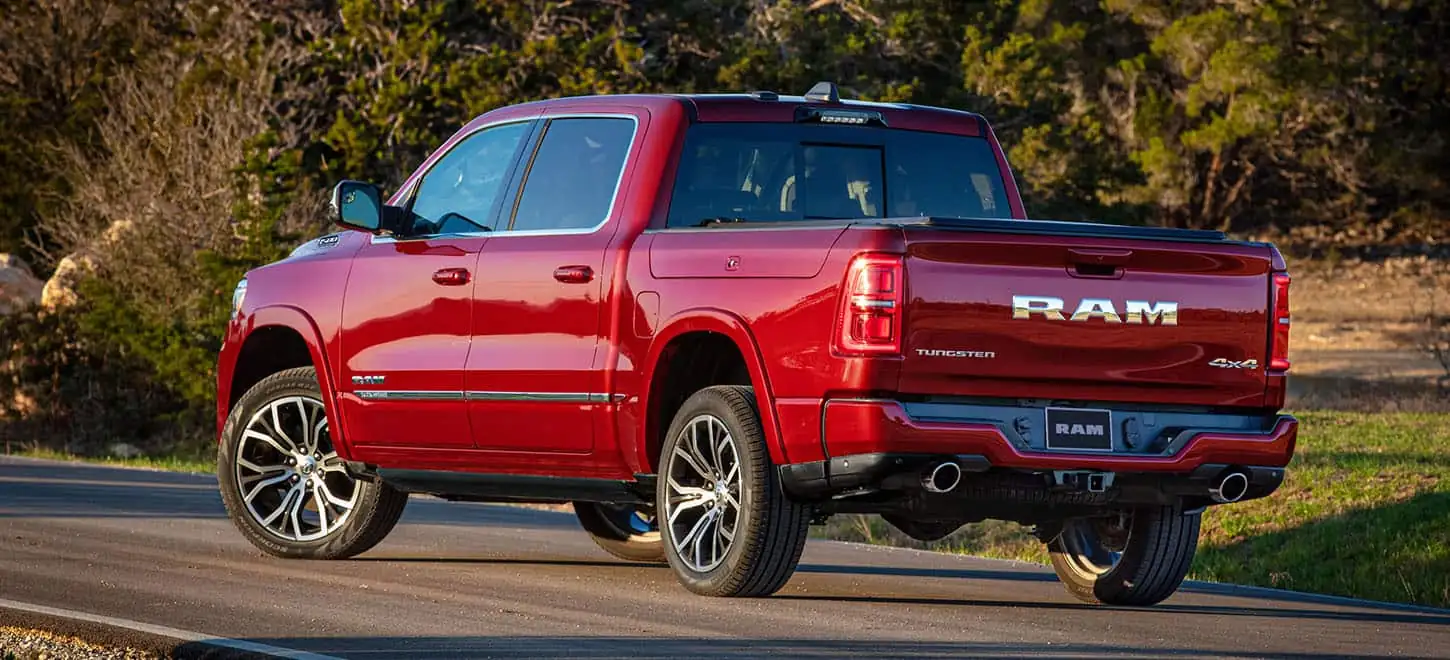
Everybody who has hunted or hauled out past the edge of coverage has the same story about the exact spot the bars disappear. Plan for that, because a truck problem out there is a self rescue problem.
The short list that has actually saved people we know: a real jack and a working spare, a tow strap, jumper cables or a lithium jump pack, a headlamp, gloves, a tarp, water, and enough warm clothing to sit for three hours if you have to. A satellite messenger is no longer an exotic item and is worth it if you are regularly out of coverage.
Tell somebody where you are going and when you expect to be back. That single habit is worth more than everything else in the box.
FAQs
What should I check on my truck before hunting season?
Windshield chips, engine and cabin air filters, tire pressure and condition including the spare, trailer lights and brakes, front end and alignment, wipers and lights. If it has been running gravel all summer, add a hoist inspection of the steering and suspension before you load it up.
How often should I change the air filter if I drive gravel roads?
More often than the highway interval. The Ram maintenance schedule calls for inspecting the engine air cleaner at every oil change when the vehicle is used in dusty or off road conditions. Inspection is the answer rather than a fixed number, because how fast it loads depends entirely on how much dust you are actually driving through.
Does MPI cover a windshield chip repair?
MPI authorizes repair for eligible damage and publishes the criteria, including that the damage must be new, with limits on the number of chips and on chips in the driver's critical viewing area. Your out of pocket cost depends on your deductible level and whether a glass waiver applies, so confirm with your Autopac agent. We do MPI glass work in Portage la Prairie.
Do I need trailer brakes in Manitoba?
MPI's trailer safety guidance states that a trailer with a registered gross vehicle weight over 1,360 kg must have brakes, and that the law does not require brakes on lighter trailers. Check your trailer's registered weight rather than estimating.
Is fall a good time to have the truck serviced?
It is the best time. The shop is quieter in September than it is in late October, and everything you find now is a scheduled repair instead of a breakdown in the middle of harvest.
The Bottom Line
Fall does not break trucks. It finds the things that were already wearing and forces them to show up on the worst possible day, usually a long way from town.
An hour of checks and one shop visit in September covers almost all of it. If you would rather have us do it, bring it into our service department and we will go through the whole list, tell you what needs doing before harvest and what can wait until spring, and put fresh filters in it while it is here. Our parts department can sort you out on filters, wipers and anything else on this page.
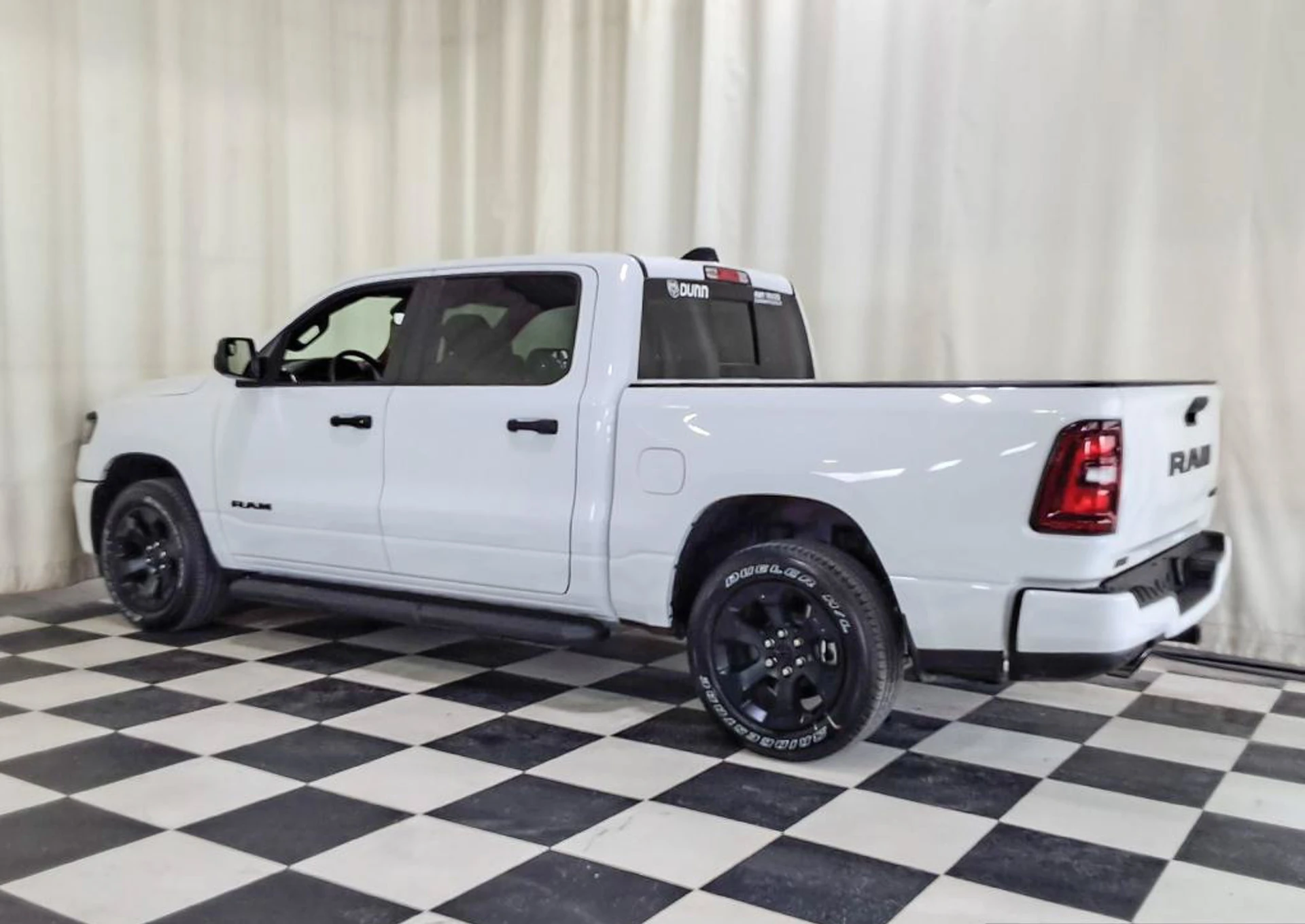
And if the truck itself is at the end of its useful life for this kind of work, our new Ram 1500 inventory is online and we are happy to tell you honestly whether repairing yours is the better money.
Tyler Dunn, Dunn Ram Trucks, Portage la Prairie