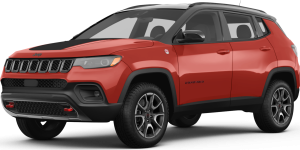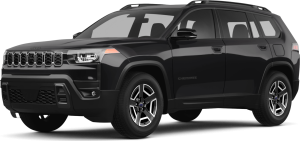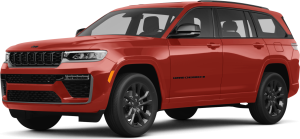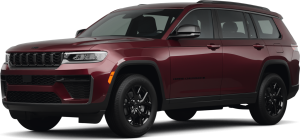
Here is the thing nobody tells you about driving something with a plug in a Manitoba January. The battery is not really the problem. The cabin heater is. Getting a cold interior up to comfortable takes a serious amount of energy, and if that energy comes out of the pack, you watch your estimated range fall while you are still sitting in the driveway.
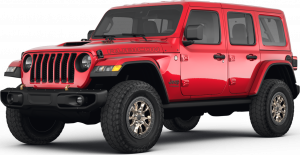
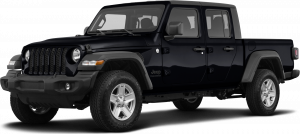
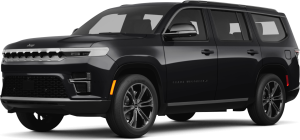
Preconditioning is the fix, and it is a habit rather than a feature. You warm the cabin and the battery from the wall before you unplug, so you start the trip with a warm interior, a battery at a temperature it likes, and your range where it should be. If you are shopping a plug in Jeep Wrangler or a Grand Cherokee this fall, this is the single ownership habit worth learning before the first cold snap.
The good news for anybody who grew up here: you already understand this. It is a block heater on a timer, applied to the whole vehicle.

Key Takeaways
- Preconditioning means warming the vehicle while it is still plugged in, so the energy comes from the grid instead of the battery. Jeep describes it as heating the vehicle while plugged in to bring the battery to its ideal operating temperature using power from the grid before you drive.
- The cabin heat is the biggest single winter draw, and it is the part preconditioning most obviously pays for. Starting warm means the heater is holding a temperature rather than creating one.
- You set it two ways. Remotely through the My Uconnect app, or with the timer in the vehicle's own infotainment screen so it happens automatically before your usual departure.
- It only works properly if the vehicle is plugged in. Preconditioning off the battery still helps your comfort, but it spends range instead of saving it.
- Prairie drivers already have the mental model. Natural Resources Canada recommends running a block heater on a timer for two hours before you start the engine. Same idea, same timer, different hardware.
What Preconditioning Actually Is
Two separate things get warmed, and they matter for different reasons.
The cabin. Heating a cold interior from 30 below to something a person can sit in is genuinely energy hungry. In a gas vehicle that heat is free, more or less, because the engine is producing far more waste heat than the cabin needs. In an electric or plug in vehicle there is no big waste heat source, so the energy comes from the pack. Do that on shore power instead and the pack never gives any of it up.
The battery itself. Lithium batteries have a temperature band where they charge and discharge best. Cold cells accept and deliver power more slowly, which shows up as reduced range, weaker regenerative braking on the first few kilometres and slower charging. Bringing the pack up before you drive means it is working in its comfortable band from the first kilometre instead of the twentieth. Jeep's own description of preconditioning is exactly this: heating the vehicle while it is plugged in to warm the battery to its ideal operating temperature using power from the grid before you drive.

The important word in that sentence is plugged in. Preconditioning a vehicle that is unplugged is just running the heater. It still gets you a warm cabin, and on a bitter morning that is worth something. It just does not save you any range, because the energy is coming from the same pack you are about to drive on.
How to Set It Up on a Jeep 4xe
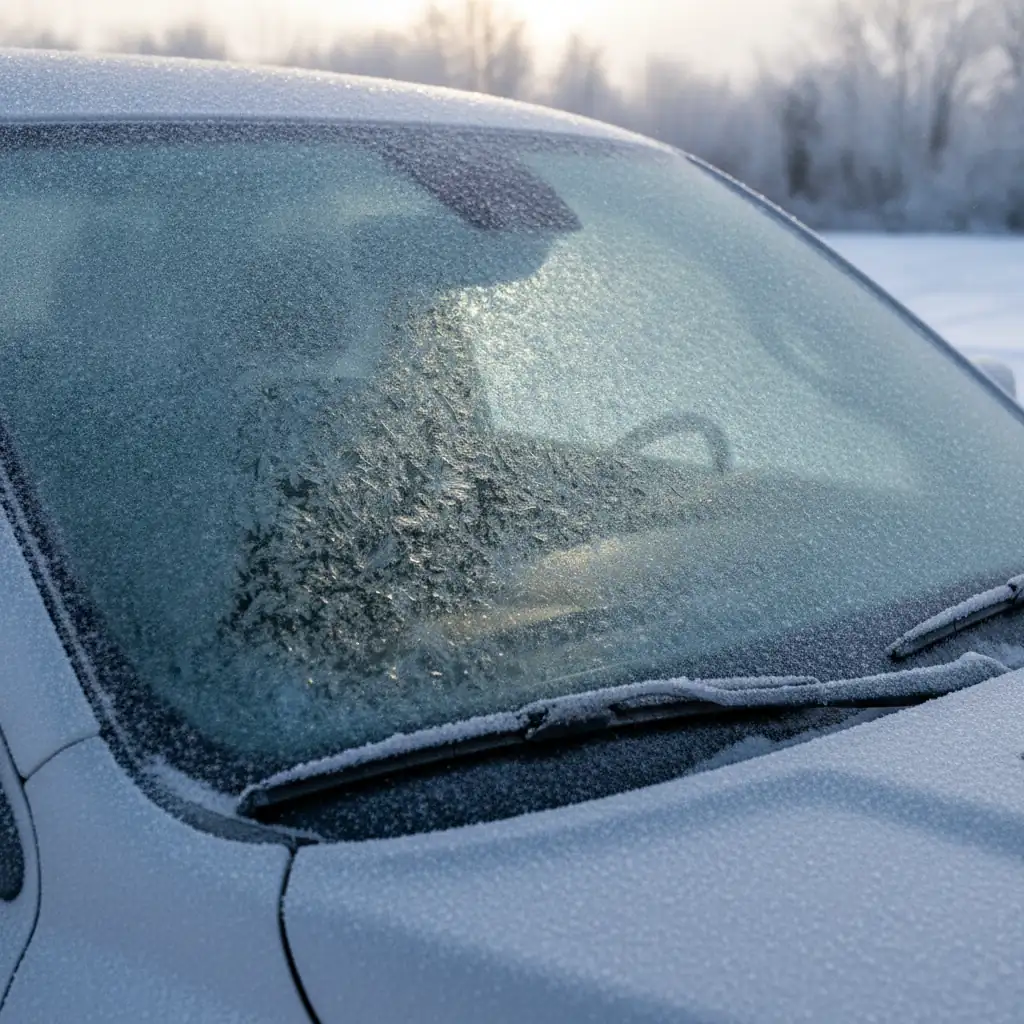
Two ways in, and it is worth setting up both.
Remotely, through the app. Stellantis describes programming the air conditioning system remotely through the My Uconnect mobile app so the cabin is at the temperature you want when you reach the vehicle, even on the coldest mornings. This is the one for irregular days: you are finishing a coffee, you tap it, and you walk out to a warm truck.
On a timer, in the vehicle. The 4xe models also carry a preconditioning timer in the infotainment display, so it runs automatically ahead of a departure time you set once. This is the one that actually changes your winter, because it removes the step you will forget on the mornings you are late.
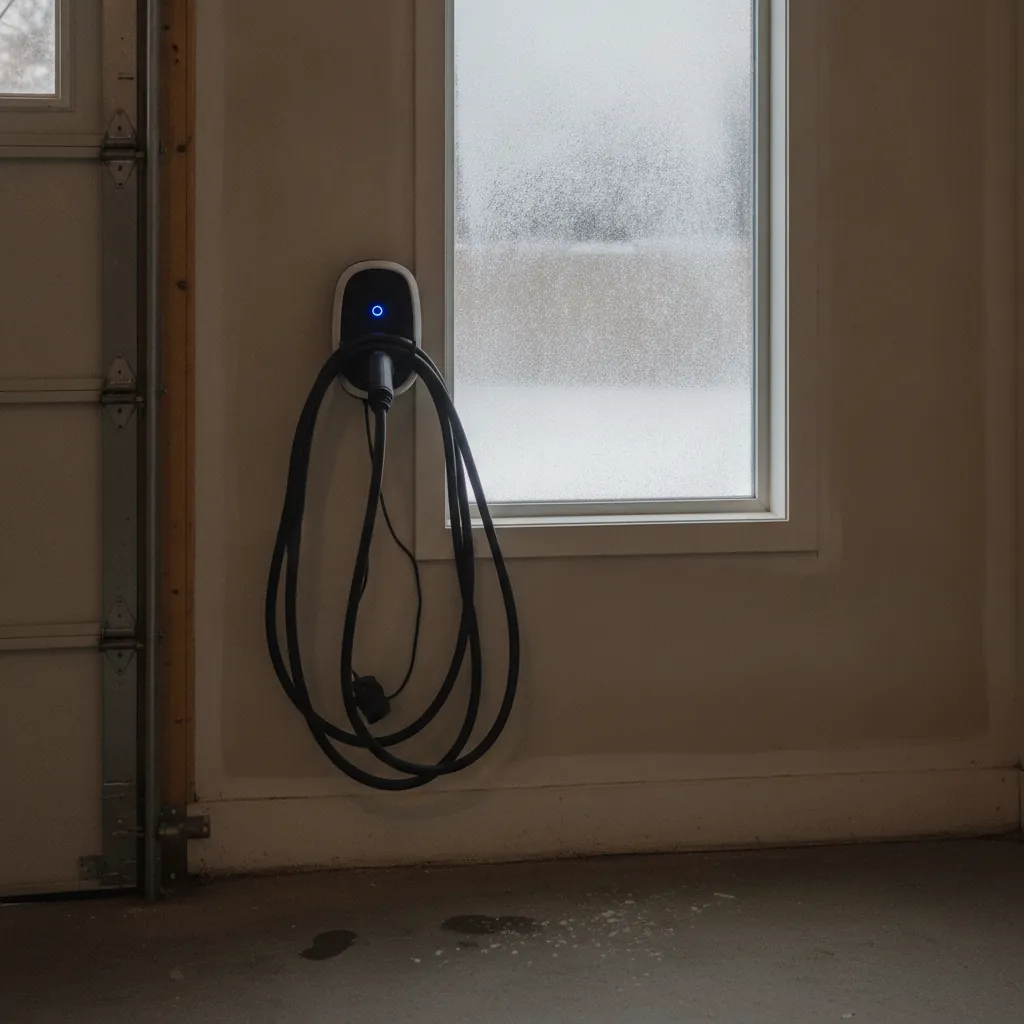
Set the departure timer for your normal leaving time and leave it. Plug in every night the way you would plug in a block heater. That is the whole routine.
A note on charging alongside it: if you can schedule your charging to finish shortly before you leave rather than at two in the morning, the pack retains some warmth from the charging session itself, which stacks with the preconditioning. We covered the home charging side of this in our guide to charging an electric Ram at home in Manitoba.
The Block Heater Parallel Nobody Makes
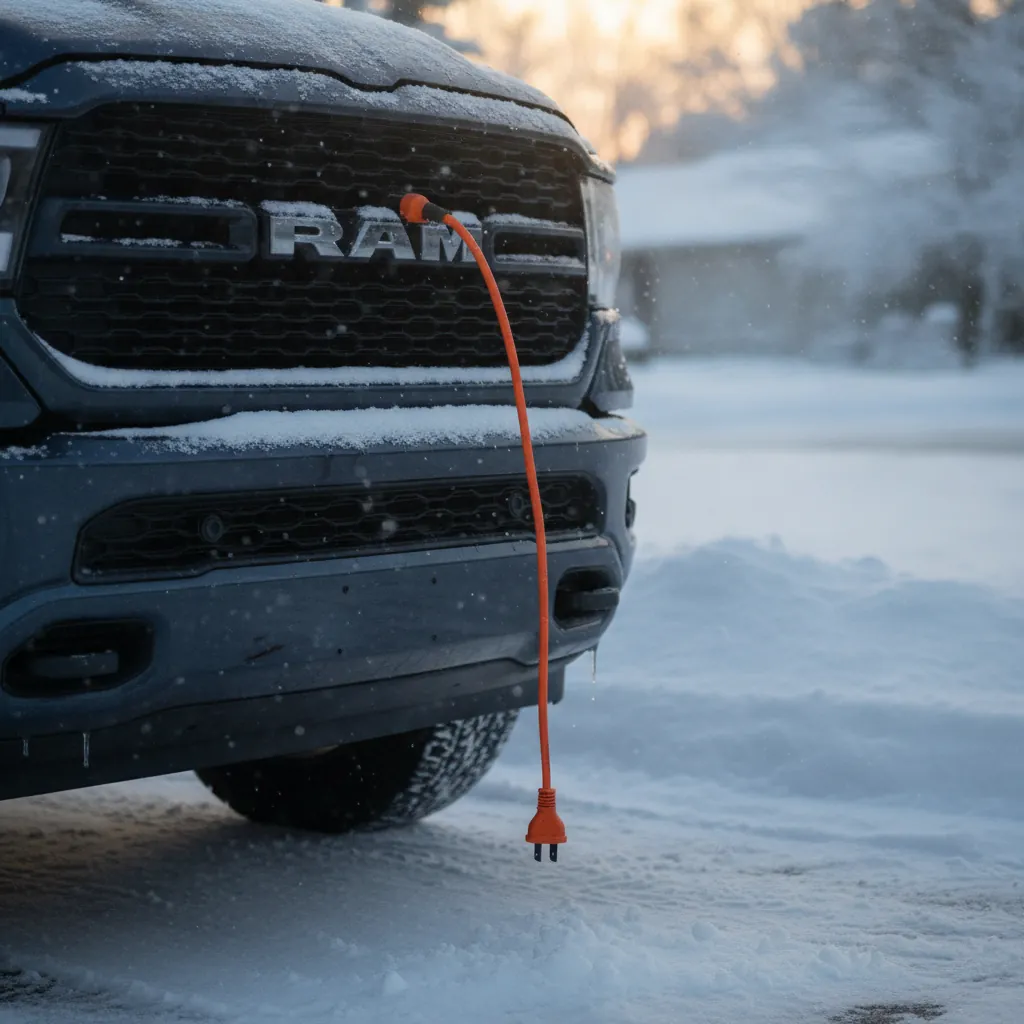
Manitoba has been preconditioning vehicles for sixty years. We just called it plugging in.
Natural Resources Canada's own winter driving guidance is that a block heater reduces the period of high fuel use while an engine warms up, and that for best effect you should use a block heater with a timer set to turn on two hours before you start the engine. Two hours, not all night. The same document points out that ten minutes of idling burns between 0.25 and 0.50 litres of fuel and emits 600 to 1,200 grams of carbon dioxide, and that in most cases no more than two to three minutes of idling is needed from an extreme cold start before you drive away.
Read that back and it is the same argument, made about a different vehicle. Use grid power on a timer to bring the vehicle up to temperature before you need it, rather than burning stored energy to do it after. The block heater culture out here is not an obstacle to plug in ownership. It is a head start.
The practical version: if you have an outdoor plug that already runs a block heater on a timer, you have most of the infrastructure conversation already settled in your own head. The charging setup is a bigger circuit and a different device, but the habit is identical.
What It Will Not Fix
Being straight about the limits is what makes the rest of this credible.
Preconditioning does not make winter range loss disappear. Cold air is denser, winter tires have more rolling resistance, snow adds drag and the battery chemistry is simply less willing when it is cold. Preconditioning removes one large chunk of the loss, the cabin warm up, and softens another, the cold pack. It does not repeal the season. Plan your winter driving around a real reduction in range and be pleasantly surprised rather than stranded.
It does not help much on the second trip. The big win is the first departure of the day from a plugged in state. A quick stop at the rink and back out does not need it, because the pack and the cabin are already warm.
It needs a plug. If you park at an apartment lot with no outlet, preconditioning off the battery is still the better of the two options on a truly cold morning, but the arithmetic changes. That is a real consideration when deciding whether a plug in vehicle fits your life, which we worked through honestly in whether an electric truck is worth it in Manitoba.
Heated seats and a heated steering wheel are still your friends. They heat a person directly and use far less energy than heating the entire cabin volume. Use them alongside preconditioning, not instead of it.
Where the Electric Ram Stands Right Now
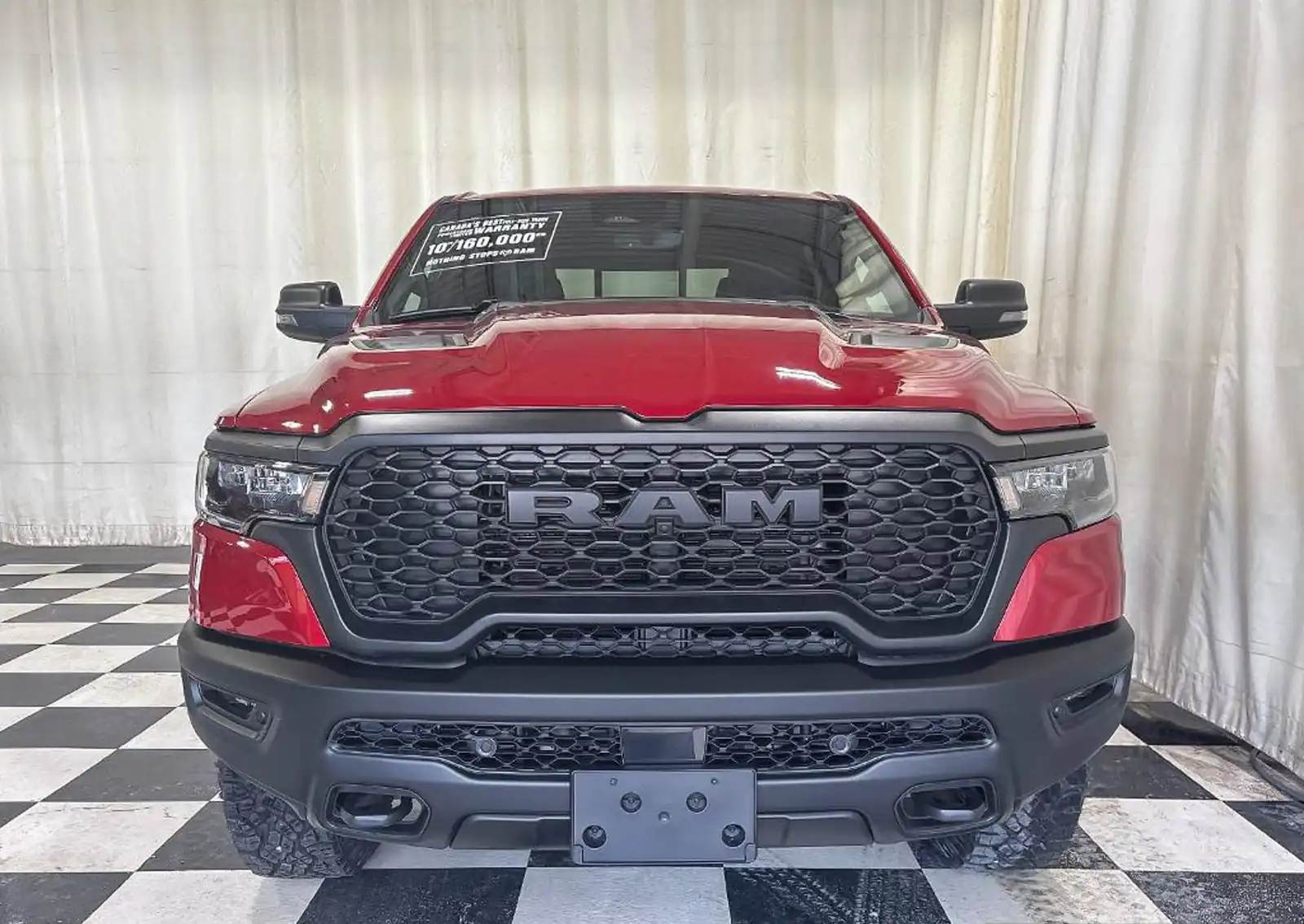
This part has moved, and there is a lot of stale information floating around, so here is where it actually sits.
In September 2025 Stellantis announced it was discontinuing development of a full size battery electric pickup, which ended the all electric version of the Ram 1500 REV. The Ram 1500 REV name did not disappear. It moved to the range extended truck previously shown as the Ramcharger, which carries a gas V6 running as a generator to feed the electric drive motors.
That is a meaningful difference for a prairie buyer, because a range extended truck does not ask you to solve the winter range question the same way. It also means anything you read from 2024 about "the electric Ram" may be describing a truck that is no longer coming. For timing, Canadian specifications and what we can actually order, ask us rather than trusting a two year old article. We will tell you what is confirmed and what is not.
The preconditioning habit still applies to everything in the electrified lineup, and to the plug in Jeep Wrangler 4xe that has been on our lot for years.
FAQs
What does preconditioning do on an electric or plug in vehicle?
It warms the cabin and the battery before you drive. Done while the vehicle is plugged in, the energy comes from the grid rather than the pack, so you leave with a warm interior, a battery in its preferred temperature range, and your available range intact.
Do I have to be plugged in for preconditioning to work?
It functions either way, but the benefit is completely different. Plugged in, it costs you nothing from the battery. Unplugged, it draws from the pack, so you get comfort at the cost of range. Jeep's guidance describes preconditioning as heating the vehicle while it is plugged in using power from the grid.
How long before I leave should I start preconditioning?
Long enough that the cabin is genuinely warm and the glass is clear, which on a bitter morning is a matter of tens of minutes rather than a couple of minutes. The simplest approach is to use the departure timer so it handles the timing for you every day. For comparison, Natural Resources Canada recommends two hours on a timer for a conventional block heater.
Does preconditioning use a lot of electricity from my house?
It uses grid power to heat the cabin and the pack, so it is not free. It is very cheap compared to the range it protects, and cheaper than the fuel a comparable gas vehicle burns idling in the driveway to accomplish the same thing.
Is the electric Ram 1500 REV still coming?
Not as an all electric truck. Stellantis announced in September 2025 that it was discontinuing development of a full size battery electric pickup, and the Ram 1500 REV name moved to the range extended truck previously known as the Ramcharger. Ask us for current Canadian timing and specifications before you plan around anything you read online.
The Bottom Line
Preconditioning is not a gadget. It is the single ownership habit that decides whether a plug in vehicle feels good or feels compromised through a prairie winter. Set the departure timer once, plug in every night, and the cold morning problem largely goes away.
If you are weighing an electrified vehicle for the first time, come talk to us before the snow flies rather than in February. We will walk you through the charging setup, what the winter range actually looks like out here, and which vehicle in the Jeep and Ram lineup fits how you really drive. And if your current vehicle needs a look before winter, our service department is taking bookings now.
Tyler Dunn, Dunn Ram Trucks, Portage la Prairie