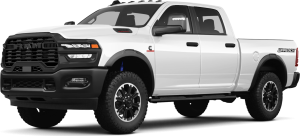
Here is the short answer on Ram 2500 diesel vs gas. For the 2026 model year, Ram Canada lists the High Output 6.7L Cummins turbo diesel at 430 horsepower, 1,075 lb ft of torque and a maximum of 20,000 lb (9,071 kg) of towing. It lists the 6.4L HEMI V8 at 405 horsepower, 429 lb ft and 17,440 lb (7,910 kg) of towing, with the higher maximum payload of the two: 4,580 lb (2,077 kg) against 3,590 lb (1,627 kg). The diesel is the engine for pulling, and the gas engine is listed to carry more in the box. You can see how each one is equipped in our new Ram 2500 inventory, and our Ram 2500 towing capacity page is about the tow ratings on their own.
| 2026 Ram 2500 | High Output 6.7L Cummins | 6.4L HEMI V8 |
|---|---|---|
| Horsepower | 430 hp | 405 hp |
| Torque | 1,075 lb ft | 429 lb ft |
| Maximum towing | 20,000 lb (9,071 kg) | 17,440 lb (7,910 kg) |
| Maximum payload | 3,590 lb (1,627 kg) | 4,580 lb (2,077 kg) |
Source: Ram Canada's 2026 Ram 2500 capability page, checked October 3, 2026. Maximums are for a base configuration when properly equipped.
Key Takeaways
- The Cummins is the pulling engine. Ram Canada lists it with about two and a half times the torque of the HEMI and 2,560 lb (1,161 kg) more maximum towing on the 2026 Ram 2500.
- The HEMI is listed with more payload. The gap is 990 lb (450 kg) in favour of the gas truck, which matters when the weight sits in the box or on a fifth wheel pin.
- There is no official fuel consumption figure to compare. Natural Resources Canada does not test pickups in this weight group, so this page prints no L/100 km number for either engine.
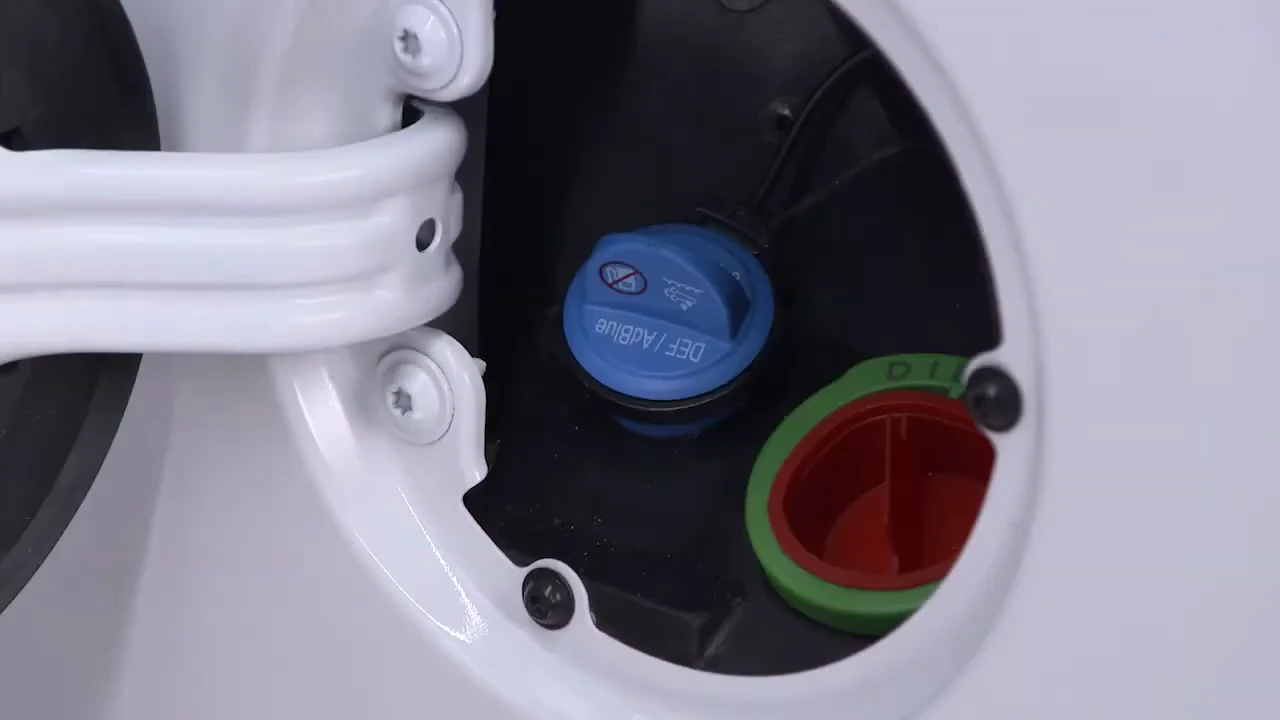
- The diesel has more to look after. Diesel exhaust fluid, fuel filters and a block heater routine in winter come with it. The gas engine uses no diesel exhaust fluid.
- How often the truck is loaded decides it. Heavy trailers most weeks point to the Cummins. Weight in the box, lighter trailers and short trips point to the HEMI.
2026 Ram 2500 Diesel vs Gas: The Numbers
Every figure in this section is from Ram Canada's 2026 Ram 2500 capability page, as checked on October 3, 2026.

High Output 6.7L Cummins Turbo Diesel I6
430 horsepower and 1,075 lb ft of torque. Maximum towing: 20,000 lb (9,071 kg). Maximum payload: 3,590 lb (1,627 kg). Ram Canada lists it with the TorqueFlite HD eight speed automatic transmission, and calls the torque figure Best in Class base diesel torque, with the class defined in its own footnote.
6.4L HEMI V8

405 horsepower and 429 lb ft of torque. Maximum towing: 17,440 lb (7,910 kg). Maximum payload: 4,580 lb (2,077 kg). Ram Canada lists it with the TorqueFlite HD eight speed automatic transmission, Variable Valve Timing and the Multi Displacement System.
Ram Canada's fine print on these maximums says they apply when the truck is properly equipped, that they are shown for a base configuration, and that options, equipment, passengers and cargo weight may affect them. A crew cab 4x4 with a long option list is not a base configuration, so its ratings are not the headline numbers. The ratings for one truck are on its door jamb labels and its window sticker.
If you are still deciding how much truck the job needs, our Ram 2500 versus Ram 3500 comparison looks at the step up, and our Ram 1500 versus Ram 2500 comparison looks at the step down to a half ton.
Where the Cummins Wins
Torque. 1,075 lb ft against 429 lb ft is the biggest gap on the chart, and it is the one you feel with a loaded grain trailer leaving a soft field approach or a tall fifth wheel working into a west wind on the Trans-Canada Highway toward Brandon.
Maximum towing. Ram Canada lists the diesel 2,560 lb (1,161 kg) above the gas engine. If the loaded trailer weighs more than 17,440 lb, the comparison is over, because the HEMI is not rated for it.
The exhaust brake. Ram Canada lists an available Automatic Smart Exhaust Brake with the Cummins and says it activates when the accelerator is released and slows the truck by delivering negative torque from the engine. That is the tool you want coming down through Riding Mountain on Highway 10 with a camper behind you, or on a holiday run into the mountains. It is listed as available, so check the window sticker of the truck you are looking at. Our Cummins exhaust brake post is about how the system is used.
Margin. A trailer that sits at 14,000 lb is well inside either engine's maximum. The diesel simply has more rating left over, and margin is what makes a windy day on the prairie a relaxed drive.
Where the 6.4L HEMI Wins
Payload. Ram Canada lists the gas truck with 990 lb (450 kg) more maximum payload than the diesel. Here is an example, and it is only an example, because pin weight varies from trailer to trailer. Say a loaded fifth wheel weighs 14,000 lb and carries 20 percent of that on the pin. That is 2,800 lb sitting in the box. Against the listed maximums, the Cummins truck has 790 lb left for people, the hitch and gear, and the HEMI truck has 1,780 lb left. Both figures are for a base configuration, before options take their share. Our Ram 2500 and 3500 payload guide has a section on why the diesel is listed with less.
Less to look after. The gas engine uses no diesel exhaust fluid, so there is no second tank to keep filled. The diesel adds that fluid and its fuel filters to the service list. Our service department does oil and filter changes on both, gas and diesel. Ask our service team for the current price of each service on each engine, and add it up over the years you plan to keep the truck.
Short trips and sitting. If the truck will mostly make short runs into town and then sit, ask our service team how that kind of use suits the diesel's exhaust aftertreatment before you order one.
The price, depending on the day. The two engines are priced differently, and the gap moves with the manufacturer offers in force when you buy, so this page prints no figure. Ask our team which current offers apply to each engine and compare two trucks that are otherwise built the same.
Fuel Economy: Why There Is No Official Figure
Natural Resources Canada says pickup trucks with a gross vehicle weight rating of more than 3,856 kg (8,500 lb) and an interior bed length of 183 cm or more are not tested, so their fuel consumption ratings do not appear in its ratings search tool or on the EnerGuide label. The gross vehicle weight rating of any truck is printed on its door jamb, and that is where to check which side of the line it sits on.
That is why this page gives no L/100 km number for either engine, and why a precise figure quoted for a truck in that group is not an official rating. One thing Ram Canada does list for 2026 is an available 189 L fuel tank on Crew Cab models with the eight foot box, which it describes as the largest available in the class.
If you want a real number, keep a fuel log for a season with your own trailer on your own roads. That figure is yours, and it reflects how often the truck is loaded, which is the same question that decides the engine.
Running Either Engine in Manitoba
Plug it in. A diesel that sits outside at minus 30 wants to be plugged in. Check the window sticker for a block heater, and check the owner's manual for the cold weather starting guidance for your engine. Our service department installs block heaters.
Look after the diesel's two extras. Our Cummins DEF guide covers freezing and storage of diesel exhaust fluid, and our post on the Cummins fuel filter change interval covers that service. The schedule for your own truck is in its owner's manual.
Think about where the towing starts. A lot of it here starts on gravel: a stock trailer on a grid road, a camper on the last stretch into a site on Lake Manitoba or in the Whiteshell. That asks for traction and control more than it asks for the last thousand pounds of rating, and either engine can be the right one.
For the 2026 Ram 2500, Ram Canada lists a 10 year or 160,000 kilometre limited powertrain warranty, whichever comes first, for retail customers who buy or lease a new truck from an authorized Ram dealership in Canada. Ram Canada states that it is not available to fleet customers and, except where the law requires otherwise, is not transferable and applies only to the original retail purchaser or lessee. It does not separate the two engines. Ask our team how it applies to the truck you are considering.
Which Engine Should You Buy
Buy the Cummins if you pull heavy most weeks, the loaded trailer is above or close to 17,440 lb, you cover real distance loaded, or you tow where an exhaust brake earns its keep.
Buy the 6.4L HEMI if your weight rides in the box, the pin weight of your fifth wheel is what crowds the payload, your trailer sits well inside the gas rating, or the truck makes short trips and sits for stretches.
There are two ways to get this wrong. One is taking the diesel because it sounds like the serious choice and then running it empty into town and back. That truck has more service items and does not get to do the thing it is good at. The other is taking the gas engine and finding the trailer is at the edge of its rating on each trip.
Tell our team what you pull, how often and how far, and bring the trailer's loaded weight and pin or tongue weight if you have them. If you are moving out of a truck that no longer fits the work, you can see what it is worth with our instant cash offer, and you can apply for financing online before you visit. If you already own one of these, you can book a service visit with our service team.
FAQs
Should I get a diesel or gas Ram 2500?
Get the diesel if you tow heavy and often, and the gas engine if your weight rides in the box or your trailer sits well inside its rating. For 2026, Ram Canada lists the High Output 6.7L Cummins with more torque and the higher towing maximum, and the 6.4L HEMI V8 with the higher payload maximum.
How much more does the Cummins tow than the 6.4L HEMI?
2,560 lb (1,161 kg) more at the maximums. Ram Canada's 2026 Ram 2500 capability page lists up to 20,000 lb (9,071 kg) with the High Output 6.7L Cummins and up to 17,440 lb (7,910 kg) with the 6.4L HEMI V8, both for a base configuration when properly equipped.
Does the gas Ram 2500 carry more payload than the diesel?
Yes. Ram Canada lists a maximum payload of 4,580 lb (2,077 kg) with the 6.4L HEMI V8 and 3,590 lb (1,627 kg) with the High Output Cummins on the 2026 Ram 2500, a difference of 990 lb (450 kg). The payload for one specific truck is printed on its door jamb.
What is the fuel economy of a Ram 2500?
There is no official Canadian figure to quote for a pickup in this weight group. Natural Resources Canada says pickup trucks with a gross vehicle weight rating of more than 3,856 kg and an interior bed length of 183 cm or more are not tested, so their ratings do not appear in its search tool or on the EnerGuide label. A fuel log on your own truck is the figure to trust.
Is the Cummins worth it?
It is worth it when the truck pulls heavy and pulls often. The 2,560 lb of extra tow rating, the 1,075 lb ft of torque and the available exhaust brake pay off behind a big trailer, and they do little for a truck that mostly carries its load in the box. The price difference between the engines changes with manufacturer offers, so ask our team for the current comparison.
Does the diesel need extra care in a Manitoba winter?
Yes, a little. A diesel parked outside at minus 30 wants to be plugged in, and its diesel exhaust fluid needs to be kept filled and stored with care. The owner's manual has the cold weather guidance for your model year, and our service department installs block heaters.
The Bottom Line
On Ram Canada's 2026 numbers, the Cummins is the engine for pulling and the HEMI is the engine for carrying. Neither one is the wrong truck. The wrong truck is the one picked before anyone weighed the trailer. Work out how often you are loaded and where the weight sits, then look at both engines in our new Ram 2500 inventory.
Tyler Dunn, Dunn Ram Trucks, Portage la Prairie