You come down off the highway toward the lights, put your foot on the brake, and the steering wheel starts shaking in your hands. Let off and it stops. Brake again and it comes back. Somebody at coffee tells you the rotors are warped, and it sounds right, because what else would shake only when you brake.
Here is the part almost nobody hears: your rotors are almost certainly not warped. Cast iron does not bend into a wave and stay there under normal driving. What you have is something more specific, with a different cause and a different fix, and knowing which one you have changes what you should pay for. If the shake has shown up recently, book it into our service department and have it measured rather than guessed at, because the measurement takes minutes and the guess can cost you a set of pads.
Key Takeaways
- Rotors almost never warp. Cast iron expands when it gets hot and contracts back when it cools. The idea of a permanently wavy rotor is one of the most repeated wrong answers in the trade.
- What you actually have is a thickness problem, not a shape problem. Brake pad material transfers onto the rotor face unevenly, which leaves the disc very slightly thicker in some places than others. That is called disc thickness variation.
- The tolerances are astonishingly small. On some vehicles the allowable lateral runout is as low as two thousandths of an inch, and under a tenth of a millimetre is a good working target for a maximum. You are feeling a difference you could not see with your eye.
- Where you feel it narrows the diagnosis. Thickness variation and runout show up as the brake pedal rising and falling under your foot. A shake through the steering wheel or the seat without the pedal pulsing points at brake torque variation, which can happen with almost no measurable runout at all.
- Shake only when braking is a brake problem. Shake at a steady speed with your foot off the pedal is not. That second one is a tire, wheel or driveline conversation, and mixing the two up is how people buy brakes they did not need.
- Out here, a truck that sits is a real cause. Light surface rust wipes off in the first few stops. Weeks or months parked in a damp yard pits the rotor face, and a pitted face brakes unevenly.
- We replace pads and rotors as a set. We do not machine rotors in our bay, and on a modern truck there is usually very little material to spare anyway.
- Left alone it gets worse. An uneven rotor hammers the pad, and the pad wears to match.
Rotors Do Not Warp, and That Matters
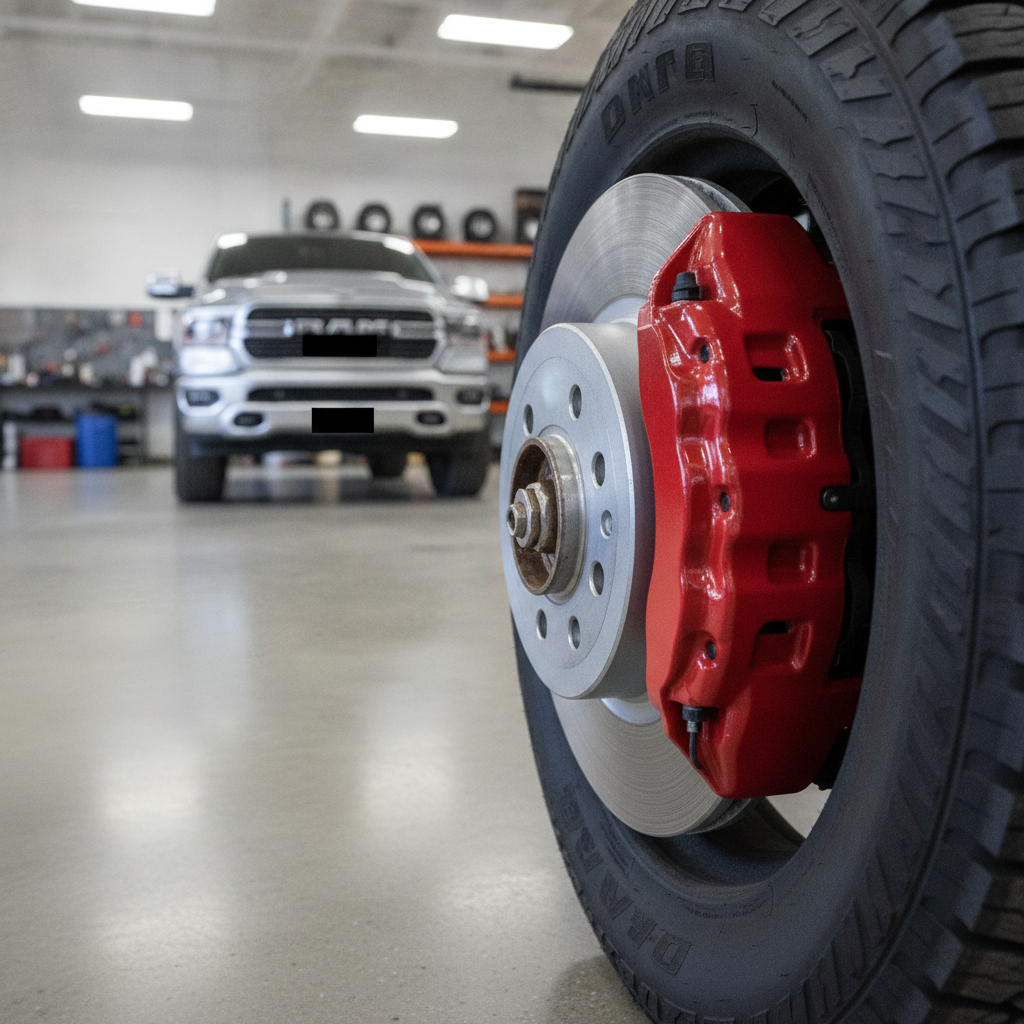
The word warped is doing real damage here, because it describes a problem that would need a different repair than the one you actually have.

A brake rotor is cast iron. When you use the brakes, the friction turns your momentum into heat, and the rotor gets hot and expands. When it cools it contracts back to the shape it started in. For the metal itself to take a permanent set, you would have to change the structure of the casting, which takes far more abuse than an ordinary truck ever sees on a Manitoba highway.
So if the metal is not bending, what is shaking the wheel. In most cases, pad material. Brake pads work partly by laying down a very thin, even film of friction material on the rotor face, and that film is supposed to be uniform all the way around. When it goes down unevenly, you get slightly raised patches, and every time one of those patches passes under the pad the brake grabs a little harder. The trade calls this pad transfer, or pad imprinting, and the classic way to create it is to hold the brakes hard against a rotor that is already hot and then sit still. Coming off a long downhill grade or a hard stop and then parking with your foot on the pedal is exactly the recipe.
The result is disc thickness variation. The two friction faces of a rotor are machined parallel to each other within a specification, and once material sits unevenly on one of them, they are no longer parallel. The pedal rises and falls slightly with every rotation because the pads are being pushed apart by a different amount at different points in the turn.

There is a second version worth knowing about, because it explains the cases where a shop measures everything and finds nothing. Judder can also come from brake torque variation, where the amount of grip changes across the face of the rotor without the thickness changing much at all. Inconsistent rotor finish, uneven metallurgy in the casting and patchy friction deposits can all do it. A vehicle with essentially zero measurable runout or thickness variation can still shake, which is why an honest answer sometimes has to be that it needs driving and re measuring rather than an instant part.
Where You Feel It Is Half the Diagnosis
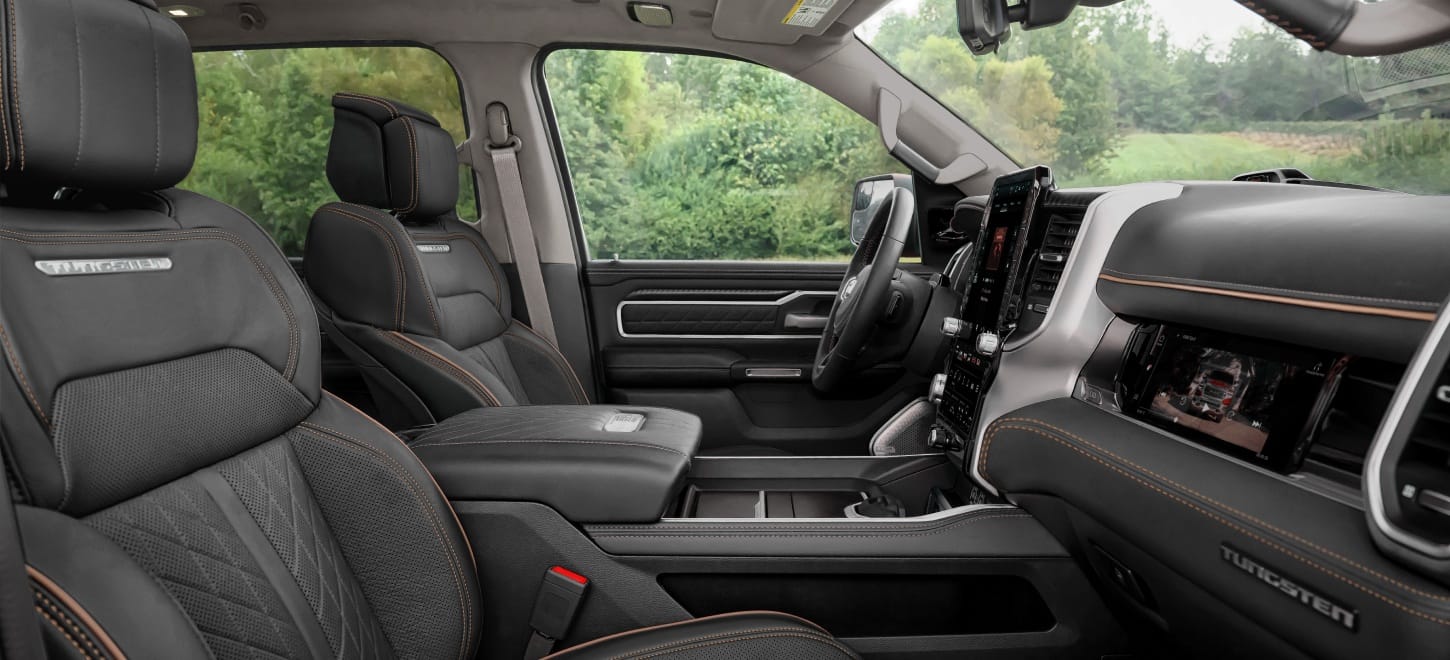
Before anyone touches your truck, the most useful information in the whole job is a plain description of what you feel and where. Pay attention on the next drive and you will save the shop diagnostic time and yourself money.
A pedal that rises and falls under your foot. This is the signature of thickness variation and lateral runout. The pedal height pulses in rhythm with wheel speed, faster as you go faster, and you can often feel it through your ankle before you notice anything in the wheel. Runout is the rotor wobbling very slightly side to side as it turns, and even a tiny amount of it will wear spots into the face over time as the rotor brushes the pad.
A shake through the steering wheel. Steering feedback under braking points at the front, because the front brakes do most of the work and the front rotors sit in the steering system. Judder felt in the wheel or through the seat, without the pedal itself pulsing, is the brake torque variation case rather than the thickness case.
A shudder you feel mostly through the seat and the floor. That tends to come from the rear. It is less common and easier to ignore, and it is also the one people live with for years.
Worse from higher speeds, better from town speeds. Almost every version of this gets more obvious the more energy the brakes have to deal with, so the highway off ramp shows it and the drive to the grocery store hides it.
One more honest note. Brake shudder sometimes arrives with a friend. If your truck also wanders, pulls, or has been through a few good approaches and washboard sections, the front end deserves a look at the same time, and our post on wheel alignment in Manitoba covers why gravel is hard on the geometry out here.
Shake When You Brake Versus Shake at Speed
This is the single most valuable distinction in this post, so it gets its own heading.
If the shake appears only while you are braking and disappears the moment you lift off, the brakes are where to look. That is the whole set of causes above.
If the shake is there at a steady speed with your foot nowhere near the brake pedal, it is not your rotors. A vibration that comes in around a particular speed and sits there is the classic sign of a wheel and tire problem: a lost balance weight, a tire out of round, a bent wheel, mud or ice packed inside the rim. It can also be a worn wheel bearing or a driveline issue. Our posts on tire balancing versus alignment and wheel bearing noise both cover that side of it.
A quick winter caveat, because it comes up here every single year. Packed snow and ice inside a wheel will throw a perfectly good tire out of balance and produce a shake that feels alarming and then vanishes when the truck warms up in a heated shop. Before anyone condemns a part in February, get the wheels clean.
The Prairie Causes Nobody Mentions
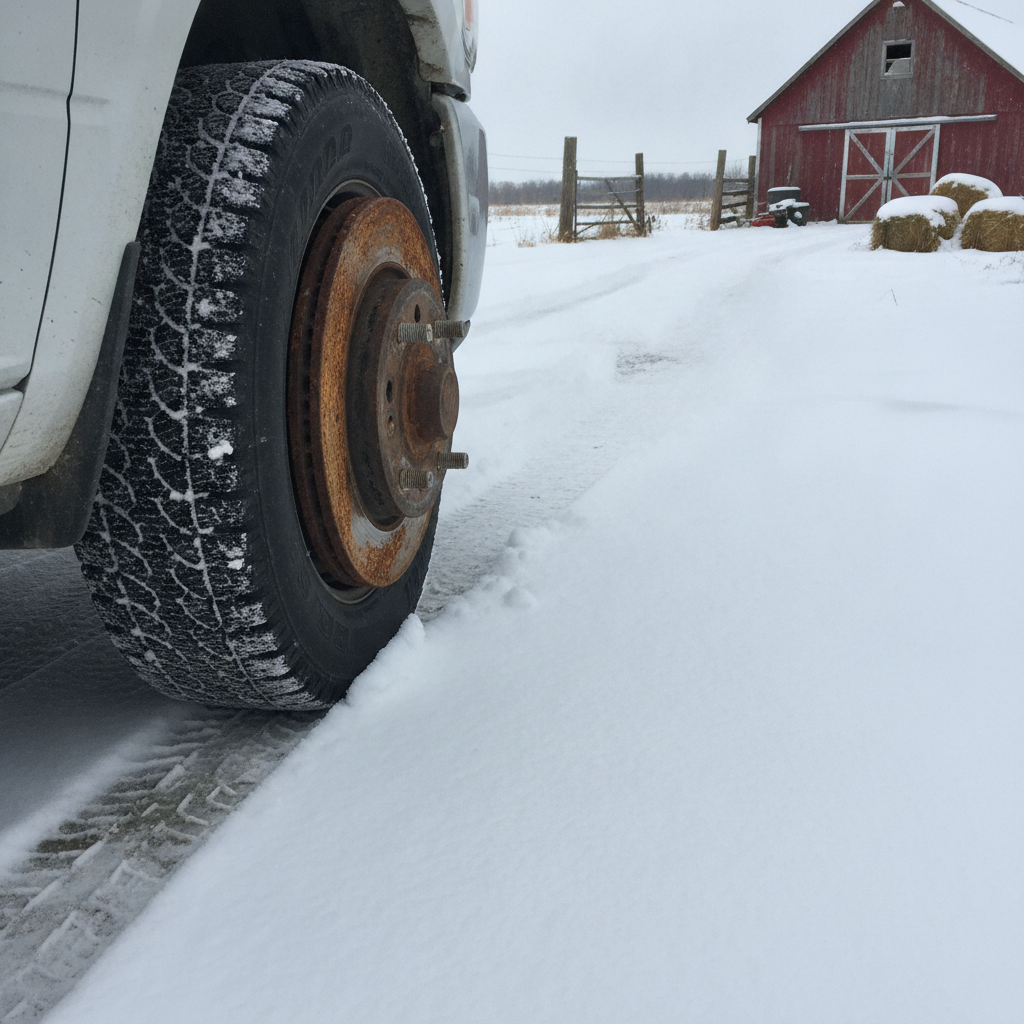
The standard explanations for brake shudder come from places where vehicles get driven every day on clean pavement. That is not the duty cycle here, and two local realities change the odds.
A truck that sits. This is the big one. Cast iron rusts fast, so a light orange film on the rotor after a wet night or a trip through the wash is completely normal, and the first few stops scrub it straight off. The problem is a longer park. When a vehicle sits for weeks or months, the corrosion gets thick enough to pit the surface, and instead of wiping away cleanly it leaves an uneven braking face behind that causes exactly the vibration and noise we are talking about. A second truck that only comes out for harvest, a trailer hauler parked from November to April, a unit sitting in a damp shed all winter: all of them are candidates. Worse, if it was parked with the parking brake set against a wet rotor, the pads can leave a rust pattern in their own shape.
Salt, gravel and the spring inspection. Winter brine and the abrasive dust off a section road are hard on everything in a wheel well. The pads and the rotor faces take it, and so do the lines and hardware behind them. Spring is the sensible time to have the whole corner looked at rather than only the part that is complaining, and our post on rusted brake lines in Manitoba covers the part of that story people do not think about until it matters.
While the wheels are off is also the moment to answer the other brake questions honestly. Our guide to when to replace brake pads on a truck covers the wear side, and brake fluid change intervals covers the fluid, which is the part of the brake system that quietly ages on time rather than on distance.
What Actually Fixes It
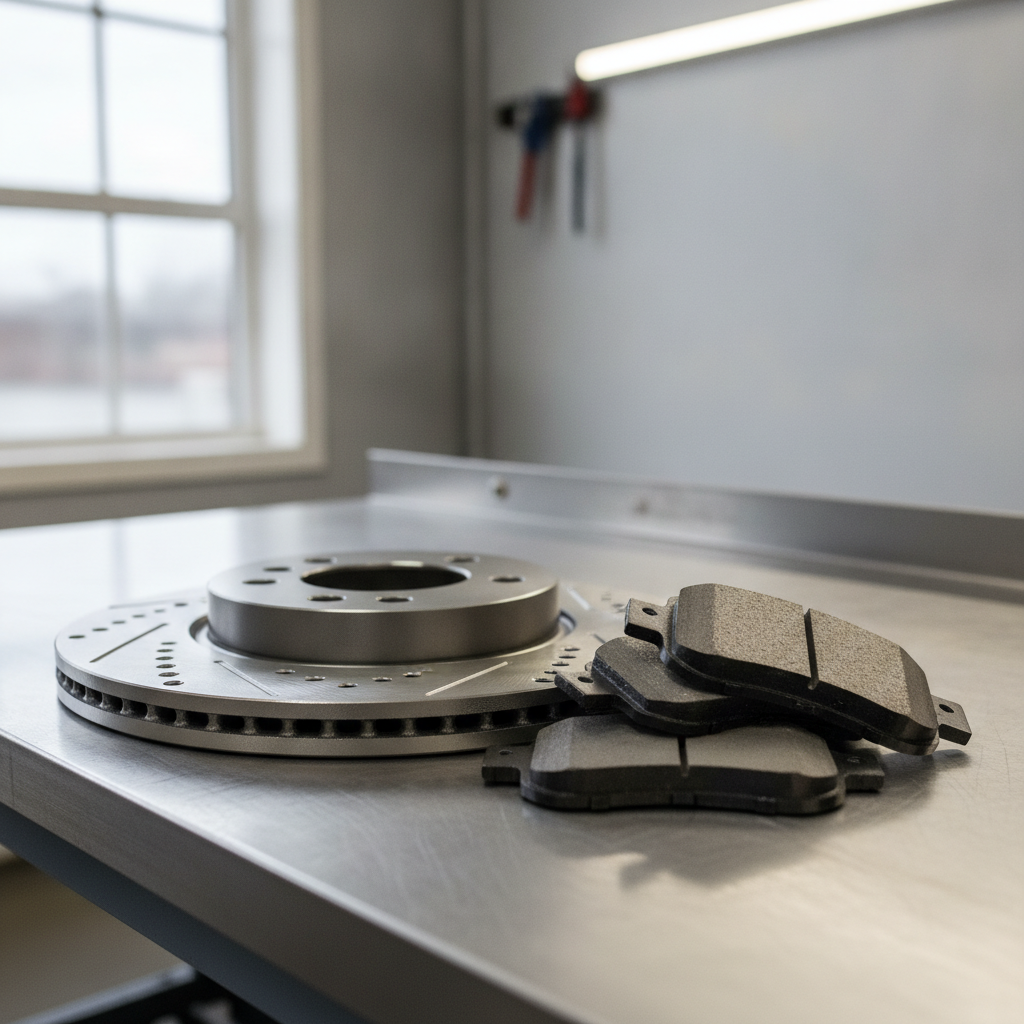
Here is the honest version of the repair, including the part where we tell you what we do not do.
It starts with measuring, not with parts. Rotor thickness, thickness variation and lateral runout are all measurable numbers, and so is the remaining pad material. Those numbers are what decide the job. Where a hub or a mounting face is dirty or corroded enough to hold a brand new rotor slightly off square, cleaning that surface up matters as much as the parts do, because bolting a good rotor onto a rough hub reintroduces runout on day one.
On our repair orders, brake work means pads and rotors. Front brakes, rear brakes and parking brake service are the brake jobs that come through our bay. We do not offer in house rotor machining, so if you have read that the fix is to have the rotors turned, that is not a service we sell. On many current trucks that decision is partly made for you anyway, because rotors are built close enough to their minimum thickness that there is little material to remove and still have a rotor that can shed heat properly.
Bedding in the new parts is not optional. A fresh set needs a series of firm stops from moderate speed to lay down that even film of friction material, and then it needs to not be parked with a hot rotor clamped under a pad. Getting that wrong is how a brand new brake job develops the same shudder within a few thousand kilometres.
No prices in this post, on purpose. Brake parts differ between a Ram 1500 and a Ram 2500, between front and rear, and between one pad specification and another, and a number printed here in September is stale by spring. Call our parts department with your VIN for the real figure on your truck, or book it into the shop and we will measure first and quote from the measurement.
FAQs
Why does my steering wheel shake when I brake?
In most cases the front rotors have uneven brake pad material transferred onto their faces, which makes the disc very slightly thicker in some spots than others. Every time a thicker spot passes under the pad, the brake grabs a little harder, and you feel that as a shake through the steering wheel. A shudder felt in the wheel or seat without the pedal pulsing can also come from brake torque variation, where the grip changes across the rotor face rather than the thickness.
Are my rotors warped?
Almost certainly not. Cast iron expands when it heats and contracts back as it cools rather than taking a permanent wave, and true warping takes far more abuse than normal driving delivers. Warped is the common name for the symptom, not an accurate description of the cause. The measurable problems are disc thickness variation and lateral runout.
How much runout does it take to feel it?
Very little. On some vehicles the allowable lateral runout is as low as two thousandths of an inch, and less than roughly 0.05 to 0.10 mm is a good target for a maximum. You are feeling a variation far too small to see.
My truck shakes at highway speed even when I am not braking. Is that the rotors?
No. A vibration that is present with your foot off the brake points at the wheels, tires, bearings or driveline rather than the brakes. Common causes are a thrown balance weight, a tire out of round, a bent rim, or snow and ice packed inside the wheel. Get the wheels cleaned out before anyone condemns a part in winter.
Can brake shudder come from the truck sitting all winter?
Yes, and it is one of the more common causes here. Light surface rust after a damp night scrubs off in the first few stops. A vehicle parked for weeks or months can corrode deeply enough to pit the rotor face, which leaves an uneven surface that vibrates, makes noise and brakes inconsistently. A unit parked with the parking brake applied against a wet rotor can also end up with a rust pattern in the shape of the pad.
Can you machine my rotors instead of replacing them?
Not with us. We do not offer in house rotor machining, so our brake work is pads and rotors replaced as a set. On many current trucks the rotors are made close enough to their minimum thickness that cutting material off is not the right answer even where a shop offers it, because a thinner rotor holds less heat and comes back sooner.
Will it get worse if I leave it?
Usually yes. An uneven rotor face pounds the pad against it, and the pad wears to match, so the uneven pattern tends to deepen instead of settle. It is also worth remembering that shudder is a comfort complaint attached to a safety system. If you are noticing the shake, something in the corner has measurably moved away from specification, and the sensible move is to find out which thing.
The Bottom Line
The shake you feel through the wheel when you brake is real, it is measurable, and it is almost never the thing everyone says it is. Rotors do not warp. Pad material lands unevenly, the disc stops being parallel with itself, and a difference measured in thousandths of an inch turns into a shudder you can feel in your hands at 80.
The two things worth remembering are the distinction and the duty cycle. Shake while braking is a brake conversation. Shake at a steady speed with your foot off the pedal is a wheel, tire or bearing conversation, and a lot of people buy brakes because nobody made that distinction for them. And if your truck spends part of the year parked in a yard, rust on the rotor faces belongs near the top of the list rather than at the bottom.
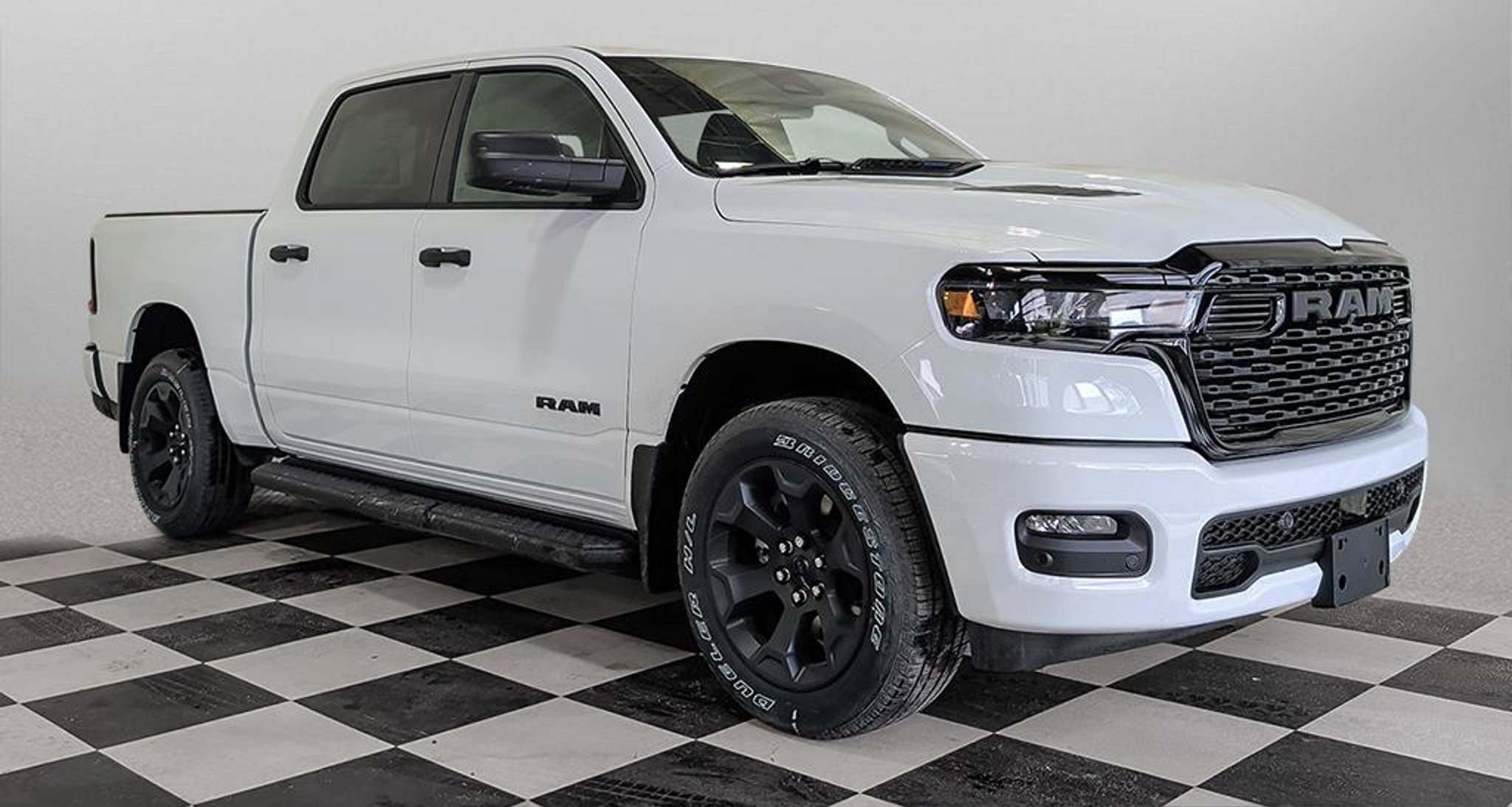
If the shake is new, get it measured before it takes the pads with it. You can book service online in about two minutes, our service centre page covers what else gets checked while the wheels are off, and if the truck under all this is getting tired anyway, our new Ram 1500 inventory and used inventory are both online and current.
Tyler Dunn, Dunn Ram Trucks, Portage la Prairie