The fan is on high and barely anything is coming out of the vents. The windshield takes longer to clear than it used to. There is a faint smell when the heat first comes on that you have decided not to think about. So you assume the blower motor is going, or the heater core, or something else expensive.
Nine times out of ten it is a paper filter behind the glove box that costs very little and takes about twenty minutes. It is the single most neglected maintenance item on the vehicles we see, and out here it fills up faster than almost anywhere else in the country. Our parts department can get you the right one for your model, and this post explains when it is due, how to know, and why August is hard on it.
Key Takeaways
- Mopar's general guidance is roughly every 15,000 to 20,000 miles, which is about 24,000 to 32,000 km, for a cabin air filter under normal conditions.
- For dusty, rural, off road or construction zone driving, Mopar drops that to around 6,000 to 10,000 miles, roughly 9,700 to 16,000 km. If you live off a gravel road, that is your number.
- One harvest can do the work of two city years. Fine field dust is exactly what a pleated paper filter is built to trap, and trapping it is what fills it.
- It lives behind the glove box on our common models, in the fresh air inlet. On a Ram the owner's manual describes exactly that location.
- The symptoms get misread as expensive problems. Weak airflow, a slow clearing windshield and musty smells point here long before they point at a blower motor.
- Check it every oil change. Mopar's own rule of thumb, and the easiest habit to keep because you are already there.
- The filter has a direction. It is marked with an arrow, and installing it backwards means replacing it sooner.
What Mopar Actually Recommends
There is a lot of guesswork attached to this part, so here is the published guidance rather than shop folklore.

Mopar's own guidance puts cabin air filter replacement at about every 15,000 to 20,000 miles under normal driving. In kilometres that lands around 24,000 to 32,000, and those conversions are ours rather than a separately published Canadian figure.
Then comes the part that matters here. For dusty, rural, off road or construction zone driving, Mopar says the filter needs replacing more often, at around 6,000 to 10,000 miles. That is roughly 9,700 to 16,000 km, and it is less than half the normal interval.
Read the list of conditions again, because it describes an ordinary week for a lot of people in this part of Manitoba. Rural is not an edge case here. It is most of the map.

Mopar also gives a rule of thumb that beats any interval, and it is the one worth adopting: check your air filter each time your oil is changed. You are already at the shop, the vehicle is already up, and a filter is a thing you can judge by looking at it. Nobody needs to guess when the evidence is right there.
One note on exactness. The specific interval for your vehicle lives in your owner's manual under maintenance, and it varies by model and by year. If you want your number rather than the general one, ask us and we will look up your build instead of applying somebody else's figure.
Why a Manitoba Filter Fills Faster
A cabin air filter does not wear out. It fills up. That distinction explains everything about why the interval swings so widely between one owner and the next.
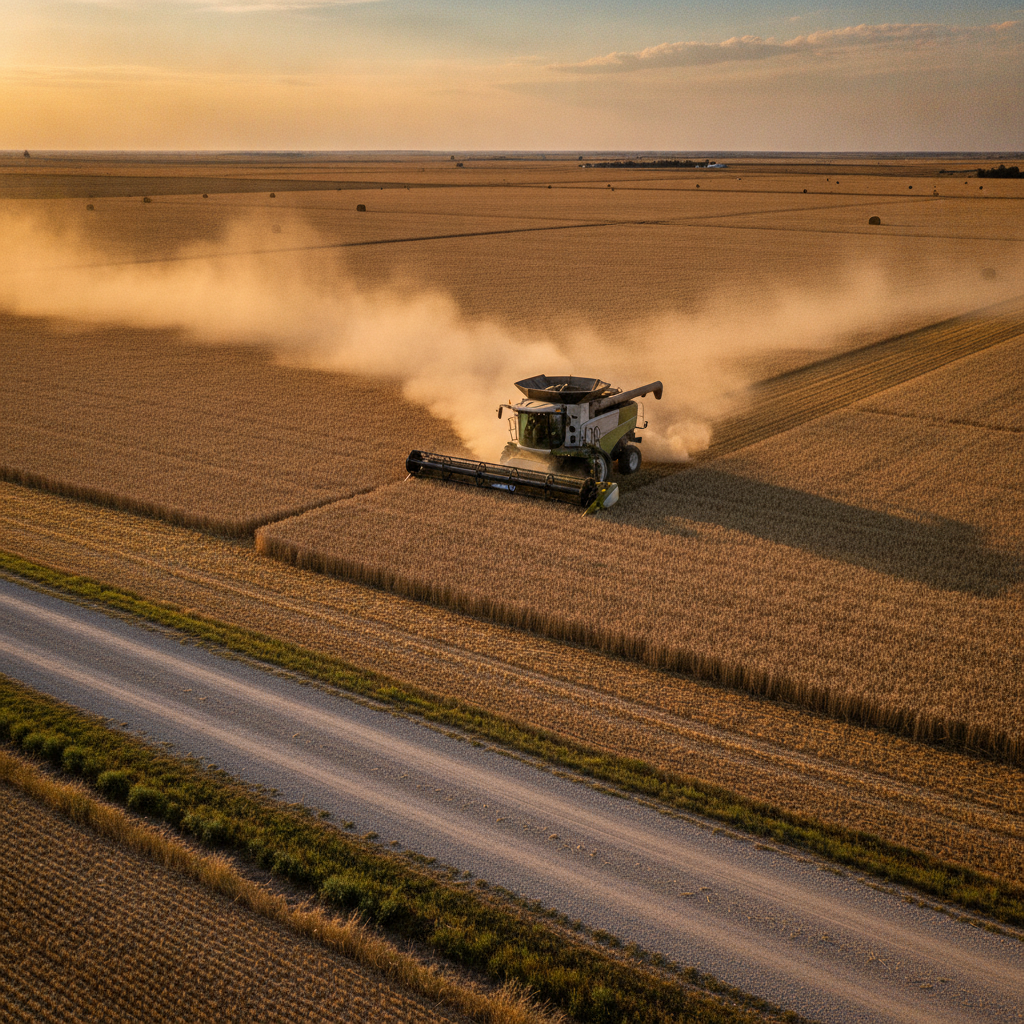
The filter sits in the path of the outside air your heater and air conditioning pull in. Everything airborne that comes through the cowl gets caught in the pleats: road dust, pollen, soot, leaf litter, insects, chaff. It does that job well, and every particle it catches is one more particle blocking the path for the next one. A filter in a vehicle that lives on pavement in town gathers slowly. A filter in a vehicle that follows a combine down a section road in August gathers in an afternoon.
Three local factors stack up here.
Harvest. Late August into October puts an enormous amount of fine organic dust into the air, and it is very light, which means it stays suspended and travels. You do not have to be in the field. Driving past one on a windy day is enough.
Gravel. A gravel road generates a continuous cloud of fine mineral dust behind every vehicle on it, including yours. Following someone is worse. So is the approach into a yard.
Spring topsoil. Before crops are established, a strong prairie wind moves bare field soil across roads in a way that anyone who has driven Highway 1 in April has seen. That is the same fine particulate, without the combine.
Add those up and the honest read for most owners here is that the dusty interval is not the exception, it is the rule. If your vehicle spends real time on gravel or near fields, plan on the shorter figure and treat the longer one as a city number.
The engine side of the vehicle is dealing with the same air, which is why the two filters usually get discussed together and replaced together. Our post on the Ram 1500 air filter change interval covers that side, and it is a different part with a different job. One protects your engine. This one protects you.
The Symptoms People Misread
This is where the money gets wasted, because every one of these gets blamed on something bigger.
Weak airflow with the fan on high. The classic sign. The blower is working as hard as it ever did, but it is trying to pull air through a mat of packed dust. Owners hear the fan roaring and conclude the fan is failing. Usually the fan is fine and is simply being strangled.
A windshield that takes too long to clear. Defrost depends on moving a lot of dry air across the glass. Restrict the volume and the defroster gets slow and disappointing, which people blame on the climate system. If yours is struggling, our post on how to defrost your windshield covers technique, and this filter is the mechanical half of the same problem.
A musty or earthy smell when the heat or air conditioning first comes on. A loaded filter holds organic material, and organic material plus condensation is exactly what a damp smell needs. Air fresheners treat the symptom for a week.
Air conditioning that feels weaker than it should. The system may be cooling perfectly well. If the air is not moving, it does not feel like it. Worth ruling out before you chase the refrigerant system, and our post on air conditioning that is not cold covers the rest of that diagnosis.
More dust and pollen inside the cabin than there used to be. Once the filter is fully loaded, air finds the paths of least resistance, and the filtering gets less effective right when you need it most.
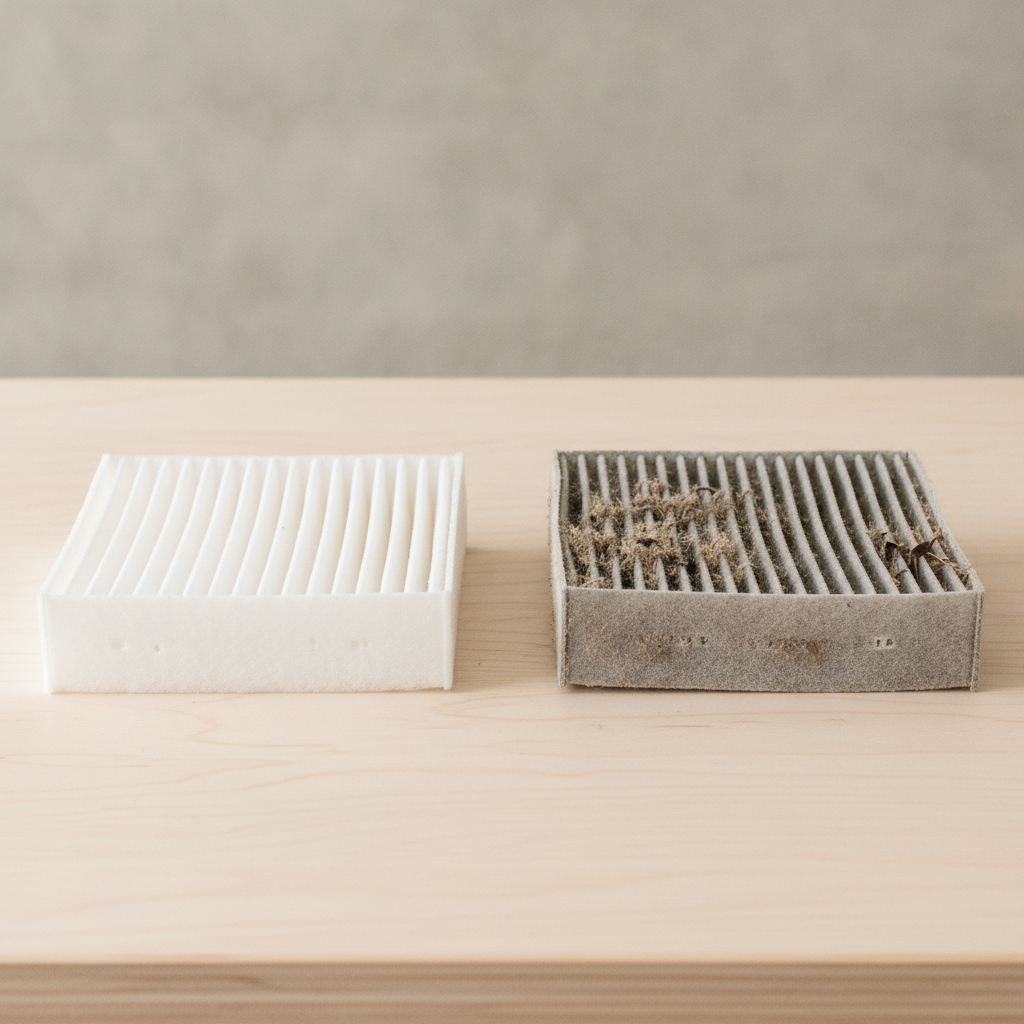
The honest test is a visual one. Pull it out and look at it. A cabin filter is one of the few parts on a vehicle where the answer is obvious to anybody, expert or not. If it is grey, matted and full of chaff, it is done, whatever the odometer says.
Where It Is and What Replacing It Involves
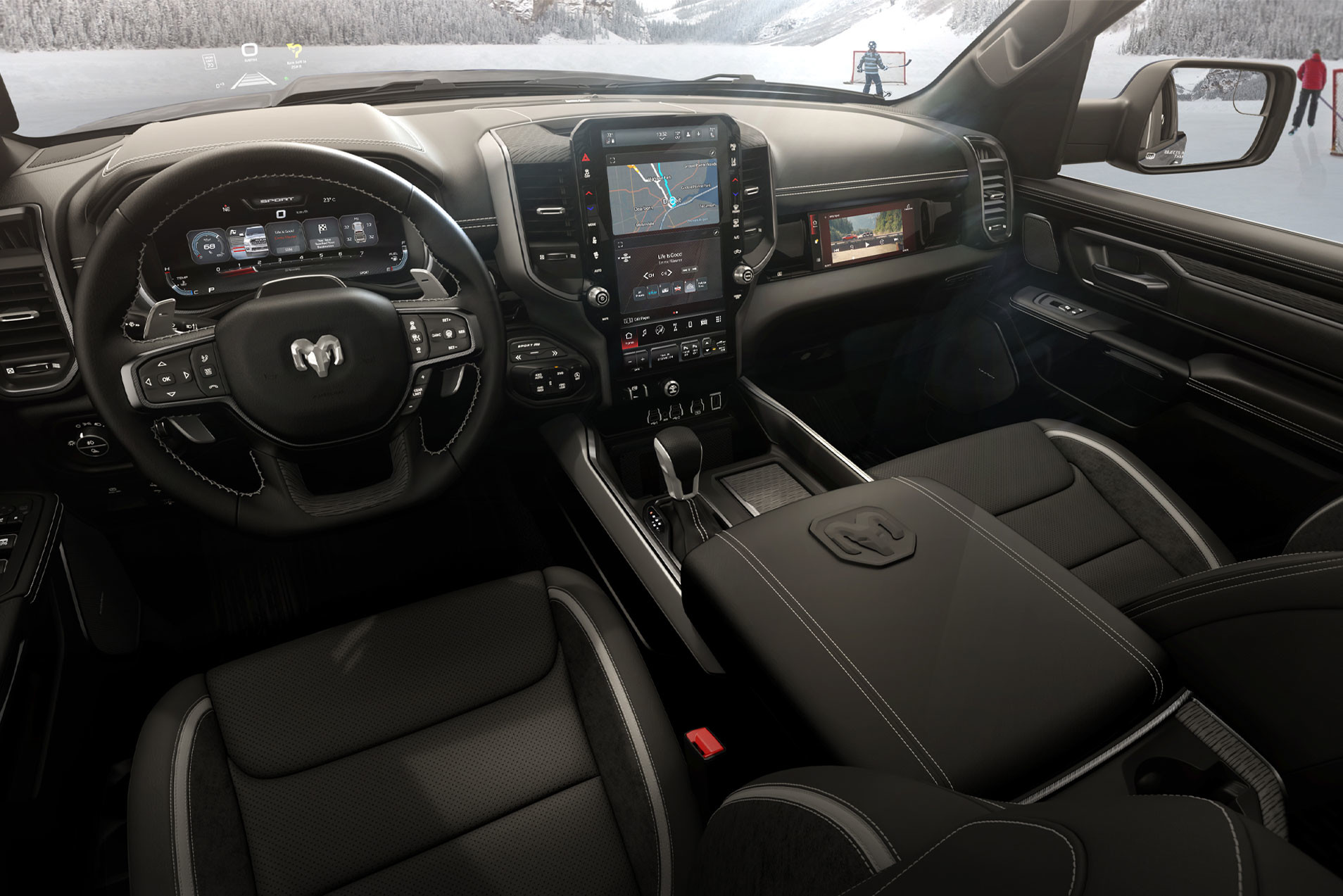
On the Ram and Jeep products we see most, the cabin air filter sits in the fresh air inlet behind the glove compartment. Ram's owner's manual describes exactly that location and a straightforward procedure: empty the glove box, release the tether and travel stops so the box swings down, press the tabs on the filter cover, slide the old filter out and the new one in.
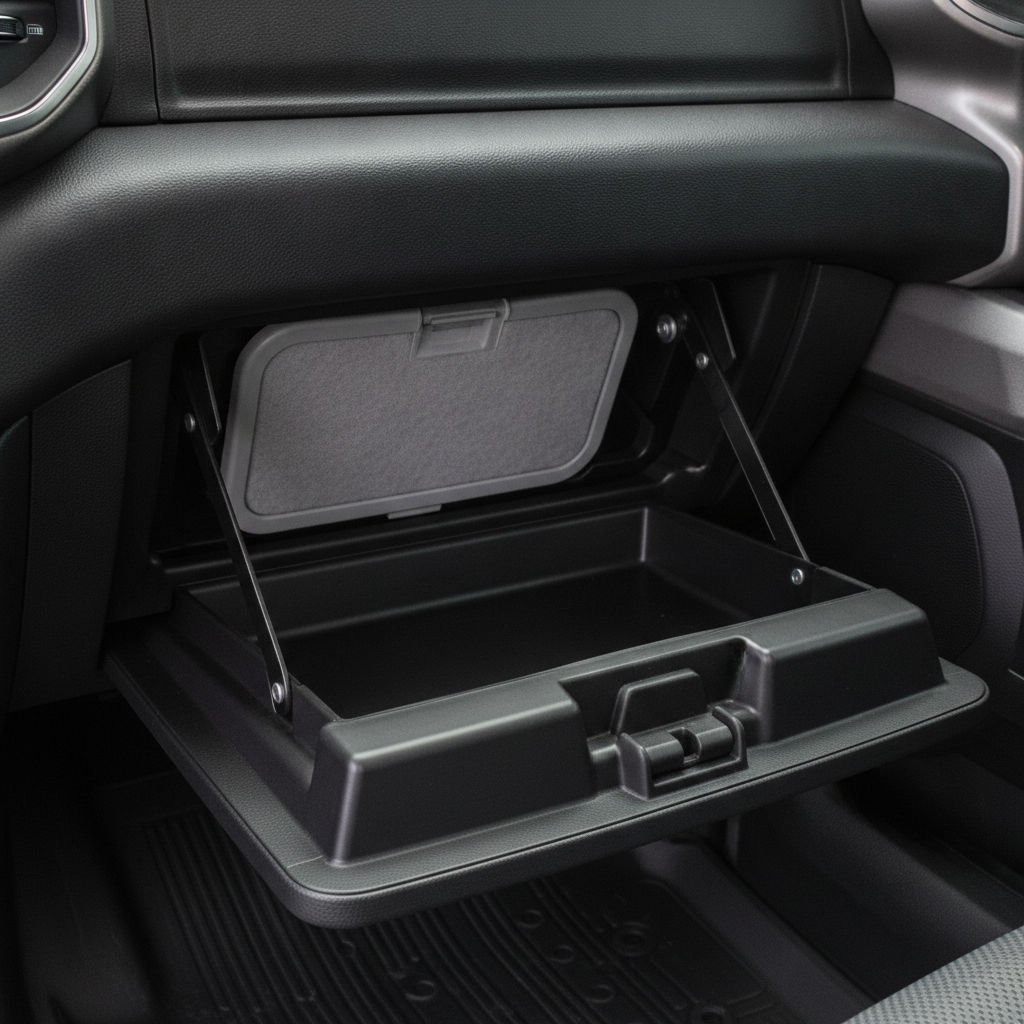
Two details from the manual are worth repeating because they cause real problems.
The filter is marked with an arrow showing airflow direction, and it has to go in the right way. Mopar's caution is plain about the consequence: installing it incorrectly means replacing it more often. It is a thirty second detail that decides whether you get the full interval.
Do not pull the filter with the vehicle running or the ignition in ACC or ON. The manual warns that with the filter out and the blower running, the blower can contact your hands and can propel dirt and debris into your eyes. Shut it off first.
Location and procedure do vary across the lineup and across model years, so confirm against your own owner's manual before you start. If you would rather not have your glove box contents on the passenger seat, it is a quick job for us and a sensible thing to bundle with an oil change. You can schedule service in about two minutes, and our service department guide covers what else gets looked at while the vehicle is in.
On the part itself, our parts department will match the correct filter to your VIN. Fit matters more than people expect on this part, because a filter that does not seal properly in its housing lets unfiltered air past the edges, which quietly defeats the whole point. Our post on OEM versus aftermarket parts covers where that trade off is worth making and where it is not.
If you are getting the vehicle ready for the season, this belongs on the same list as the rest of it. Our fall gravel road truck prep guide is the wider version of this conversation, and harvest traffic and highway safety covers the other half of sharing the road in September.
FAQs
How often should a cabin air filter be replaced?
Mopar's general guidance is roughly every 15,000 to 20,000 miles, about 24,000 to 32,000 km, under normal driving conditions. For dusty, rural, off road or construction zone driving, that drops to around 6,000 to 10,000 miles, roughly 9,700 to 16,000 km. Your owner's manual carries the specific interval for your model and year.
Does gravel road driving really change the interval that much?
Yes, and Mopar names dusty and rural driving specifically. The filter does not wear out, it fills up, so the interval is set by how much airborne material passes through it rather than by distance. A gravel road produces a continuous cloud of fine dust, which is exactly what the filter is designed to catch and exactly what fills it.
Where is the cabin air filter located?
On the Ram and Jeep products we see most, it sits in the fresh air inlet behind the glove compartment. Ram's owner's manual describes releasing the glove box tether and travel stops so the box swings down, then removing a cover to slide the filter out. Confirm the location in your own manual, because it varies by model and year.
What are the symptoms of a clogged cabin air filter?
Weak airflow even with the fan on high, a windshield that clears slowly on defrost, a musty smell when the heat or air conditioning first comes on, air conditioning that feels weaker than it should, and more dust inside the cabin than usual. All of these get blamed on the blower motor or the climate system, and the filter is cheaper to rule out first.
Can I replace a cabin air filter myself?
For most owners, yes. It is behind the glove box, no tools are usually required, and it takes about twenty minutes. Two cautions from the manual: install the filter with the arrow pointing the correct way, because backwards means replacing it sooner, and do not remove it with the vehicle running or the ignition on, because the blower can catch your hands and throw debris toward your eyes.
Is the cabin air filter the same as the engine air filter?
No. The engine air filter cleans the air going into the engine. The cabin air filter cleans the air coming into the passenger compartment through the heating and air conditioning system. They are different parts in different places with different intervals. Both fill faster on gravel, which is why they usually get checked at the same visit.
How much does a cabin air filter cost?
That depends on the model, and we would rather quote you the real number than print one that goes stale. Call or stop by our parts department with your VIN and we will tell you the price on your exact filter, and what it costs bundled with an oil change.
The Bottom Line
The cabin air filter is the cheapest thing on your maintenance list and the one most likely to have been ignored for years. Mopar puts it at roughly 15,000 to 20,000 miles under normal conditions, and around 6,000 to 10,000 for dusty, rural or off road driving. Out here, the second number is the honest one for most vehicles.
You do not have to track it on a calendar. Look at it every oil change, and replace it when it looks full rather than when a schedule says so. It is one of the few maintenance decisions where anyone can read the evidence without a technician's help.
If the fan has been loud and the vents quiet, start here before you start worrying about a blower motor. Our parts department will match the right filter to your VIN, or book it in and we will handle it with your next oil change. And if you are shopping rather than servicing, our new Ram 1500 inventory and used inventory are both online and current.
Tyler Dunn, Dunn Ram Trucks, Portage la Prairie