
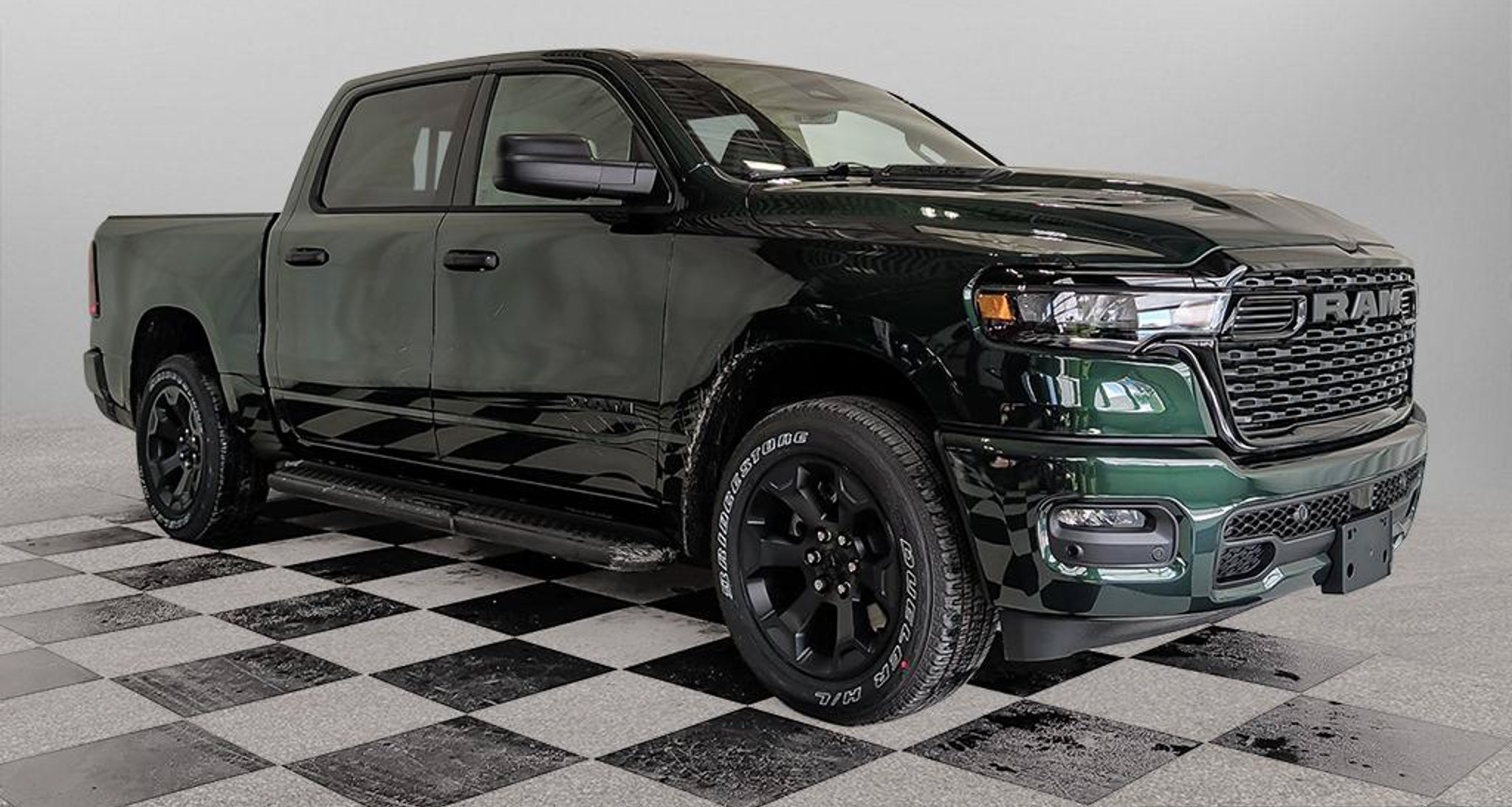
Steering wheel shaking means something that turns with the wheels is out of balance, out of round or loose, and the moment it shakes is the best clue to which part. A shake at one highway speed often points at wheel balance or snow packed inside a wheel, a shake only under braking points at the front brakes, and a shake after a pothole or a tire change points at a wheel, a tire or the front end. The steering wheel cannot tell you which one it is, so book a diagnosis with our service team and have the cause found on a balancer and a hoist.
The checks below work the same on a car or an SUV as on a pickup. They also cover both front ends a truck can have: an independent front suspension, where each front wheel rides on its own control arms, and a solid front axle, where one axle housing carries both front wheels. If the truck pulls or wanders instead of shaking, our post on loose or wandering steering is the better place to start.
Key Takeaways
- When it shakes is the clue. A shake at one highway speed, a shake only when braking, and a shake after a pothole or a tire change each point to a different part.
- Balance is the first check at highway speed. Transport Canada says that if wheels are out of balance, you may feel a pounding or shaking through the steering wheel or your seat.
- Snow and slush count. Slush packed inside a wheel after a winter drive can throw the balance off until it melts or is cleared.
- A shake only when braking points at the brakes, often an uneven front rotor surface rather than a tire.
- Damage first, alignment after. A bent wheel, a damaged tire or a loose front end part is dealt with first; a four wheel alignment follows when the repair touches steering geometry.
Why Is My Steering Wheel Shaking? Start With When It Happens
Several of these causes feel alike from the driver's seat, so only an inspection confirms which one you have. The table sorts them by when the shake shows up.

| When it shakes | Often the cause | Safety urgency |
|---|---|---|
| At one highway speed, smoother above and below it | Wheel balance, a lost wheel weight, or snow and slush packed in a wheel | Clear packed snow first; look at it soon |
| Only when braking | An uneven front rotor surface, sometimes with worn front end parts | Brakes are involved; book promptly |
| At low speed or all the time | A bent wheel, a tire with a bulge, loose wheel nuts or worn steering joints | Book promptly |
| After hitting a pothole | A bent wheel, a damaged tire or a knocked front end part | Book promptly |
| After a tire change | A wheel not balanced, or wheel nuts not at the manufacturer's specification | Book promptly and ask for the wheel nuts to be checked |
Shaking at a Certain Highway Speed
This is the shake people know best. Somewhere on the Trans-Canada Highway between Portage la Prairie and Winnipeg the wheel starts to buzz in your hands, and it fades if you speed up or slow down.
Transport Canada's tire guide, Riding On Air, puts it plainly: "Wheels should also be balanced. If they are out of balance, you may feel a pounding or shaking through the steering wheel or your seat." The same guide adds: "This pounding could shorten the life of suspension components, lead to uneven tire wear (bald spots) and increase fuel consumption."
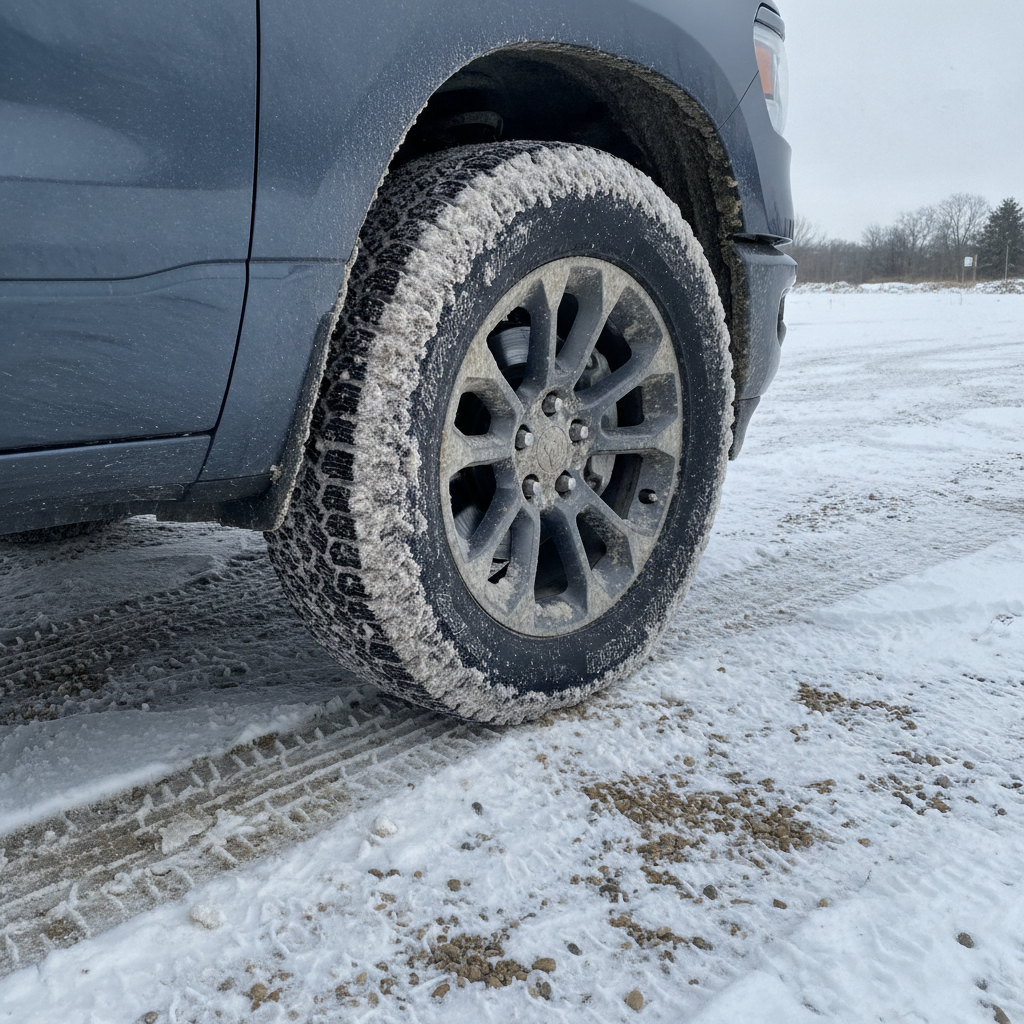
Balance can be lost without anything breaking. A wheel weight can come off on a rough road, and a tire can wear unevenly over time. In winter there is a Manitoba cause that needs no repair at all: snow and slush packed inside the wheel. Run a gravel grid road or a slushy highway, park outside on a cold night, and that slush can freeze to the inside of the rim in a lump. On the next drive the wheel is heavier on one side, and the steering wheel tells you about it at speed.

If the shake goes away after the truck has thawed in a heated garage or been through a car wash, packed snow was the likely cause. If it comes back with clean wheels, have the balance checked. A shake felt mostly in the steering wheel tends to come from the front wheels, while one felt through the seat can come from the rear. Our post on tire balancing vs alignment explains why a shake at one speed is a balance question before it is an alignment question.
Shaking Only When You Brake
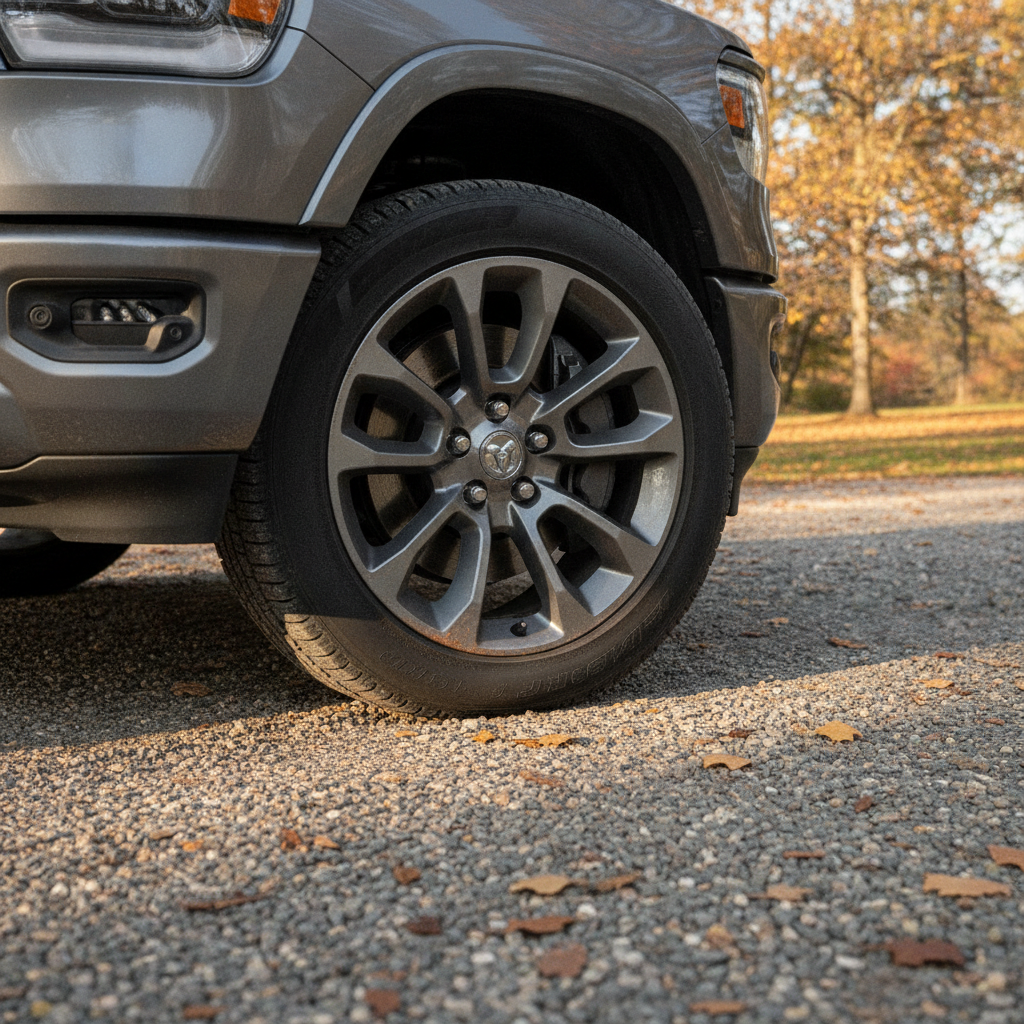
If the steering wheel is smooth at a steady speed and shakes only when you press the brake pedal, the brakes are the first place to look. Uneven pad deposits or uneven wear can leave a front rotor slightly thicker in some spots than others. The braking force then rises and falls with every turn of the wheel, and the steering wheel shakes in time with it. People call it a warped rotor, though the cause is often that difference in thickness rather than a bent disc.
Towing heavy, or a truck that sits parked for weeks and builds surface rust on its rotors, can feed the problem. Worn front end parts can also let a wheel shift under braking, which is why a brake shake is checked with the suspension in view as well. Our post on steering wheel shake when braking goes deeper into rotors and how they are measured.
Shaking at Low Speed or All the Time
A shake you can feel at parking lot speeds, or one that never goes away, is less likely to be balance, which tends to show up at speed. Often the cause is in the wheel or the tire itself: a wheel bent by a curb or a pothole, or a tire with internal damage that has started to bulge. Transport Canada is direct about the second one: "Tires with deep cuts, slits, cracks, blisters or bulges are potentially dangerous and should be replaced." Walk around the truck and look at each sidewall and tread face.
Loose wheel nuts can also make a wheel wobble, especially if the wheel was off recently. Transport Canada says that when wheels are mounted, the wheel nuts should be tightened to the manufacturer's specifications, which are in your owner's manual. A worn wheel bearing or worn steering joints can add looseness you feel through the wheel too. Any of these is a reason to book promptly rather than wait.
Shaking After You Hit a Pothole
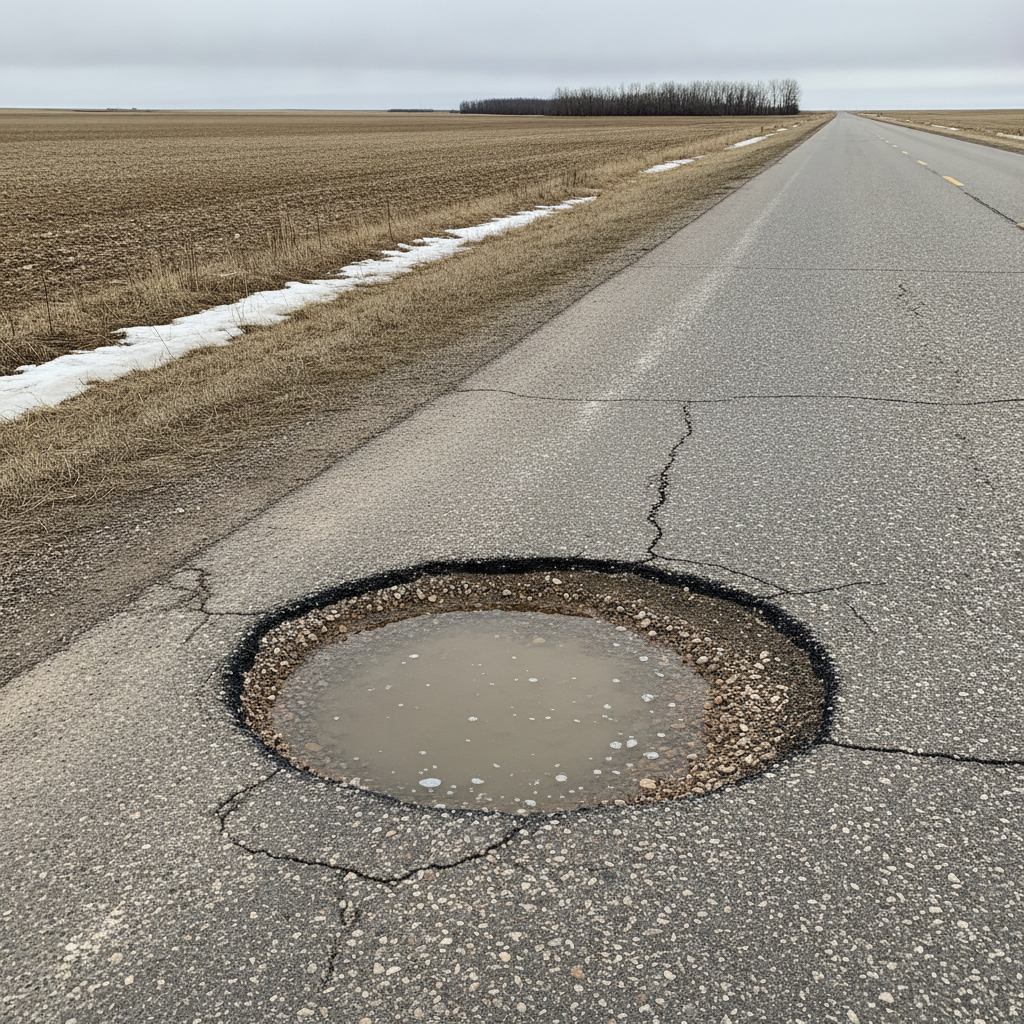
Pothole season arrives in Manitoba as the frost comes out of the ground in spring, and one hard hit at highway speed can do several things at once. It can bend a wheel, damage a tire, or knock a front end part out of place.
On an independent front suspension, each front wheel hangs on its own control arms, ball joints and tie rod end. A hard hit can bend a tie rod or wear a joint, and the wheel can then shake or shimmy.
On a solid front axle truck, both front wheels share one axle housing, held in place side to side by a track bar, with a steering damper where one is fitted. A worn or loose track bar, worn tie rod ends or a tired steering damper can let the front end start shaking after a bump, and that shake can keep going until you slow down.
A pothole can also knock the wheel alignment out. Transport Canada suggests having the alignment checked once a year or if you notice uneven or rapid wear on the inside or outside edges of the tire. Misalignment on its own tends to show up as a pull or edge wear rather than a shake, so when the wheel shakes after a pothole, have the wheel, the tire and the front end checked before the alignment. Our post on steering wander and loose steering covers the front end linkage in more depth, including the track bar on a solid front axle truck.
Shaking Right After a Tire Change
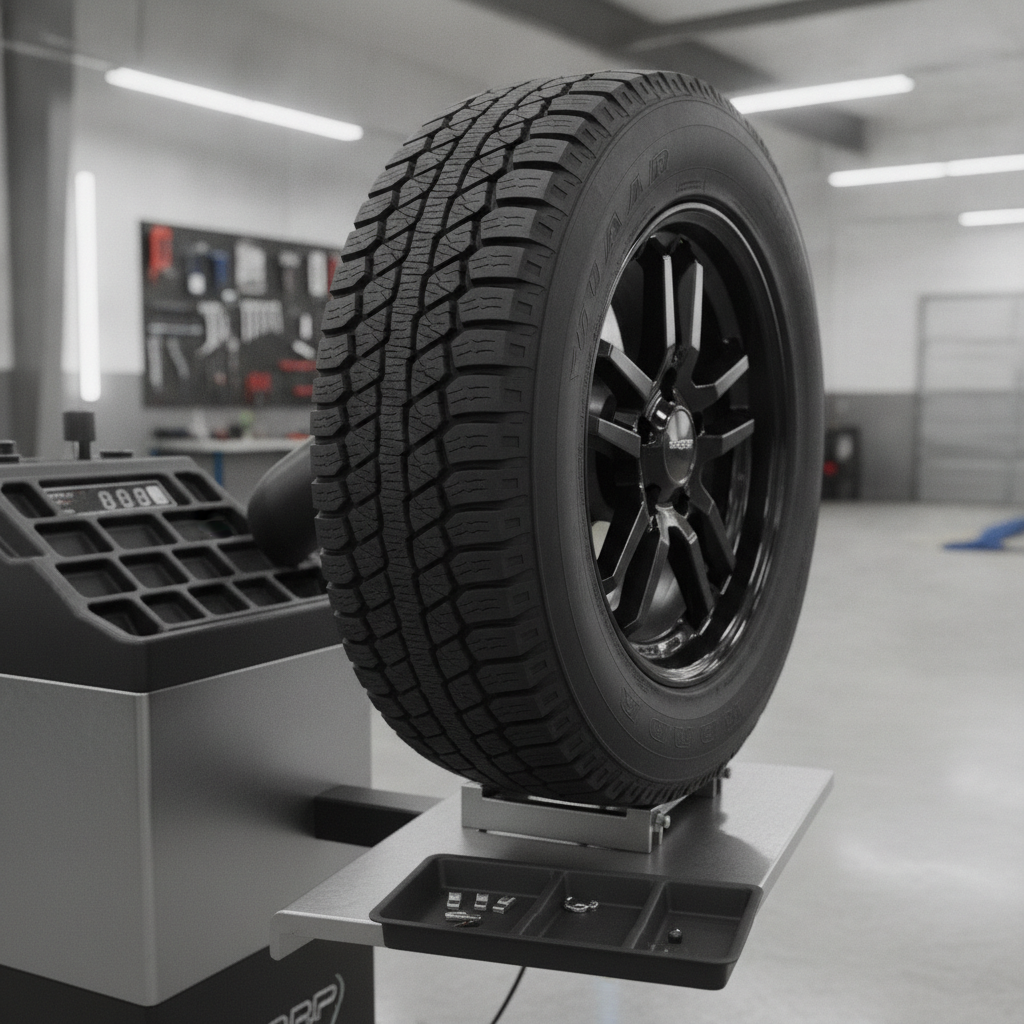
Fall is changeover season across Manitoba, and a shake that shows up on the drive home from a tire swap points at the work just done. Two things are worth checking. One is whether each wheel and tire was balanced; the other is whether the wheel nuts were tightened to the manufacturer's specification. A winter set coming out of storage on its own wheels can still need its balance checked if it shakes, because a wheel weight can come off between seasons.
When you book, ask our service team to check the balance and the wheel nuts. Our service department supplies and installs new tires and does seasonal tire changeovers, and you can book a tire check online.
If you are buying winter tires this season, we are a participating retailer in the MPI Winter Tire Program. As of October 1, 2026 the program covers tires marketed solely as winter tires; all weather and all season tires no longer qualify, even with the mountain snowflake mark. Manitoba Public Insurance sets who is eligible.
What the Usual Fix Involves
Once the cause is confirmed, the fix matches it: balancing the wheels, clearing packed snow, replacing a bent wheel or a damaged tire, resurfacing or replacing the brake rotors along with new pads, or replacing a worn tie rod end, ball joint, track bar or steering damper. When the repair touches steering geometry, a four wheel alignment follows.
Getting a Shaking Steering Wheel Checked
At Dunn Ram Trucks in Portage la Prairie, our service department does diagnosis, front end, steering and suspension repair, four wheel alignment, and brake work on pads and rotors. When you book, tell our service team when the wheel shakes: the speed, whether your foot is on the brake, and whether it started after a pothole, a tire change or a winter drive.
If the inspection turns up enough wear that you start weighing repair against replacement, you can see what your current truck is worth and apply for financing online. Any approval, rate or term is on approved credit.
FAQs
Why is my steering wheel shaking?
Something that turns with the wheels is out of balance, out of round or loose. A shake at one highway speed often points at wheel balance or snow and slush packed inside a wheel, a shake only when braking points at the front brake rotors, and a shake after a pothole or a tire change points at a bent wheel, a damaged tire, the wheel nuts or a front end part.
Can I keep driving with a shaking steering wheel?
Book a diagnosis before you decide, because the shake alone does not tell you which part is causing it. Transport Canada says an out of balance wheel can cause a pounding that could shorten the life of suspension components and lead to uneven tire wear, and that tires with deep cuts, slits, cracks, blisters or bulges are potentially dangerous and should be replaced. If the shake comes with a bulge on a tire or a change in how the steering feels, or it started right after a wheel was off, book it promptly.
Why does my steering wheel shake at highway speed?
Often because a wheel is out of balance. Transport Canada says that if wheels are out of balance, you may feel a pounding or shaking through the steering wheel or your seat. In a Manitoba winter, snow and slush frozen inside a wheel can do the same thing until it is cleared or melts.
Why does my steering wheel shake when I brake?
Often because a front brake rotor has an uneven braking surface, so the braking force rises and falls with each turn of the wheel. Worn front end parts can add to it, so have the brakes and the front end checked together.
Why is my steering wheel shaking after new tires?
Often because a wheel needs balancing or the wheel nuts need checking. Transport Canada says wheel nuts should be tightened to the manufacturer's specifications when the wheels are mounted. Ask for both to be checked as soon as you notice the shake.
Can Dunn Ram Trucks find what is shaking my steering wheel?
Yes. Our service department does diagnosis, front end, steering and suspension repair, four wheel alignment and brake work on pads and rotors, and supplies and installs new tires. Book online with our service team and say when the wheel shakes.
The Bottom Line
Steering wheel shaking is a clue, and the clue is when it happens. A shake at one highway speed points at balance or packed snow, a shake under braking points at the front brakes, and a shake after a pothole or a tire change points at the wheel, the tire or the front end. Deal with the cause first, then align.

If the wheel has started shaking, book a steering and tire inspection with our service team before the next run down the highway, and tell them exactly when it happens.
Tyler Dunn, Dunn Ram Trucks, Portage la Prairie

























