You are running out to Winnipeg on Highway 1, you settle in around 100, and the steering wheel starts buzzing in your hands. It smooths out if you slow down. It comes back the second you get up to speed again. So you phone a shop and ask for an alignment, because that is the word everybody knows.
Nine times out of ten, that is the wrong booking. A shake that shows up at a specific speed is a balance problem, not an alignment problem, and the two are completely different jobs on completely different equipment. Booking the wrong one costs you an afternoon and fixes nothing. If you already know what you are dealing with, you can book service with us here and we will sort it in one visit. If you are not sure, this is the two minute version that tells you which one you actually need.
Key Takeaways
- Balance is about weight. Alignment is about angles. Balancing corrects tiny weight differences around the wheel and tire assembly so it spins smoothly. Alignment sets the camber, caster and toe angles back to the manufacturer's spec so the truck tracks straight and the tires wear evenly.
- A vibration that appears at highway speed and disappears when you slow down is a balance symptom, felt in the steering wheel if it is a front wheel and through the seat or floor if it is a rear one.
- A pull to one side, a steering wheel that sits off centre when you are going straight, or wear on the inside or outside edge of a tire is an alignment symptom. Alignment does not usually cause a speed sensitive shake.
- Your tire wear is the tiebreaker. Cupped or scalloped patches point at balance and worn suspension. Wear concentrated on one edge points at alignment.
- Manitoba gives you both problems. Gravel washboard and spring frost heave knock alignment angles around, and a lost wheel weight or a slug of packed ice and mud in the wheel throws off balance overnight.
The Two Jobs Are Not the Same Job
This is where most of the confusion starts, so it is worth being plain about it.

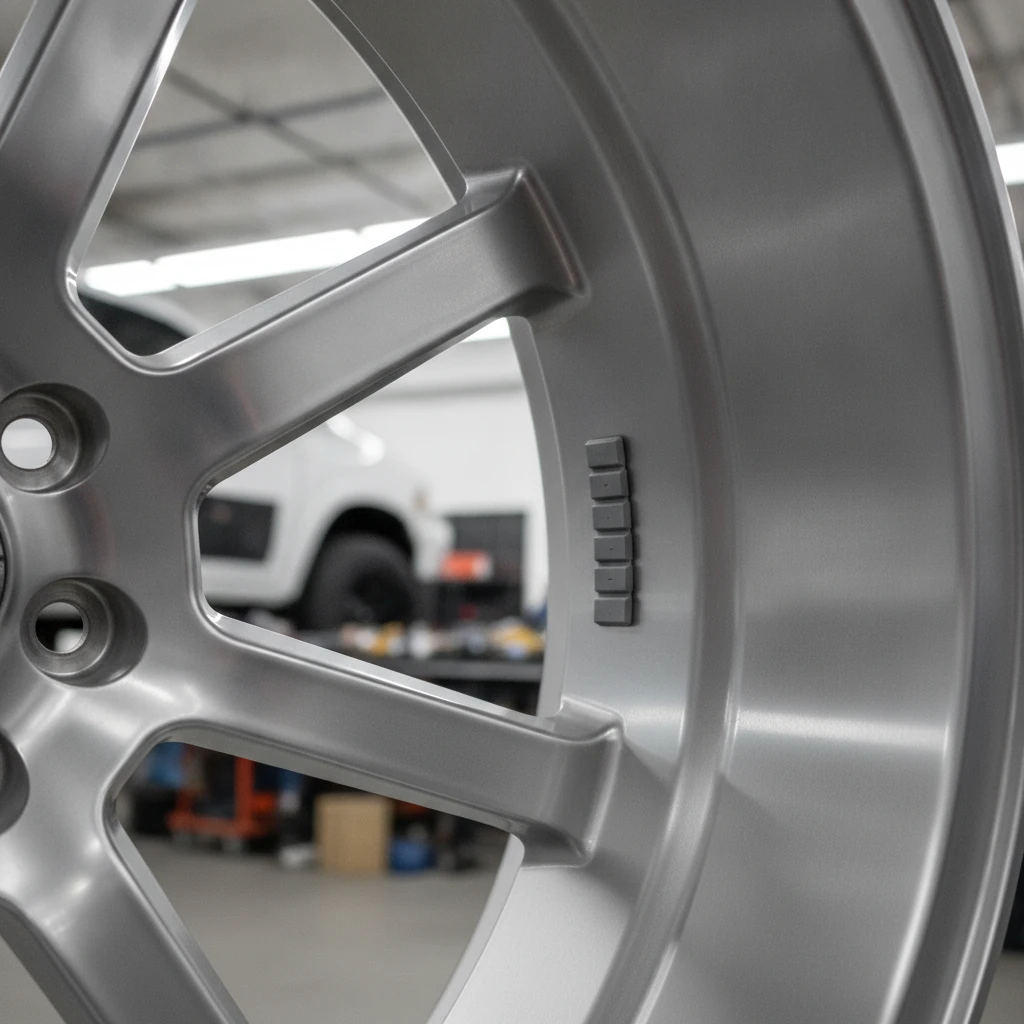
Balancing happens on a machine that spins the wheel and tire together and measures where the assembly is heavy. Every tire and every wheel has small natural variations in weight distribution, and once you are spinning that mass at 1,600 or so revolutions a minute, a few grams in the wrong place turns into a real vibration. The fix is small weights clipped or stuck to the rim in the exact spots the machine calls out. Nothing on your truck gets adjusted. The tire never comes off the wheel.
Alignment happens with the truck on a rack and sensors on all four wheels, and it adjusts the angles the suspension holds those wheels at. Michelin describes the three that matter: camber, the vertical angle of the wheel viewed from the front, caster, the steering pivot angle viewed from the side, and toe, the difference in distance between the fronts and the backs of the tires. The fix is turning adjusters on the steering and suspension components. Nothing about the wheel's weight changes.
So a truck can be perfectly aligned and still shake, and a truck can be perfectly balanced and still chew the inside edge off a set of tires. They do not substitute for each other, and one does not diagnose the other.

What a Balance Problem Feels Like
The signature of an out of balance wheel is that it is speed sensitive. It shows up in a band, usually somewhere between about 80 and 110 kilometres an hour, and it either fades or changes character above and below that band. Get down to town speed and it vanishes.
Where you feel it tells you roughly which end of the truck it is on:
In the steering wheel. A buzz or a shimmy you feel through your hands almost always means a front wheel. On a truck the size of a Ram 1500 it can be subtle at first, more of a hum in the rim than a shake.
In the seat or the floor. A rear wheel out of balance sends the vibration up through the frame and the cab floor instead of the steering column. Owners often describe it as the whole truck feeling busy rather than the wheel feeling busy.
It appeared suddenly. Balance problems tend to arrive overnight. You hit something, or a weight fell off, or you had tires mounted last week and one did not get balanced properly. Alignment problems usually creep in over months.
There is one Manitoba specific version of this worth knowing. In February, ice and packed snow build up on the inside of the wheel, and a couple of pounds of it sitting on one side of the rim is exactly the same thing as a giant wheel weight in the wrong place. Owners come in convinced they have a serious problem, and it clears itself in the shop bay once the truck warms up and the ice lets go. If your shake shows up on the coldest mornings and settles after twenty minutes of driving, that is very likely all it is.
What an Alignment Problem Feels Like
Alignment has its own set of tells, and a shake is not one of them.
The truck pulls. Ease your grip on a flat straight stretch and the truck drifts to one side on its own. Watch out for the crown of the road here, because most roads shed water to the right and a slight rightward drift can be normal. A pull you have to actively fight is not.
The steering wheel is off centre. You are going dead straight and the wheel is sitting a few degrees off. That one is a very reliable indicator, and it is the one owners notice most often.
The steering went vague after an impact. You clipped a curb, dropped a wheel into a washout on a field approach, or found a pothole hard, and the truck has not felt right since.
One edge of a tire is going away. This is the one that costs real money, and it is covered in the next section.
We wrote the full local version of this in our wheel alignment guide for Manitoba trucks, which walks through what our rack actually adjusts and when to bother getting it checked. If the symptoms above are yours, start there.
Read the Tire Wear, It Settles the Argument
If you are standing in your driveway and you want one piece of evidence that decides it, get down and look at the tread. This is the most honest diagnostic you have and it costs nothing.
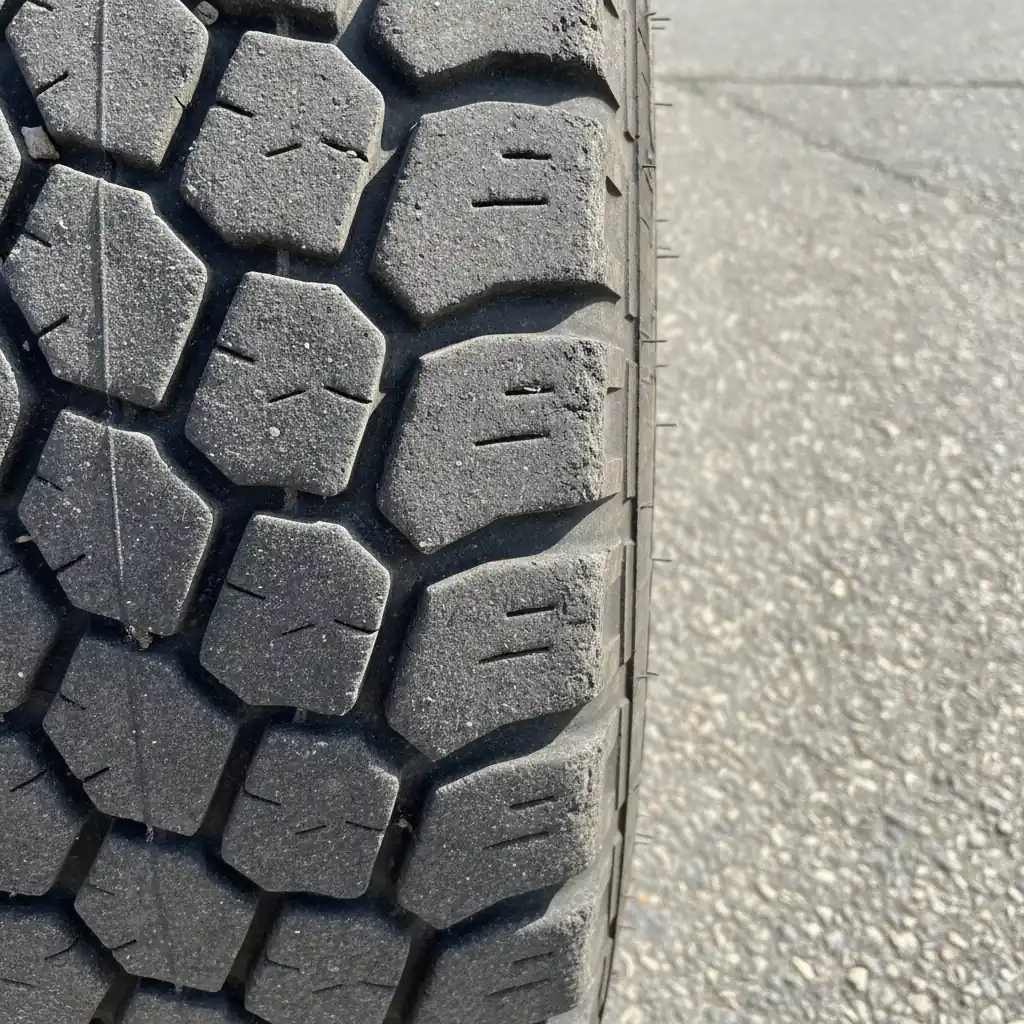
Wear on the inside edge or the outside edge only. The centre of the tread still looks fine and one shoulder is noticeably lower. That is alignment, specifically a camber or toe problem, and no amount of balancing will touch it.
Feathered tread blocks. Run your hand across the tread sideways. If it feels smooth one way and sharp the other, the blocks are wearing at an angle. That is a toe problem, which is alignment.
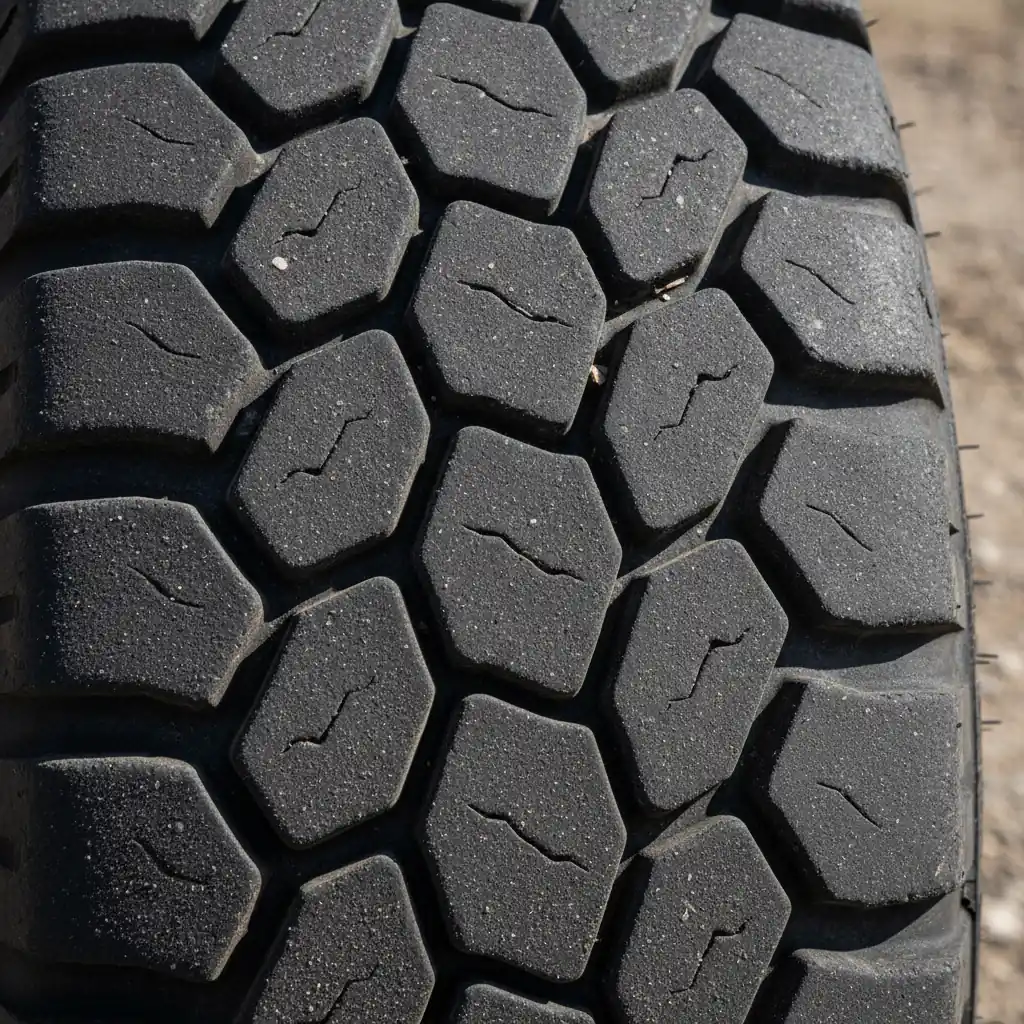
Cupped or scalloped patches around the tire. Dips of low tread spaced evenly around the circumference. That pattern comes from the tire bouncing rather than rolling, and it points at balance, worn shocks, or both. Michelin lists irregular and cupped tread wear among the imbalance symptoms for exactly this reason.
Even wear all around, and it still shakes. Then the tire and the alignment are both probably fine and you are looking at balance, a bent wheel, or a failing bearing. A growl that changes when you sway the truck side to side is a different animal again, and our post on wheel bearing noise on a truck covers how to tell that one apart.
If the tires are far enough gone that this is academic, our guide on when to replace truck tires has the tread depth numbers and the honest call on whether to nurse a set through one more winter. We stock the sizes that fit the trucks we sell through our parts department.
Why Manitoba Hands You Both Problems
Out here the two problems arrive from different directions, which is why trucks in this province often genuinely need both services in the same year.

Alignment gets knocked around by the roads. Gravel washboard on a grid road works the front end constantly. Spring frost heave turns familiar pavement into a series of edges. Field approaches and curb strikes do the rest. None of that is abuse, it is just what driving here looks like.
Balance gets knocked around by everything that attaches to or falls off the wheel. Wheel weights come off. Winter changeovers put four different wheels on the truck twice a year, and every one of those swaps is a chance for a balance to be missed. Road salt corrodes the mating surface between the wheel and the hub. And the ice buildup problem is real from December through March.
That is also why a seasonal changeover is the natural time to get both looked at. If you are getting winter tires mounted anyway, the wheels are already off, which is the cheapest moment in the year to check anything wheel related. Our winter tire storage guide for Winnipeg and area owners covers how we handle the off season set.
How We Actually Sort It
We do not guess at this. When a truck comes in for a vibration, the first thing we establish is the speed it happens at and where you feel it, because that narrows it down before anything comes off the truck. Then the wheels go on the balancer, and a rack check confirms or clears the alignment angles.
The reason we do it in that order is money. A balance is the cheaper and faster of the two, and it resolves the large majority of highway speed vibrations. Running an alignment first on a truck with a balance problem means you pay for the alignment and still have the shake. We would rather find it on the first visit.
Two honest notes on that. First, if the tires are already cupped from months of running out of balance, balancing them now stops the damage getting worse but it does not undo the wear that is already in the rubber, and the vibration may not fully clear. Second, if the truck has real mileage on it, a persistent shake can be a shock or a bearing rather than a wheel, and we would rather tell you that than sell you a balance that does not fix it. Our full service centre team works on the trucks we sell every day, and there is more on how we run the shop in our service department guide.
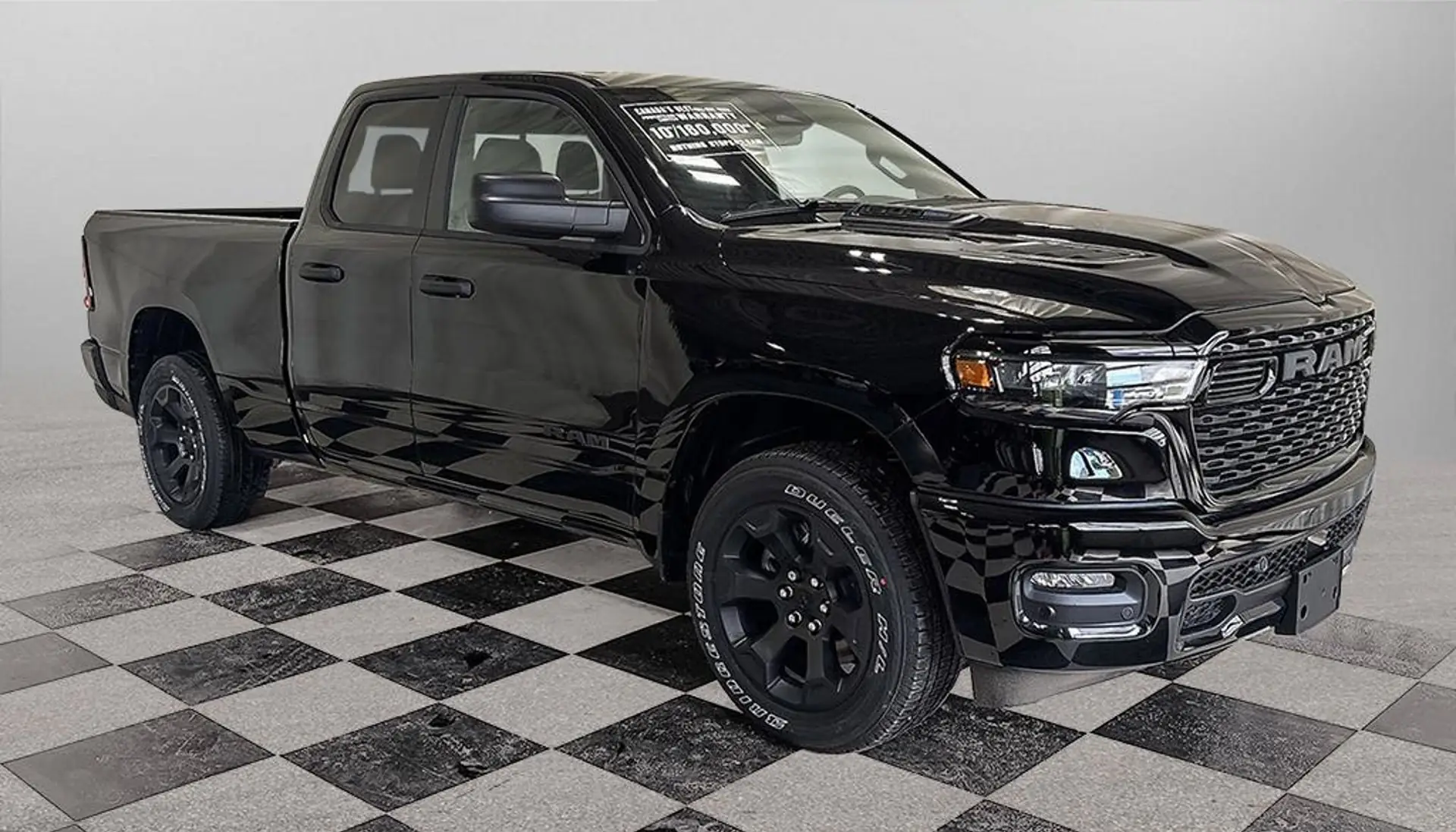
If you are shopping and would rather start clean, our new Ram 1500 inventory is on the site with current stock.
FAQs
Does a wheel alignment fix a vibration?
Usually no. Alignment sets the angles the wheels sit at, which controls how the truck tracks and how the tires wear. A vibration that comes and goes with road speed is a weight distribution problem, which is what balancing corrects. If you are only dealing with a shake, ask for a balance first.
How do I know if it is the front or the rear?
By where you feel it. A vibration you feel in the steering wheel usually means a front wheel. One you feel through the seat or the cab floor usually means a rear wheel. That is not perfect, but it is right often enough to be worth telling your service advisor.
Do I need an alignment every time I get new tires?
Not automatically, but it is the smartest time to check. Michelin suggests an annual alignment check as a reasonable baseline for most drivers, plus a check after any real impact and at seasonal tire changes. New tires are expensive, and an alignment problem you did not know about will eat a shoulder off them in a season.
My truck only shakes when it is really cold, then it stops. Is that serious?
Very likely ice and packed snow built up inside the wheel, which throws the assembly out of balance until it thaws. If it clears after a warm up drive and does not come back once the truck is warm, that is almost certainly what it was. If it persists once the truck is warm, book it in.
Can I check the balance myself?
Not really, it needs a machine that spins the assembly and measures where it is heavy. What you can do yourself, and what genuinely helps, is note the speed the shake shows up at, whether you feel it in the wheel or the seat, and whether it started suddenly. Bring those three answers with you and the diagnosis goes a lot faster.
How often should tires be rotated to prevent this?
Rotation keeps wear even, which is related but separate. The interval is in your maintenance schedule and it varies by truck, so check yours rather than working off a rule of thumb. We laid out the local version in our post on how often to rotate tires in Manitoba.
The Short Version
If it shakes at speed, ask for a balance. If it pulls, sits off centre, or is eating one edge of a tire, ask for an alignment. If it is doing both, say so, because that is a real combination out here and we will check both while the truck is up.
Bring the truck in and we will tell you which one it is before we do either. Book a service appointment here or call the shop and describe the symptom, and we will get you on the right list the first time.