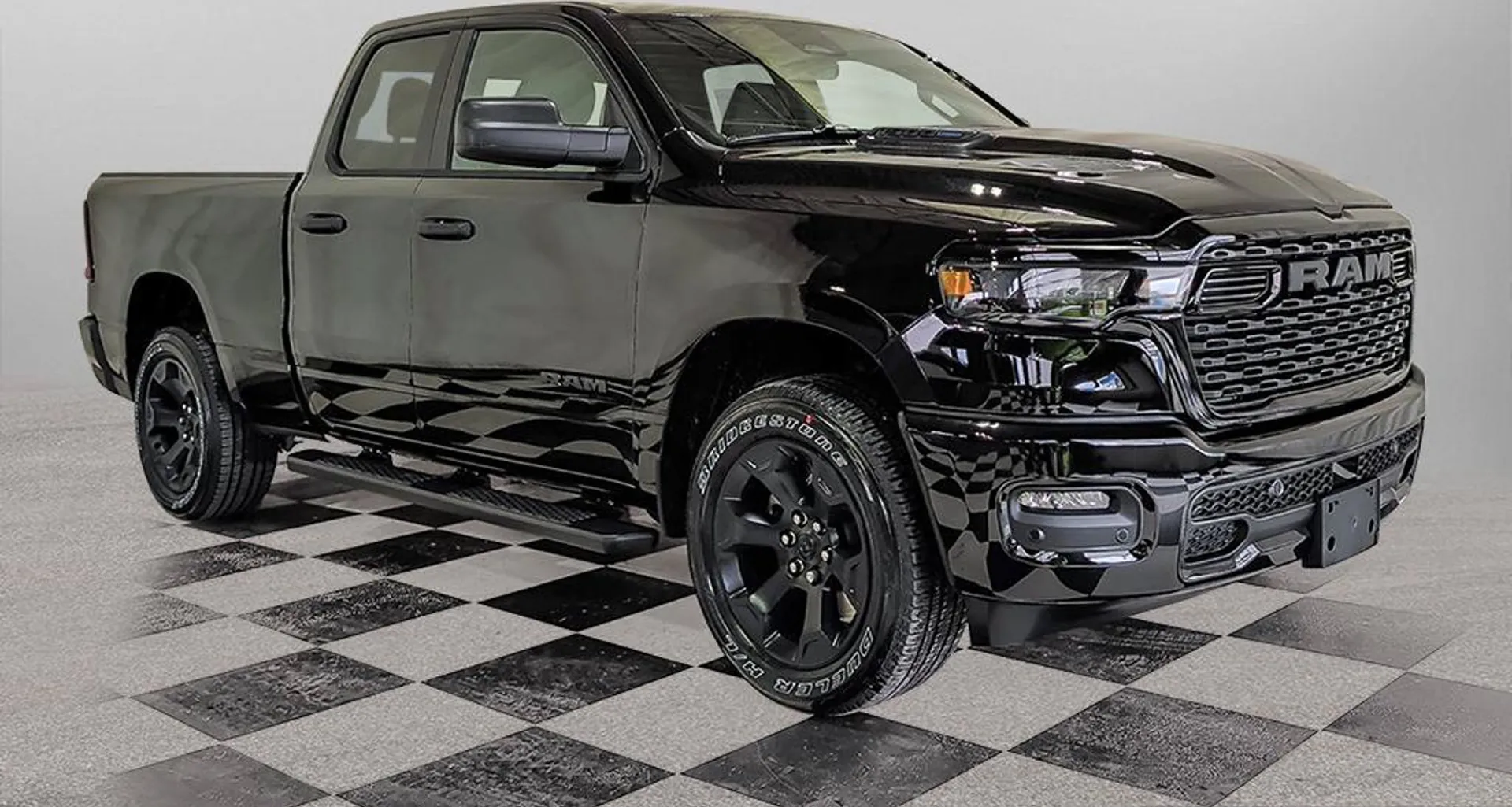
You know the sound. You turn the key on a cold morning, the truck lets out a squeal that the whole yard can hear, and about ten seconds later it goes quiet and stays quiet all day. Because it stops, almost nobody does anything about it. It becomes a thing the truck does, the way a house creaks. Then October arrives, the mornings get properly cold, ten seconds becomes forty, and it turns into a real question at the worst time of year. Late summer is the right moment to deal with it, while the shop is not full of no starts, and you can book it in with us before the weather makes the appointment for you.
Here is the honest read from the counter in Portage la Prairie. What that noise actually means, a simple test that separates the two things it can be, why a belt with no cracks in it can still be worn out, and where a real cold morning fits into all of it.
Key Takeaways
- Belt noise is essentially two problems. Either the belt has lost tension and is slipping, or something in the drive is misaligned. Almost everything else is a symptom of one of those.
- A squeal and a chirp mean different things. A squeal is usually slip and tension. A chirp is usually misalignment. They are worth telling apart because the fix is different.
- The water test settles it fast. Spray a little clean water on the ribbed side of a running belt. If the noise gets louder, it is a tension problem. If it stops for a few seconds and comes back, it is alignment.
- No cracks does not mean no wear. Modern belts wear by losing rib material rather than cracking, and as little as five percent loss can cause trouble. That is why shops use a small wear gauge instead of eyeballing it.
- The tensioner is the part people forget. Its spring is what holds the belt tight, and a tired spring shows itself first on a cold start, when the rubber is stiffest and the load is highest.
Why It Only Does It When It Is Cold
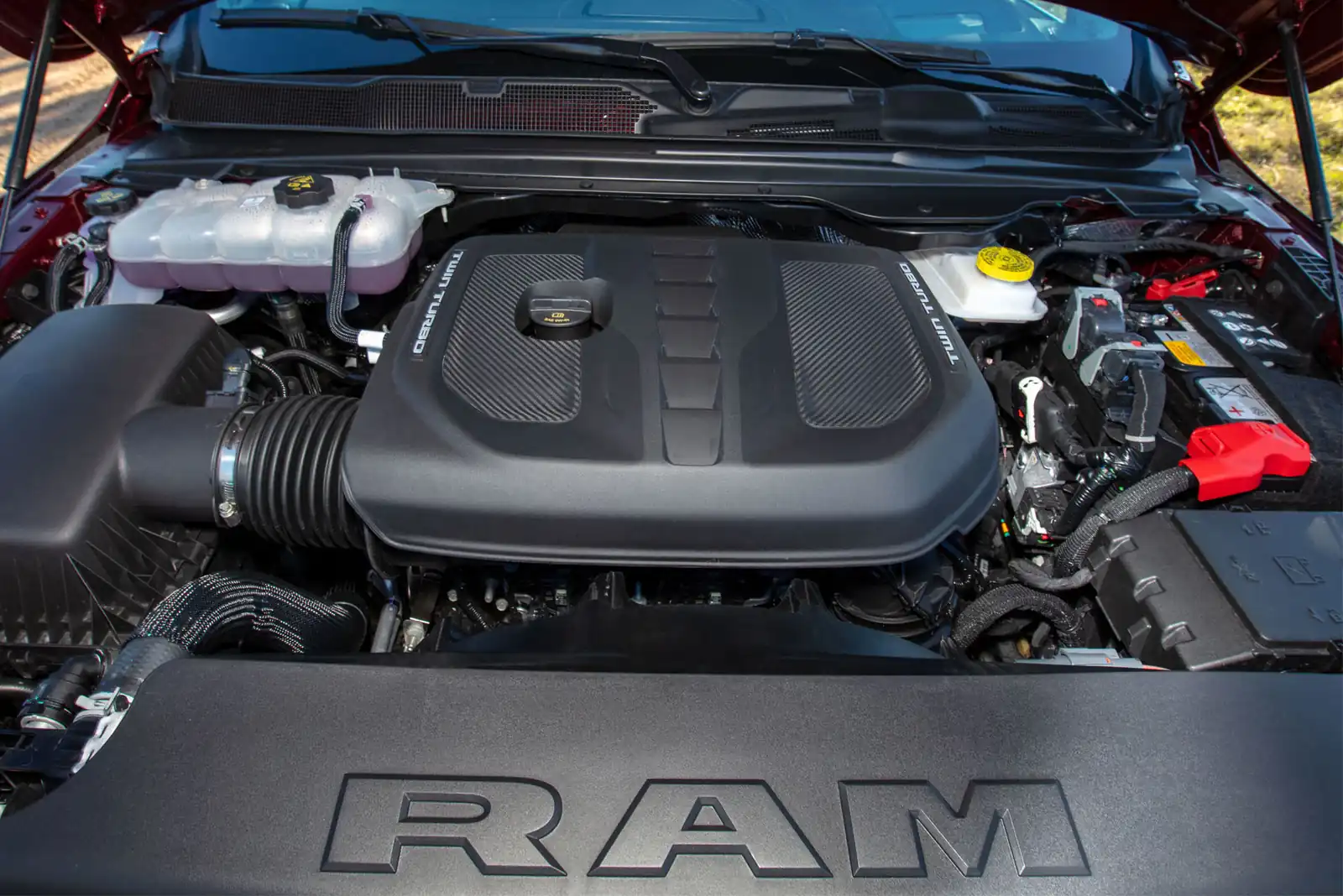
There is a real reason the noise picks the coldest moment of the day, and it is not that your truck is dramatic.

Belt rubber gets stiffer as it gets colder. A stiff belt does not wrap itself around the pulleys as willingly, so its effective grip drops right when the demand on it is highest. At the same moment, every accessory the belt drives is at its most difficult. The oil in the power steering is thick, the alternator is being asked to replace a big chunk of charge after a hard cold crank, and the compressor may be along for the ride as well.
That last one surprises people. On most vehicles, selecting defrost engages the air conditioning compressor, because the system dries the air to clear the glass. So on a January morning when you switch straight to defrost, you have handed the belt an extra load at the exact moment it has the least grip. That is why the noise shows up in the cold, and it is also why it goes away in a few seconds. Once the belt warms and flexes, and the initial charging load falls off, the grip comes back and the squeal stops.
The important part is what that tells you. A truck with a healthy belt and a healthy tensioner has enough margin to swallow a cold morning without complaining. If yours squeals, the margin is gone. The cold did not cause the problem. It revealed it. If you are working through the rest of the cold weather list, our guide to getting a truck ready for a Manitoba winter covers the other items worth doing in the same visit.

Squeal Versus Chirp, and the Test That Tells You
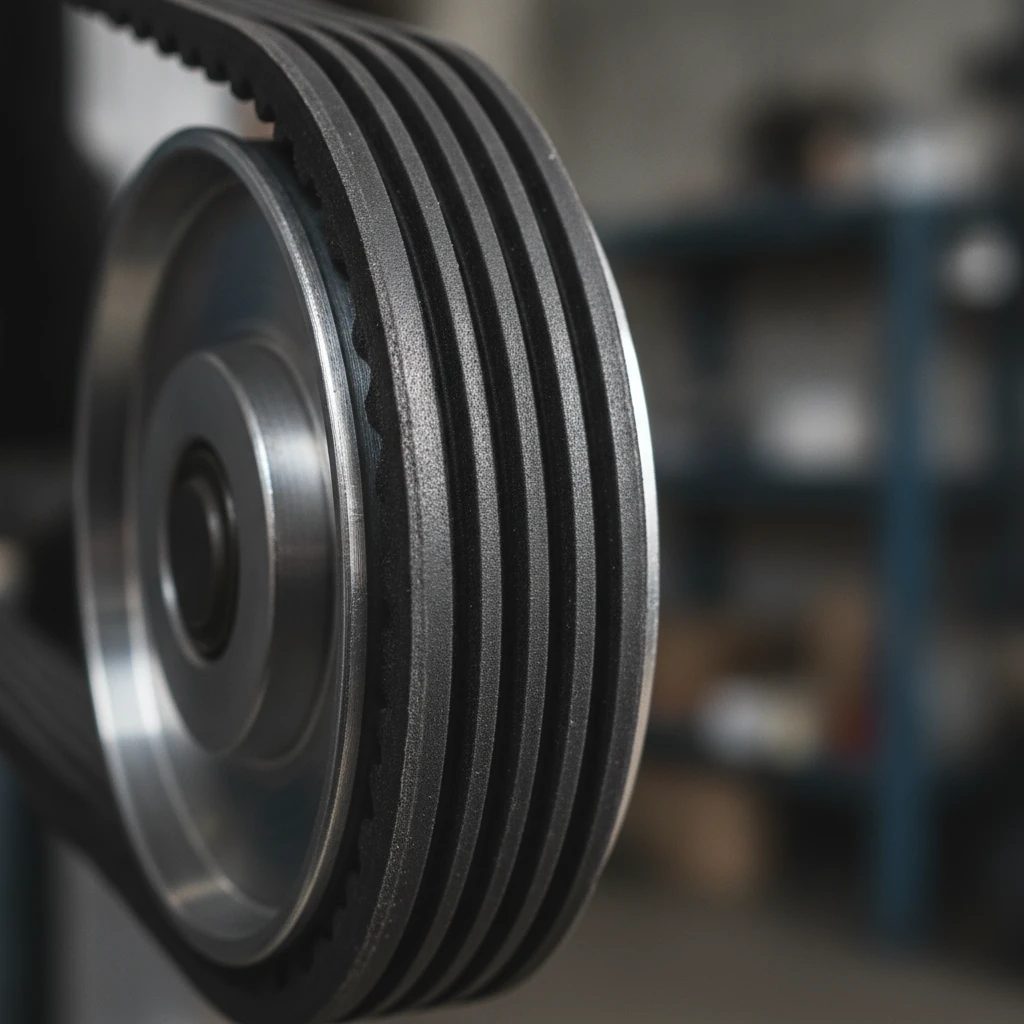
Belt drive noise comes down to two root causes: a loss of tension in the system, or misalignment of one or more pulleys. Everything else is detail.
A squeal is the sound of slip. The belt is not holding the pulley, so it skids across the face and howls. Slip means tension, and tension means either a worn belt that no longer grips, a tensioner whose spring has given up, or both.
A chirp is the sound of the belt fighting the pulley sideways. A short, rhythmic chirp usually means the belt is not running dead straight through the drive, so a rib is scrubbing against the side of a groove. That is alignment, and it often comes from a worn accessory mount or a bracket that has moved rather than from the belt itself.
The test that separates them takes about a minute. With the engine running and everything spinning, spray a small amount of clean water on the ribbed side of the belt. Water changes the friction, so the belt tells on itself. If the noise gets louder, water made the slip worse, which means the problem is tension. If the noise disappears for a few seconds and then returns as the water flings off, the water briefly cushioned the sideways scrub, which points at misalignment.
Two safety notes before anyone tries it in the yard, because they matter. Keep everything well clear of a spinning drive, and use a light mist rather than a bath. A running engine bay is not a forgiving place, and if you are not confident, this is a two minute job for a technician who does it every week.
There is a third noise worth knowing about. If you hear a steady whine that does not change when the belt warms up and does not respond to the water at all, suspect a bearing in an idler or tensioner pulley rather than the belt. A dead bearing sounds a lot like belt noise from the driver's seat and is a completely different part.
The Belt Looks Fine. It Might Not Be.

This is the part that has genuinely changed, and a lot of good advice is now out of date.
Older belts were made of a rubber that cracked as it aged, so the standard inspection was to bend the belt and count cracks. Four cracks in an inch and it was done. Modern belts use a material that resists cracking, which is a real improvement in life, but it changed the failure mode entirely. Instead of cracking, they wear away. Material is lost out of the valleys between the ribs, so the profile slowly opens from a V shape toward a U shape.
The consequence is the thing to remember: the belt sits deeper into the pulley grooves, its contact with the pulley changes, and its ability to grip falls off. Manufacturers put the threshold low, with as little as five percent rib material loss enough to cause problems. And none of it looks like anything from a step back. A worn out modern belt can look perfectly healthy.
That is why shops use a small plastic wear gauge that drops into the belt's grooves and reads the profile, rather than judging by eye. It costs nothing to check, it takes a minute, and it converts an argument into a measurement. When somebody at our service centre tells you a belt with no visible cracks is finished, that is what they are reading.
The general guidance is to start checking a belt seriously in the second half of its life rather than waiting for it to misbehave, but intervals vary by engine and build, so use the maintenance schedule for your own truck instead of a number off the internet. Our post on the Ram 1500 maintenance schedule is a good place to start, and the schedule in your glovebox is the authority.
Do Not Replace the Belt and Leave the Tensioner
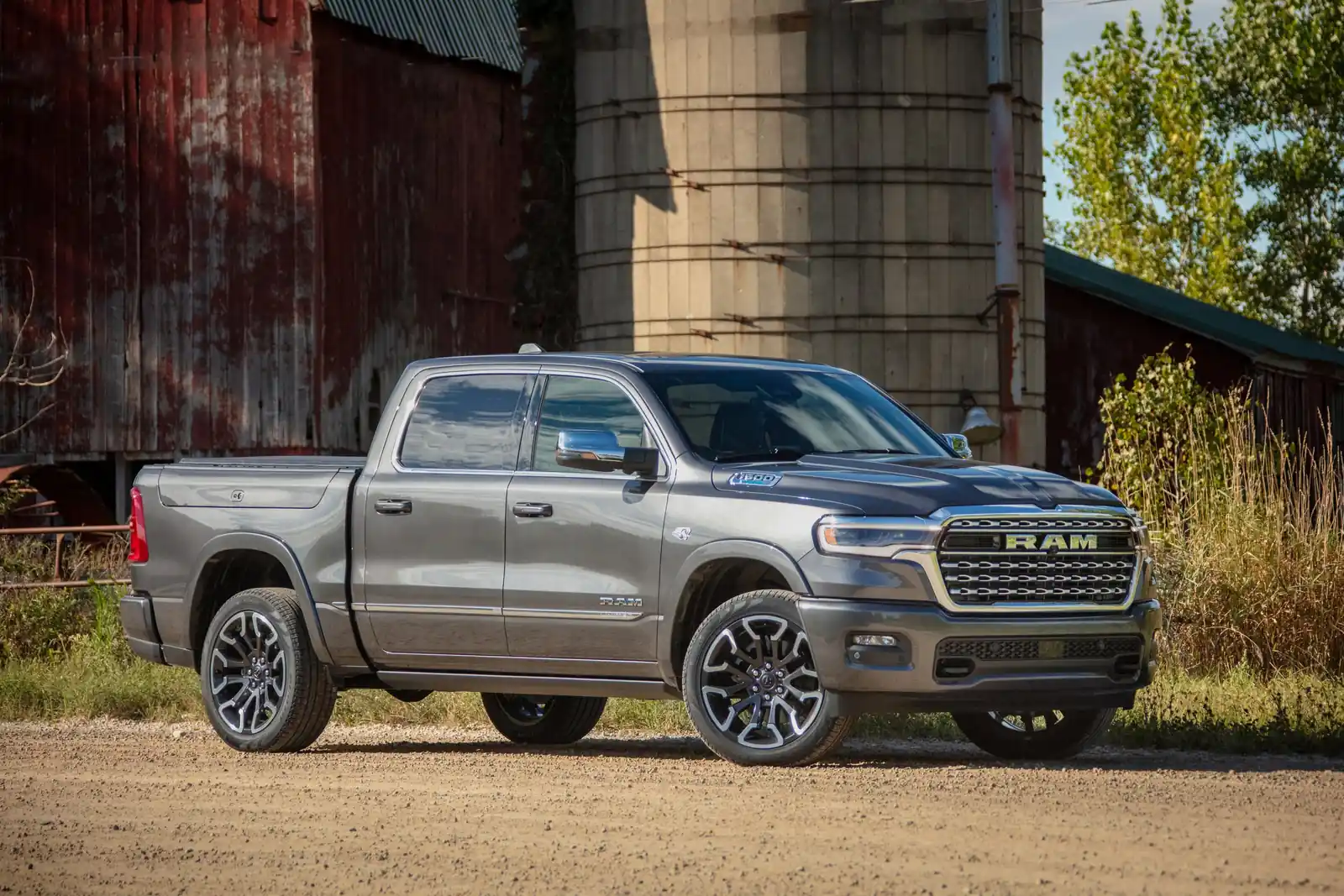
This is the single most common way a belt job fails to fix the noise, and it is worth understanding before you approve the work.
The automatic tensioner is a spring loaded arm with a pulley on the end, and that spring is what actually keeps the belt tight. It has been cycling constantly since the truck was built, through every heat cycle and every deep freeze, and springs relax with age. On a lot of trucks the belt is not really worn out. The tensioner simply stopped pulling as hard as it used to, and the belt started slipping because of it.
Most automatic tensioners carry a wear indicator mark. If the arm has travelled past that mark with the correct belt fitted, the tensioner is telling you it is finished. That is a check worth asking for by name.
Fit a fresh belt to a tired tensioner and one of two things happens. Either the noise is gone for a couple of weeks and comes straight back, or the new belt wears prematurely because it is being run loose. Neither is a good outcome, which is why the belt and the tensioner are commonly replaced together on a truck with the years on it. Corrosion is a factor here as well. A tensioner that has spent eight winters getting hit with brine off Highway 1 can bind or lose spring force from rust rather than from cycles alone. Our parts department can tell you what the correct belt and tensioner are for your VIN, and whether yours is a component the engine shares with other jobs worth doing in the same visit.
And if the belt noise is joining a list that is already getting long on an older truck, we will give you the straight math on continuing to fix it against what is here today, whether that is new Ram 1500 inventory or something in our used inventory. Often the repair is the right money. Sometimes it is not, and we will say so.
FAQs
Why does my truck squeal only for a few seconds on a cold start?
Cold rubber is stiffer and grips the pulleys less well, and a cold start is also the highest load moment for the belt, with a heavy charging demand and thick fluids. Once the belt warms and the initial load falls off, grip returns and the noise stops. A belt and tensioner in good health have enough margin to handle that without protest, so the squeal means the margin is gone.
Is a squealing serpentine belt dangerous to drive on?
It is a warning rather than an emergency. The real risk is what the belt drives. On most engines a single belt runs the alternator, the power steering and the water pump, so a belt that eventually breaks takes charging, steering assist and cooling with it at once. That is not a thing you want to discover between towns in January.
Does a belt with no cracks still need replacing?
It can. Modern belts wear by losing material out of the rib valleys rather than by cracking, and as little as five percent rib material loss is enough to cause slip. That is why a small wear gauge is used to measure the profile instead of judging by eye. A crack free belt is not automatically a healthy belt.
Should I use belt dressing to stop the squeal?
We do not recommend it. Belt dressing quiets the symptom for a while by making the belt tacky, and it usually attracts dirt and shortens belt life while hiding the actual cause, which is normally tension or alignment. If the noise is worth silencing, it is worth diagnosing.
Do I need to replace the tensioner with the belt?
Not always, but it should be checked properly rather than assumed. Most automatic tensioners have a wear indicator mark, and if the arm has moved past it with the right belt fitted, the tensioner is done. On a truck with real years and real winters on it, doing both together is often the call that actually ends the noise.
The Bottom Line
A cold start squeal is not a quirk. It is a truck telling you the belt drive has run out of margin, in the only conditions harsh enough to expose it. Right now, in the back half of summer, that message is cheap to act on. In January it becomes a no start in a yard at minus 30, and the shop is already full.
The path is short. Work out whether it is a squeal or a chirp, have the belt measured rather than eyeballed, and have the tensioner checked against its own wear mark. Book it in with us and we will tell you which of the two problems you actually have and what it genuinely needs, so the coldest morning of the year is the one your truck does not have anything to say about.
Tyler Dunn, Dunn Ram Trucks, Portage la Prairie