
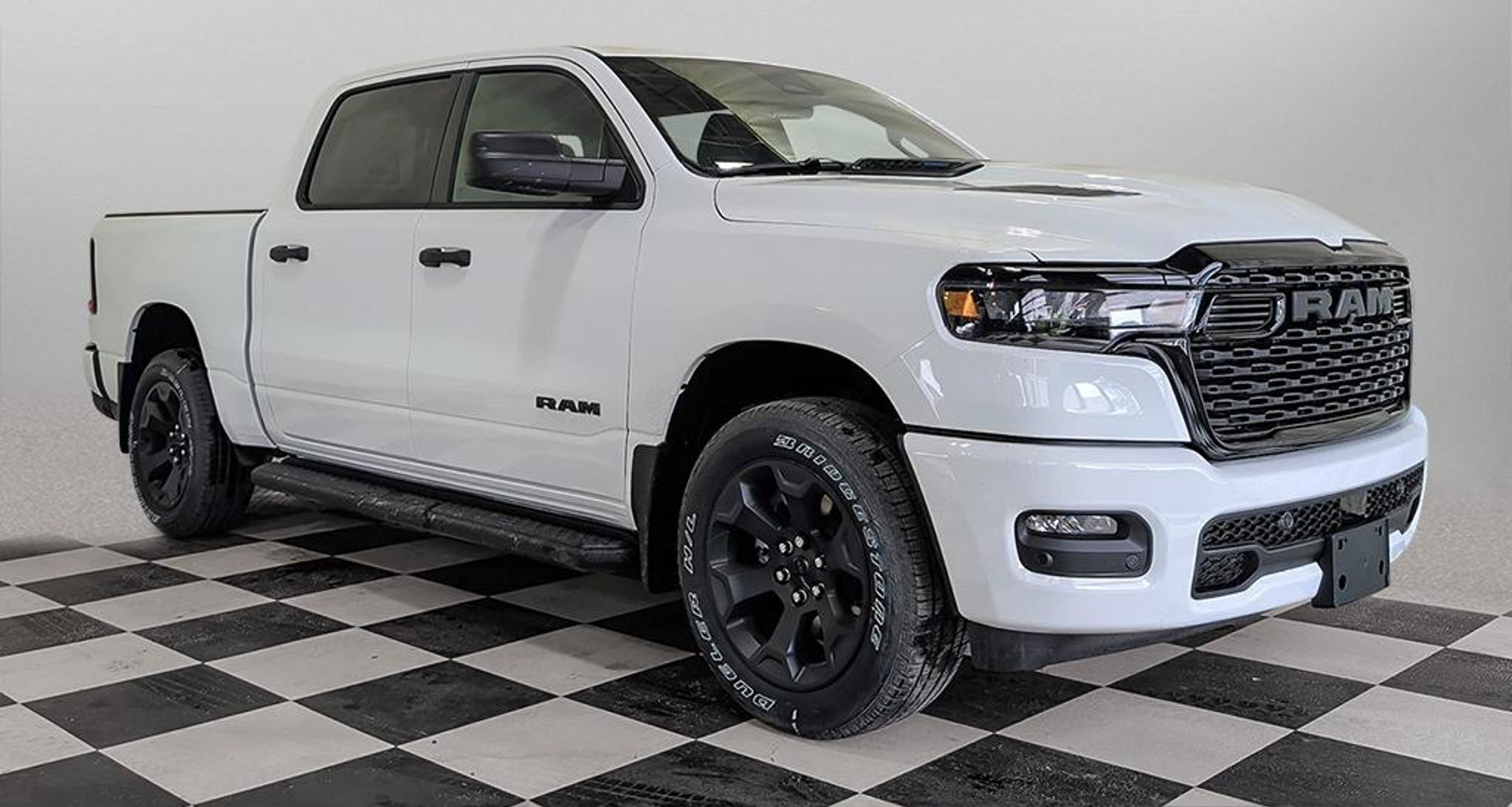
Here is how to boost a car battery safely: positive cable to the dead battery, then to the booster, negative to the booster, and the last clamp on bare engine metal on the dead vehicle, away from its battery. If your vehicle has needed a boost more than once, book a battery and charging system test with our service team, and if it still will not crank with a good boost, our post on why a truck won't start in the cold sorts out what the click, the slow crank and the silence each mean.
Boosting is the word on the prairies, and how to jump a car battery is the same job under a different name. It comes up the first January morning the thermometer reads minus 30 in Portage la Prairie, Brandon or Winnipeg, usually in the dark, with the hood up and a snowbank where you wanted to park the other truck. Read it now, while it is still a fall afternoon and nobody is late for work.
The steps below come from the Jump Starting section of Ram's 2022 Ram 2500 and 3500 owner's manual. Your own owner's manual has its own jump starting section, and that is the one to follow for your vehicle: the battery location and the posts it tells you to use are not the same on every model.

Key Takeaways
- The order matters. Positive to the dead battery, positive to the booster, negative to the booster, then the last negative clamp on a good engine ground on the dead vehicle.
- Never clamp the last cable to the dead battery's negative post. Ram's manual warns the spark could make the battery explode.
- Never boost a frozen battery, and never use a booster source above 12 volts.
- A heavy duty diesel may have two batteries. Ram's manual says to jump start off the driver side battery.
- A battery that keeps going flat needs a test, not more boosts. Ram's manual says frequent jump starting means the battery and charging system should be inspected.
Before You Clip On Anything
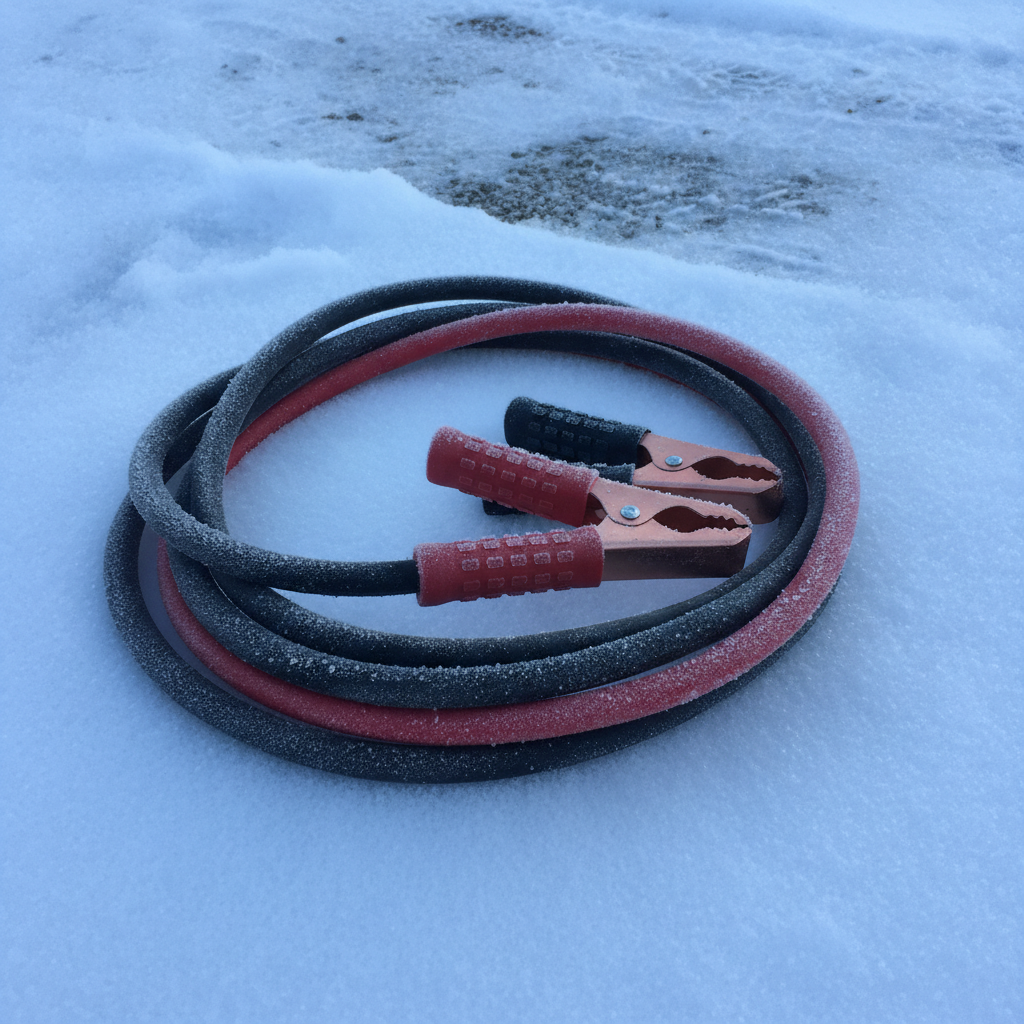
Boosting mistakes tend to happen in the first minute, when you are cold and in a hurry. Ram's manual lists the preparation in three steps:
- "Apply the parking brake, shift the automatic transmission into PARK and turn the ignition OFF."
- "Turn off the heater, radio, and all electrical accessories."
- If you are using a second vehicle, park it within reach of the cables, set its parking brake and make sure its ignition is off.
That second step is the one people skip at minus 30, because the heater fan is the last thing anyone wants to switch off. Do it anyway, on both vehicles.
The same section carries four warnings worth reading before the hood goes up, quoted here as Ram prints them:

- "Take care to avoid the radiator cooling fan whenever the hood is raised."
- "Remove any metal jewelry such as rings, watch bands and bracelets that could make an inadvertent electrical contact."
- "Batteries contain sulfuric acid that can burn your skin or eyes and generate hydrogen gas which is flammable and explosive."
- "Do not allow vehicles to touch each other as this could establish a ground connection and personal injury could result."
The last one matters in a narrow driveway between two snowbanks, where it is tempting to nose the booster truck right up to the dead one. Leave a gap.
Then the one that rules out a boost altogether: "Do not attempt jump starting if the battery is frozen. It could rupture or explode and cause personal injury." A battery that sat dead through a deep cold night is the one to be suspicious of. If the case looks bulged or cracked, leave the cables in the box.
How to Boost a Car Battery Step by Step
On the Ram 2500 and 3500, the manual places the battery "in the front of the engine compartment, behind the driver side headlight assembly." If equipped, the positive post may be under a protective cap; lift it to reach the post marked with a plus sign. And the manual is blunt about one shortcut: "Do not jump off fuses."
Connecting, in this order:
- "Connect the positive (+) end of the jumper cable to the positive (+) post of the discharged vehicle."
- Connect the other end of that positive cable to the positive post of the booster battery.
- Connect the negative cable to the negative post of the booster battery.
- Connect the other end of the negative cable to a good engine ground on the dead vehicle. The manual defines it: "A 'ground' is an exposed metallic/unpainted part of the engine, frame or chassis, such as an accessory bracket or large bolt." It adds: "The ground must be away from the battery and the fuel injection system."
Step 4 is where the main warning lives: "Do not connect the jumper cable to the negative (-) post of the discharged battery. The resulting electrical spark could cause the battery to explode and could result in personal injury."
Starting: "Start the engine in the vehicle that has the booster battery, let the engine idle a few minutes, and then start the engine in the vehicle with the discharged battery."
Disconnecting, in reverse:
- The negative clamp off the engine ground of the vehicle that was dead.
- The other negative clamp off the booster battery.
- The positive clamp off the booster battery.
- The last positive clamp off the vehicle that was dead, then put the protective cap back over its positive post.
Ram's manual opens the procedure with a plain warning that covers all of it: "Failure to follow this jump starting procedure could result in personal injury or property damage due to battery explosion."
Booster Pack or a Second Vehicle
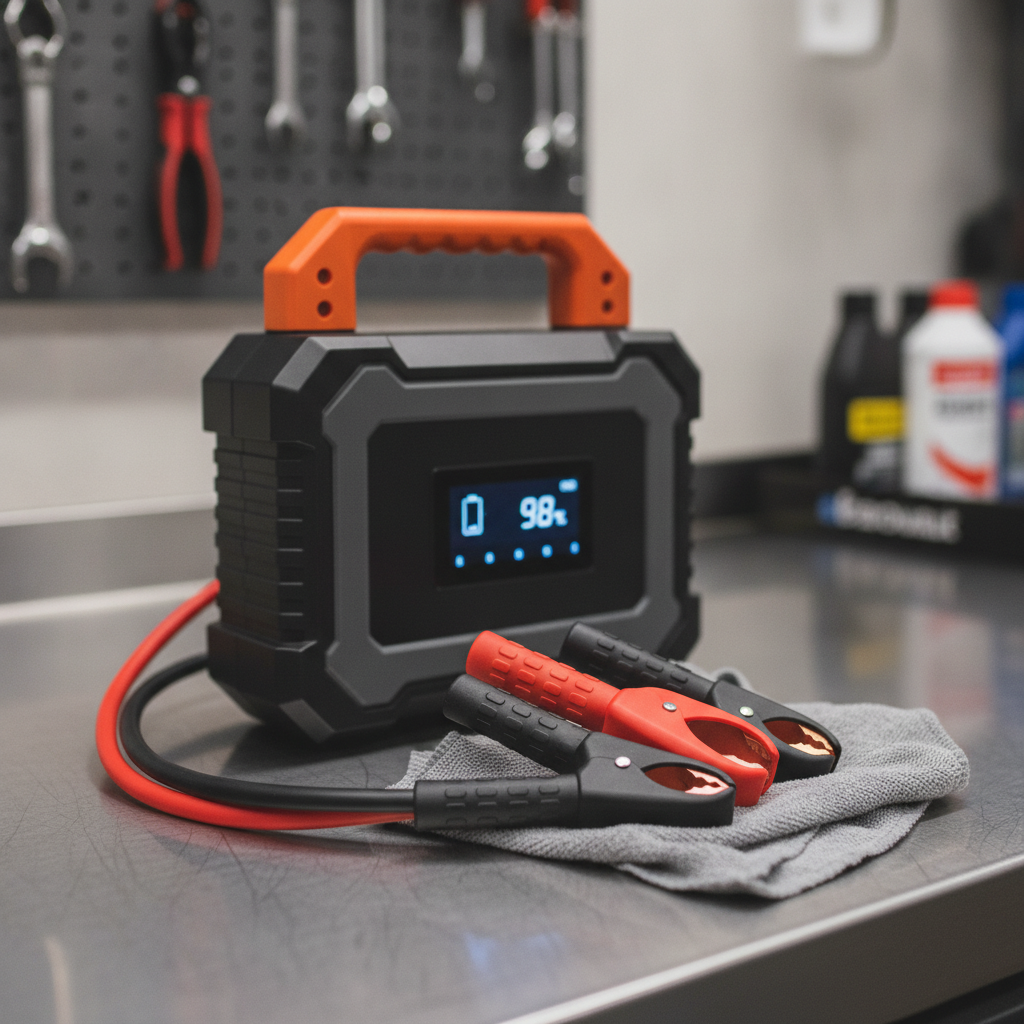
Both work, and Ram's manual covers both.
A second vehicle is the classic prairie boost: a neighbour, a co worker in the rink parking lot after a Saturday tournament, or the other truck in the farm yard. Follow the order above, keep the vehicles from touching, and let the booster idle a few minutes before you try the dead one.
A portable booster pack saves you from finding a second vehicle and parking it in a drifted yard. The manual's note on packs is short: "When using a portable battery booster pack, follow the manufacturer's operating instructions and precautions." So the pack's own instructions come first.
Whichever you use, one caution from Ram's manual applies to both: "Do not use a portable battery booster pack or any other booster source with a system voltage greater than 12 Volts or damage to the battery, starter motor, alternator or electrical system may occur." On a modern truck full of electronics, that is a battery problem turning into an electrical one.
Heavy Duty Diesels With Two Batteries
A Ram 2500 or 3500 with the Cummins can surprise a helpful neighbour, because the engine bay may hold two batteries. Ram's manual answers which one to use in a single sentence: "If you have a diesel engine, you may have two batteries, jump start off the driver side battery."
Everything else follows the same order: positive first, negative last, and the last clamp on a good engine ground, not on a battery post. If you are not sure which battery is on the driver side of your truck, or whether yours has one battery or two, check the jump starting section of your own owner's manual before you clamp anything.
Stop and Start and Other Newer Vehicles
If your vehicle has stop and start, or it is a model you have never boosted before, the safe rule is simple: use the posts and the ground point your own owner's manual names in its jump starting section, and nothing else. Do not guess at a post, and do not clamp onto a fuse. If your manual is not in the glovebox, ask our service team before you boost, not after.
When a Boost Will Not Fix It

A boost gets you going. It does not tell you why the battery went flat, and the warning sign is a battery that keeps doing it.
Ram's manual says it directly: "If frequent jump starting is required to start your vehicle you should have the battery and charging system inspected at an authorized dealer." One boost after a minus 35 night is a warning. A second boost the same week is the signal to book the test.
There are two usual directions a test goes. The battery itself may be tired, and our post on the winter battery test explains what a load test tells you. Or something is drawing power while the vehicle sits. The manual names one easy culprit: "Accessories plugged into the vehicle power outlets draw power from the vehicle's battery, even when not in use (i.e., cellular devices, etc.)." If the battery dies after a few days parked, our post on a truck battery draining overnight covers how a draw gets tracked down.
Stop boosting and get help when the battery case is swollen or cracked, when the battery may be frozen, or when a good boost still gets you nothing but a click.
Booking a Battery and Charging System Test
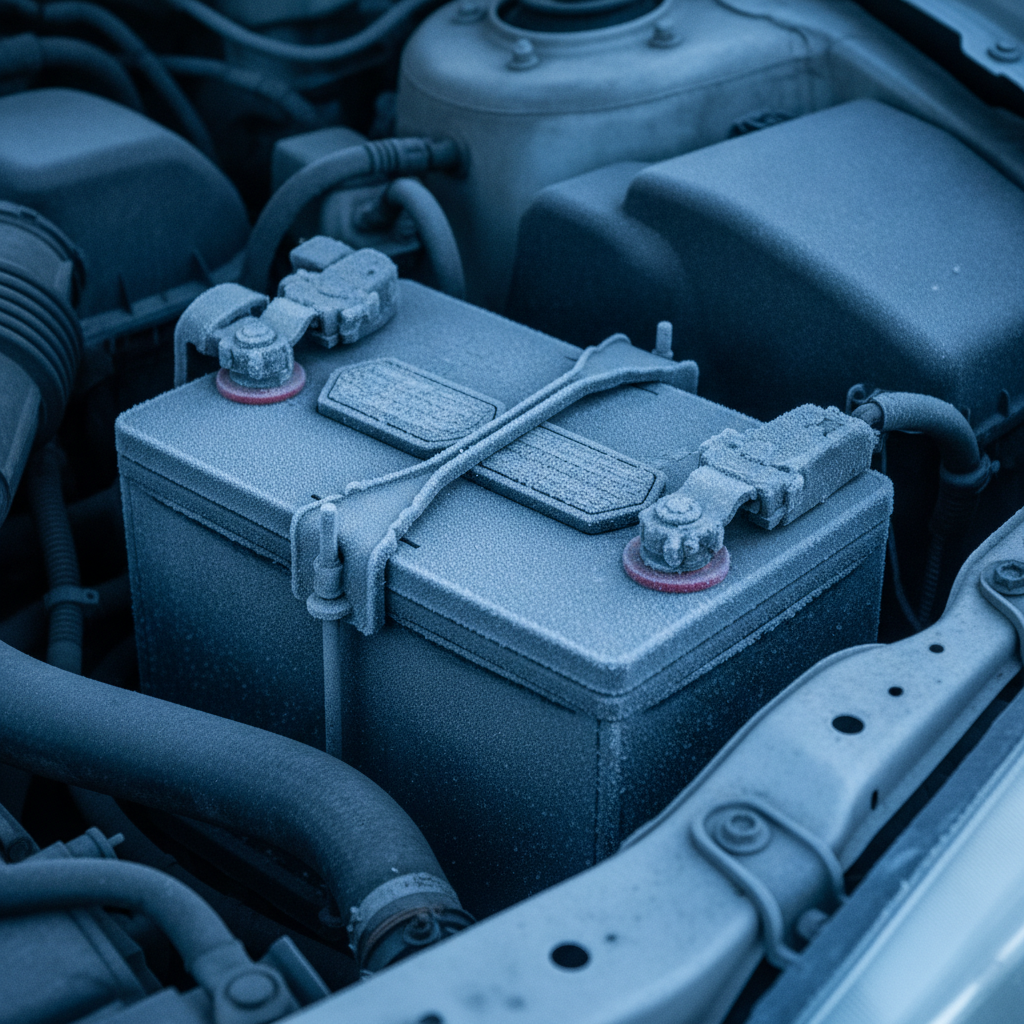
Our service department does battery replacement and charging system work. When you book a battery and charging system test online, tell the team what happened, because the details help:
- How many boosts the vehicle has needed, and how far apart
- Whether it went flat after a cold night, after sitting a few days, or both
- Whether anything stays plugged into a power outlet
- Whether the battery is the original or a replacement
And if the battery trouble has you thinking about a newer truck, you can browse new Ram 1500 inventory, see what your current vehicle is worth, and apply for financing online. Any approval, rate or term is on approved credit.
FAQs
What order do the cables go on when you boost a car battery?
Positive to the dead battery, positive to the booster, negative to the booster, then the last negative clamp on a good engine ground on the dead vehicle, away from its battery. That is the order in Ram's 2022 Ram 2500 and 3500 owner's manual; follow the jump starting section of your own manual for your vehicle.
Is it safe to boost a frozen battery?
No. Ram's owner's manual says: "Do not attempt jump starting if the battery is frozen. It could rupture or explode and cause personal injury." Leave a swollen or cracked battery alone and book a test.
Can I use a portable booster pack instead of another vehicle?
Yes. Ram's manual says to follow the pack manufacturer's operating instructions and precautions, and never to use a booster source with a system voltage greater than 12 volts.
Which battery do I boost on a diesel with two batteries?
The driver side battery. Ram's heavy duty owner's manual says: "If you have a diesel engine, you may have two batteries, jump start off the driver side battery."
Why does my battery keep needing a boost?
Either the battery is weak or something is draining it, and only a test tells you which. Ram's manual says frequent jump starting means the battery and charging system should be inspected, and it notes that accessories left plugged into power outlets draw power even when not in use.
Can Dunn Ram Trucks test my battery?
Yes. Our service department does battery replacement and charging system work. Book a battery and charging system test online with our service team.
The Bottom Line
Boosting is a short job when it is done in the right order: positive, positive, negative, and the last clamp on bare engine metal, never on the dead battery's negative post. Skip it entirely when the battery may be frozen, keep the booster source at 12 volts, and on a two battery diesel use the driver side battery.
Then treat the boost as a warning, not a fix. If you have needed one this season, book a battery and charging system test before January does it for you at minus 30.
Tyler Dunn, Dunn Ram Trucks, Portage la Prairie

























