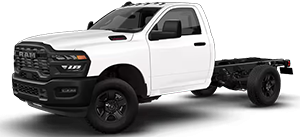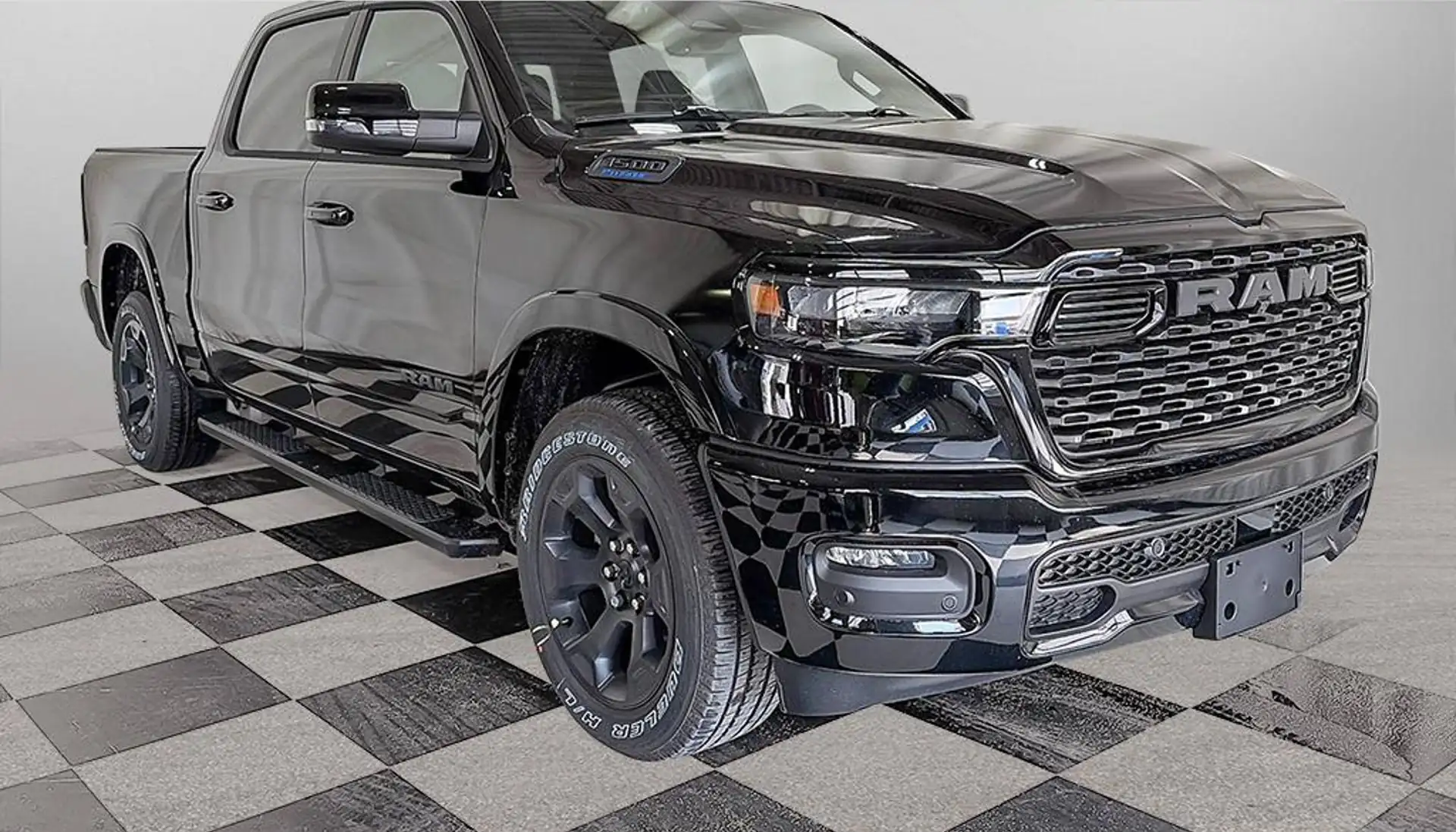
How long does a Ram 1500 last? One that is serviced on schedule and kept ahead of rust can run well past 300,000 km, while a neglected one can be finished before 200,000 km. The kilometres matter less than how the truck got there, so read the service history and the underside first on any truck in our used truck inventory.
Shopping this month? See our Ram finance deals.
There is a question that sits underneath a lot of used truck searches, and people rarely type it out loud on the lot. It is not "is this a good truck." It is "how much life is left in it." Somebody is looking at a 190,000 km Ram 1500 with a decent price on it and quietly wondering whether they are buying five more years or a repair bill.

The honest answer is that kilometres are the weakest predictor in the whole equation. A high kilometre Ram can have more truck left in it than a lower kilometre one, and the difference is rarely luck. It is what the previous owner did and where the truck lived. Here is what separates the trucks that run past 400,000 km from the ones that are finished well before it, and what to look for before you buy.
Key Takeaways
- Kilometres alone tell you very little. Maintenance history and where the truck spent its life tell you far more. A serviced 250,000 km highway truck can be a better buy than a neglected 130,000 km one.
- In Manitoba, the body can give up before the driveline does. Road salt and gravel often wear out brake lines, rocker panels and other underbody parts while the engine is still healthy.
- Short trips in the cold are harder on a truck than long highway runs. A truck that never fully warms up piles on more wear per kilometre than one doing daily runs on the Trans-Canada Highway.
- On 2026 model year trucks, Ram Canada offers a 10 year or 160,000 km limited powertrain warranty, covering the engine, transmission, transfer case, driveshafts, differentials and axles. It stays with the original retail buyer or lessee unless provincial law requires otherwise, and 2027 model year Rams carry Ram Canada's standard terms instead.
- The paperwork is the inspection. Service records, a clean history report and a real look underneath will tell you more about remaining life than any odometer reading or any percentage you read online.
How Long Do Rams Last? The Kilometre Answer
A single kilometre number misleads more than it helps, because two trucks with the same reading can be in completely different condition. The fair answer is a range with a reason attached. A Ram 1500 that has had its oil, transmission, differential and cooling services on time, and has been kept ahead of rust, can run well past 300,000 km. One with stretched oil changes, a transmission service that never happened, a trailer pulled harder than the maintenance allowed and rust that started under a chip nobody touched can be done before 200,000 km.
If you are asking how long Dodge Rams last, the answer is the same. Ram became its own brand in 2009, according to Stellantis, so older trucks wear Dodge Ram badges, and the same three things decide their life: the service records, the underside and how hard the truck worked.

That is the real answer to how long a Ram 1500 lasts. It lasts as long as the people who owned it made it last.
What Actually Kills Trucks Out Here
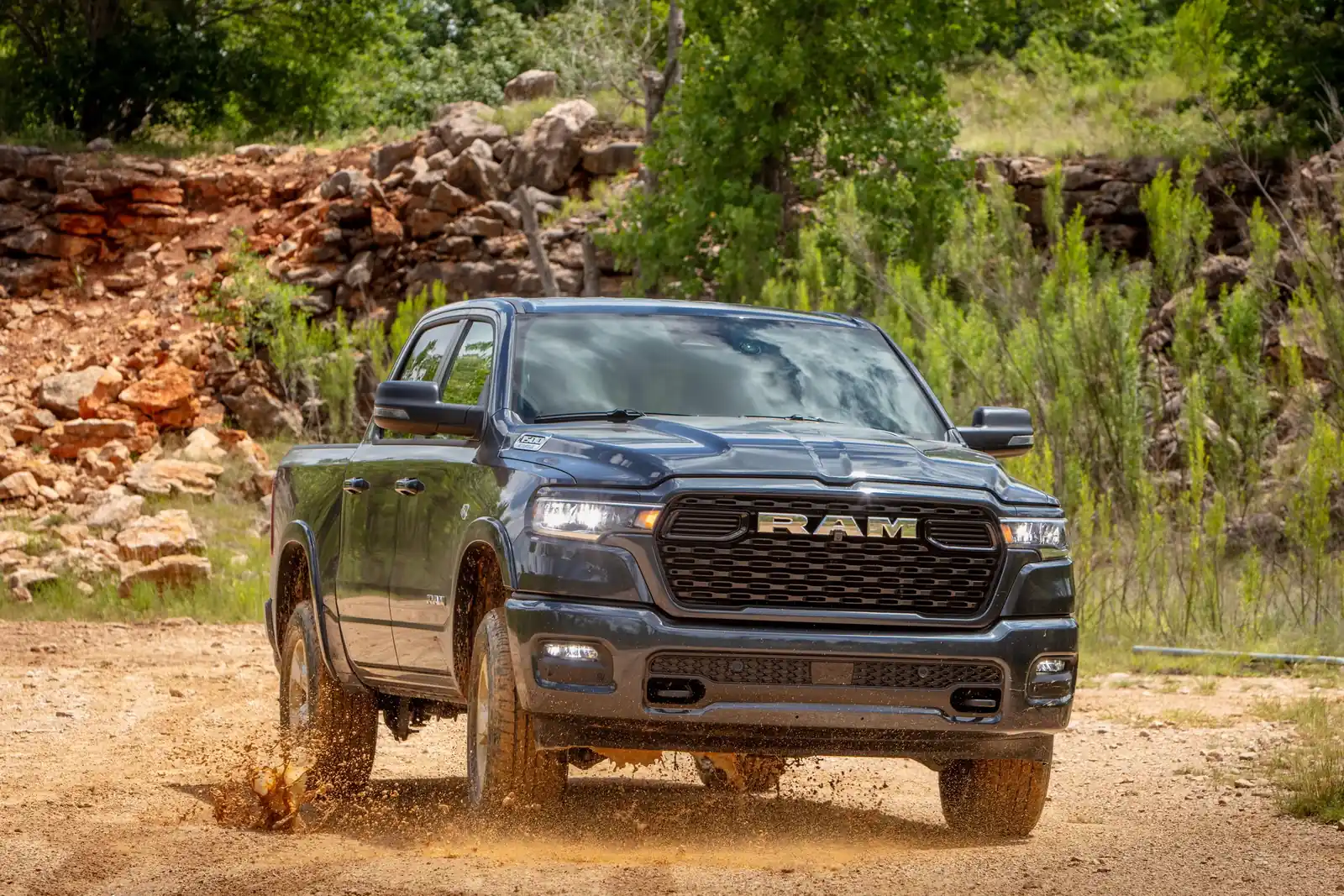
Manitoba is a specific set of conditions, and it changes the answer.
Salt and brine. This is the big one. The salt and brine put down on Manitoba roads keep them open through the winter, and they eat steel. The damage often shows up first in brake lines, fuel lines, exhaust hangers, rocker panels and cab corners, well before the driveline is close to done. A truck that lived on the highway and got washed through the winter looks fundamentally different underneath at 250,000 km than one that sat in a slushy driveway for ten years.
Gravel. Section roads and farm approaches chip paint and blast the underside. Each chip can start rust. A truck that runs gravel daily without any protection ages faster in the body than one that lives on pavement, even with the same kilometres.
Cold starts and short trips. Minus 30 is hard on everything, but the real damage is the short trip. Five minutes into Portage and back never brings the oil up to temperature, never burns the moisture out of the exhaust and crankcase, and stacks up wear the odometer does not reflect. A plugged in truck that gets driven long enough to warm through is in a completely different condition at the same kilometres.
Towing without the maintenance to match. Trucks are built to pull. What shortens them is pulling hard on a service schedule written for a truck that never tows. Transmission fluid and differential fluid work harder under a trailer, and the interval that suits a commuter does not suit a truck that spends every summer with a fifth wheel behind it.
None of that is a Ram problem. It is a Manitoba problem, and it applies to any truck driven here.
What Separates a 400,000 km Truck From a 200,000 km One
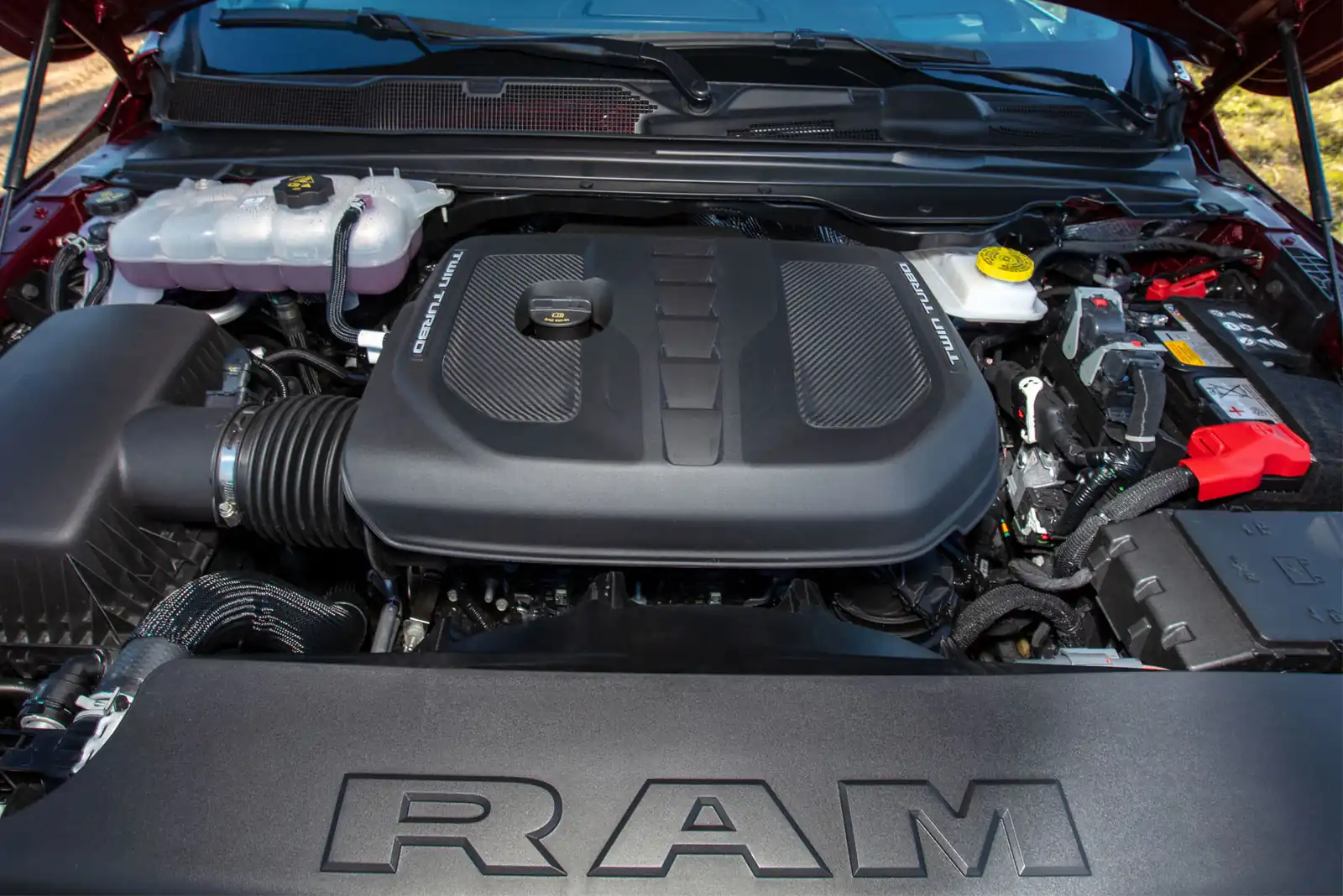
Here is the short list.
Oil changes done on the truck's schedule, not the owner's mood. This is the one to get right first. Follow the oil change indicator and the maintenance schedule in your owner's manual rather than a guess. We break the intervals down in our Ram 1500 maintenance schedule guide, and the truck that follows it is the one still running when the neglected one is not.
Transmission and differential service that actually happened. These are the ones people skip because nothing feels wrong. By the time something does feel wrong, the repair is not a fluid change any more. Our differential and transfer case fluid service guide covers what the intervals look like and why the towing schedule is different.
Cooling system maintenance. Coolant has a replacement interval in the maintenance schedule, and a neglected cooling system can take the engine with it when it fails. Our engine coolant service guide walks through it.
Rust protection, started early. Protection makes the most sense on a clean truck. Coating over a frame that already has scale on it can seal the problem in. If you are buying used and the underside is already scaling, price it accordingly. For appearance and rust protection we sell First Canadian protection products.
Small things fixed when they were small. A weeping seal, a noisy bearing, a check engine light somebody cleared and ignored. The trucks that die young are often a chain of small deferred things, not one catastrophic event. If a light is on when you look at a used truck, find out why before you decide, and our check engine light explainer is a good place to start.
The 2026 Model Year 10 Year Limited Powertrain Warranty, and What It Does Not Do
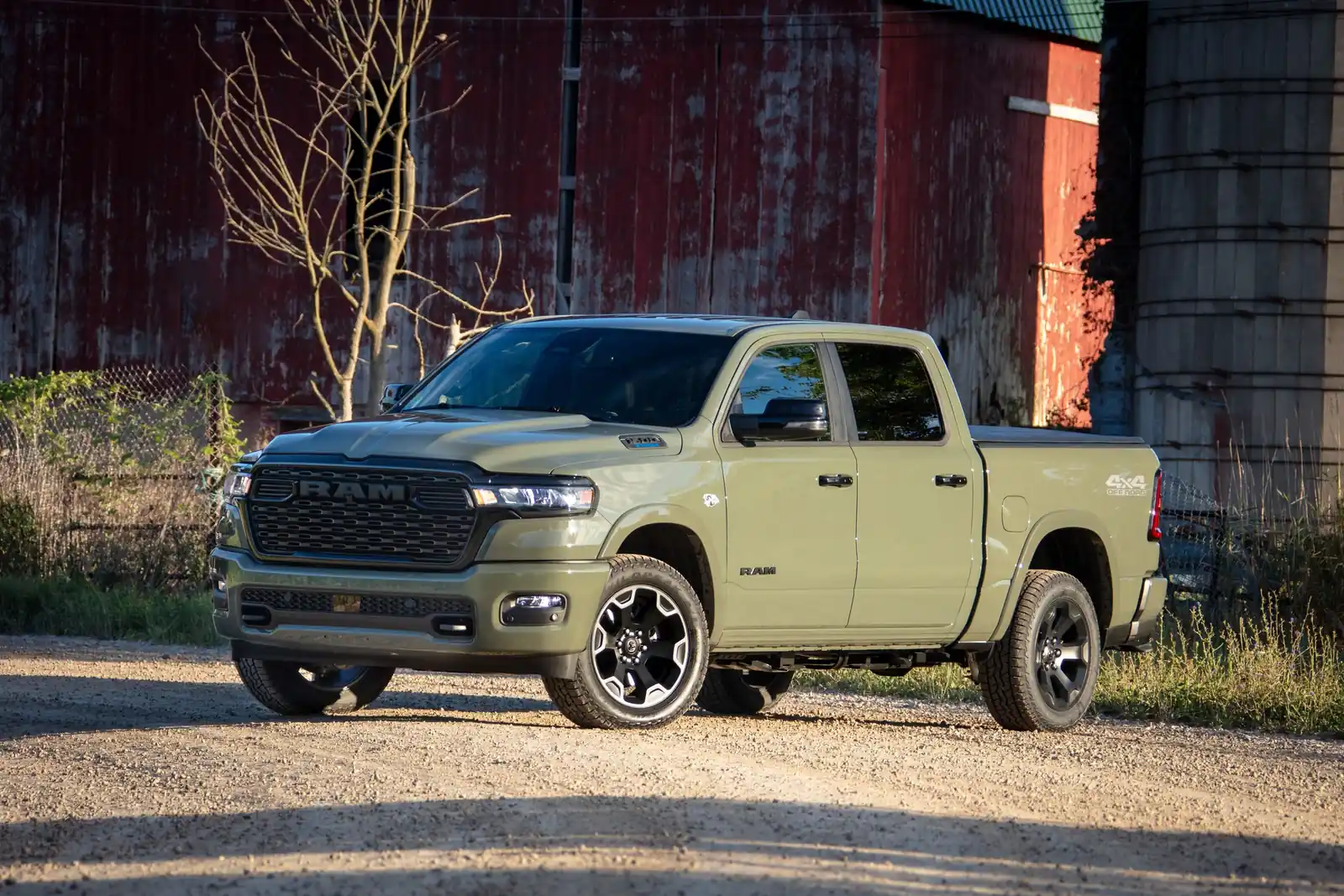
On 2026 model year trucks, Ram Canada offers a 10 year or 160,000 km limited powertrain warranty, whichever comes first, and the fine print matters more than the headline.
What it covers. The engine, transmission, transfer case, driveshafts, differentials and axles.
Who gets it. Retail customers who buy or lease a new 2026 model year Ram 1500, 2500, 3500, Chassis Cab or ProMaster. The ProMaster EV is not included, and the coverage is not offered to fleet customers.
The part people miss. It is not transferable except where provincial law requires. That means it does not follow a truck to its second owner, so it is not something to count on when you are shopping used. We will not tell you a used truck carries it, because it does not.
What later and earlier model years carry. 2027 model year Ram trucks carry Ram Canada's standard warranty: 3 years or 60,000 km basic, 5 years or 100,000 km fully transferable limited powertrain with $0 deductible (other than the 2027 TRX SRT, whose powertrain term is 3 years or 60,000 km), 24 hour roadside assistance, and on diesels a separate 5 year or 160,000 km Cummins engine warranty. Ram trucks from the 2025 model year and earlier carry Ram Canada's standard terms rather than the 10 year term, and those terms can differ by model year and engine. Factory coverage is counted from when the truck first went into service, so ask for the in service date on any used truck before you count on coverage that may remain.
If you want the longer coverage, it comes only with a new 2026 model year truck, so check the model year on the window sticker as you browse our new Ram 1500 inventory. For a fuller read on what is covered and what is not, we broke down Ram warranty coverage in Canada separately.
How to Read a Used Ram 1500 Before You Buy
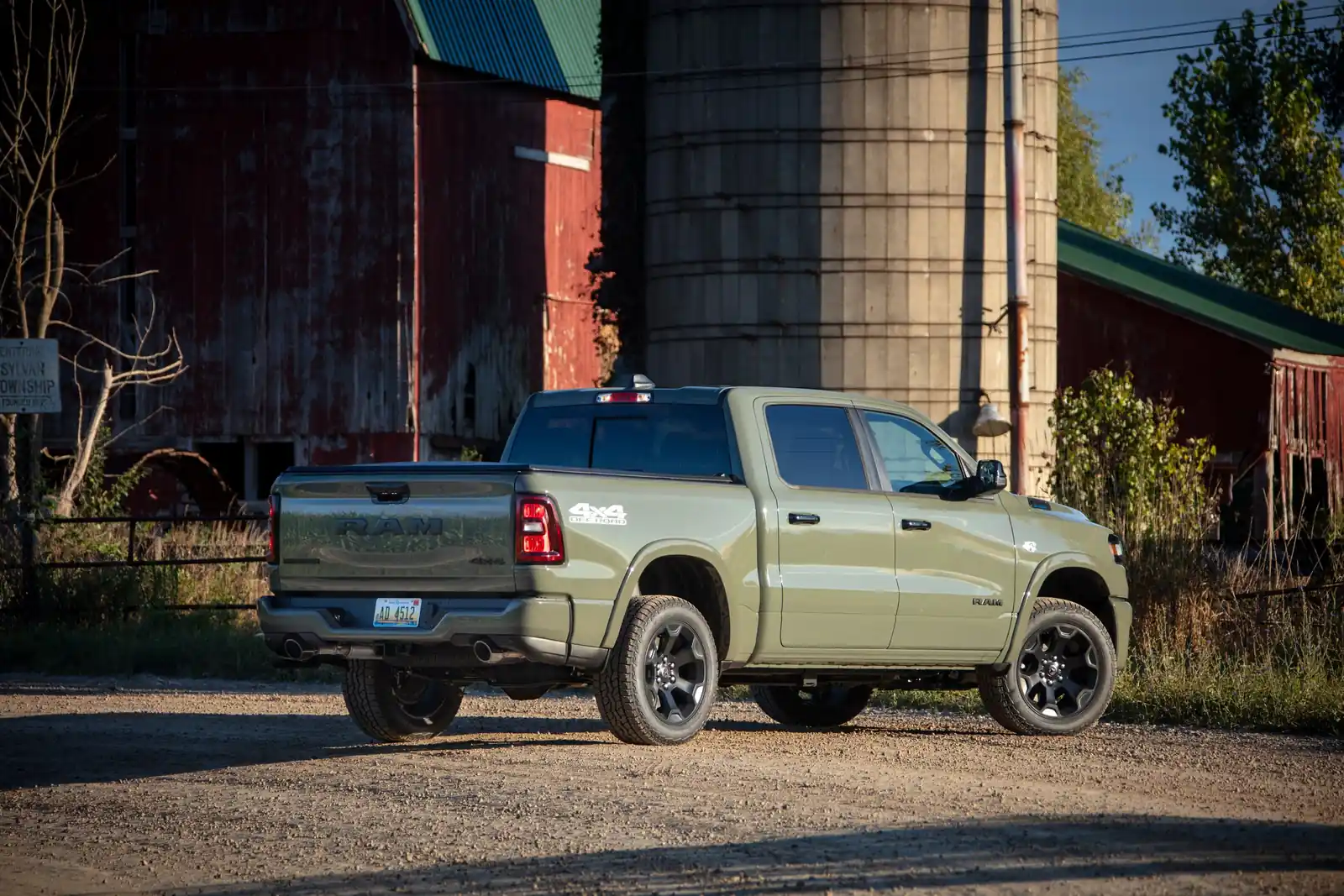
This is the practical part. Five things, in order.
1. Ask for the service history, not just the report. A history report tells you about accidents and registrations. Actual service records tell you whether the truck was maintained. If a truck has been serviced at a dealer, ask whether that history is available. No records at all is not automatically a no, but it moves the price.
2. Get underneath it. Not a glance, a hoist. Look at the frame, the brake and fuel lines, the rocker panels and cab corners, the exhaust hangers. Surface rust is normal on a prairie truck. Flaking, scaling and swollen seams are a different conversation. Ask our service team whether they can inspect a truck you are considering before you buy it.
3. Check what the previous life was. A truck with a fifth wheel hitch and a worn tailgate handle lived a working life. That is fine, but it should be priced as a work truck and it makes the transmission service history more important, not less.
4. Look at fluids and the small stuff. Clean, correct level fluids and a truck that has clearly had recent attention is a good sign. Fresh undercoating sprayed over old scale is not.
5. Match the kilometres to the story. 250,000 highway kilometres on a serviced truck is a different asset than 250,000 kilometres of short cold runs and gravel. We wrote a fuller piece on what counts as good mileage on a used truck if you want the longer version.
Reconditioning on our used vehicles includes passing the Manitoba safety inspection and our 85 point certified inspection checklist. We explain what a Manitoba safety inspection does and does not tell you in our certificate of inspection guide.
So How Long Will Your Ram 1500 Last?
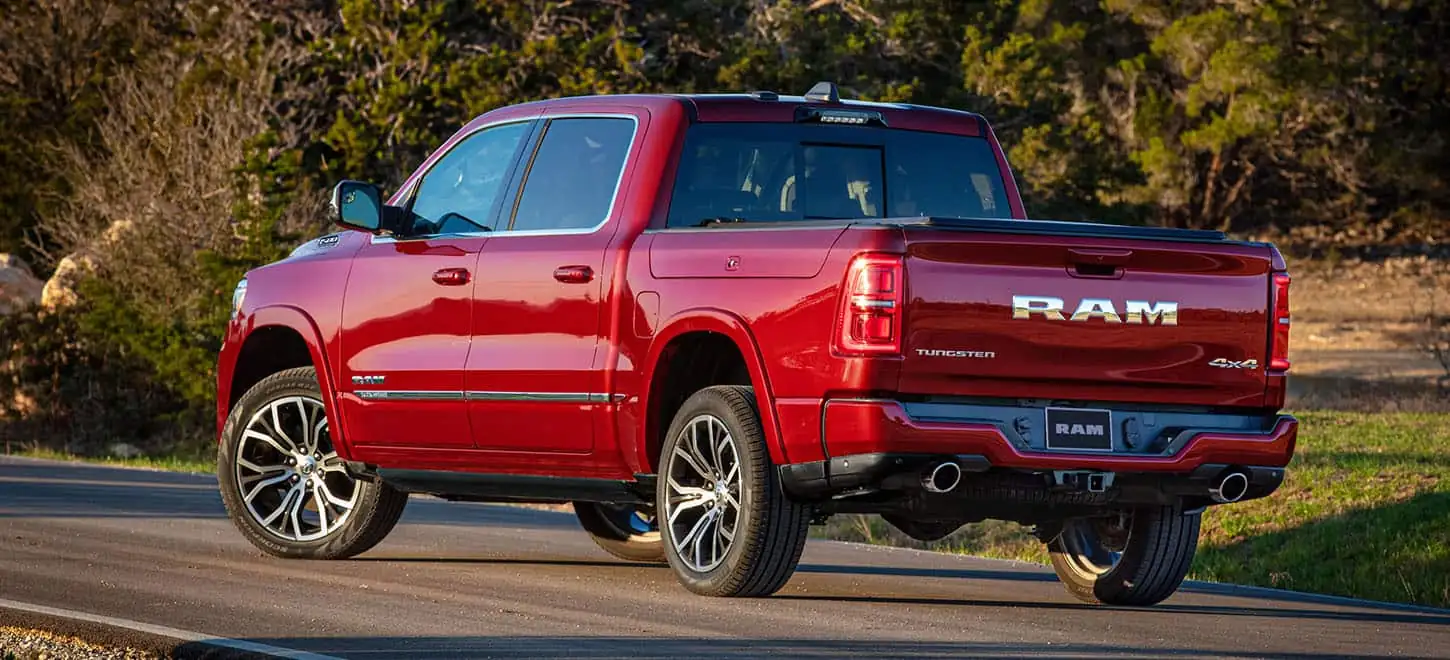
If you buy a Ram 1500 new and maintain it on schedule, protect it from salt, and give it the service that matches how you actually use it, there is no good reason it should not be a long term truck. The owners of very high kilometre Rams are rarely just lucky. They tend to have a folder of receipts.
If you are buying used, buy the maintenance history and the underside, not the odometer. The number on the dash is the least useful piece of information in the whole decision.
And if the truck you already own is getting close to the point where the repairs are starting to outrun what it is worth, that is worth an honest conversation rather than a guess. Our instant cash offer tool gives you a number on the truck you drive today. We honour the instant cash offer: the number you get online is the number we stand behind when the vehicle matches what you told us. If you are replacing it, you can apply for financing online. If you would rather keep the current one running, book maintenance with our service team in Portage la Prairie. We would rather keep a good truck on the road than sell you a replacement you did not need.
FAQs
How many kilometres will a Ram 1500 last?
A Ram 1500 that is serviced on schedule and kept ahead of rust can run well past 300,000 km, while a neglected one can be finished before 200,000 km. Maintenance history and rust decide it, not the odometer, so ask for the service records and look underneath before you judge a truck by its kilometres.
How many km can a Dodge Ram 1500 last?
The same as a Ram 1500: one that was serviced on schedule and kept ahead of rust can run well past 300,000 km, and a neglected one can be done before 200,000 km. Ram became its own brand in 2009, according to Stellantis, so older trucks wear Dodge Ram badges; on a truck that age, read the service records and the underside first.
Is 200,000 km too many on a used Ram 1500?
Not on its own. A serviced highway truck at 200,000 km can be a better buy than a neglected one at half that. Ask for records, look underneath, and price it against the condition rather than the number.
Does the 2026 model year 10 year limited powertrain warranty transfer to me if I buy the truck used?
No. Ram Canada's 10 year or 160,000 km limited powertrain warranty on 2026 model year trucks stays with the original retail buyer or lessee unless provincial law requires otherwise, so do not count on it when shopping used. Ram trucks from the 2025 model year and earlier, and 2027 model year Ram trucks, carry Ram Canada's standard warranty terms instead.
Why does rust matter so much for a Ram 1500 in Manitoba?
Because road salt and gravel attack brake lines, fuel lines, exhaust parts and body panels, and those can wear out while the engine and transmission are still healthy. That is why the underside inspection matters more than the odometer here.
Does towing shorten the life of a Ram 1500?
Towing on its own does not. Towing on a maintenance schedule built for a truck that never tows does. Transmission and differential fluid work harder under a trailer, so check the maintenance schedule in your owner's manual and follow any service it calls for sooner when the truck tows.
Do short trips really matter that much?
Yes, especially in a Manitoba winter. A truck that never fully warms up does not burn moisture out of the oil and exhaust, and it accumulates wear the odometer does not show. Longer runs are genuinely easier on a truck than a string of five minute cold trips.
Is a diesel going to last longer than a gas half ton?
Different question with a different answer, and it depends heavily on how you use it. We covered the tradeoffs in our gas versus diesel Ram 1500 comparison.