

The amber engine light came on during the drive home on Monday. You meant to call about it. By Wednesday it was gone, and the truck seems fine. So is it fixed? Usually not. The lamp going out means the fault stopped showing up for a while. It does not mean the cause went away, and the truck still remembers what happened.
That memory is the useful part. Even with the light off, a dealer scan tool can usually read the stored history, and it is often the easiest time to catch an intermittent problem before it gets worse. If the light has come and gone on your Ram or Jeep, you can book a diagnostic visit and we will read what the truck kept. Here is how the lamp decides to turn itself off, and what that means for you.
Key Takeaways
- The light turns off when the fault stops repeating. For most faults, the engine computer turns the lamp off after several drives in a row without seeing the problem again.
- The code does not disappear with the light. It stays in memory as a history code, often with a snapshot of the conditions when it set, and a dealer scan tool can still read it.
- History does not last forever. After enough warm up cycles without the fault, the computer erases it, so reading it sooner is better.
- The usual suspects on a Ram or Jeep are a marginal sensor, a small evaporative leak, a loose connector, or a misfire that only shows up on a cold start.
- An intermittent light before a Manitoba winter is worth reading now. The cold tends to turn a sometimes problem into an every morning problem.
Why the Light Turns Itself Off
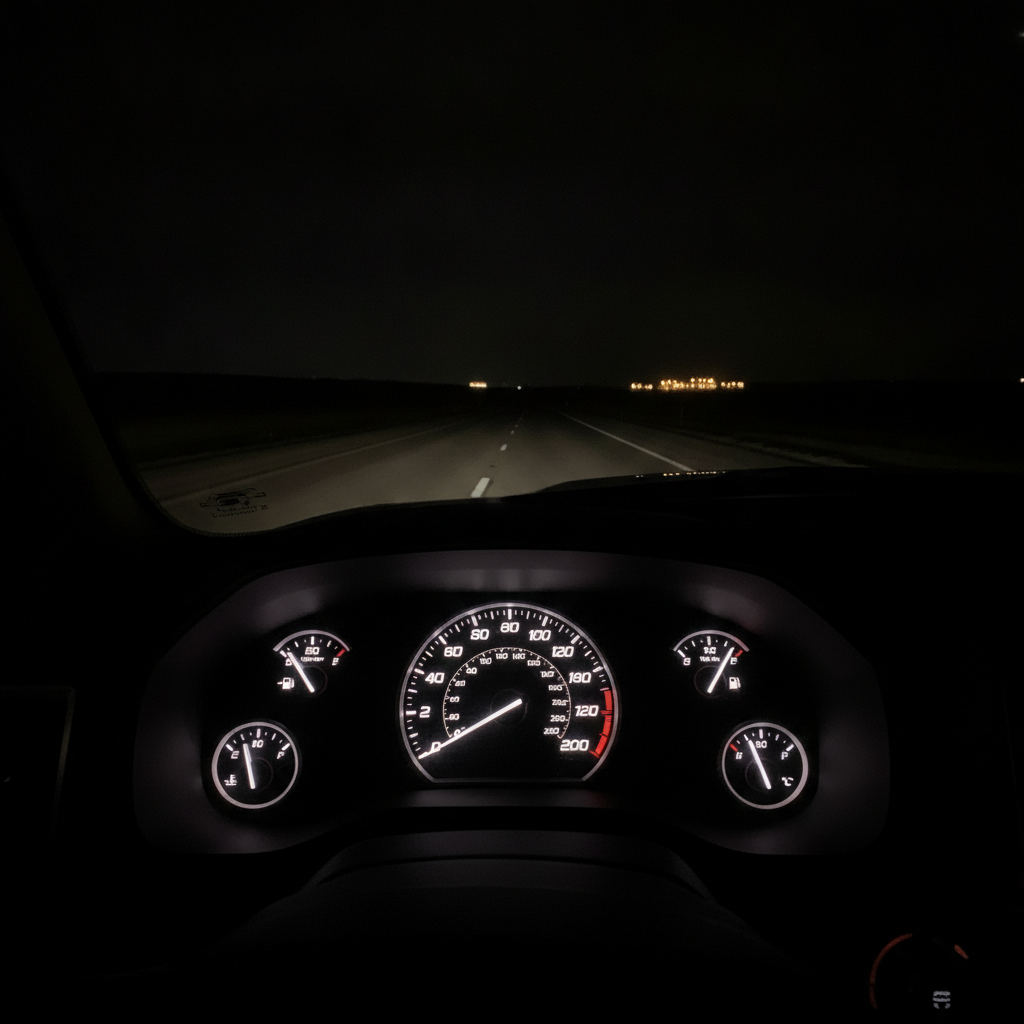
The engine computer runs self tests on the emissions and engine systems as you drive. Some run constantly. Others only run under certain conditions, such as a warm engine, a steady cruise, or a fuel tank within a certain range.

When a test fails, the computer usually stores a pending code first and watches. If the same test fails again on a later drive, the code confirms and the light comes on. That is the lamp you saw on Monday.
The same logic runs in reverse. For most faults, once the test passes on three drives in a row, the computer decides the problem is no longer present and turns the lamp off. For misfire and fuel system faults, it has to pass under conditions similar to the ones where the fault first appeared, which is why a cold start misfire can take a while to clear.
So the lamp going out is a statement about the last few drives. It says nothing about why the test failed in the first place.

What the Truck Still Remembers
When the lamp goes off, the code does not vanish. It moves to history. On many vehicles, the computer also keeps a freeze frame: a snapshot of engine speed, coolant temperature, load, road speed and other readings from the moment the fault set.
That snapshot is often worth more than the code. A lean code that set at idle on a cold engine points somewhere different than one that set at highway speed with a trailer on. A tech can see that difference in the freeze frame.
History is not permanent. After a set number of warm up cycles without the fault coming back, the computer erases the history code and its snapshot. On many vehicles that is around 40 warm ups, which is only a few weeks of normal driving. That is the practical reason to have it read soon rather than waiting for the light to come back.
Our guide to what the check engine light means covers the most common causes of a steady light, and many of them are the same ones that come and go.
The Faults That Come and Go on a Ram or Jeep
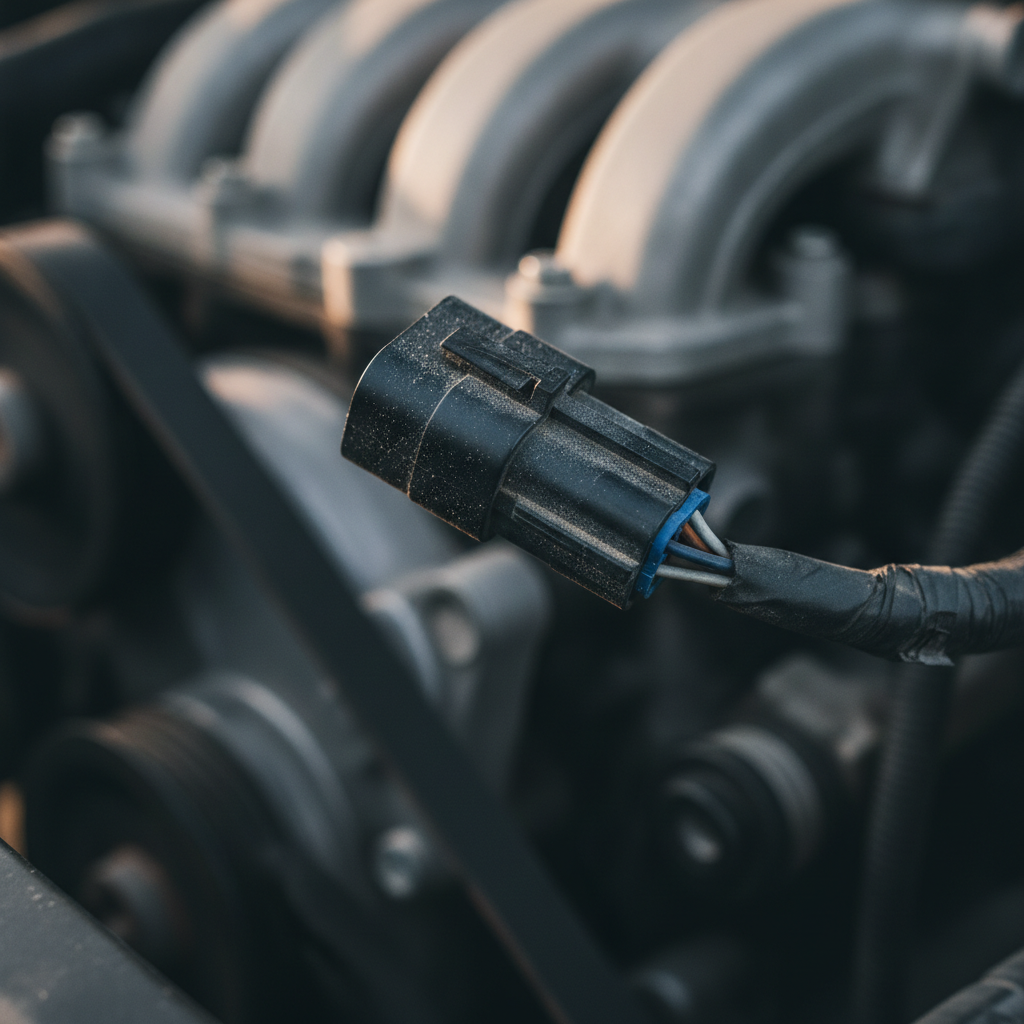
These are the ones we see most often behaving this way.
A sensor that is starting to fail. An oxygen sensor, a temperature sensor, or a position sensor that reads almost right most of the time and wanders out of range once in a while. It fails the test on one drive, passes on the next three, and the light goes out.
A small evaporative leak. The fuel vapour system is sealed, and the computer tests it for leaks under certain conditions, often after the truck has sat. A cap that did not seal, a tired seal, or a small crack in a hose can fail that test on one day and pass on another, especially as temperatures swing.
A connector or a wire. On a truck that lives on gravel, dust and vibration are hard on connectors. A pin that is losing its grip can make contact most of the time and drop out on a rough road.
A misfire on a cold start. One cylinder that stumbles for a few seconds on a cold morning and then smooths out. The computer can catch it, set a code, and later clear the lamp once the weather warms or the drives are longer. On a HEMI, our post on HEMI misfire symptoms goes deeper on what that feels like.
None of these fix themselves. Most of them get worse, and the cold usually speeds that up.
Why It Matters Before Winter
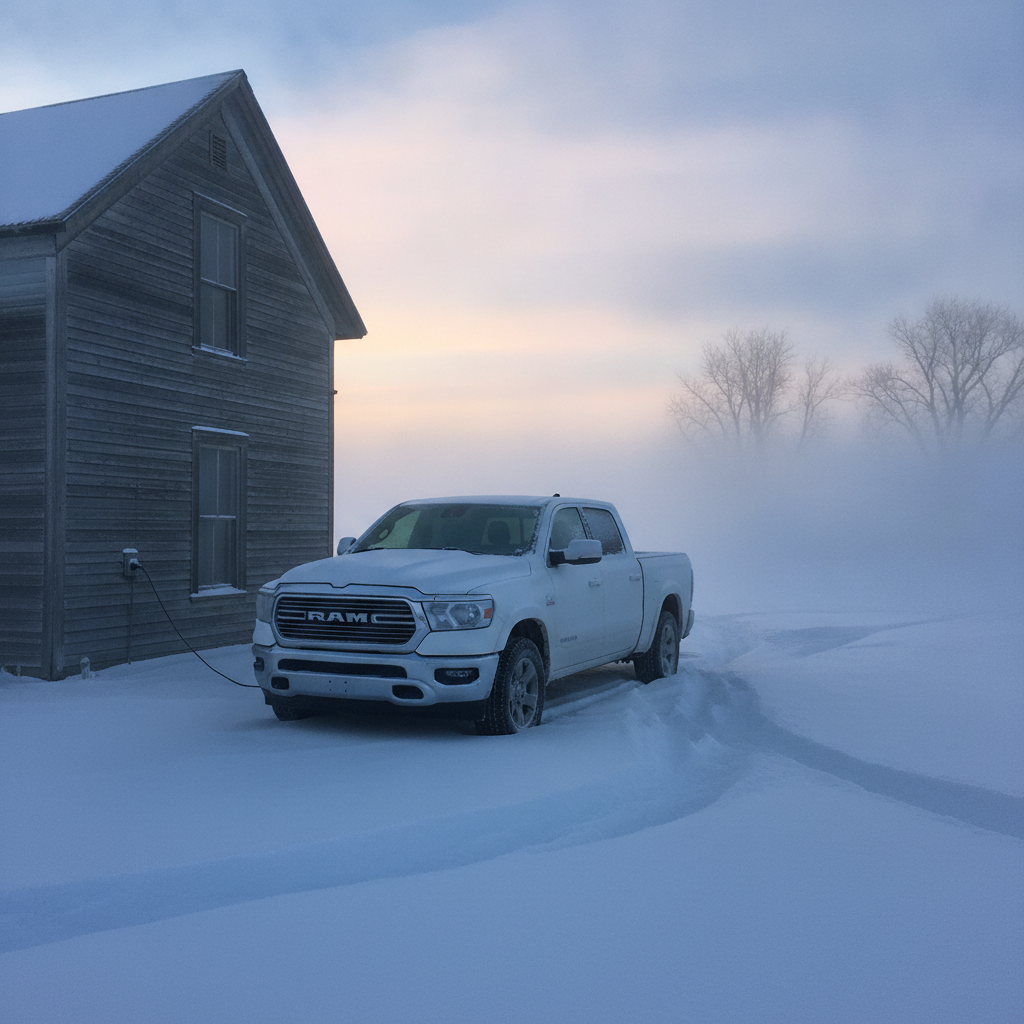
Here is the Manitoba part. A problem that shows up once in a while in September often shows up every morning in January. A marginal sensor, a weak connector or a cold start misfire is working at its worst at minus 25, and a truck that sits outside overnight in Portage la Prairie gets plenty of that.
Having it read now, while the history is still in memory and the weather is mild, is cheaper and easier than finding it on a February morning with a block heater cord in one hand and a cold engine that will not settle. It also means the tech has the freeze frame to work with, instead of waiting for the fault to come back.
How to Report It to the Shop
An intermittent problem is only as easy to find as the description you give. When you book, tell the advisor:
- When the light came on and when it went off. Dates help.
- What you were doing. Cold start or warm, highway or town, loaded or empty, towing or not, and whether you had just filled up.
- Anything you felt or heard. A stumble, a smell of fuel, a rough idle.
- Whether it has happened before. A light that has come and gone twice is a pattern.
We wrote a whole post on describing an intermittent problem to the shop, because it genuinely shortens the diagnosis.
Should You Clear It or Read It Yourself?
Reading it yourself with a basic reader is fine, and some readers can show history and pending codes. Just do not clear it. Clearing wipes the history and the freeze frame, which is exactly the evidence the tech needs. If you want to know what a parts store code read is worth compared with a full diagnosis, we cover that in code reader versus dealer diagnosis.
FAQs
Why did my check engine light come on and then go off?
The engine computer turns the lamp off when the fault it detected does not repeat for several drives in a row. The cause may still be there. It just did not show up during those drives.
Is my truck fixed if the check engine light went off?
Usually not. The light going out means the fault stopped repeating for a while. The code stays in memory as history, and the same problem often comes back, especially in colder weather.
Can a dealer still read the code after the light goes off?
Usually yes. The code moves to history, often with a freeze frame snapshot of the conditions when it set. After enough warm up cycles without the fault, the computer erases it, so have it read sooner rather than later.
How long does it take for the check engine light to turn off by itself?
For most faults, three drives in a row without the fault. Misfire and fuel system faults have to pass under conditions similar to when they first set, so they can take longer.
Is it safe to drive if the light comes and goes?
If the truck runs normally, it is generally fine to drive and book it in soon. If the light flashes, the truck runs rough, or a red warning lamp comes on, stop and call.
The Bottom Line
A check engine light that turns itself off is a truck telling you something happened and has not happened again yet. The code and its snapshot are still in memory for a while, and that is the best chance to find an intermittent fault before winter makes it a daily one.
Book a diagnostic visit and bring your notes on when it came on and what you were doing. Our service centre will read the history, look at the freeze frame and tell you straight whether it needs fixing now or can wait. And if this is one light too many on an older truck, our used inventory is worth a look while you decide.
Tyler Dunn, Dunn Ram Trucks, Portage la Prairie

























