You are pricing tires for the truck and the quote has a letter in it you did not expect. The set you liked says load range E, the cheaper set says C or nothing at all, and the person on the phone says your truck needs the E. Is that true, or is it an upsell.
It depends on the truck, and the answer is printed on it. A load range tells you how much weight a tire is built to carry and how much air pressure it takes to carry it. Getting it wrong in one direction overloads the tire. Getting it wrong in the other rides like a wagon. If you want the right tire quoted for your truck the first time, our parts department will start with your door placard, not a guess.
Key Takeaways
- The load range letter describes strength and pressure. Load range C is commonly called 6 ply rated, D is 8 ply rated and E is 10 ply rated. The ply words are old terminology. Modern tires do not literally have that many plies.
- Higher ranges carry more at higher pressure. Typical maximum pressures are around 50 psi for C, 65 psi for D and 80 psi for E, but the exact figure is printed on each tire and varies by construction.
- The load index is the actual weight number. It is a code on the sidewall that corresponds to a maximum load per tire. Light truck tires often show two numbers, one for single use and one for dual rear wheels.
- Your door jamb placard governs. The sidewall pressure is the tire's maximum. The placard pressure is what the truck's maker specifies for the truck.
- Half tons and three quarter tons wear different tires for a reason. Heavy duty trucks carry and tow far more weight and are built around LT tires. Putting a lighter tire on one is not a place to save money.
- Going up a range is not free. A stiffer tire run at high pressure rides firmer. Match the tire to the truck and the job.
What Load Range Actually Means
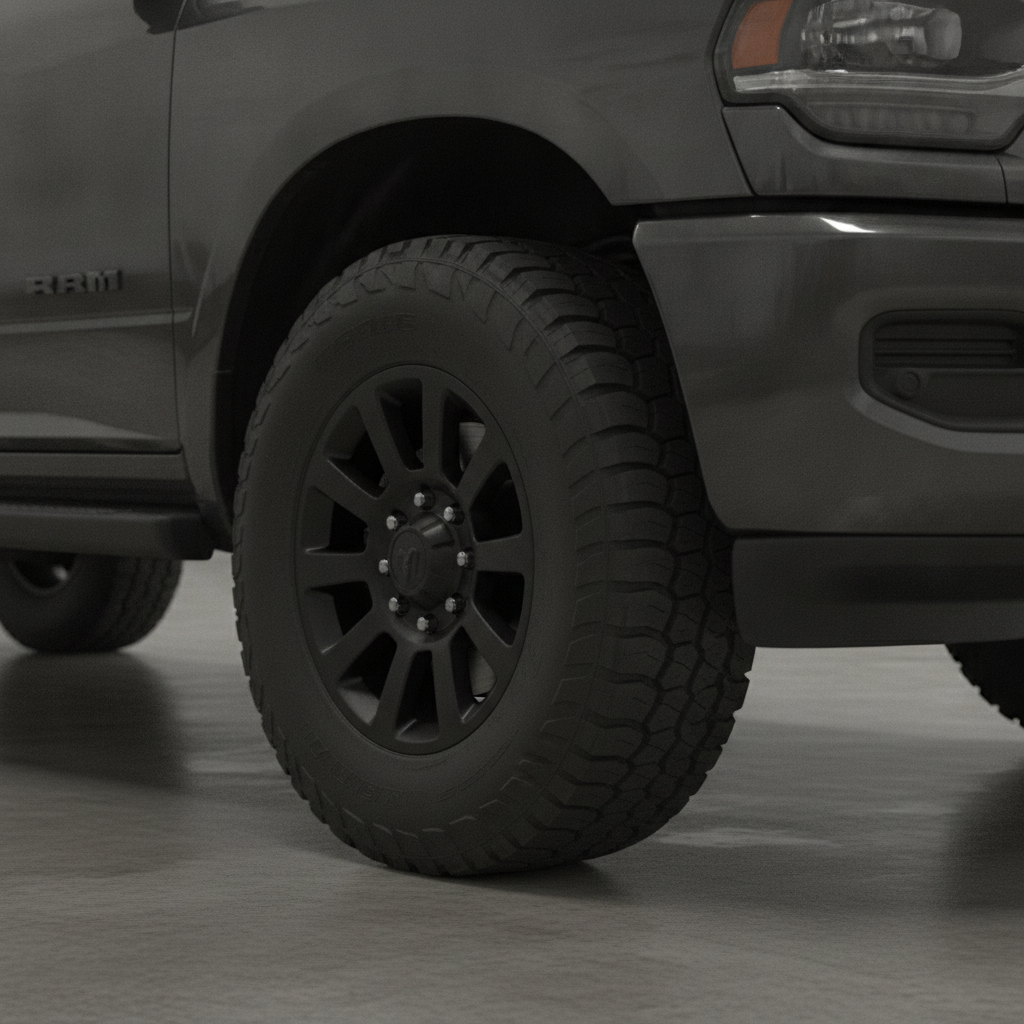
Years ago, tire strength was described by the number of cotton or nylon plies inside the carcass. More plies meant a stronger tire. Tire construction changed, and modern tires get their strength from different materials, so the industry moved to letters. The old ply numbers stuck around as a way of talking about them.
Load range C. Commonly described as 6 ply rated. Often around 50 psi maximum.
Load range D. Commonly described as 8 ply rated. Often around 65 psi maximum.
Load range E. Commonly described as 10 ply rated. Often around 80 psi maximum.

The key idea is that a higher load range lets a tire hold more air pressure, and more pressure is what lets it carry more weight. A load range E tire only carries its full rated load when it is inflated to the pressure that load requires. Run it soft and it carries less.
Tire makers publish load and inflation tables for this reason. Two tires with the same letter can need different pressures to carry the same load, depending on how they are built. That is why the number on the specific tire matters more than a chart from the internet.
The Load Index: The Weight Number on the Sidewall
On the sidewall, after the size, you will see a number like 121 or a pair like 121/118, followed by a letter for the speed rating. That number is the load index. It is a code that corresponds to the maximum weight each tire can carry at its maximum pressure.
Using the standard index table, a load index of 121 corresponds to 3,197 lb per tire and 118 corresponds to 2,910 lb.
Why light truck tires show two numbers. The first number applies when the tire is used singly, one tire at each wheel position. The second applies when it is used in a dual rear wheel setup, like a dually. Each tire in a dual pair is rated a little lower so that if one goes flat, the other is not immediately overloaded, even though the pair together carries more.
What that means for you. Multiply the single rating by four and you have the most the set can carry at maximum pressure. Your truck's actual loaded weight, and how it is split front and rear, has to sit comfortably under what the tires carry at the pressure you are running.
Why a Half Ton and a Three Quarter Ton Need Different Tires
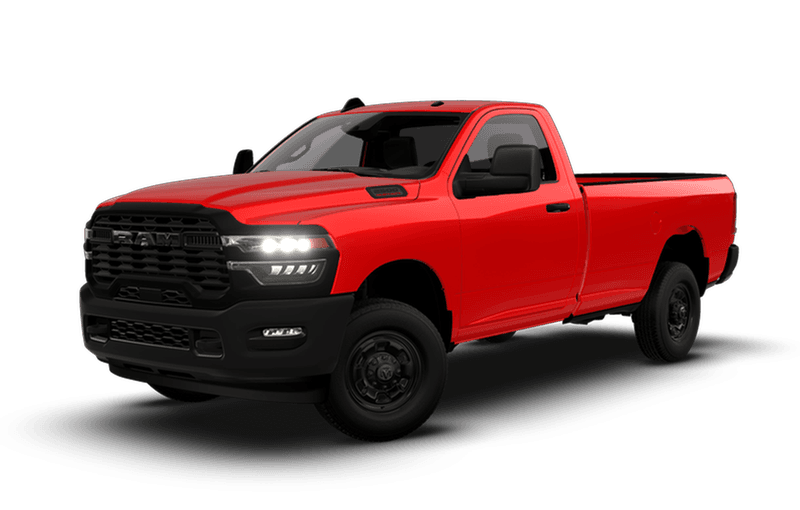
A half ton truck and a heavy duty truck can look similar from across a parking lot, but they are built for very different weights. A heavy duty truck is heavier empty, carries far more payload and tows far more. The tires are part of that capability, and they are chosen for it at the factory.
Heavy duty trucks ride on LT tires. The LT at the start of the size means light truck, and those tires are built and rated for truck loads. Heavy duty trucks commonly use higher load ranges. Your placard tells you exactly what yours was built with.
Passenger rated tires on a truck carry less. A tire whose size starts with P is a passenger metric tire. When a P metric tire is fitted to a light truck or SUV, the tire industry's load tables require its load capacity to be reduced by dividing by 1.10, roughly ten per cent. That is one reason P metric tires do not belong on a truck that works hard.
Downgrading a heavy duty truck is not the place to save. A cheaper, lighter load range tire might fit the rim, but if it cannot carry the truck, the payload and the tongue weight of your trailer at a sensible pressure, it runs hot, wears badly and is more likely to fail. For how much your truck can actually carry, our post on Ram 2500 and 3500 payload covers the numbers.
The Door Jamb Placard Governs, Not the Sidewall
This is the part people most often get backwards.
The sidewall pressure is a maximum. The MAX PRESS figure on the tire is the most the tire's structure is designed to hold, at its maximum load. It is not the pressure you should drive on every day.
The placard is the specification for your truck. On the driver door edge or jamb there is a label from the vehicle maker with the recommended cold inflation pressures, front and rear, and often the original tire size. Those pressures are set for the truck's weight, suspension and handling. If the placard shows different fronts and rears, that difference is deliberate.
Check pressure cold. Before driving, or after the truck has sat. Tire pressure also drops as the temperature falls, so a pressure you set on a warm September afternoon will read lower on a cold November morning. Check again as the seasons change.
Changing tire size or load range changes the math. If you fit a tire that is not the original specification, the right pressure for your load may be different. Ask for the tire maker's load and inflation guidance rather than guessing.
What Happens When You Go Up a Range
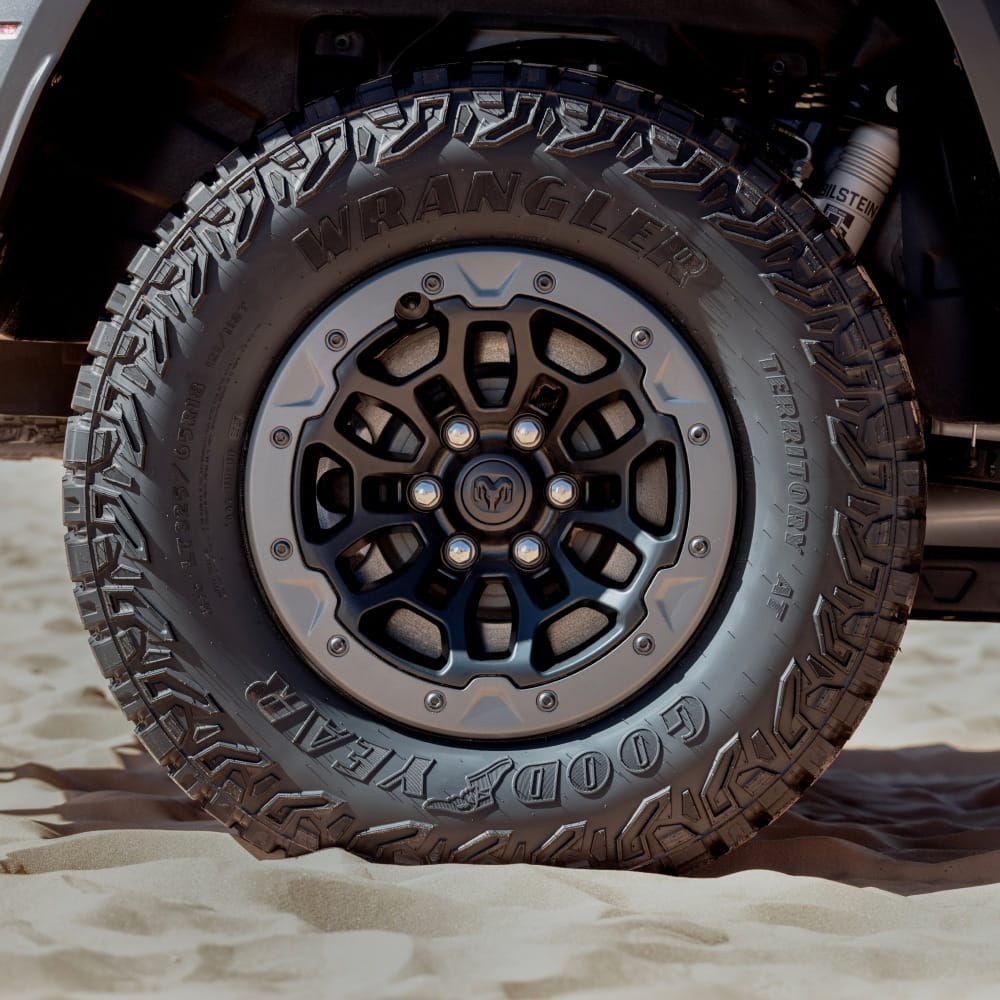
Some half ton owners move to a load range E tire because they want tougher sidewalls for gravel, or because they tow. That can be reasonable, but go in with your eyes open.
Ride quality changes. A stiffer tire, especially one inflated well above what the truck needs, rides firmer and transmits more of the road into the cab. Many owners notice it right away on washboard gravel.
Pressure should match the load, not the letter. Pumping an E tire to its sidewall maximum on a lightly loaded half ton makes the ride harsh and can reduce the tire's contact with the road. Use the tire maker's guidance for your actual load.
Weight goes up. Heavier tires add unsprung weight, which can affect ride and, a little, fuel use.
Your tire pressure monitor may need attention. If the pressures you run change significantly from the original specification, ask how your truck's monitoring system is set.
For many half tons, the right tire is the one on the placard, in a tread suited to how you drive. For heavy duty trucks, keeping the factory load range is the baseline, not an option.
Buying Truck Tires Without Guessing
Read three things before you shop: the size, the load index and load range on your current tires, and the placard on your door. Bring a photo of both.
Then think about the job. Empty highway kilometres, gravel roads, a camper or stock trailer, or a plough in winter all change the right answer within the correct load range. When a tire is near the end, our post on when to replace truck tires explains how to judge tread and age, and for winter sizing on a half ton see our Ram 1500 winter tire size guide.
Our parts department quotes tires against your truck's specification, and our service department installs, balances and sets pressures to the placard. You can book tire installation or a seasonal changeover online. If you are shopping for the truck itself, the new Ram 2500 lineup and the new Ram 1500 lineup are online too.
FAQs
What does load range E mean on a truck tire?
It is a light truck tire strength rating commonly described as 10 ply rated. It allows higher inflation pressure, often around 80 psi maximum, which lets the tire carry more weight. The exact maximum load and pressure are printed on the tire.
Does my half ton need load range E tires?
Not usually. Most half tons are specified for a lighter tire, and the door jamb placard shows what yours needs. Some owners choose E for towing or rough roads, but expect a firmer ride and set pressure for your actual load.
Can I put load range C tires on a three quarter ton?
It is not a good idea unless the tire maker's load tables show the tire can carry the truck's axle weights at a safe pressure. Heavy duty trucks are built around LT tires in the load range their placard specifies.
Should I inflate my tires to the pressure on the sidewall?
No. The sidewall shows the maximum pressure. Use the cold inflation pressure on the vehicle placard on the driver door jamb, unless you have changed tire size or load range and have the tire maker's guidance.
What do the two numbers in a load index like 121/118 mean?
The first is the load rating when the tire is used singly. The second is the rating for each tire when used in a dual rear wheel setup. A 121 rating corresponds to 3,197 lb per tire and 118 to 2,910 lb.
The Bottom Line
The letter on the sidewall is a promise about how much weight a tire can carry and how much air it needs to do it. The load index is the number behind that promise. The placard on your door is what the truck needs. When all three line up with how you use the truck, the tires carry the load safely and the truck rides the way it should.
If you want a quote that starts from your truck instead of a guess, send our parts department a photo of your placard and your current sidewall, and we will match the right tire to the job.