The service advisor walks you through it. Tie rods, a couple of ball joints, maybe bushings, and an alignment once it is all done. The truck has a lot of kilometres on it, it has been good to you, and now you are standing in the service drive doing math in your head. Is this money well spent on a truck you plan to keep, or is it the moment to stop putting money into it.
We sit in an unusual spot for that question, because we are on both sides of it. We do the front end work, and we also appraise trucks and sell them. So here is the honest way to weigh it, with no invented numbers. If you have not had the truck looked at yet, book a front end inspection first, because every decision below starts with a real estimate on your actual truck.
Key Takeaways
- Start with a real estimate and a real appraisal. Guessing at either number is how people make the wrong call in both directions.
- Compare the repair to the truck's value and to your plans, not to a rule of thumb. A repair that keeps a paid off truck working for years can be the best money you spend.
- Ask what else is coming due at the same age. Front end work rarely arrives alone on a high kilometre gravel road truck. Tires, brakes, and fluids often line up at the same time.
- Repair is clearly right when the rest of the truck is sound, it is paid for, and it does the job you need.
- Trading makes more sense when several big items are due together, the truck no longer fits your work, or the repair would be more than you are comfortable putting into it.
- Do not trade to escape a repair without knowing both numbers. A worn front end changes what a truck is worth, and so does a fresh one.
Why This Estimate Shows Up When It Does
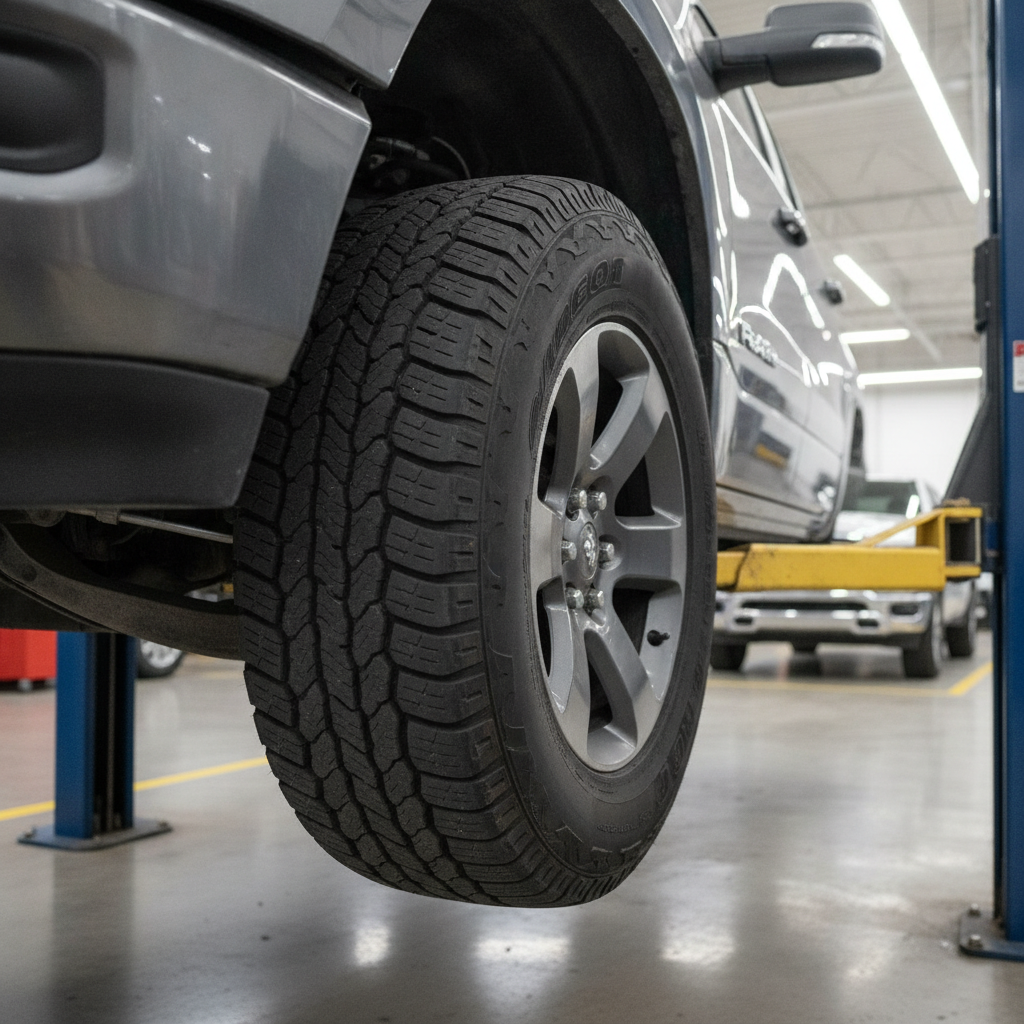
Front end parts are wear parts. Tie rod ends, ball joints, bushings and the other joints that steer and locate the front wheels are all moving every time the truck rolls, and on Manitoba roads they are loaded constantly by washboard gravel, frost heaves and ruts. A truck that spends its life on grid roads will usually need front end work sooner than one that lives on city pavement.

That means a big front end estimate often lands on a truck that is otherwise still good. It is not necessarily a sign the truck is finished. It is a sign the truck has worked. If you want the detail on what those parts are and how they wear, our posts on ball joint wear on gravel roads and on loose steering explain the symptoms.
Step One: Know the Two Numbers
You cannot weigh a decision with one side of the scale empty.
The repair number. Get a written estimate that separates what is needed now from what is worth watching. A good advisor will tell you which items are safety related, which are wear that can wait a little, and whether the alignment is included once the parts are in.

The truck's number. Get a real appraisal on the truck as it sits today. Online estimates are a starting point, but they cannot see your truck, and condition matters a great deal. Our instant cash offer tool gives you a first look, and we can put eyes on the truck while it is already here for service. Our post on trade in value in Manitoba explains what actually moves that number.
With both numbers in front of you, the conversation changes from a gut feeling to a decision.
Step Two: Look Past the Front End
The front end is rarely the only thing a high kilometre truck is thinking about. Before you commit, ask what else is likely to come due in the next year or two on a truck of this age and use. On a truck that has spent its life on gravel roads, it is worth asking about:
Tires. If the front end has been loose, the tires may have worn unevenly, and a new set may be part of the real cost of getting the truck right.
Brakes and brake lines. Pads, rotors, and on older prairie trucks the condition of the lines after years of road salt.
Shocks. They wear on the same roads as the front end, and a truck with tired shocks will wear new front end parts faster.
Fluids and scheduled items. Transmission, differential and transfer case service, coolant, and whatever the maintenance schedule has coming.
Rust. The frame, the rockers, the cab corners. Salt and time are hard on everything under a Manitoba truck.
Ask the advisor to note what they saw while the truck was on the hoist. That is the fairest picture of what owning this truck looks like for the next few years.
When Repairing It Is Clearly the Right Call
There are situations where fixing the front end is simply the smart money.
The truck is paid for. A truck with no payment that needs a repair is often still the cheapest truck you will ever drive, as long as the rest of it is sound.
The rest of the inspection came back clean. If the front end is the one big item and the engine, transmission, frame and brakes are in good shape, you are buying a lot more life with that repair.
It still fits the work. If it tows what you tow and hauls what you haul, there is no reason to change trucks just because a wear part wore out.
You plan to keep it for years. The longer you will drive it after the repair, the better that repair looks.
It is a truck you know. You know how it has been maintained. A replacement, even a good one, comes with a history you did not live through.
When Trading It Makes More Sense
Other times the honest answer points the other way.
Several big items are due at once. Front end, tires, brakes and a major service in the same season adds up differently than a front end on its own.
The truck no longer fits your life. If you have been meaning to step up to a bigger truck for towing, or down to something easier on fuel, a big repair is a natural decision point.
You would be uncomfortable with the size of the repair relative to the truck. There is no magic percentage. It is your money and your comfort level, weighed against what the appraisal says.
Reliability matters more than it used to. If the truck now carries you to a job site or pulls a trailer you depend on, the peace of mind of a newer truck has a real value.
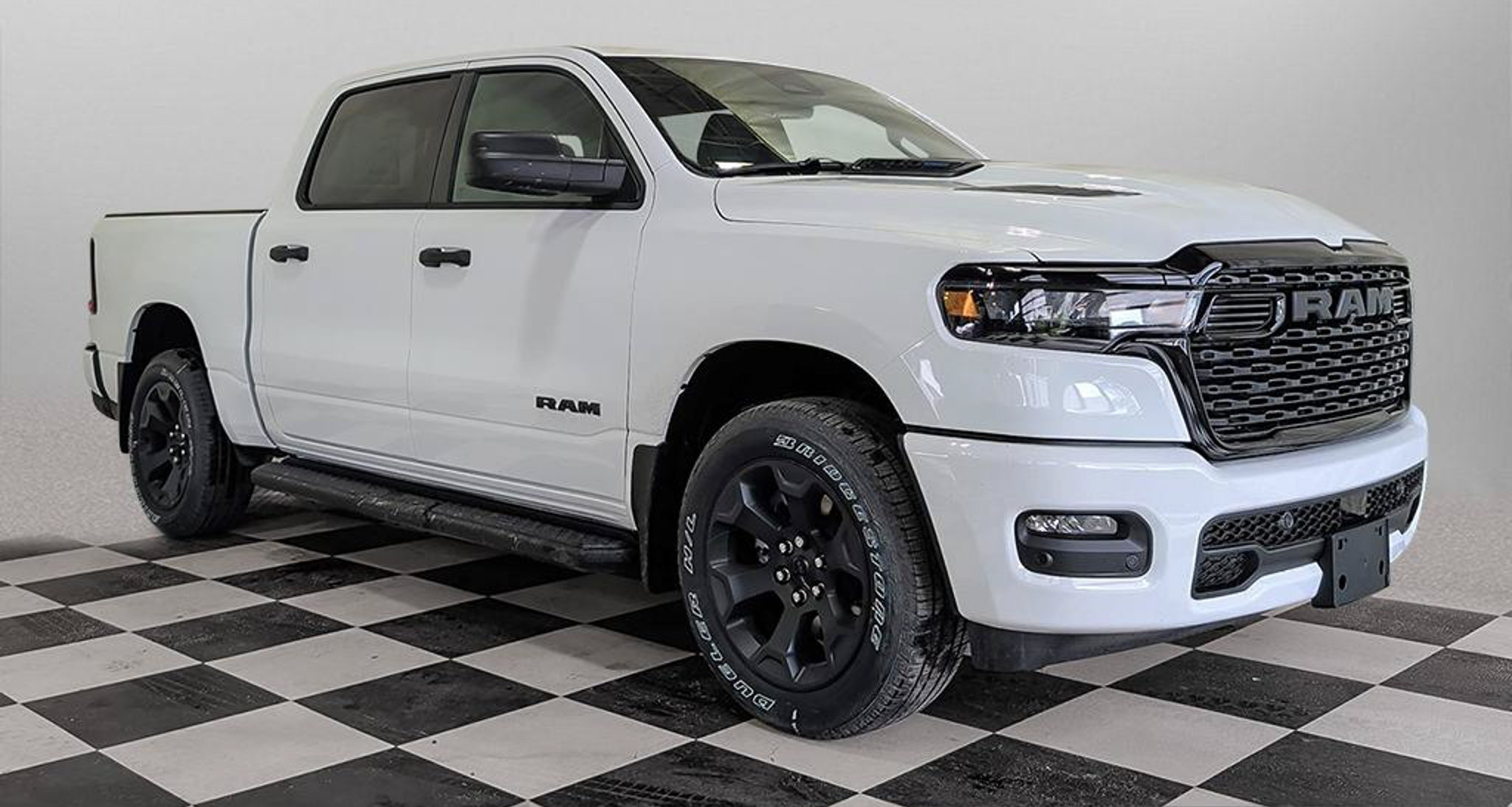
If you are leaning that way, our post on whether to buy a new or used truck walks through that choice honestly. You can browse our used inventory or the new Ram 1500 lineup, and if you want a sense of payments before you visit, the finance application is online.
The Mistake to Avoid in Both Directions
Do not trade just to dodge the estimate without an appraisal. A worn front end is part of what an appraiser sees, so trading does not make that repair disappear. It simply moves it into the number you are offered.
Do not repair blindly either. Putting a front end into a truck with a rusted frame or a tired transmission is money that does not come back.
The right call comes from seeing the whole truck and both numbers side by side. That is a conversation we are happy to have, and there is no pressure in either direction. Plenty of people leave our service drive having fixed the truck they love.
FAQs
Is a front end rebuild worth it on a high kilometre truck?
It often is, when the rest of the truck is sound, it is paid for, and it still does the job you need. It makes less sense when several big items are due together or the truck no longer fits your work. Get a written estimate and a real appraisal before deciding.
Does worn front end work lower my trade in value?
Condition is part of any appraisal, so needed repairs are considered when a truck is valued. That is why trading to avoid a repair does not make the cost disappear.
What else should I check before paying for front end work?
Ask about tires, brakes and brake lines, shocks, upcoming fluid services, and rust on the frame and body. While the truck is on the hoist is the best time to see all of it.
Can I get an appraisal while my truck is in for service?
Yes. Ask your service advisor, or start with our instant cash offer tool online, and we can look at the truck while it is already here.
Is there a rule for how much to spend on an old truck?
Not a reliable one. Weigh the repair against the truck's appraised value, the condition of everything else, how long you plan to keep it, and whether it still suits your work.
The Bottom Line
A big front end estimate on a truck with a lot of kilometres is a decision point, not a verdict. Often the smart move is to fix it and keep driving a truck you know. Sometimes it is the right moment to move on. Either way, the answer comes from a real estimate, a real appraisal and an honest look at everything else on the truck.
If you have not had it looked at yet, book an inspection with our service department, and while it is here, ask us for an appraisal too. Then you can decide with both numbers in hand.