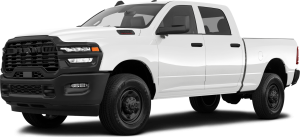
There is a sentence nobody is ready for, and it usually arrives on the phone about four days after the tow truck came. We are looking at writing it off. It lands strangely, because the vehicle in your driveway two weeks ago was just your truck, and now it has become a number that somebody else is calculating.
The write off call is the highest stakes moment in the whole claim, and it is also the least explained. If you have a file open right now, our collision department can tell you where your vehicle actually sits in that process. Here is the honest version of how the decision gets made in Manitoba, what the money is based on, and what your say in it looks like.
Key Takeaways
- A write off is an arithmetic decision, not a judgment about how bad it looks. MPI says it plainly: "Writing off your vehicle means MPI pays you its fair market value rather than fixing it."
- There are two triggers, and MPI publishes both. MPI writes a vehicle off when "the cost of fixing it is more than its actual cash value," or when "the cost of fixing it is more than its actual cash value minus the salvage value."
- Value is not looked up in one book. MPI describes its method as "a careful examination of its condition, obtaining a market appraisal through one or more independent sources, and factoring in any recent repairs that may have increased your vehicle's market value."
- You have a defined route to disagree, and it is written down. MPI's first step is a conversation with a claim supervisor. If that does not settle it, there is a formal independent appraisal process ending in a binding umpire decision.
- A write off does not always mean the vehicle is scrap. MPI assigns a salvage status. Salvageable vehicles can go back on the road after inspection. Irreparable vehicles cannot, and MPI is absolute about it.
- The loan does not disappear with the vehicle. A payout settles the vehicle, not the balance. Where the balance is higher than the payout, the difference is a real problem you want to see coming.
The Two Sentences That Decide It
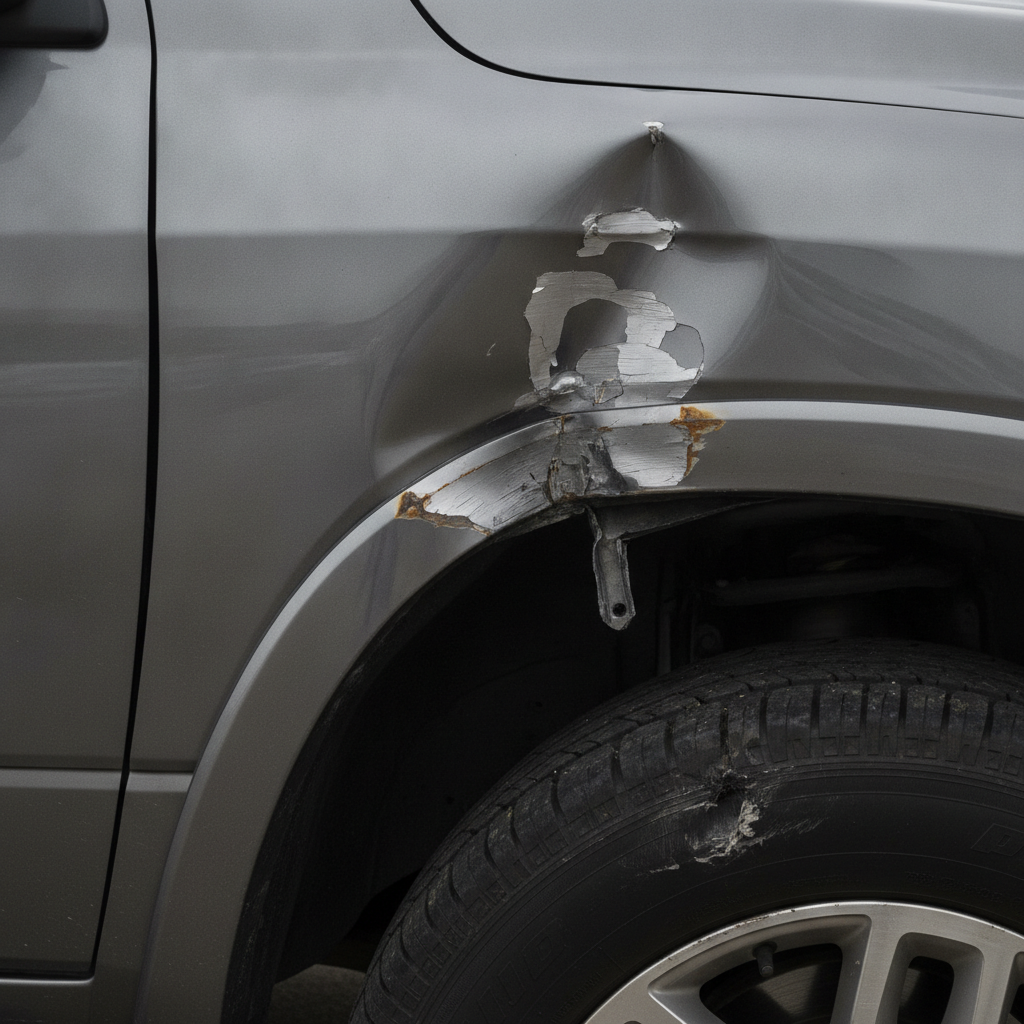
Most people assume a write off is a verdict on severity. It is not. It is a comparison between two dollar figures, and once you see the comparison, the whole thing stops feeling arbitrary.

MPI states the trigger two ways. A vehicle is written off when the cost of fixing it is more than its actual cash value, or when the cost of fixing it is more than its actual cash value minus the salvage value. That second line is the one that surprises people, and it is the one doing most of the work.
Here is why. A damaged vehicle still has money in it. The undamaged parts, the driveline, the wheels, the glass, all of it has resale value to a salvage buyer. So MPI is not really asking whether the repair costs more than the vehicle is worth. It is asking whether the repair costs more than the vehicle is worth after you subtract what the wreck itself would fetch. That subtraction lowers the bar, which is exactly why a vehicle you look at and think is fixable can still land on the wrong side of the line.
The practical effect out here is that older vehicles get written off on damage that would be routine on a newer one. A five year old half ton takes a hit in the left front and gets repaired. The same hit on a fifteen year old version of that truck writes it off, because the repair number did not change much and the value number dropped a long way. Nothing unfair happened. The arithmetic just moved.

How the Value Gets Set
This is where most of the real disagreement lives, so it is worth being precise about what MPI says it does.
MPI describes determining your vehicle's cash value through a careful examination of its condition, obtaining a market appraisal through one or more independent sources, and factoring in any recent repairs that may have increased your vehicle's market value.
Read that carefully, because there are three separate things in it and each one is a place where your specific vehicle can be worth more than an average one.
Condition is examined, not assumed. A vehicle that lived in a shed and got its oil changed on schedule is not the same asset as one that sat in a field. That is a judgment made on your vehicle.
The market appraisal comes from independent sources, and more than one may be used. This is not a single lookup table. It is a read on what your year, model and trim actually sells for.
Recent repairs that increased market value are a factor. This is the line people leave money on. If you put four new tires on it in April, replaced the battery, did the brakes, or had real work done in the last while, that is explicitly relevant. Nobody at MPI knows about it unless you tell them, and nobody is going to guess. Dig out the invoices before the valuation conversation, not after.
Out here there is a local wrinkle worth naming. A clean, low kilometre four wheel drive truck holds its money in Manitoba in a way that a national average does not always capture, because demand for a truck that starts at minus 35 and gets down a muddy spring approach is genuinely local demand. If you think a comparable truck sitting on a lot in Portage or Winnipeg says something different than the number you were handed, say so, and bring the listing.
If You Think the Number Is Wrong

You are not stuck with the first figure, and the route to challenge it is published rather than improvised. MPI lays it out in two stages.
Stage one is a conversation. MPI's own guidance is to talk things over with a claim supervisor, and it names which one: the estimating supervisor where the disagreement is about the repairs, or your adjuster's supervisor where the disagreement is about the vehicle's value. Most valuation gaps close here, usually because the owner finally puts the maintenance records and the local comparables on the table.
Stage two is the independent appraisal process, and the steps are specific. You state the amount you will settle for on a proof of loss form, which your adjuster provides. You then choose a representative, and MPI says that person should be someone experienced in estimating repairs or valuing vehicles, such as a professional vehicle appraiser. MPI sends you its own representative's name by registered mail within five days of receiving your letter. The two representatives try to agree on your vehicle's value or on the repairs needed, and if they agree, MPI says both sides must accept that decision. If they cannot agree, they select a third independent person known as an umpire, and MPI states that the umpire's decision is final and binding on both parties.
Final and binding is the phrase to sit with. This is a real process with a real ending, not a complaint form. It is worth using when the gap is genuine and worth skipping when the gap is a few hundred dollars, because it takes time and effort on your side too.
Salvage Status, and Whether It Can Go Back on the Road
A write off is not automatically the end of the vehicle. MPI assigns a salvage status, and that status decides everything about what happens next.
Vehicles with a salvageable status have collision damage, structural damage or both, and MPI says these can be repaired and returned to roads once they pass the proper inspections. Those inspections are the Body Integrity Inspection Certificate, the BIIC, and the Certificate of Inspection, the COI. Where the damage is cosmetic only, the vehicle is designated salvageable with exception and needs the COI without the BIIC.
Vehicles with an irreparable status cannot be returned to the roads and are sold for parts only. They cannot be registered for use on public roads, cannot display D or R plates, and cannot be registered with temporary certificates.
MPI is unusually blunt on the point that ties it together: no salvage purchases can be registered or driven without the appropriate general safety and structural integrity inspections. No exceptions.
Two things follow from that for a normal owner. First, if you want to keep your written off vehicle, that is a conversation to have with your adjuster early, before the vehicle goes to salvage sale, and the terms are theirs to set rather than ours to promise. Second, if you are ever shopping a repaired salvage vehicle privately, the inspection paperwork is not a formality, it is the whole thing. Our post on the Manitoba Certificate of Inspection covers what that inspection actually checks.
The Part That Catches People: the Loan
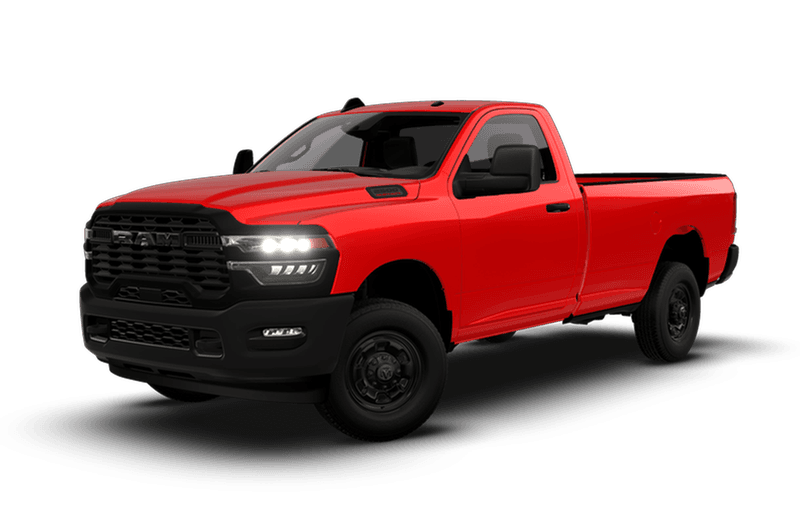
The settlement pays out the vehicle. It does not know or care what you owe on it, and that is the gap that turns a bad week into a bad year.
The mechanics are straightforward. Where there is a lien registered against the vehicle, the payout goes to clearing the lender first, and anything left over comes to you. When the vehicle was worth more than the balance, that is a fine outcome. When the balance is higher than the vehicle's value, the shortfall does not vanish because the vehicle did. You still owe it, and you now owe it on something you cannot drive.
This is not exotic. It is the ordinary result of a long amortization on a depreciating asset, which is the same arithmetic behind trading in a vehicle with money still owing on it. Products exist to cover that gap, and the honest position is that whether you have that protection, and what it actually covers, is a question for your lender and your own paperwork rather than something we will guess at from here. Ask before you need the answer.
The other side of it is what a shortfall does to your next vehicle. Rolling a balance forward is possible and sometimes it is the right call, but it needs to be done with the real numbers in front of you. Get a genuine sense of what you are working with using our instant cash offer tool, and if a replacement is the next step, our used inventory and new Ram 1500 inventory are both online and current. When you are ready to talk financing, the finance application starts the conversation before you are standing in a showroom under pressure.
What to Do in the First Week
Short list, in order, from watching a lot of these files move through the shop.
Find the paperwork now. Service invoices, tire receipts, anything from the last two years. Recent repairs that increased market value are explicitly a factor in MPI's valuation, and paper is what makes them count.
Take your own photos before it goes anywhere. Odometer, interior, tires, any recent work. Once the vehicle moves to storage, your access to it is somebody else's schedule.
Empty it properly. Registration and insurance documents, the garage remote, the spare key, the block heater cord, the sunglasses that have lived in that console since 2019. People forget the second key fob constantly, and a second fob is worth real money on the next vehicle.
Ask what the salvage status is going to be. It changes whether keeping the vehicle is even a possibility.
Ask your lender for the exact payout figure. Not the balance on your last statement, the payout. Know that number before you talk about a replacement.
FAQs
When is a vehicle written off in Manitoba?
MPI writes a vehicle off when the cost of fixing it is more than its actual cash value, or when the cost of fixing it is more than its actual cash value minus the salvage value. MPI describes writing off as paying you the vehicle's fair market value rather than fixing it. Because the salvage value is subtracted in that second test, a vehicle can be written off on damage that looks repairable, particularly on an older vehicle where the value side of the comparison has fallen further than the repair side.
How does MPI decide what my vehicle is worth?
MPI says it determines cash value through a careful examination of the vehicle's condition, a market appraisal obtained through one or more independent sources, and factoring in any recent repairs that may have increased market value. That last piece is the one owners most often leave out, so gather your service and tire invoices before the valuation conversation.
Can I dispute the amount MPI offers me?
Yes, and the path is published. Start by talking it over with a claim supervisor, the estimating supervisor for a disagreement about repairs or your adjuster's supervisor for a disagreement about value. If that does not resolve it, there is an independent appraisal process where you state your settlement figure on a proof of loss form and choose a representative experienced in estimating repairs or valuing vehicles. MPI sends its representative's name by registered mail within five days. If the two representatives cannot agree, an umpire is selected and MPI states that the umpire's decision is final and binding on both sides.
Can a written off vehicle go back on the road?
It depends on the salvage status MPI assigns. A salvageable vehicle can be repaired and returned to the road once it passes a Body Integrity Inspection Certificate and a Certificate of Inspection. A vehicle designated salvageable with exception has cosmetic damage only and needs the COI without the BIIC. An irreparable vehicle cannot go back on the road and is sold for parts only, and cannot be registered or plated at all.
What happens to my loan if the payout is less than what I owe?
The settlement pays out the vehicle, and where a lien is registered the lender is cleared first. If the balance is larger than the vehicle's value, the difference is still yours to pay even though the vehicle is gone. Whether you have coverage for that gap depends on your own financing paperwork, so ask your lender directly rather than assuming. It is the same arithmetic that catches people trading in with money owing.
How long does the whole thing take?
It varies with how quickly the vehicle is assessed, whether the valuation is agreed on the first pass, and whether a lender is involved. The parts you control are the ones worth moving on: your records, your photos, your payout figure. Get those ready in the first week and you are never the reason the file is sitting.
The Bottom Line
A write off feels like a judgment and it is really just a comparison. Repair cost against value, with the salvage value subtracted, and whichever side is bigger decides it. Once you know that is the machinery, the useful moves become obvious. Make the value side as accurate as it can be with condition and records, know the published route to challenge a number you genuinely believe is wrong, find out the salvage status before you make plans for the vehicle, and get the exact loan payout figure in your hand early.
If you are in the middle of one right now, call our collision department and we will tell you straight where your file sits and what the realistic outcome looks like. And when it turns into a conversation about what comes next, we would rather have that one with the real numbers than the hopeful ones.
Tyler Dunn, Dunn Ram Trucks, Portage la Prairie