It is November, it is 22 below, and you hit the fob from the kitchen window. The question every owner asks about ten seconds later is the same one: how long does this thing actually need to run before the cab is warm and the truck is happy to be driven.
The factory answer is fifteen minutes, and the truck will only give you two of those in a row before it makes you put the key in. The more useful answer is that fifteen minutes is generous for what you are trying to accomplish, and the thing you are probably hoping remote start does for your engine is a job a block heater does better and cheaper. If your remote start is not firing at all this year, that is a different problem, and we can look at it in the service department. This is about how to use a working one well.
Key Takeaways
- The factory run time is 15 minutes. Ram's owner documentation states that once the vehicle has started, the engine will run for 15 minutes. It is not adjustable from the fob, and it counts down whether or not you are ready.
- You get two cycles, then the truck stops playing along. The engine can be started two consecutive times, meaning two 15 minute cycles. Before a third, the ignition has to be cycled to the ON or RUN position. This is a deliberate limit, not a fault.
- Warming the cabin and warming the engine are two different jobs. Remote start does the first one well. For the second, Natural Resources Canada is blunt: idling more than 30 seconds has no benefit, and driving is the most efficient way to warm the engine, drivetrain and cabin.
- The idling is not free. Natural Resources Canada puts 10 minutes of idling at 0.25 to 0.50 litres of fuel and 600 to 1,200 grams of CO2, depending on the vehicle and conditions.
- A block heater beats idling on the engine wear question, and it has numbers behind it. At minus 20, Natural Resources Canada reports a block heater can improve overall fuel economy by as much as 10 percent, and on a single short trip at minus 25 the saving could be in the order of 25 percent.
What the Factory Run Time Actually Is
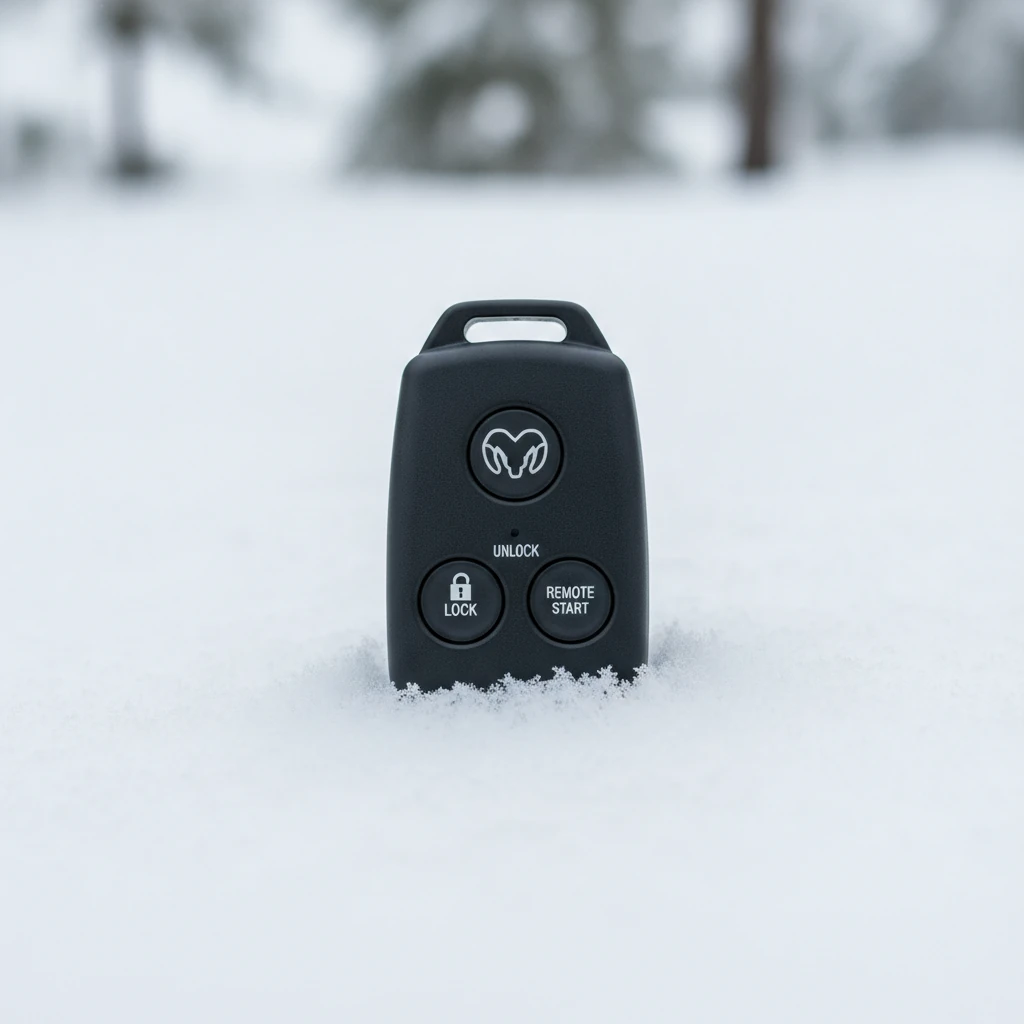
Here is the mechanical reality, straight from Ram's owner documentation rather than from what someone at the coffee shop told you.

Fifteen minutes per cycle. Once the vehicle starts, the engine runs for 15 minutes and then shuts off on its own. You do not have to do anything to end it, and there is no fob button that extends it.
Two cycles, then a key. The engine can be started two consecutive times, so two 15 minute cycles back to back. To go a third time, the ignition has to be cycled to the ON or RUN position first. People read this as the remote start breaking on the coldest morning of the year. It is not broken. It is the system doing exactly what it was designed to do, and the reason is that half an hour of unattended idling is already more than anything is gained by.
Cancelling early. Pressing and releasing the remote start button once shuts it down, or you can just let the cycle finish.

What stops it from starting at all. The conditions Ram lists are worth knowing, because a remote start that refuses is usually refusing for a reason on this list: the shifter has to be in PARK, the doors and the hood have to be closed, the hazard switch has to be off, the brake pedal must not be pressed, the key has to be out of the ignition, the battery needs an acceptable charge, and there has to be enough fuel. The system will also refuse if it was disabled on a previous remote start event or if the vehicle alarm is active. A door ajar, a hood ajar, low fuel or a system fault will each abort it.
That hood condition catches people every winter. If you have had work done and the hood latch or its sensor is not seating properly, remote start quietly stops working and nothing else seems wrong.
Run time behaviour and the cycle limit can vary by model year and equipment, so if your truck behaves differently, check your own owner manual for your year before assuming something has failed. And if it is genuinely not starting, our post on remote start not working walks through the fault side of it.
So How Long Do You Actually Need?
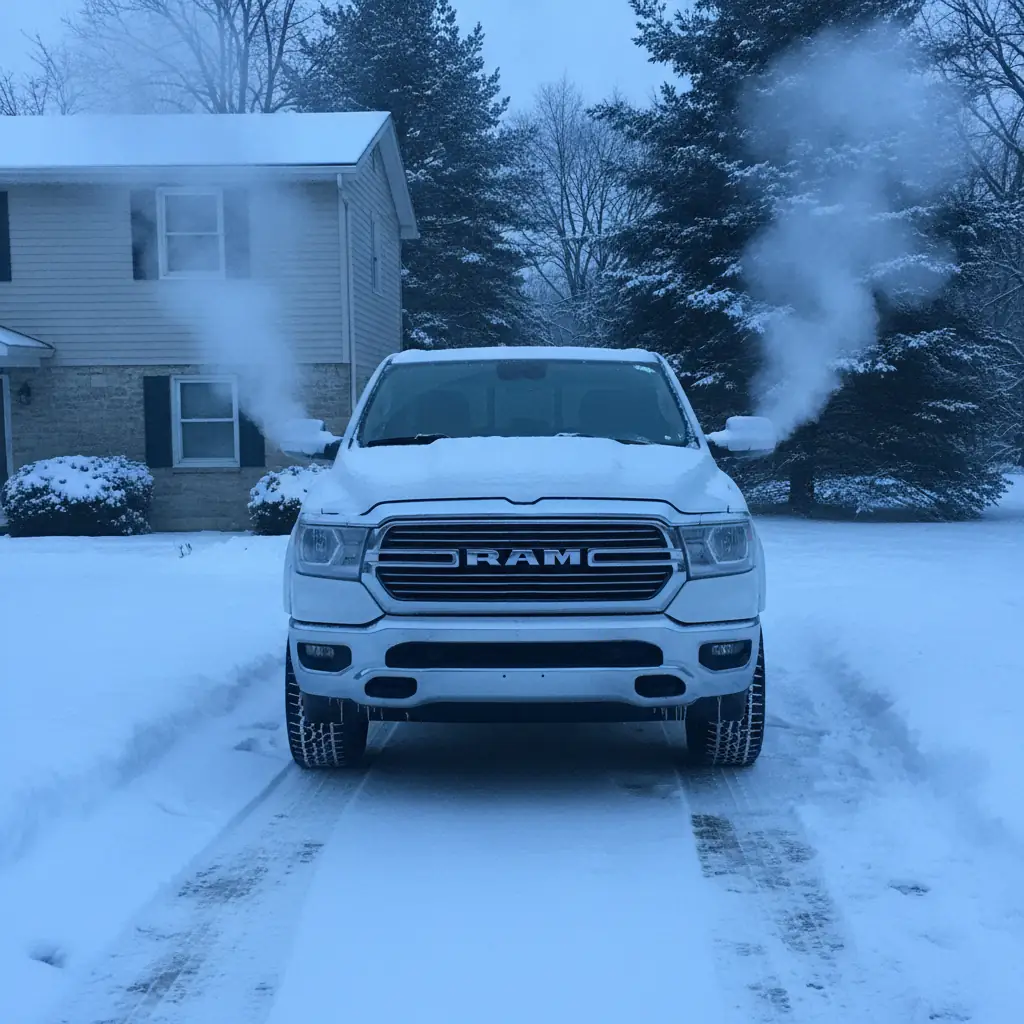
Split the question, because there are two different things you might want out of those fifteen minutes.
If you want a warm cab and clear glass, the honest range in a Manitoba winter is about five to ten minutes for most trucks, and closer to the full fifteen when it is deep cold and the truck has been sitting outside all night. That is genuinely what remote start is for. Defrosting takes time no matter what, the seats and wheel need a few minutes if you have them, and starting the truck from inside the house is a real quality of life feature on a January morning. Nobody should feel bad about using it for that.
If you want to protect the engine, the answer is that idling is not doing what you think. Natural Resources Canada's guidance is direct: idling for more than 30 seconds has no benefit, and driving is the most efficient way to warm the engine, drivetrain and cabin. With computer controlled engines, even on cold winter days, no more than two to three minutes of idling is usually enough warm up time before you start driving. An idling engine warms slowly because it is barely working, and the transmission, differentials and wheel bearings do not warm at all until the truck actually moves.
So the practical version: use remote start for the cabin, then drive gently for the first few kilometres. Easy throttle, no hard acceleration, and let the temperature gauge come up while you are moving. That warms everything, not just the coolant.
What the Idling Costs
Nobody likes this part, but the numbers are small enough to be worth knowing and real enough to matter over a winter.
Natural Resources Canada puts 10 minutes of idling at 0.25 to 0.50 litres of fuel and 600 to 1,200 grams of CO2, depending on the vehicle and conditions. Call it a third of a litre for a typical remote start session on a cold truck.
Run that twice a day, five days a week, through a Manitoba winter that realistically goes from November into March. You are somewhere in the neighbourhood of 50 to 100 litres of fuel over the season, spent entirely while parked. That is not a catastrophe, and it is not nothing either. It is roughly a tank and a half of fuel to have a warm cab, which is a trade plenty of people will happily make.
The part worth being deliberate about is the accidental idling. The cycle you started and then got held up inside for. The second cycle you fired because the first one timed out while you were finding your keys. Those add up faster than the intentional ones.
Remote Start or Block Heater? Use Both, for Different Jobs
This is the comparison that actually settles the question, and the answer is not either or.
A block heater warms the engine before it starts. That is the part that matters for wear, because most engine wear happens in the first moments of a cold start when the oil is thick and has not reached everything yet. The numbers back it up: Natural Resources Canada reports that at minus 20 a block heater can improve overall fuel economy by as much as 10 percent, and for a single short trip at minus 25 the fuel saving could be in the order of 25 percent. They recommend a timer that switches it on two hours before you drive, which is usually all the time needed to warm the coolant and the engine.
Remote start warms the cabin after it starts. It does nothing for the cold start itself, because the cold start already happened the moment it fired.
Used together the way they are meant to be, the block heater is on a timer for two hours before you leave, and remote start goes on for five or ten minutes at the end of that window to clear the glass and take the edge off the cab. The engine was never truly cold, the cabin is warm, and you burned a few minutes of idle instead of fifteen.
If you want the full picture on the heater side, our Manitoba block heater guide covers how to use one properly. And if the frost on the glass is the real problem, how to defrost your windshield is the faster read.
Getting the Most Out of It This Winter
A few things make a real difference, and none of them cost anything.
Time it, do not guess it. Hit the fob when you are actually five or ten minutes from leaving, not when you first think about it. Most wasted cycles are started too early.
Keep fuel in it. Low fuel is on the list of conditions that will abort a remote start, and a truck that lives near a quarter tank in winter will refuse on you eventually. There is a condensation argument for keeping it fuller in the cold too.
Turn the defrost settings on before you shut it off. The climate system generally picks up where it left off, so leaving it set to defrost with a reasonable fan speed means the remote start cycle is actually working on the glass rather than blowing at your feet.
Look after the battery. Remote start plus a block heater plus deep cold is a real load, and a marginal battery shows itself in exactly these conditions. If yours is a few years old and cranking sounds lazy, get it tested before the first hard cold snap. Our service centre can check it in a few minutes, and the parts department stocks the right one for your truck.
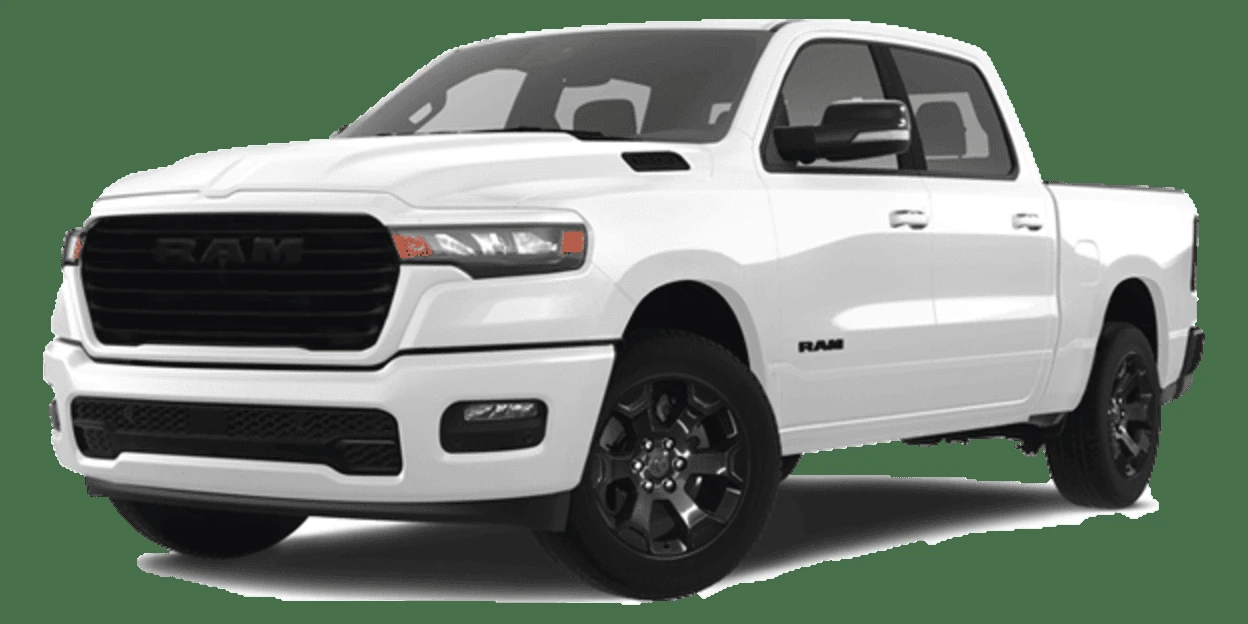
If your truck did not come with remote start and you have been wishing it did, most current Ram trucks have it available, and it is worth pricing out against a winter of scraping. Our new Ram 1500 inventory shows what is on the ground.
FAQs
How long does a Ram remote start run?
Ram's owner documentation states the engine runs for 15 minutes once the vehicle has started, then shuts off on its own. It is not adjustable from the fob. Run time can vary by model year and equipment, so confirm against the owner manual for your specific truck.
Why does my remote start only work twice?
That is by design. The engine can be started two consecutive times, meaning two 15 minute cycles, and before a third the ignition has to be cycled to the ON or RUN position. It is a built in limit rather than a fault, and it exists because unattended idling beyond that is not accomplishing anything useful.
Is it bad to remote start your truck every morning?
It is not bad for the truck, but it is not helping the engine the way most people assume. Natural Resources Canada notes that idling more than 30 seconds has no benefit and that driving is the most efficient way to warm the engine, drivetrain and cabin. Use remote start to warm the cabin, then drive gently for the first few kilometres to warm everything else.
How much fuel does remote start use?
Natural Resources Canada puts 10 minutes of idling at 0.25 to 0.50 litres of fuel and 600 to 1,200 grams of CO2, depending on the vehicle and conditions. Over a full Manitoba winter of daily use, that adds up to roughly a tank and a half of fuel burned while parked.
Why won't my remote start work?
The common causes are on Ram's own condition list: the shifter not in PARK, a door or the hood ajar, the hazard switch on, the key still in the ignition, low fuel, a low battery, an active alarm, or the system being disabled from a previous event. A hood latch or sensor that is not seating is a frequent culprit after other work has been done. If none of that explains it, it is worth having the system looked at.
Should I use remote start or a block heater?
Both, for different jobs. The block heater warms the engine before it starts, which is where the wear and the fuel savings are. Remote start warms the cabin after it starts. Put the block heater on a timer two hours out and use a short remote start cycle at the end of that window.
The Bottom Line
Fifteen minutes is the factory number, two cycles is the limit, and neither is something you need to fight. Most mornings out here, five to ten minutes gets you a warm cab and clear glass, which is the job remote start is genuinely good at. The engine protection people are hoping for comes from a block heater on a timer and a gentle first few kilometres, not from letting the truck run in the driveway.
Get the battery and the block heater sorted before the first hard cold snap rather than during it, because every shop in the province is full that week. Book it in while it is still fall and it will be handled long before you need it.
Tyler Dunn, Dunn Ram Trucks, Portage la Prairie