The taxes on buying a car in Manitoba are 5 percent GST plus 7 percent RST from a dealer, and only the 7 percent RST on most private sales. A trade in of the same general kind cuts the amount the RST is charged on, so get a firm number on your current vehicle with our instant cash offer tool before you decide how to sell it.
If you are already at the numbers stage, apply for financing and ask our team to show you the payment with the tax in it; approvals are on approved credit. What follows is the plain version of the rules, written the way we explain them across the desk in Portage la Prairie and checked in October 2026 against the Manitoba Finance Taxation Division's vehicle bulletins, Manitoba Public Insurance and the Canada Revenue Agency. It is general information, not tax advice. For your own situation, ask MPI, your Autopac agent or the Taxation Division.
Key Takeaways
- Two taxes at a dealer: 5 percent GST and 7 percent RST. The Canada Revenue Agency's rate table lists Manitoba at 5 percent GST and 7 percent provincial sales tax, charged separately because Manitoba is not an HST province.
- At a dealer, RST lands on the "net selling price." Manitoba Finance's Bulletin No. 012 counts freight, pre delivery charges, accessories, documentation fees, extended warranty and environmental levies in it, and leaves out a PPSA lien fee that is not marked up, is shown separately and is paid at delivery.
- A trade of the same general kind means RST on the difference only. A car traded on a truck qualifies. A snowmobile traded on a truck does not.
- A private purchase means RST at registration and, generally, no GST. MPI or an Autopac agent collects 7 percent on the greater of the price you paid and the Canadian Black Book average wholesale price for Manitoba.
- Selling your old vehicle privately can still earn the RST back. Manitoba's buy/sell refund covers the sale of a vehicle of the same general kind within six months before or after your purchase, by application, less a processing fee.
Taxes on Buying a Car in Manitoba at a Glance
| How you buy | GST | RST | Who collects it | What the RST is charged on |
|---|---|---|---|---|
| From a dealer, new or used | 5 percent | 7 percent | The dealer, at the sale | The net selling price, after any qualifying trade |
| From a private seller | Generally none | 7 percent | MPI or an Autopac agent, at registration | The greater of the price paid and the Canadian Black Book average wholesale price for Manitoba |
| From a private seller, with a trade | Generally none | 7 percent | MPI or an Autopac agent, at registration | The net purchase price after the trade |
That table is also the answer to the used vehicle question. Bulletin No. 012 has dealers collect RST on the net selling price of new and used vehicles alike, and the Canada Revenue Agency says GST "generally" applies when you buy from a GST registrant such as a dealership. On a private purchase, nothing is collected at the kitchen table. You pay the RST when you register, on a value MPI works out by the province's rule, not only on the number written on the bill of sale.
What Is the GST in Manitoba, and What Is RST?
The GST in Manitoba is 5 percent. It is the federal Goods and Services Tax, and because Manitoba has not harmonized it with a provincial tax, it is charged separately rather than as one HST.
The provincial piece is the Retail Sales Tax, or RST, charged under The Retail Sales Tax Act at 7 percent on vehicles. Most people still call it PST, and anyone searching "RST tax" is asking about this same 7 percent.
"Road tax" is not the name of either tax on a vehicle purchase in Manitoba. If you mean the sales tax paid when a vehicle changes hands, that is the RST. If you mean the yearly cost of keeping a vehicle on the road, that is your registration fee and Autopac premium, which you pay through Manitoba Public Insurance separately from the purchase taxes. Ask MPI or your Autopac agent for your figure, and our post on truck insurance and Autopac in Manitoba covers the insurance side.
What Goes Into the Taxable Amount at a Dealer
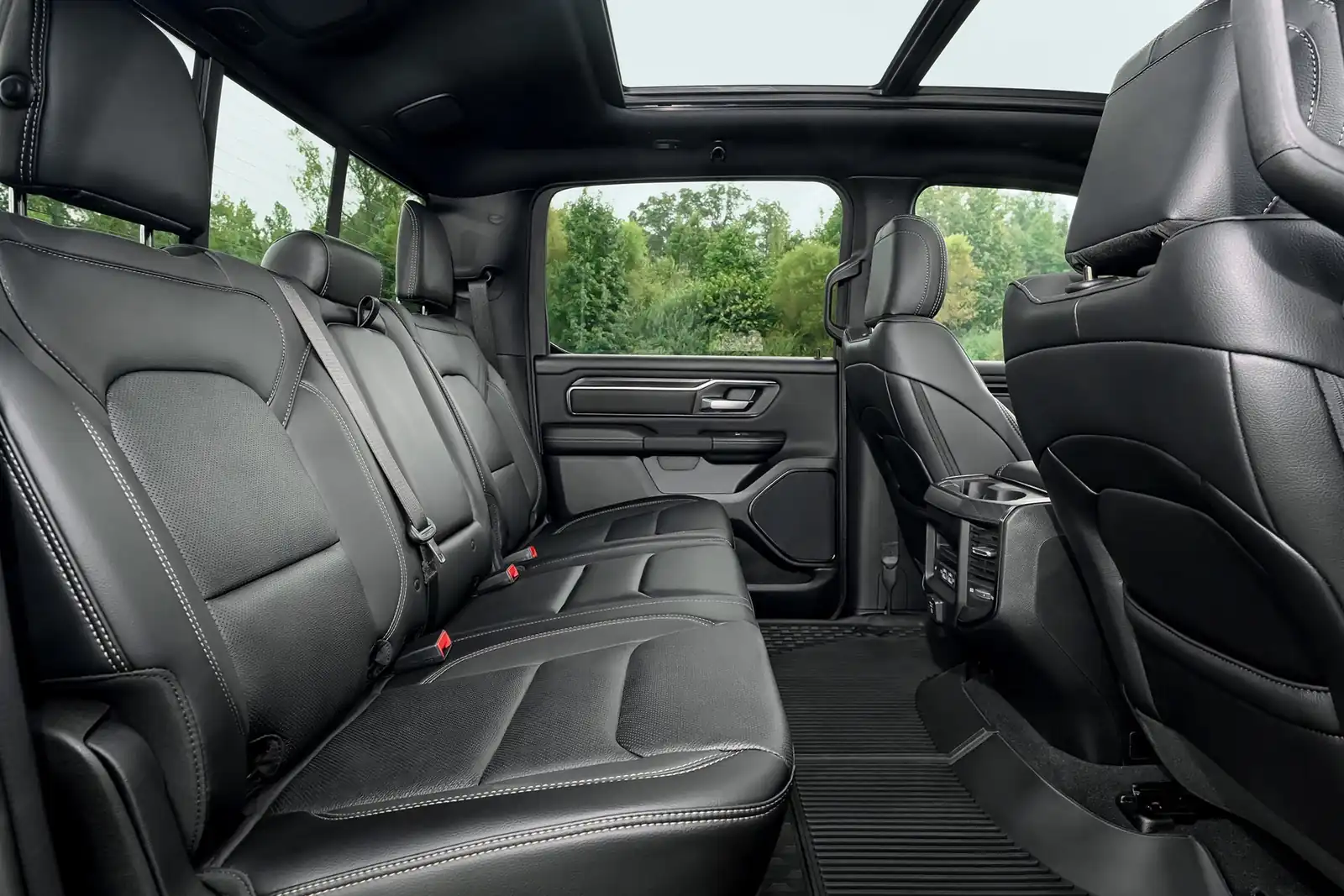
Manitoba Finance calls it the "net selling price." Its Bulletin No. 012, Motor Vehicle and Trailer Dealers (revised July 2019), defines it as the net amount charged for the vehicle after any discount or trade in, but before GST. It includes the price of the vehicle, freight, pre delivery charges, accessories, undercoating, rust proofing, scotchgarding, documentation fees, extended warranty, air conditioning tax, environmental levies, eco fees and any other charges relating to the purchase.
The exception is the PPSA fee, the cost of registering a lender's lien. No RST applies to it when the dealer does not mark it up, shows it separately on the invoice and collects it at delivery.
A dealer discount lowers your RST. A manufacturer cash rebate does not. Bulletin No. 012 says a dealer discount reduces the selling price, so RST applies after the discount. A manufacturer's cash rebate does not reduce what the dealer receives, so the dealer collects RST on the selling price before the rebate is applied, "even if the purchaser assigns the rebate to the dealer." The bulletin's own worked example charges 7 percent on the full price whether the rebate goes to the buyer or to the dealer.
That is the province's rule, and every Manitoba dealer works under it. It matters when you weigh a factory incentive against a straight price cut, because the two are not worth the same to you after tax. For our own listings: Posted prices already include any Consumer Cash; prices are plus GST and PST. Manitoba Dealer Permit #4941. Ask our team to show you, line by line, which incentives in your deal change the taxable price and which do not.
The Trade In Difference Rule, and What It Is Worth
When you trade in a vehicle of "the same general kind," Bulletin No. 012 says the RST "applies to the net difference payable." Vehicles required to be registered under The Drivers and Vehicles Act are one kind, so a car traded on a truck qualifies.
Here is an example, not a quote, to show the arithmetic: if your trade is allowed at one third of the price the new vehicle is written at, the 7 percent RST applies only to the other two thirds, so the trade cuts your RST bill by a third. Every dollar of trade allowance saves 7 cents of RST. A real figure depends on the vehicle, the trade and current programs, less any applicable incentives. Check our current pricing here for the most up to date pricing information.
Get a firm number on your trade before you compare anything. We honour the instant cash offer: the number you get online is the number we stand behind when the vehicle matches what you told us. Our guide to what your trade is worth in Manitoba walks through the rest of the math.
Selling Privately Instead? The RST Saving Is Not Lost, but It Is Slower
A private sale of your old vehicle does not forfeit the saving. Manitoba Finance's Bulletin No. 054, Privately Purchased Vehicles (revised August 2026), describes a buy/sell refund: when you buy or lease a vehicle and, within six months before or after that date, sell a vehicle of the same general kind, an RST refund is available. You apply to the Taxation Division, the bulletin says a processing fee is deducted from each buy/sell refund it processes, and all refunds are subject to a two year limit. If you are the one buying privately and you sold a motor vehicle in the six months before you register, MPI or an Autopac agent can reduce the RST at registration instead, with no processing fee.
So the real difference between trading and selling privately is how you get the RST saving, not whether. A trade puts it on the bill of sale with no form and no wait. A private sale means finding a buyer first, then applying and waiting for the refund. Put a real trade number beside your best private offer and decide with both in front of you.
Three Ways to Lose the Credit at the Desk
Taking a cash payout instead of trading. If a dealer buys your vehicle outright as a separate deal rather than as a trade on the one you are buying, Bulletin No. 012 says the dealer must collect tax on the full selling price of the vehicle sold. You may be eligible for an RST refund, and the bulletin says you "must apply for it directly to the Taxation Division." We buy vehicles outright. You do not have to buy one from us to sell us yours. If you are buying from us in the same visit, ask our team to write it up as a trade so the credit lands on the bill of sale.
Not owning the vehicle you are trading. The dealer must confirm you own the trade at the time of trade, meaning when the Transfer of Ownership Document is completed. If you do not, RST is collected on the full price before the trade allowance. That can catch a trade still registered to a parent, a spouse or a business.
Trading across vehicle groups. Off road vehicles registered under The Off-Road Vehicles Act are a separate group. Trade a snowmobile or a quad on a truck and RST is charged on the truck's full selling price, before the trade allowance. One useful wrinkle from the same bulletin: when you trade a truck together with a camper or a truck cap as a unit, the total value of the unit counts as the trade value of the truck.
If you still owe money on your trade, the rule does not change. We take trades with money still owing; the balance is handled as part of the deal. Our post on trading in a vehicle with money owing explains how that works.
How a Private Sale Gets Taxed Instead
Buying privately does not mean buying tax free. It means paying at registration, and often on a number you did not write down.
Bulletin No. 054 says MPI or an Autopac agent collects the RST when you register. For passenger cars, light trucks, sport utility vehicles and vans, it is charged on "the greater of the vehicle's purchase price and its average wholesale price as determined for Manitoba, using the Canadian Black Book." Writing a low number on the bill of sale does not lower the tax. It only means the Black Book value is used.
Two rules can work in your favour. If you bought a vehicle with severe damage or excessive use for less than its average wholesale price and an authorized appraiser (a dealer who regularly deals in that type of vehicle, or a qualified appraisal firm) completes the province's appraisal report, RST is charged on the greater of the price paid and the appraised value, and the bulletin allows a refund application when the report is completed within 60 days after registering. And if you trade a vehicle in on a private purchase, RST is charged on the net purchase price after the trade.
GST is the other difference. The Canada Revenue Agency says that when you buy through a private sale from someone who is not a GST/HST registrant, "the GST/HST does not generally apply to the private sale."
None of this makes a private purchase a bad idea. It means the honest comparison is the private price plus 7 percent RST on the province's value, against the dealer price plus GST and RST on the net selling price. Add a safety inspection on an older unit and the picture changes again. Our post on the Manitoba certificate of inspection for a used vehicle covers that side, and if you would rather skip the paperwork, browse our used inventory.
Bill of Sale in Manitoba: What MPI Needs to Register the Vehicle
On a private purchase, the bill of sale is the first paper MPI checks. Manitoba Public Insurance's bill of sale instructions say the buyer must present an original, completed and signed bill of sale to an Autopac agent or service centre (clear, complete copies may be accepted), and that a bill of sale missing any required item is not valid. The required items are:
- The date the vehicle was sold
- The legal names of all current legal owners, as shown on their driver's licence or identification card
- The amount the buyer paid the seller
- The names of everyone who will own or share ownership of the vehicle
- The model year, make, model, serial number (VIN) and mileage if applicable, matching the most recent registration card
- The nature of the sale and any conditions, such as "sold as is"
- The signatures of every buyer and every seller
To register and insure the vehicle, MPI also lists a valid, in force Certificate of Inspection and the Transfer of Ownership Document on the back of the registration card, completed and signed by the previous owner, and notes that additional documents may be required. RST must be collected before the vehicle can be registered. MPI publishes a sample bill of sale form, and its instructions say the buyer and the seller should each keep a copy.
Gifts Between Family
Bulletin No. 054 exempts a gift from a qualifying family member when the person giving the vehicle paid the tax on it, received it through a bequest or an estate, brought it into Manitoba as settler's effects, or received it at least 12 months earlier from another qualifying family member who paid the tax.
The qualifying list is a father, mother, son, daughter, spouse, common law partner, grandfather, grandmother, grandson, granddaughter, father in law, mother in law, son in law, daughter in law, stepfather, stepmother, stepson and stepdaughter.
Two things trip people up. Siblings are not on the list. The bulletin says a vehicle received from "a sibling, cousin, uncle, aunt or other person that is not a qualifying family member is taxable." And a chain of gifts within 12 months that ends up moving a vehicle between family members who do not qualify, such as a child gifting to a parent who then gifts straight to another child, is taxed as a transfer between siblings.
At registration, the person receiving the gift must show verification, such as a written note from the previous owner saying they are gifting the vehicle and stating their family relationship. Confirm the details with MPI or your Autopac agent before you start the paperwork, because it has to be right at the counter.
What This Means When You Are Shopping
Compare offers after tax, not before. A factory rebate and a dealer discount of the same size look identical on a worksheet and are not identical on the bill of sale, because only the discount lowers the RST.
Get a trade number before you decide to sell privately. A trade puts the RST saving on the bill of sale. A private sale can recover it through the buy/sell refund, with an application, a processing fee and a wait. Put both side by side.
Ask for the tax lines to be shown separately. Any dealer should be able to walk you down the bill of sale and point at what the GST and the RST were each calculated on. If a number does not make sense, ask before you sign.
If you are financing, our post on how car financing works in Manitoba covers the lending side, first time buyers will find the whole process laid out start to finish, and our guide to how much truck you can afford in Manitoba puts the tax into a budget.
FAQs
How much are the taxes on buying a car in Manitoba?
At a dealer, 12 percent: 5 percent GST plus 7 percent RST, with the RST charged on the net selling price after any qualifying trade. On a private purchase, 7 percent RST, collected by MPI or an Autopac agent at registration, and GST does not generally apply.
What is the GST in Manitoba?
The GST in Manitoba is 5 percent. The Canada Revenue Agency lists Manitoba at 5 percent GST and 7 percent provincial sales tax, charged separately because Manitoba is not an HST province.
What tax do you pay on a used car in Manitoba?
From a dealer, 5 percent GST and 7 percent RST, the same as on a new vehicle. From a private seller, 7 percent RST at registration on the greater of the price paid and the Canadian Black Book average wholesale price for Manitoba, and generally no GST.
What is RST tax?
RST is Manitoba's Retail Sales Tax, 7 percent on vehicles, which most people still call PST. A dealer collects it at the sale, and on a private purchase MPI or an Autopac agent collects it at registration.
Is there a road tax when you buy a vehicle in Manitoba?
"Road tax" is not the name of either tax on a vehicle purchase in Manitoba. The purchase taxes are the 7 percent RST and, at a dealer, the 5 percent GST. Your registration fee and Autopac premium are separate charges you pay through Manitoba Public Insurance, so ask MPI or your Autopac agent for your figure.
What does a bill of sale need in Manitoba?
The date of sale, the legal names of all current owners, the price paid, the names of everyone who will own the vehicle, its model year, make, model, VIN and mileage if applicable, the nature of the sale and any conditions, and the signature of every buyer and seller. Manitoba Public Insurance says a bill of sale missing a required item is not valid, and you also need a valid Certificate of Inspection and a signed Transfer of Ownership Document to register.
Do you pay tax on the full price if you trade a vehicle in?
No, not when the trade is of the same general kind. Manitoba RST then applies to the net difference payable, which is the price minus the trade allowance. A snowmobile or quad traded on a truck does not qualify, so RST is charged on the full price.
Can I get the RST back if I sell my old vehicle privately?
Yes, if you sell a vehicle of the same general kind within six months before or after your purchase. Bulletin No. 054 calls this the buy/sell refund; you apply to the Taxation Division, and a processing fee is deducted from the refund.
Does a manufacturer rebate lower the tax I pay?
No. Manitoba's Bulletin No. 012 has the dealer collect RST on the selling price before a manufacturer's cash rebate is applied, even if you assign the rebate to the dealer. A dealer discount, by contrast, lowers the price the RST is charged on.
Is a vehicle gifted from family taxed in Manitoba?
Not when it comes from a qualifying family member who paid the tax on it, or who received it in one of the other ways Bulletin No. 054 lists. Parents, children, spouses, common law partners, grandparents, grandchildren, in laws and step relations qualify. Siblings, cousins, uncles and aunts do not.
Are documentation fees and freight taxed?
Yes. Bulletin No. 012 includes freight, pre delivery charges, accessories, documentation fees, extended warranty and environmental levies in the net selling price. The usual exception is a PPSA lien fee that is not marked up, is shown separately and is paid at delivery.
The Bottom Line
The taxes on buying a car in Manitoba are fixed: 5 percent GST and 7 percent RST at a dealer, and 7 percent RST on a private purchase. What you can shape is the amount the RST lands on. Trade in something of the same general kind, own it when you sign, and you pay RST on the difference. Sell privately instead and the buy/sell refund can bring the saving back, with an application and a wait.
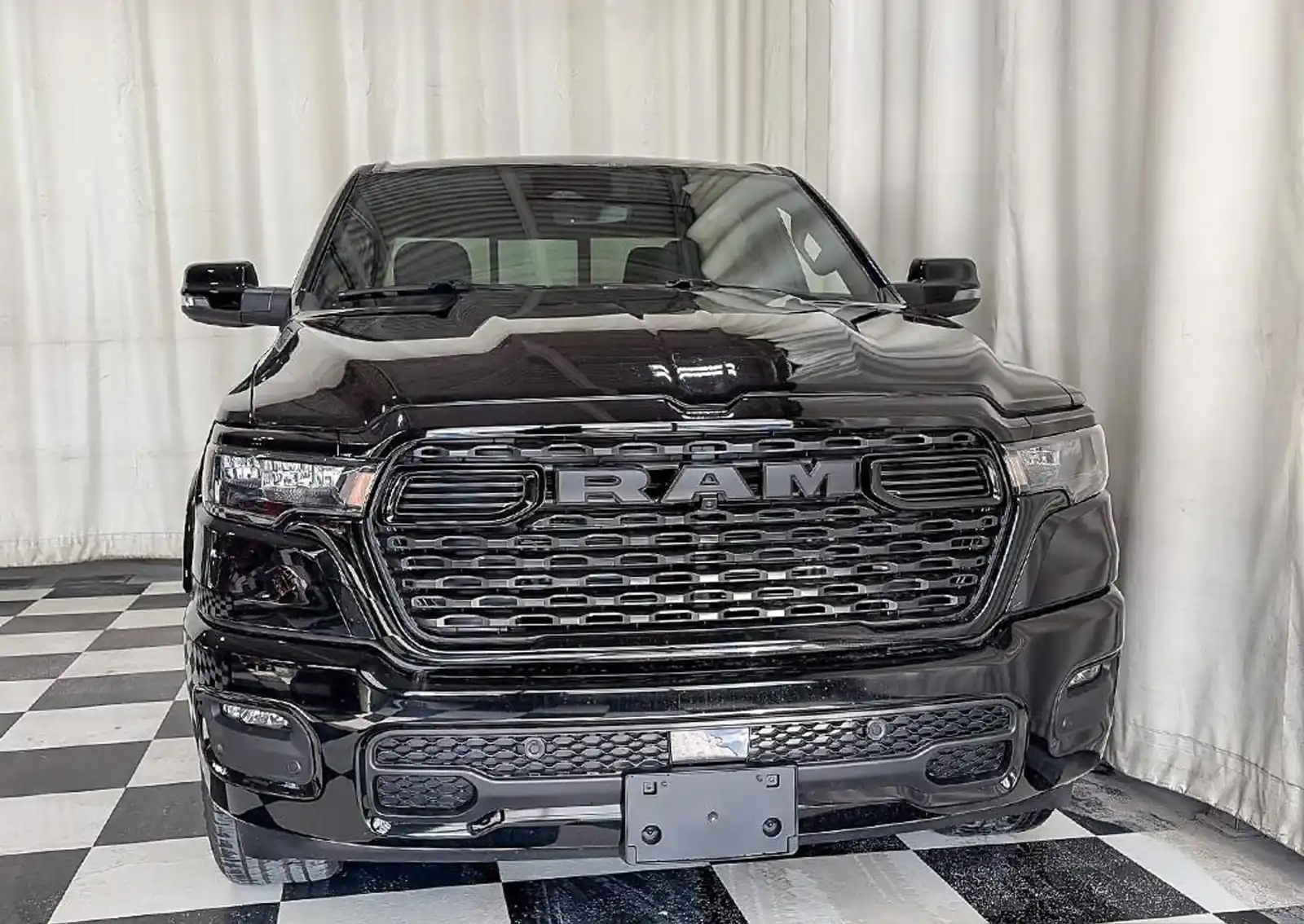
Bring your current vehicle in and ask our team to show you what the tax works out to either way, then decide with the real figures in front of you. If a new truck is where this is heading, see our new Ram 1500 inventory in Portage la Prairie. When you are ready to see a payment, apply for financing; approvals are on approved credit.
Tyler Dunn, Dunn Ram Trucks, Portage la Prairie