Automatic transmissions are supposed to be invisible. You press the pedal, the truck goes, and the shifts happen without you noticing. So the first time one makes itself felt, a thump into drive on a cold morning, a surge of revs between gears, a strange buzz at 70 km/h on the way to Winnipeg, it is unsettling. Most people do one of two things. They ignore it, or they assume the worst and start pricing a rebuild.
Neither is the right move. A transmission that has started shifting hard or feeling loose is telling you something specific, and plenty of those somethings are far smaller than a rebuild. The best outcome comes from catching it early, so if yours has changed, book a transmission check with our service department while it is still a symptom. Our shop does transmission work in house. Here is how to read what you are feeling first.
Key Takeaways
- Different feelings point to different causes. A clunk into gear, a flare between shifts, a delayed engagement and a shudder at light throttle each tell a tech something different. Describe what you feel, not just "it shifts funny".
- Torque converter shudder gets blamed on the whole transmission. A buzz like driving over rumble strips at steady light throttle is often the converter clutch, and it is sometimes related to fluid condition rather than a failing transmission.
- Fluid condition is a clue, not a verdict. Dark or burnt smelling fluid tells you the transmission has been working hot. Fresh fluid will not fix worn internal parts, and a fluid service is not always the right first step on a transmission that is already slipping.
- Modern automatics learn how you drive. After a battery disconnect or some repairs, shifts can feel different for a while as the transmission relearns. That is normal and it is not the same as a fault.
- Towing and gravel shorten the clock. Heat is what wears a transmission, and a prairie truck that tows, hauls and runs gravel makes a lot of it.
Name the Symptom First
"It shifts hard" covers a lot of ground. These are the versions we hear most, and what each tends to point to.

A clunk or thump going into drive or reverse. A firm engagement is normal on some trucks, especially cold. A new, harsh clunk can point to fluid condition, a worn mount, or wear in the driveline behind the transmission, like a U joint. It is not always the transmission itself.
A delay before it engages. You select drive and wait a second or two before the truck takes up. Delayed engagement, especially warm, often points to low fluid or internal wear.
A flare between gears. The revs climb for a moment as it changes gear, as if it slipped into neutral, then it catches. That is a classic slipping symptom and it deserves attention quickly.

Harsh or late upshifts. The truck holds a gear too long, then bangs into the next one. That can be fluid, a sensor, software, or internal wear.
A shudder at light throttle. A buzz or rumble, like driving over rumble strips, at a steady cruising speed with a light foot, that goes away if you press harder or lift off. That one gets its own section below.
A warning message or a limp mode. If the truck suddenly will not shift out of one gear and a warning appears, the transmission computer has protected itself. Drive it gently to safety and call us.
Our post on describing an intermittent problem to the shop is worth a read before you book, because the details you notice save real diagnostic time.
Torque Converter Shudder: The Symptom That Gets Misread
Between the engine and the gears sits the torque converter. At cruising speed, a clutch inside it locks up so the engine and transmission turn together, which saves fuel. When that clutch engages unevenly, it grabs and slips in quick succession, and you feel it as a shudder.
It is easy to mistake for a wheel balance problem, a rough road, or an engine misfire. It is also easy to assume it means the whole transmission is failing. Often it does not. A common contributor is fluid that has aged, because the fluid carries additives that help that clutch engage smoothly. Sometimes a fluid service helps. When the clutch material itself is worn, fluid alone will not fix it, and the converter needs attention.
The honest point is that a shudder is a diagnosis, not a death sentence. A tech who can see live converter data on a scan tool can tell whether it lines up with lockup or with something else entirely.
What the Fluid Can and Cannot Tell You
Transmission fluid lubricates, cools and carries the hydraulic pressure that makes the shifts happen. Its condition is a useful clue.
Healthy fluid is clean and does not smell burnt. Dark, burnt smelling fluid says the transmission has been running hot. Fluid with debris or a metallic sheen says something inside is wearing.
Two cautions. First, many modern trucks do not have a dipstick you can check at home, and the correct level is checked at a specific temperature, so this is often a shop check. Second, fluid is a maintenance item, not a repair. On a transmission that is already slipping badly, a fluid change will not replace worn clutches, and a shop should tell you that plainly before selling you one. The correct fluid type matters too, and the right one for your transmission comes through our parts department.
Our post on transmission service and what to know covers the maintenance side, including what a service involves and what drives the cost.
Modern Automatics Learn, and Relearn
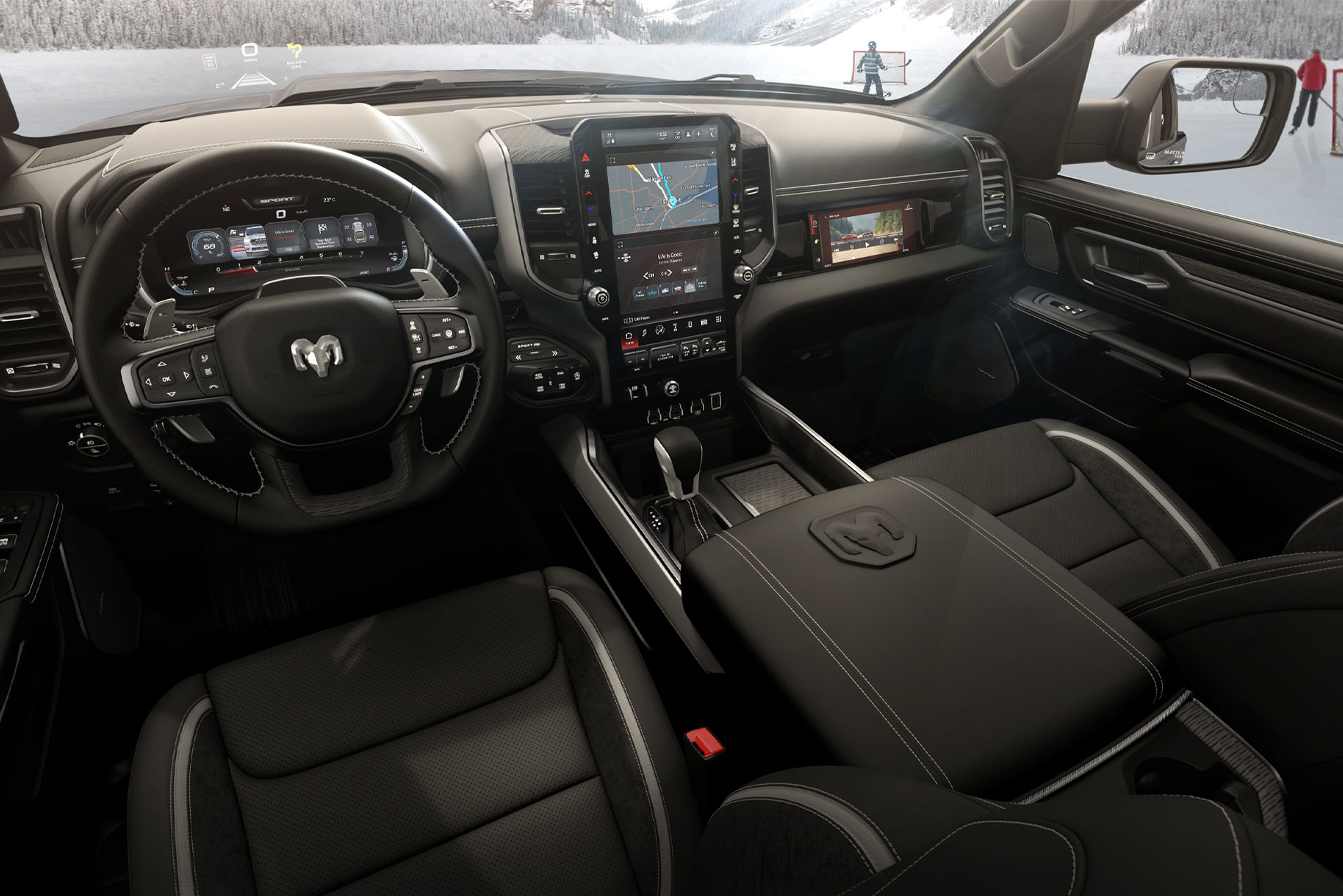
The eight speed automatic in a current Ram 1500 is a computer controlled transmission. It adapts its shifts over time to the way the truck is driven and to normal wear.
That has a practical side effect. After the battery has been disconnected, or after some transmission repairs, the stored learning can be reset. For a while the shifts may feel firmer or slightly different until the transmission relearns. That is normal behaviour, not a new fault. A shift that is still harsh after a reasonable stretch of normal driving, or that gets worse, is worth bringing back.
It also means software is part of the picture. Some shift complaints are addressed by a software update rather than a part, and whether one applies to your truck is looked up against your VIN, not guessed at.
Why Prairie Trucks Work Their Transmissions Harder
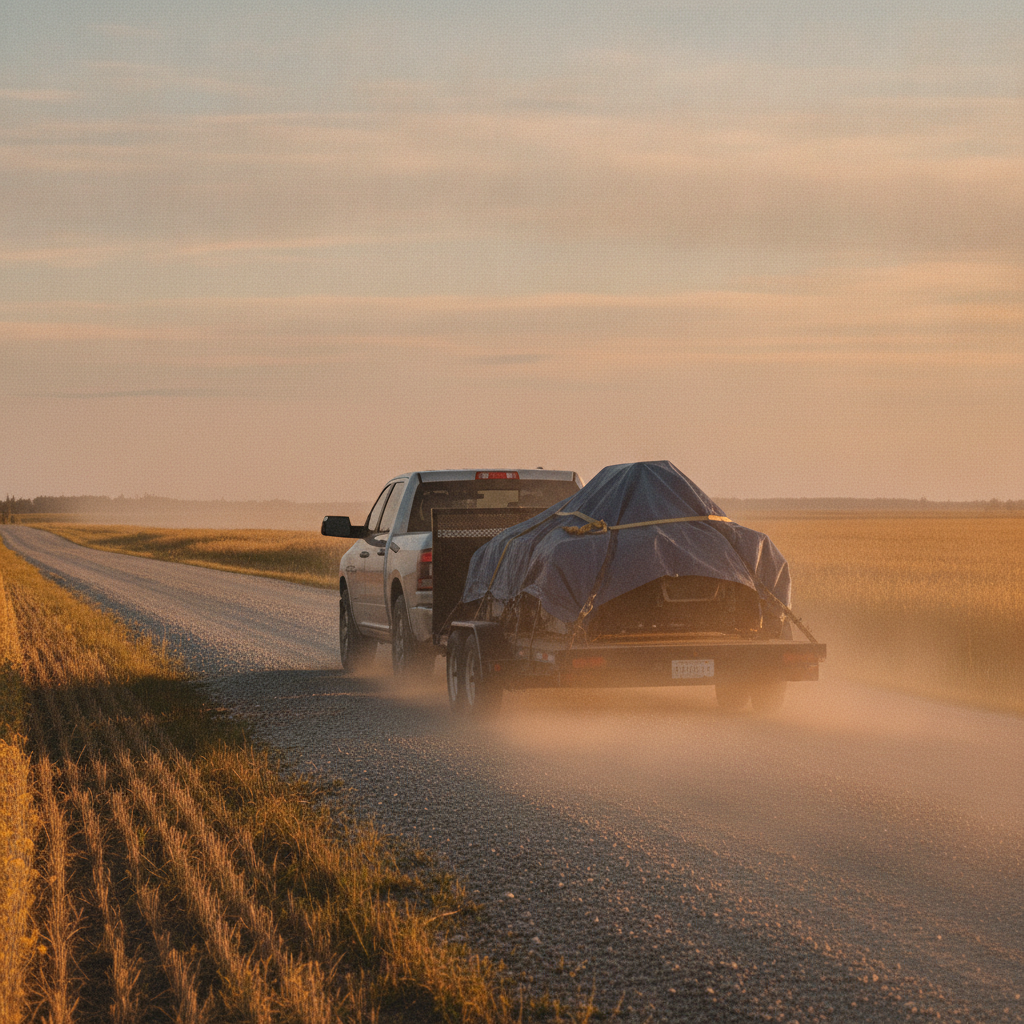
Heat is what wears a transmission, and our kind of driving makes a lot of it.
Towing and hauling. A loaded trailer or a full box keeps the transmission working hard and raises fluid temperature. Our guide to towing in winter in Manitoba covers getting the most out of a truck that pulls year round.
Gravel and grid roads. Slow speeds, soft surfaces and constant speed changes mean more shifting and more slip in the converter.
Deep cold starts. Cold fluid is thick. Driving hard before it warms asks more of the transmission, which is one reason a firmer first shift on a minus 30 morning is common.
Stop and go town driving. Constant up and down shifting all winter adds up.
None of this means something is wrong. It means a prairie truck often belongs on the severe service side of its maintenance schedule, and early symptoms deserve attention sooner.
FAQs
Why is my truck transmission shifting hard?
Common causes include fluid that is low or aged, a transmission that is relearning after a battery disconnect, a sensor or software issue, a worn mount or driveline part, or internal wear. The specific feeling, and when it happens, points a tech toward the right one.
Is a slipping transmission safe to drive?
A flare in revs between gears or a delay before engaging should be looked at quickly. Avoid towing and hard acceleration until it is checked. If the truck goes into a limp mode with a warning, drive gently to safety and call a shop.
What does torque converter shudder feel like?
A buzz or rumble, much like driving over rumble strips, at steady cruising speed with light throttle, that usually goes away when you press harder or lift off. It is often mistaken for a tire or engine problem.
Will a fluid change fix a slipping transmission?
Sometimes fluid condition contributes, especially to converter shudder. But fresh fluid cannot replace worn internal clutches. A shop should diagnose it first and tell you honestly whether a fluid service is likely to help.
Why does my truck shift differently after a new battery?
Modern automatics store learned shift data. A battery disconnect can reset it, and the shifts may feel different until the transmission relearns through normal driving.
The Bottom Line
A transmission rarely fails without warning. It clunks, flares, hesitates or shudders first, and each of those feelings means something specific. Caught early, plenty of them turn out to be fluid, software, a converter concern or a driveline part rather than a rebuild.
Book a transmission check with our service department and tell us exactly what you feel and when. Our service centre handles the diagnosis and the repair here in Portage la Prairie. And if the transmission turns out to be one big problem on a truck with several others, get a sense of your number with an instant cash offer on your trade and a look at our new Ram 1500 inventory. We will give you the honest math both ways.