
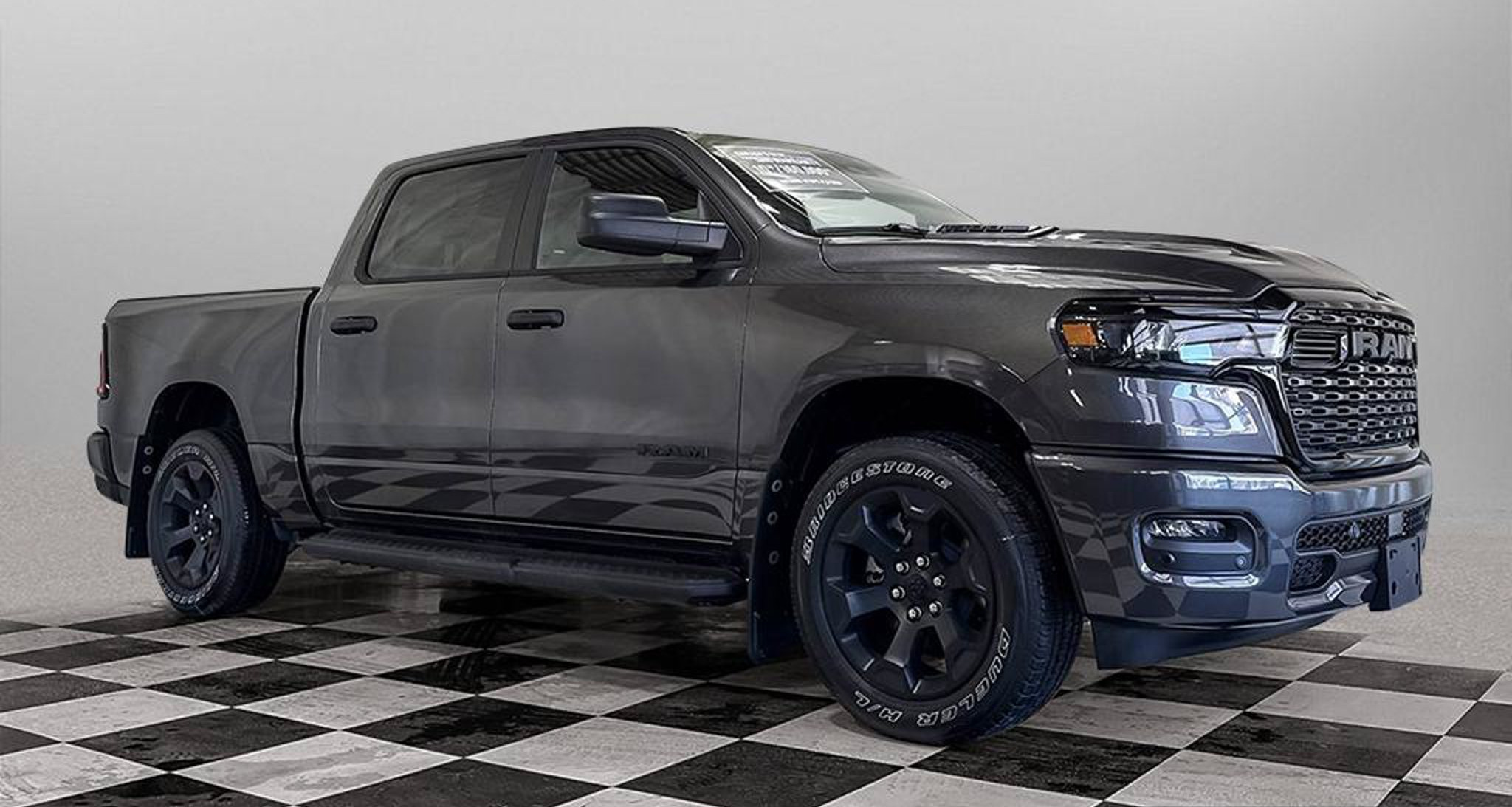
Somebody calls every fall and asks how much a set of winter tires is, and the only honest first answer is another question. For what truck, on what wheels, and do you want studs. Two trucks parked side by side in the same Portage la Prairie driveway can end up with winter tire bills that are nowhere near each other, and it is almost never because one shop is gouging and the other is not.
So instead of a number that goes stale the week it is printed, here is every line that ends up on a winter tire bill and what moves each one up or down. Then the straight read on budget winter tires and on used sets, because those are the two questions right behind the first one. When you want the real figure for your own truck, our parts department will price it from the size on your door jamb while you wait.
Key Takeaways
- The tire size and load range set most of the price. A light truck tire with a heavier load range costs more than a passenger tire in a similar size, and a 20 inch fitment costs more than an 18.
- Studs, rims, TPMS sensors, mounting and storage are the other lines. Each one is optional or situational, and each one is where two quotes stop being comparable.
- A cheap winter tire saves money on the compound and the siping, which are the two things that make a winter tire a winter tire. Ask what it gave up before you ask what it costs.
- A used set can be worth it or worthless. The build date and the remaining tread decide it, not how good the tread blocks look.
- MPI will finance the whole package for eligible Manitobans, up to $2,000 per vehicle at prime plus 2 per cent over one to four years, and we are a participating retailer.
Line One: The Tire Itself
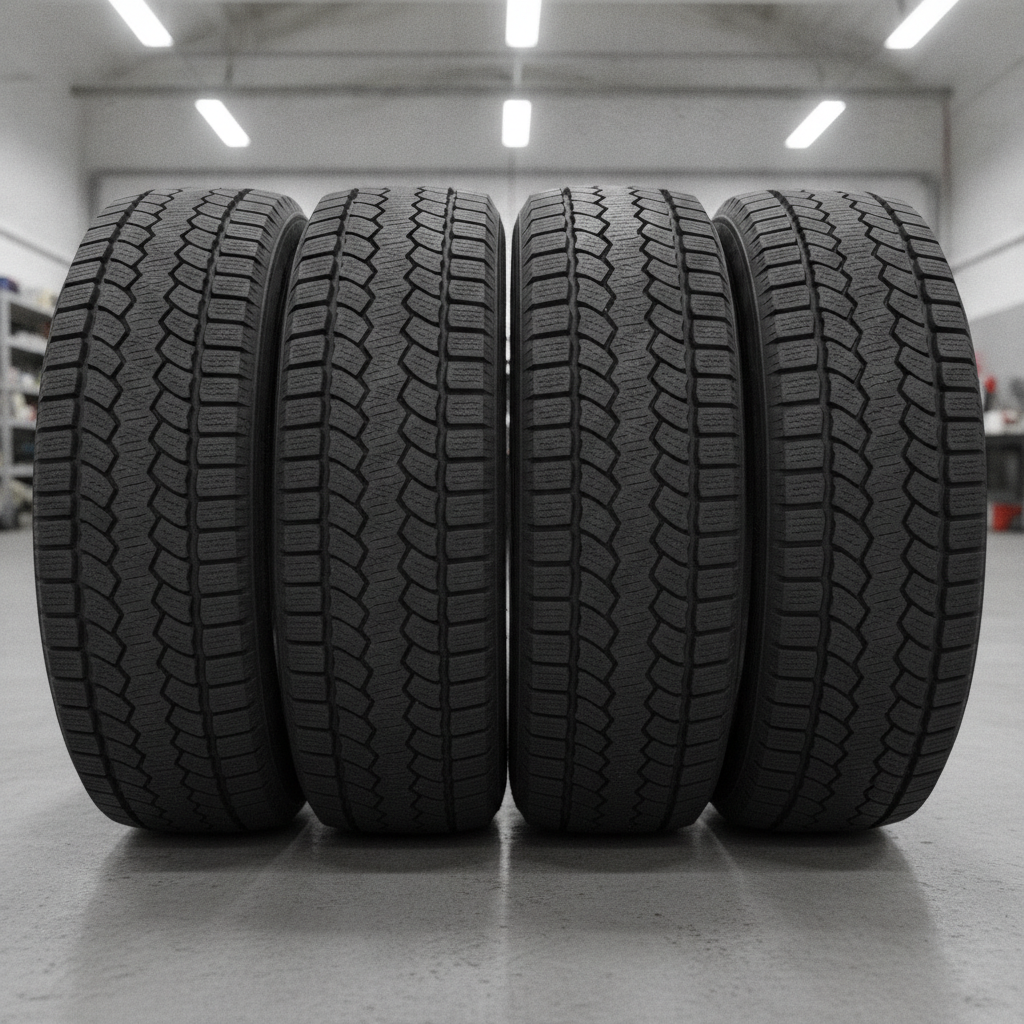
This is the biggest line, and three things move it.

Size. Bigger diameter and wider section both cost more, and the jump from an 18 or 20 inch fitment up to a 22 is steep. That is why a lot of half ton owners run a smaller winter wheel than the factory alloy, when the brakes allow it. The size has to come from the placard on your door jamb, not from what looks right. Our post on Ram 1500 winter tire size walks through reading it.
Load range. A half ton can often run a passenger or light truck tire, and a three quarter or one ton needs a light truck tire with a load range to match what the truck carries and tows. A heavier load range means stiffer construction, more material and a higher price. It is also not optional on a truck that works. We wrote the longer explanation in truck tire load rating explained.
Studless or studdable. A studless ice and snow tire relies on its compound and siping. A studdable tire has holes moulded in for studs you add. The tire price itself is often in the same neighbourhood, and the studding is a separate line.

Every tire on the MPI program has to carry the three peak mountain snowflake symbol, and from October 1, 2026 it also has to be designed and marketed solely for winter. If you plan to finance, that rule narrows the shelf before price does.
Line Two: Studs
Studding is a labour and material charge per tire, and it is worth it for some drivers and a waste for others. If your approach glazes over, you live on a gravel road that turns to polished ice by January, or you do a lot of rural highway at night, studs earn their keep. If you are on cleared city streets most of the winter, a good studless tire usually does the job with less noise.
Studs have a legal window in this province. MPI's driver's handbook says studded tires are illegal between April 30 and October 1, so plan the spring changeover around that date.
Line Three: Rims and TPMS Sensors
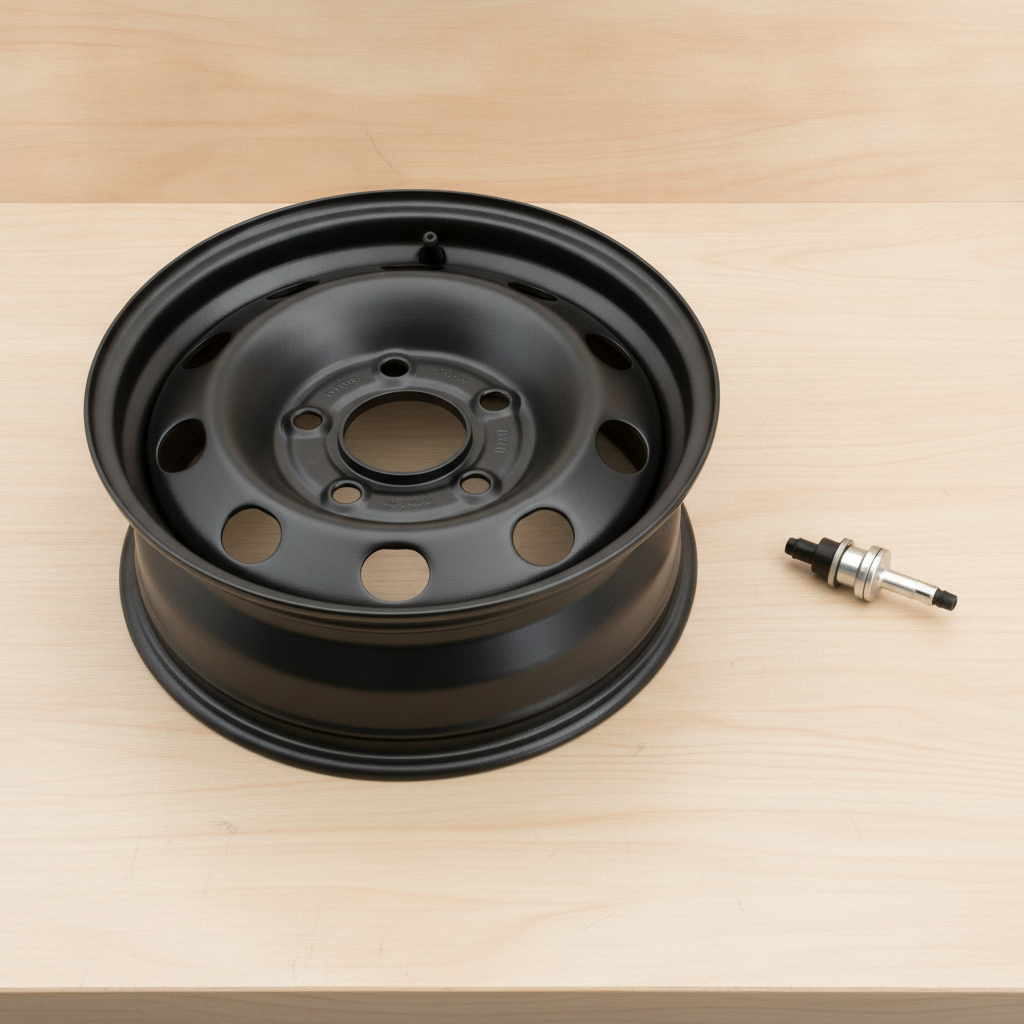
This is where two quotes for "a set of winter tires" stop being the same thing.
Tires only means you pay nothing for wheels and then pay to have tires dismounted and remounted on your factory alloys every fall and every spring.
Tires on their own rims means you buy four wheels and, on any modern Ram or Jeep, four tire pressure sensors. That is a real cost on day one. After that, each changeover is a wheel swap, which is the quickest and cheapest job a tire shop does. Over the three to five seasons a winter set usually lasts here, the rim path commonly comes out ahead, and it spares your alloys a winter of brine.
When a quote looks too good, check which of these two it is. A tires only price and a tires on rims price are not the same purchase.
Line Four: Mounting, Balancing and the Changeover
Mounting, balancing, new valve stems and shop supplies are on every bill, whichever path you pick. On the rims path they happen once. On the tires only path they happen twice a year for the life of the set, and the second one is the line people forget to count.
Book it early. The busiest weeks in our bays land between mid October and the first real storm, and the first snowfall brings a week of phone calls. If your size is not on the shelf and has to be ordered, September is the month to call. You can book the changeover online.
Line Five: Storage
The off season set has to live somewhere. A garage wall works if you store them clean, cool, out of sunlight and away from anything that runs an electric motor. If you would rather not stack four truck tires beside the lawn mower, ask about seasonal storage. We explain how that works in winter tire storage.
What a Cheap Winter Tire Gives Up
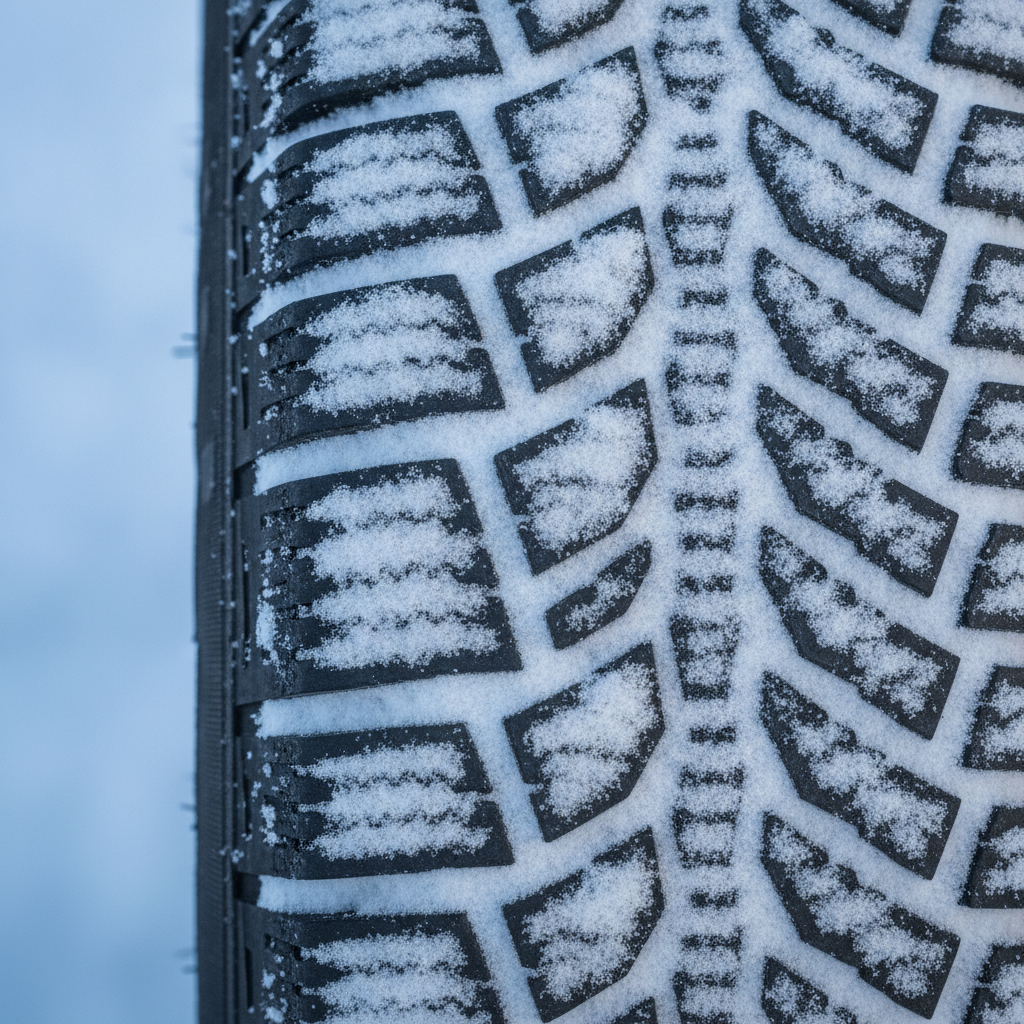
This is the question right behind "how much," and it deserves a straight answer rather than a sales pitch.
A winter tire works because of two things you cannot see in a photo. The first is the rubber compound, which is formulated to stay soft and grippy well below the point where an all season goes hard. Tire makers generally put that crossover around 7 degrees Celsius. The second is siping, the hundreds of fine cuts in each tread block that open up and give the tire thousands of biting edges on snow and ice.
Both of those cost money to engineer and to build. A budget winter tire can still carry the snowflake symbol, because the symbol is a snow traction test, and still fall short on ice, on wet braking, or on how fast the compound hardens with age. The snowflake is a floor, not a grade, and independent winter tire tests routinely rank tires carrying the same symbol a long way apart. Ice is the surface that puts trucks in Manitoba ditches, and it is not what the symbol measures.
That does not mean the most expensive tire is always right. It means the right question is "what did this one give up to hit that price," and on a truck that tows or runs gravel at 90 km/h, ice braking is not the place to save.
Are Used Winter Tires Worth It?
Sometimes. Two checks decide it, and neither is how deep the tread blocks look at a glance.
The build date. Every tire carries a DOT code on the sidewall, and its last four digits are the week and year it was made. A winter compound hardens with age even while the tread is still deep, and a hard winter tire is no longer really a winter tire. Tire makers generally want tires professionally inspected from about five years old, and most put the outside limit around ten years from the build date, whatever the tread says.
The tread depth that is left. The legal minimum is 1.6 millimetres, but that is the number at which a tire is finished, not a winter number. Quebec's government recommends at least 4.8 millimetres in winter, and that is a sensible bar for any set you are buying secondhand. A set that arrives near that line has one season in it, at best.
Then look for the things a photo hides: uneven wear, patched punctures, sidewall cuts from curbs or gravel, and a set that was run through a summer, which leaves the shoulders feathered and the compound tired. Bring a used set in and we will measure it and read the dates before you mount it, which is cheaper than finding out in January. Our guide to when to replace truck tires covers the measuring in more detail.
How MPI Financing Fits In
Manitoba Public Insurance's Winter Tire Program lets eligible Manitobans finance up to $2,000 per vehicle at prime plus 2 per cent interest, repaid over one to four years by monthly withdrawal. You have to be an individual MPI customer, own a registered passenger vehicle or light truck, and have no outstanding MPI payments or restrictions.
The part people miss is how much of the bill it covers. Alongside the approved tires, MPI lists rims, mounting and balancing, alignment, tire pressure monitoring components, studding within limits, storage and switchover when they are part of the initial purchase, nitrogen fill, valve stems, shop supplies and applicable taxes and fees. Tire repairs, and storage or switchover bought on their own, are not covered.
We are a participating retailer, so you choose the tires and the loan is set up in the same visit. Bring your driver's licence and your vehicle registration. Our post on whether winter tires are required by law in Manitoba covers the program's October 1 rule change in full.
FAQs
How much are winter tires for a truck in Manitoba?
It depends on size, load range, whether you add studs, and whether you buy rims and TPMS sensors with them. Those lines can move the total a long way, which is why we quote from your door jamb placard rather than print a number. Ask our parts department for a price on your exact truck.
Why are winter tires for my truck more than my neighbour's?
Usually size and load range. A 20 or 22 inch fitment and a light truck tire with a heavier load range both cost more than a smaller passenger tire. Check whether both quotes include rims, sensors and mounting before comparing them.
Are cheap winter tires worth it?
They can be fine for light, mostly urban driving. The savings usually come out of the rubber compound and the siping, and the difference shows most on ice. On a truck that tows or runs gravel roads, ice braking is the wrong place to save.
Are used winter tires worth buying?
Only after two checks. Read the DOT date code, because the compound hardens with age, and measure the tread, because Quebec recommends at least 4.8 millimetres for winter use and 1.6 millimetres is the legal end of a tire's life. We will check a used set for you before it goes on.
Does MPI pay for winter tires?
MPI does not pay for them, but its Winter Tire Program finances up to $2,000 per vehicle at prime plus 2 per cent for eligible Manitobans, repaid over one to four years. It can cover rims, mounting, balancing, TPMS components and studding within limits, not just the tires.
Is it cheaper to buy winter tires on rims?
Rims cost more on day one and less at every changeover after that, because a wheel swap is a much smaller job than dismounting and remounting four tires. Over a set's life the rims path usually comes out ahead.
The Bottom Line
A set of winter tires is really five or six purchases stacked on one invoice: the tires, maybe studs, maybe rims and sensors, the mounting, and somewhere to keep the other set. Know which of those is in a quote and the prices start making sense. Save on the lines that do not touch grip, and spend on the compound and the siping, because those are what stop a loaded truck on a glazed approach.
Bring us the size on your door jamb and our parts department will price the whole package, with and without rims, and tell you what qualifies for MPI financing. Then book the changeover for early October while you can still pick the morning, and our service centre will set the pressures for the cold. If the truck itself is the bigger question this fall, our new Ram 1500 inventory is online.
Tyler Dunn, Dunn Ram Trucks, Portage la Prairie

























