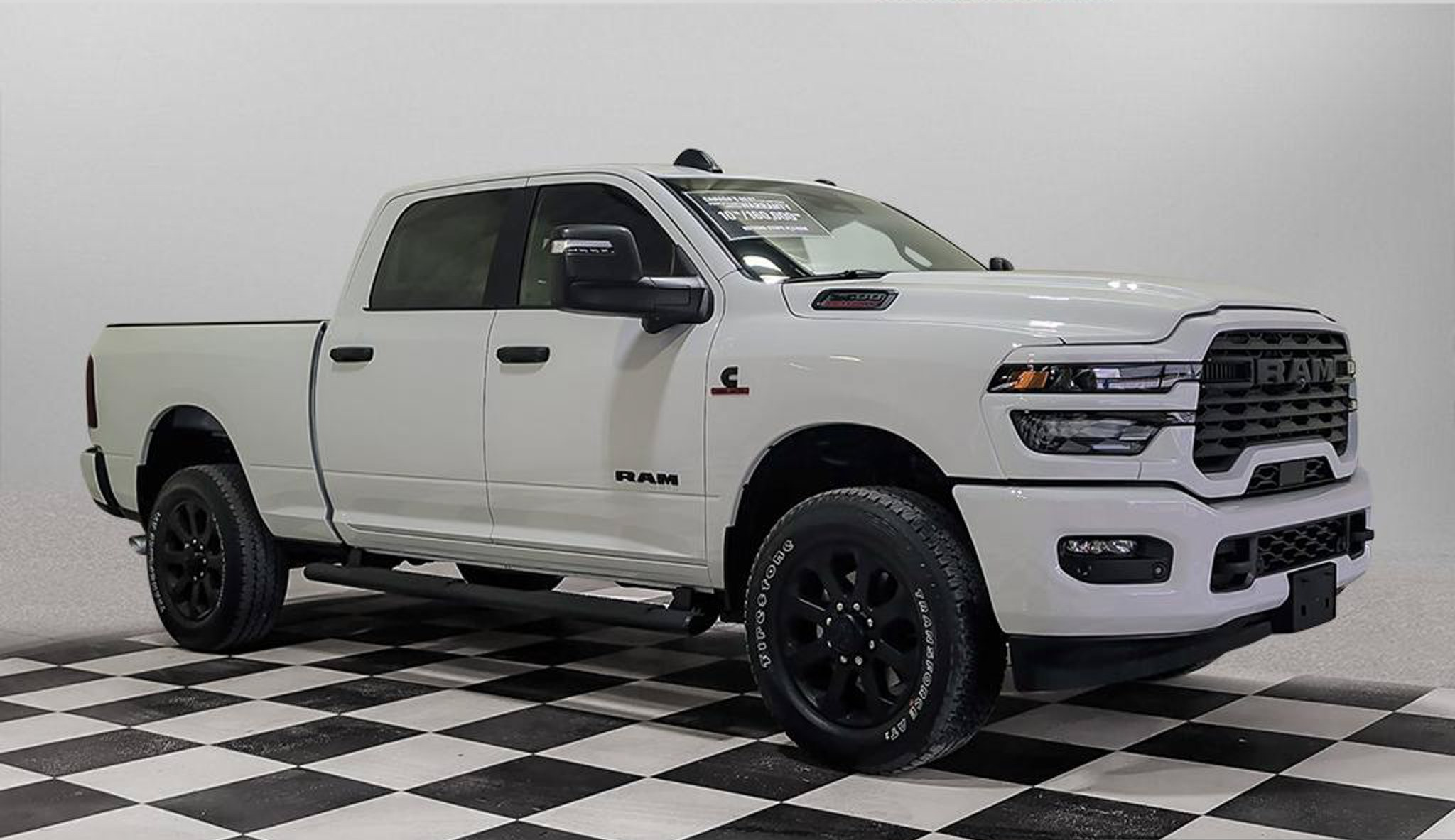
Parking brake frozen after a night at minus 30, and the truck will not roll? Often it is water that turned to ice, either inside a cable housing or between the brake linings and the rotor or drum after a drive through slush or a trip through the car wash. The answer is patience and gentle steps, not force, and if it happens on every cold morning, book parking brake service with our service team, because a brake that sticks again and again has a fault behind it.
This applies to a car or an SUV as well as a pickup, whether the parking brake is a foot pedal, a hand lever or an electric switch on the console. The same brine that freezes a parking brake also eats the rest of the system, which our post on rusted brake lines in Manitoba explains.
Key Takeaways
- A frozen parking brake is often water turned to ice, in a cable housing or between the linings and the rotor or drum.
- Free it gently. Try the release the way your owner's manual directs, give it time to warm, and stop if a wheel will not turn under light throttle.
- Force breaks parts. Hard throttle, a hammer, boiling water or a torch can damage the brake and the parts around it.
- Whether to set it on the coldest nights is your owner's manual's call, not the old prairie advice. Read the parking brake and cold weather pages for your model year.
- A brake that sticks every cold morning has a fault, often in a cable, a caliper or the adjustment. Our service department does parking brake work.
Parking Brake Frozen: How It Happens
A parking brake holds the vehicle at the rear wheels, applied by a steel cable or by a small electric motor. Water is the problem in both designs, and a Manitoba winter supplies plenty of it: slush off the highway, brine that stays wet, and the warm rinse of a car wash.

Water in a cable housing. On a vehicle with a pedal or lever, the cables run in sheaths back to the rear brakes. Once a sheath or its seal is worn or cracked, water gets in, and in the cold the cable freezes in place. The pedal or lever releases; the cable does not.
Linings frozen to the rotor or drum. Some trucks with rear disc brakes use a small drum inside the rotor hat with its own shoes; others clamp the rear pads with the caliper. Either way, linings that are wet when the brake is applied can freeze to the metal they press against.
The electric park brake. Where one is fitted, a motor applies the rear brake when you pull the switch. The motor cannot stop ice forming on the linings, so a frozen pad or shoe can still hold the wheel after the system tries to release it.

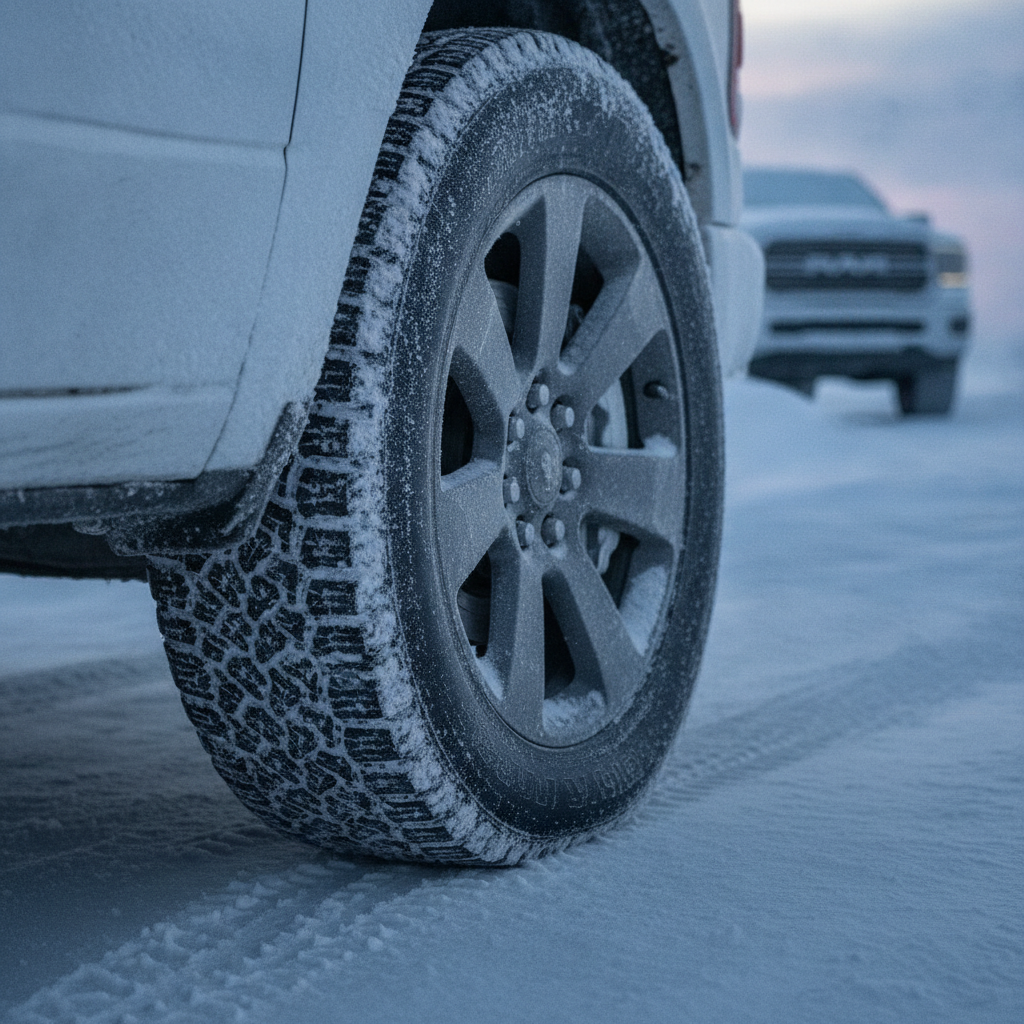
The Truck That Sat a Week at the Winnipeg Airport
Here is the January version. You drive in to the Winnipeg airport on a grey, wet morning, the Trans-Canada running with slush the whole way from Portage. You park in the long term lot, set the parking brake and fly out. While you are gone a cold snap settles in and the nights sit near minus 32.
A week later you land after dark, start the truck and release the brake. The light goes out, but the truck will not move, or it lurches with one rear wheel dragging. The slush that soaked the rear brakes on the drive in has had seven nights to freeze solid. What you do in the next ten minutes decides whether this costs nothing or costs a cable, a set of shoes or a caliper.
Safe Ways to Free a Frozen Parking Brake
Work through these in order, and follow your owner's manual wherever it gives its own steps.
- Start the truck and let it run. Warm it up the way your owner's manual directs. Engine heat does little for the rear brakes, but it buys you a warm cab and time.
- Apply and release once more. With your foot on the brake pedal, set the parking brake and release it again, the way your owner's manual directs. On a cable system that small movement can crack thin ice. On an electric park brake, if it will not release after a try or two, stop and look up the warning light or message in the manual.
- Try light throttle only. In Drive, then in Reverse, ease on the gas. A lining held by a thin film of ice may let go with a small crack. If the wheel does not turn, stop.
- Give it warmth and time. A sunny afternoon or a milder day does more than force. If the truck has to stay outside, waiting is still the right call.
- Get help if it will not let go. Book with our service team, or arrange a tow rather than dragging a locked wheel.
The Fixes That Break Something
Hard throttle against a locked brake. Power against a frozen lining can tear friction material off the shoe or pad, stretch or snap a cable and strain the driveline. Dragging a locked wheel can also flat spot the tire.
A hammer on the brake. Hitting a caliper or a drum can crack a part or bend the hardware inside.
Boiling water. It is common advice, but it puts more water into the parts that froze, and at minus 30 it can refreeze before you are out of the lot.
A torch or a heat gun. Rear brakes sit beside rubber boots, brake hoses, brake lines and wiring. Heat on any of them can do more damage than the frozen brake did.
Driving with it dragging. A brake that releases only partly heats the rear brakes and can glaze the linings or overheat the rotor or drum. If you smell hot brakes or feel the truck pulling back, stop.
Should You Leave It Off on the Coldest Nights?
The old prairie advice is to leave the parking brake off on the coldest nights and trust Park. The reasoning is simple: a brake that is not applied cannot freeze on.
Our advice: go by the owner's manual for your model year, not the coffee shop. Start with the parking brake and cold weather pages of your Ram or Jeep owner's manual, and if they leave you unsure, ask our service team. On a vehicle with an electric park brake, check there too whether the system can apply itself, for example when you shift into Park or open the door. If your manual tells you to apply the parking brake whenever you park, apply it, and fight the freezing by keeping water out of the brakes instead.
Three habits do that without arguing with the manual.
- Dry the brakes after a wash. On a freezing day, drive a few kilometres after the car wash and use the brakes gently a few times before you park, to help dry them.
- Park on level ground when you can. Less load sits on the parking brake and on Park.
- Clear the wheel wells before a long park, and use wheel chocks on a slope if your manual calls for them.
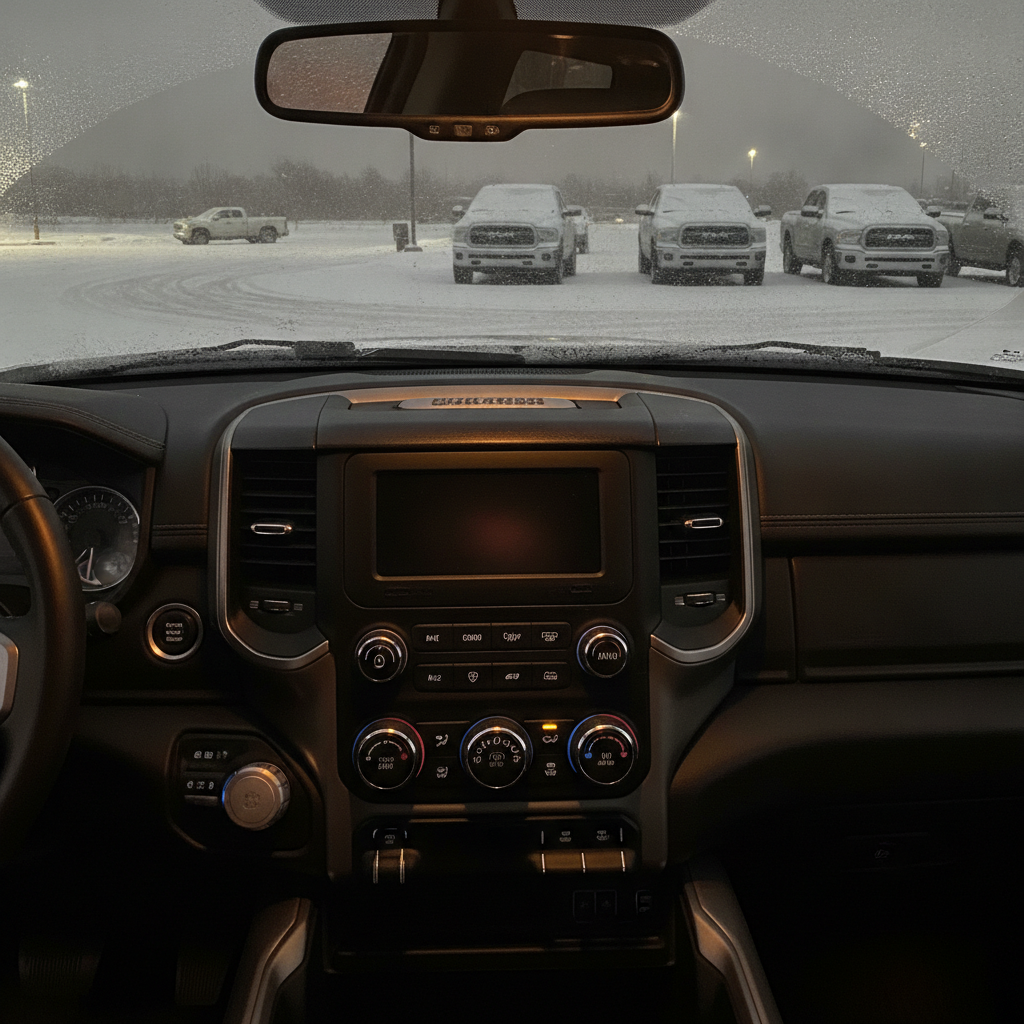
When It Sticks Every Cold Morning
One frozen morning after a slushy drive is weather. A parking brake that sticks every time the temperature drops is a fault, and it is worth booking before it strands you. Common causes include these four.
- A worn or cracked cable sheath letting water in, or a cable already seizing with rust.
- A caliper with seized slide pins or a sticking piston, so the rear brake never fully lets go. Our post on when to replace the brake pads on your truck explains how brine seizes slide pins.
- Parking brake shoes out of adjustment or worn, so they drag even when released.
- An electric park brake actuator or wiring fault, shown by a warning light or message that does not clear.
Once the cause is confirmed, the fix may be a cable, a caliper or its slide pins, new shoes or pads and an adjustment, or the electric park brake component the diagnosis points to.
Booking Parking Brake Service in Manitoba
At Dunn Ram Trucks in Portage la Prairie, our service department does brake work, including pads, rotors and the parking brake, and it does diagnosis. When you book a parking brake check, tell our service team which wheel drags, whether it happens only after a wash or a slushy drive, and whether a warning light comes on.
If a run of brake repairs on an older truck has you thinking about replacing it, you can see what your current truck is worth and apply for financing online. Any approval, rate or term is on approved credit.
FAQs
Why does my parking brake freeze?
Because water got into the parts that hold the truck, then froze. It can sit inside a worn cable sheath, or on the brake linings after slush or a car wash, and the linings then freeze to the rotor or drum.
How do I unfreeze a parking brake?
Gently. Let the truck warm up, set and release the brake once more the way your owner's manual directs, and try light throttle forward and back. If the wheel will not turn, give it warmth and time or book service instead of forcing it.
Can I drive with the parking brake stuck?
No, not with a wheel dragging. A brake that stays partly applied can overheat the rear brakes and damage the linings, the rotor or drum and the tire, so stop and get it freed or book service before you drive on.
Should I set the parking brake in winter?
Set it the way your owner's manual for your model year directs. The old advice to leave it off on the coldest nights is not a substitute for the manual; keeping water out of the brakes is the safer fix.
Does Dunn Ram Trucks do parking brake repair?
Our service department does brake work, including pads, rotors and the parking brake, along with diagnosis. Book online and describe which wheel drags and when it happens.
The Bottom Line
A frozen parking brake on a cold morning is often ice, and ice gives way to patience: warm up, try the release, use light throttle only, and walk away from the hammer, the kettle and the torch. Follow your owner's manual on when to set it. If it sticks every cold morning, something is worn or seized, and that is a repair, not a weather problem.
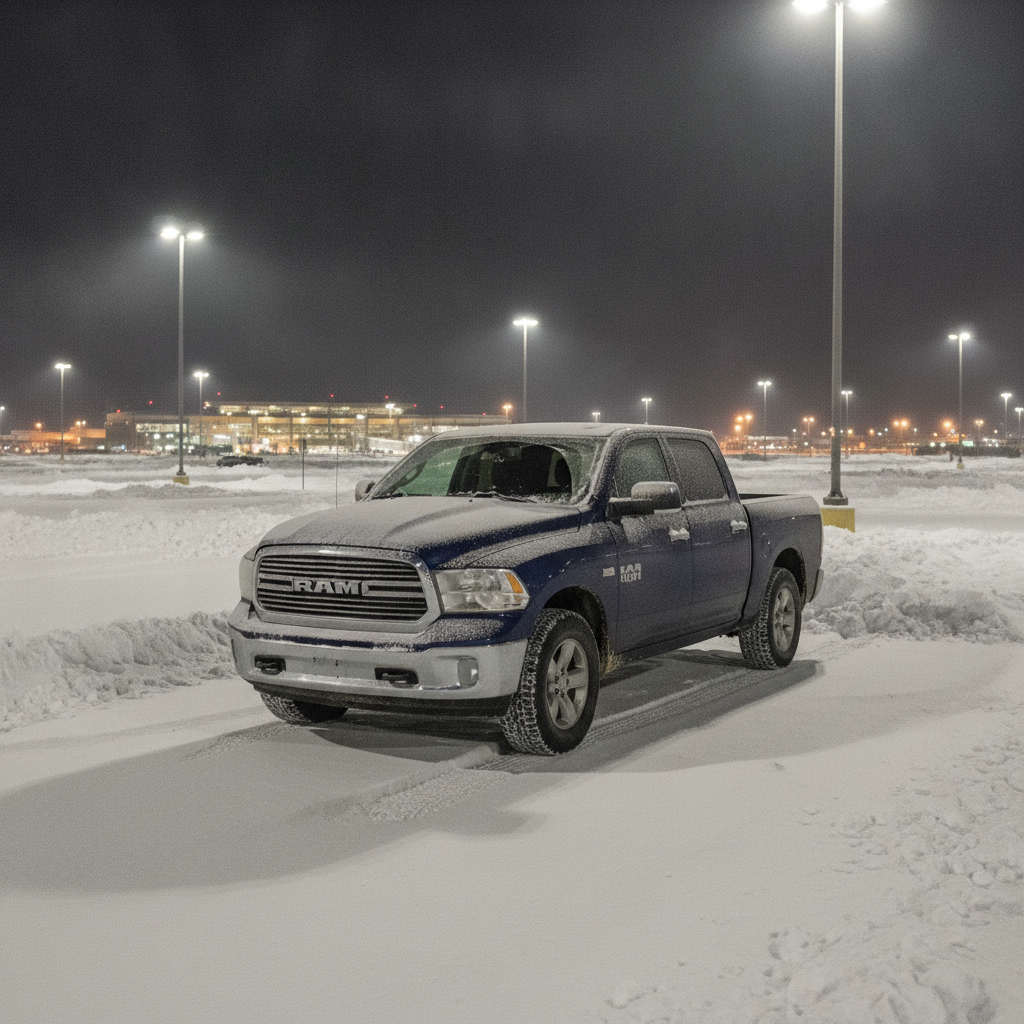
Book parking brake service online before the next cold snap finds the weak spot for you.
Tyler Dunn, Dunn Ram Trucks, Portage la Prairie