
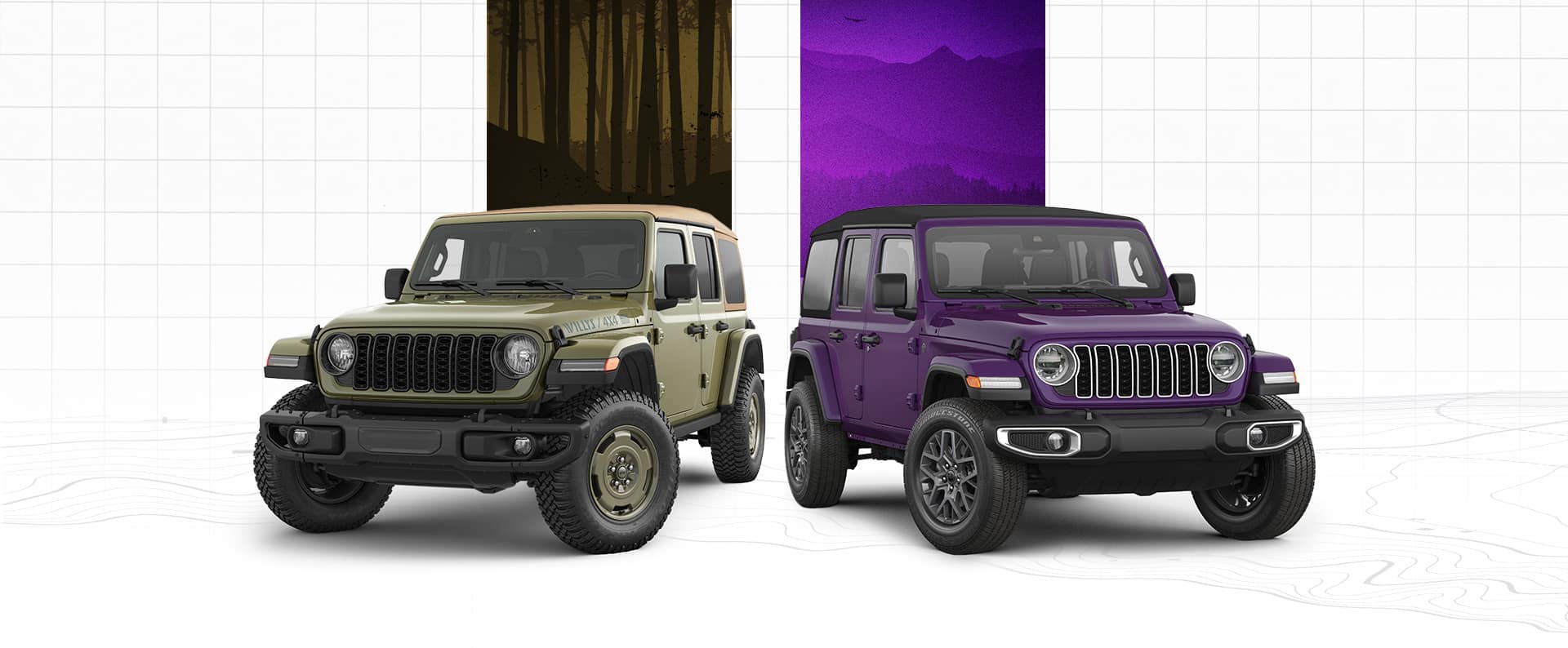
Is a Jeep Wrangler good in snow? Yes, and in deep snow it is in its element: drifts across the road, an unplowed approach to the yard, a grid road nobody has cleared yet. The honest other part of the answer is that on glare ice, and at highway speed in a crosswind, a Wrangler asks more of the person driving it, and the tires under it matter more than the badge on the grille. If yours is still on summer or all season rubber, book a winter tire installation with our service team before the first real snowfall.
Shopping already? Browse our new Jeep Wrangler inventory in Portage la Prairie.
It is a fair question to ask in October, especially if you love the Wrangler and are worried about January. Out on the Portage Plains, winter is as much wind as it is snow, and that shapes the answer. Here are both halves of it, before you browse our new Jeep Wrangler inventory.
Key Takeaways
- Deep snow is where it shines. Four wheel drive, a low range and real ground clearance carry a Wrangler through drifts and unplowed roads.
- Glare ice asks more of you. A short wheelbase reacts quickly when the rear steps out. The four door is the calmer of the two.
- Know your system. Part time four wheel drive comes off on dry pavement; a full time system can stay on. The window sticker tells you which one you have.
- Tires come first. Four wheel drive helps a Wrangler go. Winter tires help it stop and turn.
- A soft top works in winter. It is louder and slower to warm at minus 30 than a hardtop.
Is a Jeep Wrangler Good in Snow? The Short Answer
Think of it as two kinds of winter driving. Much of a Manitoba winter plays to everything a Wrangler is built around: fresh snow, packed snow, a drift across the lane, an approach the plow has not reached. The rest is glare ice, bare pavement between snowfalls and open highway in the wind. There, a Wrangler rewards a careful driver and punishes a careless one more quickly than a longer, lower vehicle would. That is a reason to set one up properly, not a reason to pass.

Where the Wrangler Is Excellent
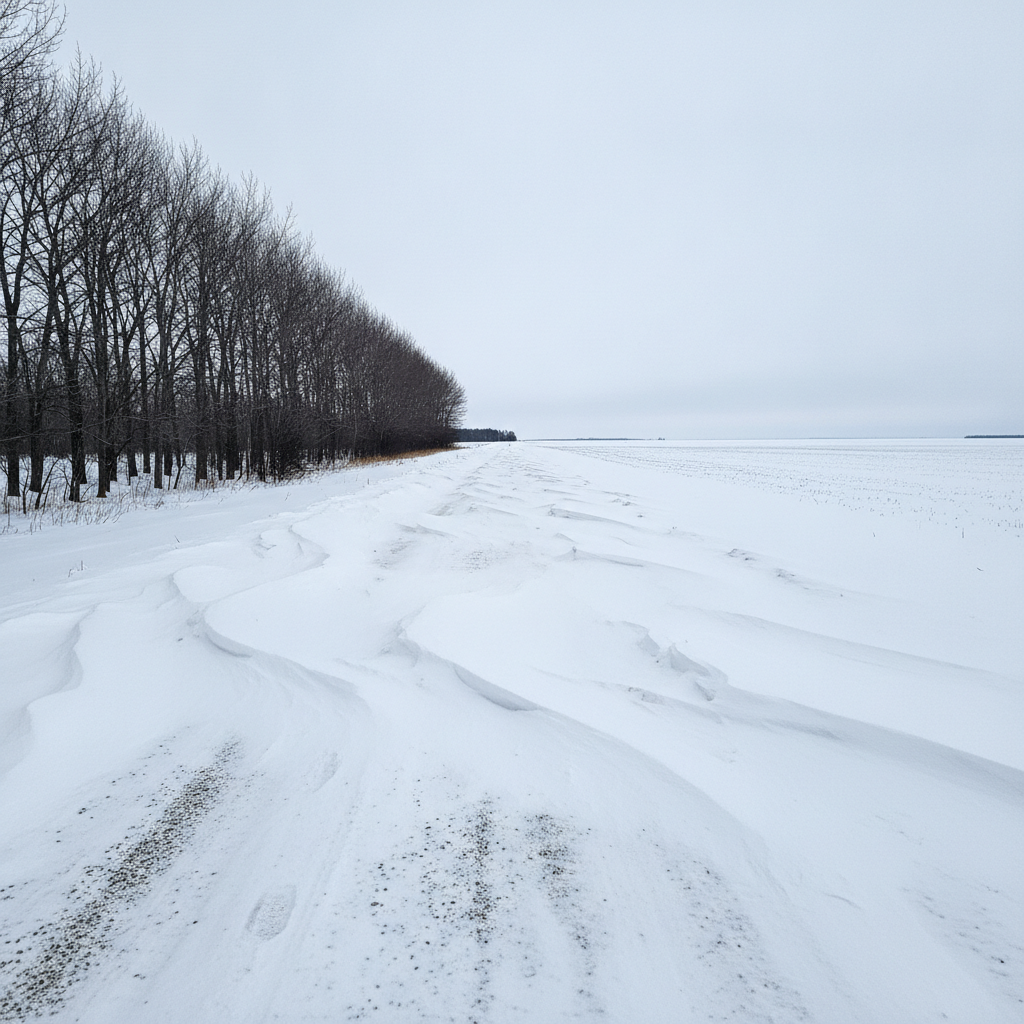
What makes a Wrangler good off road makes it good in deep snow. A drift seldom stops a vehicle for lack of power; it stops it by hanging it up on the frame, and ground clearance is the answer to that. Four wheel drive with a low range adds slow, controlled pulling power when the snow is above the bumper.
Jeep Canada lists a 4:1 low gear ratio for the Rock-Trac system on the Wrangler Rubicon, and Jeep's Canadian material gives a 2.72:1 low range for the two systems described further down. The 4:1 range turns the engine's effort into more pulling power at walking pace, which is what you want when you need to creep rather than charge.
Where that pays off here: the farm lane that drifts in after a two day blow, an acreage driveway outside MacGregor, the cottage road to Lake Manitoba in March, a Winnipeg side street the morning after a storm. That is Wrangler weather.

Where You Have to Drive It Properly
Glare Ice and a Short Wheelbase
A Wrangler is short for its height, and the two door is shorter still. That short wheelbase lets it turn tightly and climb over obstacles. On glare ice it also means the vehicle rotates quickly when the rear loses grip, with less time between a twitch and a slide. The four door's longer wheelbase calms that down, which makes it the easier winter daily driver.
Four wheel drive changes none of this. It helps a vehicle go, not stop or turn. On a polished intersection in Brandon, or a parking lot after freezing rain, slow down early, brake gently and steer smoothly.
Four Wheel Drive Left on Dry Pavement
Jeep Canada is direct about part time four wheel drive: it does not use a centre differential, it locks the front and rear driveshafts together, and it is meant for off roading or wet and slippery surfaces, not dry pavement. A full time system, Jeep Canada says, uses a centre differential, so it can stay engaged on dry roads in normal driving.
The habit that matters with a part time Wrangler is simple. Four wheel drive goes on for the snow covered side road and comes off when Highway 1 is bare between storms. Our guide on when to use 4 high vs 4 low explains why a locked system binds in tight turns on dry pavement, and what each range is for.
Crosswinds on the Open Highway
A Wrangler is tall, flat sided and upright, and on open prairie that shape catches the wind. On Highway 1 west of Portage, or the Yellowhead toward the Saskatchewan line on a gusty day, expect more small steering corrections than in a longer, lower vehicle, and more again when blowing snow crosses the road. Gusts over a slick surface deserve a speed below the posted limit.
A Soft Top at Minus 30
A soft top Wrangler gets through a Manitoba winter. What it costs you is comfort. Fabric and zippered windows hold heat less well than a hardtop, so the cabin takes longer to warm on a minus 30 morning and you hear more wind at highway speed. Our comparison of the Jeep Wrangler hardtop vs soft top covers the full trade. Which top a given Wrangler wears depends on its trim and how it was ordered, so check the window sticker.
What Makes the Difference
Tires First
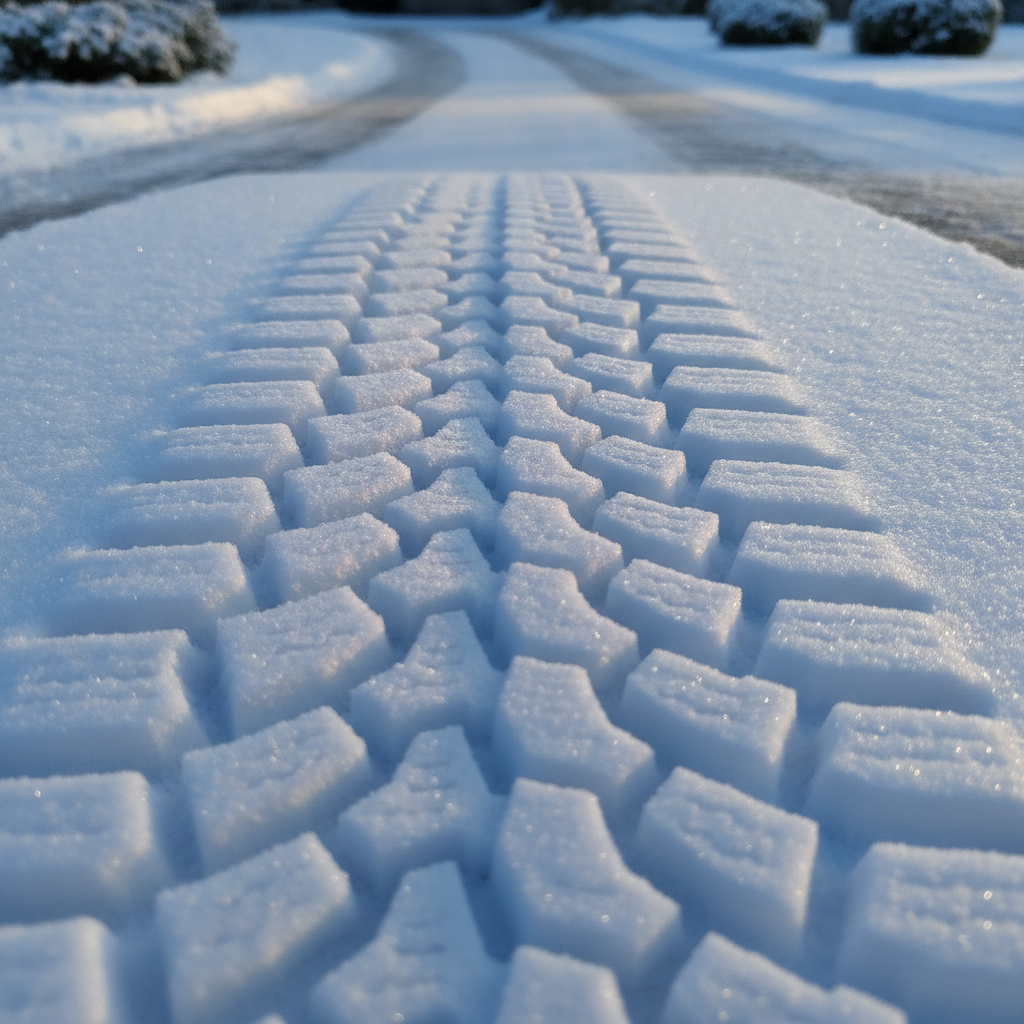
If you change one thing before winter, change the tires. Four wheel drive gets a Wrangler moving; the tires decide how well it stops and turns on ice. Transport Canada ties winter tires to temperatures of 7 degrees Celsius and below, and on the prairies that can arrive in October.
Check the sidewall on any Wrangler you look at. A chunky tread looks the part, but a tread pattern is not the same thing as a winter rubber compound on glare ice. Our guide to choosing winter tires for an SUV walks through load index and sizing, and the same thinking applies to a Wrangler.
We are a participating retailer in the MPI Winter Tire Program. As of October 1, 2026, Manitoba Public Insurance says the program covers tires marketed solely as winter tires, so all weather and all season tires no longer qualify, even with the mountain snowflake mark. Manitoba Public Insurance sets who is eligible; if you qualify, you can apply for the program's financing with us. When the forecast turns, book your winter tire changeover.
Then the 4x4 System
Jeep's 2026 Canadian press kit names four Wrangler 4x4 systems, counting part time and full time versions of Rock-Trac. Jeep Canada describes Command-Trac as a system drivers shift into four wheel drive themselves for slippery conditions such as snow, and Selec-Trac as one that switches from two wheel drive to four wheel drive on its own based on driving conditions. Jeep Canada's pages name those two against some of the same trims, so below the Rubicon, the window sticker settles which system a Wrangler has.
For winter, a system that switches on its own is the easier daily driver on a highway that is part snow and part bare. Command-Trac has the same 2.72:1 low range as Selec-Trac, according to Jeep Canada and Jeep's 2026 Canadian press kit, and asks you to manage it.
Either way, the transfer case and axles have fluids that wear. Our service department does differential, transfer case and 4x4 service, so book a transfer case and differential service before the snow if yours is due. Your owner's manual sets the interval.
Then the Winter Comforts
Heated front seats, a heated steering wheel, remote start and a block heater depend on the trim and packages on a given Wrangler, so read the window sticker rather than assume. If a Wrangler you already own has no block heater, our service department installs block heaters.
Three Things to Plan for in a First Wrangler Winter
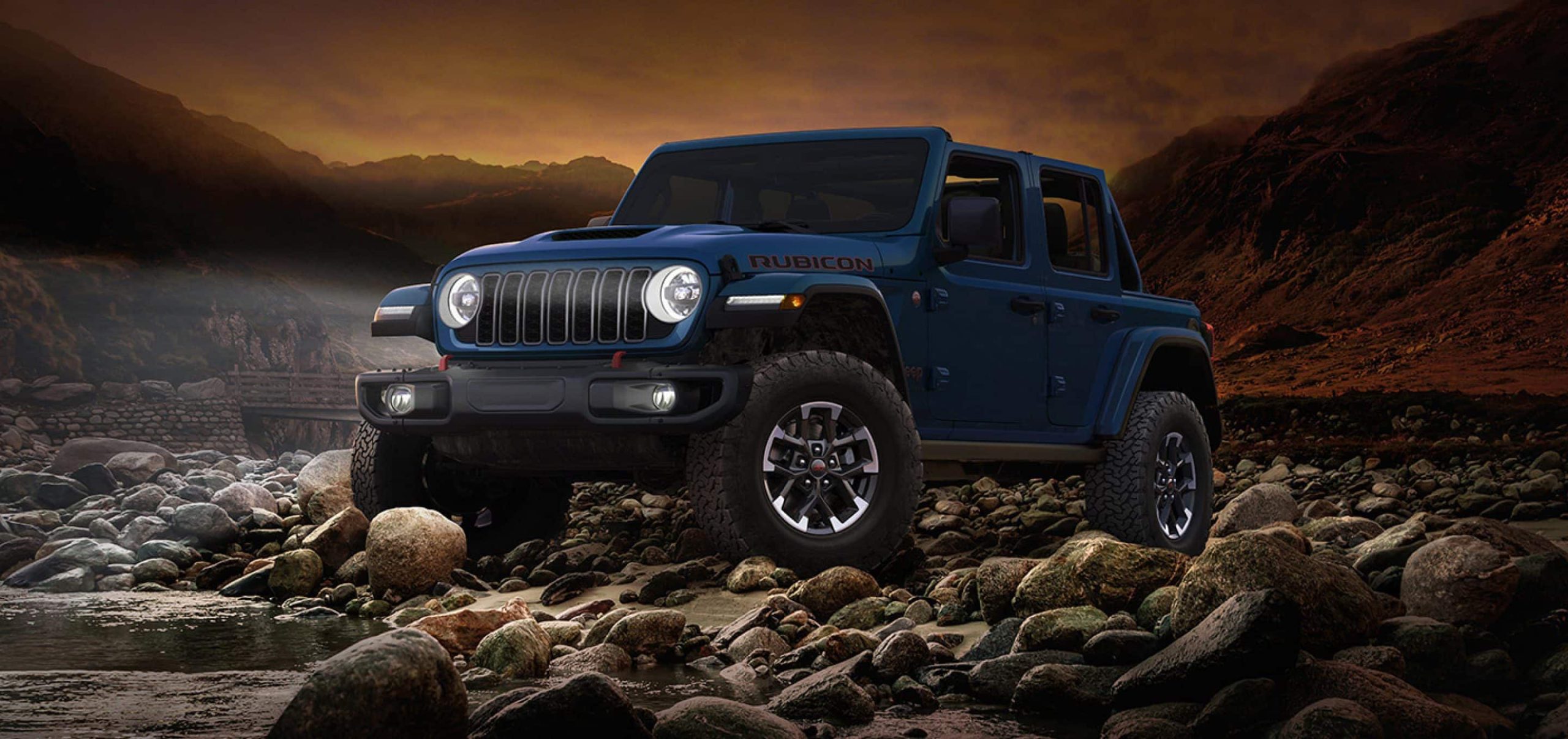
Getting stuck is seldom the problem in a Wrangler's first Manitoba winter. Plan for these three things instead.
The tires. Put winter tires on before the season starts, not after the first slide. They are the change that most improves how a Wrangler stops and turns on ice.
The top. With a soft top, expect more highway noise and a slower warm up on the coldest mornings, and weigh a hardtop if that will bother you.
The four wheel drive habit. Learn when to engage it and when to take it out on a bare highway, so it is second nature before the first storm.
Who Should Look at Something Else
Here is the fair concession. If your winter is almost all highway, say a daily run on Highway 1 into Winnipeg, and you rarely leave pavement, a Wrangler's strengths go largely unused and its quirks are what you live with. A longer, lower SUV may suit that week better. Jeep Canada lists Quadra-Trac II and Quadra-Drive II four wheel drive for the Grand Cherokee, so compare our new Jeep Grand Cherokee models before you decide.
FAQs
Is a Jeep Wrangler good in snow?
Yes. Four wheel drive, a low range and ground clearance make a Wrangler strong in deep snow and drifts. On glare ice and a windy highway it asks for a careful driver, and winter tires are what improve how it stops and turns.
Can I leave a Jeep Wrangler in four wheel drive all winter?
Only if it has a full time system. Jeep Canada says part time four wheel drive is for off roading or wet and slippery surfaces, not dry pavement. The window sticker names the system on a given Wrangler.
Is a soft top Wrangler okay in a Manitoba winter?
Yes, it works. Expect a louder cabin at highway speed and a slower warm up on minus 30 mornings than with a hardtop.
Is the two door or four door Wrangler better in snow?
The four door is calmer on ice and at highway speed because of its longer wheelbase. The two door is more nimble in tight spaces and reacts more quickly when the rear loses grip.
The Bottom Line
A Jeep Wrangler is good in snow, and in deep snow it is in its element. The honest other part is glare ice, bare highway and wind, and you handle that with winter tires, the right 4x4 system for how you drive and a light touch on the controls.
Browse our new Jeep Wrangler lineup, ask our team which current offers apply on the Jeep finance deals page, see what your current vehicle is worth, and when you are ready, apply for financing online. We will tell you honestly whether a Wrangler fits your winter, even when the answer is a different Jeep.
Tyler Dunn, Dunn Ram Trucks, Portage la Prairie

























