

If you searched "cosigner for a car loan Canada", here is the short answer. A cosigner signs the loan agreement with you and becomes responsible for paying it back if you do not, and the loan can show on their credit as well as yours. A lender asks for one when your own file is too thin or too bruised to carry the loan alone; if your file can carry it, you do not need one. The cleanest way to find out is to apply for financing on your own first. Approvals are on approved credit, and the answer comes from the lender, not from a guess.
This guide is for both people at the kitchen table: the young buyer, and the parent, relative or friend being asked to sign. If it is your first vehicle, our first time car buyer guide for Manitoba walks through the Manitoba steps, including registration and Autopac through Manitoba Public Insurance.
Key Takeaways
- A cosigner can be asked for the whole unpaid balance. The Financial Consumer Agency of Canada (FCAC) says a joint borrower becomes equally responsible for repaying it.
- The loan can follow both of you. It can appear on each signer's credit report, and FCAC says information about late or unpaid loans can stay on a report for up to six years.
- The labels vary. Read what your contract says about ownership and about when the lender can come to the second signer.
- Coming off the loan is not automatic. It takes a release, a payout, or a new loan in the buyer's name alone, on approved credit.
- Try the alternatives first: a bigger down payment, a shorter term or a less expensive vehicle.
What a Cosigner Actually Agrees To
A cosigner is not a reference. They sign the same agreement as the buyer. FCAC sets this out on its page "Disclosure of information to joint borrowers: know your rights": "A joint borrower is someone who signs a mortgage, loan, credit card or line of credit agreement with one or more other persons. This is also referred to as co-signing." The next line is the one a parent should read twice: "As a joint borrower, you become equally responsible for repaying the unpaid balance on the borrowed amount."

So the cosigner's share is not limited to half. If the payments stop, the lender can look to the cosigner for the unpaid balance, as the contract sets out. On its page about student lines of credit, where FCAC gives a parent as an example of who might sign, it puts it plainly: "This person will also be responsible for the debt if you can't pay it back."
The lender can be any of several kinds. On its "Car financing options" page, FCAC says dealers arrange financing with "a financing division of the car manufacturer", "a financial institution, such as a bank or credit union" or "an independent finance company, such as one that specializes in providing car financing". Whichever one holds the loan, the contract sets the cosigner's obligations.
One right worth knowing: the same joint borrower page says that at a federally regulated institution, such as a bank or a federal credit union, every joint borrower is entitled to the same ongoing statements as the other borrowers. A cosigner who wants to watch the payments go through can ask for them.


How the Loan Shows on Both Credit Files
A cosigned loan generally appears on the credit report of each person who signed it, so its payment history follows both of you.
For the buyer, that is how a credit history gets built. FCAC's page "How long information stays on your credit report" puts it simply: "Positive information includes credit accounts that you've paid on time and with no missed payments."
For the cosigner, the loan is a debt on their own file. When they apply for credit of their own, such as a farm operating line or a mortgage, a lender reading their report may count it. If payments run late, the same FCAC page says information about late or unpaid credit cards and loans can stay on a credit report for up to six years. Our post on the credit score needed to finance a truck in Canada explains how a lender reads a file.
Cosigner, Joint Borrower or Guarantor: Read the Contract
FCAC's joint borrower page treats signing as a cosigner and borrowing jointly as one idea, but lenders' contracts do not all use the same words. Some call the second person a co-borrower or joint applicant, some a cosigner, some a guarantor. Do not rely on the label. Before anyone signs, find three answers in the paperwork:
- Is the second person a borrower or a guarantor? That decides whether the lender can come to them directly or only after the buyer defaults.
- Whose name goes on the ownership and the registration? Being on the loan and owning the vehicle are separate questions.
- Can a signer be released? Look for a clause that says how.
What Happens When a Payment Is Missed
A missed payment is a problem for both signers at once. The loan agreement sets out the lender's next steps, including any late charges, so read that section with the cosigner present. Because a cosigner is equally responsible, the lender can look to them for the missed amount, and a late payment can mark both credit files.
The fix is talking early. If the buyer can see a short month coming, such as a slow stretch between seasonal jobs, the cosigner should hear about it before the due date, not after. If the lender allows it, set the payment date just after payday.
Can a Cosigner Come Off the Loan Later?
Not on their own. A cosigner signed the contract, so only the lender can agree to release them, and the contract may make no provision for it. There are three ways off:
- A release from the lender, if the contract allows one. Ask before signing.
- Paying the loan out, by paying it off or by selling or trading the vehicle. If the vehicle is worth less than what is owed, the difference still has to be paid, or it may be added to the amount financed on a new loan, increasing the amount borrowed and potentially the total cost of borrowing. To start, see what your vehicle is worth with our instant cash offer.
- A refinance in the buyer's name alone. That is a new application, on approved credit, and it works only once the buyer's own file can carry the loan.
If the plan is "Mom comes off in two years", write it down at the start and ask the lender what it would take.
What to Try Before You Ask Someone to Cosign
FCAC's page "Financial risks when buying a car" lists tips to reduce the risks of financing a car, and three are worth trying first: "buy a car that fits your budget", "choose the shortest term loan you're able to afford" and "if possible, put a down payment".
- A bigger down payment. Less borrowed means a smaller loan for the lender to weigh. Summer wages, harvest money or a trade all count.
- A shorter term. The payment goes up, but FCAC's page on shopping around for auto financing explains the trade: "The longer the loan term, the lower your payments. You'll end up paying more in interest with a longer loan term."
- A less expensive vehicle. A first truck does not have to be new. Browse our used inventory, and use our guide on how much truck you can afford in Manitoba to set the number before you shop.
When you apply for financing, ask our team whether one of these changes could let the application stand on its own.
The First Truck for a Farm Kid
Picture an 18 year old near Gladstone or Treherne who has run a grain cart every fall since grade nine and has never had a credit card. On paper the file is thin, even though the work history is real. A lender may ask for a cosigner, and a parent with a long, clean file is the natural choice.
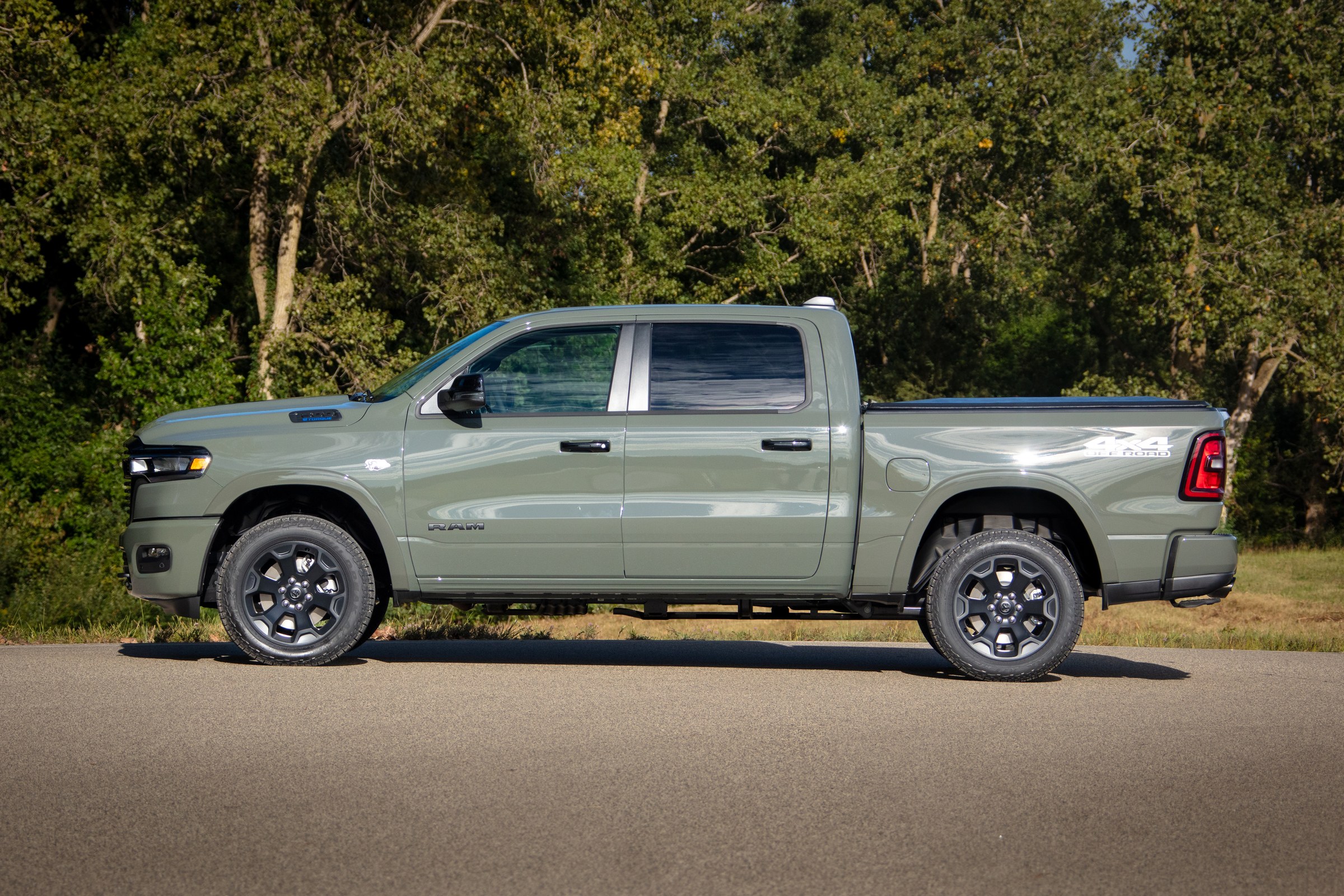
Before the parent signs, run the alternatives. A used Ram 1500 with a solid down payment from harvest wages may carry on the buyer's own application, on approved credit. If a cosigner is still needed, keep the loan modest and the term short, and agree at the table how the payment gets made in January, when no harvest cheque is coming. Our guide to car financing in Manitoba covers the wider process.

New to Canada With No Credit File Yet
A newcomer to Manitoba can arrive with a good job and no Canadian credit history at all. That history is built by using credit here, so the first loan can be the hardest. FCAC's page "Choosing a credit card" names a secured credit card as one option to consider for a newcomer to Canada with no credit history. Whatever you start with, paying on time is what builds the record.
Some lenders publish their own options for newcomers. Their rules belong to them and change, so this guide does not describe one. Ask our team whether a lender has an option that could fit your situation, and what documents it may want to see. Without one, the same tools apply: a bigger down payment, a less expensive vehicle, or a cosigner who already has a Canadian file.
FAQs
Do I need a cosigner for a car loan?
Not always. A lender asks for a cosigner when it decides your own credit file or income cannot carry the loan alone. Apply for financing on your own first, and ask whether a bigger down payment, a shorter term or a less expensive vehicle would change the answer.
Is a cosigner responsible if the buyer stops paying?
Yes. On its page "Disclosure of information to joint borrowers: know your rights", the Financial Consumer Agency of Canada says "As a joint borrower, you become equally responsible for repaying the unpaid balance on the borrowed amount."
Does cosigning a car loan affect the cosigner's credit?
Yes, it can. A cosigned loan generally appears on each signer's credit report, so late payments can mark the cosigner's file. The Financial Consumer Agency of Canada says information about late or unpaid loans can stay on a report for up to six years.
Can a cosigner be removed from a car loan?
Only with the lender's agreement or when the loan ends. The routes are a release, if the contract allows one, paying the loan out, or the buyer refinancing in their own name alone, which is a new application on approved credit.
What is the difference between a cosigner and a co-borrower?
Under the Financial Consumer Agency of Canada's definition there is little difference: it describes co-signing as being a joint borrower, equally responsible for the debt. Some contracts make the second person a guarantor instead, so read which one you are and whose name goes on the ownership.
The Bottom Line
Cosigning is an act of trust, and it is a real debt. A cosigner can be asked for the unpaid balance if the buyer does not pay, the loan can sit on both credit files, and coming off it takes a release, a payout or a refinance. Try the other doors first: a bigger down payment, a shorter term, a less expensive vehicle. When you are ready, apply for financing on your own, check our finance deals page for current offers, and see what your trade is worth. Bring in a cosigner only if the lender asks. Approvals are on approved credit.

Tyler Dunn, Dunn Ram Trucks, Portage la Prairie

























