
Your brakes are making a noise, and you want to know one thing: is this a "book it next week" noise or a "do not drive it" noise? The honest answer depends on which noise it is, when it happens, and whether it goes away. A squeak on the first stop out of the driveway and a grind that shows up every time you slow for the stop sign are two very different conversations.
The noises we hear on the hoist in Portage la Prairie are shaped by frost, gravel and road salt, not by the tidy list in a national explainer. So here is how we sort them. If you already know yours is a grind, skip the reading and book a brake inspection with our service team. Tell the advisor what you hear and when, because that is half the diagnosis.
Key Takeaways
- Brakes squeaking for the first few stops of a cold or damp morning is usually a thin layer of surface rust on the rotors, and it clears on its own.
- A squeal that stays is usually the wear indicator telling you the pads are getting low, or pads that have glazed from heat.
- A grind when you brake is often metal on metal. That one cannot wait.
- A grind or scrape that comes and goes on gravel can be a stone caught between the rotor and the dust shield.
- A grind plus a pull to one side points to a caliper that is sticking, very often from road salt.
The Morning Squeak That Goes Away
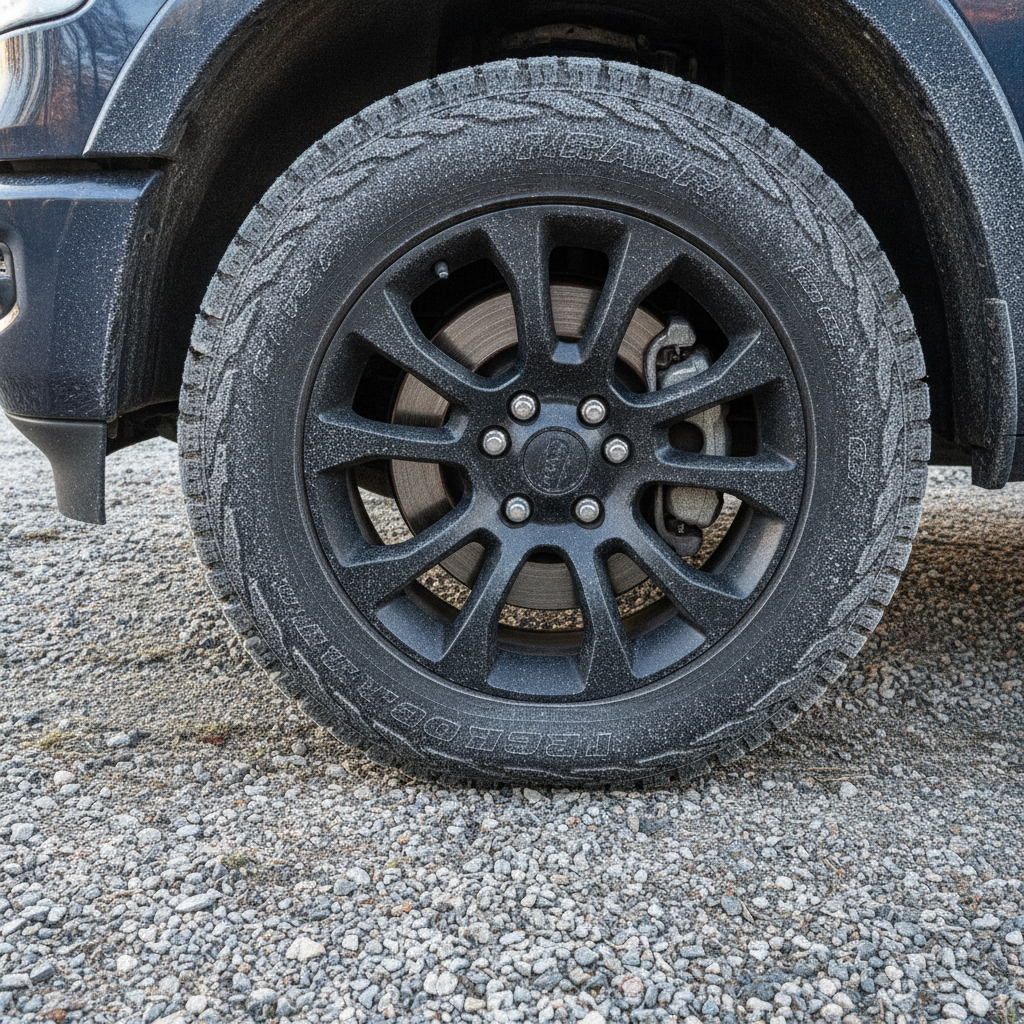
This is the fall brake noise that worries people most and matters least. A brake rotor is iron. Leave it outside overnight in rain, dew or a hard frost and a thin film of rust forms on the braking surface. Cars.com and Les Schwab both describe the same thing: moisture and condensation on the rotors leave light rust, and the pads scrub it off in the first few stops.

So on a September morning after a night of frost, a truck parked in the yard will often squeak or scrape for the first couple of stops and then go quiet. That is normal. It is also why a truck that sits for a week in the field during harvest can sound rough the first time it rolls again.
The test: does it go away within the first few stops and stay gone for the rest of the day? If yes, you can leave it. If it lasts all day, or it is getting louder week to week, it is not rust. Keep reading.
The Squeal That Stays
A squeal that shows up every time you brake, all day, is a different animal. Two usual causes.

The wear indicator. Most brake pads carry a small steel tab built to touch the rotor once the friction material has worn down to a set point. Les Schwab describes these as tabs of hardened steel that hit the rotor and cause a sound when the pads are low. It is a warning designed to be annoying on purpose. It often squeals with light pedal and may quiet down when you press harder, and it tends to come from one corner first.
Glazed pads. Heat can harden and polish the face of a pad until it rides on the rotor instead of biting it. Glazed pads can squeal while there is still plenty of pad left. Out here on flat prairie we see less glazing from long mountain descents and more from towing: a loaded stock trailer, a camper, or a truck working hard with a heavy load in the box. A caliper that drags cooks the pads too, which is why a squeal can be the first sign of the problem in the grind section below.
What it costs if ignored: a wear indicator squeal is your grace period. Deal with it now and it is usually pads and a look at the rotors. Ignore it and the next noise is the grind. Our post on when to replace brake pads on a truck covers how we measure pad life and what wears them out.
The Grind When You Brake
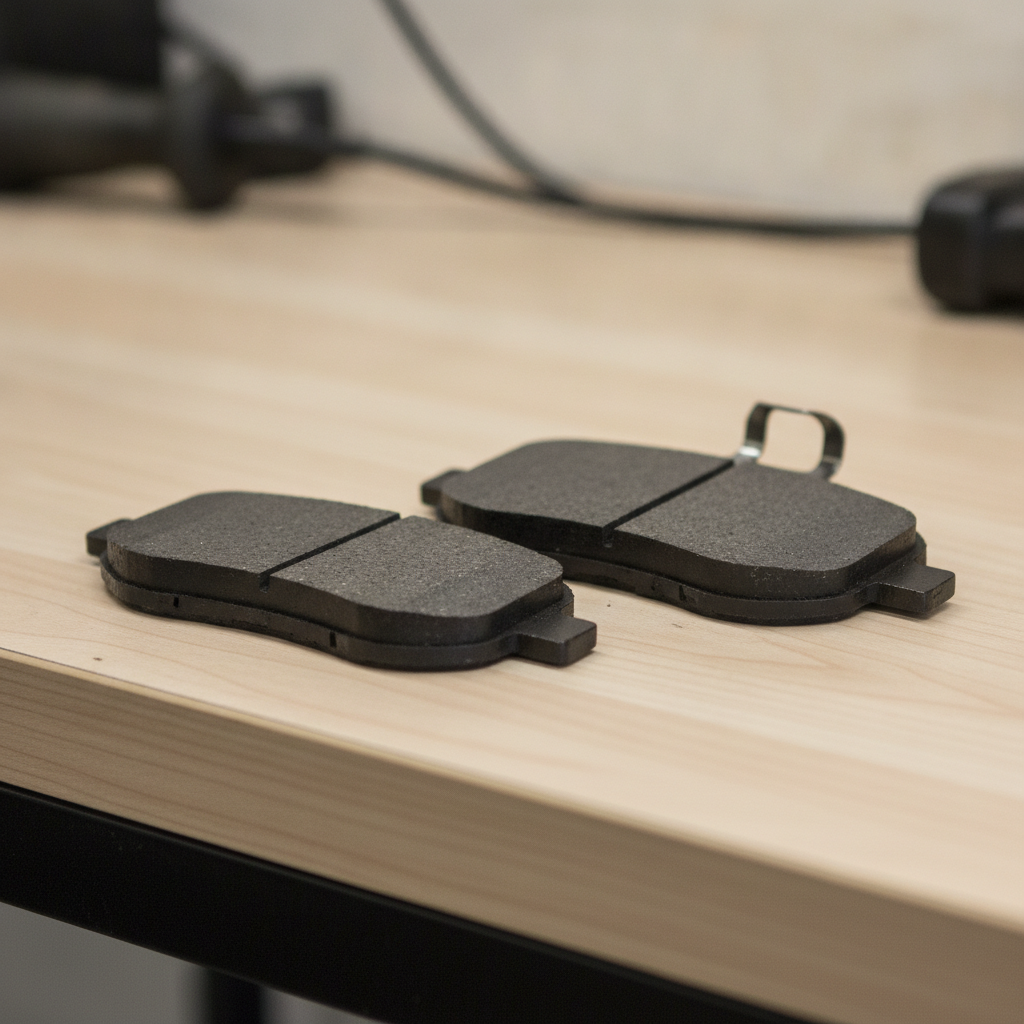
A deep grinding sound every time you press the pedal is the one that cannot wait. Cars.com and Les Schwab agree on what it usually means: the pad friction material is gone and the steel backing plate is now rubbing the rotor. Metal on metal.
At that point the truck is stopping on steel against iron. Stopping distances get longer, the rotor gets cut up, and every stop makes it worse.
What it costs if ignored: a grind that gets looked at quickly usually means pads and rotors on that axle. Keep driving on it and the rotor can be cut too deep to save, and the caliper piston can be pushed out farther than it was designed to travel, which can bring the caliper into the job too. On a truck that tows, that is a lot of parts to replace because of a noise that started as a squeal.
What to do: park it and call us. If the grind is heavy, a short tow costs less than the extra parts, and it is safer than driving it in.
The Scrape That Shows Up After a Gravel Road
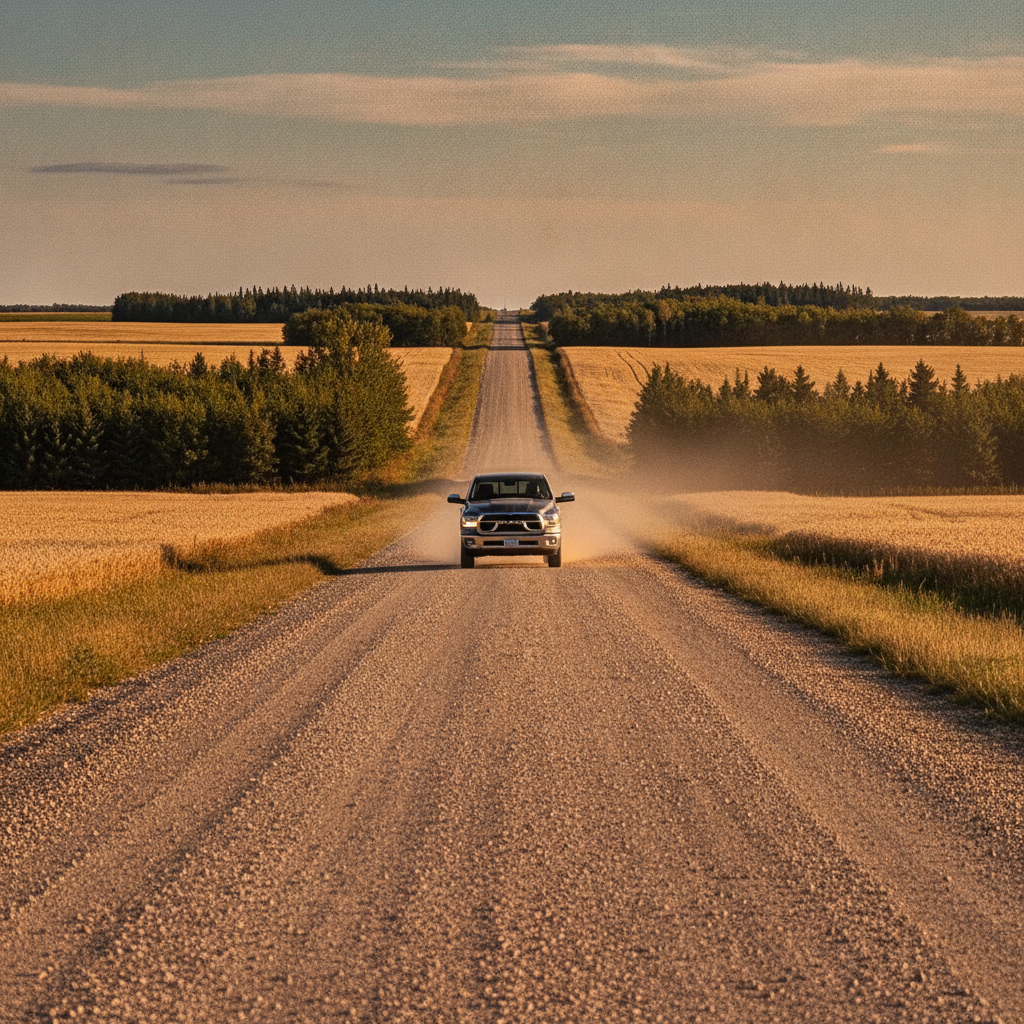
Here is one that a national explainer rarely leads with and we see a lot. You come off a gravel range road, and suddenly one wheel is making a loud scrape or grinding sound that almost sounds like metal on metal. Sometimes it screeches, sometimes it pops, and sometimes it stops for a mile and comes back.
Often it is a small stone that got flicked up and wedged between the rotor and the thin metal dust shield behind it. The rotor turns, the stone scrapes, and it sounds much worse than it is. Les Schwab lists small rocks and sand lodged in the brakes as a cause of noise, and one automaker's own service instructions walk through removing rocks and debris from behind the brake shield.
How to tell it apart from worn pads: a stone usually makes noise while you are just rolling along, not only when you press the brake, and it often starts right after gravel. A worn pad grind lines up with the pedal.
What to do: sometimes a stone falls out on its own after some backing up and a few gentle stops. If it does not, it is a quick job on the hoist. Leave it for weeks and the stone can wear a groove into the rotor face. If the noise sounds more like a hum or growl that changes with speed and not with the brake pedal, read our post on wheel bearing noise before you blame the brakes. Our fall gravel truck prep post covers what else gravel season does to a truck.
A Grind With a Pull: The Salt Problem
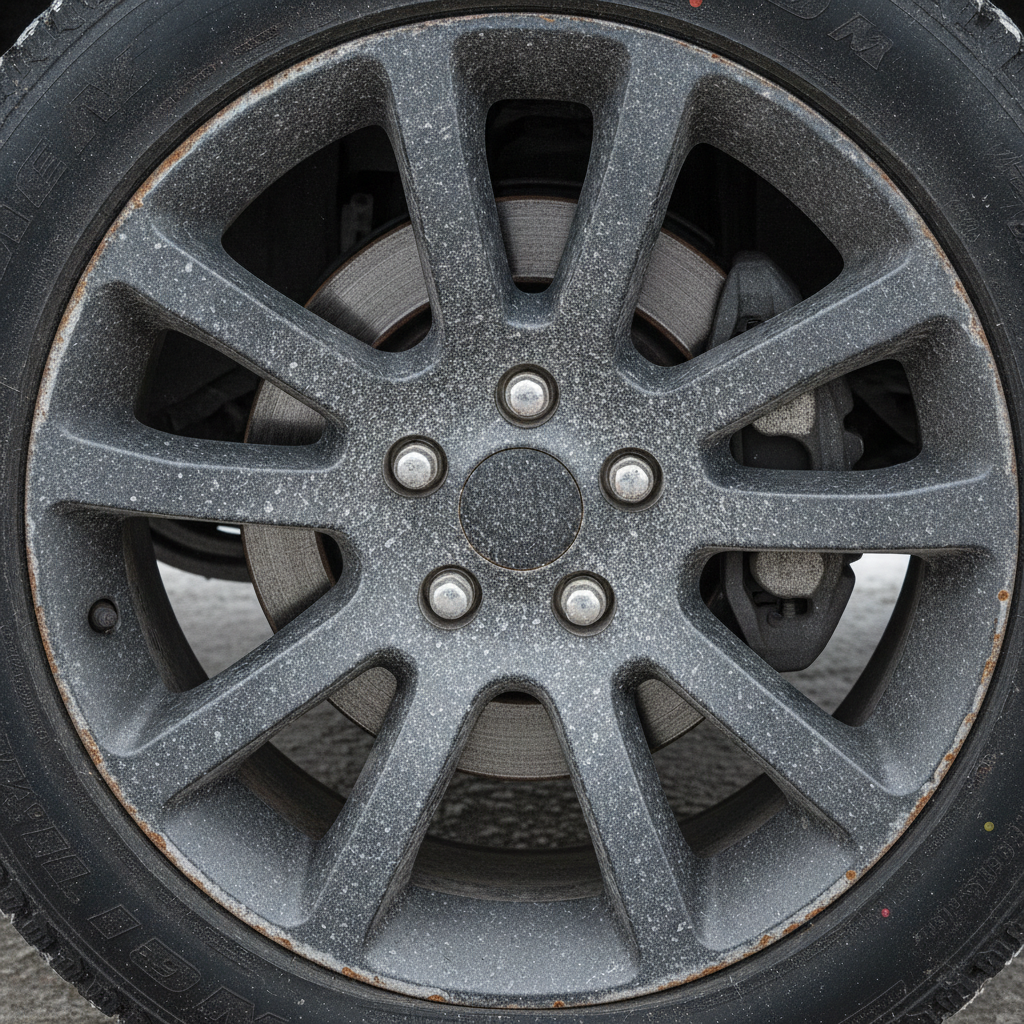
If the noise comes with the truck pulling left or right when you brake, or one wheel smells hot after a drive, think caliper.
On most trucks the caliper slides on a pair of pins so both pads clamp the rotor evenly. Those pins live behind rubber boots and grease. When a boot tears, water and salt get in and the pins can rust in place. Haynes describes it plainly: when slide pins seize, the car may pull when the brakes are applied, and the pads are only pushed onto the disc from the piston side, so they wear unevenly. Brembo tells technicians to check the caliper's sliding elements for corrosion on every pad and rotor job. A Manitoba winter of highway salt and brine is hard on those parts.
The tell on the hoist is one pad on a wheel worn much thinner than its partner, sometimes down to the backing plate on the inside while the outside pad still looks fine. That is why a truck can grind on one corner when the pads you can see through the wheel look good.
What it costs if ignored: a sticking caliper keeps dragging, which heats the pads and rotor on that corner. That can mean glazed pads, a rotor that overheats and starts to shudder, and eventually the caliper itself. Our post on brake shudder and warped rotors explains that vibration side of it. Moisture inside the brake fluid can corrode a caliper from within too, which is part of why the brake fluid change interval matters.
When Salt Gets to More Than the Pads
The same salt that seizes slide pins works on the steel brake lines under the truck. A noise is not usually the first sign there, but a soft pedal or a wet spot near a wheel is. If you see either, stop driving and read our post on rusted brake lines in Manitoba. That one is a safety issue first.
What Our Technicians Look At
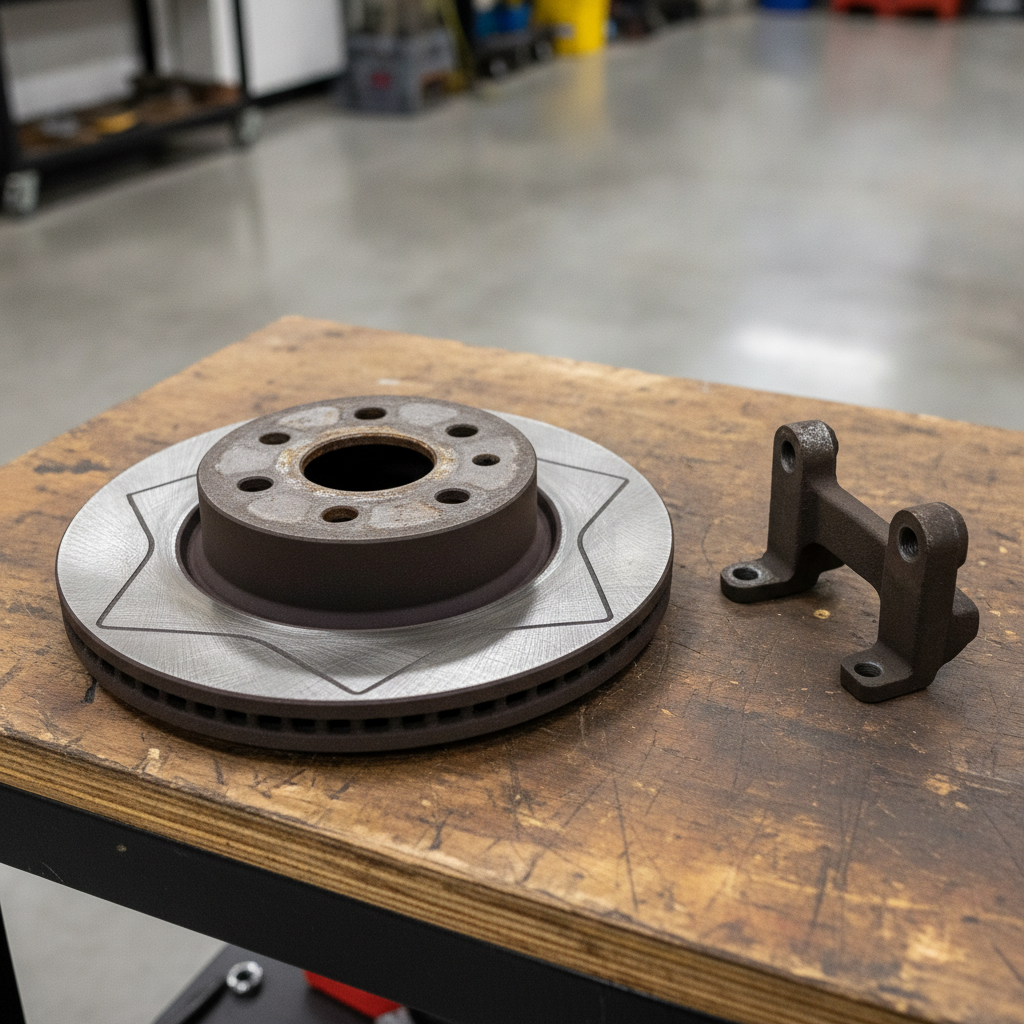
When a truck comes into our service centre for a brake noise, the tech is answering a few questions: how much pad is left on each side of each caliper, whether the rotors are smooth and within spec, whether the slide pins move freely, and whether anything is caught behind a rotor. The pattern of wear usually tells the story better than the noise does.
If it needs pads, rotors or hardware, our parts department can match the right parts to your VIN, whether it is a Ram 1500 or a Ram 3500 that pulls a gooseneck.
FAQs
Why are my brakes squeaking in the morning?
Usually a thin film of surface rust on the rotors from overnight moisture, dew or frost. The pads wipe it off in the first few stops. If the squeak stays all day, have it checked.
Is it safe to drive with squeaking brakes?
A squeak that clears after a few stops is normal. A squeal that stays is usually the wear indicator, which means book an inspection soon. A grind means stop driving it and call.
What does a grinding noise when braking mean?
Most often the pads are worn through and the steel backing plate is on the rotor. On gravel it can also be a stone caught behind the rotor, which usually makes noise even when you are not braking.
Why does my truck pull to one side when I brake?
A caliper that is sticking, often from salt seizing the slide pins, is a common cause. It also wears one pad much faster than the other.
The Bottom Line
The noise tells you where to look. A morning squeak that clears is rust. A squeal that stays is your warning. A grind is metal on metal and cannot wait, unless it came off a gravel road and sounds like a stone. A grind with a pull is a caliper, and salt is usually behind it.
Catch it at the squeal and it is a routine brake job. Wait for the grind and it grows. If yours has started talking to you, book a brake inspection in Portage la Prairie, tell us what you hear and when, and we will find the corner it is coming from.
Tyler Dunn, Dunn Ram Trucks, Portage la Prairie

























