
How long to charge a car battery comes down to the charger: about 4 to 8 hours on a smart charger, and a few days on a 1 or 2 amp trickle charger. Cold stretches every one of those times, and a short drive puts back far less than most people think. If a battery will not hold the charge you put into it, book a battery and charging system test with our service team before the first minus 30 morning finds it for you.
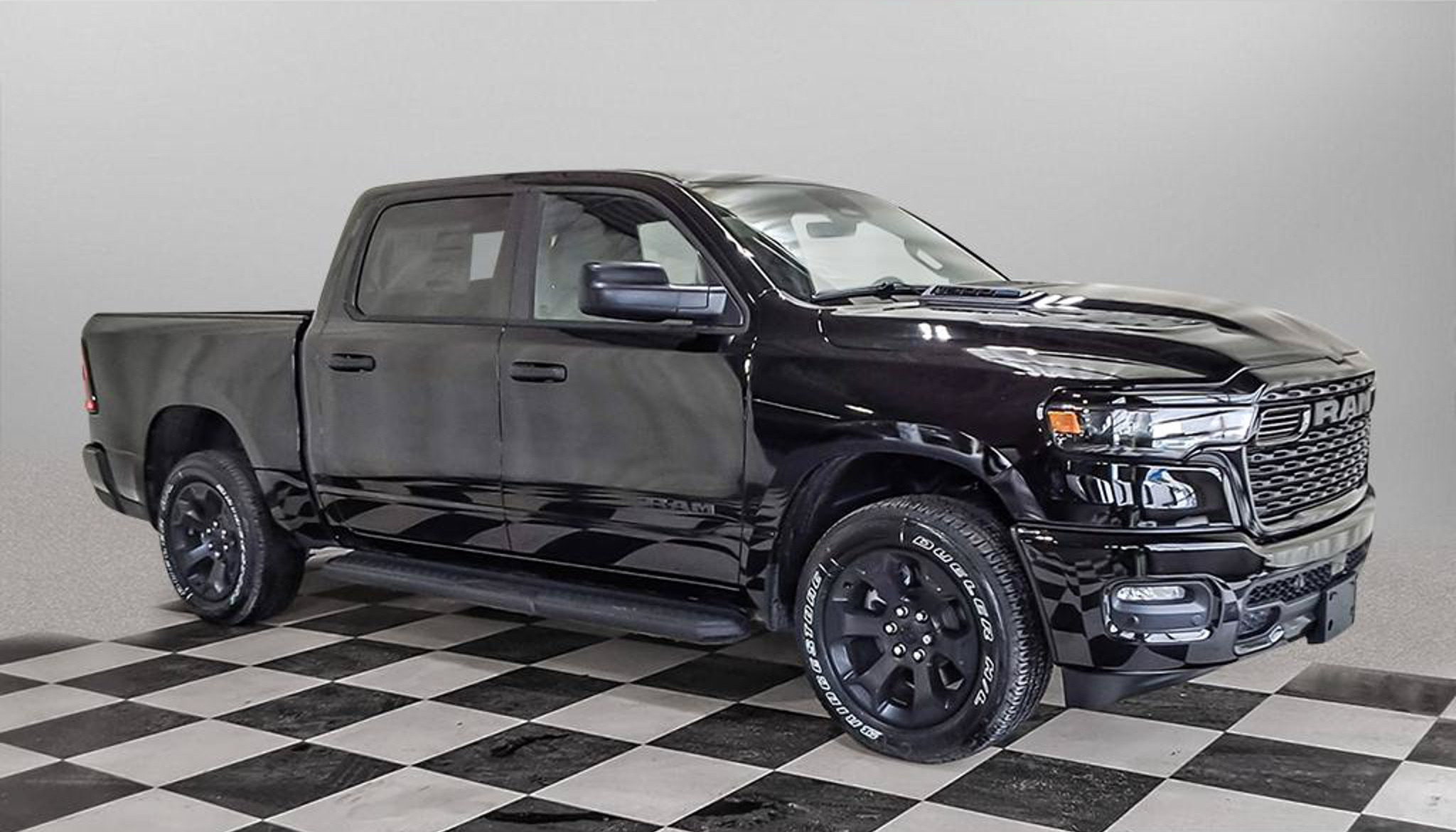
This guide is written around trucks, because that is what sits in most Manitoba driveways, but the advice applies to a car, an SUV or a minivan just the same. A 12 volt battery charges the same way whatever it is bolted into. If you are not sure the battery is worth charging at all, our guide to a winter battery test in Manitoba explains what a test tells you.
Key Takeaways
- Smart charger: about 4 to 8 hours for a typical recharge, and a full 100 percent can take 10 to 24 hours.
- Trickle charger at 1 or 2 amps: a few days to bring a flat battery back.
- Driving: 30 minutes of driving will not recharge a flat battery. A full recharge from the alternator takes hours at highway speed.
- Cold slows it down. A cold battery accepts charge less readily, so the same charger takes longer in a January driveway.
- Never charge a frozen battery. The Canadian Centre for Occupational Health and Safety says not to charge or jump one.
How Long to Charge a Car Battery by Charger Type
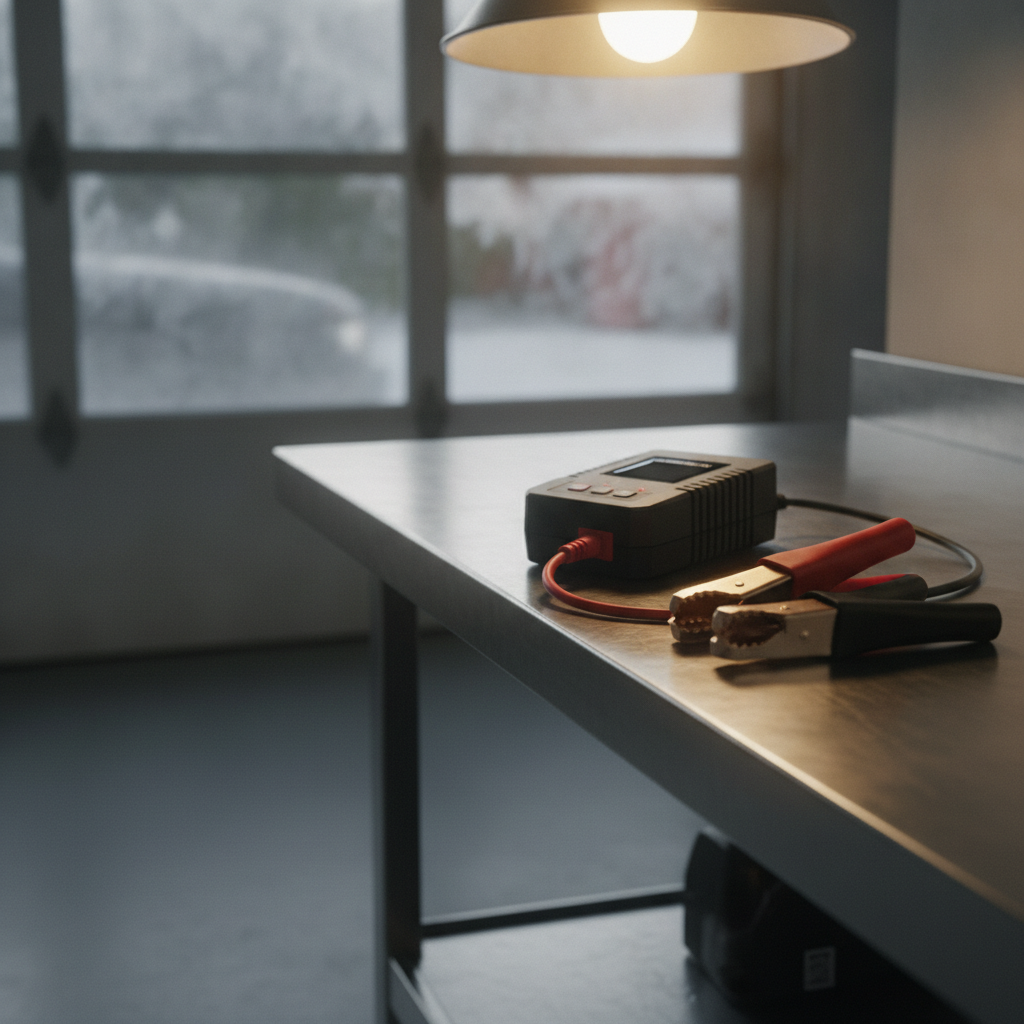
The charger you own sets the clock.

Smart or automatic charger. Expect about 4 to 8 hours for a typical recharge. These chargers sense the battery and change their output as it fills, so the last stretch to a true 100 percent is slow, and a full charge can take 10 to 24 hours.
Trickle charger. A trickle charger pushes only 1 or 2 amps, so bringing a flat battery back takes a few days. It is gentle, but it is not the tool for a truck you need Monday morning.
Battery maintainer or tender. A maintainer is built to hold a charged battery at full, not to rescue a dead one. Used as a recharger, it can take weeks. Its real job is a vehicle that sits, which comes up below.

Driving. The alternator does charge the battery, but slowly from flat. Getting a dead battery back to full by driving alone takes hours at highway speed, and a 30 minute drive will not do it.
The Rough Math Behind the Hours
If you want to estimate a time yourself, divide the amp hours the battery is missing by the charger's amps, then allow extra, because charging is not perfectly efficient and the charger slows down near full.
An example, not a measurement: a battery missing 40 amp hours works out to about 20 hours on paper with a 2 amp charger, and about 4 hours on paper at 10 amps. In practice both run longer, and longer again in the cold.
A Ram 2500 or 3500 with the Cummins may carry two batteries, so check your owner's manual for where to connect the charger. When both are low, there is more to put back, so the same charger takes longer.
Why a Cold Battery Charges Slower
Picture a truck parked outside in a Portage la Prairie driveway on a January night at minus 25. The battery is cold soaked right through. Cold slows the chemistry inside a lead acid battery, so it accepts charge less readily, and a charger clamped to it in that driveway puts the energy back more slowly than the same charger would in a heated garage.
There is one more reason to keep a battery charged in a Manitoba winter: a charged battery resists freezing. A fully charged starter battery does not freeze until far colder than anything a Westman or Interlake winter normally brings. A badly discharged one can freeze at a much milder temperature, and a frozen battery is finished.
If the truck has to stay outside, plan for the cold: clamp the charger on the evening before, not the morning you need to leave, and give it the extra hours.
Why a Short Winter Drive Does Not Refill It

A cold start pulls a big draw from the battery. Then the drive begins, and the alternator has to feed the heater fan, the defroster, the headlights, the wipers and the heated seats before anything is left over for the battery. On top of that, the cold battery accepts what is left slowly.
So a ten minute run from an acreage near Oakville into Portage for coffee, then home again, can leave the battery a little lower than it was at breakfast. Do that all week and the battery falls behind a bit each day, until one cold morning it cannot crank.
A trip down the Trans-Canada to Winnipeg puts back far more than a run across town, but even a long drive is no substitute for a charger when the battery is truly flat, because a full recharge by driving takes hours at highway speed.
If your driving is mostly short winter trips, a charger on a weekend is a simple way to catch the battery up.
How to Charge a Car Battery Safely
How to charge a car battery starts with two documents: the battery section of your owner's manual and the instructions that came with your charger. The Canadian Centre for Occupational Health and Safety puts it simply: "Follow the manufacturer's recommendations for charging rates, connections and vent plug adjustment."
The same agency gives the rules that matter most around a charging battery:
- Charge in a well ventilated area. CCOHS notes that hydrogen gas is produced during normal battery operation and can escape through the battery vents, and that it ignites easily.
- Clamps on and off with the power off. In CCOHS's words: "Unplug or turn the charger off before attaching or removing the clamp connections."
- Never a frozen or damaged battery. CCOHS says: "Do not attempt to recharge a frozen or damaged battery."
Check the label on the battery for its type, and if your charger has a setting for that type, use it. If your manual names a specific point to connect a charger, use that point.
When a Battery Tender on the Block Heater Outlet Makes Sense
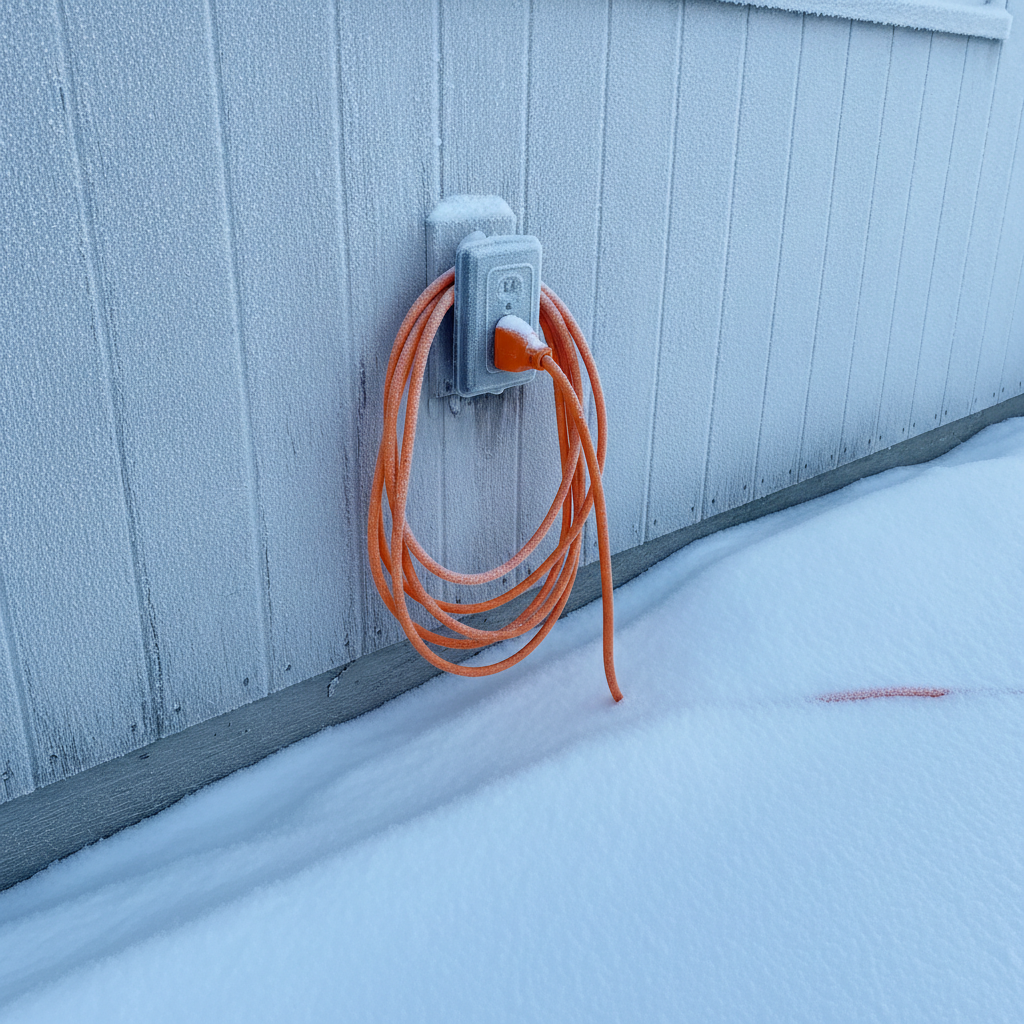
A maintainer earns its keep on a vehicle that sits: the second truck parked from New Year's to seeding, or the farm truck that waits out the winter after harvest. Even parked, a modern truck can draw a little power, and over weeks that adds up. A maintainer holds the battery at full, so it is ready and less likely to freeze.
Most Manitoba yards already have the outlet, because the truck is plugged in for the block heater. Natural Resources Canada says two hours of block heater is more than enough to warm the engine, and suggests an automatic timer to switch it on two hours before you leave. If the outlet is on that timer, the maintainer only gets power for those two hours, so it needs a steady supply of its own to do its job. Follow the maintainer maker's instructions for outdoor use and for the cord.
For more on plugging in, our block heater guide for Manitoba covers when and how long, and if your truck has no block heater, our service department installs block heaters.
When Charging Does Not Hold
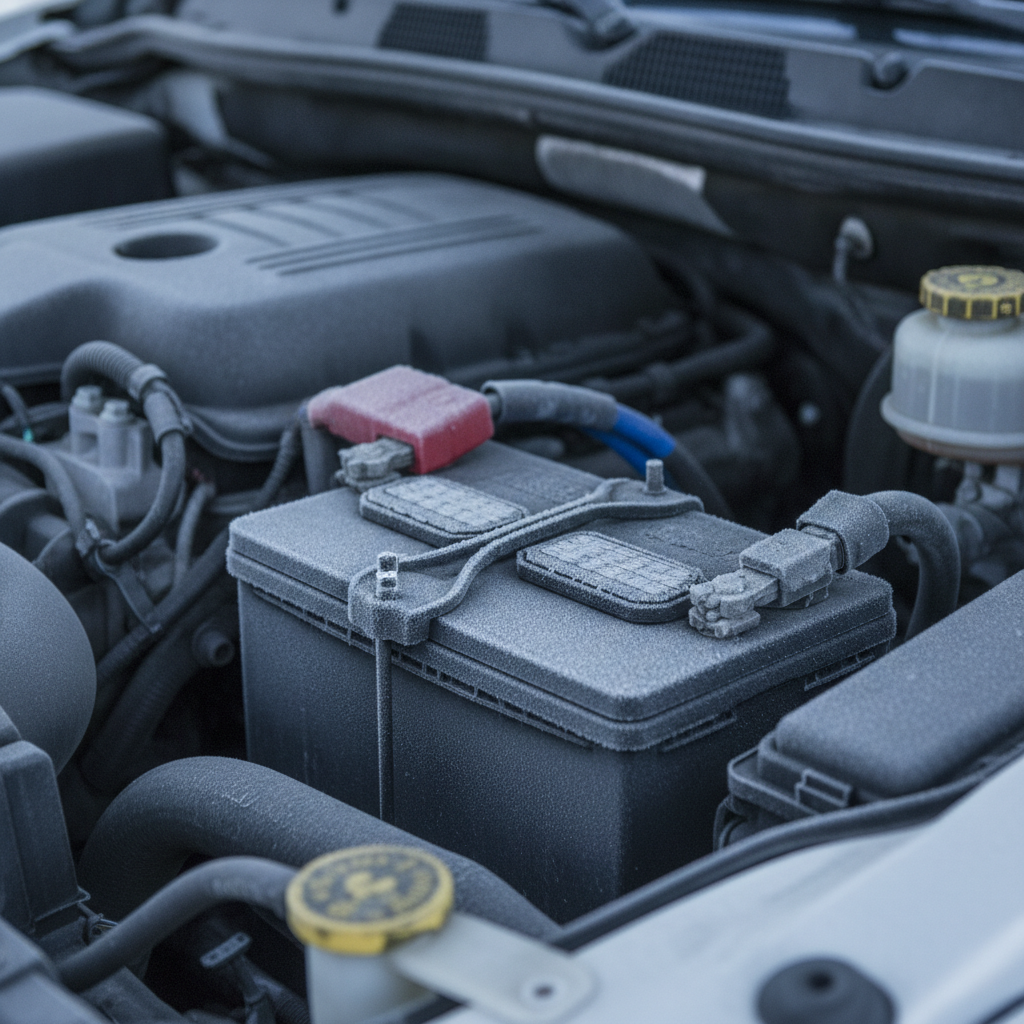
A battery that charges to full and is flat again in a day or two is telling you something. Either the battery itself can no longer hold a charge, or something is draining it while the vehicle sits. Our post on the winter battery test explains what a load test shows, and if the battery dies after the truck sits a few days, our post on a truck battery draining overnight covers how a draw is tracked down.
At Dunn Ram Trucks in Portage la Prairie, our service department does battery replacement and charging system work. When you book a battery and charging system test online, tell the team how often the battery has gone flat and whether you have been charging it at home.
If the battery trouble has you thinking about something newer, you can browse new Ram 1500 inventory, see what your current vehicle is worth, and apply for financing online. Any approval, rate or term is on approved credit.
FAQs
How long does it take to charge a car battery with a 10 amp charger?
Roughly the amp hours the battery is missing divided by 10, plus extra time, because charging is not perfectly efficient and the charger slows near full. As an example, a battery missing 40 amp hours is about 4 hours on paper and longer in practice, especially in the cold.
How long to charge a car battery with a trickle charger?
A few days for a flat battery. A trickle charger pushes only 1 or 2 amps, so it is gentle but slow, and it takes longer still when the battery is cold.
Can I charge a frozen battery?
No. The Canadian Centre for Occupational Health and Safety says: "Do not charge or jump a frozen battery." If you suspect a battery has frozen, or its case is bulged or cracked, leave the charger off and have the battery tested.
Will a short drive recharge my car battery?
Not a flat one. A 30 minute drive will not recharge a flat battery, and in winter the heater, defroster and lights take much of the alternator's output. A full recharge by driving takes hours at highway speed.
Should I leave a battery tender on all winter?
For a vehicle that sits for weeks, yes, a maintainer is a sensible way to hold the battery at full and help keep it from freezing. If the outlet is on a block heater timer, the maintainer only gets power while the timer is on, so give it a steady supply of its own.
Can Dunn Ram Trucks test my battery?
Yes. Our service department does battery replacement and charging system work. Book a battery and charging system test online with our service team.
The Bottom Line
How long to charge a car battery depends on the charger and the temperature: about 4 to 8 hours on a smart charger, a few days on a trickle charger, and longer for both in a Manitoba January. A short drive will not refill a cold battery, a maintainer on a steady supply suits a vehicle that sits, and a frozen battery never gets a charger at all.
If a battery keeps going flat after a full charge, stop charging it and book a battery and charging system test before the cold does the testing for you.
Tyler Dunn, Dunn Ram Trucks, Portage la Prairie

























