

Going over kilometres on a lease means driving more than the kilometre allowance written into your contract, and you pay the contract's per kilometre rate for every kilometre over, generally when you hand the vehicle back. The way to avoid a surprise is arithmetic done before you sign: work out what you really drive in a year and hold it against the allowance. If you are looking at a Jeep, check the terms on our Jeep finance deals page for the allowance and the per kilometre charge on any current lease offer, then run your own numbers against them.
Outside a city, kilometres are usually the first question anyone asks about a lease, and it is a fair one. A lease that fits a household driving around town looks very different once the drive to work is the Trans-Canada Highway, and the vehicle comes back with Manitoba gravel on it. If the numbers point you to financing instead, you can apply for financing online before you visit.
Key Takeaways
- The allowance is fixed in your contract. Innovation, Science and Economic Development Canada notes there is no credit for kilometres you do not use.
- The excess charge comes at the end, when you return the vehicle, at the per kilometre rate your contract sets.
- Estimate before you sign. A Portage la Prairie to Winnipeg commute, worked below as an example, comes to about 40,800 km a year on its own.
- Buying kilometres up front is usually cheaper than paying the penalty at return, according to the same federal guidance.
- Wear is judged against your contract's repair standard. Ask for the lessor's wear guide before you sign and read how it treats stone chips and windshield damage.
- If you drive high kilometres, financing usually suits you better than a lease.
How a Lease Kilometre Allowance Works
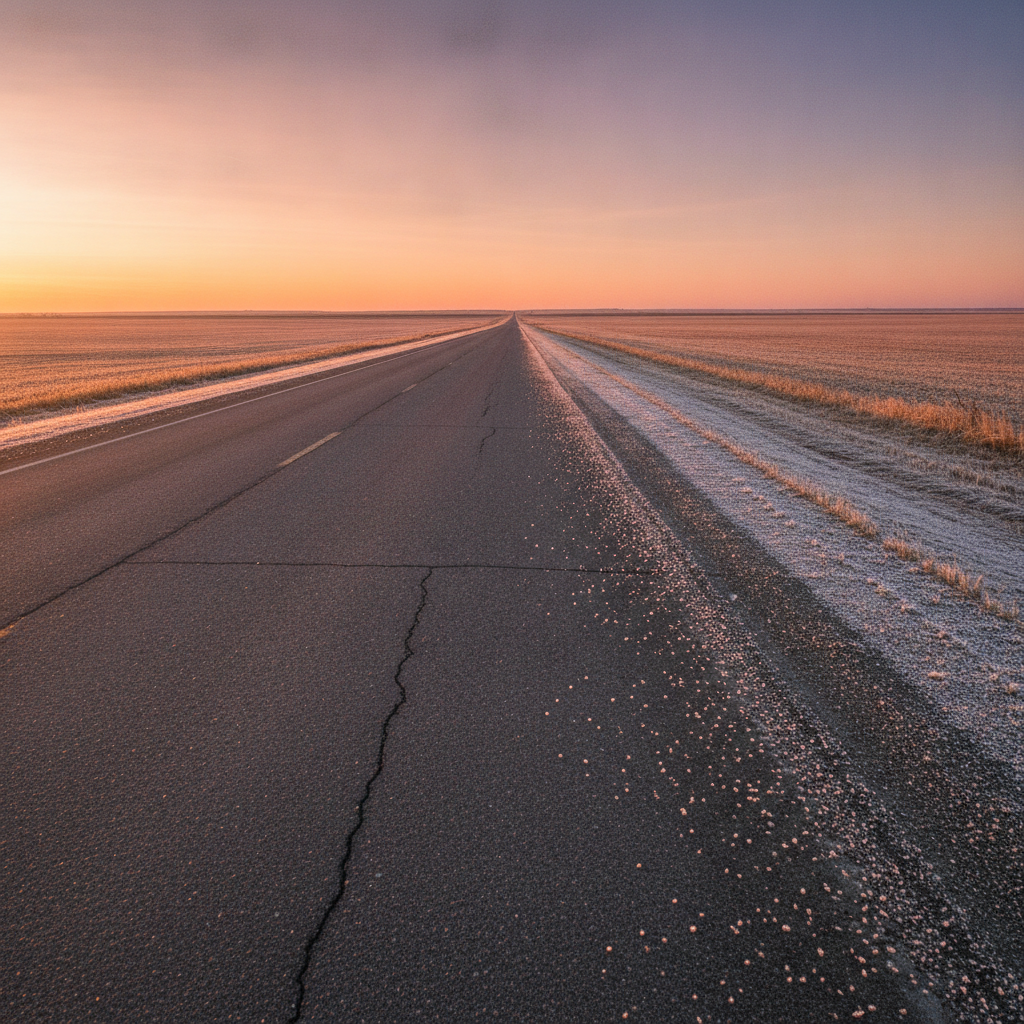
A lease is a contract with a manufacturer's finance company or an independent leasing company, usually arranged at the dealership. Part of what sets your payment is how many kilometres the vehicle is expected to have on it when it comes back. On its Vehicle Lease or Loan Calculator Tips page, Innovation, Science and Economic Development Canada (ISED) puts it plainly: "Leases usually have a fixed allowance for kilometres travelled."

Two details on that same Tips page matter before you choose a number. First, "There is no credit for unused kilometres if you don't use the full amount allowed by your lease." Second, "Unless you buy the vehicle at the end of the lease, there is usually no benefit for returning the car under the kilometres limit set in the agreement." In other words, an allowance set too high costs you money you will not get back, and one set too low costs you at the end. Read the allowance and the per kilometre rate in your contract before you sign.
The Excess Charge Comes at the End
The charge for going over is not added to your payment month by month. ISED's Tips page describes it as the penalty for exceeding the allowance when you return the car. At return, the odometer reading is measured against the allowance in your contract, and every kilometre over is charged at the contract's rate.
Because the bill lands at the end, it is easy to forget. A simple habit helps: once a year, when you renew your Autopac, write down the odometer reading and compare it with where the allowance says you should be, while there is still time to plan.

If you end the lease another way, by buying the vehicle out or trading it, whether the excess charge still applies depends on your contract. Ask your lessor in writing. Our guide to whether you should buy your leased vehicle walks through the buyout side.
Estimate Your Real Annual Distance Before You Sign
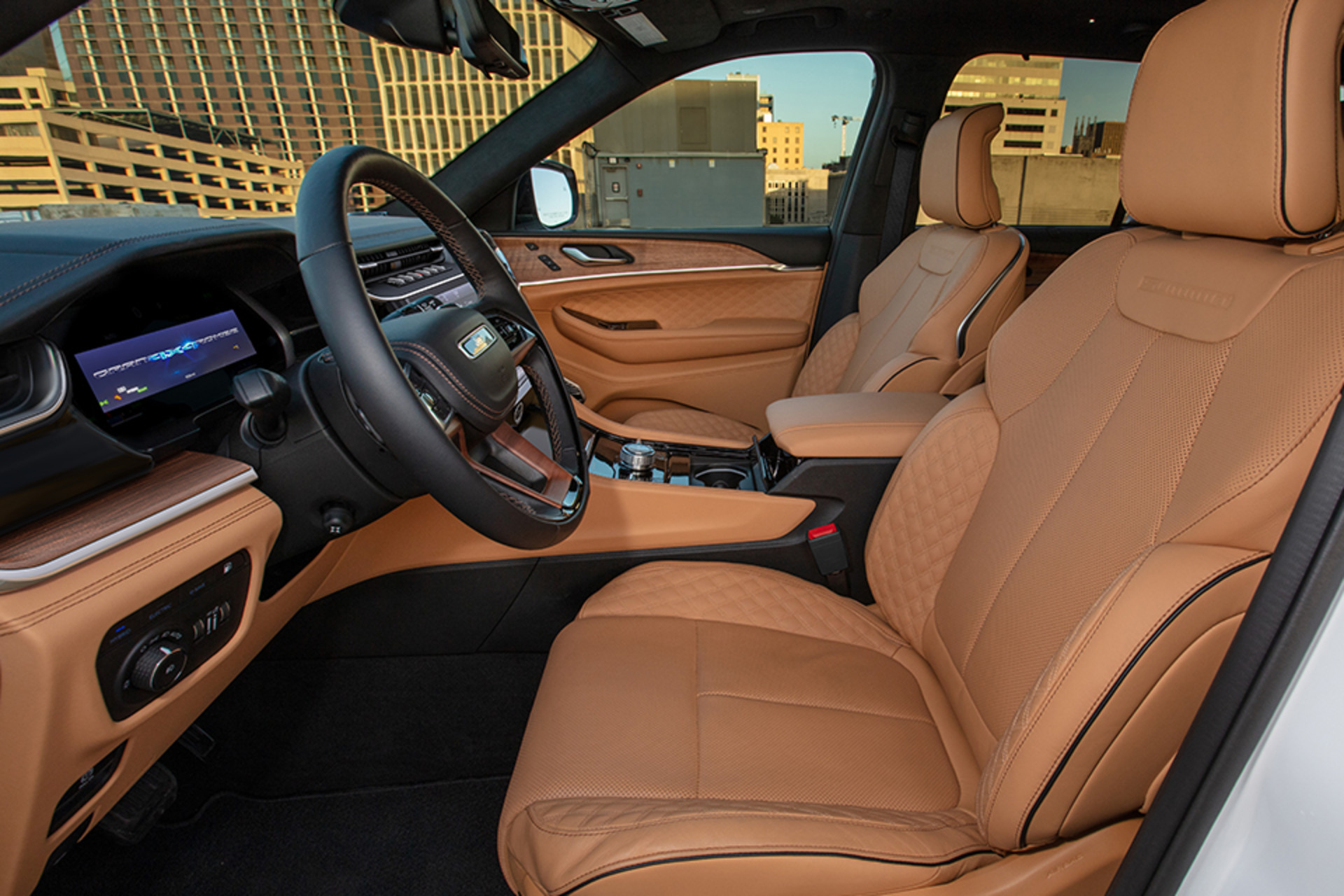
Most people guess their yearly distance low. Here is the commute that catches people in Portage la Prairie, worked so you can check every line. This is an example, not a quote. The drive from Portage la Prairie to Winnipeg is roughly 85 km each way, depending on where in the city you work, so measure your own with the trip odometer.
- One day: 85 km there and 85 km back is 170 km.
- One week: 170 km a day for 5 days is 850 km.
- One year: 850 km a week for 48 working weeks is 40,800 km.
That is the commute alone. Now add the rest of your year: weekend hockey in the city, the run to Brandon, trips out to the lake, the grid road to the field at harvest. Your real number is the commute plus all of that.
Then hold it against the allowance. An example, not a quote: say a four year lease carries an allowance of 20,000 km a year, which is 80,000 km over the term. The commute alone over four years is 163,200 km, so you would be 83,200 km over before a single weekend trip. At an example rate of 10 cents a kilometre, that is $8,320 due at the end. Your own contract's allowance and rate are the only figures that count, so redo this with them.
A Bigger Allowance Up Front or Pay the Excess
If your estimate is above the allowance, you have two ways to handle it. You can choose a higher allowance when you sign, which can raise the payment, or you can take the standard allowance and pay the excess charge at the end.
ISED's guidance on its Tips page is that prepaying for the kilometres you expect to drive over is usually cheaper than paying the penalty for exceeding the allowance when you return the car. The catch is the no credit rule above: kilometres you buy and do not drive are usually money gone unless you buy the vehicle at the end. So choose an honest number, not a hopeful one. Ask our team what allowance options a current lease offer includes before you settle on one.
Normal Wear Versus Chargeable Damage on Manitoba Roads
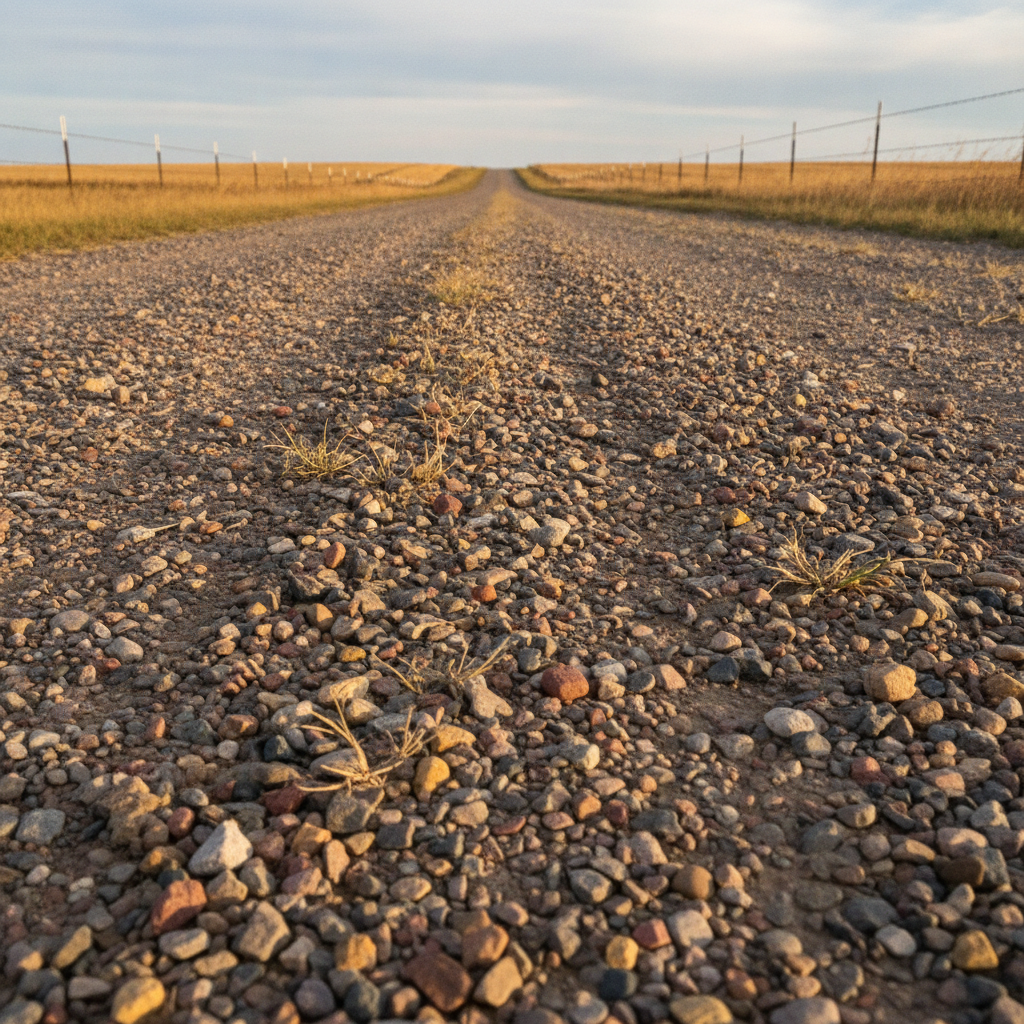
Kilometres are only half of the lease end bill. ISED explains that "When you sign a lease, it will include a 'repair standard,' which outlines the condition the car must be in when the lease expires and it is returned to the dealer." The Financial Consumer Agency of Canada's Car financing options page lists among the drawbacks of leasing that "you may have to pay extra costs, such as fees for excessive wear and tear."
Where the line between normal wear and chargeable damage falls is set by your lessor, not by a general rule. So ask for the lessor's wear guide before you sign, and read what it says about the damage a Manitoba vehicle picks up:
- Stone chips across the hood and front bumper from gravel trucks and grid roads.
- Windshield chips, stars and cracks, and a windshield pitted by sand and gravel from winter highways.
- Rust, where salt and sand sit through the winter.
- Tires, and the condition the guide expects them in at return.
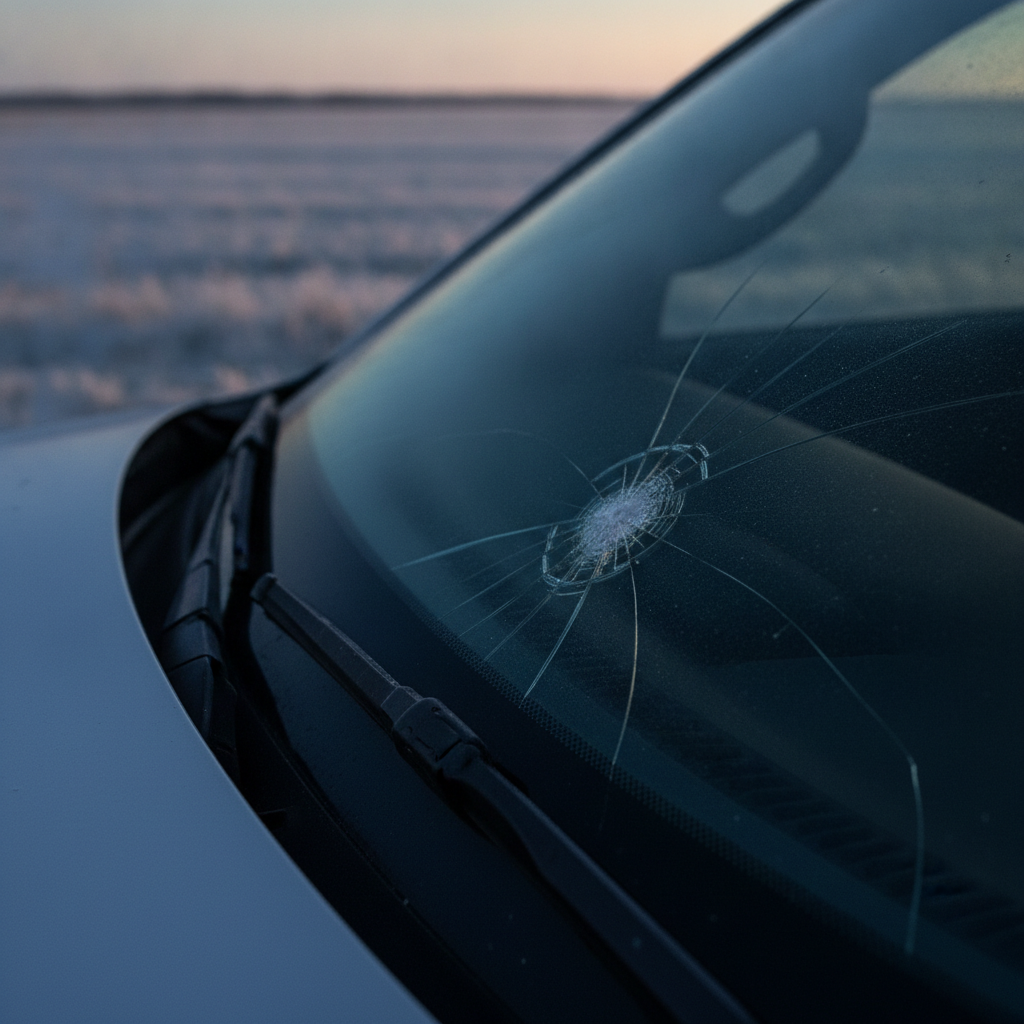
Windshield damage deserves extra attention, because a small chip does not stay small through a prairie winter. Read why a windshield crack spreads in cold weather and rock chip repair versus windshield replacement.
Before you return the vehicle, ISED's Tips page suggests taking photos of any cosmetic damage and getting estimates, which may help you negotiate with the automaker or leasing company if you feel you are being overcharged for repairs. Where a repair costs less than the charge you expect, it can pay to fix it first. Our service department does windshield and glass replacement, with camera calibration, and you can book a windshield replacement with our service team ahead of your lease end.
Optional lease wear protection products also exist. If an offer includes one, read the offer's terms for it, and ask our team whether the lease you are looking at includes one.
Who a Lease Does Not Suit
Here it is plainly: if you commute to Winnipeg every day, farm, or run grid roads for work, a lease's allowance is working against you from the first day. For the high kilometre rural driver, financing is usually the better fit: you own the vehicle, with no allowance to watch and no return inspection. Our post on leasing vs financing a truck lays out the trade offs, and our guide to car financing in Manitoba covers how financing works.
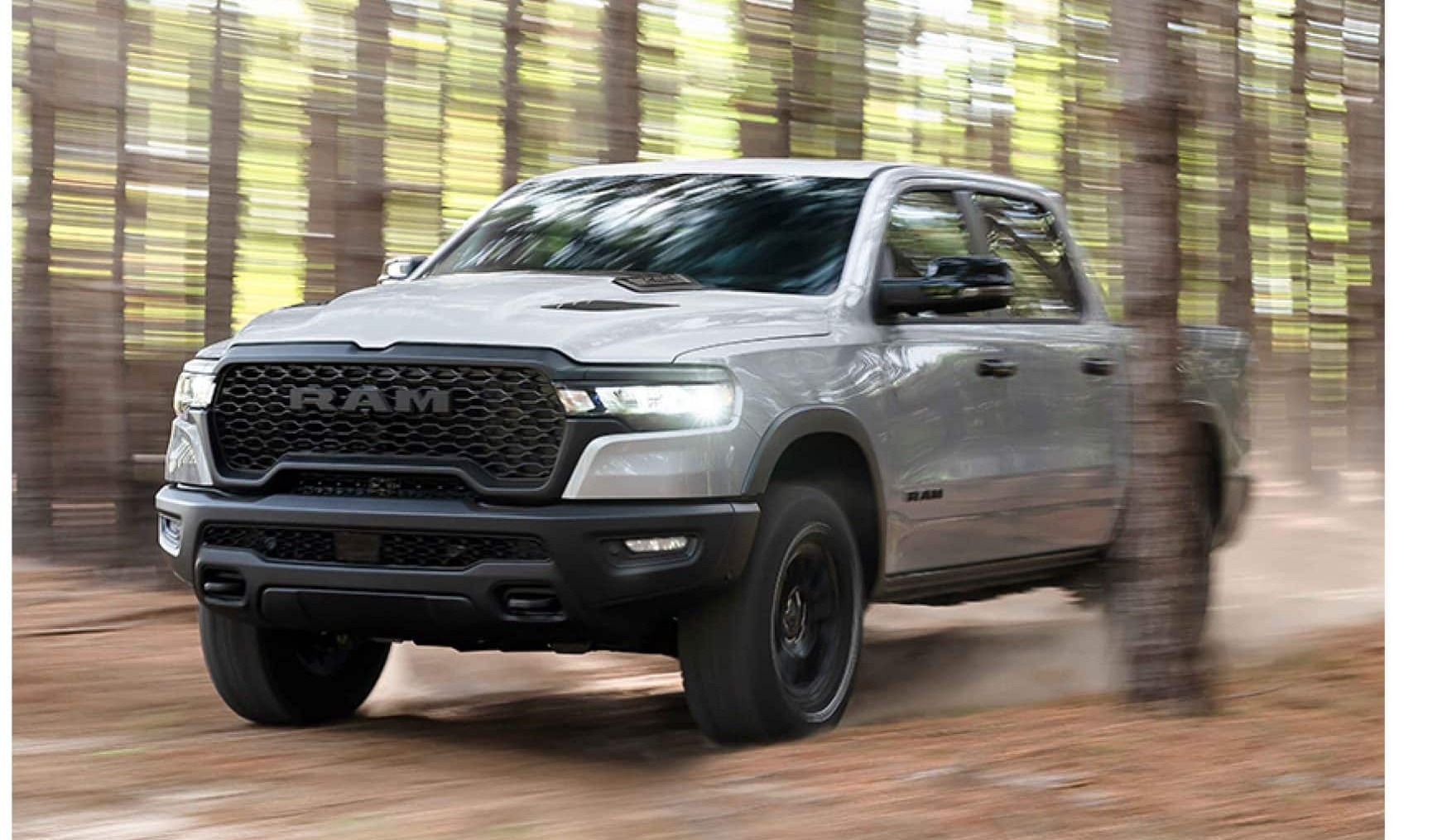
A lease can still make sense for a household that mostly drives around town and wants a new vehicle every few years. Whichever way you go, you can apply for financing online; any approval, rate or term is on approved credit. Then browse our new Jeep Grand Cherokee inventory or our new Ram 1500 inventory. If you have a vehicle to trade, check your trade in value with our instant cash offer. We honour the instant cash offer: the number you get online is the number we stand behind when the vehicle matches what you told us.
FAQs
What happens if I go over kilometres on a lease?
You pay the per kilometre rate set in your lease contract for every kilometre over the allowance, generally when you return the vehicle. Innovation, Science and Economic Development Canada describes it as a penalty for exceeding the allowance when you return the car, so the charge does not show up in your monthly payments along the way.
Do I get money back for unused kilometres on a lease?
Usually not. Innovation, Science and Economic Development Canada says there is no credit for unused kilometres, and that there is usually no benefit to returning a leased vehicle under its kilometre limit unless you buy the vehicle at the end of the lease.
Is it cheaper to buy extra kilometres up front?
Usually, yes. Innovation, Science and Economic Development Canada says prepaying for the kilometres you expect to drive over is usually cheaper than paying the penalty when you return the car. Because unused kilometres earn no credit, base the number on an honest estimate of your yearly driving.
Are stone chips normal wear on a lease return?
It depends on your lessor. Innovation, Science and Economic Development Canada says a lease includes a repair standard that sets the condition the vehicle must be in when it is returned, and the lessor decides where normal wear ends. Ask for the lessor's wear guide before you sign, read how it treats stone chips and windshield damage, and take photos and get repair estimates before you return the vehicle.
Should I lease if I drive a lot of kilometres?
Usually not. If your real yearly distance is well above the allowance on a lease, financing is usually the better fit, because there is no allowance, no excess kilometre charge and no return inspection. You can apply for financing with Dunn Ram Trucks; any approval, rate or term is on approved credit.
The Bottom Line
Going over kilometres on a lease is a cost you can see coming. Work out your real yearly distance before you sign, buy kilometres up front if you will need them, and ask for the lessor's wear guide so stone chips are not a surprise. If the honest number is well past any allowance, finance instead. When you are ready, apply for financing and see what your trade is worth.
Tyler Dunn, Dunn Ram Trucks, Portage la Prairie

























