
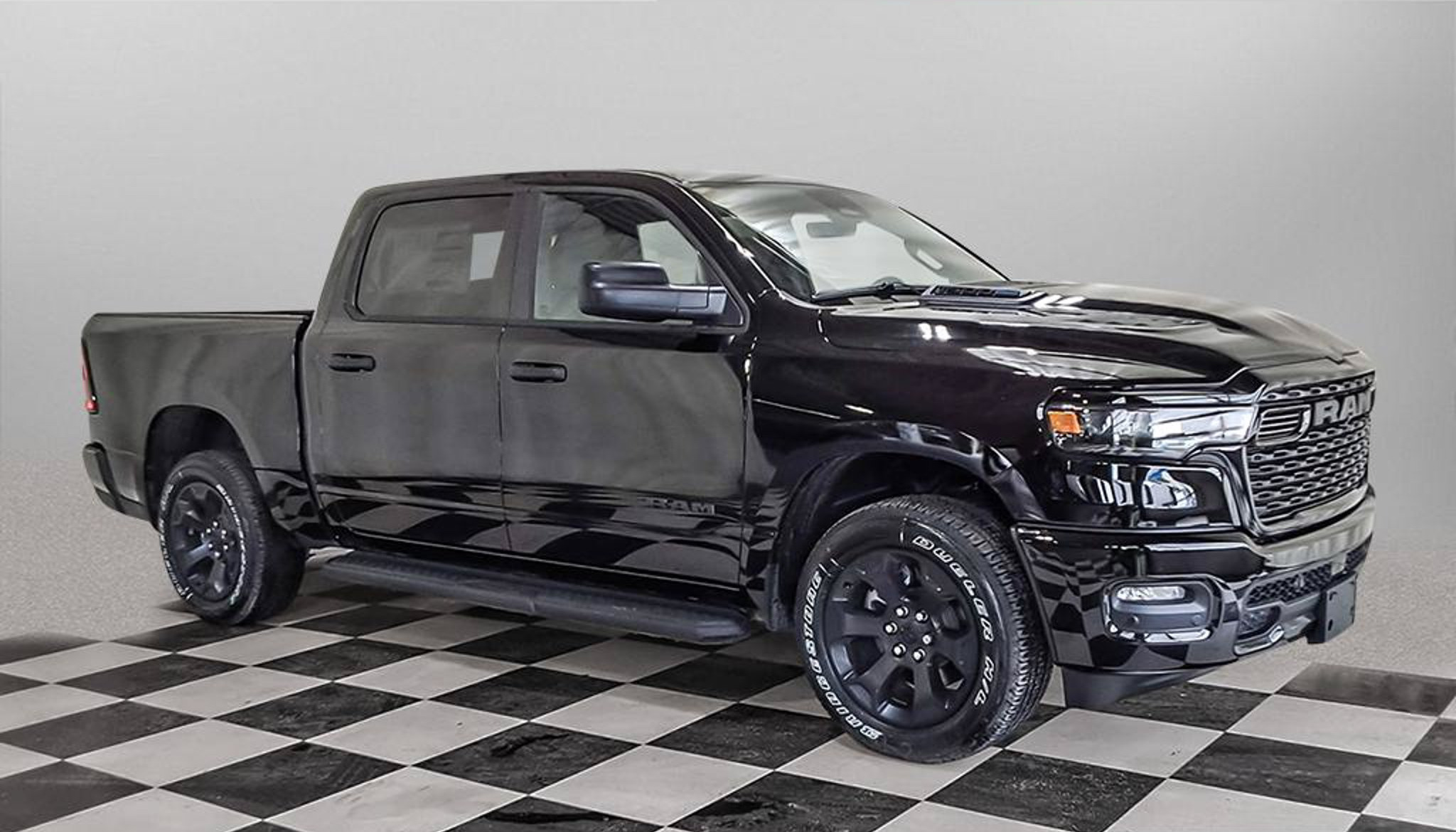
Everybody in this province has a rule of thumb for this, and most of them are wrong. Wait for the first snow. Wait for Thanksgiving. Wait until it looks like it means it. The trouble with all of those is that they key on snow, and the thing that actually decides when winter tires start working better than the set on your truck right now is not snow at all. It is temperature, and the number is lower than the first flake.
Here is the straight version of when to make the switch in Manitoba, why the calendar matters more than the forecast, and what it costs you to be the person still calling around on the third week of October. If you already know you want it done, the simplest move is to book service with us now and pick a morning, because the appointments are the thing that runs out, not the tires.
Key Takeaways
- 7 degrees Celsius is the line, not the first snowfall. Transport Canada's wording: at temperatures below 7 degrees Celsius, all season and summer tires begin to lose elasticity, leading to less traction. Winter tires keep their elasticity and grip at much lower temperatures.
- That line arrives in late September and stays. Frost normally returns to this part of Manitoba around the third week of September, and the October daily average sits below the 7 degree threshold and keeps falling. The tires are already the wrong compound well before the first real snow.
- Book in the first half of October, not the second. The province switches over in one bunched wave the week the weather turns, and that is when the bays fill and the lead time stretches from days to weeks.
- All four, never two. Transport Canada says to install winter tires in sets of 4, and its own testing found a mixed set was measurably worse at stopping and would not hold a steering course that an all winter set handled.
- A real deadline this year: October 1, 2026. MPI's Winter Tire Program is changing. From that date, approved tires must be designed and marketed solely for winter driving, and all weather tires no longer qualify even with the snowflake symbol on them. If an all weather tire is your plan and you want it financed, September is the window.
The 7 Degree Rule, and Why It Is About Rubber
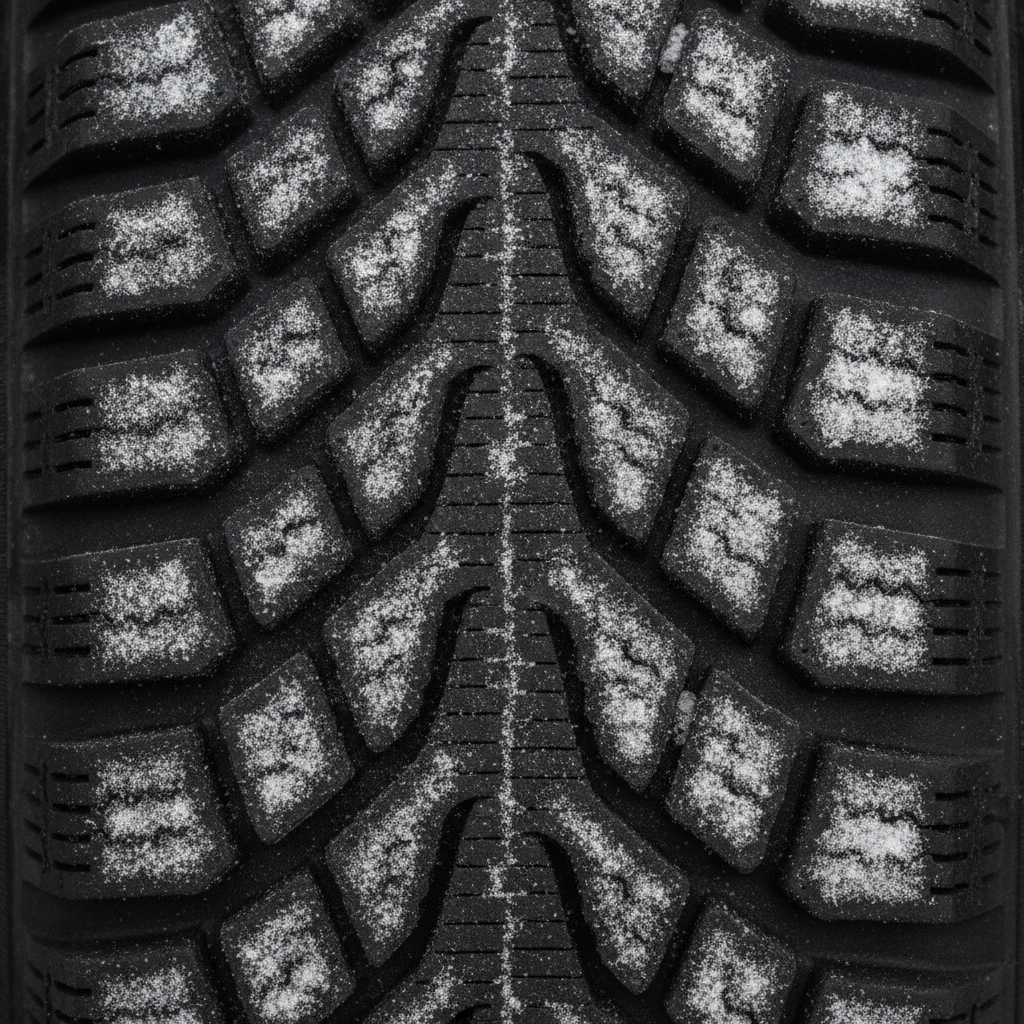
The rule sounds arbitrary until you know what it describes. It is not a legal threshold and it is not about snow depth. It is about what happens to rubber when it gets cold.

An all season tire is built from a compound tuned to work across a wide band of temperatures, and the top of that band is where it does its best work. As the air drops, that compound stiffens. Transport Canada puts the threshold plainly: at temperatures below 7 degrees Celsius, all season and summer tires begin to lose elasticity, which leads to less traction. A winter tire is built from a different compound with a different job. It is formulated to stay pliable when it is cold, so it can still conform to the surface and grip it. Transport Canada's line on that half is just as direct: winter tires keep their elasticity and grip at much lower temperatures.
That is why the snow is a red herring. A stiff tire on cold, dry pavement is already giving up braking and cornering grip before a single flake falls. The morning that catches people out here is not the blizzard. It is the clear, hard, minus 4 morning in October where the road looks perfectly normal, the truck feels perfectly normal, and then a deer steps out and the stopping distance is not what the driver expected.
The other half of the rule is that it applies to all four corners. Transport Canada's recommendation is to install winter tires in sets of 4 to help maintain control and stability. Their own testing makes the case better than any sales pitch: in a Transport Canada test on snow, a minibus fitted with a full set of winter tires stopped an average of 5.6 metres shorter at 80 km/h than the same vehicle with all season tires on the front, and in the high speed slalom the mixed setup could not follow the course at all and hit the cones. Two winter tires on the back of a truck is not half a solution. It is a different and worse handling problem.

What That Looks Like on a Manitoba Calendar
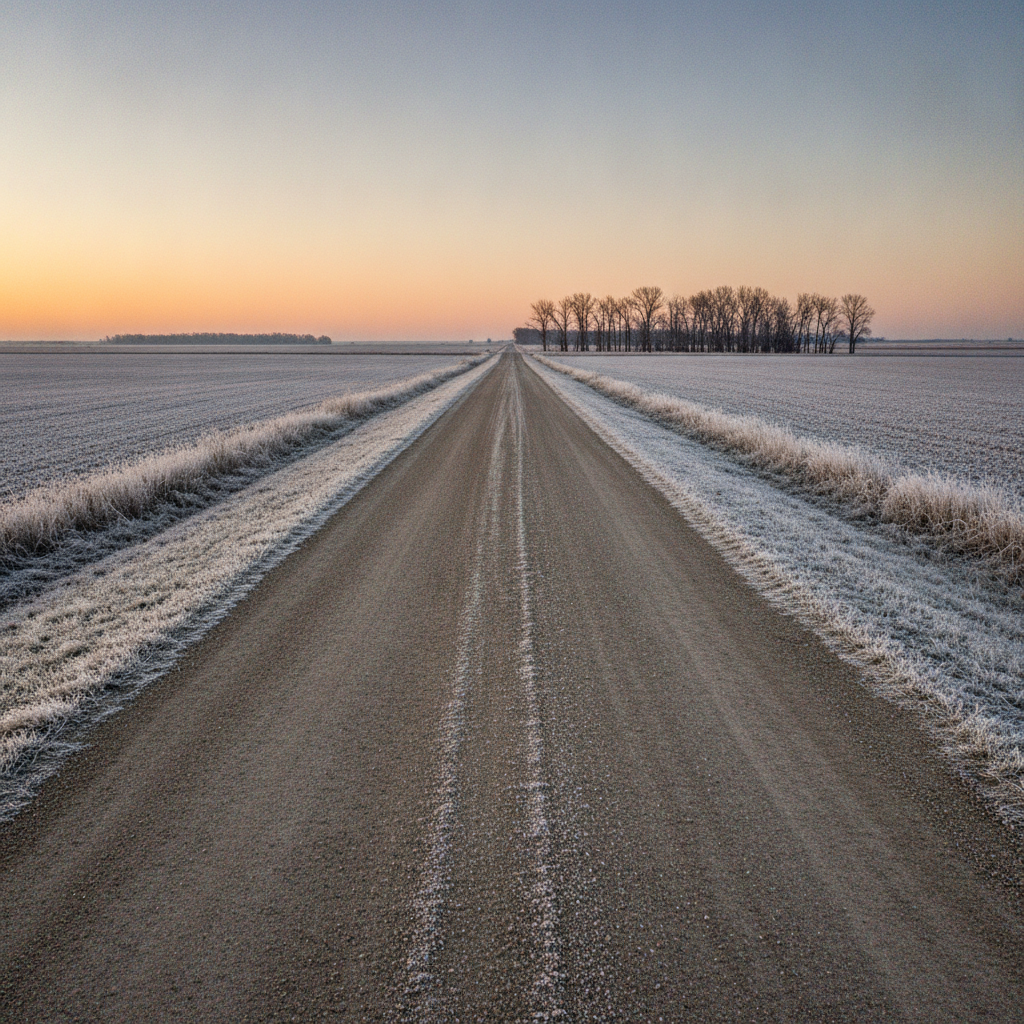
Now put that 7 degree line on the calendar we actually live with.
Frost normally comes back to this part of the province around the third week of September. Once that starts, the overnight lows are through the threshold most nights even while the afternoons are still pleasant. By the time October is underway the daily average temperature here sits below the 7 degree line and keeps sliding, which means the tires on most trucks in Portage la Prairie are running in the wrong temperature band for the majority of the day, every day, from about the start of October onward.
So the practical answer to when to change over is: the first half of October, and late September is not early. You are not gambling on a forecast. You are matching the rubber to a temperature band that has already arrived and is not going back.
The instinct to wait is understandable. Winter tires wear faster on warm dry pavement, and nobody wants to burn a set of expensive tires driving around in a mild fall. That instinct is right in August and it is wrong in October, because by then the number of warm days left is small and the number of cold mornings ahead is all of them. You are trading a handful of days of extra wear for six weeks of proper grip before the first storm.
The Mid October Rush, and Why Booking Is the Real Constraint
Here is the part that is not in any tire guide, and it is the part that actually decides whether you get this done on time.
The whole province changes its mind in the same week. The forecast finally shows a real overnight low, or the first wet snow sticks to the highway, and every shop in Manitoba takes the same phone call from everybody at once. Tire changeover is a volume job with a fixed number of hoists and a fixed number of hours in the day, so when the wave hits, it does not matter how many sets of tires are in the building. What runs out is Tuesday morning.
What that means in practice: book in the first half of October and you pick your day. Call after the first real snow and you are looking at whatever is open, which in a heavy year can be a couple of weeks out, and you drive on summer compound through the exact stretch of weather you were trying to avoid.
If you are having us store the summer set, that is worth sorting in the same conversation, and our post on winter tire storage in Winnipeg covers how that works and why a set stored properly lasts longer. If you are buying a winter set for a half ton and are not sure what size to put on it, our post on Ram 1500 winter tire size walks through matching the set to the placard, and our parts department can price the set and the sensors together.
One more thing worth doing while the wheels are off: have the pressures set properly for the season. Cold air takes pressure out of a tire steadily through the fall, and a set that goes on correct in October is low by November if nobody checks it.
The MPI Winter Tire Program, and the October 1 Change
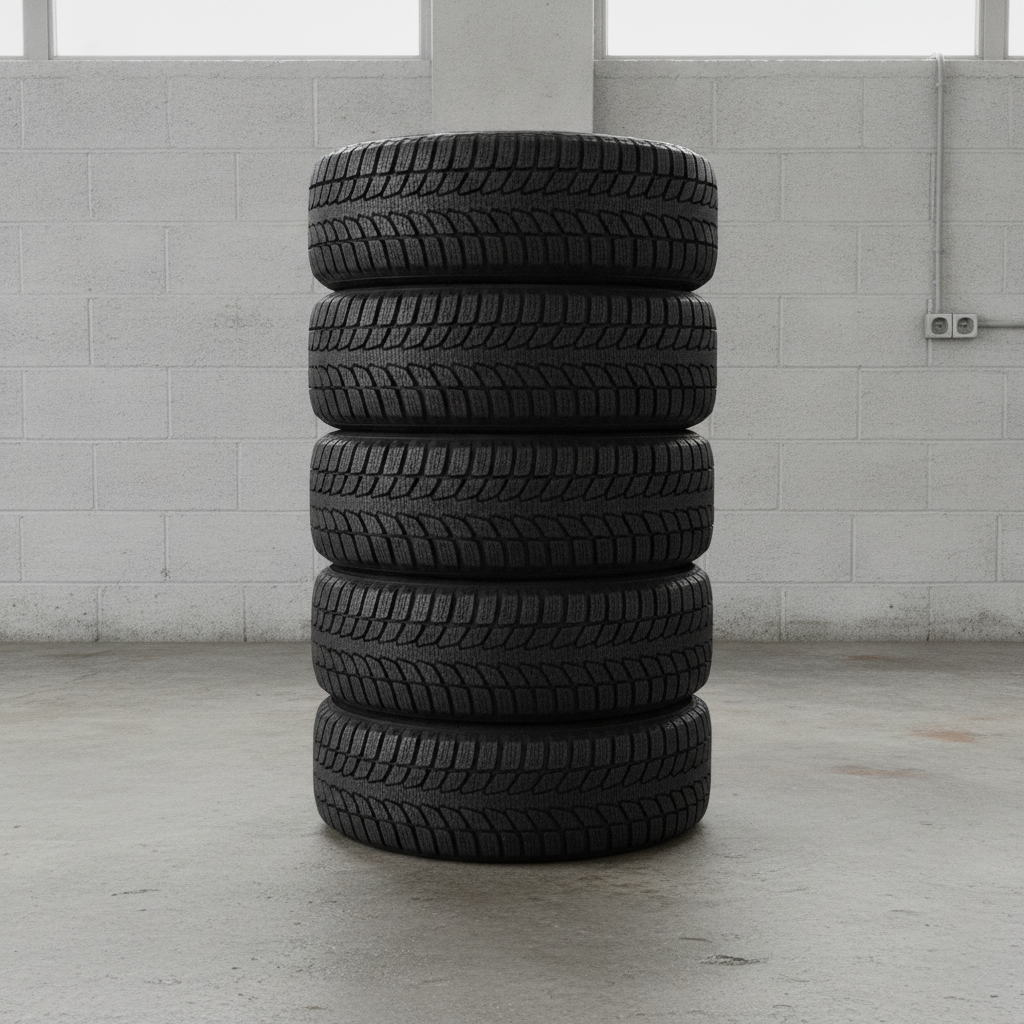
Manitoba has a genuinely useful program for this, and there is a change to it this year that is worth knowing about before you shop.
Manitoba Public Insurance runs the Winter Tire Program, which finances winter tires for eligible customers. In MPI's own terms, it offers up to $2,000 per vehicle at prime plus 2 percent interest, repayable over one to four years with monthly withdrawals. Eligibility runs to MPI customers who own a passenger vehicle or light truck registered in their name with no outstanding MPI payments or restrictions. The process is as simple as it sounds: visit a participating retailer and choose your tires, bring your driver's licence and vehicle registration, and the retailer confirms eligibility and completes the loan setup. We are a participating retailer, so that can all happen here while the truck is in.
The change: effective October 1, 2026, MPI's approved tires must be designed and marketed solely for winter driving conditions. All weather tires stop qualifying for the program on that date, even the ones carrying the Three Peak Mountain Snowflake symbol. Dedicated winter tires that meet the requirement carry on as before.
Read that in terms of your own decision. If you were planning on a dedicated winter set, nothing changes for you. If you were leaning toward an all weather tire and you wanted MPI to finance it, September is the window and it closes. That is not a reason to buy a tire you did not want, but it is a real deadline on a real amount of money, and it is worth a phone call this month rather than a surprise in November.
Worth separating from all of this: the program is about financing, not about the law. Whether winter tires are legally required in this province is a different question with a different answer, and our post on winter tires required by law in Manitoba covers it properly.
Switching Back in the Spring
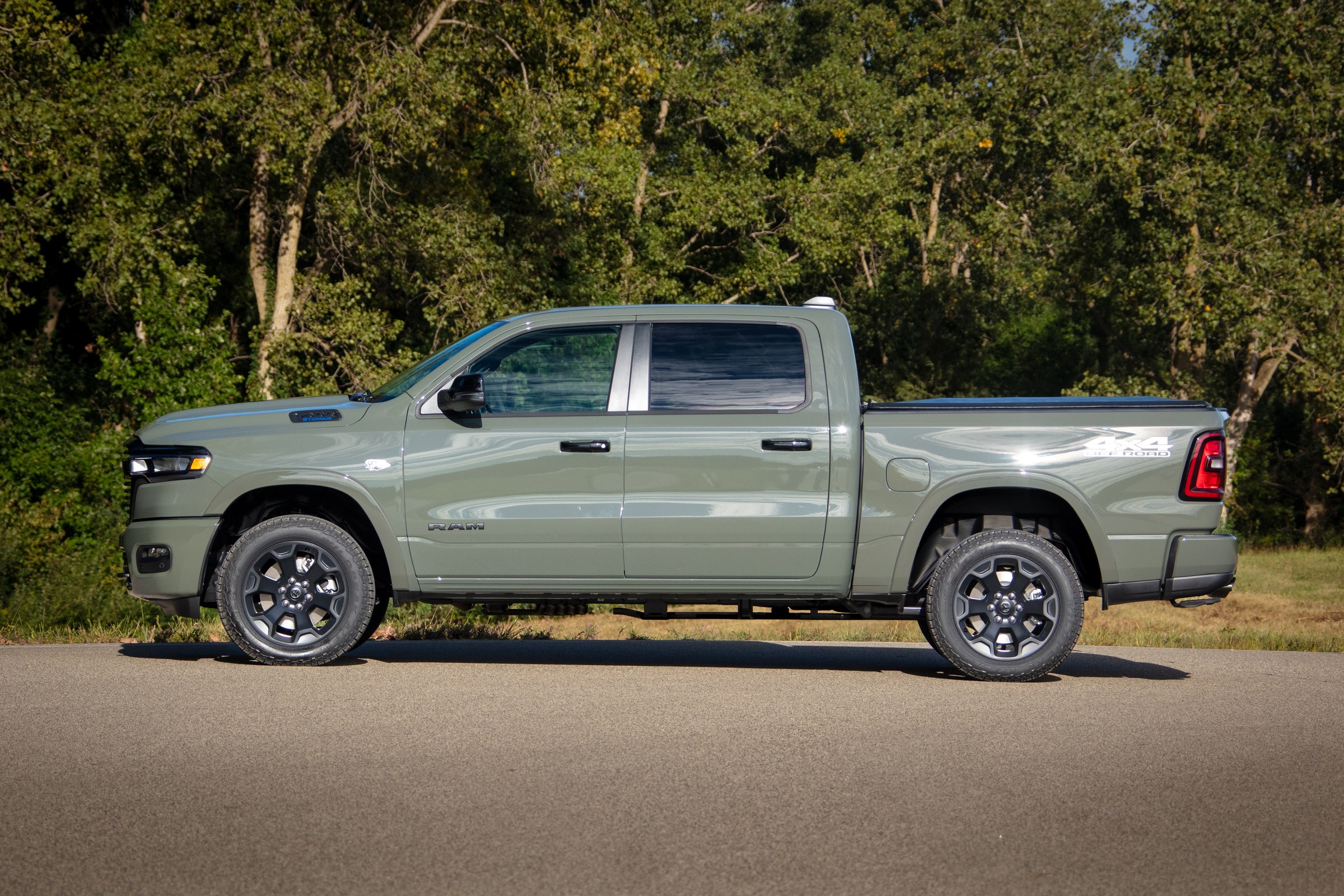
The back half of the question gets asked less and costs people more, because a winter tire left on through a prairie summer is a tire being destroyed slowly.
The same 7 degree line governs the return trip. Once the daily temperatures are consistently above it, the winter compound is working outside its band: it gets soft, it wears quickly on warm pavement, the braking gets vaguer, and you spend the good weather grinding down an expensive set of tires. In this part of Manitoba that crossing generally lands somewhere in April, once the overnight lows have stopped dipping back down and the roads have dried out.
The honest advice is not to jump at the first warm week in March. We get one every year and it is followed by a storm often enough that it is a running joke. Wait for the pattern rather than the day, watch the overnight lows rather than the afternoon high, and then book it. The spring changeover is a much calmer booking than the fall one, so there is less penalty for getting the timing exactly right.
The rest of the seasonal list is in our guide to winterizing your truck, and if the truck you are putting winter tires on is getting tired enough that you are wondering whether it is worth the set, our new Ram 1500 inventory is online and we are happy to tell you straight which way that math goes.
FAQs
When should I change to winter tires in Manitoba?
The first half of October for most of the province. The trigger is temperature, not snow: below 7 degrees Celsius, all season and summer tires begin to lose elasticity and traction, per Transport Canada. Frost normally returns here around the third week of September and October days average below that line, so by early October the set on your truck is already in the wrong band.
Is 7 degrees really the rule, or is that a sales line?
It is Transport Canada's own wording. Below 7 degrees Celsius, all season and summer tires start losing elasticity and grip, while winter tires keep theirs at much lower temperatures. It describes a property of the rubber compound, which is why it applies on cold dry pavement and not only in snow.
Can I just put two winter tires on the drive axle?
No, and Transport Canada is explicit about installing them in sets of 4. Their own testing on snow found a vehicle with all season tires on the front stopped an average of 5.6 metres longer at 80 km/h than one on a full winter set, and in a high speed slalom the mixed setup could not hold the course. Mixing does not give you half the benefit, it gives you a truck that grips unevenly at each end.
Do all weather tires still qualify for the MPI Winter Tire Program?
Only until October 1, 2026. From that date MPI's approved tires must be designed and marketed solely for winter driving conditions, so all weather tires no longer qualify even with the Three Peak Mountain Snowflake symbol. Dedicated winter tires still qualify. If you want an all weather set financed through the program, September is the window.
How much will MPI finance for winter tires?
Up to $2,000 per vehicle at prime plus 2 percent interest, repayable over one to four years with monthly withdrawals, for eligible MPI customers with a passenger vehicle or light truck registered in their name. Bring your driver's licence and vehicle registration to a participating retailer and they confirm eligibility and set up the loan.
When should I take the winter tires off in the spring?
When daytime temperatures are consistently above 7 degrees and the overnight lows have stopped dropping back through it, which around here usually means sometime in April. Leaving them on into the warm months wears the soft winter compound out fast and costs you braking feel on hot pavement.
How far ahead should I book the changeover?
Further ahead than you think. The whole province books in the same week the weather turns, and the constraint is hoist time, not tires. A call in the first half of October gets you the morning you want. A call after the first real snow can be a couple of weeks out.
The Bottom Line
Stop waiting for snow. The switch is a temperature decision, the number is 7 degrees Celsius, and in this part of Manitoba that line is crossed in late September and gone for good by early October. Put them on all four, do it in the first half of October while you can still choose your appointment, and take them off in April when the pattern has actually turned rather than on the first nice Tuesday.
If an all weather tire was your plan and you wanted MPI to carry it, deal with that this month, because October 1 closes that door for the program.
When you are ready, book service with us and we will get the set on, set the pressures for the season and put your summer wheels away. Our service centre handles the changeover and the storage, and as an MPI participating retailer we can sort the program paperwork at the same desk.
Tyler Dunn, Dunn Ram Trucks, Portage la Prairie

























