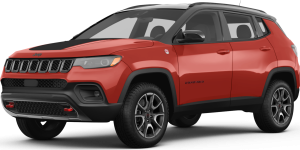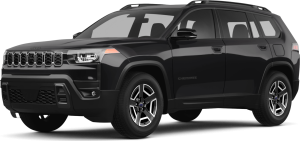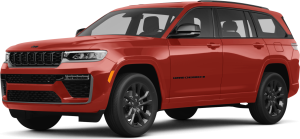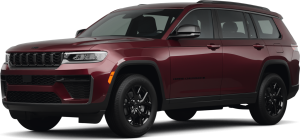
August is a strange month to be thinking about this, which is exactly why it is the right month. Nobody makes a clear headed decision about traction in the middle of a January storm. They make it standing beside a vehicle in a warm parking lot, asking whether the four wheel drive version is worth the extra money, and getting a different answer from every person they ask. If you are working through that decision right now, it is worth walking our current inventory with the question already answered rather than deciding on the spot with a salesperson watching.
So here is the answer we give across the desk in Portage la Prairie, and it is not the one you might expect from a dealer who sells four wheel drive trucks. Four wheel drive is genuinely useful here. It is also the second most important thing you can do for winter traction, not the first, and a lot of people buy it while skipping the thing that matters more.
Key Takeaways
- Four wheel drive helps you go. It does not help you stop or turn. Sending power to all four wheels gets you moving on a slippery surface. Michelin Canada puts it plainly: all wheel drive "helps your vehicle accelerate and get moving on snow" but "offers no benefit when you need to stop or turn."
- Tires are the thing that stops you. Manitoba Public Insurance states that winter tires "are proven to reduce braking distance on icy roads by 25% or more." Transport Canada recommends winter tires on all wheels for cold, snowy or icy driving, because they use softer rubber and a more appropriate tread design than all seasons.
- The correct spending order is tires first, drivetrain second. A two wheel drive vehicle on four good winter tires will out stop and out corner a heavier four wheel drive vehicle on all seasons. It will also get stuck more often. Both things are true.
- Manitoba does not require winter tires by law. Quebec does, from December 1 to March 15, with fines of $200 to $300. We have no equivalent rule, only a legal minimum tread depth and the physics.
- MPI will finance the tires for you. The Winter Tire Program lends up to $2,000 per vehicle at prime plus 2 percent, repayable over one to four years, and it covers rims, mounting, balancing, storage and switchover, not just the rubber.
- Where four wheel drive genuinely earns its keep out here is getting out of an unplowed yard, off a soft shoulder, up a gravel approach, or moving a loaded trailer on a loose surface. Those are real prairie situations, not showroom talk.
What Four Wheel Drive Actually Does
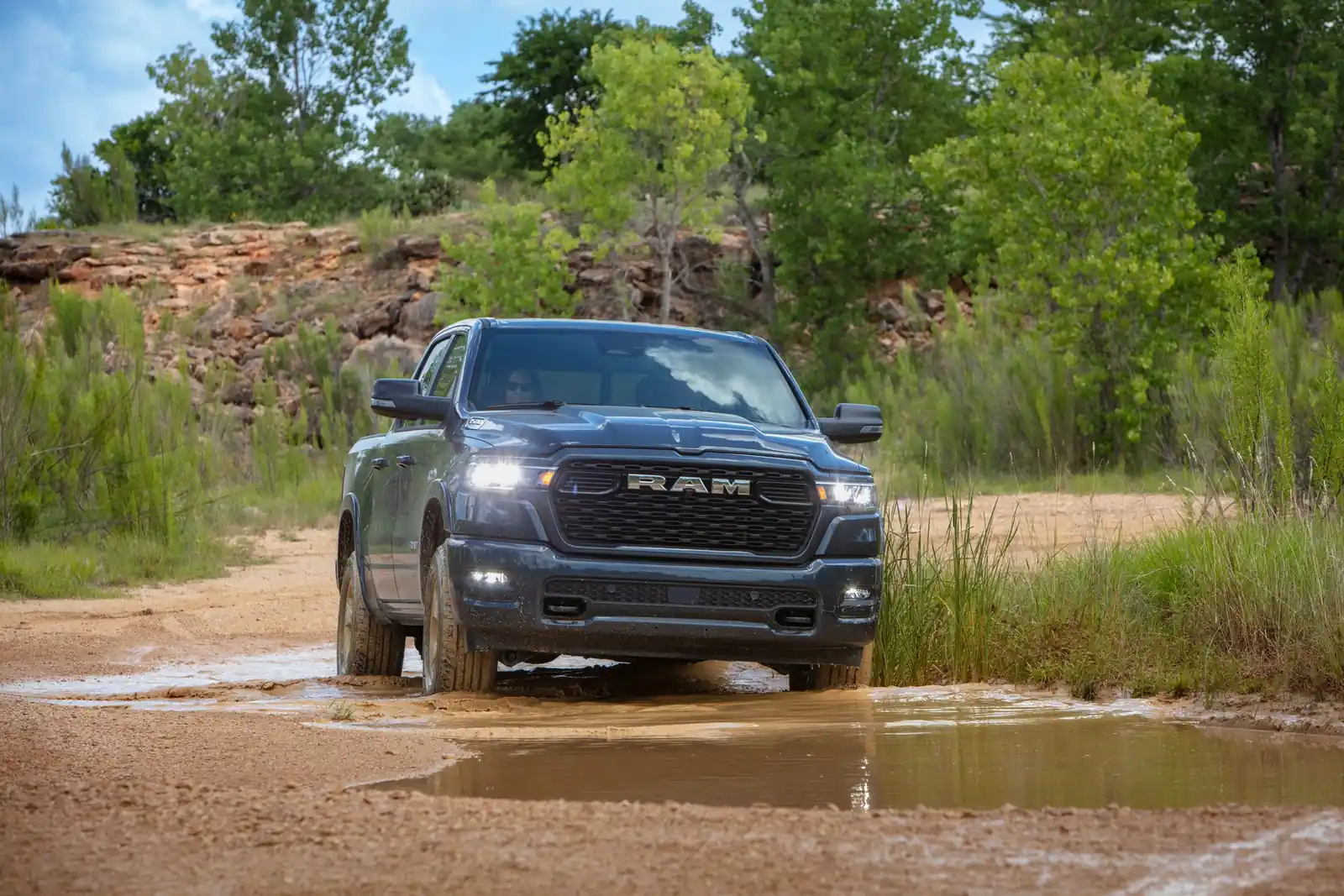
Strip away the marketing and a four wheel drive system does one job. It sends engine torque to more than one axle so that more than one pair of tires can push the vehicle forward. If the front tires are spinning on ice, the rears can still find something. If a rear tire is in a rut, the fronts can pull.
That is a real advantage and it is not a small one. Getting moving is the thing most people actually get stranded by. Nobody phones us in February because they could not stop. They phone because they could not get out of the driveway, or off the shoulder, or up the approach into the yard.
What the system cannot do is change what happens once you are rolling. Braking is done by the brakes and the tires. Cornering is done by the tires. The drivetrain has no involvement in either one. This is where the confidence problem comes from. A heavy four wheel drive truck on all season tires feels planted pulling away from a stop sign, which quietly tells the driver the road is better than it is, and then the same driver arrives at the next stop sign carrying speed that the tires cannot deal with.
There is also a difference worth knowing between the systems. A part time system, the kind in most pickups, is meant to be switched on for loose or slippery surfaces and switched off for dry pavement, because with the front and rear locked together the driveline binds up in a turn on grippy ground. A full time or automatic system can stay engaged all the time and sorts the split out itself. Most car based all wheel drive works this way. If you are cross shopping a truck against an all wheel drive SUV, that is a genuine functional difference and it changes how you drive the thing day to day.

What Winter Tires Do, And Why They Come First
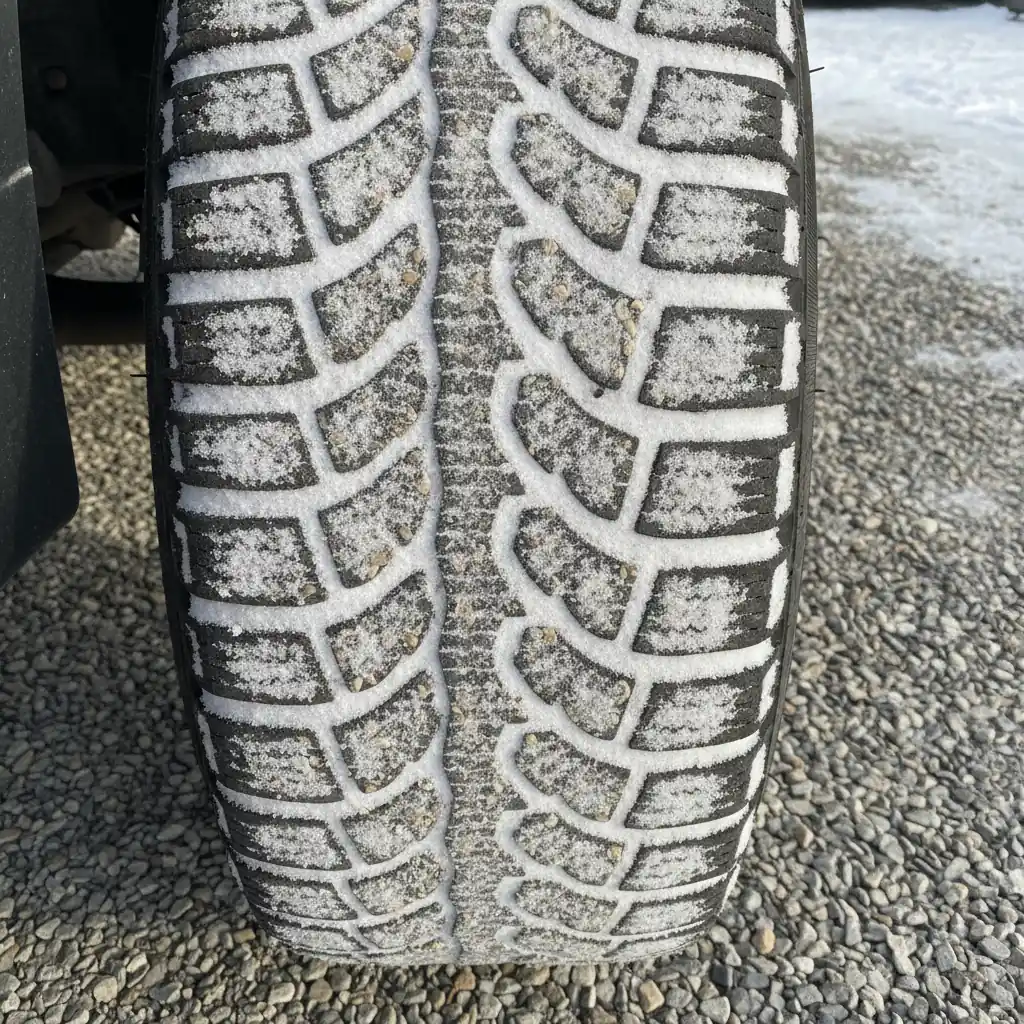
Rubber gets harder as it gets colder. An all season compound is a compromise built to survive a hot August highway, and the same compromise makes it stiff and glassy at prairie temperatures. A winter compound stays soft enough to actually deform around the texture of the road surface, and the tread is cut with far more biting edges to key into snow and clear slush.
The numbers behind this are not marketing. MPI states winter tires reduce braking distance on icy roads by 25 percent or more. Transport Canada recommends winter tires on all wheels, and its own testing on a multi function activity vehicle found that a full set of winter tires cut the stopping distance by several metres compared to a mixed set. Several metres is the difference between stopping behind the vehicle ahead and stopping inside it.
This is why the spending order matters. If you have money for exactly one upgrade, four winter tires on a two wheel drive vehicle will do more for your safety than four wheel drive on all seasons. If you have money for both, get both, and the truck becomes genuinely hard to stop from getting where it needs to go. When your current set is getting close, our guide to when to replace truck tires covers what to actually look at, and our parts department can order the right size for your specific vehicle.
The Manitoba Rules Nobody Tells You
A few local specifics that come up constantly at the desk.
Winter tires are not required by law here. Quebec requires them from December 1 to March 15 on every vehicle registered in the province, with a fine of $200 to $300 for going without. Manitoba has no such rule. The only tire law you have to satisfy is tread depth, and the Manitoba Driver's Handbook says to replace tires when the tread is less than 1.6 millimetres. That is a legal floor, not a safe winter number.
Studded tires have a season. Per the same handbook, studded tires are illegal in Manitoba between April 30 and October 1. If you run studs, they have to come off in spring and they can go back on in the fall.
MPI will finance the whole job. The Winter Tire Program lets an eligible Manitoba Public Insurance customer borrow up to $2,000 per vehicle at prime plus 2 percent interest, paid back over one to four years through monthly withdrawals. It is not just the tires either. Rims, mounting, balancing, alignment, tire pressure sensors, studding, seasonal storage and the switchover all qualify. The tires have to carry the mountain and snowflake symbol. You arrange it at a participating retailer with your licence and registration in hand.
That last one is the single most underused thing in this province. The cost objection to winter tires largely disappears when the cost is spread over four years at a low rate.
When Four Wheel Drive Genuinely Earns Its Money Out Here
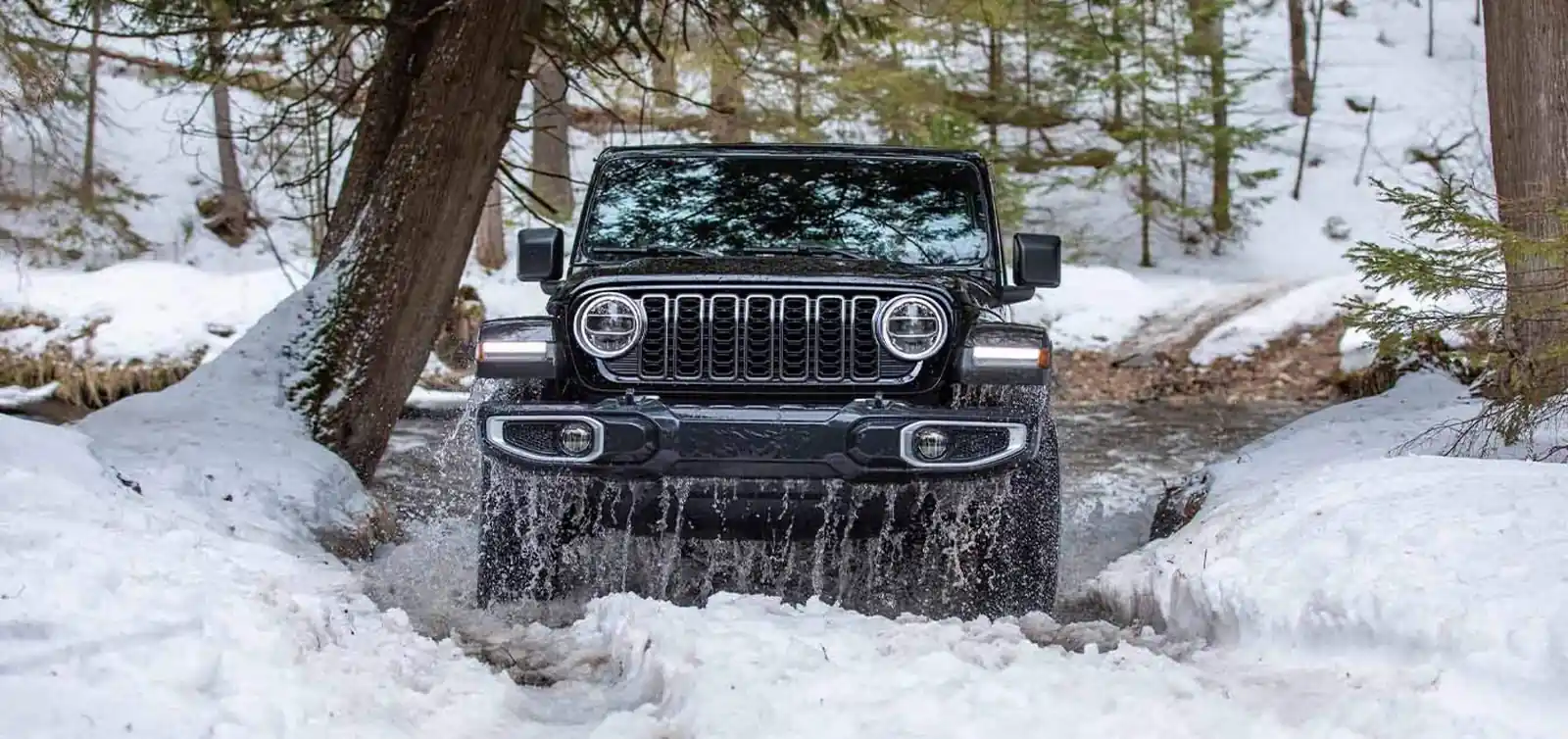
Here is where we stop hedging. There are situations around Portage and the surrounding municipalities where four wheel drive is not a nice to have.
Unplowed yards and approaches. A rural yard does not get plowed on the same schedule as Saskatchewan Avenue. Neither does the approach off the grid road. If you live at the end of one, you are breaking trail some mornings, and breaking trail is exactly the job four wheel drive was built for.
Soft shoulders and spring gravel. Our roads go soft twice a year. Frost coming out in spring turns a gravel road into something with no bottom in places, and a two wheel drive vehicle that puts a rear tire off the crown is a phone call.
Towing on anything loose. Pulling a loaded trailer off a wet field, up a boat ramp, or out of a gravel pit puts the weight where it does not help you and asks the driven wheels for everything. This is the most common honest reason a customer here ends up in four wheel drive. If you tow in the cold, our post on towing in winter in Manitoba is worth reading before the first haul of the season.
Deep snow rather than slippery snow. Packed and icy is a tire problem. Twelve inches of fresh across a lane is a clearance and traction problem, and the drivetrain matters again.
Getting somebody else out. Farmers, contractors and anybody with a winch mount knows this one. Being the vehicle that can be useful in a storm has value that does not show up on a spec sheet.
If those describe your winter, four wheel drive is worth the money and the fuel. If your winter is a paved commute between Portage and Winnipeg with a plowed driveway at each end, an all wheel drive SUV on winter tires will handle it perfectly well, and so will a two wheel drive car on winter tires most of the time.
Truck 4x4 Versus SUV All Wheel Drive
These get cross shopped constantly and they are not the same tool.
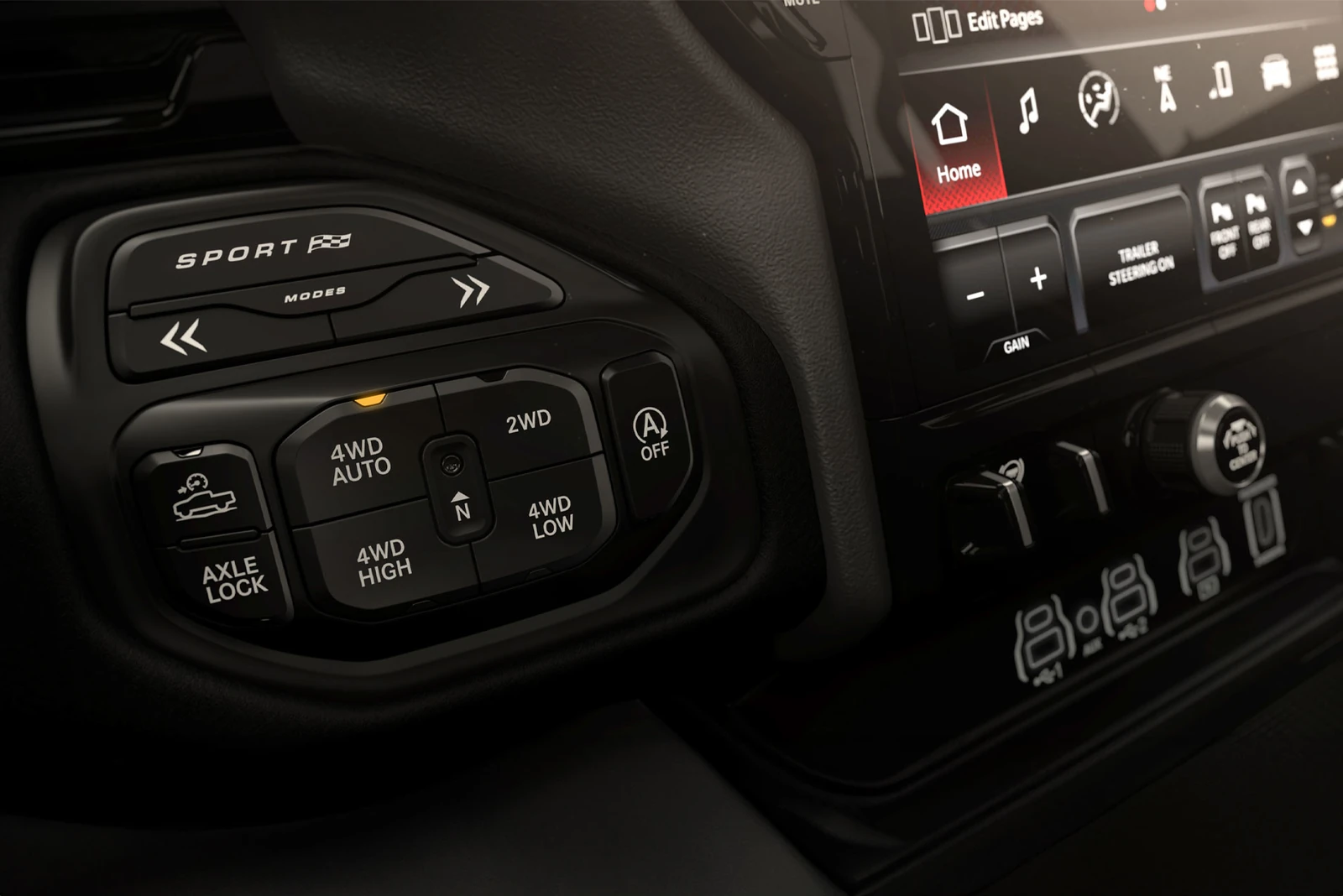
A pickup's four wheel drive is generally a part time system with a low range. Low range is a gear reduction that multiplies torque and slows everything down, and it is the thing that lets a truck creep a heavy trailer up a slick ramp or crawl out of a hole without spinning. Almost no car based all wheel drive system has it. If you are pulling, hauling, or working the vehicle, that low range is a real capability and it is one of the reasons a truck is a truck. Our new Ram 1500 inventory is where most of that conversation ends up.
An SUV's all wheel drive is usually always on and always working, which is genuinely better in one specific way: it needs no decision from the driver. It engages before you have realized you needed it, on a highway patch of black ice at 100 km/h where nobody is reaching for a dial. For a driver who mostly commutes, that is a real advantage over a part time truck system left in two wheel drive.
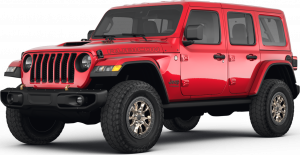
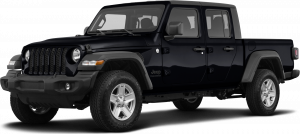
The Wrangler sits in a category of its own here, with a proper transfer case and low range in a vehicle sized like an SUV. If that is your shape of problem, our new Jeep Wrangler inventory is the place to look, and our comparison of the Grand Cherokee against the Wrangler works through the daily driver tradeoff.
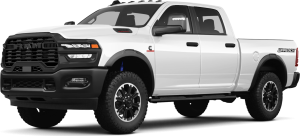
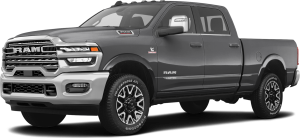
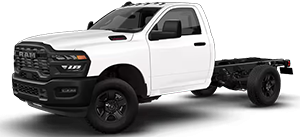
Nearly every new truck on our lot is four wheel drive, and that is not us upselling the province. It is what people here order, because the marginal cost is small against the number of mornings it matters.
The Order To Spend Your Money In
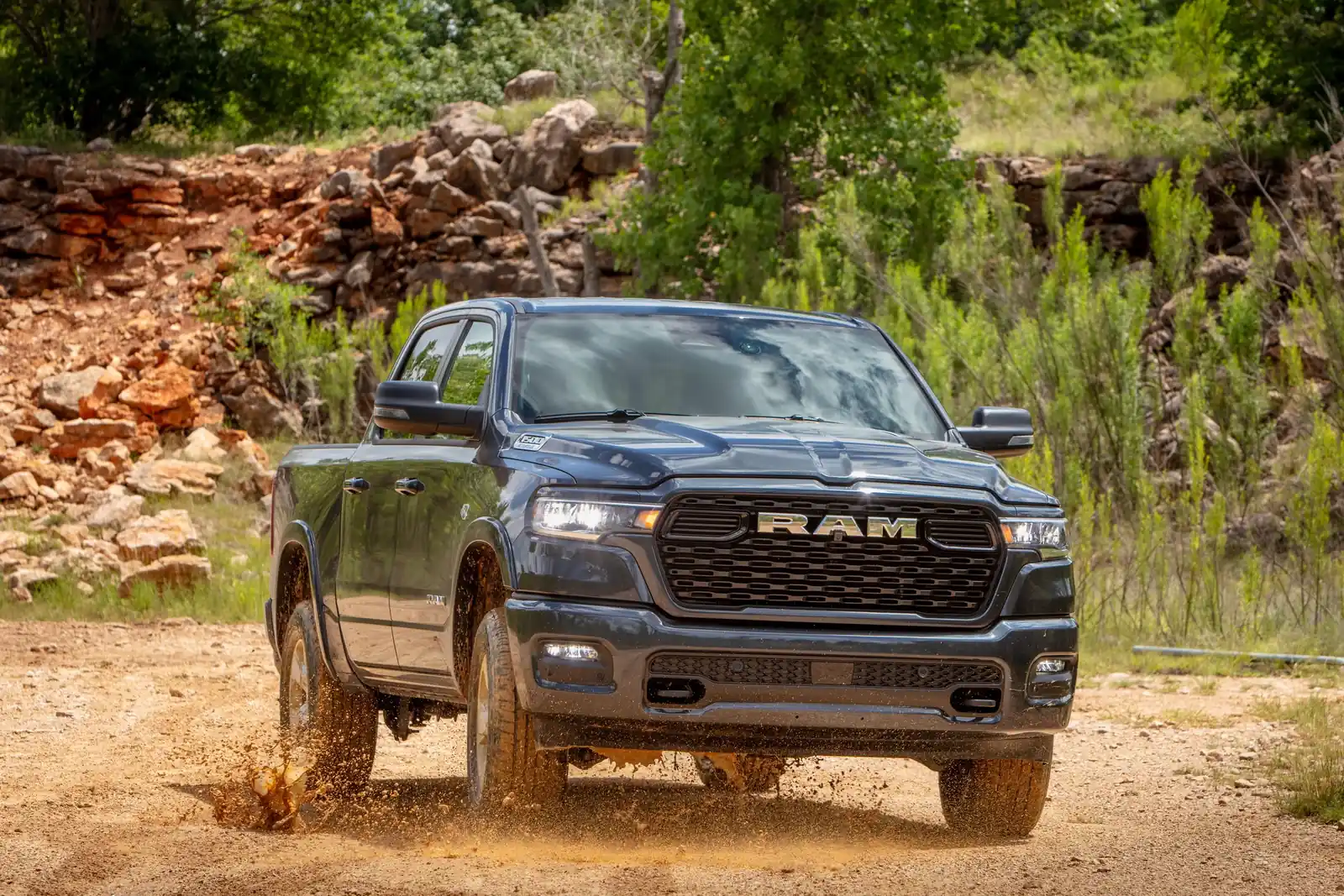
If you take one thing from this, take the order.
- Four winter tires, mountain and snowflake rated, on every corner. Never two. A vehicle with grip at one end and none at the other is worse than a vehicle with the same tires all round.
- Four wheel drive or all wheel drive, if your driving includes any of the situations above.
- Everything else. Heated seats, remote start, block heater use, an emergency kit in the back. All worth having, none of them a substitute for the first two.
Get that order right and a prairie winter stops being a thing you dread and becomes a thing you drive through. Get it backwards and you own a very capable vehicle that cannot stop.
If you are shopping used rather than new, the same logic applies and the tires matter even more, because a used vehicle often arrives on whatever the last owner had on it. Our used inventory listings will tell you the drivetrain, and we will tell you honestly what the tires on it are actually worth. Our service centre can look at a set and give you a straight read before winter, not after.
FAQs
Do I really need 4x4 in Manitoba?
Not always. If you drive paved, plowed routes and park on a cleared driveway, four winter tires on a two wheel drive or all wheel drive vehicle will handle a normal Manitoba winter. You need four wheel drive when you regularly break trail into an unplowed yard, drive gravel approaches, tow on loose or wet ground, or need to be the vehicle that can get out when nothing else can. Most people around Portage fall into that second group at least a few times a year, which is why so many trucks here are four wheel drive.
Is four wheel drive better than winter tires?
No. They do different jobs and tires do the more important one. Four wheel drive helps you accelerate and get unstuck. Winter tires help you stop and turn, which is where crashes actually happen. MPI states winter tires reduce braking distance on icy roads by 25 percent or more. If you can only do one, do the tires.
Does all wheel drive help you stop faster?
No. All wheel drive has no effect on braking. Michelin Canada is explicit that it helps a vehicle get moving on snow but offers no benefit when you need to stop or turn, because your tires are the only contact with the road. A heavy all wheel drive vehicle on all seasons can take longer to stop than a lighter front wheel drive car on winter tires.
Are winter tires mandatory in Manitoba?
No. Quebec requires them from December 1 to March 15, but Manitoba has no winter tire law. The only legal requirement is tread depth, and the Manitoba Driver's Handbook says to replace tires when the tread is less than 1.6 millimetres. Studded tires are separately restricted and are illegal in Manitoba between April 30 and October 1.
Can I finance winter tires through MPI?
Yes. The MPI Winter Tire Program lets eligible Manitoba Public Insurance customers borrow up to $2,000 per vehicle at prime plus 2 percent interest, repaid monthly over one to four years. It covers rims, installation, balancing, alignment, tire pressure sensors, studding and seasonal storage as well as the tires themselves, and the tires must carry the mountain and snowflake symbol. You set it up at a participating retailer.
What is the difference between 4x4 and AWD?
Four wheel drive in a truck is usually a part time system you switch on for loose surfaces, and it typically includes a low range gear for towing and crawling. All wheel drive in a car or crossover is usually always on and manages the power split automatically, with no low range. The truck system is more capable under load. The car system is more convenient and reacts without the driver doing anything.
The Bottom Line
Four wheel drive is worth having in Manitoba if your winter includes loose ground, unplowed ground, or a trailer. It is not a safety system, it is a mobility system, and buying it while running all season tires is spending money on the wrong half of the problem.
Sort the tires, then sort the drivetrain, and let MPI carry the tire cost over four years if that is what makes it easy. Then come see us. Walk our inventory, tell us honestly where you actually drive, and we will tell you which of these you need and which you do not. We would rather sell you the right vehicle once than the expensive one twice.
Tyler Dunn, Dunn Ram Trucks, Portage la Prairie