Ask ten diesel owners in this province how long to let a Cummins idle on a cold morning and you will get ten answers, most of them inherited from a truck built in 1994. Fifteen minutes. Until the temperature gauge moves. Until the heat comes out the vents. All of that made sense on an older engine and most of it costs you money on a current one, without buying much protection in return.
The honest answer for a modern 6.7 litre Cummins is shorter than the folklore and it puts the work somewhere else. A brief idle is fine, the block heater does far more than the idle does, and gentle driving is what actually brings the whole truck up to temperature. If any of the pieces below sound like something you have been putting off, our service department in Portage la Prairie sorts diesel winter prep out before the cold rather than after it.
Key Takeaways
- Idle briefly, then drive gently. Natural Resources Canada's guidance is that even on cold winter days, no more than two to three minutes of idling is usually enough warm up time before you start driving, and that driving is what actually warms the drivetrain. Let oil pressure come up and the wait to start sequence finish, then go easy for the first several kilometres.
- The block heater is the real cold weather tool. NRCan recommends an automatic timer set to run the block heater two hours before you start the vehicle, and notes that at minus 20 C a block heater can improve overall fuel economy by as much as 10 percent. Two hours beats all night.
- The grid heater is already handling the cold start. Cummins fits a grid type intake air heater as standard cold start equipment. It preheats intake air so the engine lights off cleanly, which is what the wait to start light on the dash is about.
- Never use starting fluid on a Cummins with an intake air heater. Cummins is explicit about this in its own installation guidance. Ether and a live grid heater are a dangerous combination.
- Long idling is not free. It keeps exhaust temperatures low, which is the opposite of what the diesel particulate filter wants, and it burns fuel for very little warming benefit.
- DEF freezes at minus 11 C and that is fine. Cummins confirms DEF does not degrade when frozen, and the tank and lines are heated so the fluid thaws on start up. Never add an anti gel additive to DEF.
What Is Actually Happening at 30 Below
A diesel has no spark plugs. It relies on the heat of compressed air to light the fuel, and very cold intake air makes that harder. That is the whole reason cold start hardware exists. Cummins fits a grid type intake air heater, an element in the intake path that warms incoming air on a cold start and is controlled through a relay. When you turn the key on a cold morning and the wait to start light comes on, that is the system doing its job. Wait for it to go out before you crank. That pause is not a suggestion, it is the point.

Cummins also gives one flat safety instruction that is worth repeating because people still get it wrong: do not use starting fluid on an engine equipped with an intake air heater. Ether sprayed into an intake with a glowing element in it is how engines get damaged and people get hurt. If your truck will not start in the cold, the answer is a block heater, healthy batteries and good fuel, never a can of ether.
The second thing happening at 30 below is oil viscosity. Cold oil is thick, it takes longer to reach the top of the engine, and the first seconds after a cold start are the highest wear moments in the engine's life. This is the real argument for a block heater, because a warmer block means thinner oil and faster circulation from the very first revolution. It is also the argument for not stomping on it in the first few minutes.
So How Long Do You Actually Idle It
Here is the routine we would actually run, and it is the one most experienced diesel owners land on once they stop repeating the fifteen minute rule.

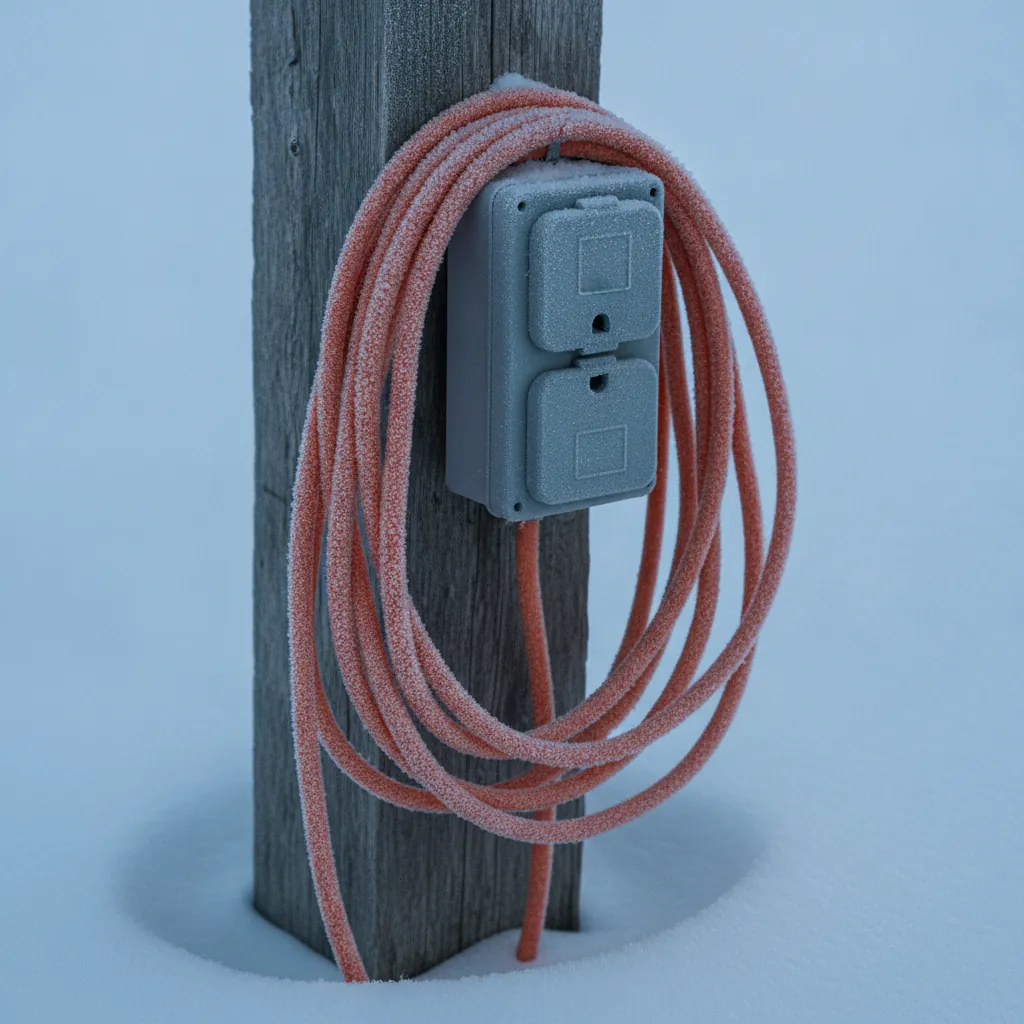
Plug it in. If the truck sits outside and it is going to be genuinely cold, the block heater on a timer does more good than any idling routine. NRCan's two hour recommendation is the sweet spot. You get a warm block and you do not pay for eight hours of power to get there.
Turn the key and wait for the light. Let the wait to start sequence run its course. It exists precisely so you do not crank into cold intake air.
Idle two to three minutes, not fifteen. You want oil pressure up and stable and the initial noise to settle. On a very cold morning with no block heater, give it a bit longer. You are not waiting for the temperature gauge to reach the middle, because on a diesel at idle in Manitoba cold that can take an extremely long time and may never quite get there.
Then drive it, gently. Light throttle, moderate speed, no towing right off the block for the first several kilometres. Load under gentle driving generates far more heat than idling does, and it warms the transmission, transfer case and differentials, which idling barely touches.
The reason not to just idle it longer is that a diesel at idle runs cool and produces relatively low exhaust temperatures. That works against the diesel particulate filter, which needs heat to burn off accumulated soot. A truck that lives on long idles and short trips is the classic candidate for regeneration problems. If that pattern sounds like your winter, our post on Cummins DPF regeneration explains what the system is trying to do and how to help it.
The Winter Items That Matter More Than Idling
Fuel. Diesel fuel contains paraffin wax that begins to cloud and then gel as temperatures drop. Canadian suppliers move to a winter blend for exactly this reason, so where you fuel up matters in the shoulder seasons, particularly if you have been running out of a farm tank that was filled in September. Keep the tank fuller through the winter, both for the water condensation reason and because a diesel that runs out in a ditch is a much bigger problem than a gas one.
Fuel filters. A partially clogged filter that was merely annoying in October becomes a no start in January, because gelling and restriction compound each other. Changing filters going into winter is cheap insurance. We cover the intervals in our post on the Ram Cummins fuel filter change interval, and our parts department stocks the Mopar filters.
Batteries. A diesel asks a great deal of its starting system on a cold morning, between turning a high compression engine and running the intake heater. A load test in October costs you nothing and tells you everything.
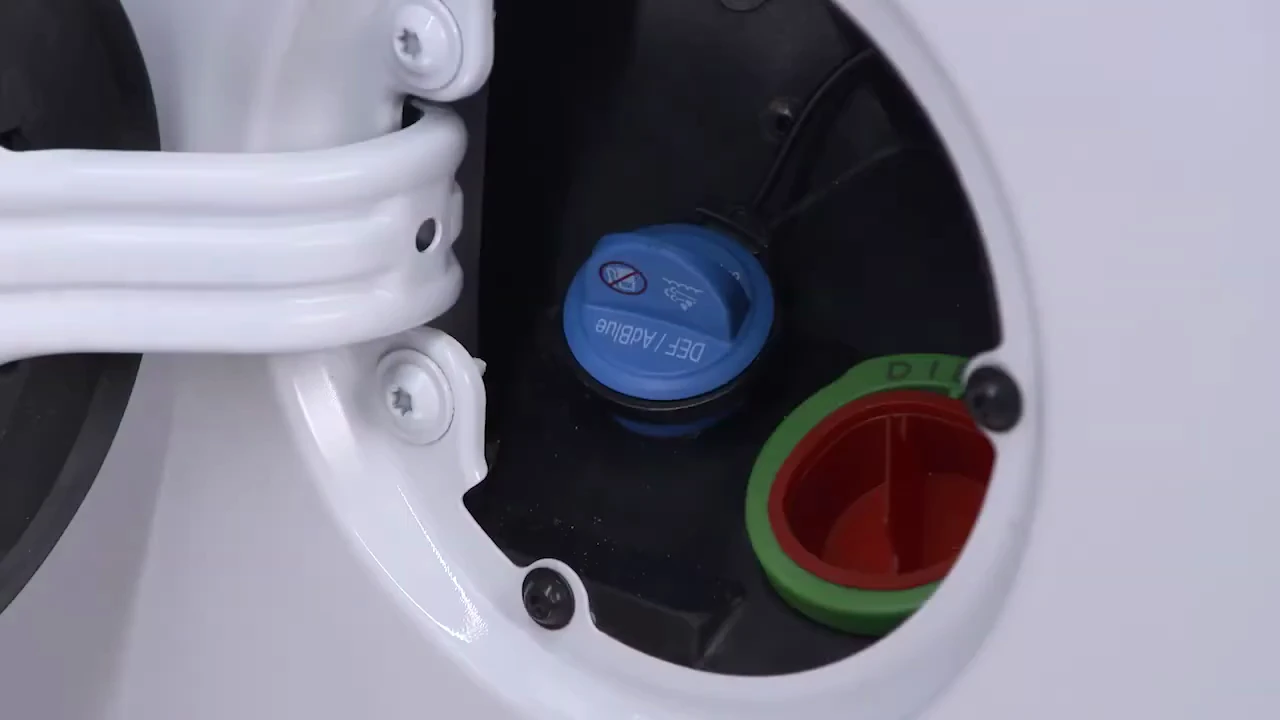
DEF. This one causes more worry than it deserves. Diesel exhaust fluid freezes at about minus 11 C, which in Manitoba means it will be frozen solid in the tank for a good part of the winter, and that is completely normal. Cummins confirms that DEF does not degrade when frozen, and that on start up the system heats the tank and lines so the fluid thaws and keeps flowing. At the correct 32.5 percent concentration the urea and water freeze and thaw together, so the mixture stays on specification through repeated freeze and thaw cycles. The one hard rule: never add an anti gel additive or freeze point improver to DEF. It will not help and it can damage the aftertreatment system. There is more in our post on Ram Cummins DEF.
Is a Diesel Even the Right Call for Your Winter
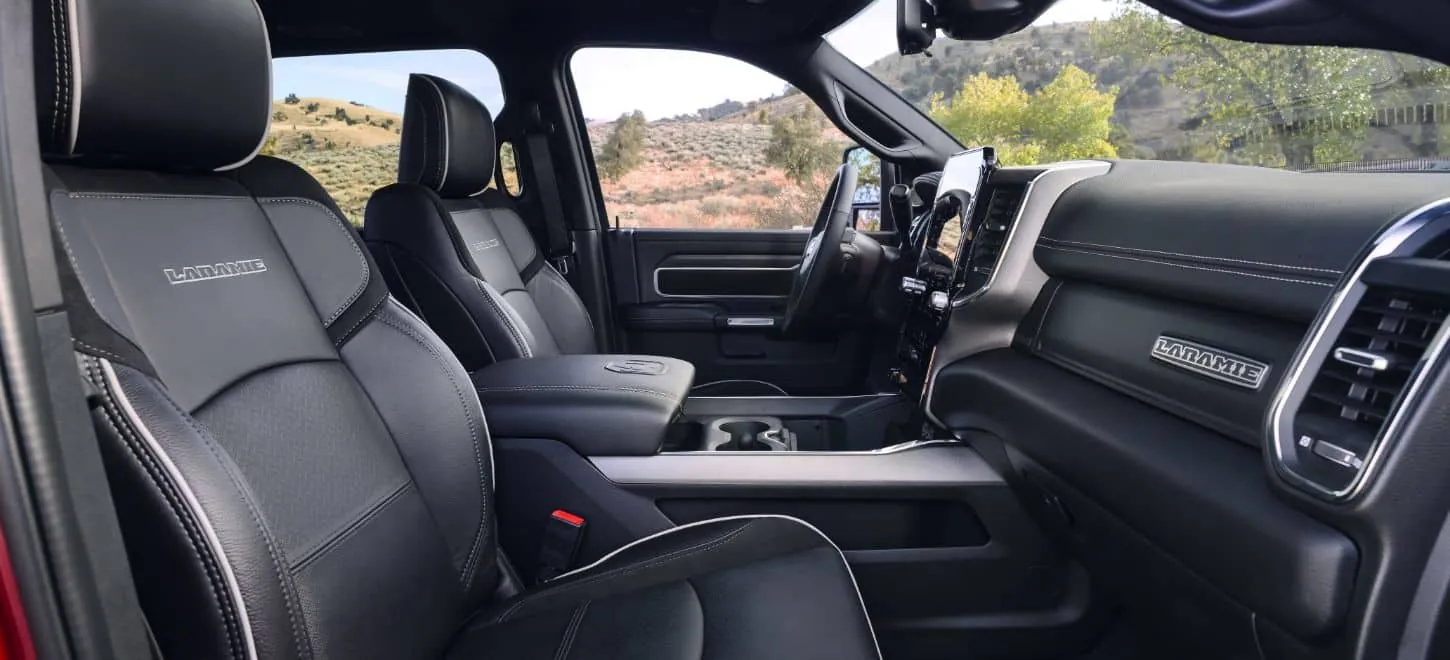
Worth asking honestly, because the winter maintenance load is real. A diesel earns its keep when you tow heavy and tow often. The 2026 Ram 2500 with the High Output 6.7 litre Cummins Turbo Diesel is rated at 430 hp and 1,075 lb ft with up to 20,000 lb (9,071 kg) of towing when properly equipped, and the Ram 3500 with the same engine goes to a maximum of 36,610 lb (16,606 kg). Nothing gas powered touches that.
If your winter is mostly short trips into town with an occasional sled trailer, the gas 6.4 litre HEMI V8 in the Ram 2500 at 405 hp and 429 lb ft, rated for up to 17,440 lb (7,910 kg) of towing, is a genuinely easier truck to own through a Manitoba winter. Fewer cold weather variables, no DEF, no regeneration cycle to think about. We say that to customers on the lot regularly, and it costs us the diesel upsell sometimes. It is still the right advice. Our post on gas versus diesel in a Ram 1500 works through the same trade off a size down.
FAQs
Should I warm up my diesel engine in cold weather?
Briefly, yes. Let the wait to start light go out, then let it idle two to three minutes so oil pressure comes up and stabilizes, then drive gently. Natural Resources Canada's general guidance is that two to three minutes of idling is usually enough even on cold winter days, and that driving is what actually warms the drivetrain. Extended idling burns fuel and does very little that gentle driving does not do better.
How long should I plug in my Cummins block heater?
About two hours before you leave, on an automatic timer. That is Natural Resources Canada's recommendation, and they note that at minus 20 C a block heater can improve overall fuel economy by as much as 10 percent. Leaving it plugged in all night mostly costs you power.
At what temperature should I plug in a diesel truck?
There is no single legislated number, and the right answer depends on your batteries, your oil and how long the truck sits. In Manitoba practice, most diesel owners start plugging in once overnight lows are consistently below roughly minus 10 to minus 15 C, and always when it is colder than that. If your truck lives outside, plugging in more often than you strictly need to costs very little.
Can I use starting fluid on a Cummins in the cold?
No. Cummins states directly that starting fluid should not be used on engines equipped with an intake air heater, which the 6.7 litre Cummins has. Use the block heater, healthy batteries and good winter fuel instead.
Does DEF freezing damage anything?
No. DEF freezes at about minus 11 C and Cummins confirms it does not degrade when frozen. The tank and lines are heated, so it thaws on start up and keeps flowing. Never add anti gel or a freeze point improver to DEF, because that can damage the aftertreatment components.
Why does my diesel take so long to make heat in the cabin?
Diesels are efficient, which means less waste heat, and at idle in deep cold they may never reach full operating temperature. That is normal, not a fault. It is also another argument for the block heater and for driving rather than idling, because load is what makes heat.
The Bottom Line
The fifteen minute idle is a habit from another generation of engine. On a current 6.7 litre Cummins, plug it in on a timer, let the wait to start light do its job, idle a couple of minutes and then drive it gently. Put the effort you were spending on idling into filters, fuel, batteries and the block heater instead, and the truck will start on the first crank in February without drama. If you want that checked over before the cold, book in with our service centre in Portage la Prairie. We would rather see it in October.