
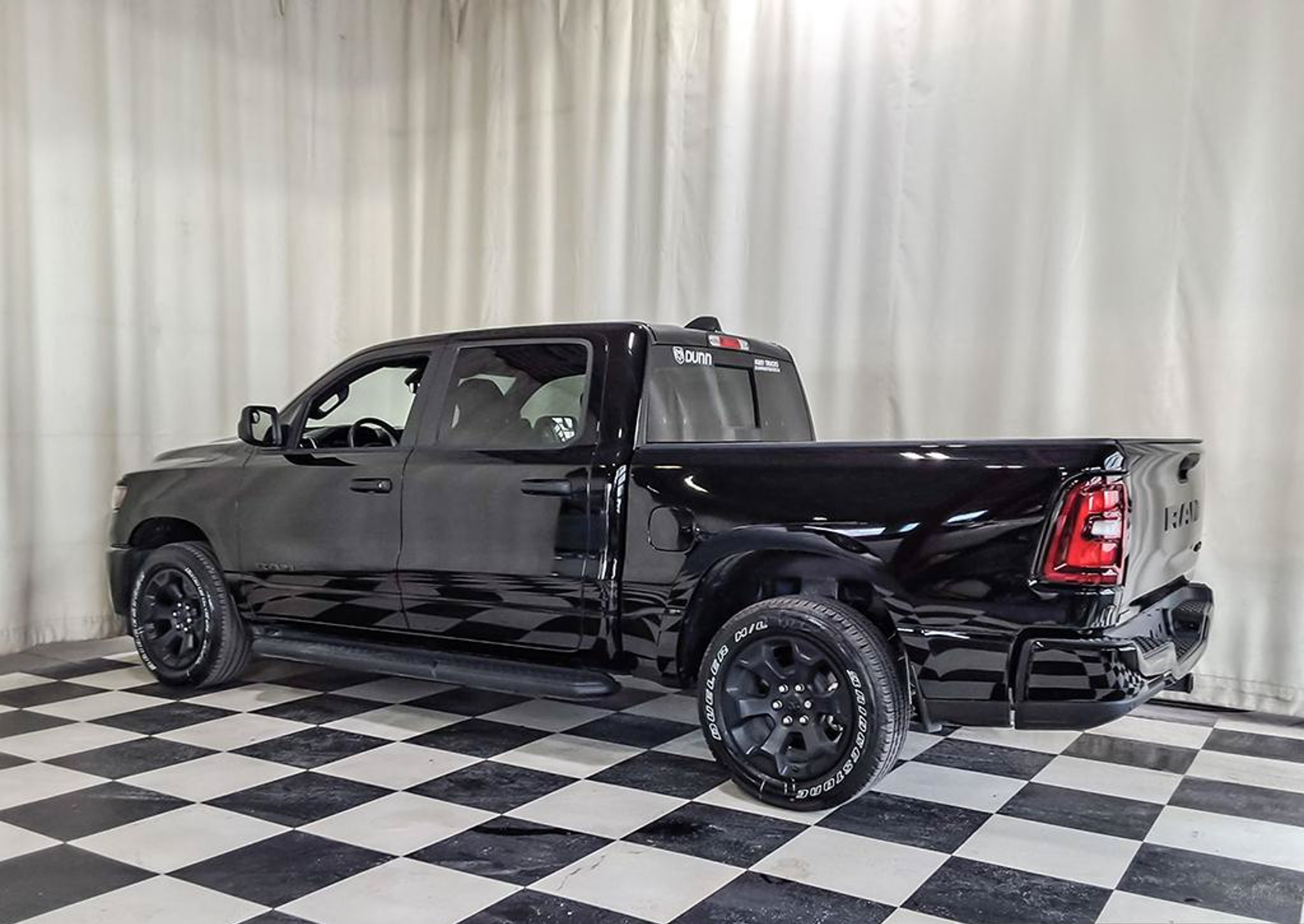
A steady check engine light is information. It is the truck telling you something is outside of spec and you should get it looked at reasonably soon. A flashing check engine light is a completely different message, and almost nobody knows that until it happens to them. It is not information. It is an instruction, and the instruction is to stop driving.
If yours is flashing right now, the short version is this: get off the road safely, shut the engine off, and call us. Do not try to make it to town. You can book service with us for the diagnosis afterward, but the call to make in the next five minutes is whether the truck moves again under its own power or on a deck. The rest of this explains why the answer to that is usually no, and what the difference is worth in dollars.
Key Takeaways
- Flashing means an active, severe misfire. Ram's own owner manual language is blunt about it. When the malfunction indicator light is flashing, severe catalytic converter damage and power loss will soon occur, and immediate service is required.
- The damage clock runs in minutes, not days. A misfiring cylinder dumps raw unburned fuel into the exhaust, and that fuel lights off inside the catalytic converter instead of in the cylinder. The converter is not built to burn fuel. It is built to clean up what is left over from burning it.
- A flashing light that goes back to steady has not fixed itself. It means the misfire stopped being severe enough to trigger the flash right at that moment. The fault is still there, the damage already done is still done, and it will flash again.
- The cost ladder is brutal in one direction. A coil, a plug, or an injector is a manageable repair. A ruined catalytic converter on a modern truck is in a different category entirely, and the only thing standing between the two is how far you drove on the flash.
- Out here the temptation is the highway. You are 30 minutes from anywhere and the instinct is to push on to Portage or into Winnipeg. That 30 minutes is exactly the window that turns a coil job into a converter job.
What the Flash Actually Means
Every gas engine in the lineup is watched by a system that counts how cleanly each cylinder fires. When one starts failing to burn its charge properly, the computer sees it and logs a misfire. A mild, occasional misfire earns a steady light and a code. A severe, ongoing misfire earns the flash.

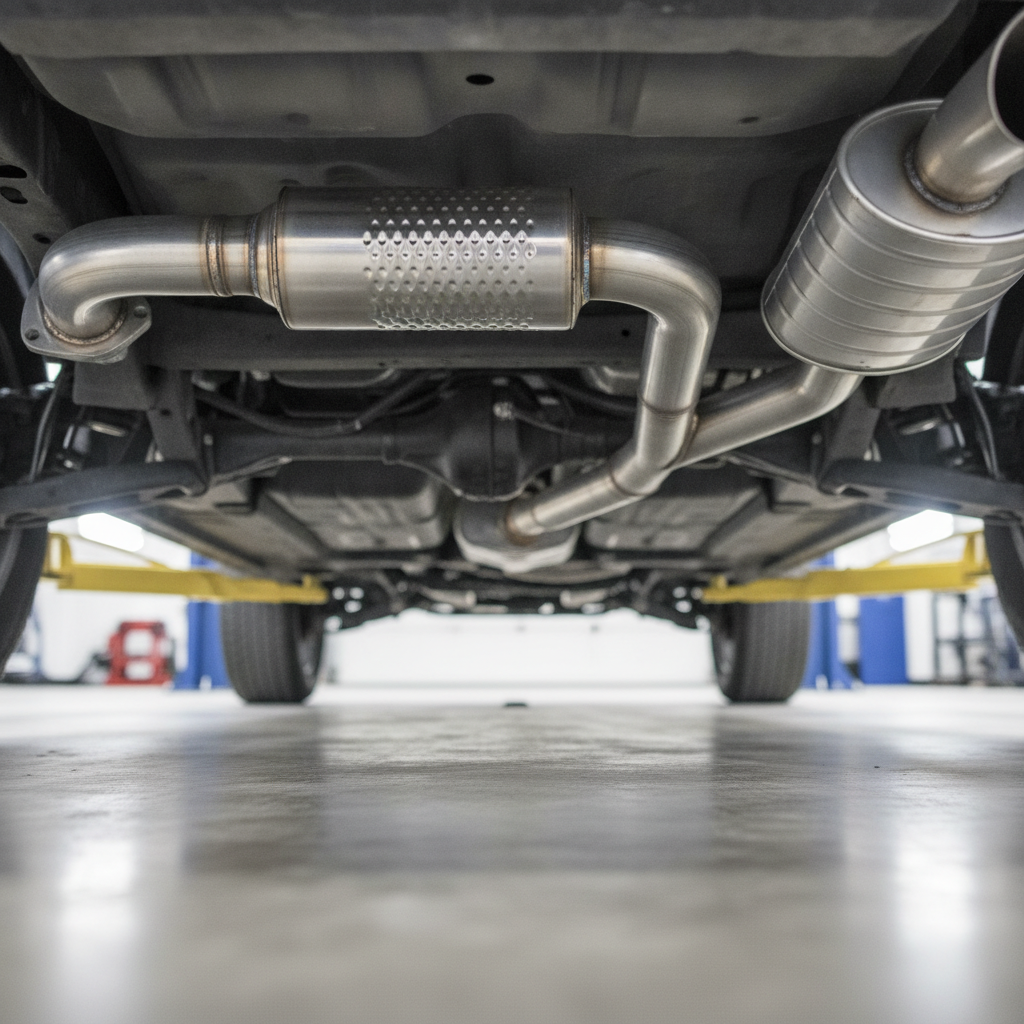
The reason the system escalates to a flash is chemistry, not caution. Fuel that does not burn in the cylinder does not disappear. It goes out the exhaust valve and down the pipe, and the first thing it meets is the catalytic converter, which is a ceramic honeycomb running at several hundred degrees under normal conditions. Raw fuel arriving at that honeycomb burns there. The converter climbs far past its design temperature, and the ceramic inside can soften, melt or break apart. Once that substrate is gone it does not come back, and a melted converter can also plug the exhaust, which strangles the engine and gives you the power loss the manual warns about.
That is the whole reason the light behaves differently. Steady means the truck has a problem. Flashing means the truck is actively breaking a second, more expensive part while you drive.
There is a safety line in the manual worth repeating too, because it catches farm and acreage owners out here. A converter running that hot can start a fire if you park over dry grass, stubble or a straw pile. In late September, on a Manitoba yard, that is not a theoretical warning.

Why It Shakes, and Why It Sometimes Stops Flashing
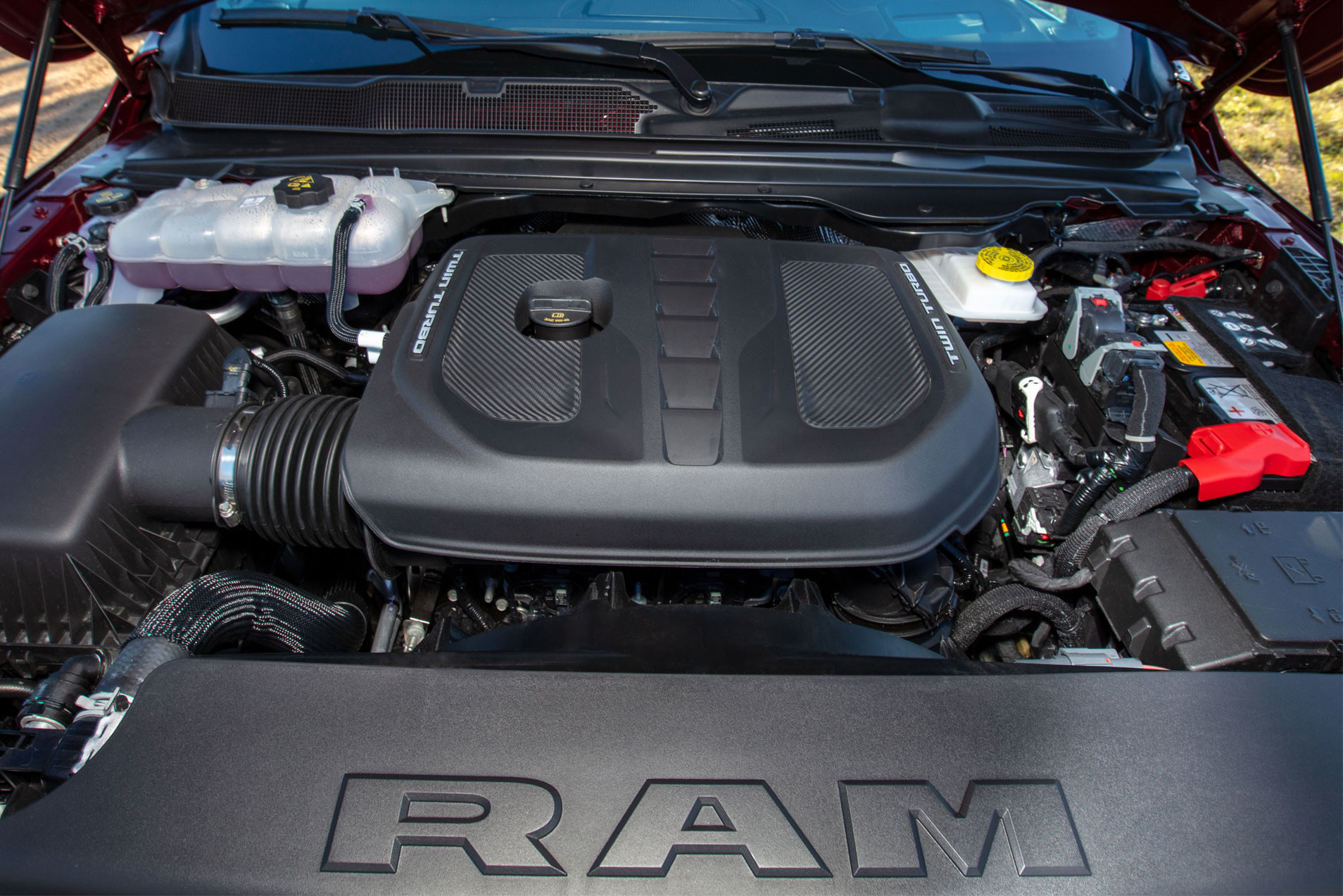
Most people notice the shake before they notice the light. A cylinder that is not contributing throws the engine off balance, so the truck stumbles at idle, feels rough pulling away, and may buck under load. On a V8 you can often feel exactly which end of the engine is unhappy. That shake and the flash are the same event described two ways.
Now the question that sends people down the wrong road: why does the flashing sometimes stop?
It stops because the conditions that made the misfire severe went away, not because the fault did. A few real examples we see:
- A cold start misfire. On a minus 20 morning a weak coil or a fouled plug can be badly off for the first thirty seconds and then behave once everything warms up. The flash quits. The plug is still fouled.
- A load dependent misfire. The engine misfires under throttle and settles down at a steady cruise. Flash while you accelerate, steady while you coast.
- Moisture. A cracked coil boot or plug tube full of water misfires hard until it dries out, then goes quiet for a week.
In every one of those the damage from the minutes it was flashing is already banked. The light going back to steady is not an all clear, it is a pause. If it flashed, the truck needs to be scanned and the stored data read before you drive it again, which is a different job than reading the code off the dash. Our post on what a code reader tells you versus a dealer diagnosis explains why the freeze frame data behind the code is the part that matters, and what a diagnostic fee pays for covers the rest.
The Cost Ladder, Honestly
Here is the ladder in the order it usually climbs. We are not printing prices here, because the number depends on engine, model year and what we find, and a made up figure helps nobody. What we will give you straight is the shape of it, because the shape is the whole argument for stopping.
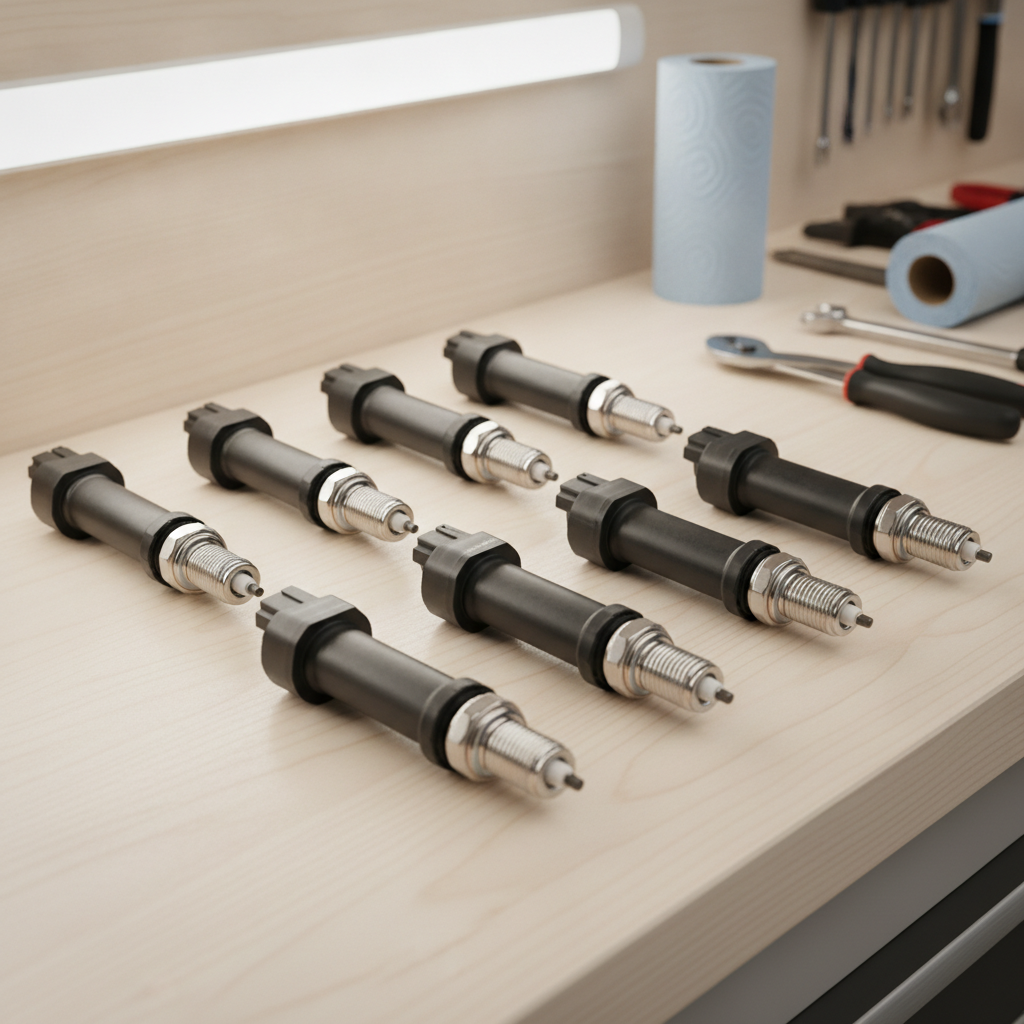
Rung one: a spark plug or an ignition coil. This is where most flashing light stories should end. A coil fails, one cylinder stops firing cleanly, you stop, we test it, we replace it. On a HEMI there are two plugs per cylinder and they are a known maintenance item, so a set of plugs at the right interval prevents a lot of these before they start. Our post on HEMI spark plug replacement covers the interval and why the job is bigger than it looks.
Rung two: fuel or air side. A failed injector, a vacuum leak, a bad sensor feeding the computer wrong information. More diagnostic time, more parts, still a normal repair.
Rung three: internal engine. A burnt valve or a compression problem in one cylinder. Now it is a real job.
Rung four: the catalytic converter. This is the rung you get pushed onto for free by driving on a flash, and it is a big step up from any of the three below it. On a modern emissions system it is not a muffler shop part, and a plugged or melted converter frequently arrives with a second repair attached, because whatever caused the misfire still needs fixing too. You pay for the coil either way. The converter is the tax on the extra 40 kilometres.
The tow is the cheap end of that comparison every single time. That is the entire decision.
What To Do, In Order
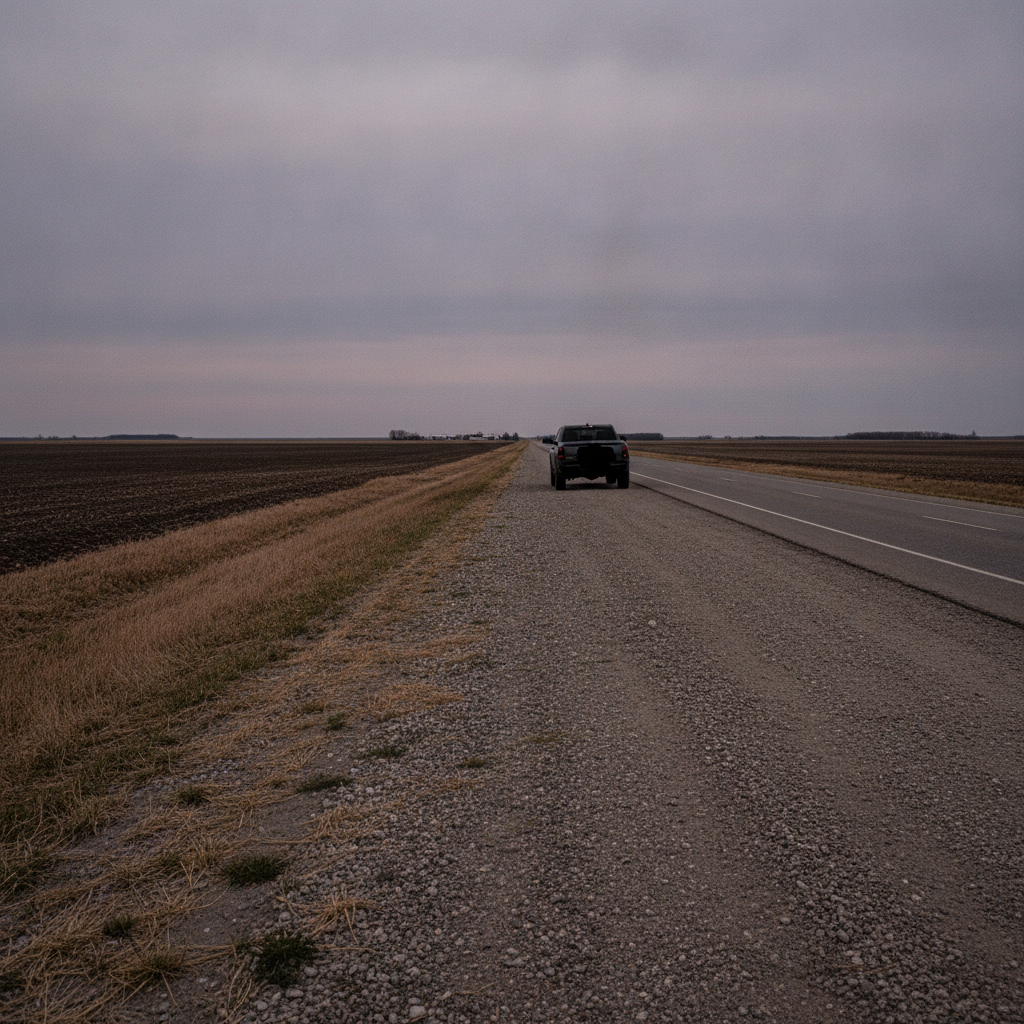
- Get off the road safely and shut it down. Ease off, signal, find a shoulder or an approach with room. Do not stand on the brakes in traffic over a warning light.
- Do not park on dry grass or stubble. Gravel, dirt or pavement.
- Do not restart it to see if it is better. If it flashed, the answer is a scan, not another lap.
- Note what you were doing when it started. Cold start, towing, accelerating, right after fuelling, in the rain. That context saves diagnostic time and it saves you money. Our guide on describing an intermittent problem to the shop is worth two minutes if you are waiting for a tow.
- Call us. Our service centre can tell you over the phone whether what you are describing is a tow or a careful crawl to the nearest safe spot, and we would rather take that call than see the truck in three days with a converter in it.
The Manitoba Version of This Problem
Two local things make the flashing light worse out here than it is in a city.
The first is distance. Almost every flashing light call we get is somebody who is a long way from a shop with no obvious alternative, on Highway 1, on the 16, or coming back from the lake. The instinct is always to keep going, because keeping going feels like progress. It is the single most expensive instinct in this whole article. The converter does not care that you are close to home.
The second is cold. Hard cold is a stress test for the ignition system. A coil or a plug that is marginal in August is the one that misfires on the first genuinely cold morning in November, and a fuel system that has been living on questionable fuel all harvest shows up the same way. That is also why a truck that gets the plugs done on schedule and has its maintenance schedule kept up is far less likely to hand you this particular surprise. Our parts department stocks the coils and plugs for the trucks we sell, which is usually the difference between same day and next week.
If the truck handing you flashing lights is far enough down the road that you are weighing the repair against a payment, that is a fair conversation and we will have it honestly. Take a look at the new Ram 1500 inventory and we will tell you straight which way that math actually goes, including when the answer is to fix the one you have.
FAQs
Can I drive with a flashing check engine light?
No. Ram's own manual language is that when the malfunction indicator light is flashing, severe catalytic converter damage and power loss will soon occur and immediate service is required. Pull over as soon as it is safe, shut the engine off, and have it towed or scanned before it moves again.
How far can I drive with a flashing check engine light?
There is no safe distance to quote, because the damage depends on how badly the cylinder is misfiring. A severe misfire can overheat a converter within minutes. The honest answer is that any distance you drive is a gamble against a part that costs far more than the tow.
Why did my check engine light stop flashing and go back to steady?
Because the misfire stopped being severe at that moment, not because it is fixed. Cold start misfires, load dependent misfires, and moisture in a plug tube all come and go. The fault code and the freeze frame data are still stored, and the truck still needs to be scanned before it is driven.
What usually causes a flashing check engine light?
Most often an ignition fault: a failed coil, a worn or fouled spark plug, or a bad plug boot. After that, fuel delivery problems such as a failing injector, then air and sensor faults, then internal engine problems. The flash tells you a cylinder is not burning its fuel, not which part caused it.
Is a flashing check engine light the same as a misfire?
Effectively yes. The flash is how the onboard diagnostics tell you a misfire is severe enough to damage the catalytic converter. You may also feel it as a shake at idle, a stumble pulling away, or a buck under throttle.
Will a flashing light always mean a new catalytic converter?
No, and that is the point of stopping quickly. If the misfire is caught early the converter often survives and the repair is the ignition or fuel fault that caused it. Converters get ruined by distance driven on the flash, which is the one variable you control.
The Bottom Line
A steady check engine light means book an appointment. A flashing one means stop the truck. The light is not describing a problem with the engine so much as it is telling you the engine is currently damaging the exhaust, and the meter on that is running in minutes.
Get off the road, off the dry grass, and off the throttle. Then call our service centre or book the diagnosis online and let us read what the truck stored before you put another kilometre on it. Almost every one of these that gets caught at the shoulder is a coil. Almost every one that gets caught in our parking lot after a long drive is something worse.
Tyler Dunn, Dunn Ram Trucks, Portage la Prairie

























