
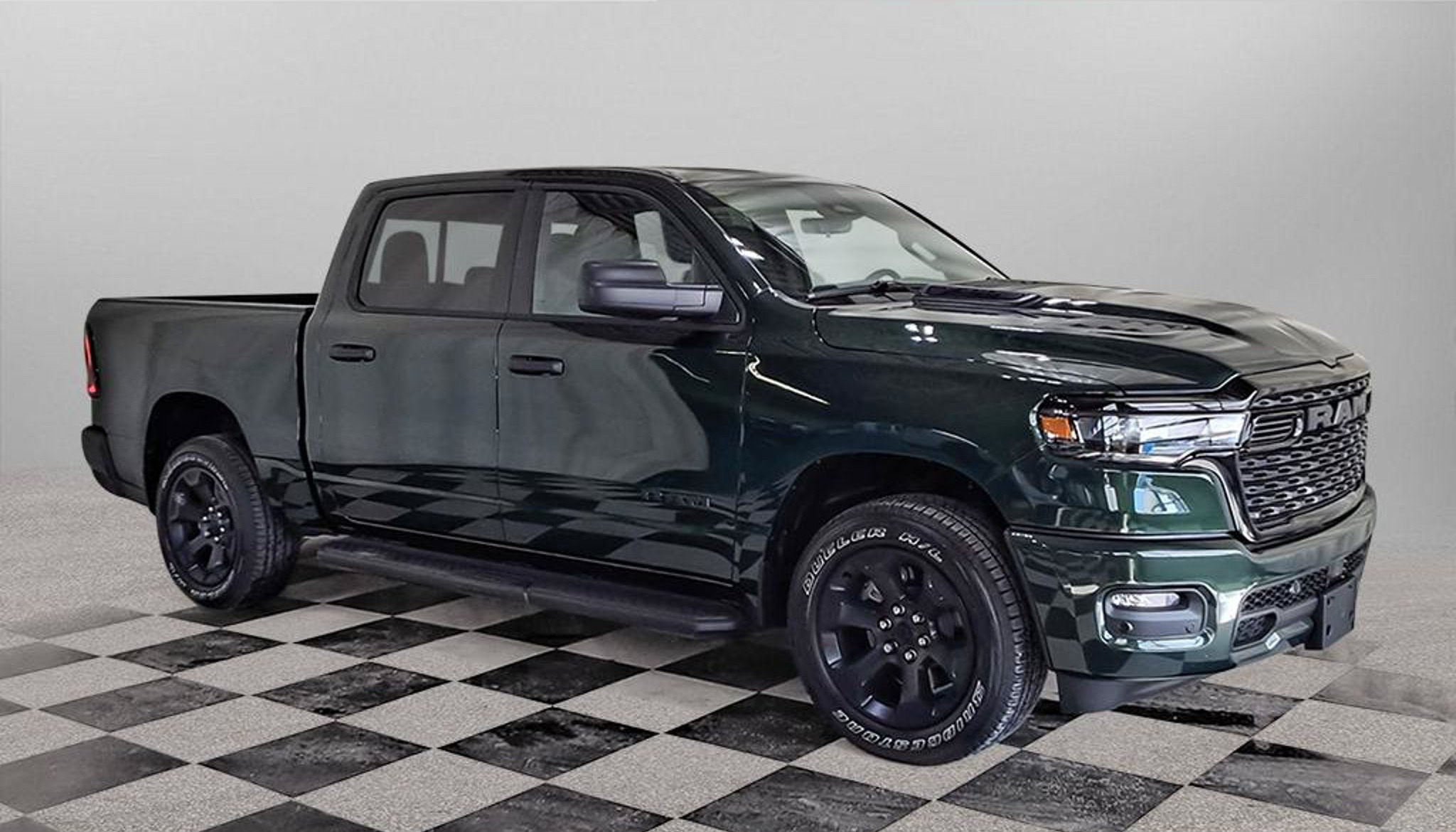
The service advisor says both your air filters are dirty, and the first reaction is fair: wait, there are two? There are, and they have almost nothing in common except that they are both made of pleated material and both fill up with the same prairie dust. One protects the engine. The other protects the people breathing inside the cab.
Mixing them up costs money in both directions. People replace the wrong one, skip the one that mattered, or chase an expensive repair when a filter was the problem all along. Our parts department can match both filters to your VIN, and this post explains what each one does, where each one lives, and how to tell which one is causing your symptom.
Key Takeaways
- The engine air filter cleans the air the engine burns. It sits in the airbox under the hood and protects the intake and the airflow sensor from dust.
- The cabin air filter cleans the air you breathe. On our common Ram and Jeep models it sits behind the glove box, in the fresh air inlet for the heat and air conditioning.
- A clogged engine filter costs power more than fuel on a modern engine. A clogged cabin filter shows up as weak airflow, slow defrost and a musty smell.
- Same dust, different clocks. Both fill faster on gravel and at harvest, but they are replaced on their own schedules, so check both at every oil change and replace each when it is actually full.
Two Filters, Two Jobs
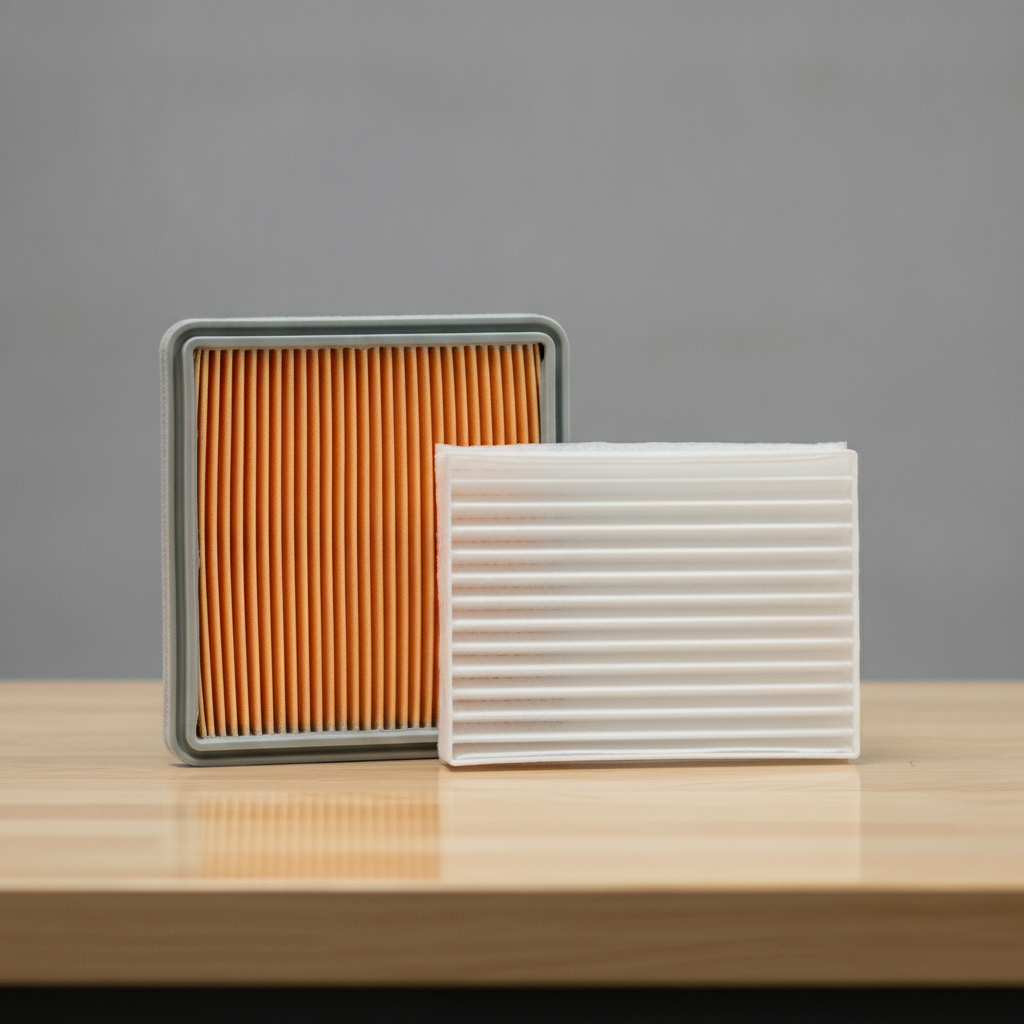
The engine air filter is part of the intake. Every litre of fuel your engine burns needs a large volume of air to go with it, and that air comes in through the grille area, through the filter, past the airflow sensor and into the engine. The filter's job is to stop dust and grit from getting any further, because fine abrasive dust inside an engine wears the parts that are hardest to replace.

The cabin air filter is part of the heating and air conditioning system. When the fan runs, it pulls outside air in through the cowl at the base of the windshield, through the filter, across the heater core and air conditioning evaporator, and out your vents. Its job is to catch dust, pollen, chaff and debris before they reach you and before they coat the inside of the climate system.
Different job, different part, different location, different interval. The only thing they share is the air outside your vehicle, which on a gravel road in September is full of the same fine dust.
Where Each One Lives
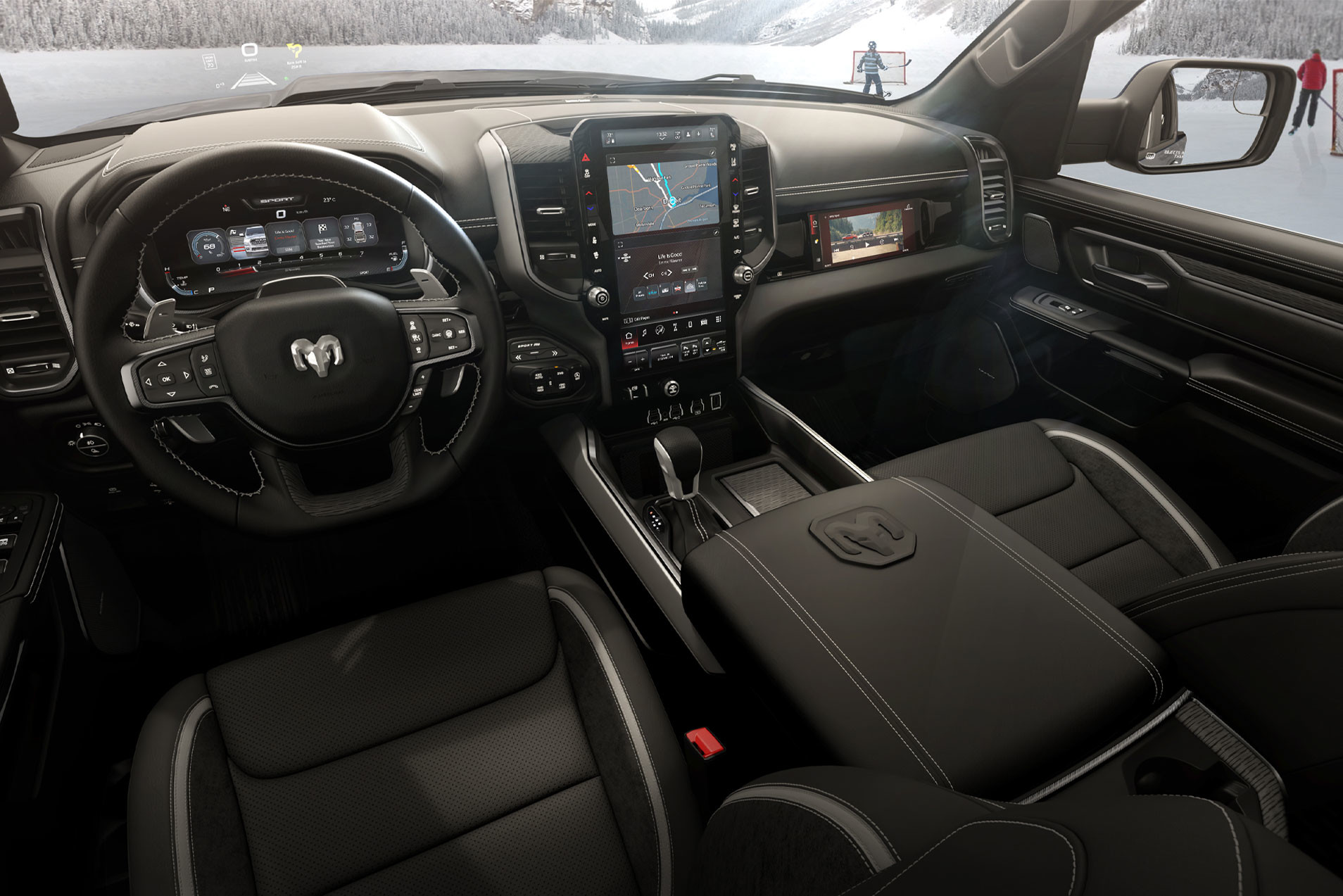
On a Ram 1500, the engine air filter is inside the black plastic airbox under the hood, the housing with the large intake duct running from it toward the engine. The cabin air filter is inside the cab, behind the glove compartment. Ram's owner's manual describes emptying the glove box, releasing its tether and travel stops so it swings down, and removing a cover to slide the filter out.

On a Ram 2500 and a Jeep Grand Cherokee, the general pattern holds on the units we see most: engine filter in the airbox under the hood, cabin filter in the fresh air inlet on the passenger side of the dash.
Exact locations and procedures do vary by model, engine and year, so check your own owner's manual before you start, or ask us and we will show you on your own vehicle.
How a Dirty Engine Filter Shows Up
The internet will tell you a dirty engine air filter wrecks your fuel economy. On a modern fuel injected engine that is mostly out of date, and it is worth knowing why.
A 2009 study by Oak Ridge National Laboratory for the U.S. Department of Energy tested clogged filters on modern computer controlled, fuel injected vehicles and found no measurable effect on fuel economy. The engine computer compensates for the restriction. What did suffer was performance: acceleration times improved by roughly 6 to 11 percent when the clogged filter was swapped for a clean one. On older carbureted engines, the fuel economy effect was real, which is where the old advice comes from.
So the honest symptoms of a badly restricted engine filter on a current Ram or Jeep are a truck that feels flat pulling onto the highway or up a grade with a trailer, rather than one that suddenly burns more fuel.
The bigger risk is not a full filter. It is dirt getting past a filter that is torn, badly seated, or the wrong part. Dust that slips by coats the mass airflow sensor, which then under reports the air coming in, and that can set lean running codes that get blamed on the wrong part. Our post on code readers versus dealer diagnosis walks through exactly that pattern. A filter that seals properly in its housing matters as much as a filter that is clean.
For the Ram intervals and the details of changing it, see the Ram 1500 air filter change interval.
How a Dirty Cabin Filter Shows Up

This one you notice with your own senses, usually in the worst month for it.
Weak airflow with the fan on high. The blower sounds like it is working hard because it is, trying to pull air through a mat of packed dust. Owners hear the noise and assume the fan is failing.
Slow defrost in January. Clearing a windshield on a minus 30 morning depends on moving a lot of dry air across the glass. Choke the airflow and the defroster turns slow and weak, and the frost on the inside lingers.
A musty smell when the heat first comes on. A loaded filter holds leaves, chaff and moisture, and in the shoulder seasons that is exactly what a damp smell needs to grow.
More dust inside the cab. Once the filter is full, air finds its way around it.
None of those affects how the engine runs, which is the simplest way to tell the two apart. If the truck drives fine but the vents are weak, it is the cabin filter. If the vents are fine but the truck feels flat, look at the engine filter.
Mopar's general guidance for the cabin filter is roughly every 15,000 to 20,000 miles under normal conditions, and around 6,000 to 10,000 miles for dusty, rural or off road driving. Our post on the cabin air filter replacement interval covers it in detail.
Harvest Road Versus Winnipeg Commute
The same two filters can live very different lives depending on the truck.
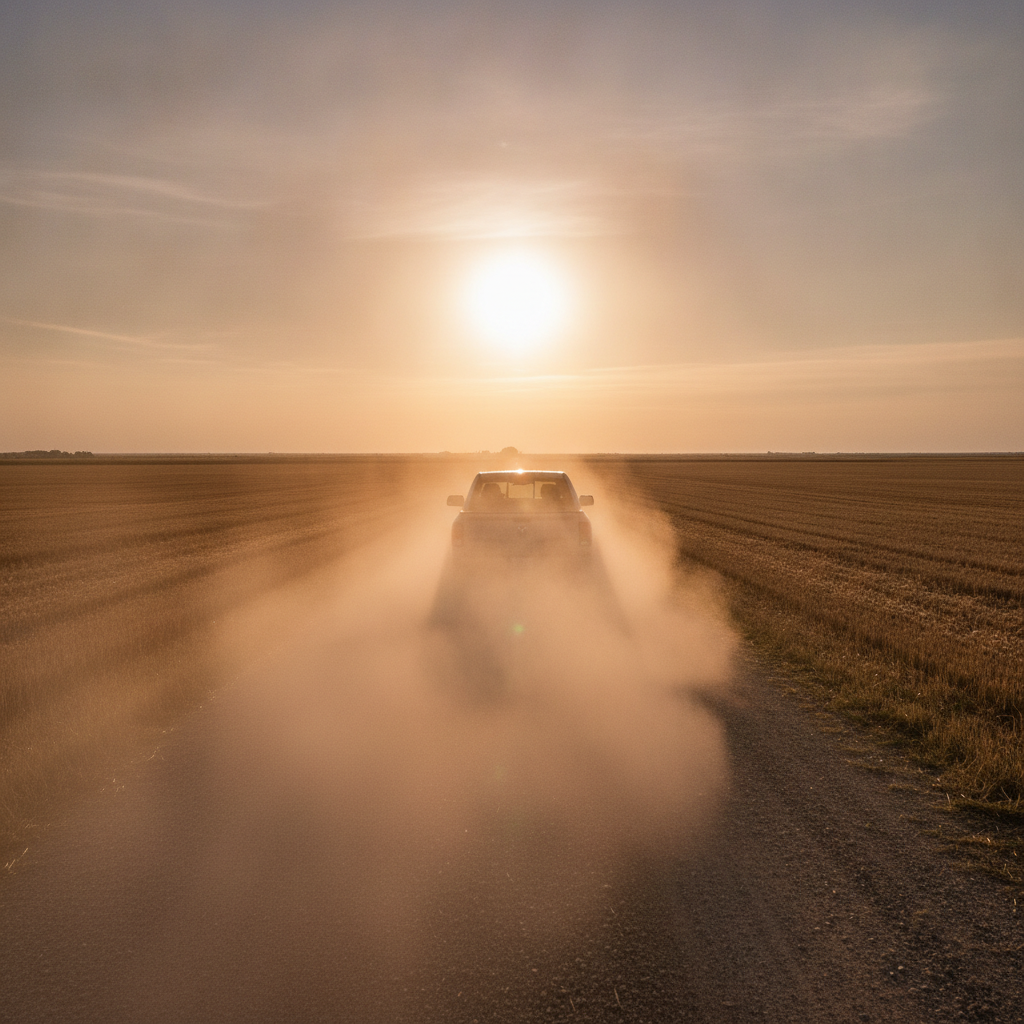
A truck on gravel at harvest loads both filters fast. Fine field dust and chaff hang in the air for hours, and a gravel road throws a cloud behind every vehicle on it. We regularly see filters from farm trucks around Portage la Prairie that are grey and matted well before the distance on the sticker would suggest. For those trucks, the dusty interval is the real interval, and the engine filter deserves a look more often than the owner expects.
A crossover on the Trans Canada into Winnipeg loads both filters slowly. Pavement dust, pollen in June, and salt and sand spray in winter still add up, but at a fraction of the rate. That owner can usually run closer to the normal interval.
Why they get checked together but replaced separately. Both filters are quick to inspect, so the sensible habit, and Mopar's own rule of thumb, is to look at the air filter every time the oil is changed. Checking both at the same visit costs almost nothing. Replacing both automatically, on the same day, whether they need it or not, can cost more than it saves. Look, and replace the one that is actually full.
Can You Do It Yourself?
For most owners, both are reasonable home jobs, and often no tools are needed. Two cautions from experience. On the engine filter, make sure the new one seats fully and the airbox clips close evenly, because a gap around the edge lets dirty air straight past it. On the cabin filter, install it with the arrow pointing the right way, and never pull it with the ignition on, because the blower can catch fingers and throw debris.
If you would rather not, both are quick to add to an oil change. You can schedule service online, and our service centre will show you both filters so you can see for yourself which one needed it. If you buy the parts, our parts department will make sure you get the right filter for your engine, which matters because a filter that does not seal is barely a filter at all.
FAQs
Is the engine air filter the same as the cabin air filter?
No. The engine air filter cleans the air going into the engine and sits in the airbox under the hood. The cabin air filter cleans the air coming into the passenger compartment through the heat and air conditioning, and on our common Ram and Jeep models it sits behind the glove box.
Should I replace both filters at the same time?
Check both at the same time, ideally every oil change. Replace each one when it is actually full. They load at different rates and have different recommended intervals, so replacing both automatically can mean throwing away a filter with life left in it.
Does a dirty engine air filter hurt fuel economy?
On modern fuel injected engines, very little. A 2009 Oak Ridge National Laboratory study found no measurable fuel economy effect from a clogged filter on modern vehicles, but acceleration was 6 to 11 percent better with a clean one. On older carbureted engines the fuel economy effect was real.
What are the signs of a clogged cabin air filter?
Weak airflow even on high, slow defrost, a musty smell when the heat or air conditioning first comes on, and more dust inside the cab. The engine runs normally, which is how you know it is the cabin filter and not the engine filter.
Where is the cabin air filter on a Ram 1500?
Behind the glove compartment. The owner's manual describes emptying the glove box, releasing the tether and travel stops so it swings down, and removing a cover to slide the filter out. Confirm the procedure in your own manual.
How often should I change my filters on gravel roads?
More often than the normal interval. Mopar's cabin filter guidance drops to around 6,000 to 10,000 miles for dusty or rural driving, and the engine filter should be inspected at every oil change on a truck that lives on gravel. Replace whichever one looks full.
The Bottom Line
The engine air filter protects your engine and your airflow sensor. The cabin air filter protects you and your climate system. Same dust, different jobs, different clocks. If the truck feels flat, look under the hood. If the vents are weak and the windshield will not clear, look behind the glove box.
Out here, both filters work harder than the book assumes. Check them every oil change, replace the one that is full, and make sure the replacement actually seals. Our parts department will match both to your VIN, and if it is time for something newer altogether, our new Ram 1500 inventory is online.
Tyler Dunn, Dunn Ram Trucks, Portage la Prairie

























