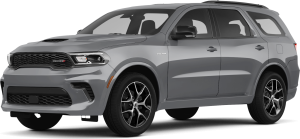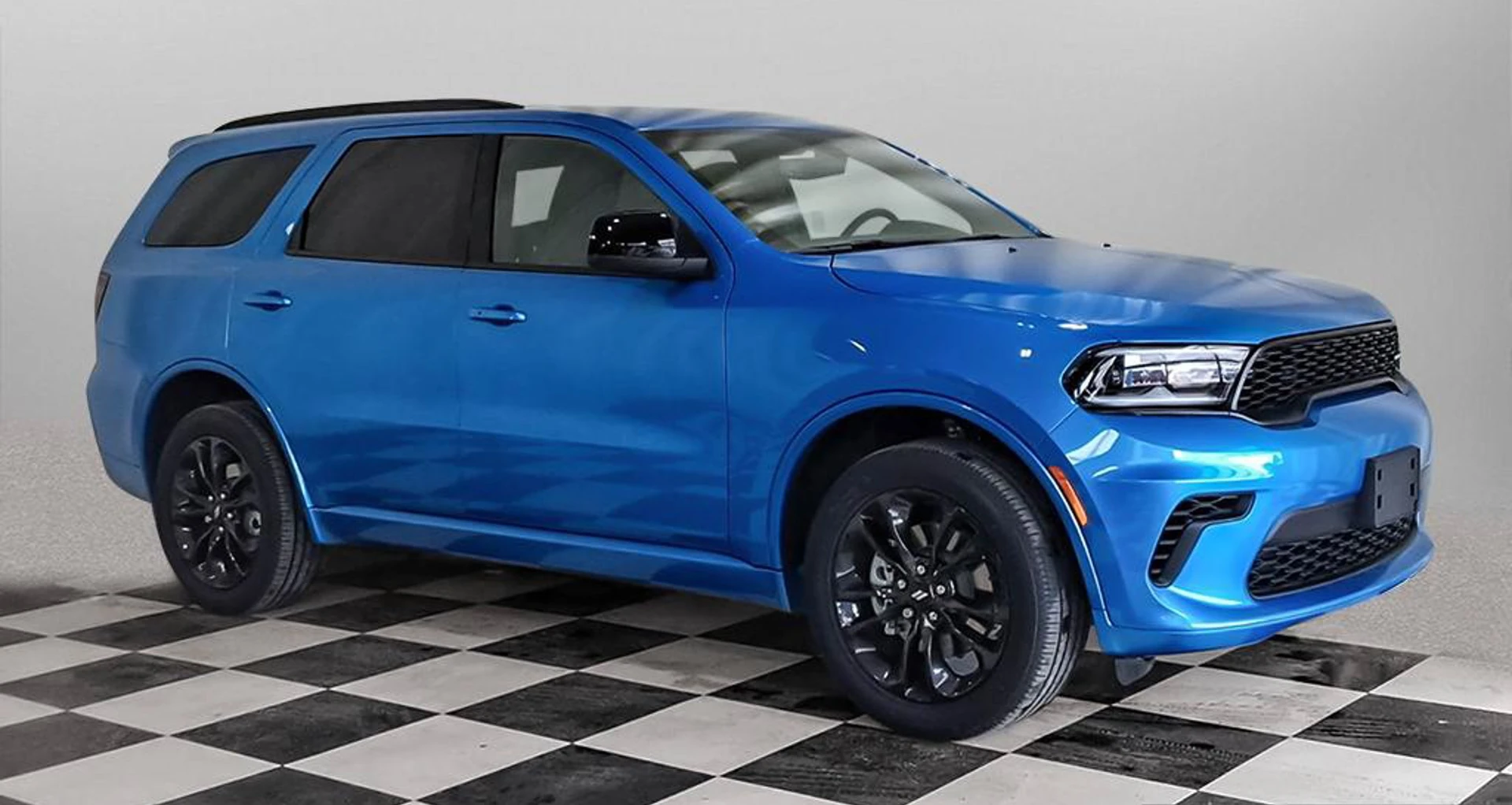
Most three row SUVs answer the towing question with an apology. The Durango does not, and that is the whole reason it still sells to people who could have bought something softer. If you want to see what is on the ground right now, our new Dodge Durango inventory in Portage la Prairie is online with the equipment lists readable before you drive out.
Here is the straight answer on what a Durango tows, using what Dodge Canada actually publishes, plus the honest read on what that means when the trailer behind you is a camper headed for Riding Mountain with five people and a week of food aboard.
Key Takeaways
- The V6 Durango is rated at 2,812 kg, which is 6,200 lb. Dodge Canada lists that figure across the 2026 SXT, GT and GT Plus, and calls it best in class V6 towing.
- The V8 Durango goes to 8,700 lb, which Dodge Canada also calls best in class, noting the Durango carries the only V8 in the segment. Reaching that top figure takes the right V8 build and the right towing equipment, so confirm it on the specific vehicle.
- Every 2026 V6 trim listed uses the 3.6L Pentastar V6 at 295 horsepower and 260 lb ft. The towing difference in this lineup is an engine and equipment decision, not a trim badge decision.
- 6,200 lb covers most family trailers people actually own out here. A 20 foot travel trailer, a decent boat, a pair of sleds on a two place deck. The V8 is for the heavier end and for people who want margin rather than a number they are living right at.
- Payload and tongue weight decide comfort. A loaded three row SUV with seven aboard has already spent a chunk of its budget before the hitch does anything, and that is where a towing plan usually goes wrong.
The Short Answer, by Engine
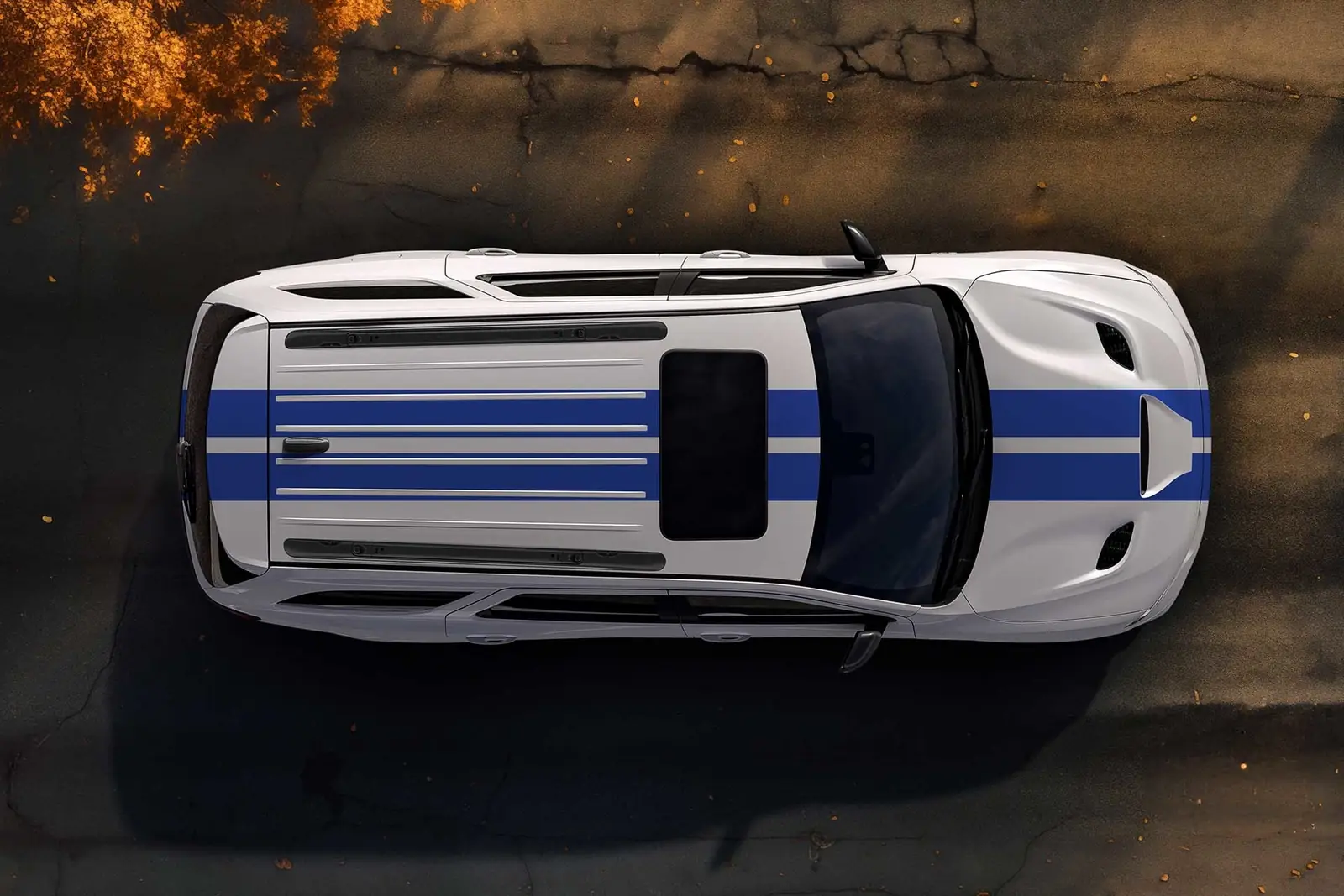
V6: 2,812 kg, or 6,200 lb. V8: up to 8,700 lb.

Those are Dodge Canada's own figures, and both carry a best in class claim in the three row segment. The V6 number is the one that matters to most shoppers, because most Durangos sold around here are V6 trucks bought by families who tow sometimes rather than constantly.
What makes that 6,200 lb interesting is the company it keeps. Plenty of three row crossovers in the same price conversation stop around 5,000 lb, and a fair number stop well below that. The Durango is built on a rear drive architecture with a proper body structure underneath it, and the tow rating is where you feel that decision. For a family that wants three rows and a real trailer, that combination is genuinely uncommon.
The V8 story is the one Dodge leads with, and fairly. It is the only V8 left in the segment. If your trailer is at the heavy end, or if you would simply rather tow 6,000 lb with 8,700 lb of rating than tow 6,000 lb with 6,200 lb of rating, that is a legitimate reason to move up. Reaching the maximum takes the correct configuration and the towing equipment that supports it, so read the rating on the truck rather than on the brochure. We will pull it for you on any Durango on the lot.

What Those Numbers Tow Around Here
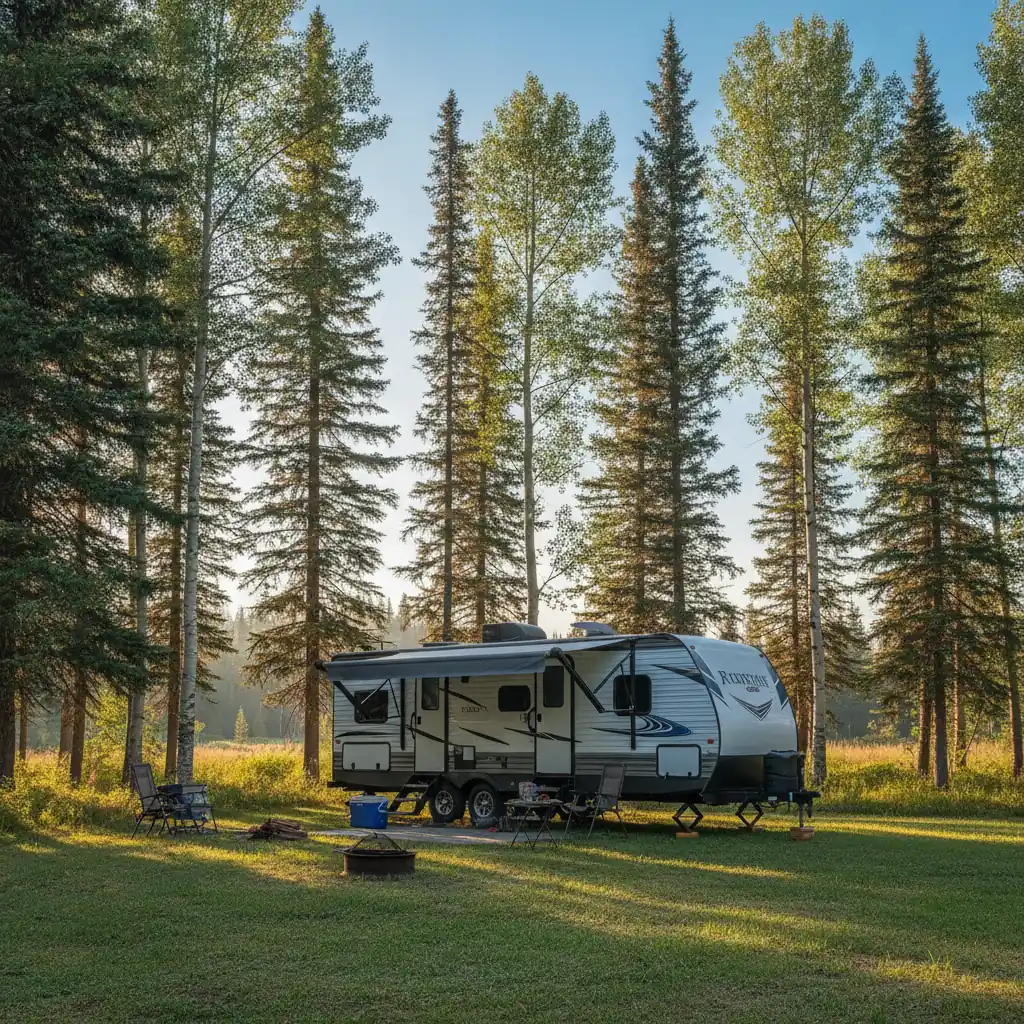
Real trailers, real weights, the arithmetic we do across the desk:
A 20 to 22 foot travel trailer is commonly 1,600 to 2,300 kg loaded, which is roughly 3,500 to 5,000 lb. That sits inside the V6 Durango's 2,812 kg with meaningful margin. This is the single most common trailer we see behind a Durango and it is a comfortable pairing.
A 24 to 26 foot trailer with a slide climbs quickly into the 2,500 to 3,200 kg range loaded. Now you are at or past the V6 rating depending on how you pack, and the V8 stops being a luxury.
An 18 to 20 foot fibreglass boat with a full tank is often 1,500 to 2,200 kg on the trailer. Well inside the V6 rating, and an easy weekend tow to Clear Lake or Delta.
A two place enclosed sled trailer loaded is regularly 1,400 to 1,900 kg. Comfortable on either engine, and the Durango's all wheel drive is the reason people choose it for that job in January instead of a rear drive SUV.
A skid steer or a heavy equipment trailer is where you stop looking at SUVs. If that is the plan, you want a half ton, and our Ram 1500 towing ratings are the honest comparison. The new Ram 1500 lineup starts where the Durango's ceiling is.
The Concession Worth Making
A Durango tows like a truck for a three row SUV. It does not tow like a truck.
A properly equipped half ton pulls more, carries more in an open box, and handles a heavy tongue with a longer wheelbase under it. If your trailer is near the Durango's ceiling and you tow it every second weekend, a pickup is the better tool and we will tell you that rather than sell you the SUV. What the Durango offers instead is a package no pickup matches: seven seats, a closed cargo area your gear stays dry in, a vehicle your family is happy to drive all week, and a tow rating that handles the trailer you own.
That trade is the whole product. It is worth being clear eyed about both halves of it.
Payload Is the Number That Bites
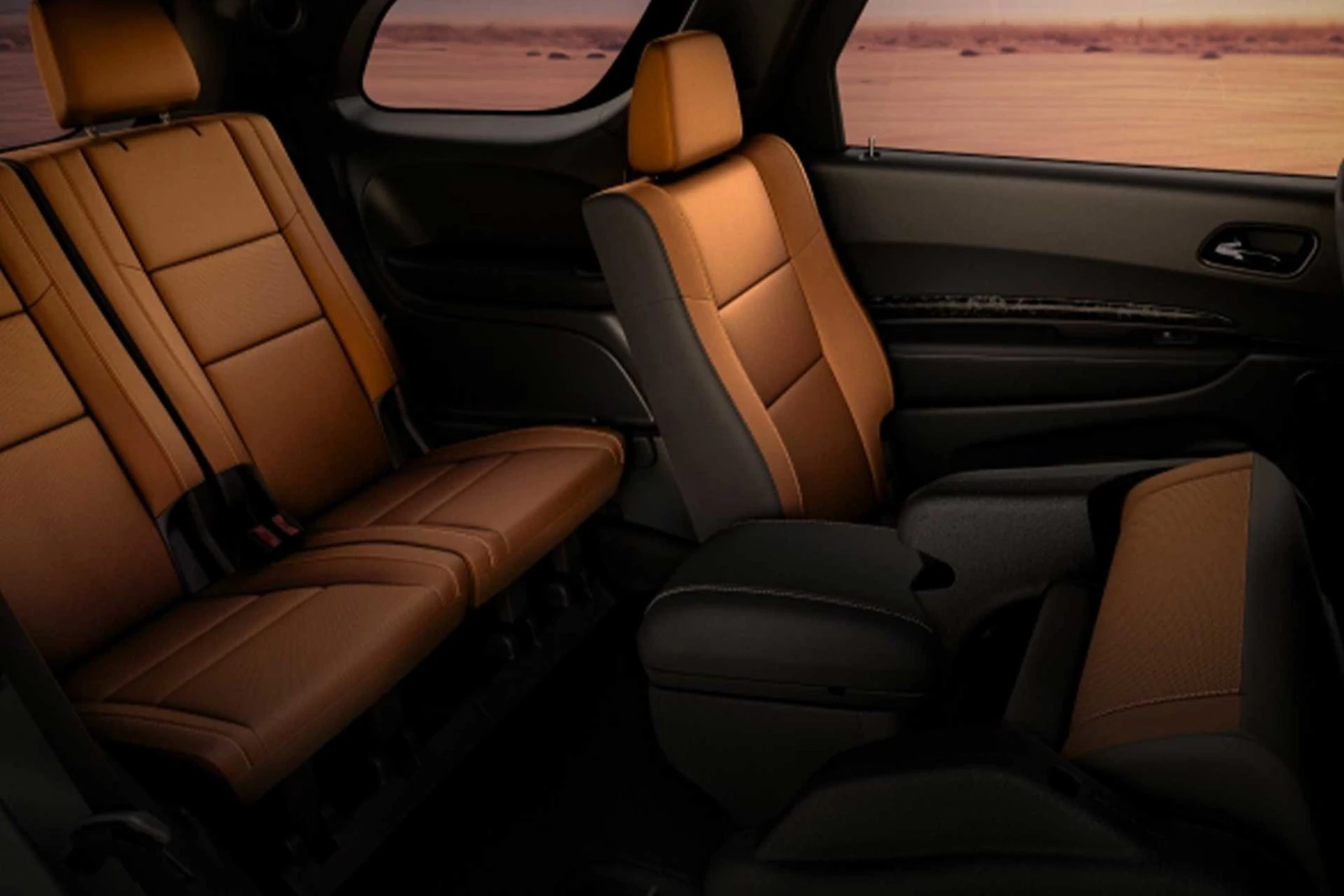
Towing capacity assumes a certain load in the vehicle. A three row SUV on a family trip is rarely running light.
Seven people is realistically 400 to 500 kg on its own. Add a week of food, a full tank, camp chairs, a cooler and everything in the cargo area behind the third row, and you are well past 550 kg before anything is hitched. A conventional trailer then puts 10 to 15 percent of its weight down on the ball, so a 2,300 kg trailer adds another 230 to 345 kg of tongue weight.
That total is what the vehicle actually has to carry, and it is the reason a trailer comfortably inside the towing rating can still put you over the payload limit. If your Durango is going to be full every trip, tow toward the middle of the rating rather than the top of it, and use a weight distributing hitch once you are into a real travel trailer. That is not a sales upsell, it is what makes the vehicle steer and brake the way it was designed to.
Manitoba Specifics
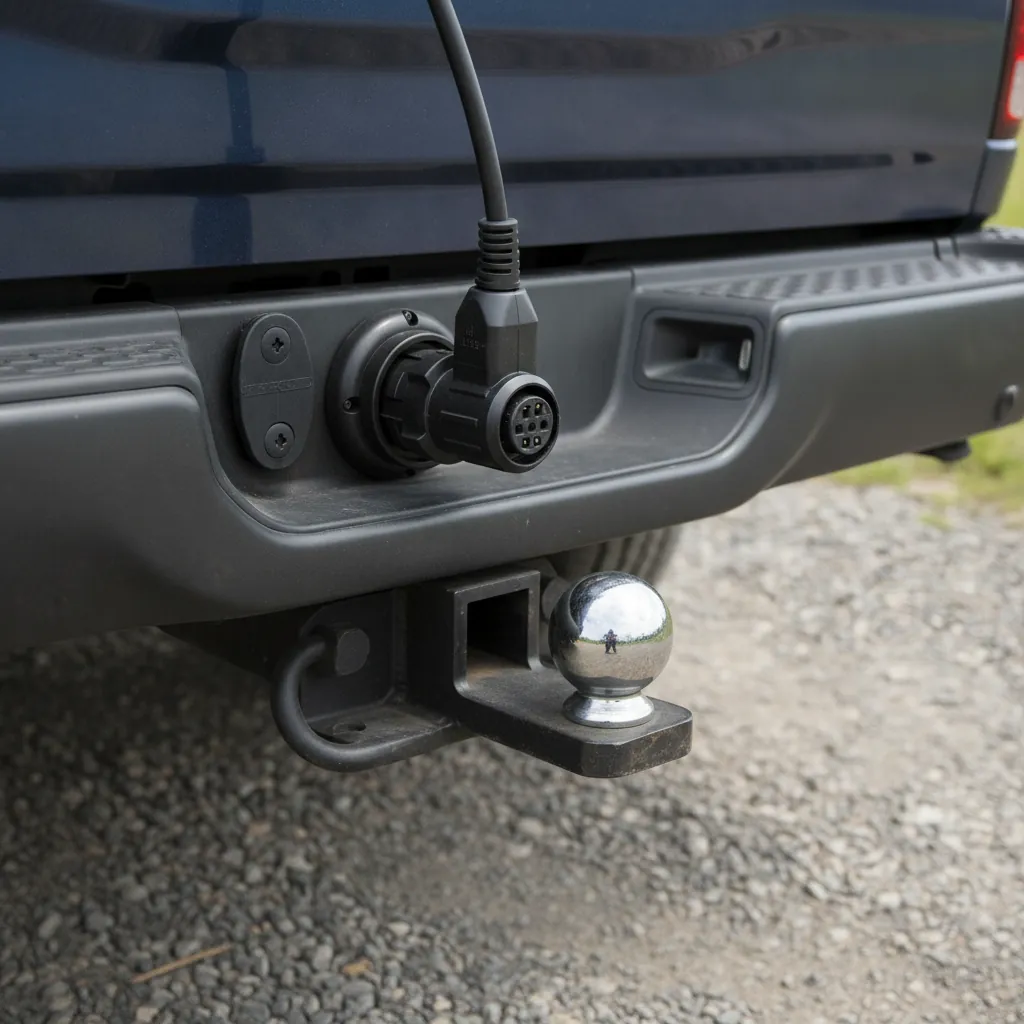
Wind west of Portage is a real load. A tall trailer behind a tall SUV on Highway 1 in a July crosswind will use more fuel and more of your attention than the last 300 kg of trailer weight ever does. Wind is why we tell people to tow under the rating rather than at it.
Gravel to the campsite is normal here. Most of the good spots off Highway 16 and around the Riding Mountain approach involve a stretch of loose municipal gravel. It changes braking distances with a trailer far more than people expect, and it is the argument for a trailer brake setup that actually works rather than one that is technically present.
Winter towing is a different question. Cold, ice and a loaded trailer are their own subject and we wrote it up separately in our winter towing guide.
Book the pre trip check. Before the first long tow of the season, have the hitch, the wiring, the brakes and the fluids looked at. Our service department does it in an appointment and it is a far cheaper hour than a roadside one.
How the Durango Compares in the Family
If you are cross shopping inside our own lineup, the Jeep Grand Cherokee towing ratings are the other half of the conversation, and the Durango model year read covers what has changed recently. Families who want three rows plus real towing tend to land on the Durango. Families who want two rows and more off road ability tend to land on the Grand Cherokee. Both are honest answers to different questions.
FAQs
How much can a Dodge Durango tow?
Dodge Canada lists 2,812 kg (6,200 lb) on the 2026 V6 trims, which it calls best in class V6 towing, and up to 8,700 lb on the V8, also called best in class. The maximum requires the right V8 configuration and towing equipment, so confirm the rating on the specific vehicle.
What engine is in the V6 Durango?
The 3.6L Pentastar V6, listed by Dodge Canada at 295 horsepower and 260 lb ft on the 2026 SXT, GT and GT Plus.
Is 6,200 lb enough for a travel trailer?
For most family trailers in the 20 to 22 foot range, yes, with margin. Once you are into a 24 foot trailer with a slide, you are near or past it depending on how you load, and the V8 becomes the right answer.
Does the Durango tow more than a half ton pickup?
No. A properly equipped Ram 1500 tows and carries more. The Durango's case is that it does most of the towing job while seating seven and keeping your gear dry, which no pickup does.
Do I need a weight distributing hitch?
Once you are towing a real travel trailer, yes. Tongue weight on a three row SUV changes how it steers and brakes, and a properly set up hitch fixes that. We will help you sort the setup.
The Honest Close
The Durango's towing number is not a marketing flourish. 2,812 kg on the V6 and up to 8,700 lb on the V8 are real capability in a segment where most competitors quietly hope you do not ask. What decides your trip is not the ceiling, though. It is payload, tongue weight and wind.
Bring us your trailer weight and the number of people who ride with you, and we will tell you which Durango fits or whether you actually want a truck. There are current offers worth a look on the Durango Eh Plus page, and if a trade is part of the plan, our instant cash offer tool gives you a number before you come in.