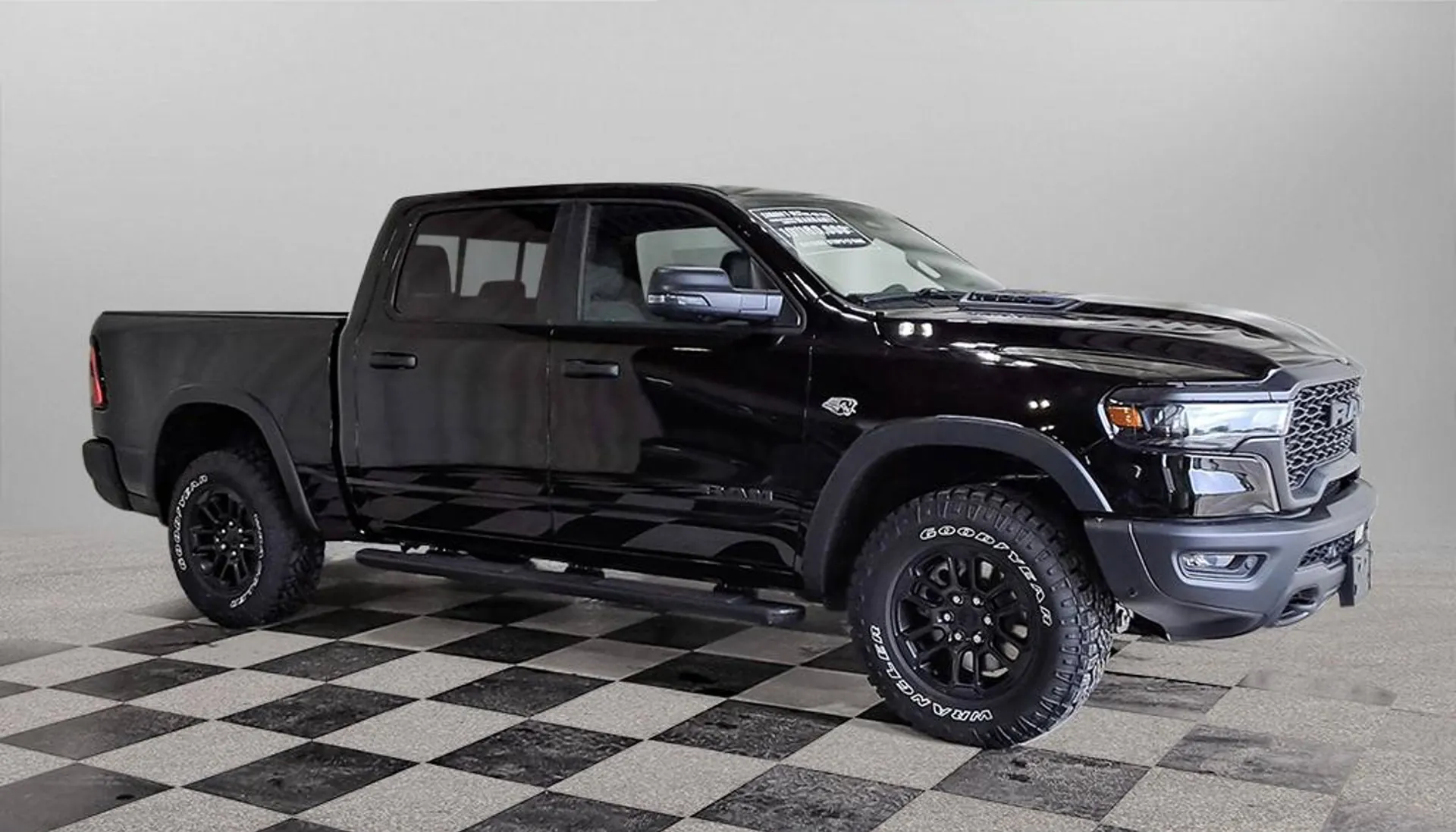
It usually happens on the first cold morning that actually matters. Snow across the approach, you reach over and push 4WD HIGH, and the light on the cluster just blinks at you. It never goes solid. Or you are in a Wrangler, you grab the lever, and it feels bolted to the floor. Before you assume the worst, know this: a good share of the trucks that come through our doors for this are not broken. They were asked to shift in a way the truck was never going to accept. The rest are a real fault worth catching early, so you can book a service appointment with us instead of finding out in a ditch off Highway 1.
Here is the version we would give you across the counter in Portage la Prairie. What your truck actually requires before it will complete a shift, what you can check yourself in five minutes, and the point where it becomes a scan tool job.
Key Takeaways
- A flashing 4WD light is a message, not a failure. On an electronic shift Ram, the selected position light flashes until the shift finishes and goes solid when it is done. If it keeps flashing while the old position stays lit, a requirement has not been met yet.
- Most refused shifts are procedural. Ram's manual states the system will not shift between 2WD and 4WD HIGH while the wheels are spinning, and that the ignition has to be in ON/RUN. On a Ram, 4WD LOW also needs the transmission in NEUTRAL first.
- Cold and mismatched tires cause real shift trouble. Jeep's manual names uneven tire wear, low or uneven tire pressures, heavy loading and cold temperatures as causes of delayed shifts out of four wheel drive.
- A SERV 4WD light is the line. If that warning stays on after start up or comes on while driving, the system is not working properly and it needs service. That one is not a technique problem.
First, Know Which Kind of 4x4 You Have
This matters more than people expect, because the two systems fail in completely different ways.

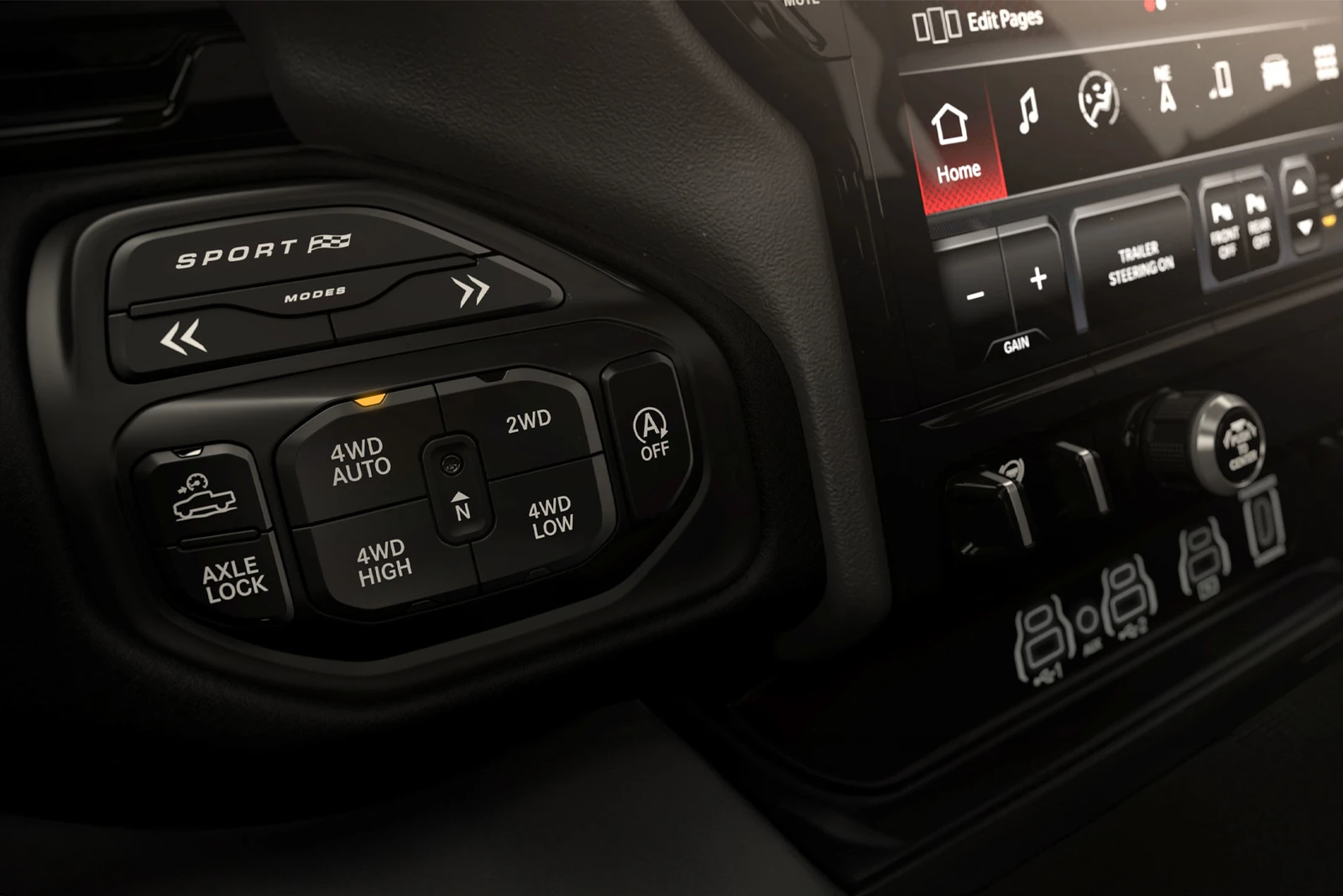
The Ram 1500 uses an electronic shift transfer case run by a switch on the instrument panel. Depending on the build it is either a four position case (2WD, 4WD HIGH, 4WD LOW and a Neutral position) or a five position case that adds 4WD AUTO, which sends power forward automatically when the truck senses a loss of traction. No cable, no lever, no muscle. You press a button and a motor does the work, which means a refusal is a decision the truck made.
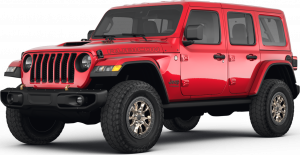
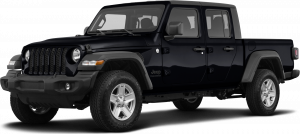
A Wrangler or Gladiator with the floor lever is mechanical. You are physically moving the transfer case yourself. It has 2H, 4H, Neutral and 4L, and some are built with a five position case that splits high range into 4H AUTO and 4H PART TIME. When that one refuses, it is usually because the internal teeth are not lined up, not because a computer said no.
What the Flashing Light Is Telling You
On the Ram side the cluster gives you a precise readout if you know how to read it. Select a new position and the old light turns off while the new one flashes until the transfer case finishes the shift. When it completes, that light stops flashing and stays solid.

So a light that keeps flashing while the original stays lit is not a broken truck. It is the truck saying a requirement has not been satisfied. If the shift genuinely will not go through, you get a cluster message stating the 4WD shift has canceled.
There is a retry step in the manual almost nobody knows: push the position you are currently in, wait five seconds, then try the selection again. It resets the request and clears a surprising number of these.
The genuinely different one is the SERV 4WD warning light. It monitors the electronic shift system, and if it stays on after start up or comes on while driving, four wheel drive is not functioning properly and needs to be looked at. Ram also says to engage the parking brake when you shut the truck down while that light is on.
The Shift Rules Most People Break
This is what most of the no fault visits come down to.
Do not shift while the wheels are spinning. This is the big one out here. You are stuck in the approach, the rears are spinning, and that is the exact moment you reach for 4WD. Ram's manual states the system will not allow shifts between 2WD and 4WD HIGH if the wheels are spinning with no traction, and that the fix is to reduce speed and stop the spin so the shift can complete. Jeep says the same about the lever: front and rear driveshaft speeds have to be equal, and forcing it while one end spins can damage the transfer case.
The ignition has to be in ON/RUN. On a Ram, if it is not, the shift will not take place and the position lights will not even come on.
4WD LOW is not a button you just press. On a Ram, slow to 2 to 3 mph (3 to 5 km/h) with the engine running, shift the transmission into NEUTRAL, select the position while still rolling, wait for a solid light, then shift back into gear. You can also do it fully stopped with the engine running and the transmission in NEUTRAL. Skip the NEUTRAL step and that light will flash at you forever.
On a lever Jeep it is the same idea with your hand doing the work. The Gladiator manual calls for rolling at 1 to 3 mph (2 to 5 km/h), transmission in NEUTRAL, then moving the lever firmly without pausing in the Neutral detent. It also admits that shifting into or out of 4L while fully stopped can be difficult because the mating teeth may not be aligned, and several attempts may be needed. Exact rolling speeds vary slightly between Jeep models, so check the manual in your own glovebox rather than assuming.
Once you are in low range, do not exceed 25 mph (40 km/h). Engine speed in 4L runs roughly three times what it does in high range at the same road speed.
The Manitoba Specific Causes
Some of what we see here is genuinely climate driven, and it is documented, not folklore.
Cold makes the shift stiff, and that is normal. Jeep's manual states plainly that in cold weather you may see increased effort shifting until the transfer case fluid warms up, and that this is expected. A lever that feels like concrete at minus 30 in a January yard is often just a lever at minus 30.
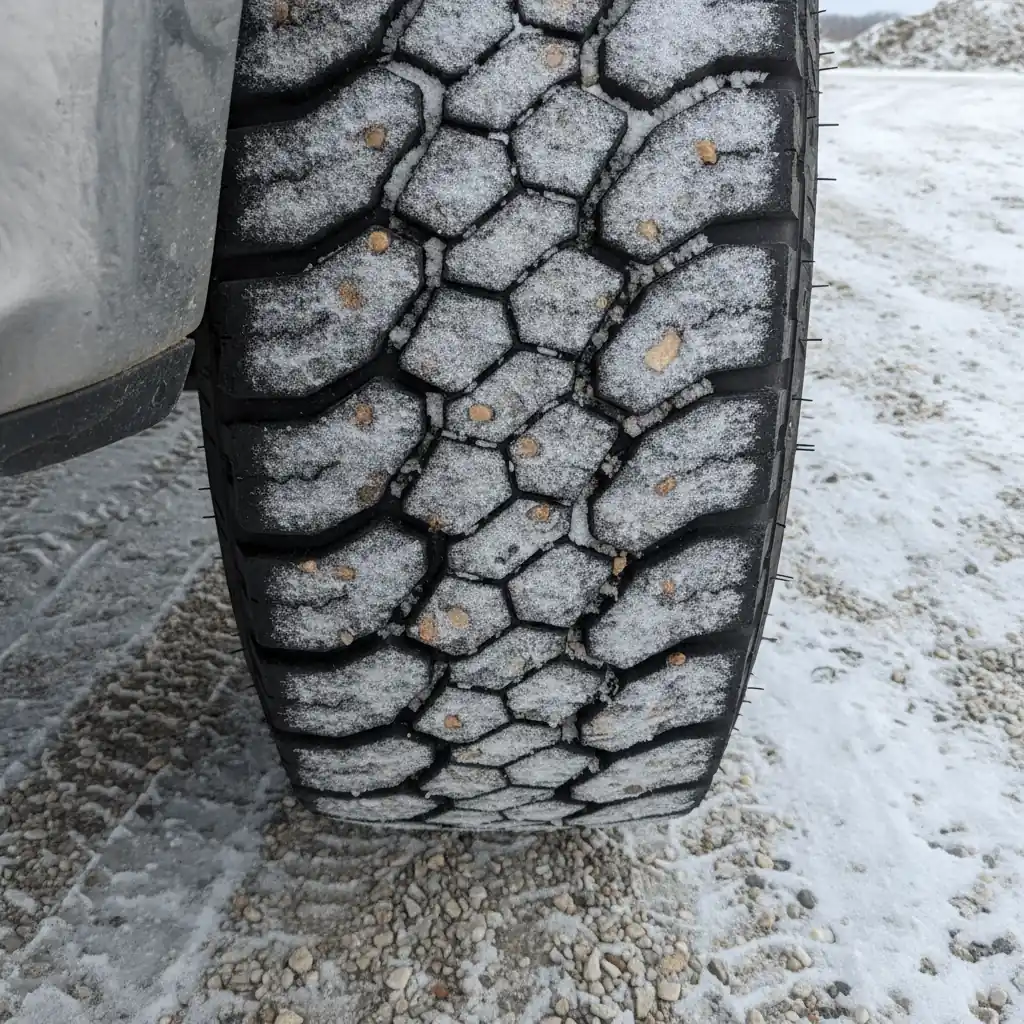
Tires are a real cause. Both manuals are blunt that four wheel drive depends on tires of equal size, type and circumference on every corner, and that any difference can damage the drivetrain. Jeep specifically lists uneven tire wear and low or uneven tire pressures as causes of delayed shifts out of four wheel drive. Out here that is live, because plenty of trucks run one replacement tire that does not match the other three. If your 4x4 got weird right after a single tire was replaced, that is your first suspect, and our parts department can tell you quickly whether what is on the truck is a matched set.
Check the Neutral button. On a Ram there is a transfer case Neutral button in the centre of the 4WD control switch that has to be pushed with a ballpoint pen. It exists for recreational towing. It is rare, but if someone has been in there the truck will behave in a way that makes no sense until you know that is where it sits.
When It Is Actually Broken
Once procedure, tires and temperature are ruled out, there is a real fault list, and this is where honest advice is to stop guessing.
On an electronic Ram the request travels from the switch, through the module, to the motor that physically moves the transfer case, and the front axle has to engage as well. Ram's manual confirms the front axle is not engaged in 2WD, which means there is a disconnect up front that has to do its part before you actually have four wheel drive. Any one of those links can fail on its own, and how the front disconnect is actuated varies by model and year. That is exactly why diagnosis starts with a scan tool reading what the module is commanding and what it is seeing back, rather than someone under the truck guessing at a part.
On a lever Jeep the failure is usually mechanical: linkage, bushings, internal wear, or fluid past its service life. Transfer case fluid is a real maintenance item that gets skipped constantly, and we covered what that service involves in our guide to differential and transfer case fluid service. If your shifts have been getting progressively worse rather than suddenly failing, start there.
One warning worth repeating from Jeep's manual, because it is a safety item: failing to fully engage a transfer case position can cause transfer case damage or a loss of power and vehicle control. Do not drive it half engaged. If the lever will not seat or the light will not go solid, put it back where it was.
Past the DIY stage, our service centre has the factory scan tools and the real Ram and Jeep service information, which matters on a system where half the failure modes are electronic. If the truck is still inside its term, it is also worth knowing how coverage works, which we laid out in dealership versus independent shop service and your warranty.
FAQs
Why does my 4WD light keep flashing and never go solid?
On an electronic shift Ram it means the transfer case has not completed the shift. The usual culprits are spinning wheels, the ignition not in ON/RUN, or a 4WD LOW request made without the transmission in NEUTRAL. Try pushing your current position, waiting five seconds, then selecting again.
My Jeep lever will not move into 4L. Is it broken?
Often not. Jeep's manual says shifting into or out of 4L while fully stopped can be difficult because the internal teeth may not be aligned, and several attempts may be needed. The preferred method is rolling slowly with the transmission in NEUTRAL, then moving the lever firmly without pausing in Neutral. Cold also increases shift effort until the transfer case fluid warms.
Can mismatched tires stop 4x4 from working?
Yes, and more often than people think. Ram and Jeep both require tires of equal size, type and circumference on every wheel, and Jeep lists uneven wear and uneven pressures as causes of delayed shifts out of four wheel drive. Any real difference can also damage the drivetrain.
What does the SERV 4WD light mean?
The electronic shift four wheel drive system is not functioning properly and service is required. Unlike a flashing position light, this is not a procedure issue.
Is it safe to drive with 4x4 not working?
In two wheel drive on a dry road, generally yes. What is not safe is driving with the transfer case only partly engaged, which Jeep warns can cause damage or a loss of vehicle control. Going into a Manitoba winter without working four wheel drive is a bad plan on its own terms.
The Bottom Line
Four wheel drive that will not engage is one of the few problems where the odds genuinely favour the cheap answer. Check that you are not spinning the wheels, that the ignition is in ON/RUN, that the transmission went to NEUTRAL before you asked for low range, and that all four tires actually match. Do that honestly and a good share of these fix themselves in the driveway.
What you should not do is force a lever, drive on a half engaged transfer case, or ignore a SERV 4WD light through a Manitoba winter. If you have worked the list and it still will not go, book it in with us and we will put a scan tool on it and tell you which link in the chain quit. And if this is the third thing on that truck this year, we will give you the straight math on repairing it versus what is on our lot in new Ram 1500 inventory or new Jeep Wrangler inventory.
Tyler Dunn, Dunn Ram Trucks, Portage la Prairie