
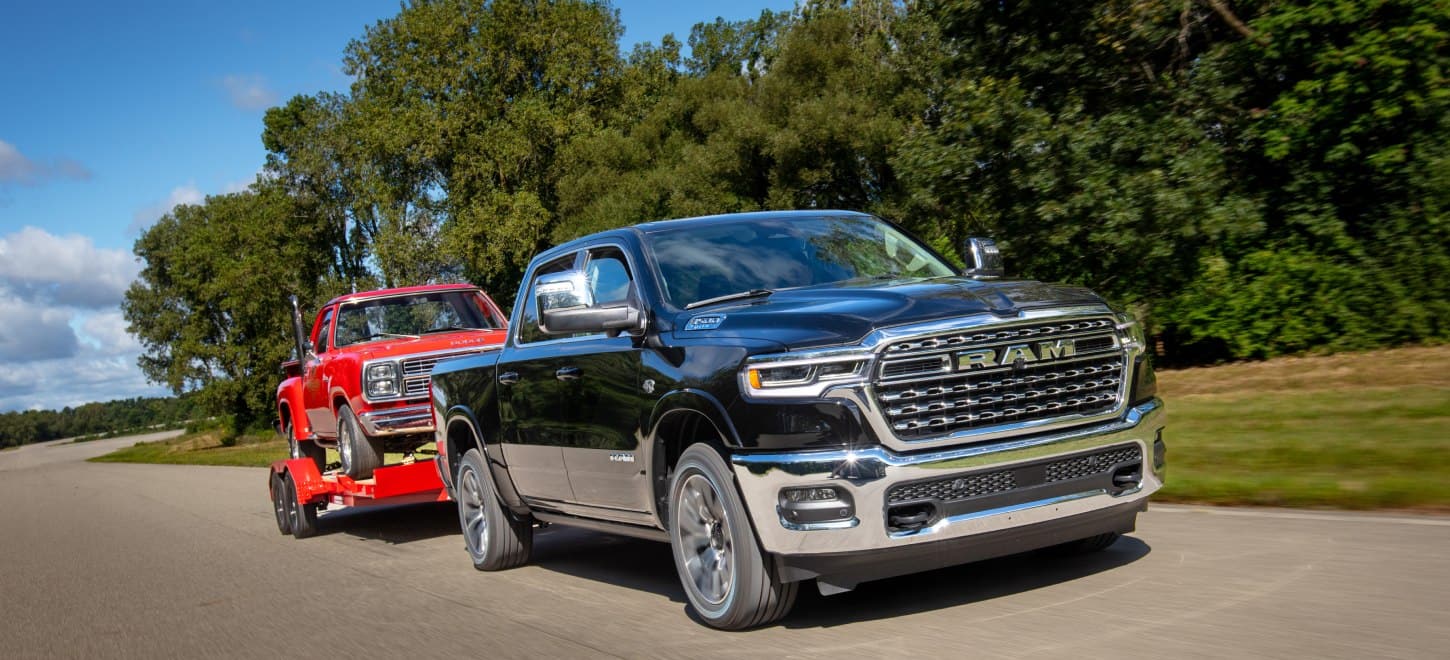
Yes. Four wheel drive and all wheel drive help a vehicle get moving, but they do nothing for stopping or turning, which is the tire's job, so a 4x4 or an all wheel drive SUV still needs four winter tires for a Manitoba winter. If you just took home a Ram 1500 or an all wheel drive Jeep this fall, the useful next step is to book your winter tire changeover with our service team and ask our parts department to price a matching set of four winter tires in your size.
This post is the other half of a question we have answered before. Our guide on whether you need 4x4 in Manitoba is about buying the drivetrain. This one is for the driver who already has it and wonders whether the tires still matter. They do, and the second half of this post explains why winter tires on only two wheels can leave a vehicle harder to control than the driver expects.
Key Takeaways
- The drivetrain helps you go; the tires help you stop and steer. Michelin Canada puts it plainly: AWD "helps your vehicle accelerate in snow, it does not help you stop or turn."
- Braking is a tire job. Manitoba Public Insurance states: "Winter tires are proven to reduce braking distance on icy roads by 25% or more."
- Fit winter tires as a set of four. Transport Canada advises sets of four for control and stability on ice.
- Two winter tires can upset the balance. With more grip at one end than the other, the end with less grip lets go first.
- Book the seasonal changeover with our service team before the first freezing rain, not the week of the first storm.
Why 4x4 Gets You Going but Not Stopped
A four wheel drive or all wheel drive system has one job. It sends engine power to both axles, so when you pull away from a stop sign on packed snow, four tires share the push instead of two. That is real and useful. It is why a 4x4 climbs out of an unplowed driveway that a two wheel drive car would sit in.

Now press the brake. A two wheel drive car brakes with four wheels too. The drivetrain has no part in stopping, and it has no part in steering either. When you turn the wheel, the front tires either grab the road or they do not. Antilock brakes and stability control can only work with the grip the tires give them.
Michelin Canada sums it up in one line: "your drivetrain helps you go, but only your tires help you stop."

There is a trap hidden in that. A 4x4 accelerates so cleanly on a slippery road that the driver gets no warning. A two wheel drive car spins its tires leaving the lot and the driver slows down without thinking about it. The 4x4 driver feels nothing unusual until the first hard stop, and by then the speed is already too high for the grip that is there.

Two Prairie Moments Where It Shows
The rink parking lot. Saturday morning at the arena, after a week of melting and refreezing under traffic, the lot is polished. The 4x4 backs out and pulls away without a slip. At the exit to the street the driver touches the brake, the pedal buzzes as the antilock works, and the truck slides past the line anyway. Four wheel drive was engaged the whole time. It could not help, because the problem was stopping.
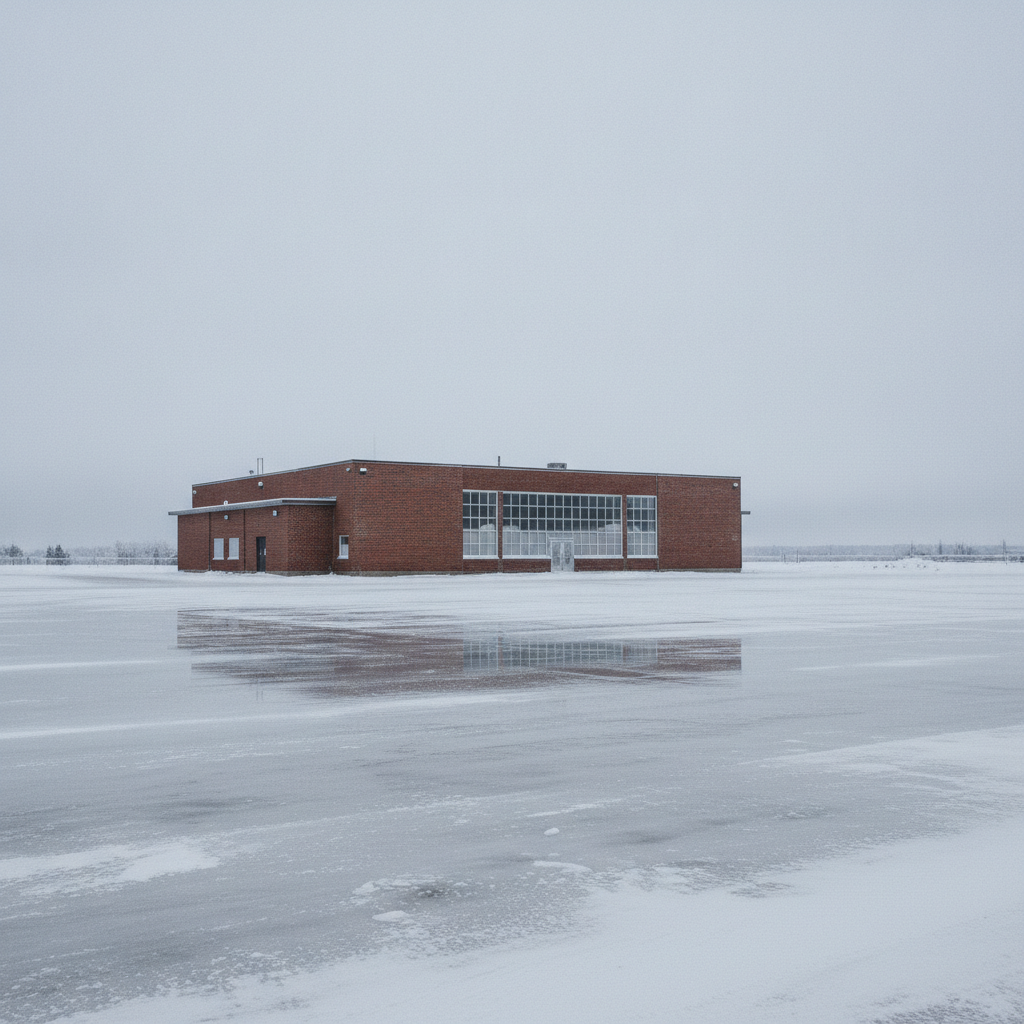
The first freezing rain on the Trans-Canada Highway. Picture the morning after the season's first freezing rain on Highway 1 east of Portage la Prairie. A 4x4 on worn all season tires gets up to highway speed without a hint of trouble, because the drivetrain is doing its job. Then a lane change around a slow grain truck asks the tires to turn on glaze, and there is nothing four wheel drive can add. That is how a perfectly good truck ends up facing the wrong way in the ditch.
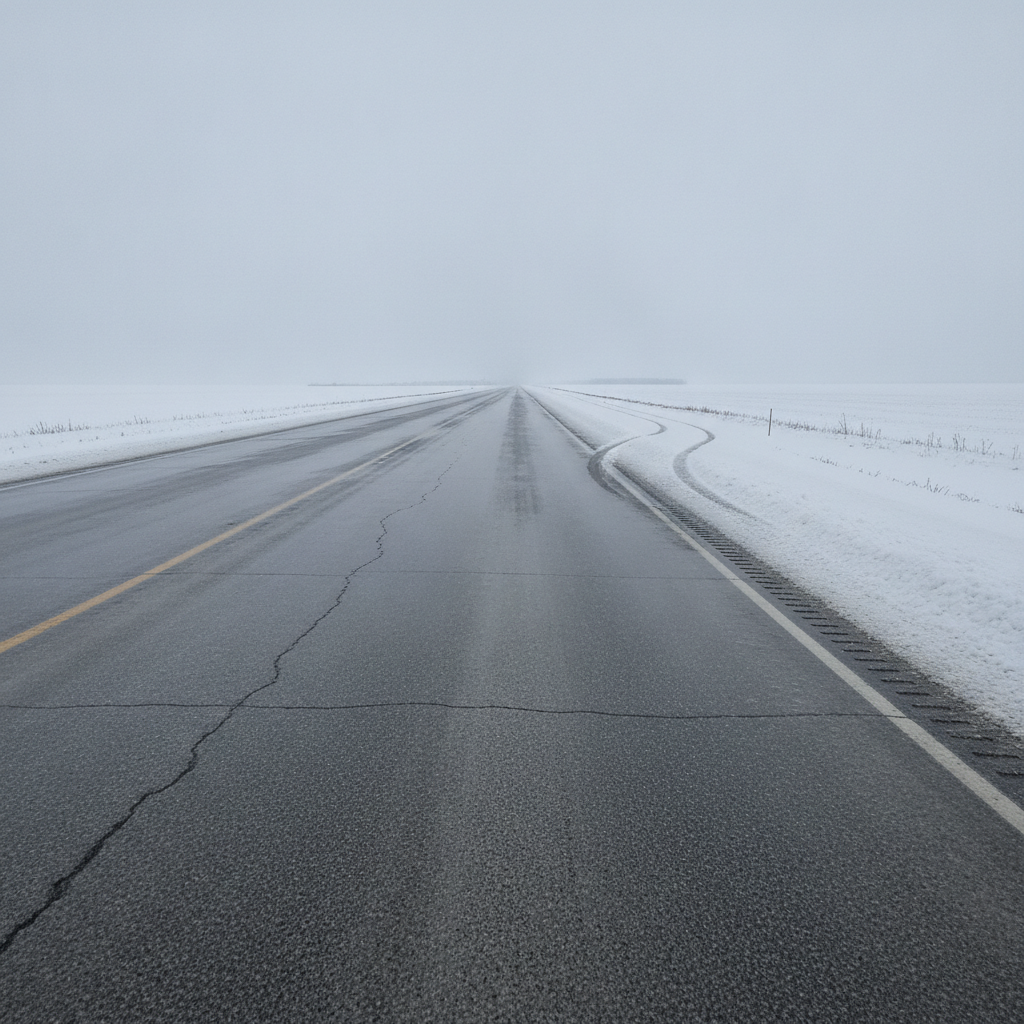
Neither moment needs deep snow. Transport Canada notes that at temperatures below 7 degrees Celsius, all season and summer tires begin to lose elasticity, leading to less traction. A November intersection in town, polished by a day of stopping and starting, is a tire problem long before the first real snowfall.
Four wheel drive still earns its keep out here, in drifts, on soft gravel and with a trailer. If you are unsure which range belongs on which road, our guide to using 4 High vs 4 Low on prairie roads explains what each range does and when to use it.
Why Two Winter Tires Can Make Things Worse
Here is the half of the conversation that surprises people. Two winter tires cost about half as much as four, so some drivers put a pair on one axle and leave the other two on all seasons. On paper that sounds like half the benefit. On the road it can be something different, because the vehicle now has more grip at one end than at the other.
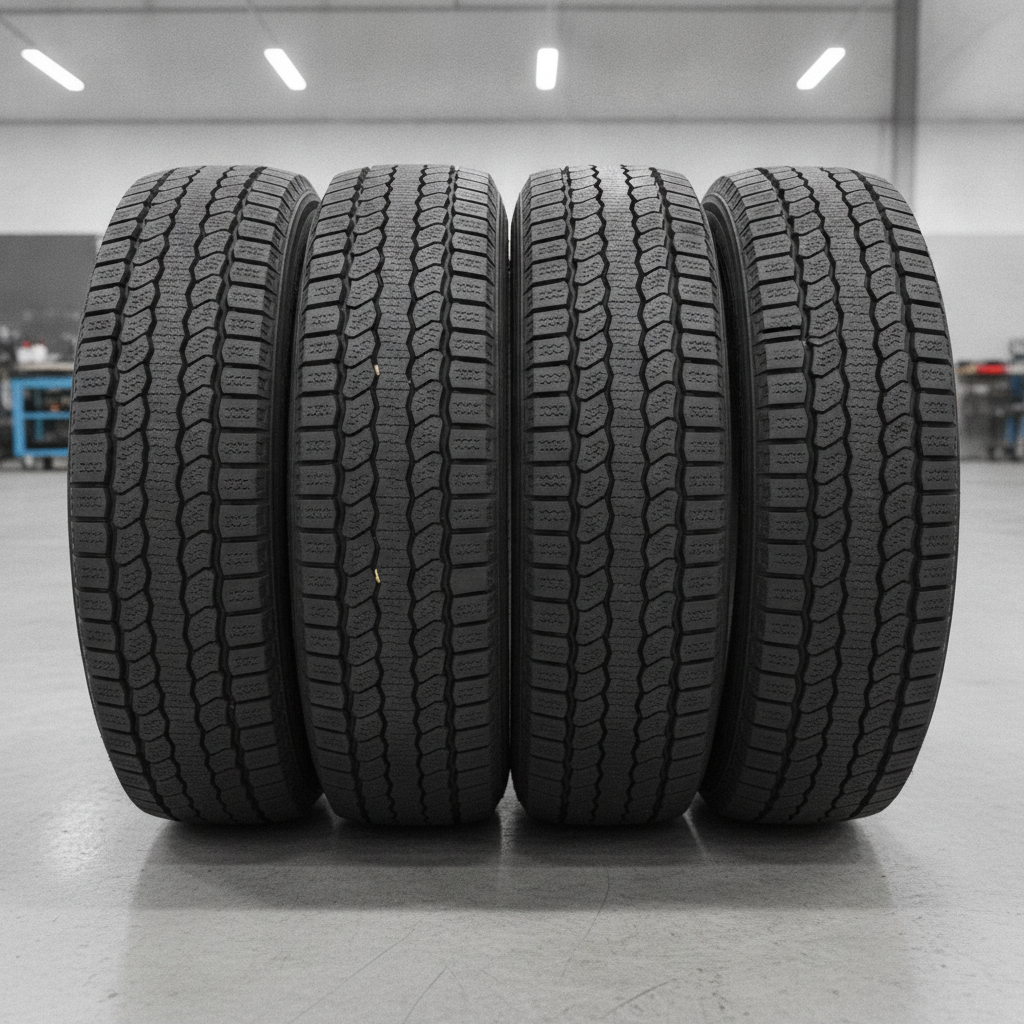
Think about what each end does in a braking turn on ice.
Winter tires on the front only. The front tires bite and steer. The rear tires, on harder rubber, can let go first. The back of the vehicle starts to come around, and a slide that begins at the rear is a hard one for a driver to catch.
Winter tires on the rear only. Now the rear grips and the front does not. You turn the wheel at the rink exit and the vehicle keeps going straight, pushing through the corner toward the curb.
Either way, the two ends of the vehicle react differently to the same patch of ice. On four matching tires, front and rear lose grip more evenly, and the driver feels it as one vehicle. On a mixed set, one end lets go first. That is why two winter tires can leave a vehicle less predictable than a driver expects, even compared with the four tires they had before.
The Canadian guidance is clear on this. Transport Canada's Using Winter Tires page says: "To help maintain control and stability of your vehicle in icy conditions, you should install winter tires in sets of 4." The same page adds: "Don't mix tires with different tread patterns, internal construction, and size as they will make your vehicle less stable." Transport Canada has also produced a demonstration comparing stopping distances and cornering between vehicles with two winter tires and vehicles with four.
The tire makers say the same thing. Michelin Canada warns: "Mixing tires by only installing two winter tires can create a dangerous imbalance in traction, leading to unpredictable handling and longer stopping distances."
The third place to look is your own glovebox. Read the tire section of your owner's manual for what Ram, Jeep, Dodge or Chrysler says about matching tires on your model and drivetrain before you mix anything.
Getting the Set On Before the First Freezing Rain
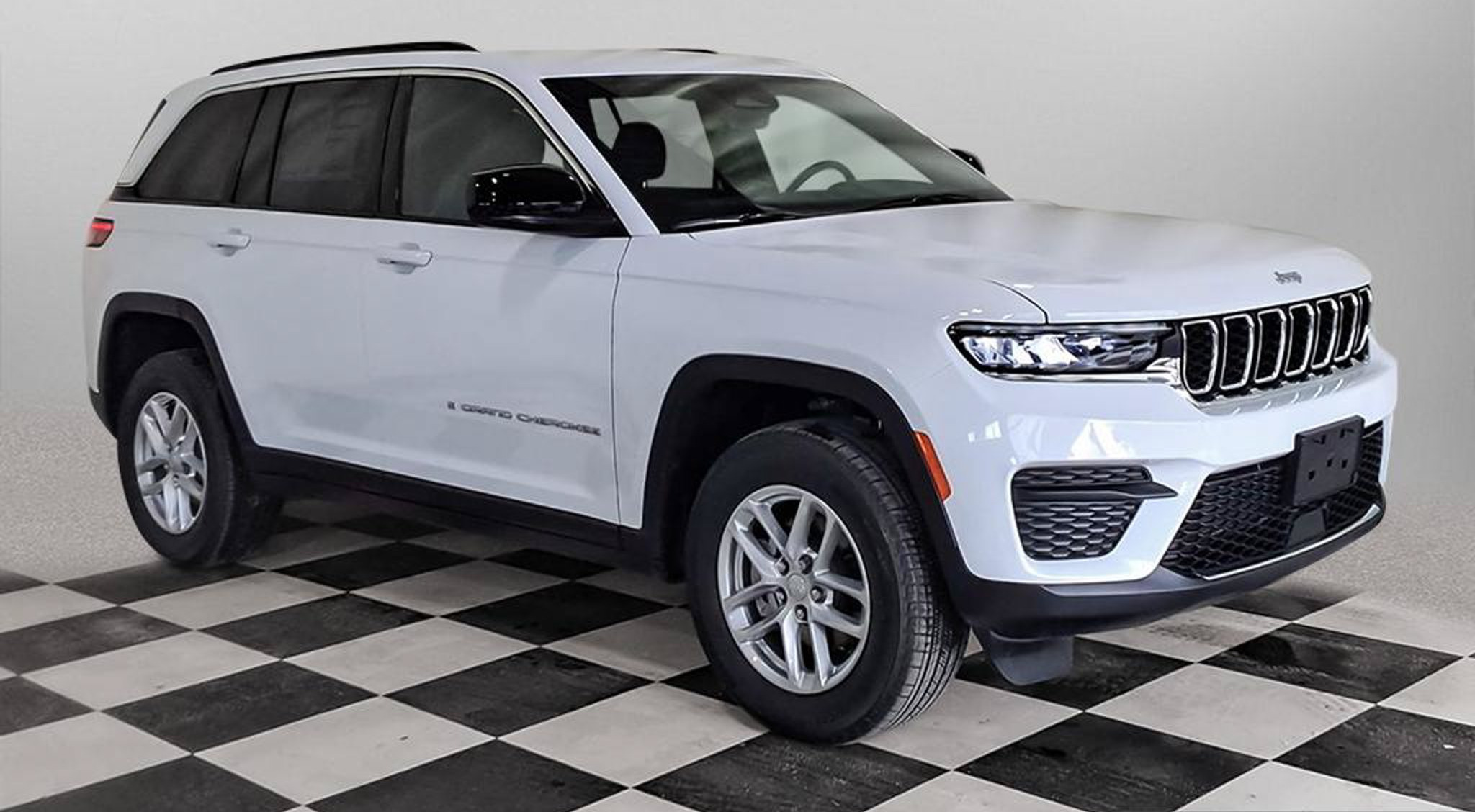
Our service department supplies and installs new tires and does the seasonal changeover. The simplest plan is to reserve a changeover appointment for when the overnight lows start sitting near freezing, rather than the week the first storm is in the forecast.
We are a participating retailer in the MPI Winter Tire Program, run by Manitoba Public Insurance. As of October 1, 2026 the MPI Winter Tire Program covers tires marketed solely as winter tires; all weather and all season tires no longer qualify, even with the mountain snowflake mark. If you are still weighing an all weather tire for other reasons, our comparison of all weather vs winter tires in Manitoba covers how the two differ.
Before you call, find the tire size on the placard inside the driver's door jamb. Bring it to our parts counter in Portage la Prairie and ask for a price on four, so the quote matches what is on the truck now.
FAQs
Do I need winter tires if I have all wheel drive?
Yes. All wheel drive helps you accelerate on snow, but it does not help you stop or turn. Michelin Canada says AWD "does not help you stop or turn," and Transport Canada advises fitting winter tires in sets of four for control and stability on ice.
Can I put just two winter tires on my 4x4?
No, it is not recommended. Transport Canada says to install winter tires in sets of four, and Michelin Canada warns that only two can create a dangerous imbalance in traction, with unpredictable handling and longer stopping distances.
Does four wheel drive help me stop on ice?
No. Four wheel drive sends power to both axles to help you get moving, and it has no part in braking. Manitoba Public Insurance credits winter tires with cutting braking distance on icy roads by 25% or more.
Do winter tires matter on cold, dry pavement?
Yes. The switch is about temperature and not only snow: according to Transport Canada, all season and summer tires begin to lose elasticity at temperatures below 7 degrees Celsius.
Can Dunn Ram Trucks install winter tires on my 4x4 or SUV?
Yes. Our service department supplies and installs new tires and does the seasonal changeover. We are a participating retailer in the MPI Winter Tire Program, so if you qualify, you can apply for the program's financing with us; Manitoba Public Insurance sets who is eligible.
The Bottom Line
Four wheel drive is a going system. Stopping and turning belong to the tires, and on a Manitoba road in November that is where the trouble starts. Put a matched set of winter tires on four wheels, and the truck or SUV you already own behaves as one vehicle on ice instead of two halves arguing with each other.
Get the size off your door jamb, ask our parts department for a quote on a set of four, then book the tire installation before the first freezing rain finds Highway 1.
Tyler Dunn, Dunn Ram Trucks, Portage la Prairie

























