
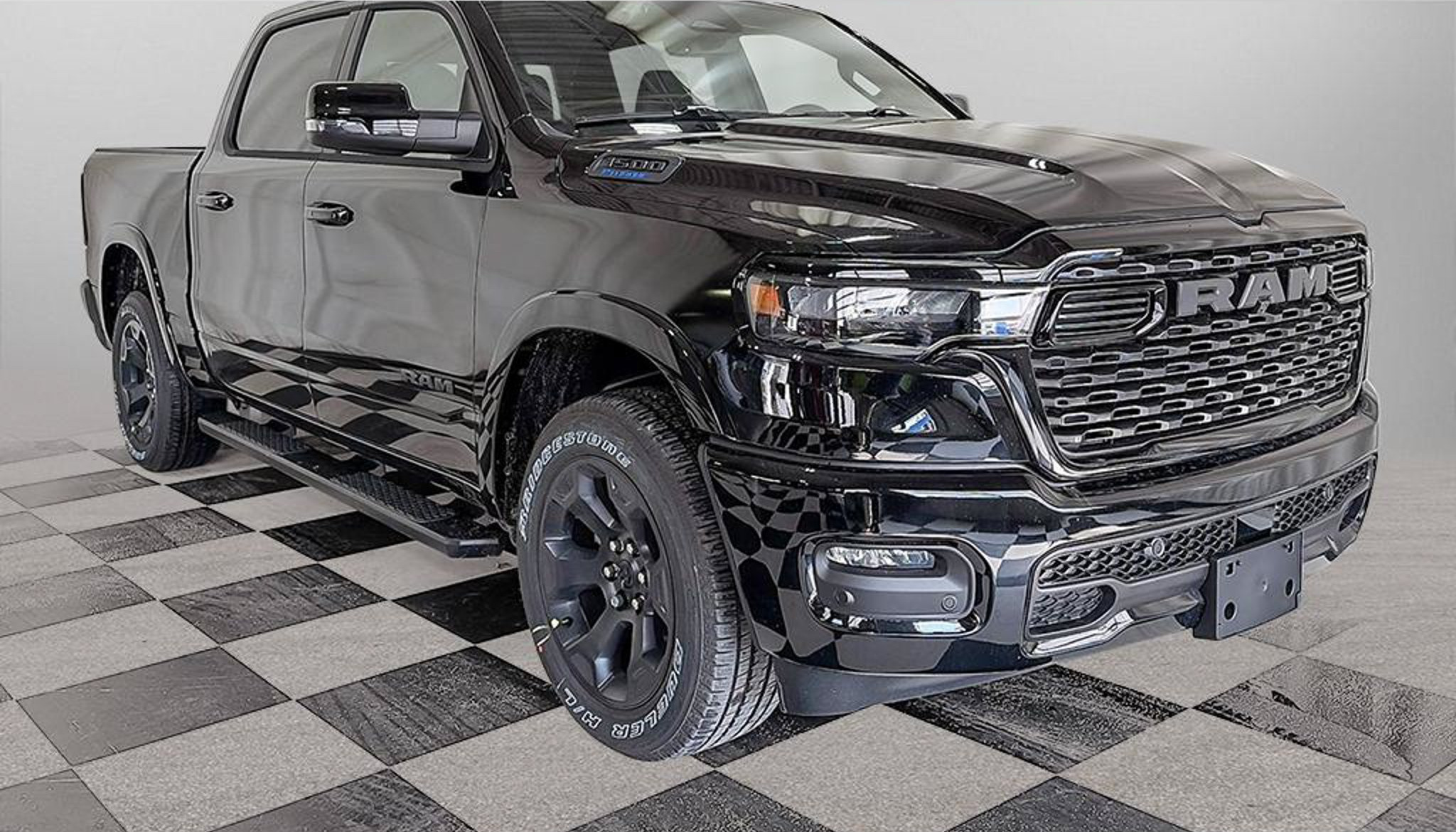
Your neighbour's sedan and your Ram both get fresh oil and a new filter, so it is fair to ask whether a truck oil change is really any different. Out here the honest answer is yes, and most of the difference has nothing to do with the size of the drain pan. It comes from how a pickup around Portage la Prairie actually lives. Started at minus 30 in January. Run down a gravel road to the yard all summer. Idling at the edge of a field while the grain cart fills. Hooked to a stock trailer or a flat deck more weekends than not.
That is the kind of use Ram's severe schedule was written for, and it is why the oil change message on a prairie truck so often shows up sooner than the owner expected. If yours is due, you can book a truck oil change with our service department in a couple of minutes. Here is what sets a pickup apart, and what to know before the next one.
Key Takeaways
- Most Manitoba pickups are severe service trucks. Ram Canada says a gas engine should never go past 16,000 km or 12 months between oil changes, and not past 6,500 km with excessive idling or dusty or off road driving. A gravel road counts.
- The oil change message is not a fixed countdown. Short trips, trailer towing and very cold or very hot weather bring it on sooner. That is the system doing its job.
- The engine decides the oil, not the truck. Ram pickups have been built with several engines, and they do not all take the same grade. The fill cap and the owner's manual settle it.
- The filter carries more of the load on a gravel truck. It holds the fine dirt that gets past the air filter, so a cheap one is a poor trade.
- Towing season should move the date. If the message is getting close, change the oil before the big haul, not after it.
- A Cummins diesel runs on its own schedule. Never apply a gas engine number to it.
Why a Pickup Is Harder on Oil Than a Car

A typical car spends its life on pavement carrying a driver and a bag of groceries. A pickup carries weight in the box, pulls weight behind the hitch, breathes dust, and in this province spends half the year starting cold and running short.

Ram's owner's manuals list frequent short trips, trailer towing and extreme hot or cold temperatures among the conditions that change when the oil change message appears. On its Canadian service page, Ram adds a hard line for the worst of it: with excessive idling, or dusty or off road conditions, do not exceed 6,500 km. The general ceiling for a gas engine is 16,000 km or 12 months, whichever comes first, and Ram's wording is that the interval should never go past it under any circumstances.
A commuter car on the highway to Winnipeg may live near the long number. A farm truck that runs a gravel road every day is, by Ram's own definition, on the short one. We go deeper on the numbers in our post on the Ram 1500 oil change interval, so this page sticks to what makes a truck different.
Idling Counts More Than the Odometer Shows
This is the one most owners miss. A truck warming up in the yard for ten minutes on a January morning, sitting at the field while the combine unloads, or running with the heater on outside the rink is burning through oil life while the odometer barely moves.

The oil is circulating and collecting byproducts, and on a cold day the engine may never get hot enough to cook off the moisture that condenses in the crankcase. That is why Ram names excessive idling in the same sentence as dust. If your truck idles a lot, do not judge the oil by the kilometres since the last sticker. Let the oil change message and the calendar decide.
The 12 month limit matters here too. A truck that only comes out from seeding to harvest still needs its oil changed once a year. Oil ages in the pan whether the wheels turn or not.
The Right Oil and the Right Fill
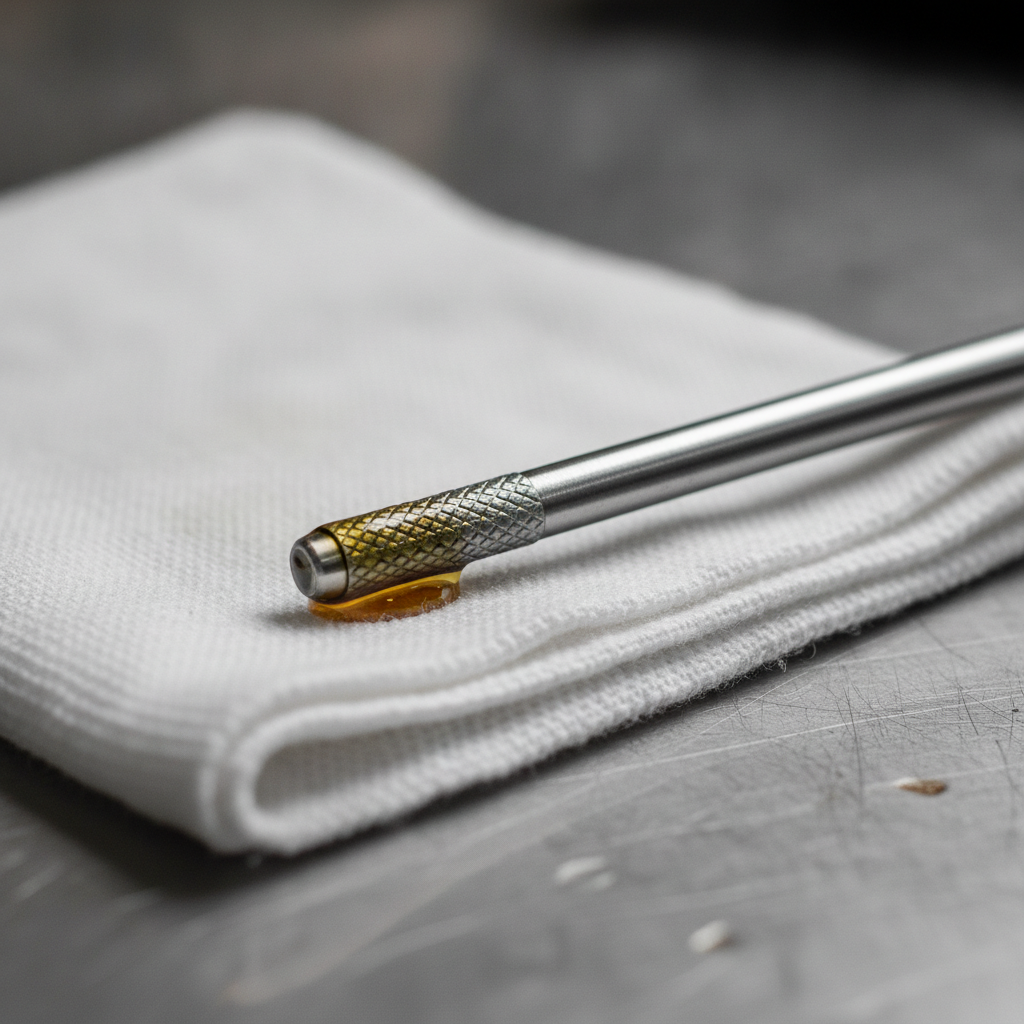
A pickup line has several engines, and they do not share a grade. Over recent years a Ram 1500 has been built with the 3.6 litre Pentastar V6 eTorque, the 5.7 litre HEMI V8, and the 3.0 litre Hurricane six in two versions, Standard Output and High Output. The two Hurricanes do not take the same oil, even though they share a name and a displacement. A current Ram 2500 or 3500 runs either the 6.4 litre HEMI V8 or the 6.7 litre Cummins turbo diesel, and those are different again.
So the rule is simple. Read the oil fill cap and the owner's manual. The cap carries the viscosity grade the engine was built for, and the manual adds the Chrysler material standard the oil has to meet. A bottle with the right grade and the wrong approval is still the wrong oil. Our guide to Ram 1500 oil type and capacity walks through each engine.
The fill is the other half. A truck engine generally holds more oil than a small car engine, and the exact figure depends on the engine and model year. Use the with filter capacity from your owner's manual, run the engine briefly so the filter fills, shut it off for a few minutes, then read the dipstick on level ground and top up to the full mark. Overfilling is not extra protection. A crankshaft that churns too much oil can whip air into it.
Why the Filter Matters More on a Gravel Truck
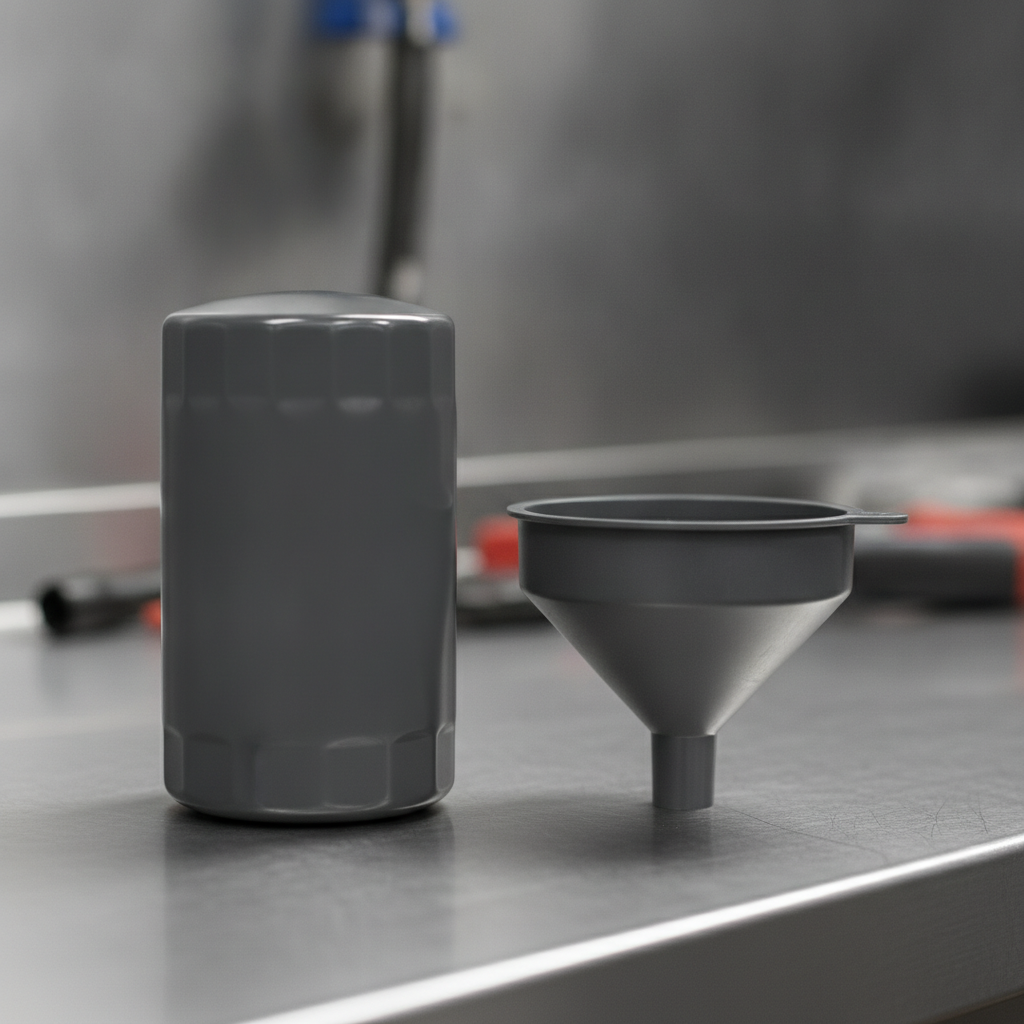
The air filter is the first line against dust. The oil filter catches what got past it, along with the wear metal and combustion byproducts every engine makes. On a gravel truck it works harder than it would in a city car, and it is the part people are most tempted to cheap out on.
Mopar lays out why that is a poor trade. On Ram Canada's service page, it describes its filter with a steel canister and double seal, steel end caps, glass enhanced cellulose media for fine particles, and a safety bypass valve. It says bargain filters can use fibreboard end caps, up to 41 percent less filter material, and often no bypass valve at all.
The filter gets changed with the oil every time, and it has to match the engine. Our parts department can match the oil and filter to your VIN if you do your own.
When Towing Season Should Move the Date
Here is a scenario we would steer anyone away from. The message came on two weeks ago, the plan was to deal with it after harvest, and meanwhile the truck is pulling a loaded trailer through August on oil already near the end of its life. Heavy load means heat, and heat is hard on tired oil.
The fix is timing. If the oil life is getting low and a towing stretch is coming, whether that is hauling bales, moving cattle or taking the camper to the lake, change it before you hook up. The same thinking applies to fall. A truck that towed all summer goes into its first minus 30 morning better off on fresh oil, and a block heater on the cold nights helps that oil move at start up.
What Happens Under the Truck
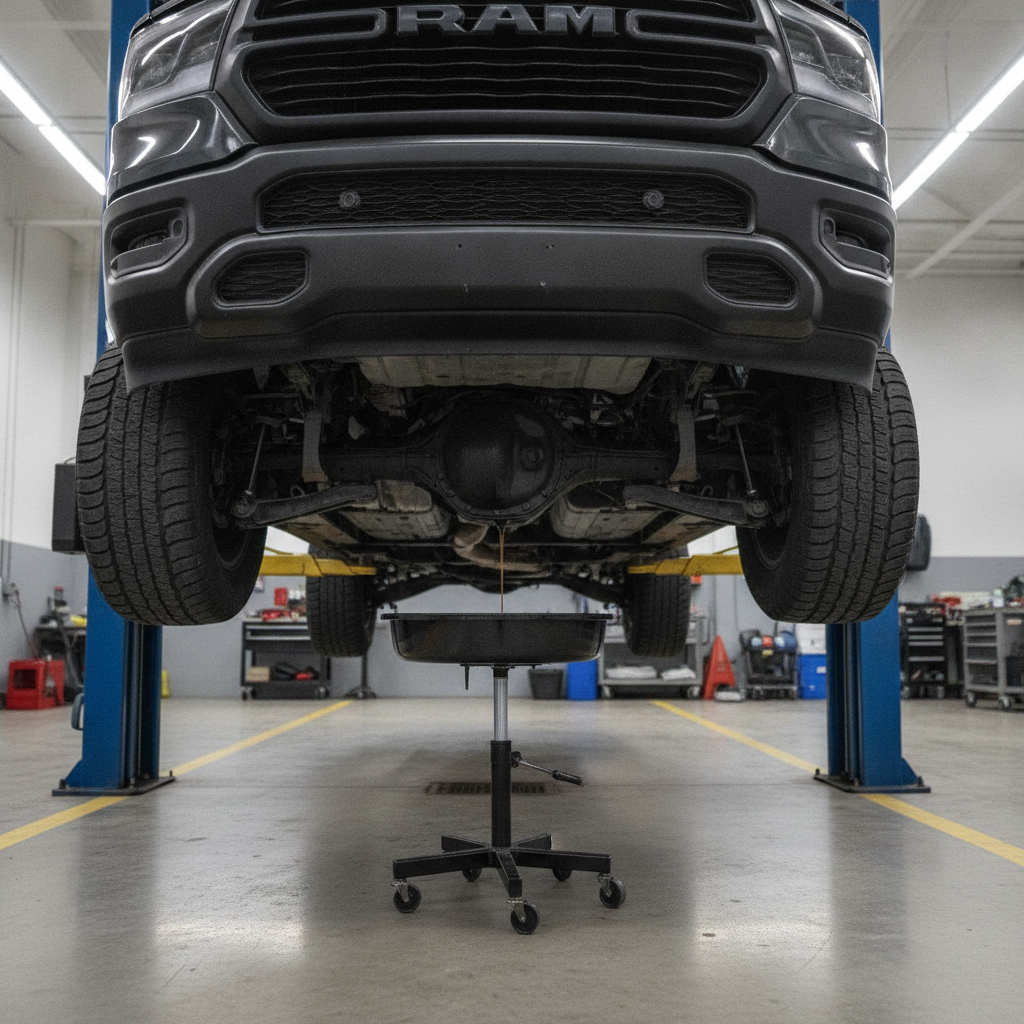
A pickup sits higher and some trims carry underbody skid plates, so a truck oil change is a hoist job more often than a car's. That time in the air is valuable. Whoever changes your oil can see the underside while they are there: leaks around the pan and the differentials, the condition of the hitch and the trailer wiring, and what a season of gravel has done to the lines and the suspension.
Ask for that look, and ask what they saw. On a prairie truck, the underside is usually where the news is. Our service centre covers what else gets checked while the truck is up.
Diesel: The Short Version
If your truck has the Cummins, treat everything above about idling, towing and dust as doubly true, and then set the gas numbers aside. A diesel uses a different oil and its own schedule, and Ram Canada points diesel owners to the owner's manual for the exact requirements. Follow the manual and the truck's oil change message. Our post on how long a Cummins lasts explains why oil discipline is the biggest single factor in how many kilometres you get out of one.
FAQs
Is a truck oil change different from a car oil change?
The basic job is the same: drain the old oil, change the filter, refill with the right grade. What differs is the use. Towing, idling, gravel dust and cold short trips put most pickups on Ram's severe schedule, the engine choices call for different oils, and the fill is usually larger.
How often should a truck get an oil change in Manitoba?
For a gas Ram, Ram Canada's ceiling is 16,000 km or 12 months, whichever comes first, and 6,500 km with excessive idling or dusty or off road driving. Many prairie trucks fall under the shorter figure. Between those limits, follow the oil change message.
Does towing mean more frequent oil changes?
Yes. Ram lists trailer towing among the conditions that bring the oil change message on sooner. If the oil life is low and a towing stretch is coming, change it before you go.
Can I put the same oil in my truck that I use in my car?
Only if the grade and the Chrysler material standard match what your truck's engine calls for. Check the oil fill cap and the owner's manual. Even two versions of the same Ram engine can take different oil.
The Bottom Line
A truck oil change is the same job as a car's, done for a harder life. Out here that life means gravel dust, idle time, heavy trailers and minus 30 starts, which is why so many Manitoba pickups belong on the short schedule. Read the fill cap, use a proper filter, fill to the dipstick rather than the jug, and move the date ahead of a towing season instead of behind it.
When yours comes due, book your truck oil change and ask what we see underneath while it is on the hoist. If you would rather do it yourself, our parts department will match the oil and filter to your VIN.
Tyler Dunn, Dunn Ram Trucks, Portage la Prairie

























