
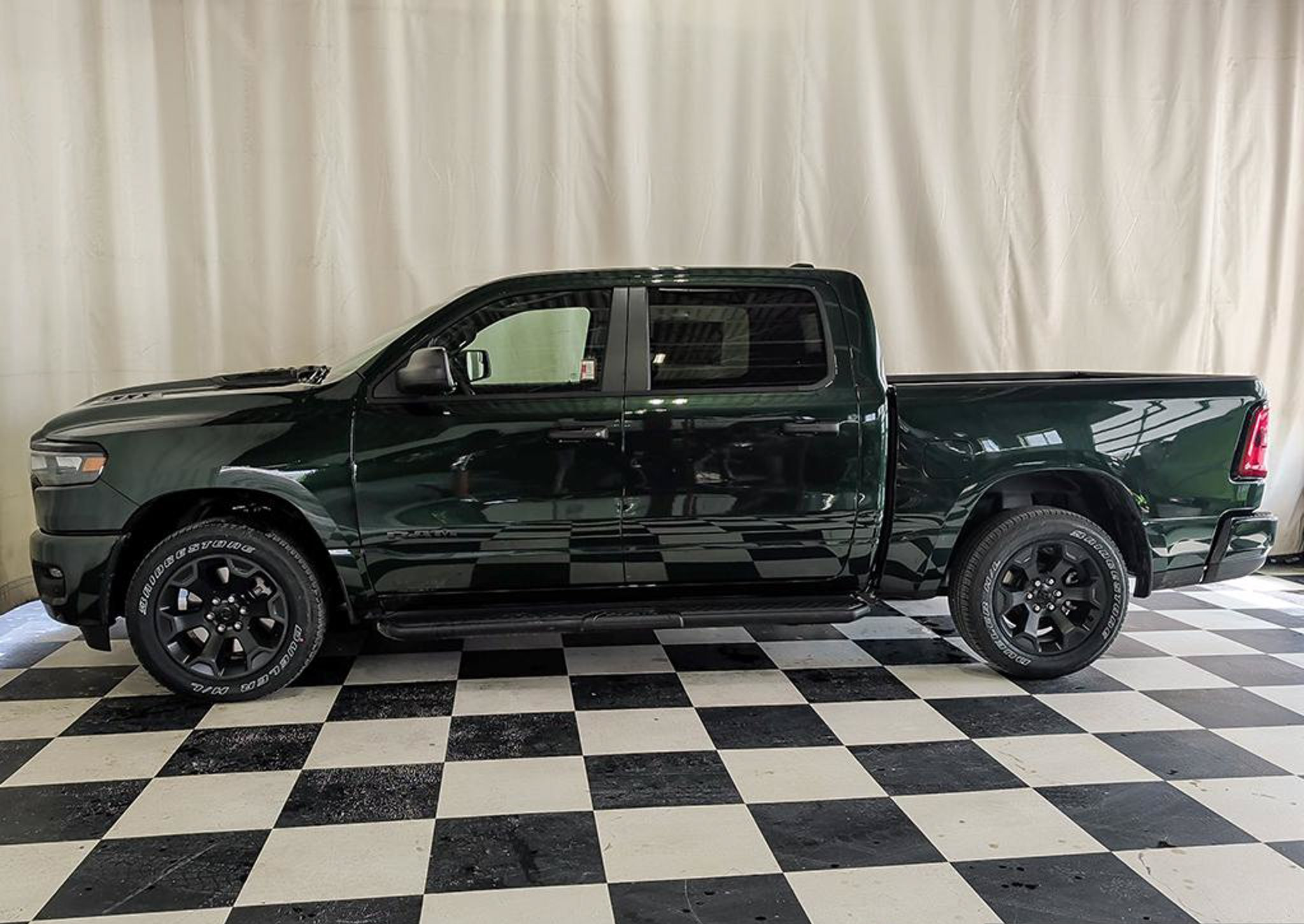
Somebody in your family swears by studs. Somebody else says they are noisy, old fashioned and hard on the road. Both of those people are describing something real, and the reason the argument never ends is that studs are genuinely excellent at one specific job and genuinely worse than a good studless winter tire at most of the others.
This is the sorted version for a Manitoba driver. What the law allows and when, where studs actually earn their keep out here, where a modern studless winter tire is the smarter buy, and what studs cost you in tire life. If you already know which way you are going, our parts department can price the set and get the order in before the October wave hits.
Key Takeaways
- The legal window is October 1 to April 30. Manitoba's driver handbook puts it plainly: studded tires are illegal between April 30 and October 1. Outside that window they have to be off the vehicle, so they are a seasonal commitment, not a set you leave on.
- Studs win on ice, particularly the wet ice near freezing. That is the surface where a rubber compound has the least to work with and a metal point has the most. A polished, thawed and refrozen side street is exactly that surface.
- Studless winter tires have closed a lot of the gap. Modern winter compounds and heavy siping grip cold ice and packed snow far better than the studless tires of twenty years ago, and they beat studs on bare cold pavement, which is most of the Trans Canada most of the winter.
- Studs cost you in three ways: noise, grip on bare dry pavement, and their own wear. Studs that wear down stop helping long before the tread does.
- MPI's Winter Tire Program can finance studding, with limits. The program covers up to $2,000 per vehicle at prime plus 2 percent over one to four years, and studding is on its list of financeable items with some limits applying. Ask before you assume.
The Legal Answer First
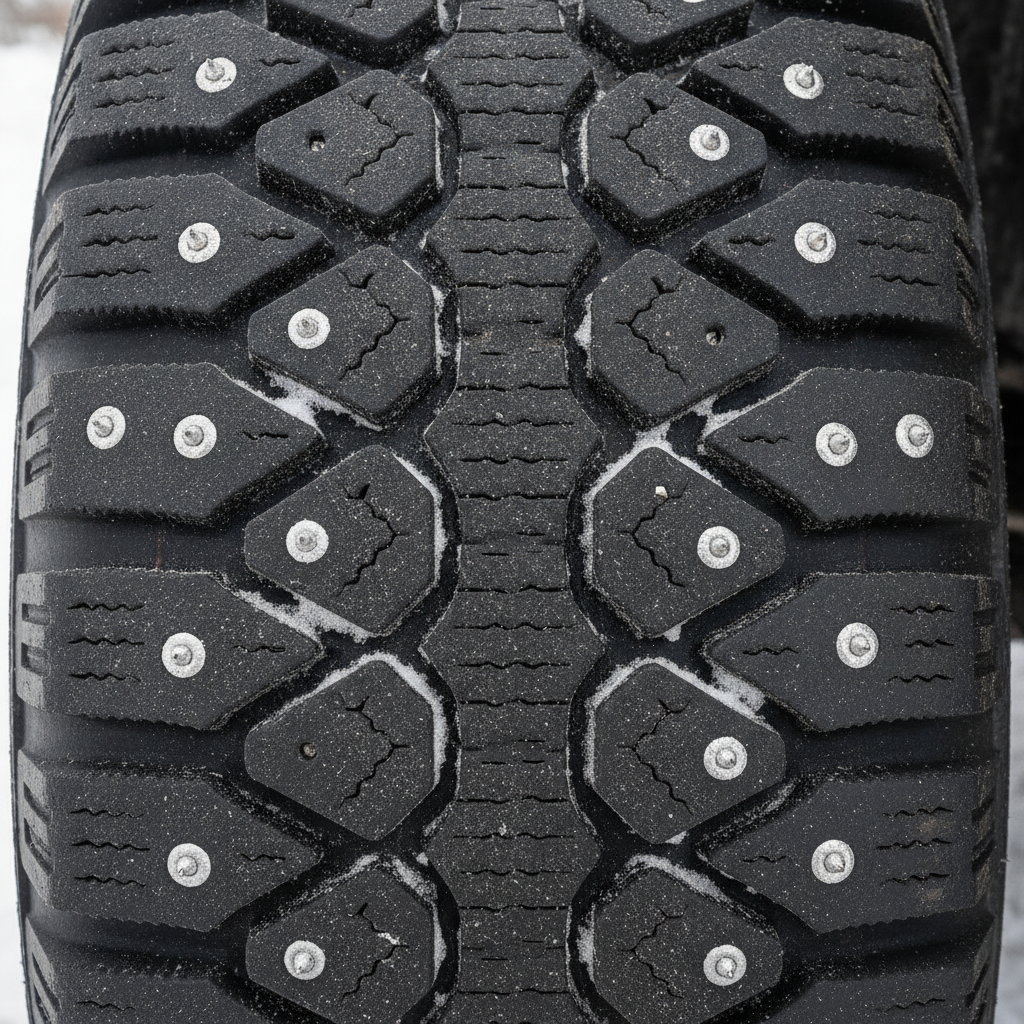
Manitoba does not ban studs, it schedules them. The Manitoba driver handbook's wording is short and unambiguous: studded tires are illegal between April 30 and October 1. Read from the other direction, that is a window running from October 1 through April 30 in which studded tires are permitted on Manitoba roads.

Two practical notes on that.
The first is that the spring end of the window is a real deadline with a real date, and it is one people forget. A set of studs still on the truck in May is not a grey area. Build the removal into your spring plan the same way you build in the changeover.
The second is that if you drive across a provincial or state line, the rules change. Other jurisdictions run different dates and a few restrict studs much harder than Manitoba does. If your winter includes a run south or west, check the rules where you are going before you commit to a studded set.

Whether winter tires themselves are legally required here is a separate question from whether studs are allowed, and it is one people mix up constantly. Our post on winter tires required by law in Manitoba covers that side properly.
When Studs Genuinely Win
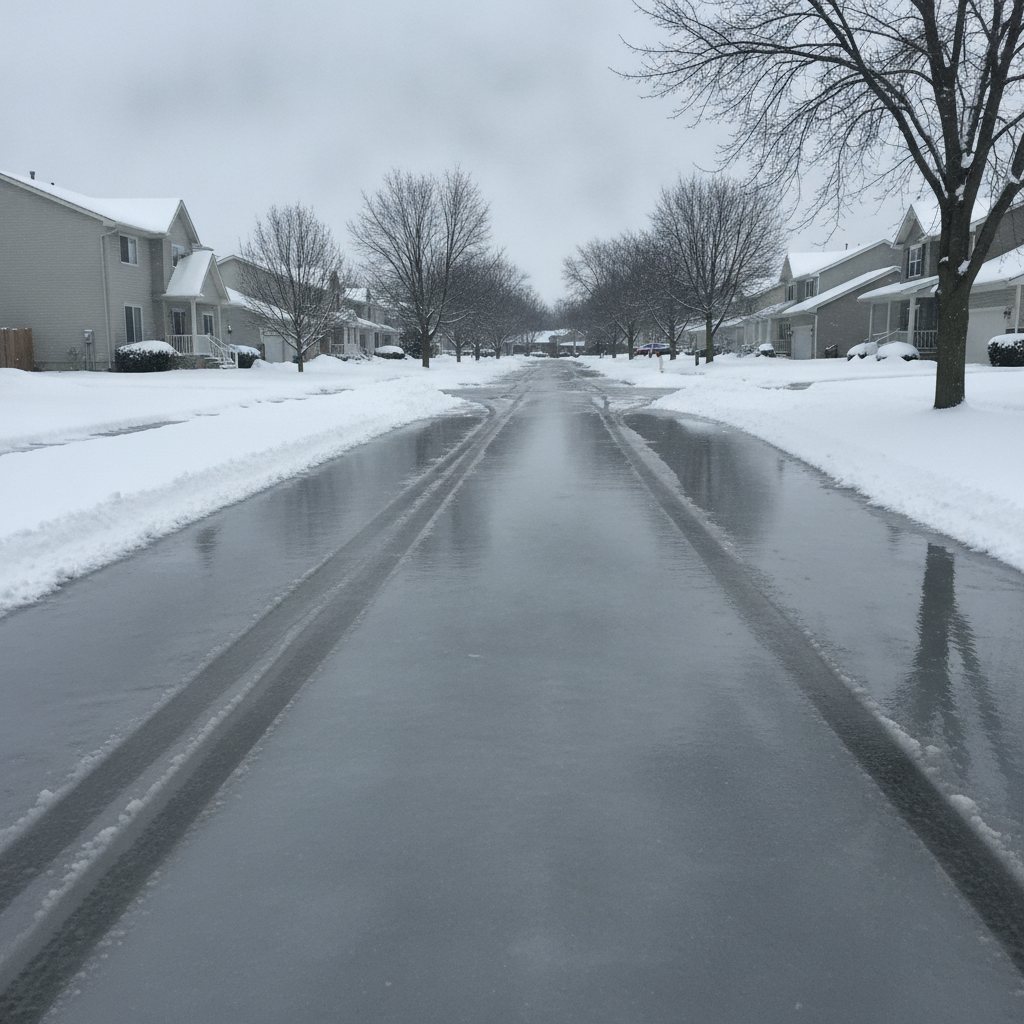
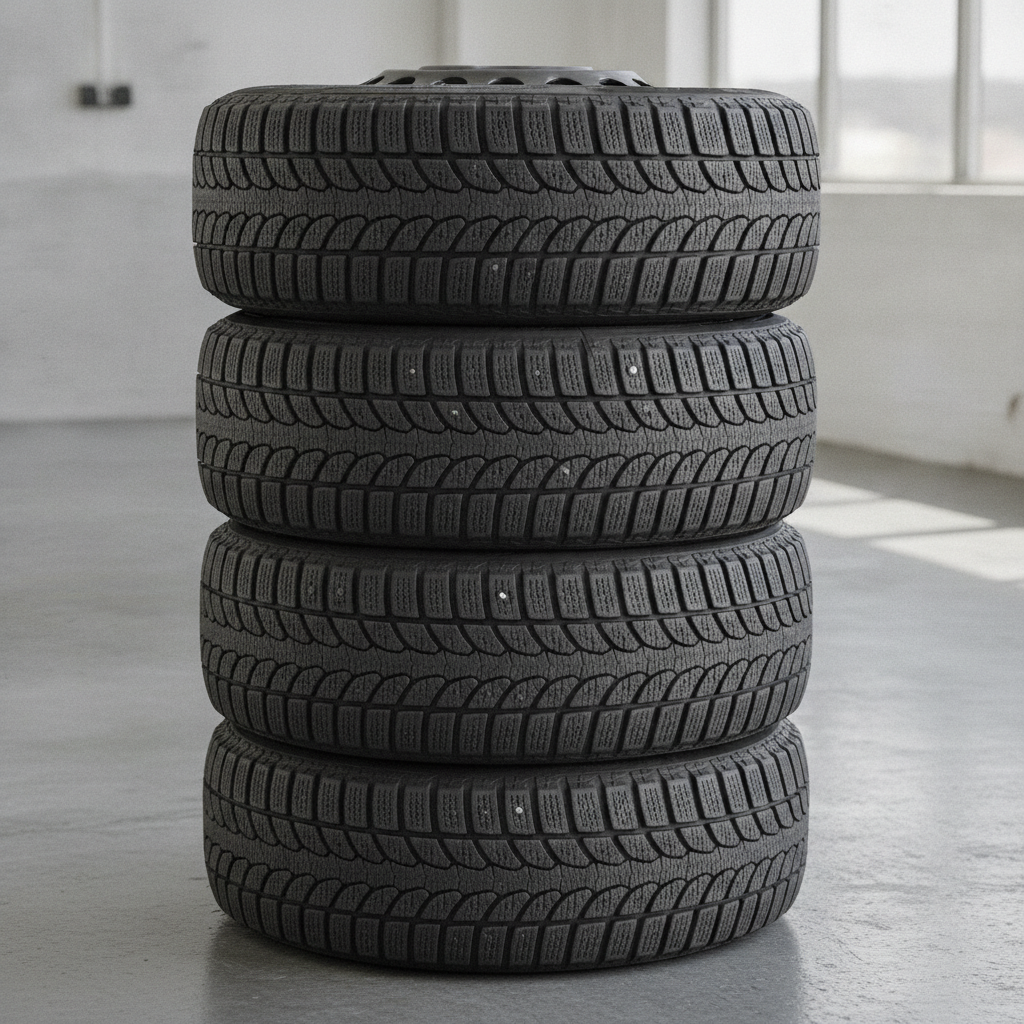
A stud works by putting a hard point through the surface instead of asking rubber to hold onto it. That is a narrow advantage, and it is a big one where it applies.
Polished ice near the freezing mark. The most slippery surface any of us drive on is not minus 30 ice. It is ice hovering around zero with a film of water on top, which is what you get on a January thaw followed by a hard freeze, or on a March afternoon. Rubber struggles on that film. A stud does not care about it.
Packed and glazed side streets. In town, the streets that get driven and never quite cleared turn into a polished sheet by February. Around Portage la Prairie the back streets and the approaches hold that glaze for weeks.
Gravel road grades and approaches. If your driveway is a climb, or you come out of a yard onto a graded road that turns to ice where everybody spins, studs are worth real money on those twenty metres. This is the case we hear most often from customers out on the RMs, and it is a legitimate one.
Long stretches of untreated road. If your daily route never sees sand or salt, the surface you drive is whatever the weather made. That is stud country.
If most of your winter kilometres look like the list above, studs are a defensible choice and we will order them for you without trying to talk you out of it.
When a Studless Winter Tire Is the Better Call
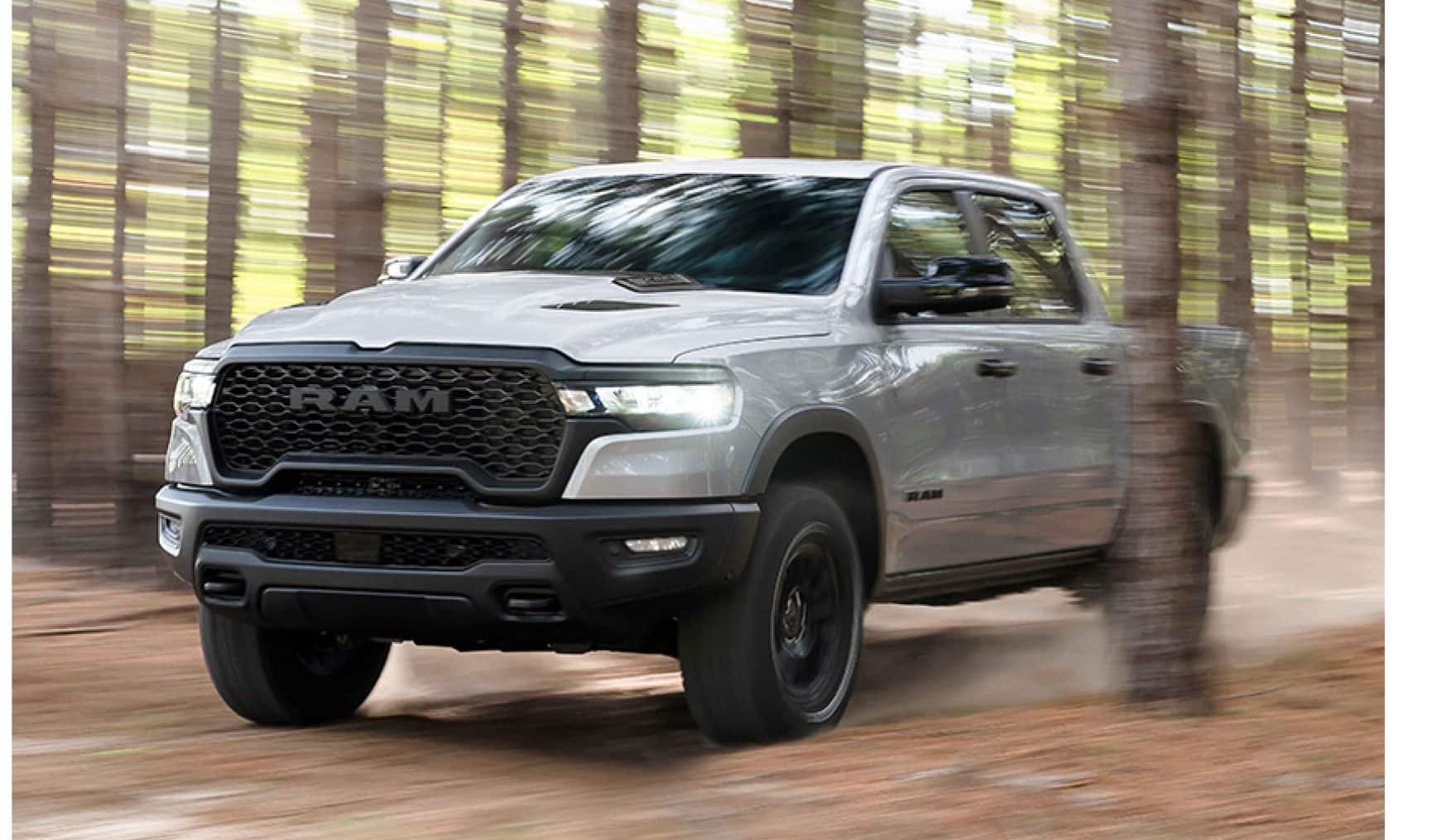
Now the other side, and this is where most Manitoba drivers actually live.
Bare cold pavement. Grip on dry or merely cold pavement comes from rubber in contact with the road. A stud is a metal point standing where rubber would be, so on bare pavement studs give up braking and cornering grip rather than adding it. If your commute is the Trans Canada into Winnipeg and it is cleared and sanded most mornings, you are spending most of the winter on the surface studs are worst on.
Noise and comfort. Studs hum. On a highway commuter that never stops being noticeable, and on a quiet modern crew cab it is out of place.
The gap has narrowed. The honest current picture is that dedicated studless winter tires have improved enormously. Deep siping, softer compounds that stay pliable well below freezing, and tread designs built to clear slush have taken a great deal of what used to be the stud's exclusive territory. Studs still lead on wet ice. On packed snow, cold ice and everything else, a good studless winter tire is close and often better overall once you count the bare pavement kilometres.
Stud wear. This is the part nobody mentions at the counter. Studs wear down and retract with use, especially when they spend their days on bare pavement. A set that is two or three winters old can still have plenty of tread and very little stud left, which means you are carrying the noise and the pavement penalty without the ice benefit you paid for.
The thing we see on trade ins tells the same story. A truck that ran studs hard on cleared highway pavement all winter, every winter, comes in with tires that have worn unevenly and studs that are sitting low in their holes. That is not a failed tire, it is a tire that was used on the wrong surface for what it was built to do.
Matching the Decision to Your Actual Winter
The useful way to decide is not "which is better", it is "what does my winter mostly consist of".
- Mostly cleared highway, Winnipeg commute, sanded streets: a quality studless winter tire, all four corners.
- Mostly untreated rural roads, a yard approach with a grade, glare ice side streets: studs are a real answer.
- A bit of both, and you are not sure: studless. It is the better all round choice and it does not carry a removal deadline in the spring.
Whichever way you land, the size is not optional. Match the set to the placard on your door jamb, not to what looks right. Our post on Ram 1500 winter tire size walks through reading that placard and the common half ton fitments, and when to replace truck tires covers the tread depth question if what you are really deciding is whether this set has one more winter in it.
MPI, Studding, and the October 1 Change
Manitoba Public Insurance runs a Winter Tire Program that finances winter tires for eligible customers, and studding appears on its list of financeable items with some limits applying. That is worth a direct question rather than an assumption, because the limits are the part that decides it.
In MPI's own terms the program offers up to $2,000 per vehicle at prime plus 2 percent interest, repayable over one to four years. Eligibility runs to MPI customers who own a passenger vehicle or light truck registered in their name with no outstanding MPI payments or restrictions. The process is straightforward: visit a participating retailer and choose your tires, bring your driver's licence and vehicle registration, and the retailer confirms eligibility and completes the loan setup. We are a participating retailer, so that happens here at the same desk as the order.
One date to know. Effective October 1, 2026, MPI's approved tires must be designed and marketed solely for winter driving conditions. Tires marketed as all weather, all season, four season or year round stop qualifying for the program from that date, even ones carrying the Three Peak Mountain Snowflake symbol. A dedicated winter tire, studded or studless, is unaffected by that change. If an all weather tire was your plan and you wanted the program to carry it, September is the window.
FAQs
Are studded tires legal in Manitoba?
Yes, seasonally. Manitoba's driver handbook states that studded tires are illegal between April 30 and October 1, which means they are permitted from October 1 through April 30. Outside that window they must come off the vehicle.
When do studded tires have to come off in Manitoba?
By April 30. That is a real date, not a guideline, and it is the one people forget. Book the spring changeover before it arrives rather than after.
Are studded tires better than regular winter tires?
On wet ice near the freezing mark, yes, clearly. On bare cold pavement they are worse, because a metal point is standing where grippy rubber would be. On packed snow and cold ice a modern studless winter tire is close. Pick based on what surface your winter kilometres are actually driven on.
Do studded tires damage the road?
Studs are hard on pavement, which is why many jurisdictions restrict their season or ban them outright. Manitoba's answer to that is the October 1 to April 30 window rather than a ban.
Do studs wear out?
Yes, and sooner than the tread does. Studs retract and wear with use, especially on bare pavement, so a set can have plenty of tread left and very little remaining ice benefit. Have them looked at rather than assuming a tire with tread is still a studded tire.
Will MPI's Winter Tire Program pay for studding?
MPI lists studding as a financeable item under the program with some limits applying. The program itself offers up to $2,000 per vehicle at prime plus 2 percent over one to four years for eligible customers. Ask us to confirm how it applies to the exact set you are considering rather than assuming it is covered.
Can I put studs on just two tires?
Do not. Mixing grip levels between the front and rear of a vehicle creates an unbalanced handling problem, and the same logic that says to run winter tires in a set of four applies here. Whatever you choose, run it on all four corners.
The Bottom Line
Studs are not old fashioned and they are not a gimmick. They are a specialist tool with a legal season attached, and they are the right call for a driver whose winter is mostly untreated ice, glare and grades. For the larger group of us running cleared and sanded highway into Winnipeg most mornings, a quality studless winter tire on all four corners is the better overall tire and the easier set to live with.
Whichever way it goes, the deciding factor is doing it before the province all decides at once. Our parts department can price a studded or studless set for your exact fitment and get it ordered, our service centre handles the install and the storage, and you can book the changeover for a morning that suits you instead of whatever is left in November. If you are shopping the truck as well as the tires, the new Ram 1500 inventory is online.
Tyler Dunn, Dunn Ram Trucks, Portage la Prairie

























