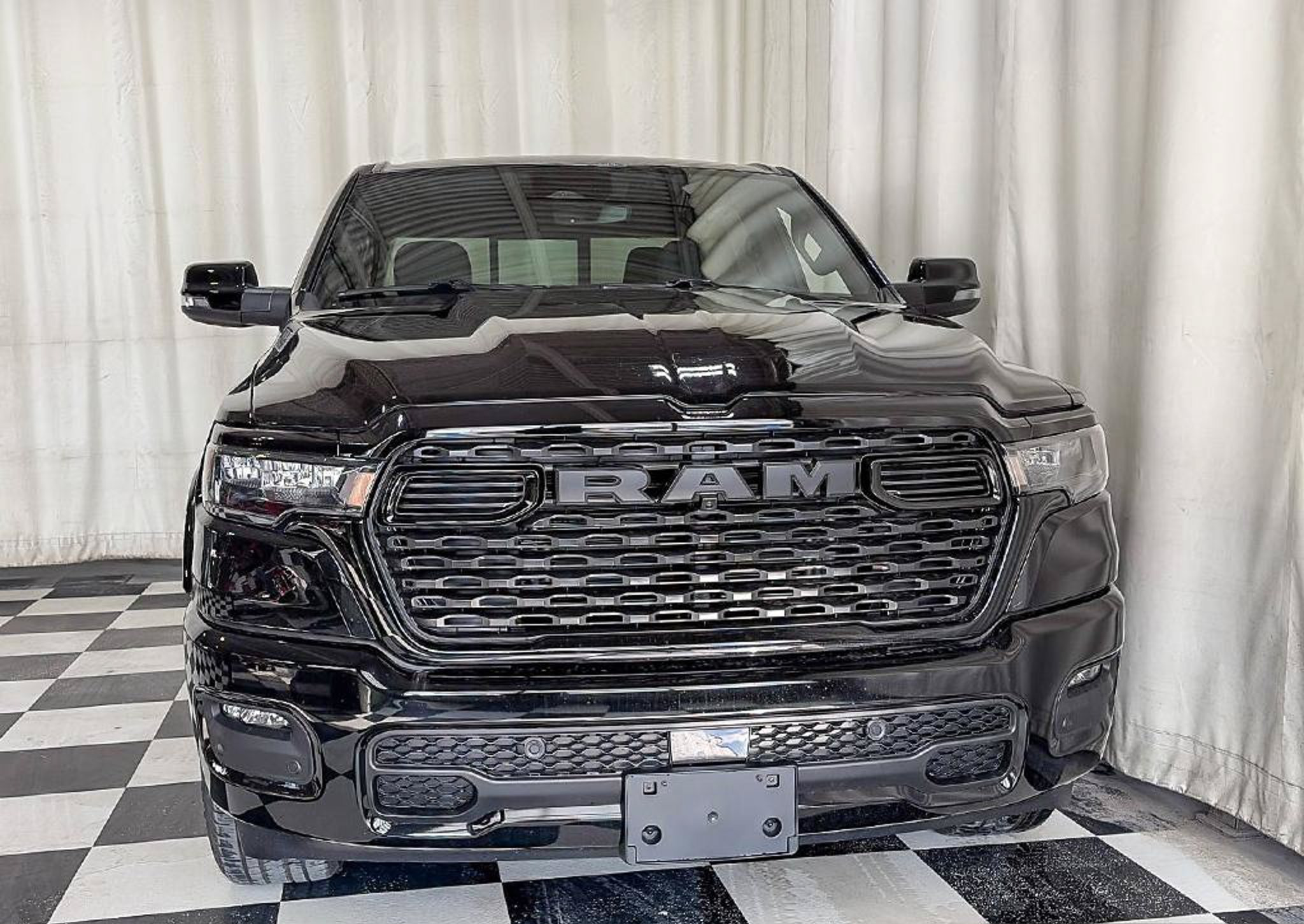
Every fall the same thing happens. The truck starts every morning through September and October without a second thought. Then the first real cold snap arrives, the thermometer drops overnight, and a battery that seemed perfectly fine turns the engine over once, slowly, and quits. Nothing changed in the battery that night. The cold just took away the margin it had been hiding.
The fix is to find out how much margin your battery really has while it is still mild outside. A proper battery and charging system test takes little time, and you can book a pre winter battery test with our service department now, before the first cold morning makes the decision for you.
Key Takeaways
- Cold takes power away from a battery and asks for more at the same time. AAA's research found a battery loses about 35 percent of its strength at 0°C and about 60 percent at roughly minus 18, while a cold engine can need up to twice the current to start.
- A voltage reading is not a battery test. A battery can show a healthy voltage and still not deliver enough current under load.
- Cold cranking amps are the winter number. The CCA rating tells you how much current a battery can deliver at minus 18 for 30 seconds.
- Age matters. CAA puts a typical battery life at three to five years, and closer to three in vehicles that lean hard on electronics.
- Test in September or October, not in January. A weak battery found early is a planned replacement. A weak battery found at 30 below is a boost, a tow or a missed day of work.
Why Cold Beats a Battery
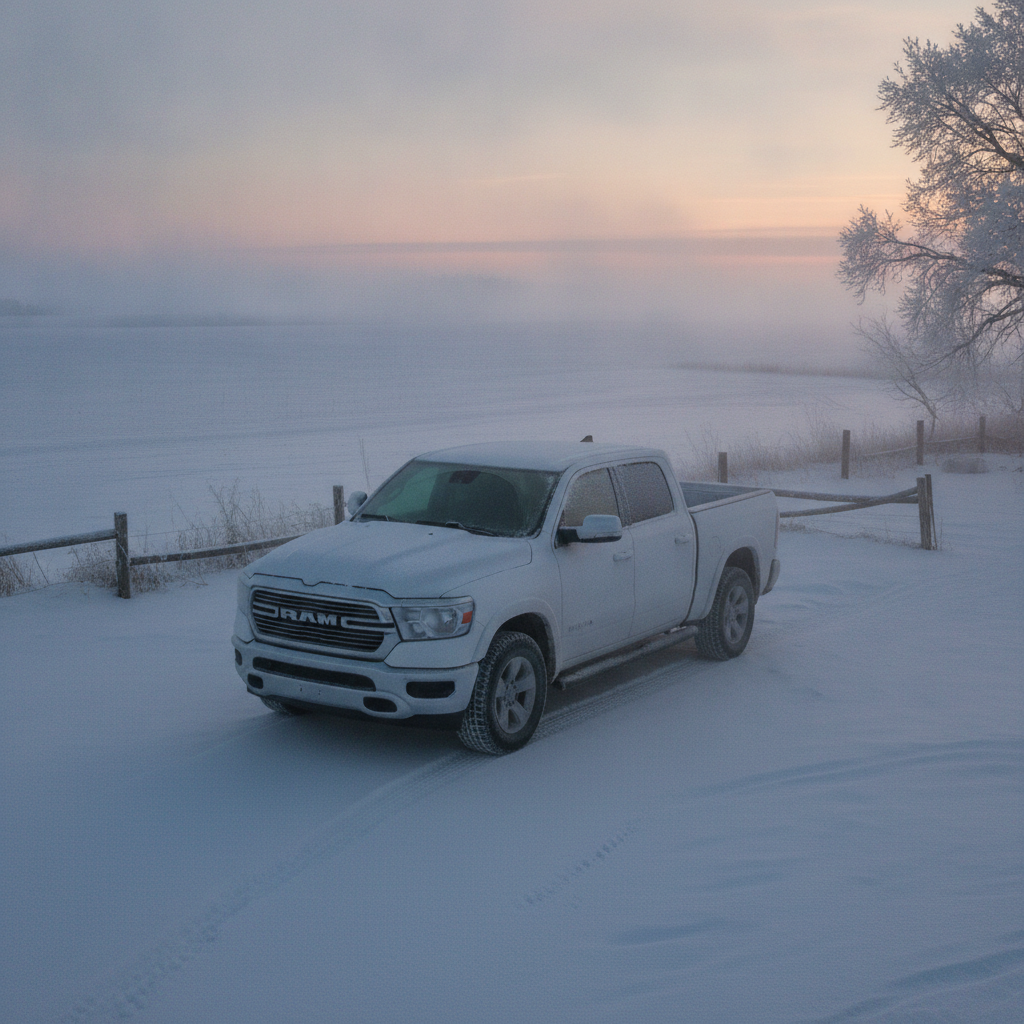
A lead acid battery makes power through a chemical reaction, and cold slows that reaction down. At the same time, the engine gets harder to turn. Oil thickens, everything is tighter, and the starter has to work harder to spin it.

So a cold morning squeezes a battery from both sides. The numbers AAA's Automotive Research Center published make the point: at 0°C a battery has lost roughly a third of its strength, and at about minus 18 it has lost around 60 percent, while the engine may need twice the current it takes to start on a mild day. Manitoba winters go well past minus 18, often for days at a time.
That is why the November failure feels sudden. A battery with some wear on it still has plenty of margin at plus 10. The first minus 25 morning takes that margin away in one night.
Cold Cranking Amps, in Plain Terms
Look at the label on your battery and you will usually find a CCA number. Battery Council International defines cold cranking amps as the current a 12 volt battery can deliver for 30 seconds at minus 18 while holding at least 7.2 volts.

In other words, it is the winter rating. It is the closest thing on the label to an answer for the question you actually care about: will this start the truck on a cold morning?
Two practical points follow from that.
A new battery should meet or beat the rating your truck calls for. A cheaper battery with a lower CCA number might fit the tray and still leave you short in January. If you are not sure what your truck takes, our guide to Ram 1500 battery size walks through it, and our parts department can match the right battery to your VIN.
An old battery no longer delivers its label rating. Batteries lose capacity as they age. A five year old battery rated for plenty of CCA when new may not have that much left, which is exactly what a proper test measures.
Voltage Check Versus Load Test
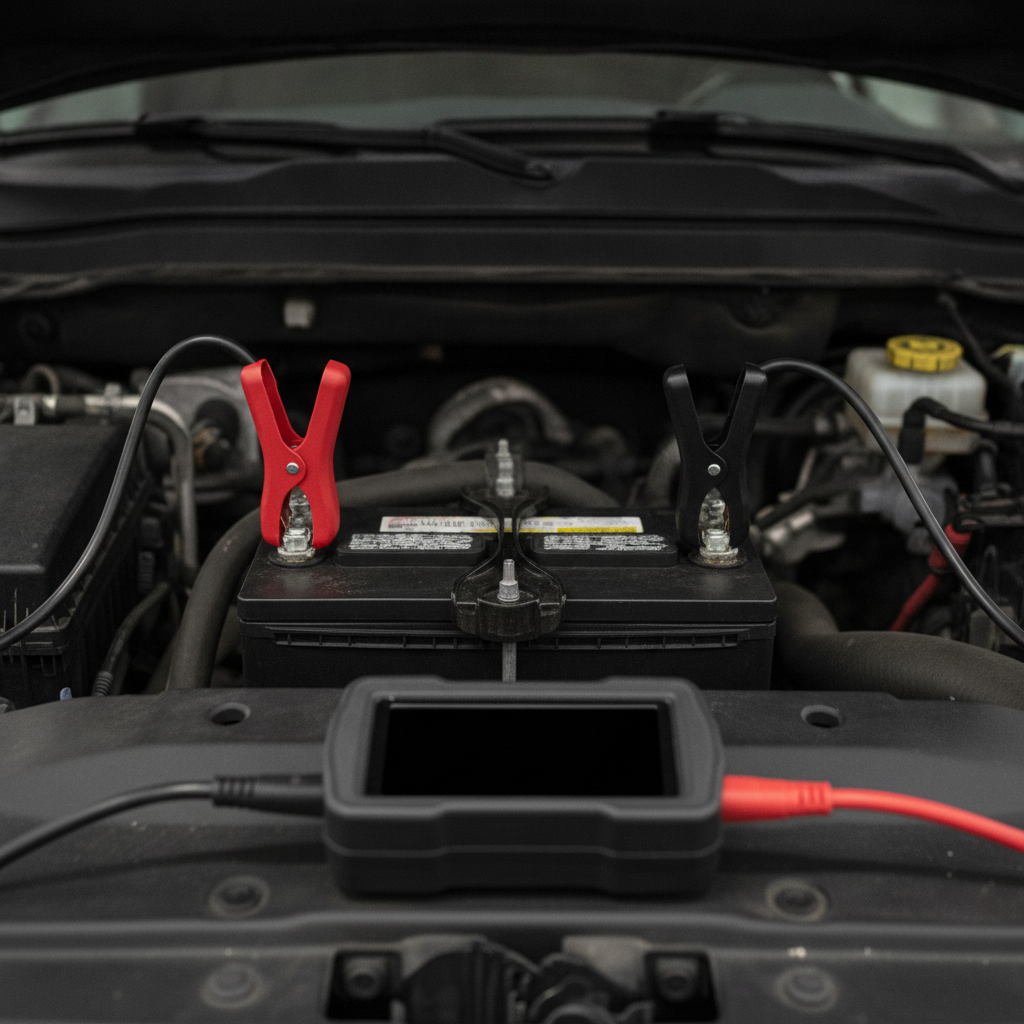
This is where a lot of owners get a false sense of security. A basic voltmeter or the voltage display in the truck tells you something, but not the thing that matters most in winter.
A voltage check reads the battery at rest and gives a rough idea of its state of charge. A healthy, fully charged 12 volt battery at rest sits around 12.6 volts. Around 12.4 is roughly three quarters charged, and around 12.2 is roughly half. Two catches: a battery that was just driven can read higher than it really is for a few hours, and an aging battery can show a normal voltage while being unable to push enough current to crank a cold engine.
A load test asks the battery to do work, much like starting the engine, and watches how well the voltage holds up while it does. A battery that looks fine on a voltmeter but sags badly under load is the one that fails on the first cold morning. A traditional load test also needs a well charged battery to give an honest result.
A conductance test, the kind many modern shop testers use, sends a small signal through the battery to judge the condition of its internal plates. It can be run on a partly discharged battery and repeated without draining it, and it compares what the battery has left against its rating.
The takeaway is simple. If the only test your battery has had is a voltage reading, it has not really been tested for winter.
The Charging System Is Half the Test
A battery is only as good as what refills it. If the charging system is not putting back what each cold start takes, even a good battery slowly runs down over a stretch of cold weather and short trips.
That is why a real pre winter check tests the charging system along with the battery. It also covers the basics that cause trouble in the cold: loose or corroded terminals, a damaged cable, a battery that is not properly held down. And if your battery keeps going flat after sitting a few days, cold or not, that is a different problem. Something may be drawing power while the truck is parked, and that needs its own diagnosis.
What We Notice When the Cold Arrives
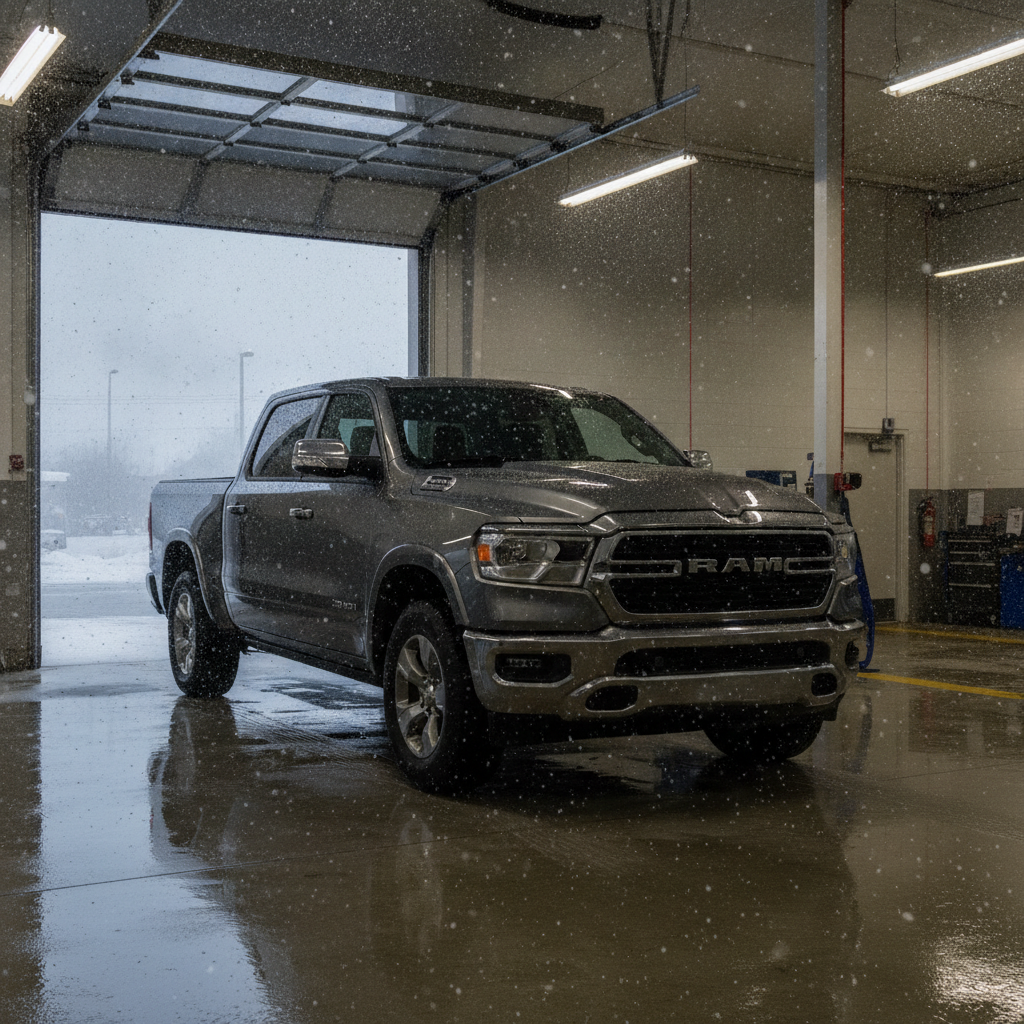
CAA says dead or dying batteries make up the biggest wave of its roadside calls during a cold spell, and anyone who has worked a service drive in a Manitoba November knows the feeling. The first hard cold week is when the no start calls come in, and the batteries behind them have usually been in service for a few winters.
The frustrating part is how many of those mornings could have been avoided. A worn battery often gives little or no warning in mild weather, right up to the day it will not crank, and that is exactly the weakness a tester can find in October.
Out here the stakes are a little higher than in the city. A dead battery in a farmyard or at the end of a grid road is not a quick call. Planning the replacement for a mild afternoon is a lot better than finding out at 6 a.m. when you have somewhere to be.
Replace or Keep It? The Honest Call
A battery does not need replacing just because winter is coming. Here is how to read the result.
The test says good and the battery is fairly young. Keep it. Clean the terminals if they need it and plug in the block heater on cold nights.
The test says good but the battery is getting old. This is a judgment call. A battery near the end of its typical life that still tests well can be run, but it is worth knowing it is on borrowed time, especially if the truck does not have a backup plan.
The test says weak or replace. Replace it before winter. A battery that tests weak in the fall almost never gets better in the cold.
The truck already needed a boost this fall. Get the battery and charging system tested now. A boost gets you going, it does not tell you why the battery was flat.
Helping Your Battery Through the Winter
A tested battery is the big step. A few habits help it along.
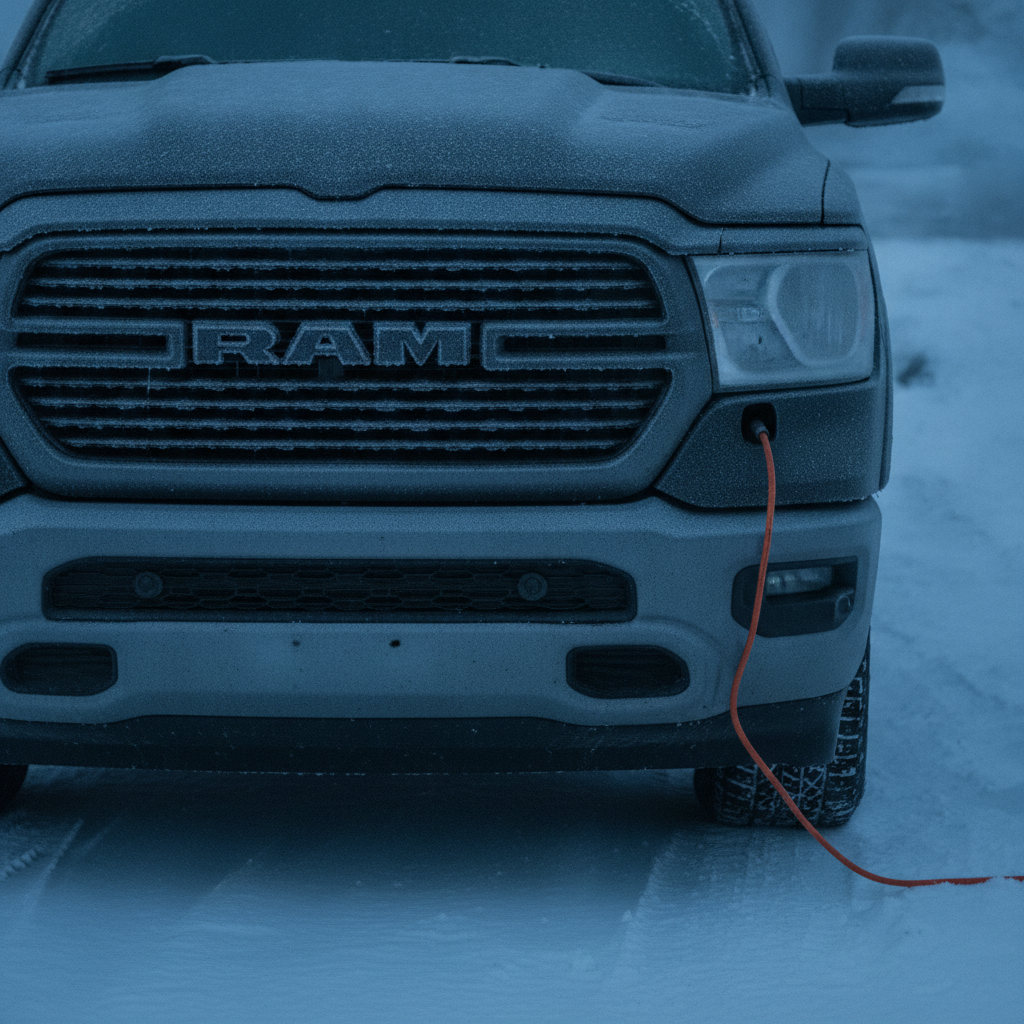
Plug in the block heater. A warmer engine turns over more easily, which asks less of the battery. Our block heater guide for Manitoba covers when and how long to plug in.
Give it a real drive now and then. Short hops rarely put back what a cold start takes.
Keep accessories off before you crank. Heater fan, heated seats and lights can wait a few seconds.
Keep the terminals clean and tight. Corrosion and a loose clamp cost you current exactly when you need it.
For the full cold weather checklist beyond the battery, see our post on how to winterize your truck.
FAQs
How do I know if my truck battery will last the winter?
Have it load or conductance tested along with the charging system before the cold arrives. A voltage reading alone cannot tell you whether the battery can still deliver enough current on a cold morning.
Why does my battery work in the fall and die in the first cold snap?
Cold reduces how much power a battery can deliver and makes the engine harder to crank. A battery with some wear has enough margin on a mild day and runs out of it on the first very cold morning.
What does CCA mean on a battery?
Cold cranking amps. It is the current a 12 volt battery can deliver for 30 seconds at minus 18 while holding at least 7.2 volts, which makes it the best rating on the label for winter starting.
How long does a truck battery last in Manitoba?
CAA cites a typical life of three to five years, often closer to three in vehicles with heavy electrical demands. Harsh winters and short trips are hard on batteries, so testing matters more as a battery ages.
Is a voltage reading enough to test a battery?
No. Voltage gives a rough idea of charge. It does not show whether the battery can hold up under the load of starting a cold engine, which is what a load or conductance test checks.
The Bottom Line
The battery that quits in November usually was not healthy in October either. It just had enough margin to hide it. Cold removes that margin, so the time to find a weak battery is while the weather is still on your side.
Before the first hard freeze, schedule a battery and charging system test at our service centre in Portage la Prairie and go into winter knowing where you stand. And if the battery is only one of several things telling you the truck is getting tired, have a look at our new Ram 1500 inventory.