You know the exact moment. You are behind a semi on Highway 1 somewhere between Portage and Winnipeg, it is filthy out, you hit the washers, and instead of clearing the glass the fluid smears across it and starts to set. Now you are looking through a grey film at highway speed with nowhere good to pull over.
August is the right time to fix that, because the fluid you want is easy to find now and picked over in November. If your truck is due for a look before winter anyway, you can book service with us and we will check the washer system while it is in. Here is what actually matters about washer fluid, explained properly rather than as a list of brand names.
Key Takeaways
- The temperature on the jug protects the fluid in your truck, not on your glass. It is the point below which the fluid turns slushy in the reservoir, the lines, and the nozzles. It is not a promise about what happens after it sprays.
- The rating is essentially a methanol percentage. A minus 40 fluid runs roughly 40 to 42 percent methanol. A minus 50 fluid runs about 50 percent. That is the whole trick.
- Buy more margin than you think you need. Portage la Prairie sees real cold snaps well past minus 30. A fluid rated close to the coldest night you expect has no margin left. Go to minus 45 or colder and stop thinking about it.
- Fluid can still freeze on the windshield even when it is fine in the bottle. The alcohol evaporates the instant it hits moving air, and what is left behind is water. Water freezes.
- Never run plain water. It freezes, and when it freezes it can crack the reservoir, the lines, the nozzles, or kill the washer pump. It is the most expensive way to save eight dollars.
- Empty the summer fluid out before you switch. Topping winter fluid onto a half tank of summer fluid dilutes it, and a diluted minus 45 is not a minus 45 anymore.
What the Number on the Jug Actually Means
This is the part almost nobody explains, and it is the reason people feel lied to by their washer fluid.

The rating on the jug tells you the temperature at which the fluid stops behaving like a liquid inside your vehicle's system. Below it the solution goes slushy and thick, and it will not move through the pump, the lines, and the fine spray nozzles. So a minus 45 fluid means the stuff in your reservoir will still pump at minus 45. As Shawn Kerr of Nemco Lubricants and Chemicals put it to the Globe and Mail, that rating is good provided the fluid is inside your warm vehicle.
The number is driven almost entirely by how much alcohol is in the mix. Kerr's rule of thumb: a fluid marked minus 40 Celsius carries about 40 to 42 percent methanol, and one marked minus 50 carries about 50 percent. More alcohol, lower rating, higher price. There is no clever chemistry hiding in the premium jug, just a different ratio.
What this means practically. A fluid rated at or barely below your worst expected night is cutting it too fine. Manitoba gets colder than the forecast promises, and your truck sits outside overnight where it is coldest. Pick a rating with real headroom.

Why It Still Freezes On the Glass
Here is the frustrating part, and it is genuinely not a defect in the fluid.
The second the spray leaves the nozzle it is in freezing moving air, and the alcohol starts evaporating immediately. Wind strips it faster, which is why this always happens at highway speed and almost never in a parking lot. Once the alcohol is gone, what is sitting on your windshield is basically water on cold glass. It freezes, the wipers push it into a film, and now you cannot see.
Kerr notes that methanol hangs on a little longer than ethanol or other alcohol bases before it flashes off, which is a reasonable argument for a methanol based winter fluid over a cheaper alternative.
What to do when it happens to you. Turn the defroster up and get heat onto the glass, and keep spraying until it clears rather than stopping. Cold glass is the problem, so warming the windshield is the fix. Our post on how to defrost your windshield covers getting the glass warm properly, which is the same battle.
What prevents it entirely. Brandon Klassen at the Alberta Motor Association gives the least glamorous and most correct advice there is: clear all the windows thoroughly of snow and ice before you leave. A windshield you actually cleaned, on glass you actually warmed, does not need to be rescued at 100 kilometres an hour.
The Mistakes That Cost Real Money
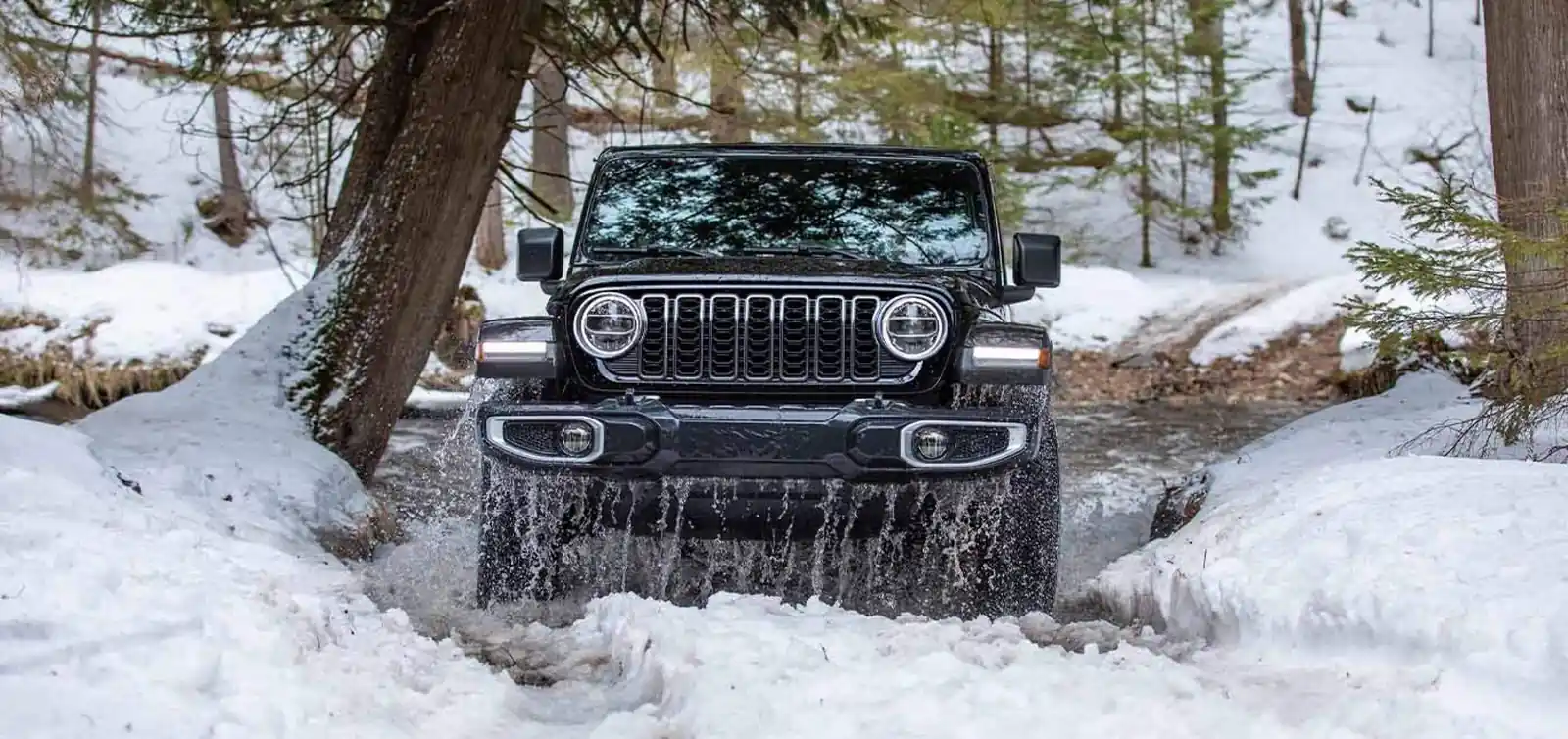
Running plain water. This is the big one. Water freezes solid, and when it expands it can split the reservoir, crack the lines, blow the nozzles, or seize the washer pump. Replacing a pump and a reservoir on a modern truck costs many times a winter's worth of fluid. Water also grows biological gunk in the tank over time and leaves mineral deposits that plug the fine spray nozzles. There is no version of this that saves money.
Topping up winter fluid onto summer fluid. If your reservoir is half full of summer fluid and you pour minus 45 on top, you now have something in between, and you do not know what. Run the tank down or drain it before you switch over. That is the whole reason to do this in the fall rather than in a panic in December.
Buying to the cheapest number available. All season fluid rated to minus 20 or so is fine in Ontario in November. It is not fine here in January. This is one of the very few places where the more expensive jug is straightforwardly the better product for the same reason it costs more.
Letting the reservoir run near empty. A near empty tank is the one that leaves you blind on a slushy highway, and it is also more likely to freeze because there is less fluid mass holding heat. Keep it full through the winter and keep a spare jug in the truck. On a farm truck or anything running gravel, you will empty a jug faster than you expect.
Ignoring a nozzle that sprays weak. A partly plugged nozzle in October is a fully plugged nozzle in January. That is a five minute fix in our service centre now and a genuine safety problem later.
What We Actually Recommend

The simple version, without making it complicated.
Buy a methanol based winter fluid rated to minus 45 or colder. That gives you real margin below anything a Manitoba January is likely to throw at you, and it costs a few dollars more per jug than the rating you would regret.
Consider a deicer style fluid for the worst of it. These carry a higher concentration of antifreeze agents and clear ice off the glass faster than an ordinary winter fluid. They cost more, so a common approach is a deicer jug in the truck for storm days and standard winter fluid in the reservoir.
Change over in September or early October, before the first hard frost catches you with a tank of summer fluid. That is the entire reason we are writing this in August.
Keep a full jug in the vehicle all winter. Highway salt spray behind a semi will empty a reservoir faster than you believe, and the gas station on the highway will be sold out of the good stuff in a cold snap.
Replace tired wiper blades at the same time. The best fluid in the world smears if the blade is shot. If you are already getting ready for the season, our guide to getting prepared for winter driving covers the rest of the list.
We stock winter fluid and wiper blades, and our parts department can set you up with the right rating for what you drive. If you would rather have somebody just handle it before the cold comes, book a service appointment and we will change the fluid over, check the nozzles and the pump, and look at the blades in one visit.
FAQs
What is the best windshield washer fluid for a Manitoba winter?
A methanol based winter fluid rated to minus 45 Celsius or colder. That rating gives you margin below the coldest nights we actually get, and the margin is the point. A fluid rated close to your worst expected temperature has nothing left in reserve.
What does the temperature rating on washer fluid mean?
It is the temperature below which the fluid goes slushy and stops flowing through the reservoir, lines, and nozzles. It protects the fluid inside your vehicle. It is not a guarantee about what happens after the fluid sprays onto cold glass in moving air.
Why does my washer fluid freeze on the windshield even though it is rated for cold?
Because the alcohol evaporates almost immediately once the spray hits cold moving air, especially at highway speed. What is left on the glass is mostly water, and water freezes. Warm the windshield with the defroster and keep spraying until it clears.
Can I use water in my washer fluid reservoir in winter?
No. Water freezes and expands, which can crack the reservoir, the lines, and the nozzles, and can destroy the washer pump. It also leaves mineral deposits that clog nozzles. It is the most expensive way to save a few dollars.
Do I need to empty the old fluid before switching to winter fluid?
Yes, or as close to empty as you can get. Pouring winter fluid onto a half tank of summer fluid dilutes it, so a minus 45 fluid ends up protecting to something warmer and you have no idea what. Run it low first, then fill.
When should I switch to winter washer fluid in Manitoba?
September or early October. Change it over before the first hard frost rather than after, and pick up a spare jug while the shelves are still full.
The Bottom Line
Washer fluid is the cheapest safety equipment on your vehicle and the one people think about least. The rating on the jug is really a methanol percentage, it protects the fluid inside your truck rather than on your glass, and buying a bigger number than you think you need is the entire strategy.
Do the switch in September, keep a spare jug behind the seat, replace the blades while you are at it, and never put water in the tank. That is the whole job.
If you would rather not think about it, bring it to us. Our parts department has the right fluid, and if you are already shopping for something that handles a prairie winter better than what you are driving now, have a look at our new Ram 1500 inventory while you are here.
Tyler Dunn, Dunn Ram Trucks, Portage la Prairie