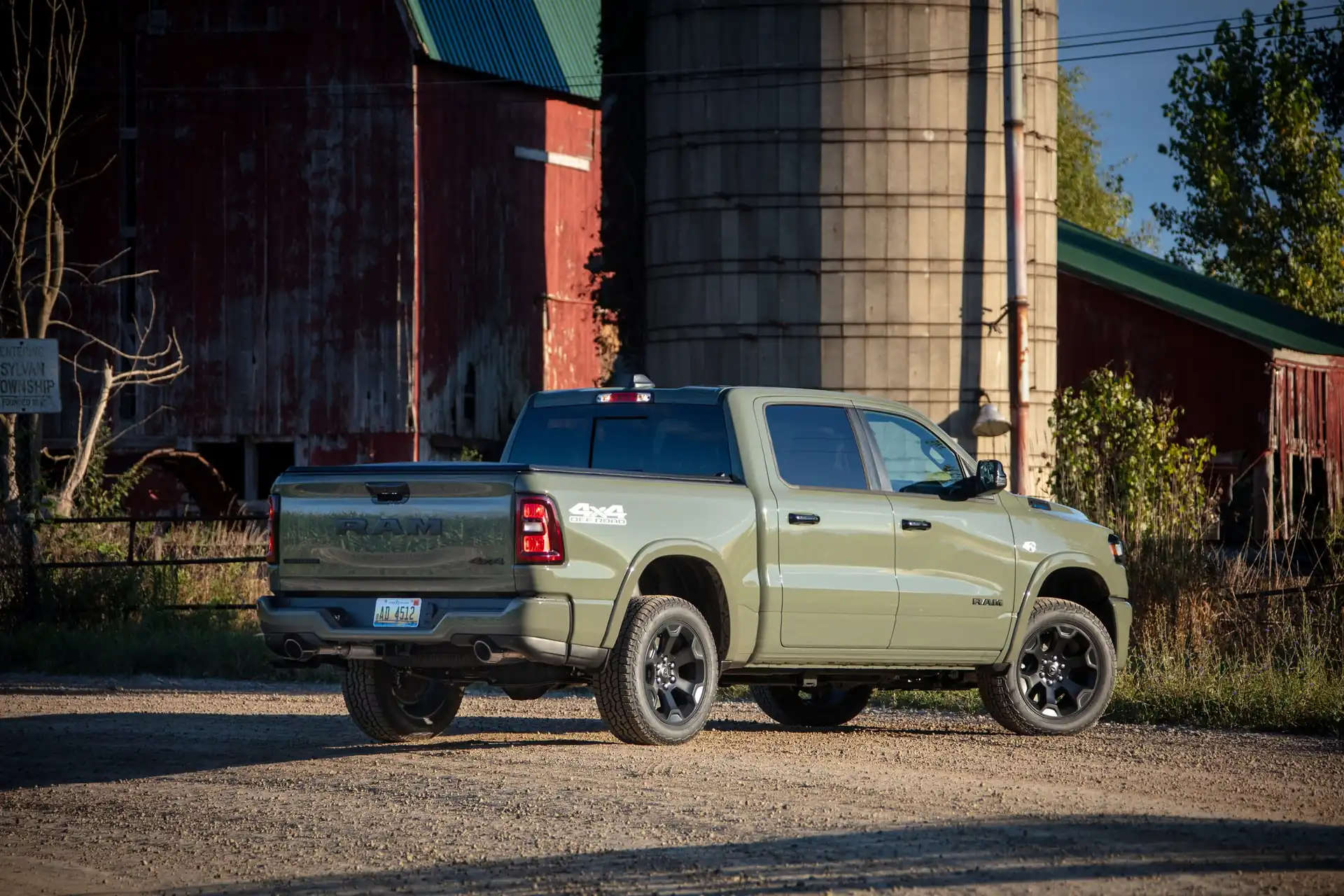
Should I buy a new or used truck? Buy new if you keep trucks a decade or more and work them hard; buy used if you trade every three or four years or want more truck for the money. The price gap is not what decides it. How long you keep a truck, and what a surprise repair would do to you, decides it. Before you compare anything, get a real number on your current vehicle from our instant cash offer tool, and if a Ram 1500 is on your list, read our post on Ram 1500 depreciation and resale next.
Shopping already? Browse our used inventory in Portage la Prairie.
Key Takeaways
- It comes down to how long you keep a truck. Keep it ten years or more and work it, and new usually wins. Trade every three or four years, drive it lightly or want a higher trim for the budget, and used usually wins.
- A new truck usually loses value fastest in its first few years. Buying used lets the first owner absorb that drop. Buying new means you absorb it.
- The 10 year limited powertrain warranty belongs to the 2026 model year only. Ram Canada's 10 year or 160,000 km limited powertrain warranty goes with a 2026 model year Ram bought or leased new by a retail customer, and it stays with that first buyer rather than the truck, except where the law requires otherwise.
- A 2027 Ram is on Ram Canada's standard terms. That means 3 years or 60,000 km basic and, apart from the TRX SRT, a 5 year or 100,000 km limited powertrain warranty that is fully transferable.
- On a used truck, history beats the model year. Maintenance records and condition matter most, especially on a truck that has lived through Manitoba winters.
New vs Used Truck at a Glance
| If this sounds like you | The usual answer |
|---|---|
| You keep a truck ten years or more | New |
| You tow heavy or pile on kilometres | New |
| A surprise repair bill would be a crisis | New |
| You trade every three or four years | Used |
| You want a higher trim for the same budget | Used |
| You pay cash or borrow for a short term | Used |
What Depreciation Actually Costs
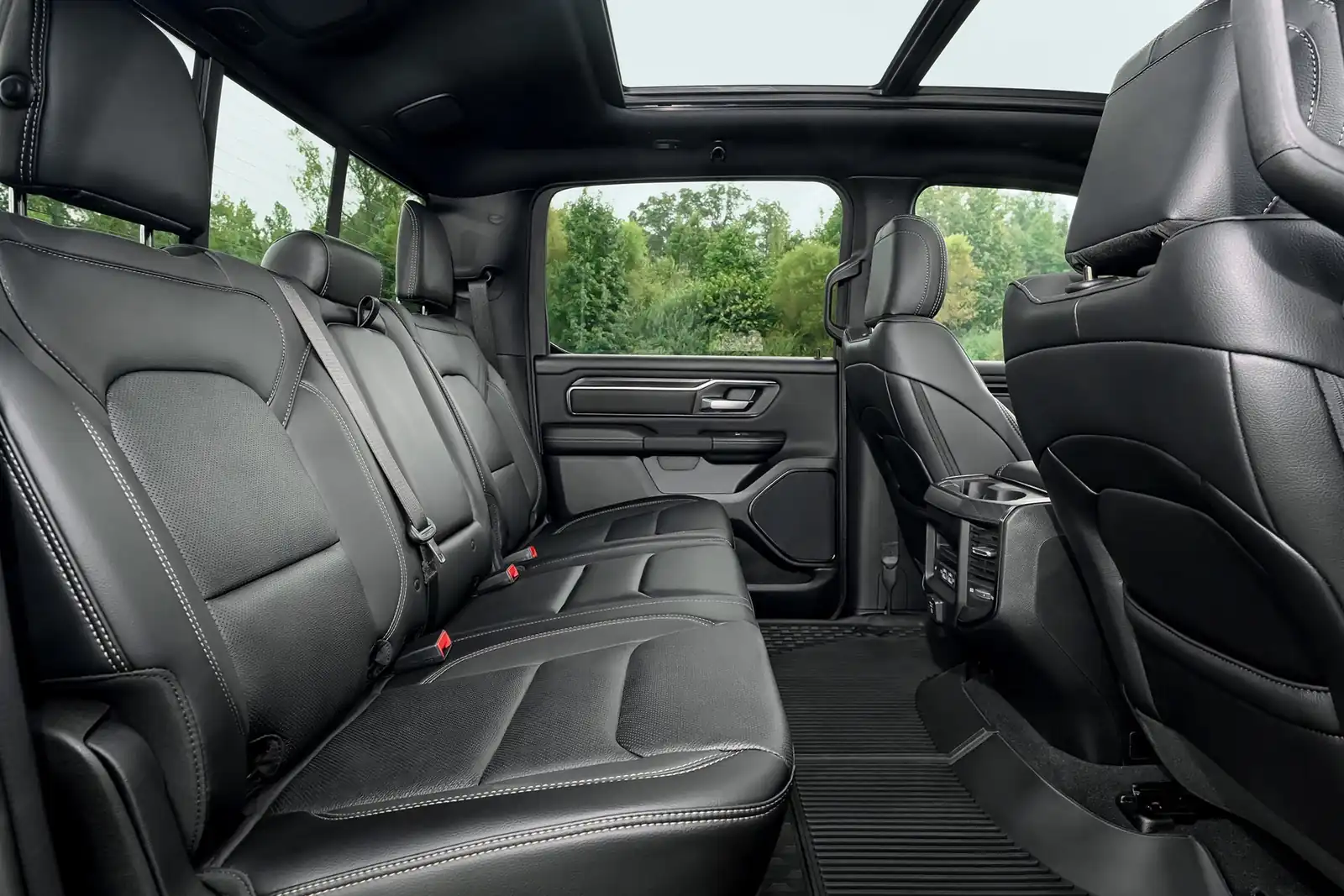
The depreciation figure people quote at each other in the coffee shop is usually a guess, so here is the part that holds up. A new truck usually loses value fastest in its first few years, and the curve flattens after that. Who absorbs that early drop is a big part of the gap between the price of a new truck and a three year old one.
Two honest caveats before you build a plan on any depreciation figure you read online. Many of the published studies are American, and the Canadian used market runs on its own supply and its own dollar. And an average is not your truck: trim, kilometres, condition, colour and history all move a real trade number more than a study does. The simplest way to see the curve on your own vehicle is to price it today and set that beside what it cost new.

What You Give Up Buying Used
Here is the part most used truck articles skip, and on a 2026 model year truck it is the strongest single argument on the new side.
According to Ram Canada, new and previously unregistered 2026 model year Ram 1500, 2500, 3500, Chassis Cab and ProMaster vehicles (battery electric models excluded) bought or leased by a retail customer carry a 10 year or 160,000 km limited powertrain warranty, whichever comes first. It covers the engine, transmission, transfer case, driveshafts, differentials and axles. It is for the 2026 model year only, and it is not available to fleet customers.
And it is non transferable. Ram Canada says it applies only to the original retail purchaser or lessee, except as otherwise required by applicable law.

The 2027 model year is different. A 2027 Ram carries Ram Canada's standard warranty: 3 years or 60,000 km basic, a 5 year or 100,000 km fully transferable limited powertrain warranty with a $0 deductible, 24 hour roadside assistance, and on diesels a separate 5 year or 160,000 km Cummins engine warranty. The 2027 TRX SRT powertrain term is 3 years or 60,000 km. The 10 year limited powertrain warranty is for the 2026 model year only, and 2025 and earlier model years carried the same standard terms as a 2027.
Read that twice, because it reframes the comparison. On a used 2026 model year Ram, the 10 year limited powertrain warranty stayed with its first retail buyer and does not come with the truck. A used truck from 2025 or earlier, or a 2027 a few years from now, is on the standard terms instead, so whether it has any factory coverage left depends on its model year and in service date. Ask our team to show you what applies to the exact truck you are looking at.
That is not a reason to avoid used trucks. It is a reason to price the risk honestly instead of pretending the only difference is the odometer.
When Used Is Clearly the Smarter Money
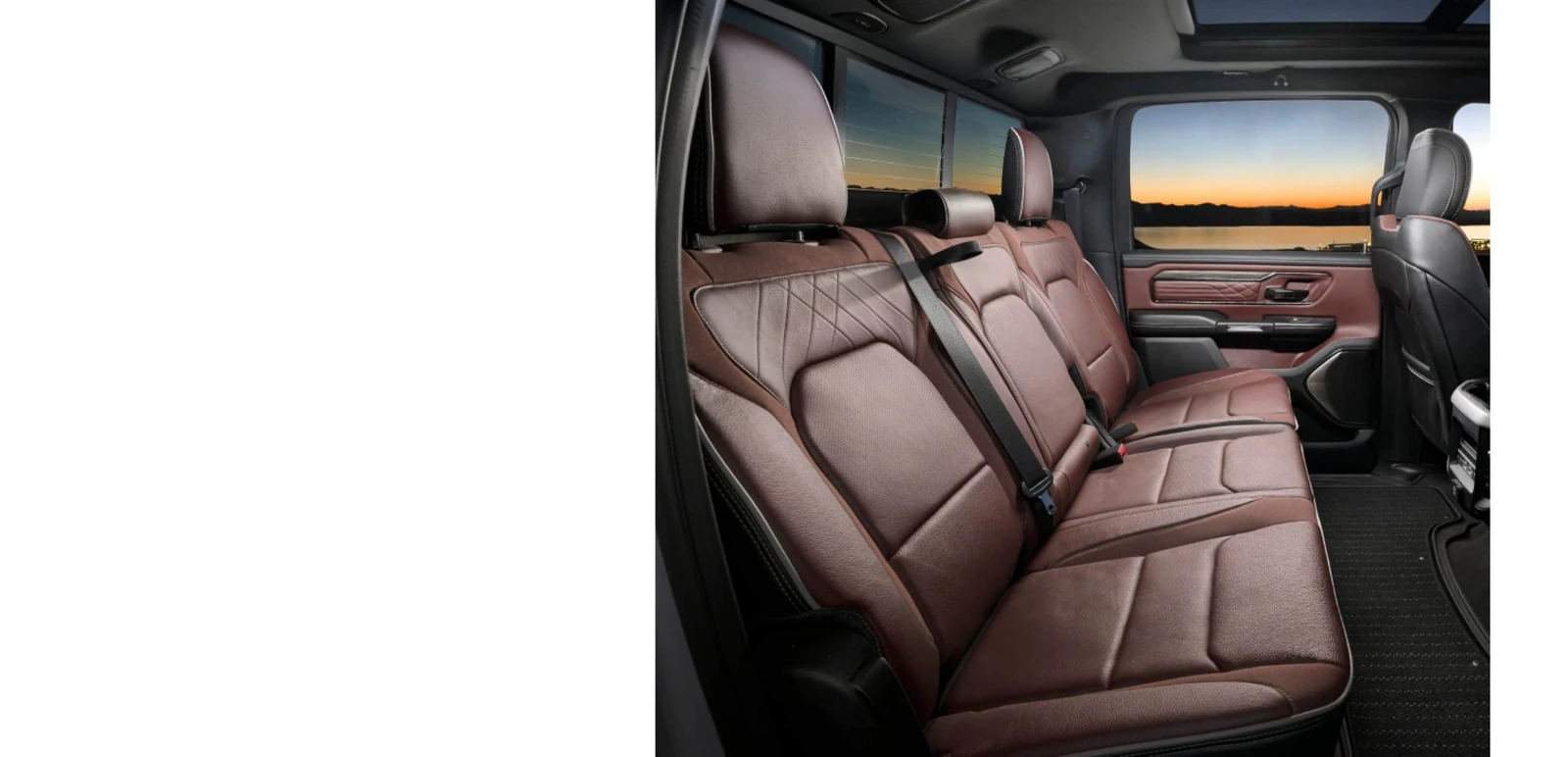
You turn trucks over every three or four years. On a 2026 model year truck, the back half of the 10 year limited powertrain term is coverage you will not be around to use, because it stays with the original retail buyer. Let the first owner pay for the steepest part of the value curve and buy in after it flattens.
You need more truck than your budget buys new. A used truck can put a higher trim, a Laramie instead of a work trim, within the budget of a new lower trim. More seat, more capability, more of the features that get used every day.
Your use is light. A truck that does school runs, a weekend trailer and a dump run once a month is not stressing anything. The kilometres a previous owner put on are not a threat to that duty cycle.
You are paying cash or borrowing short. Depreciation hurts most when you are financing a big balance against a falling value. Buying used on a short term keeps you on the right side of that.
You want a configuration that is no longer built. Engines, trims and packages come and go. Sometimes the truck you actually want only exists used.
If you land here, start with our guide to used trucks in Portage la Prairie and our post on what counts as good mileage on a used truck. Dunn Certified Pre-Owned is for vehicles under 8 years and under 160,000 km, including makes other than Stellantis, and reconditioning on our used vehicles includes passing the Manitoba safety inspection and our 85 point certified inspection checklist. Ask our team what history and service records are available on any truck you are serious about.
When New Is Clearly the Smarter Money
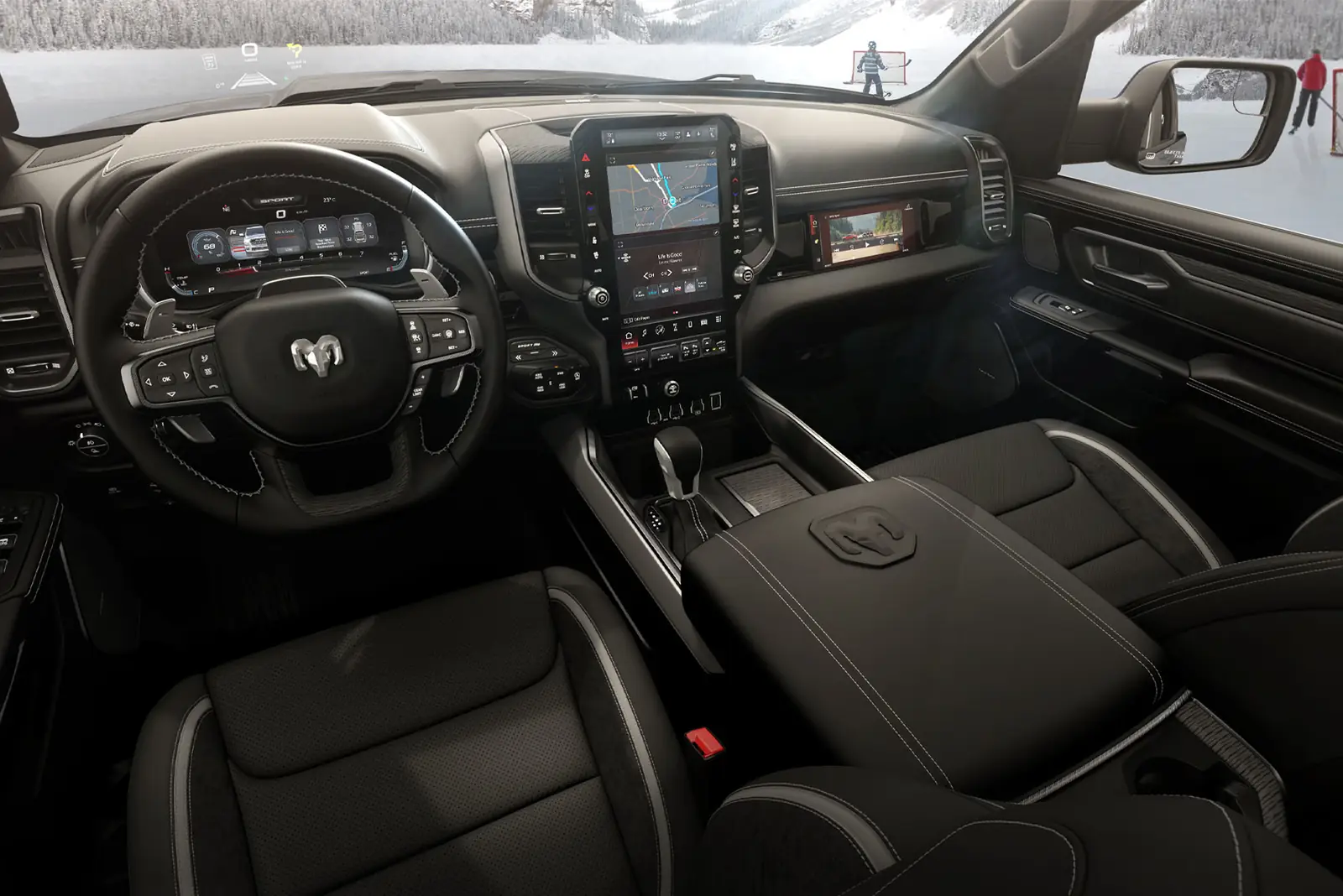
You keep trucks a long time. If your last truck lasted eleven years, the 10 year or 160,000 km limited powertrain coverage on a 2026 model year truck is not a brochure line. It is the years you will actually be driving it. On a 2027 other than the TRX SRT, the standard 5 year or 100,000 km limited powertrain term covers the first stretch instead, and it goes with the truck if you sell.
You work the truck hard. Heavy towing, grain and stock trailers, long loaded runs. A truck that gets worked is one where powertrain coverage earns its keep, and where an unknown history is a real risk rather than a theoretical one.
A surprise repair would hurt. This is the real question underneath the whole comparison, and it has nothing to do with percentages. If a transmission repair in year six would be an inconvenience, buy used with confidence. If it would be a crisis, the certainty of new truck coverage is worth more to you than the depreciation discount, and the 10 year limited powertrain term on a 2026 model year truck reaches furthest.
You want the latest equipment. The current Ram 1500 engine lineup, driver assistance features and trailering technology come only on a recent truck. The window sticker shows exactly what a given build carries.
Incentives are strong on the configuration you want. Manufacturer programs change monthly, and a good month can close a lot of the gap between new and used. Ask our team which current offers apply rather than assuming.
There is also a middle path a lot of people miss. A new, previously unregistered 2026 model year Ram that is still available after the 2027s arrive is still a new truck, and bought or leased by a retail customer it carries the 2026 model year's 10 year or 160,000 km limited powertrain warranty. Our guide on buying a leftover model year truck covers when that works.
How This Plays Out in Manitoba
Two things about buying a truck in Manitoba shape the answer differently than they would in a big city.
If yours is a farm or trade truck, the kind that pulls a grain trailer out of Portage la Prairie or runs gravel grid roads in the Interlake, you probably keep it until it owes you nothing. That tilts the answer toward new more than a purely financial analysis would, because a long ownership is where long coverage pays.
And our winters are hard on vehicles in a way a depreciation study does not measure: salted and sanded highways, gravel, cold starts at minus 30 and months of freeze and thaw. That makes the history of a used truck matter more here: where it lived, whether it was rust protected, whether it was maintained on schedule. A well kept prairie truck is a great buy. A neglected one is an expensive lesson, and the difference is not always visible in a walk around.
The practical step for either path is the same. Find out what your current vehicle is worth before you shop, so the gap you are comparing is the real gap. We honour the instant cash offer: the number you get online is the number we stand behind when the vehicle matches what you told us. Get yours through our trade in value tool, and our trade in value guide for Manitoba explains what moves it. Then apply for financing to see the monthly reality, or read our post on how much truck you can afford first if you would rather do the math before you talk to anybody. Any approval, rate and term is on approved credit.
FAQs
Should I buy a new or used truck?
Buy new if you keep trucks ten years or more, work them hard, or a surprise repair would be a crisis. Buy used if you trade every three or four years, drive lightly, or want a higher trim for the same budget. Neither choice is wrong for every buyer; how long you keep the truck is the tie breaker.
Is it worth buying a new truck?
Yes, when you will keep the truck long enough to use its coverage and you would rather pay for the early drop in value than take on an unknown history. A new 2026 model year Ram bought or leased by a retail customer carries Ram Canada's 10 year or 160,000 km limited powertrain warranty, while a new 2027 Ram carries Ram Canada's standard warranty terms instead.
How much does a truck depreciate?
A new truck usually loses value fastest in its first few years, and the drop slows after that. The exact amount on any truck depends on its trim, kilometres, condition and history, so the useful number is a current trade value on the truck itself, which the Dunn Ram Trucks instant cash offer tool gives you online.
Does the 2026 Ram 10 year limited powertrain warranty transfer to a second owner?
No. Ram Canada says its 10 year or 160,000 km limited powertrain warranty on new 2026 model year Ram trucks bought or leased by retail customers is non transferable and applies only to the original retail purchaser or lessee, except as otherwise required by applicable law. It is not available to fleet customers.
Does a 2027 Ram have the 2026 model year's 10 year limited powertrain warranty?
No. According to Ram Canada, a 2027 model year Ram carries the standard terms: 3 years or 60,000 km basic, a 5 year or 100,000 km fully transferable limited powertrain warranty with a $0 deductible (3 years or 60,000 km on the TRX SRT), 24 hour roadside assistance, and on diesels a separate 5 year or 160,000 km Cummins engine warranty. The 10 year limited powertrain term is for the 2026 model year only.
What is the best age for buying a used truck?
Generally a truck that is past the steepest part of its value drop but still young enough to have plenty of life left in every major system. Maintenance history and condition matter more than the year, especially on a prairie truck that has seen salt and gravel.
Should I worry about kilometres on a used truck?
Less than you might think. How the kilometres were put on and how the truck was maintained matter more than the number. Highway kilometres on a serviced truck are easier on it than fewer, harder short trips with skipped maintenance.
Can I get financing on a used truck?
Yes, used trucks can be financed, on approved credit. Rates and terms can differ from new, and a long term on a truck that is already losing value is worth thinking through before you sign. Apply for financing through the Dunn Ram Trucks finance application and ask our team to compare new and used side by side.
The Bottom Line
So, should I buy a new or used truck? Buying used means buying the discount and accepting the risk. Buying new means paying for the first years and, on a 2026 model year truck, keeping a 10 year limited powertrain term that will not follow the truck to its next owner. Neither is clever and neither is foolish. The buyer who keeps trucks for a decade and works them should usually buy new. The buyer who turns them over and drives them lightly should usually buy used. Everybody else lands somewhere in between, and that is a conversation, not a formula. Come have it with us. Browse our used truck inventory, look at our new Ram 1500 inventory, and let us show you the honest math on both.
Tyler Dunn, Dunn Ram Trucks, Portage la Prairie