Almost nobody reads the warranty booklet, and then a repair comes up and everybody becomes an expert on it in about ninety seconds. The gap between what people assume is covered and what actually is causes more frustration at a service counter than any other single thing, and most of it is avoidable, because the terms are not complicated once somebody lays them out. If you have a concern on a vehicle you think might be covered, the fastest way to a real answer is to book it in with our service department and have somebody actually look at it rather than guess from a forum thread.
This is the plain version for a Canadian owner. The coverage terms that come standard on a Ram, Jeep, Dodge or Chrysler, the significant change on 2026 Ram trucks and the catch that comes with it, what a warranty has never covered and never will, and the things owners do that genuinely cause claim arguments. Warranty terms vary by model year and by vehicle, and the booklet in your glovebox governs, not a blog post. Use this to understand the shape of it, then confirm your specific vehicle with us.
Key Takeaways
- The standard baseline is three years or 60,000 kilometres of basic coverage and five years or 100,000 kilometres on the powertrain. That is the long standing Canadian structure across Chrysler, Dodge, Jeep, Ram and FIAT.
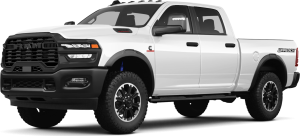
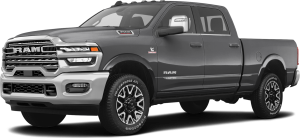
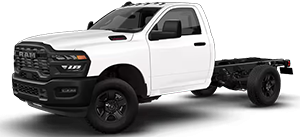
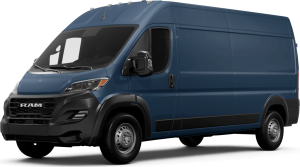
- 2026 model year Ram trucks carry a ten year or 160,000 kilometre limited powertrain warranty, which is a substantial jump, and it applies to new and previously unregistered 2026 Ram vehicles including the 1500, 2500, 3500, Chassis Cab and ProMaster.
- That ten year coverage has a real catch. It does not transfer. It applies to the original retail purchaser or lessee only, with exceptions in Quebec, Nova Scotia and Saskatchewan where law requires otherwise, and it is not available to fleet customers.
- Rust coverage is longer than people think. Body sheet metal carries corrosion coverage of five years or 160,000 kilometres.
- Basic does not mean everything. Wear items, maintenance, damage, aftermarket parts and the consequences of neglect were never covered, and that is where nearly every disagreement at the counter actually starts.
The Standard Coverage, in Plain Terms
There are really four pieces to a factory warranty, and they run on different clocks.

The basic limited warranty: three years or 60,000 kilometres, whichever comes first. This is what people mean when they say bumper to bumper. It covers defects in factory installed parts and workmanship across the vehicle, from the body to the electrical system. If a component fails because it was defective rather than because it wore out or got damaged, this is the coverage that handles it. It is the shortest of the terms and the broadest, which is why it runs out first and why the third year is when people start discovering the boundaries.
The powertrain limited warranty: five years or 100,000 kilometres on the standard Canadian structure. Powertrain means the parts that make and deliver power, so the engine internals, the transmission and the driveline components, with the specific covered parts listed in your booklet. This coverage is fully transferable on the standard terms, carries a zero dollar deductible, and includes roadside assistance for its duration. That transferability matters at resale, and it is exactly the thing that changes on 2026 Ram trucks, which we get to below.
Corrosion coverage: five years or 160,000 kilometres on body sheet metal. This one gets overlooked and it matters here more than most places. It covers perforation, meaning rust that goes all the way through from the inside out. It does not cover surface rust, stone chips, or corrosion that started from damage.

Roadside assistance, twenty four hours a day. Battery boost, tire change, lockout service, fuel delivery, and towing to the nearest dealership. It is included, and a startling number of owners pay for a tow out of pocket without ever thinking to check.
For a Manitoba owner, that corrosion clause deserves an extra sentence. Perforation coverage is about a manufacturing defect that leads to rust through, not about the fact that we salt our highways. If you want protection against what our winters do to a truck's underside, that is a separate conversation about undercoating and washing, and it is a conversation worth having in your first year rather than your fifth.
The 2026 Ram Change: Ten Years, With Conditions
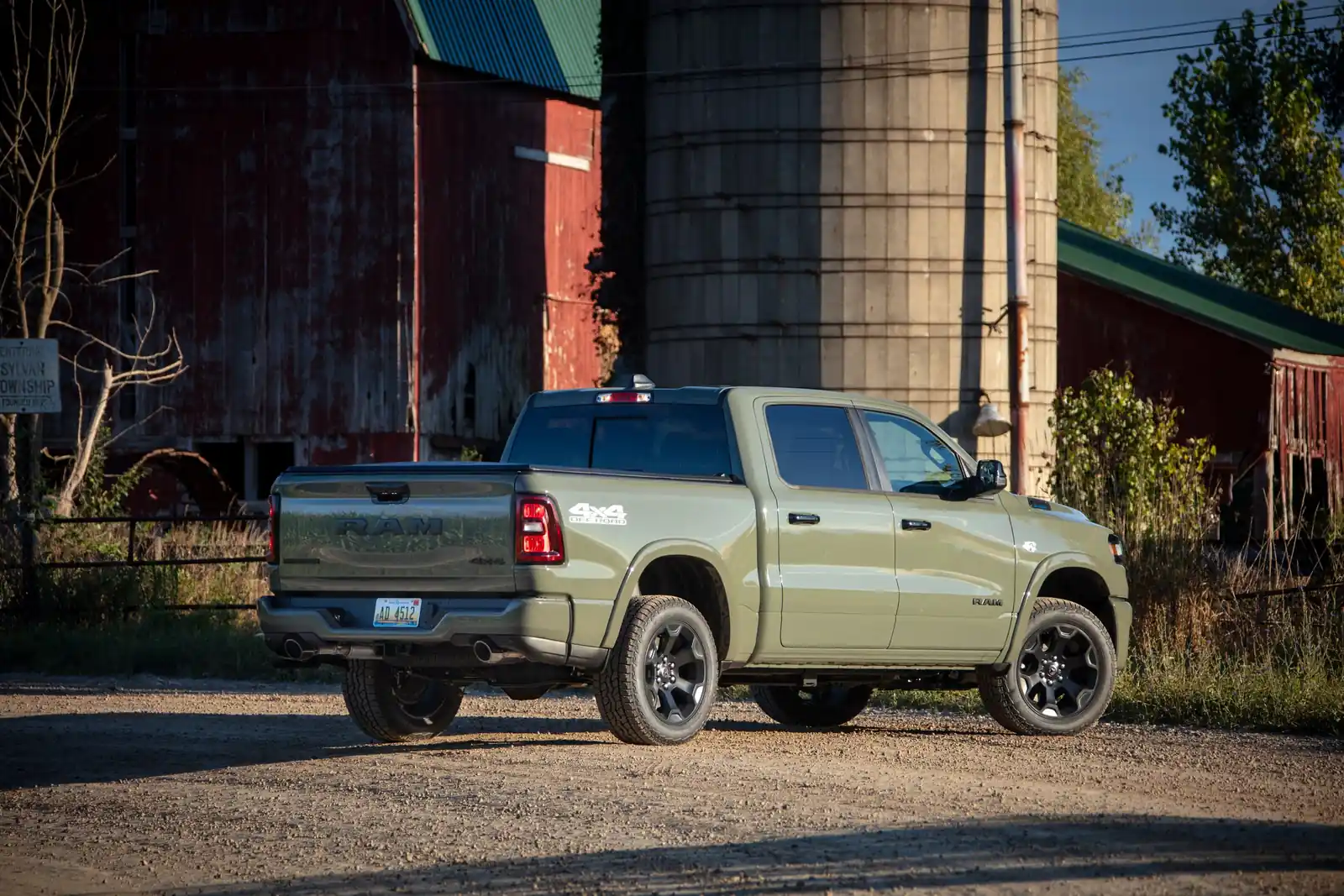
This is the genuinely new thing, and it is worth understanding properly rather than just hearing the headline number.
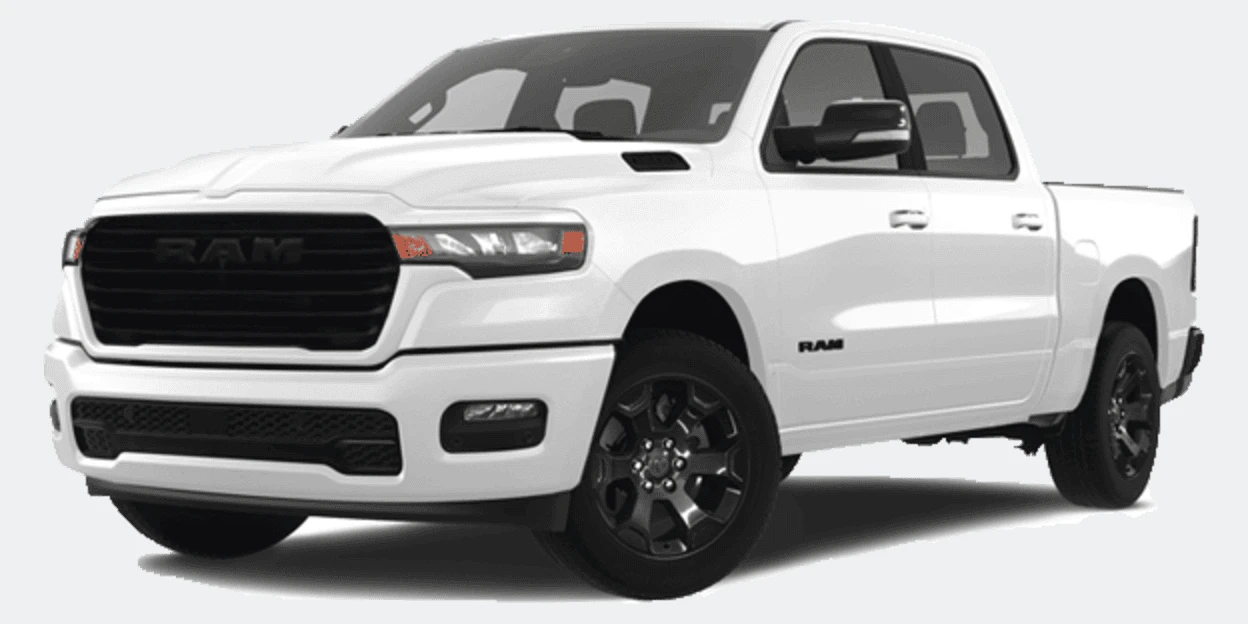
According to Ram Canada's own warranty page, new and previously unregistered 2026 Ram vehicles carry a ten year or 160,000 kilometre limited powertrain warranty, whichever comes first. The list of vehicles includes the Ram 1500, including the RHO, plus the Ram 2500, Ram 3500, Chassis Cab and the ProMaster van. Full battery electric vehicles are excluded from it.
That is a real doubling of the powertrain term, and on a truck people keep and work for a decade it is meaningful money.
Now the conditions, because they are the part that gets left out when somebody repeats the headline.
It does not transfer. The coverage applies only to the original retail purchaser or lessee, with exceptions for residents of Quebec, Nova Scotia and Saskatchewan where provincial law requires otherwise. That is a genuine departure from the standard five year powertrain warranty, which is fully transferable. If you are buying a used 2026 Ram from a second owner, you are not inheriting a ten year powertrain warranty, and anybody telling you otherwise is either mistaken or selling.
It is retail only. Fleet customers are not eligible for the ten year term.
It is powertrain, not bumper to bumper. The basic coverage clock is unchanged. Ten years of powertrain protection does not mean ten years of infotainment, air conditioning or power window coverage.
We say all of this out loud because it changes real decisions. It makes buying a 2026 Ram new more valuable than it was, and it means a used one does not carry the same story. When we describe a used truck on our lot, we describe the coverage it actually has, not the coverage its model year had when it was new. That is the same standard we apply across our used inventory, and if a new one is the better fit, our new Ram 1500 inventory is online with current pricing, less any applicable incentives. Check our current pricing here for the most up to date pricing information.
What a Warranty Has Never Covered
This is the section that prevents arguments, so here it is without softening.
Wear items. Brake pads, rotors, wiper blades, tires, clutch friction material and similar parts wear out through normal use. That is not a defect, it is the part doing its job until it is done. Some of these may carry a short separate coverage window, so ask, but do not assume.
Routine maintenance. Oil changes, filters, fluids, alignments, rotations. The warranty assumes you are doing these. It does not pay for them.
Damage. Collision, road hazard, stone chips, hail, flood, off road impact, and anything environmental. That is what insurance is for.
Aftermarket parts and modifications. This one deserves care, because the internet has made people paranoid in the wrong direction. Installing an accessory does not automatically void a warranty. What it does do is put the burden on the question of causation. If a modification caused the failure, that failure is on you. If it plainly did not, it is not. Lift kits, tuners and driveline modifications on a truck are the ones that come up most often, and a tuner that changes engine calibration is the fastest route to a powertrain claim argument there is.
Neglect. Running an engine low on oil, ignoring an overheat, driving on a known failure until it takes something else out with it. Warranty covers defects, not consequences of not looking after the vehicle.
Interior wear, noises and cosmetic complaints past the basic period, and anything the manufacturer defines as normal operating characteristics.
The one that surprises people most is that where you get your service done is not on this list. You are not required to service at a dealer to keep your factory warranty valid. What you are required to do is have the maintenance performed on schedule and be able to show it. We wrote a whole post on that specific question, servicing at a dealership versus an independent shop and what it means for your warranty, because it comes up constantly and the myth costs people money in both directions.
How to Not Lose a Claim You Should Have Won
Three habits, and they are not complicated.
Keep the records. Dated receipts showing what was done, at what kilometres, with what parts and fluids. A shoebox in the glovebox beats a good memory every time. This is the single thing that turns a contested claim into a straightforward one.
Run the specified fluids and parts. Meeting the manufacturer's stated specification is the expectation. Our parts department will tell you the correct spec for your VIN whether you buy from us or not, and our guide to the Ram 1500 maintenance schedule lays out the intervals.
Report a problem while it is a problem. A noise reported at eight months is a warranty investigation. The same noise reported at three years and 61,000 kilometres, after it has been quietly getting worse, is a much harder conversation, and sometimes a paid one. If something is not right, get it documented while the coverage is live even if you can live with it for now.
FAQs
How long is the factory warranty on a Ram in Canada?
The standard Canadian structure is three years or 60,000 kilometres of basic coverage and five years or 100,000 kilometres on the powertrain, whichever comes first. New and previously unregistered 2026 Ram vehicles carry an extended ten year or 160,000 kilometre limited powertrain warranty, excluding full battery electric vehicles.
Does the 2026 Ram ten year powertrain warranty transfer to a second owner?
No. Ram Canada states the coverage applies to the original retail purchaser or lessee only, with exceptions for Quebec, Nova Scotia and Saskatchewan residents where required by law, and it is not available to fleet customers. A used 2026 Ram does not carry ten years of powertrain coverage for its next owner.
Is rust covered under the Ram or Jeep warranty?
Body sheet metal carries corrosion coverage of five years or 160,000 kilometres. That covers perforation, meaning rust that goes through the panel. It does not cover surface rust, stone chip damage, or corrosion that began from an impact or a repair.
Will servicing my truck at an independent shop void the warranty?
No. You are not required to service at a dealership to keep factory coverage. You are required to perform the scheduled maintenance, use fluids and parts that meet the manufacturer's specification, and be able to prove it with dated records if a claim comes up.
Are brake pads and wiper blades covered?
Generally no. Those are wear items that are consumed through normal use rather than failing from a defect. Some wear components carry a short separate coverage period, so it is worth asking rather than assuming either way.
The Bottom Line
A factory warranty is a promise about defects, not a maintenance plan and not an insurance policy. Understood that way, the Canadian coverage on these vehicles is straightforward: three years broad, five years on the powertrain, five years against rust through, and on a new 2026 Ram truck a ten year powertrain term that is genuinely valuable as long as you understand it belongs to the first owner.
The part you control is the paperwork and the timing. Keep the records, run the right fluids, and speak up while the coverage is live. If you are unsure what your specific vehicle carries, bring us the VIN and we will pull the actual coverage rather than guess, or book a service appointment and we will go through it with you at the counter. You can read more about how our service centre operates in our service department guide.
Tyler Dunn, Dunn Ram Trucks, Portage la Prairie