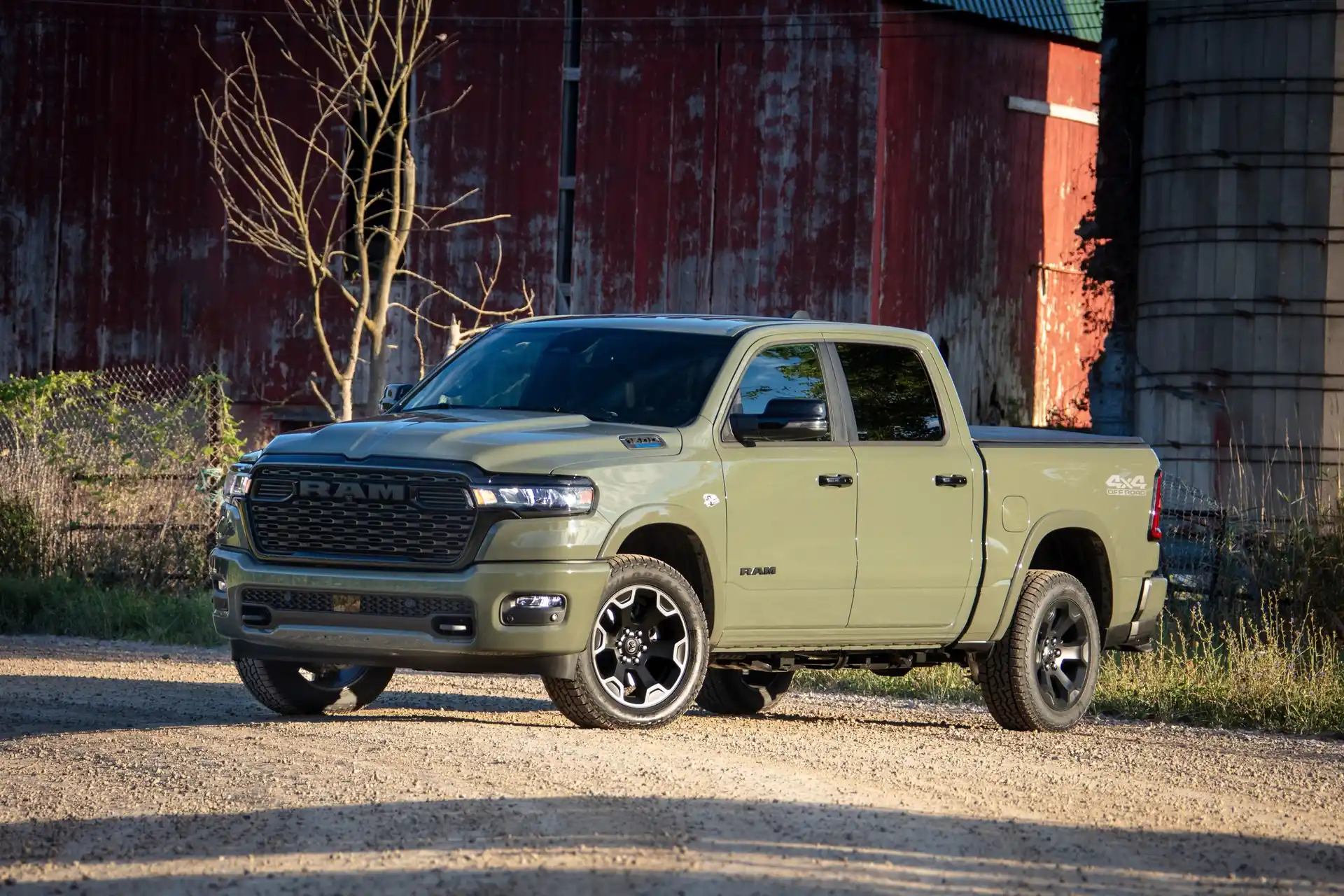
Here is the short answer, before anything else. A good mileage for a used truck is roughly 20,000 km or less for every year the truck has been on the road. That works out to about 100,000 km on a five year old truck and about 160,000 km on an eight year old one. Under that line, the truck has had an average or easier life. Over it, the number is not automatically a problem, it just means the rest of the truck has to earn your trust instead of the odometer doing it for you. That is the same yardstick we use to decide what earns a spot in our used truck inventory and what gets sent to the auction.
Now the part the generic advice never gets right. Out here, the odometer tells you less than it does almost anywhere else in the country, because of how those kilometres got put on. A truck that has spent its life running Highway 1 between Portage la Prairie and Winnipeg has had an easier decade than a truck with half the reading that never left city traffic. So the honest version of this question is not "how many kilometres is too many." It is "what kind of kilometres are these, and what did the owner do about them."
Key Takeaways
- The working rule is 20,000 km per year of age. At or below that, the reading is normal to low. Above it, look harder at how the kilometres were earned and how the truck was maintained.
- The national average is lower than most people guess. Natural Resources Canada's national energy use database put the average Canadian light truck at 15,180 km in 2023. So 20,000 a year is already a high use truck.
- Highway kilometres are gentler than city kilometres. Steady speed, few cold starts, few stops. A prairie truck piles on distance without piling on the wear that actually kills a driveline.
- Service history beats the odometer, every time. A 190,000 km truck with a stack of records is a better buy than a 90,000 km truck with nothing.
- We draw our own line at 8 years and 160,000 km. That is the ceiling for a Dunn Certified Pre Owned vehicle, and it includes non Stellantis vehicles. Trucks past it still sell here, just as what they are.
- Manitoba puts a floor under all of this. Manitoba Public Insurance requires a valid Certificate of Inspection to transfer ownership of a used vehicle, with a handful of exemptions, and it is valid for one year.
Where the 20,000 km Rule Comes From
The rule is not something a manufacturer publishes. It is the number the used vehicle trade has settled on because it lines up with how people actually drive, and because lenders, appraisers and book values all bend around roughly the same figure.

Anchor it against real data and it holds up. Natural Resources Canada's national energy use database, which tracks distance by vehicle class, reported an average of 15,180 km travelled per light truck in Canada in 2023, with cars lower at 13,261 km. So the average half ton is putting on about fifteen thousand a year, not twenty. The 20,000 figure is deliberately generous, because it is a ceiling for "normal," not a description of the average.
Run it against a few real shopping scenarios and it gets useful fast:
- A three year old truck at 60,000 km. Dead average. No conversation needed.
- A five year old truck at 145,000 km. About 29,000 a year. That is a commuter or a work truck. Not a deal breaker, but it changes what you inspect and what you should pay.
- An eight year old truck at 95,000 km. Under 12,000 a year. That is a low km truck, and it comes with its own questions. Very low use vehicles sit, and sitting is not free either.
That last one surprises people. A truck that barely gets driven can arrive with dried out seals, seized brake hardware, tires that aged out long before they wore out, and a battery cooked by years of short trips. We have taken in ten year old trucks under 80,000 km that needed more work than a highway truck with double the reading.

Why Prairie Kilometres Are Not the Same Kilometres

This is the part that changes the answer for a Manitoba buyer, and it is the part a national buying guide cannot tell you.
Most of the wear on a truck is not distance. It is cycles. Cold starts, stop and go, brake applications, transmission shifts, heat cycles through the exhaust and the coolant. A truck running an hour of steady highway between here and Winnipeg is doing about the least damaging thing an engine can do. Sixty kilometres of that in the morning and sixty back at night is a very different life from sixty kilometres of Portage Avenue at rush hour, even though the odometer counts them identically.
So when a truck comes in with a big number and a rural or highway history, we read it as a lighter file, not a heavier one. The brakes are usually the giveaway. It is not unusual for a highway truck to still be on its original front rotors at a reading where a city truck would be on its second or third set.
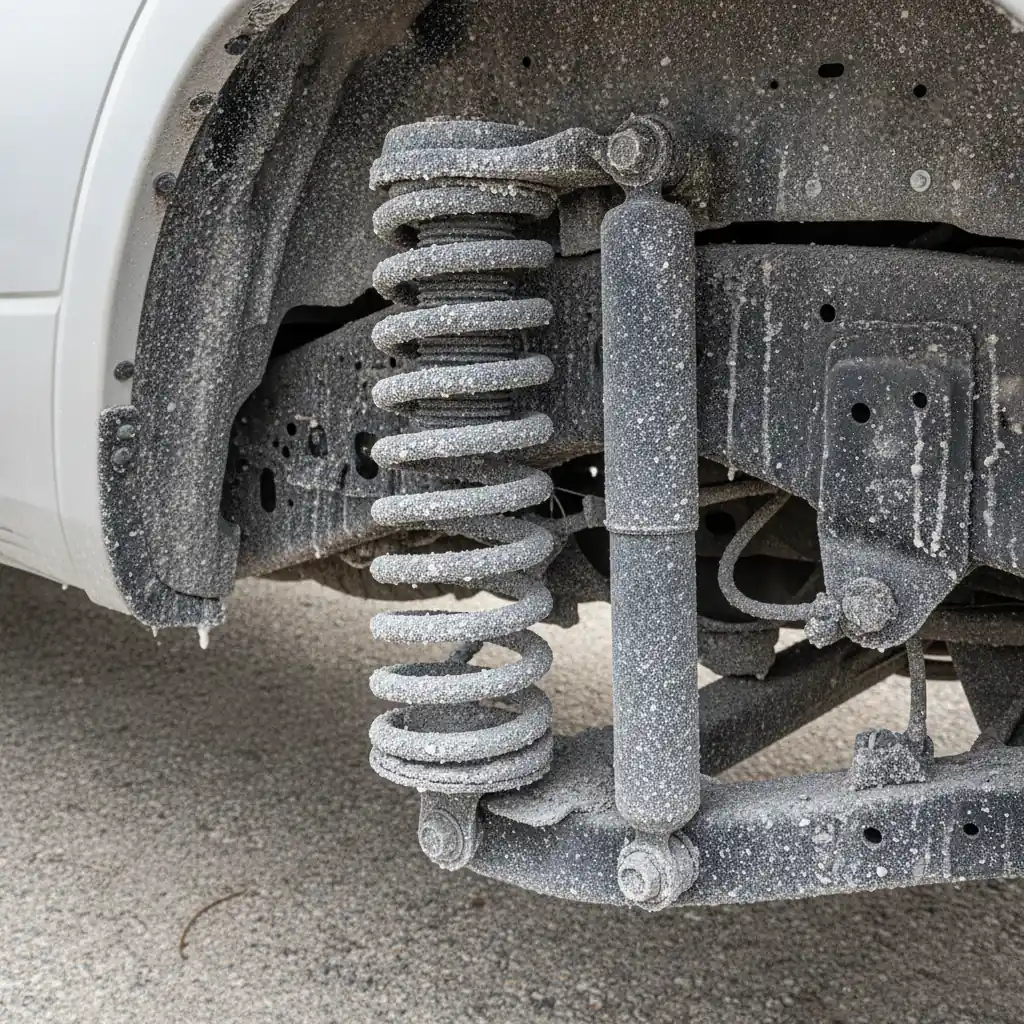
The flip side, and we will not pretend otherwise, is gravel and salt. Gravel takes the paint off the rockers and the leading edge of the box, chews windshields and beats up suspension bushings. Salt and brine work on the frame, the brake and fuel lines and the exhaust hangers, and around here that is the real clock on a truck, not the engine. So the honest prairie read is this: the powertrain on a high km highway truck is usually the least of your worries. Get underneath it, because the frame and the lines are where a Manitoba truck actually dies.
If you are comparing what the city market is asking against what we have here, we wrote that one up too: used trucks in Winnipeg.
What We Actually See on High Km Trucks
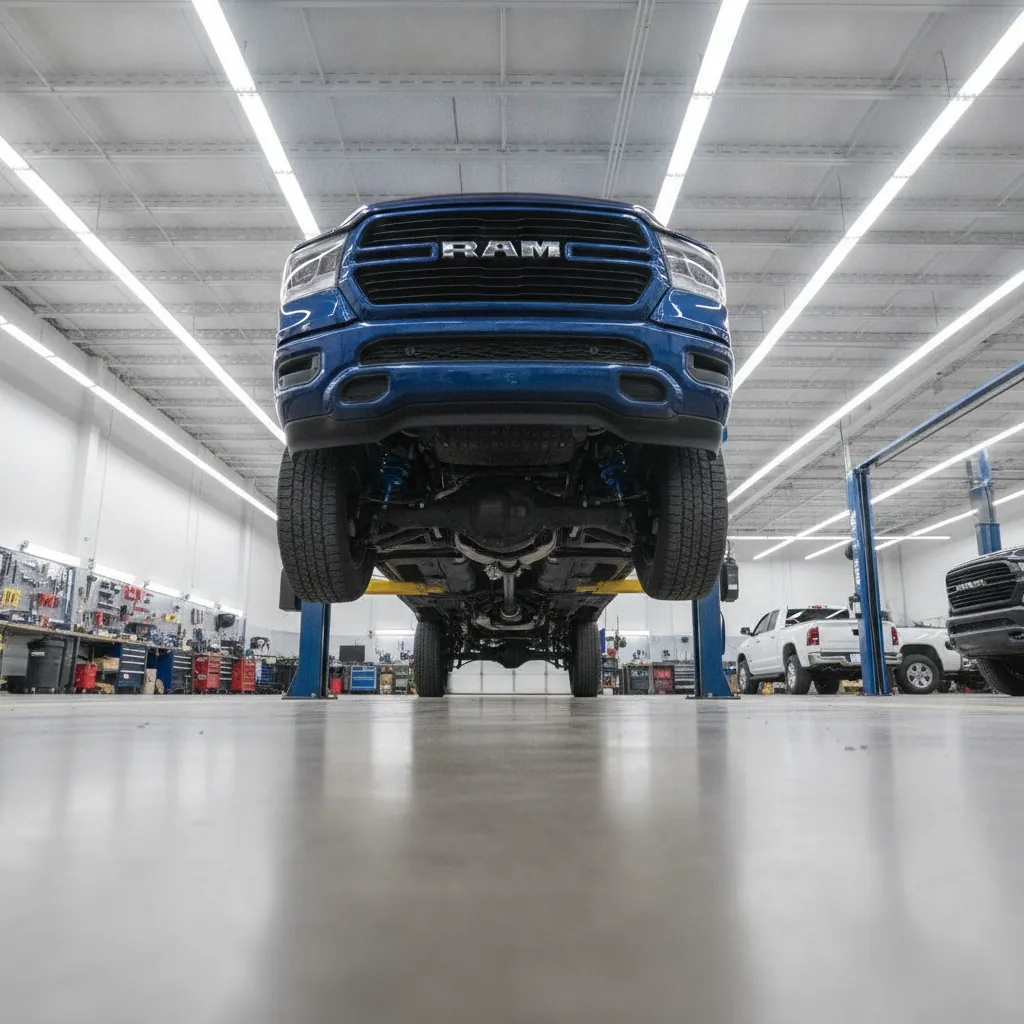
We go through every used truck that comes onto this lot before it gets a price, so we have a decent read on what a big number actually costs a buyer.
What is usually fine at high kilometres. The engine and the transmission, in most cases. Half ton gas powertrains serviced on schedule are generally not what stops these trucks. The current Ram's record backs that up: the Ram 1500 finished first among large light duty pickups in the J.D. Power 2026 U.S. Vehicle Dependability Study, which surveys owners of three year old vehicles about the problems they had over the previous year. That is a durability signal worth weighing when a 150,000 km truck makes you nervous.
What is usually due at high kilometres. Suspension and steering wear items. Shocks, control arm bushings, sway bar links, tie rod ends. Brakes, obviously. Belts, hoses, coolant, transmission fluid, differential fluid, the stuff a lot of owners quietly skip. Tires that look fine and are seven years old. None of that is a reason to walk away. It is a reason to know the number before you buy instead of after. Our service department does the same walk through on a trade in that we would do on your own truck, and you can book an appointment to have one you are considering looked over.
What actually makes us walk away. Rot in the wrong places. Brake and fuel lines you can flake with a fingernail. Frame scaling past surface rust. A truck that has clearly been run on a warning light for a long time. If you want to know what those lights mean before you go looking at somebody's driveway truck, start with our guide to the check engine light.
The Thing That Beats the Odometer: Service History
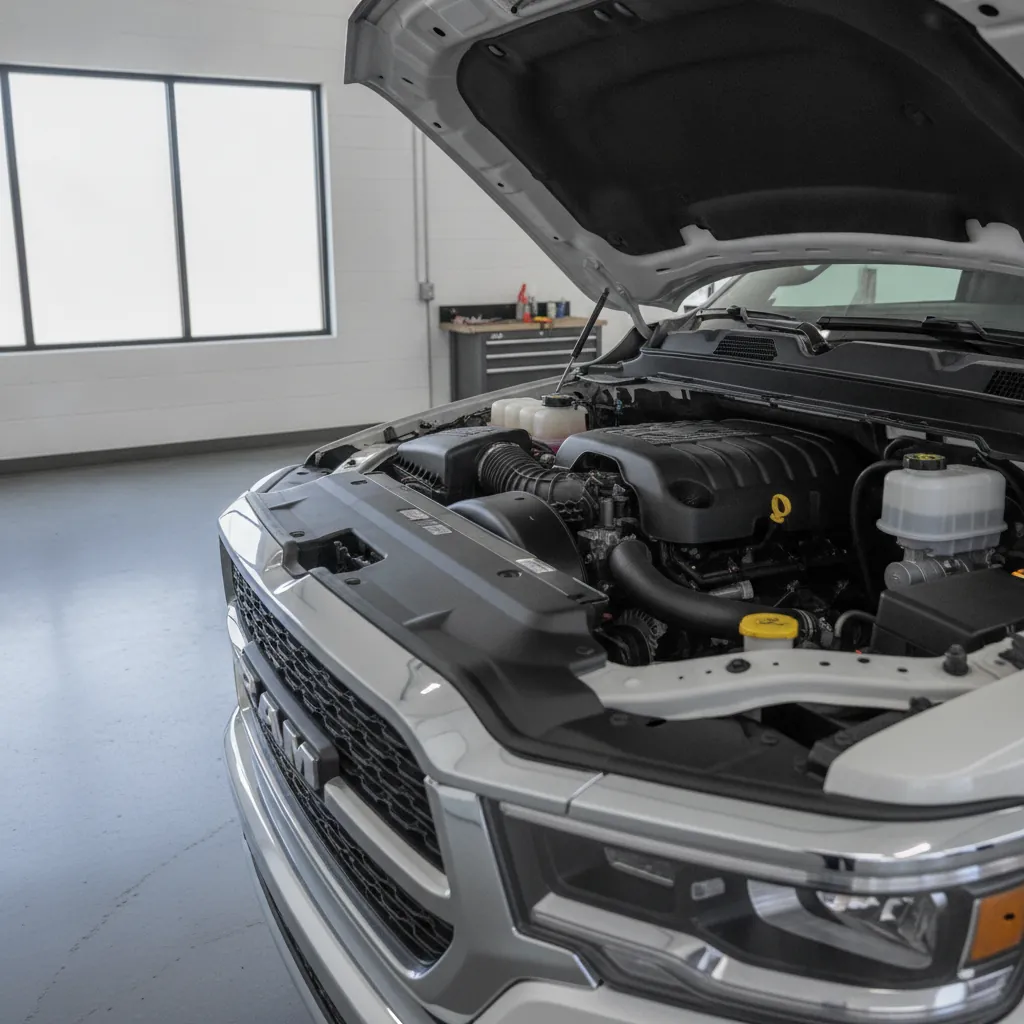
If you take one thing from this post, take this. Between two trucks of the same year, we would rather have the higher reading with a documented service history than the lower reading with nothing.
Records tell you the oil got changed at the right interval, not whenever somebody remembered. They tell you the transmission and differential fluids were done, which is where a neglected truck starts costing real money. Most of all they tell you a previous owner cared, and that is the single best predictor of what the next hundred thousand kilometres looks like. Our Ram 1500 maintenance schedule lays out what should have been done and when, which makes it easy to check a stack of receipts against the intervals.
Manitoba gives you a real floor here too. Manitoba Public Insurance requires a valid Certificate of Inspection to transfer ownership of a used vehicle, with exemptions for a few transfers such as between spouses or to a child, and that certificate is good for one year. A COI is a safety standard, not a condition report, so it will not tell you the truck is a good buy. It does mean nobody here can legally hand you something with the brakes hanging off it. Ask to see it and ask when it was done, because MPI itself notes a vehicle's condition can change in the months after an inspection.
Where We Draw the Line, and Why
Every dealer sets a threshold for what it will certify. Ours is a Dunn Certified Pre Owned vehicle: under 8 years old and under 160,000 km, and that applies to non Stellantis vehicles on our lot too, not just Ram, Jeep, Dodge and Chrysler.
Notice that 160,000 over 8 years is exactly the 20,000 km a year rule. That is not a coincidence. It is the same judgement, written down.
Trucks outside that window still show up here, because a good truck at 200,000 km is still a good truck and somebody is looking for exactly that. They just get sold as what they are, with the reading front and centre and the condition described plainly. What we will not do is dress up a tired truck with a detail job and a soft description.
Pricing on used trucks moves with the market week to week, so we do not print numbers in a blog post that will be wrong by the time you read it. What is listed on the site is current. Have a look at what is on the ground in our used inventory, and if a new truck ends up making more sense than a high km used one once the math is done, our new Ram 1500 inventory is right there to compare against.
Buying High Km on Purpose
There is a version of this where the high number is the whole point.
Depreciation on a truck is front loaded. The steepest drop happens in the early years, which means the buyer of the eight year old truck is not paying for that part. If you need a truck for the farm, the trades, a gravel commute or hauling a trailer a few times a summer, and you are not precious about paint chips, a well maintained high km truck is often the most sensible money in the market. Budget for the wear items up front, keep a little aside for the first round of suspension work, and drive it.
What we would tell you across the desk: do not stretch to the top of your budget on a high km truck. Leave room for the first year of maintenance, because there will be some, and a truck you can afford to fix beats a truck you can barely afford to buy. Our truck affordability guide for Manitoba walks through the payment side, you can start an application online when you are ready, and if you are trading something in, our instant cash offer gives you a real number in a few minutes whether you buy from us or not.
FAQs
What is a good mileage for a used truck?
Roughly 20,000 km or less per year of age, so about 100,000 km on a five year old truck and about 160,000 km on an eight year old one. For context, Natural Resources Canada reported the average Canadian light truck travelled 15,180 km in 2023, so 20,000 a year is already an above average workload. Over the line, the truck can still be a good buy, but the service history and the underbody matter more than the number does.
Is 200,000 km too much for a used truck?
Not by itself. A 200,000 km truck that ran highway, was serviced on schedule and has a solid frame will often outlast a 120,000 km truck that lived on short city trips and never saw a fluid change. What it does mean is that the wear items are due, the price should reflect that, and you should get underneath it first. It is also past our certification window, so it would sell as a straightforward used truck rather than a Dunn Certified Pre Owned one.
Are highway kilometres really better than city kilometres?
Yes, and by more than most buyers assume. Wear comes from cycles more than distance: cold starts, stops, shifts and heat cycles. Steady highway running minimizes all of them, which is exactly how a lot of Manitoba trucks earn their distance. The offsetting cost out here is gravel and road salt, so the frame and the brake and fuel lines deserve more attention than the odometer does.
What counts as low mileage, and is low always better?
Under about 12,000 to 15,000 km a year is genuinely low, and no, it is not automatically better. Vehicles that sit get aged tires, seized brake hardware, dried seals and a battery worn down by short trips. A low reading is only a good sign when the truck was still serviced by time rather than by distance.
What is the kilometre limit for a Dunn Certified Pre Owned vehicle?
Under 8 years old and under 160,000 km. That standard applies to every vehicle we certify, including non Stellantis makes on our used lot.
Do I need an inspection to buy a used truck in Manitoba?
Manitoba Public Insurance requires a valid Certificate of Inspection to transfer ownership of a used vehicle, with exemptions for certain transfers such as between spouses or to a child, and it is valid for one year. That is a safety standard, not a quality report, so an independent look is still worth doing. We are happy to put a truck you are considering elsewhere on a hoist.
The Bottom Line
A good mileage for a used truck is about 20,000 km a year or less. That is a useful place to start and a terrible place to finish.
The number on the dash is one line of the story. How those kilometres were earned, whether the fluids got changed, and what a decade of Manitoba winters and road salt did to the frame are the rest of it, and they matter more. We would take a documented 180,000 km highway truck over a mystery 90,000 km one on almost any day of the week, and we buy trucks for a living.
Come look at what is on the lot in our used inventory, tell us what you need the truck to do, and we will tell you straight whether the kilometres on the one you are eyeing are a bargain or a warning. Both answers happen here.
Tyler Dunn, Dunn Ram Trucks, Portage la Prairie